“Are We Being Scammed By Farmers Markets?”
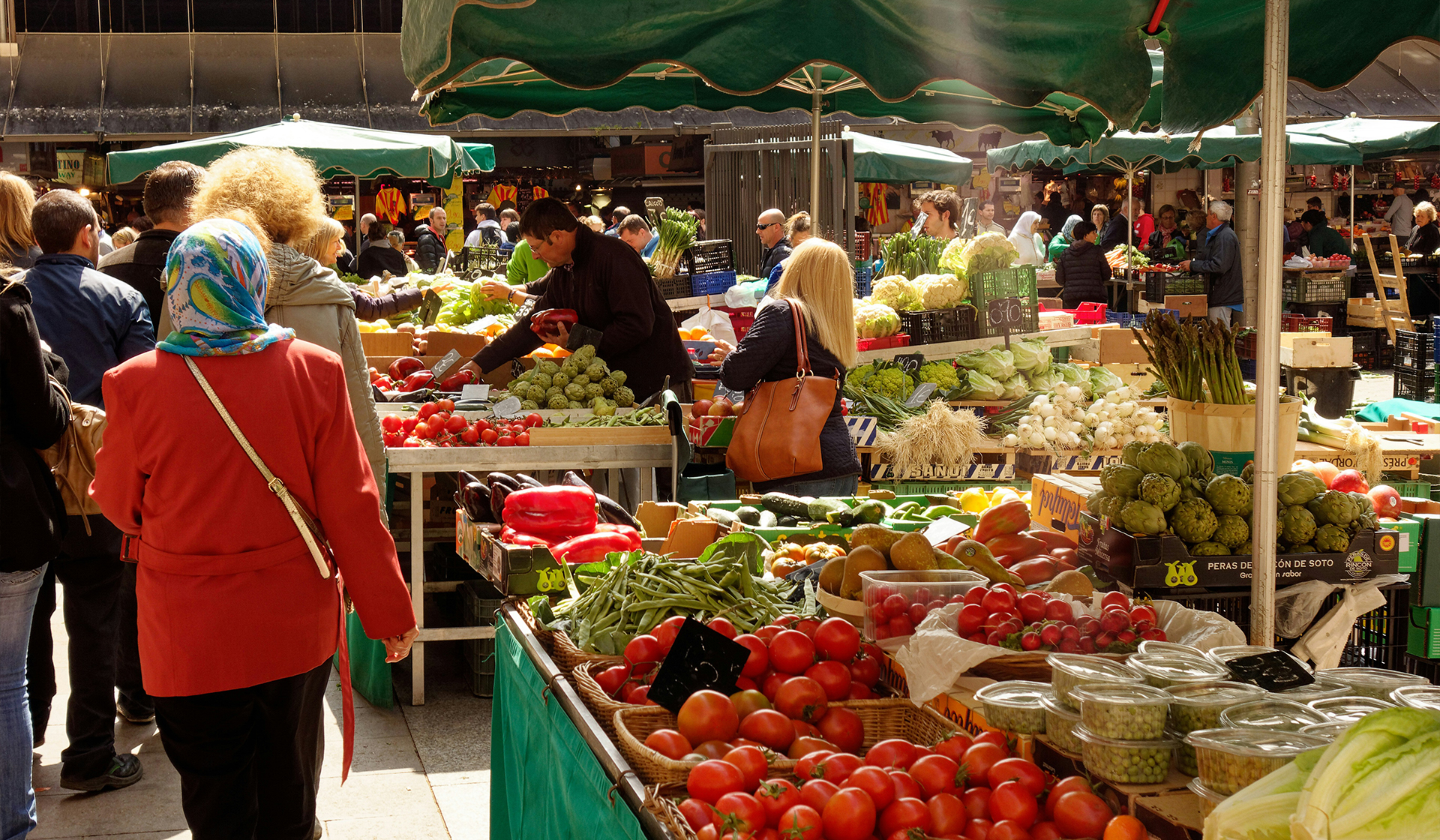
The other day, my colleague turned to me and said, “Are farmers’ markets a scam?” The short answer is ‘no’. Farmers’ markets are one of the easiest ways to support local businesses and spend your money somewhere other than a giant supermarket chain aggressively selling strawberries in February. But to make a short story long: farmers’ markets have wronged me, and they’ve probably wronged you, too.
Between maggots in lettuce heads, crumbled corks in apple cider vinegar that transformed my tote bag into a vinaigrette perfumed rag, and rumours of some stalls storing produce in public bathrooms, there is — at least in my experience — a very valid reason to be sceptical. It happens.
Supermarkets have conditioned us to expect strawberries in February and avocados that have travelled further than most posh teenagers on a gap year.
Are farmers’ markets scams?
Are they too expensive? Should sausage rolls be a tenner? All that time baking in the sun just invites larvae to be laid.
And yet, despite every objectively disgusting thing that has happened to me at a farmers’ market, I remain hopelessly devoted to them. Put me within 50 metres of a handwritten sign advertising heritage tomatoes, and I will enter a fugue state. Suddenly, I’m paying £10 for “seasonal greens” because a man in corduroy told me they were picked at dawn.
The scam accusation mostly comes down to price. Supermarkets have conditioned us to expect strawberries in February and avocados that have travelled further than most posh teenagers on a gap year. Farmers’ markets work differently because they are based on inconvenient concepts like seasons and human labour. You are paying for shorter supply chains, smaller production, and produce that hasn’t spent two weeks emotionally deteriorating under fluorescent lighting.
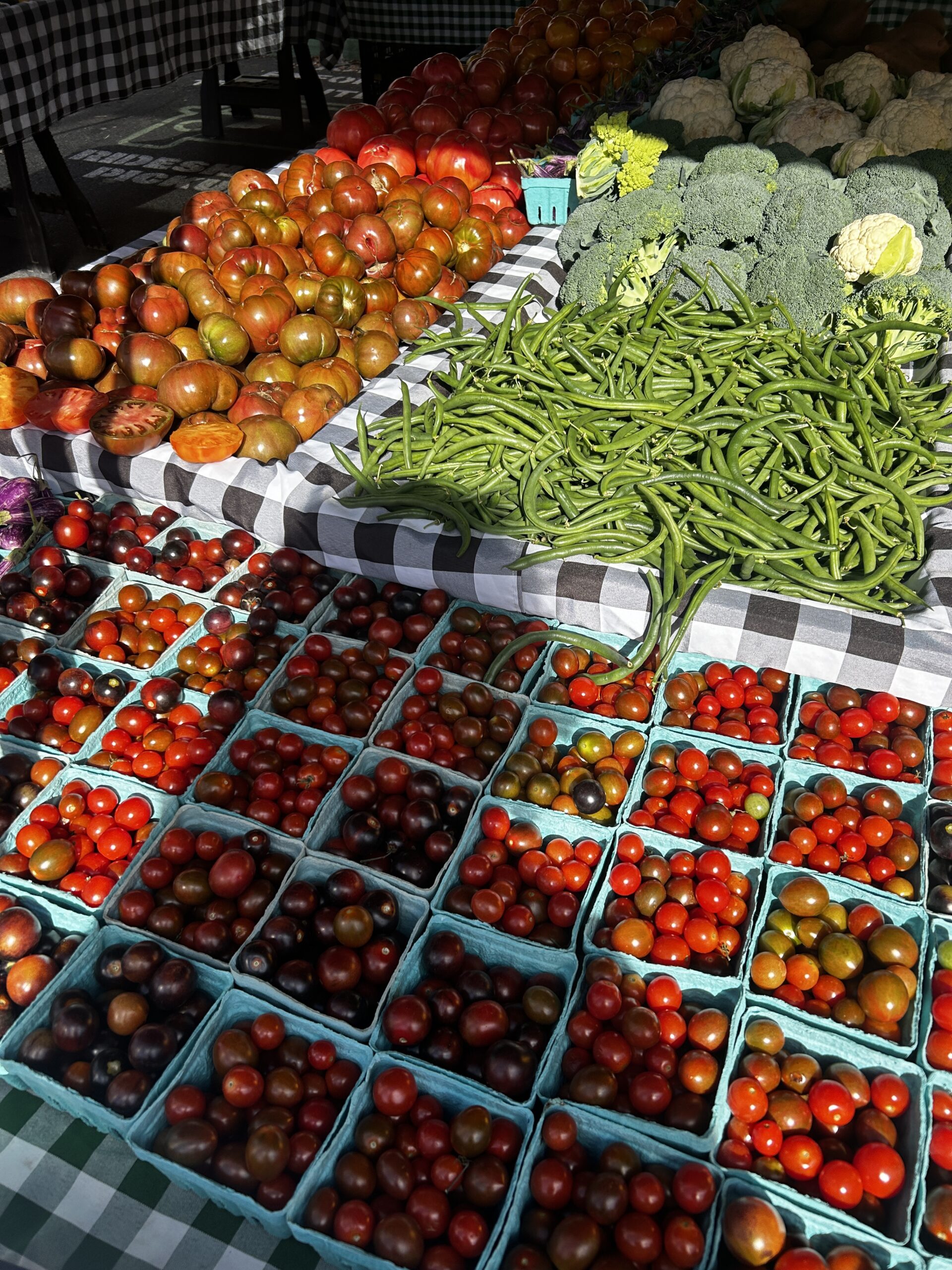
You talk to people. You taste things. You accidentally buy fermented honey because a woman handed you a tiny spoon and made meaningful eye contact.
That said, some market pricing is delusional. I once saw a focaccia for £23 and briefly considered filing a formal complaint. A sausage roll should not cost the same as a fan from Argos.
And hygiene-wise — yes, there are risks. Some stalls are pristine. Others feel one warm afternoon away from a minor health code incident. But part of the appeal is exactly that they’re imperfect, human places. You talk to people. You taste things. You accidentally buy fermented honey because a woman handed you a tiny spoon and made meaningful eye contact.
How to do a farmers market well — and why they matter
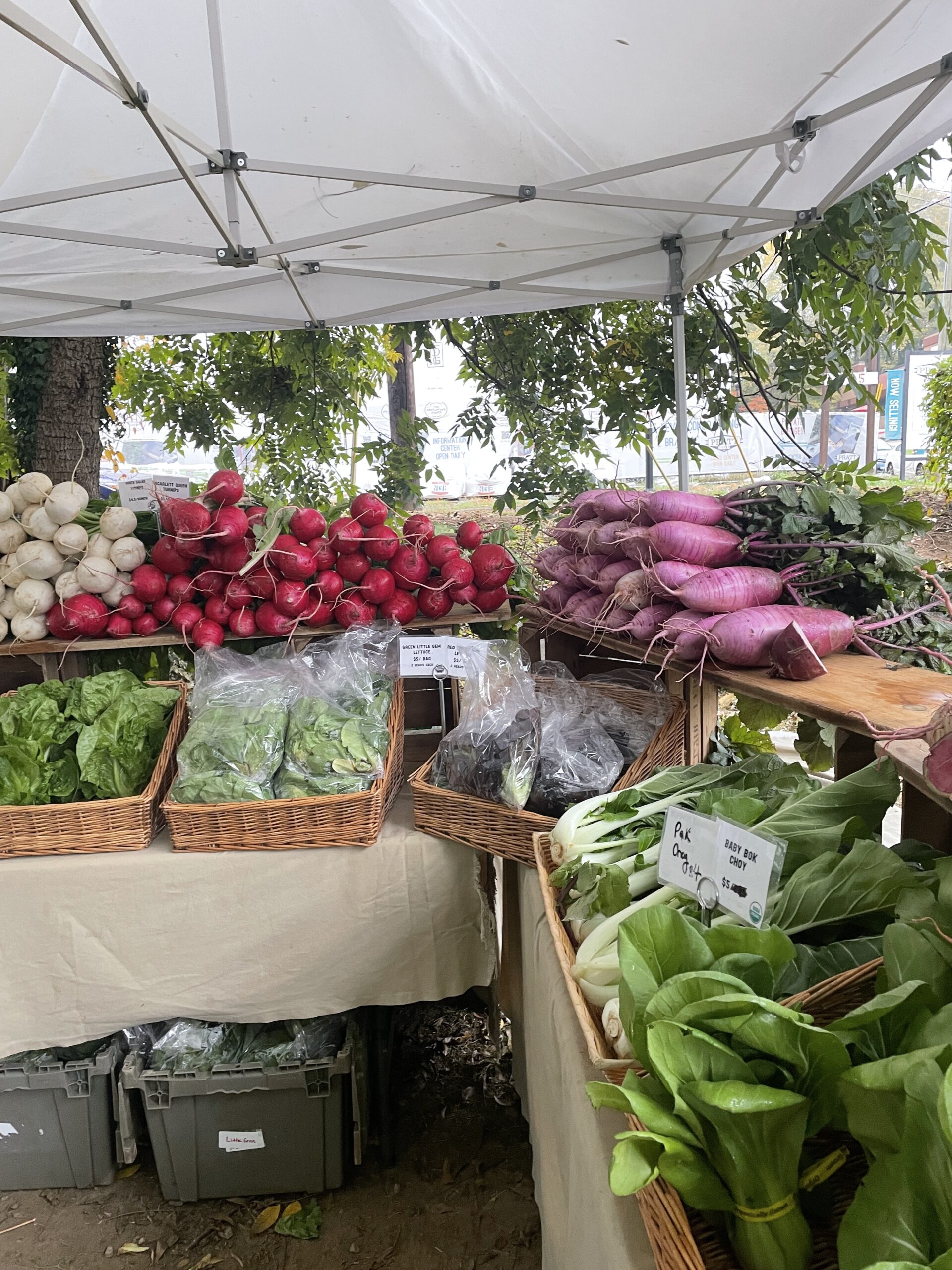
The key to doing a farmers’ market properly is accepting that it is not an efficient shopping experience. It is somewhere between a grocery run, a social event, and artisanal financial ruin.
Go early, bring a sturdy tote, and don’t attempt to do your entire weekly shop there unless you’ve recently inherited land. Farmers’ markets are best for the things worth caring about: produce, bread, dairy, meat — foods where freshness actually changes the experience of eating them. Perhaps ditch the £20 granola.
And despite my complaints, they are important. Really important.
Supporting local businesses may sound like a vague moral instruction printed on coffee cups, but it matters materially. Small farms in the UK are under enormous pressure from supermarkets, rising costs, climate volatility, and the general indignity of trying to compete with multinational grocery chains selling blueberries in December. Markets allow producers to sell directly to customers, keeping more of the profit for themselves rather than surrendering it to layers of distribution and retail markups.
Markets allow producers to sell directly to customers, keeping more of the profit for themselves instead of surrendering it to layers of distribution and retail markup.
They also reconnect us with the reality of food. Supermarkets have turned produce into anonymous inventory. Farmers’ markets remind you that apples have seasons, eggs have yolk colours, and carrots occasionally come out of the ground looking a bit erotic. You ask questions you’d never ask in Tesco. Why is this cheese orange? What type of plum is this? Can I pickle these? Food becomes less transactional and more conversational.
And maybe that’s the real kicker of them. In London, especially — where everyone spends half their life avoiding eye contact on public transport — farmers’ markets create tiny pockets of community. You chat to stallholders. You run into neighbours. You overhear someone passionately explaining the superiority of greengage jam. For an afternoon, the city feels less atomised
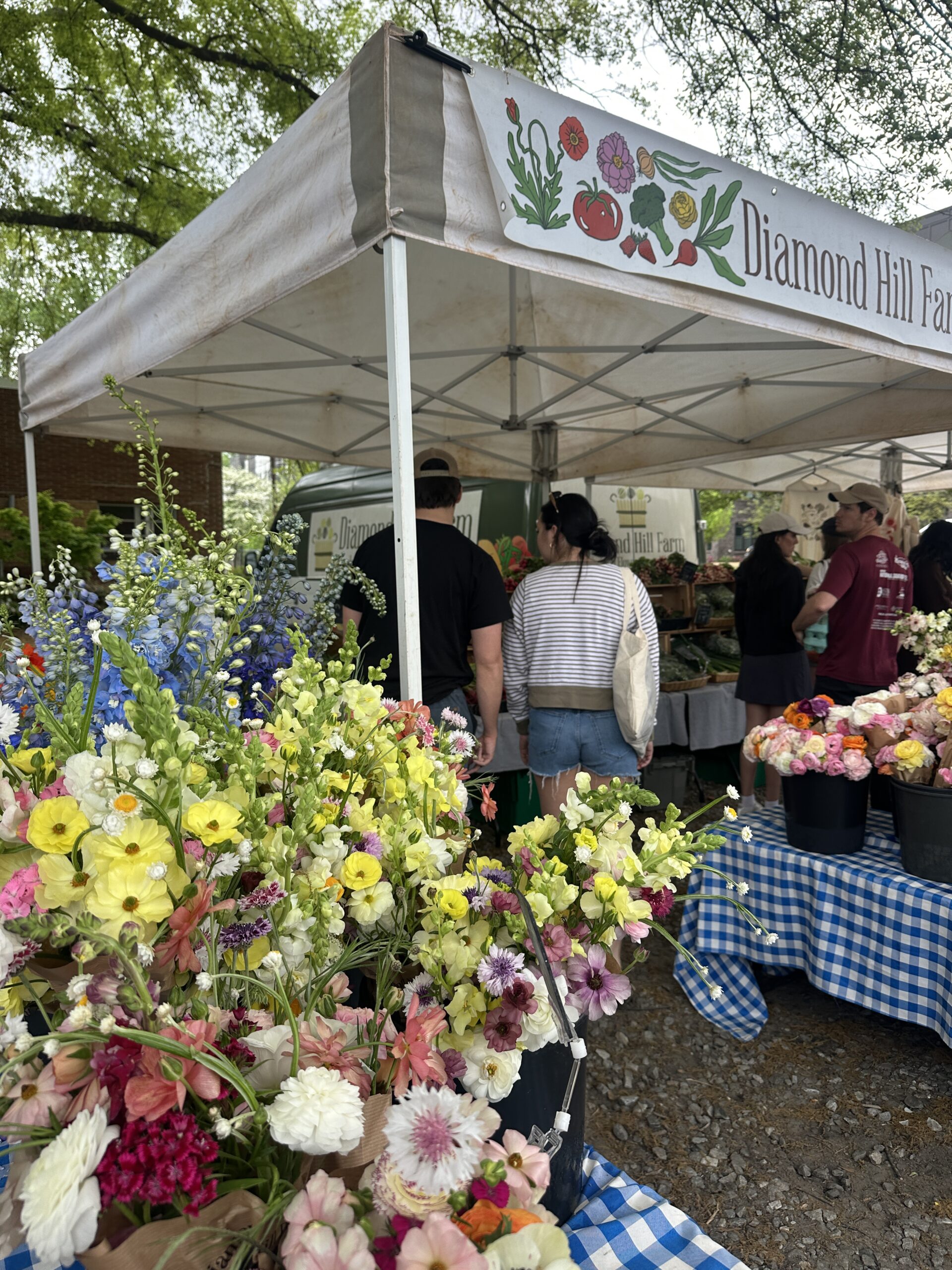
In London, especially — where everyone spends half their life avoiding eye contact on public transport — farmers’ markets create tiny pockets of community.
London’s best farmers markets
I had to put feelers out on my Instagram story because that’s really the only reliable way to know which farmers’ markets are actually good. A proper market cannot be discovered through SEO (until this piece, of course). It must be whispered about by someone who owns at least one linen shirt and has strong opinions on tinned fish.
Parliament Hill Farmers’ Market
The north London favourite. Smaller than some of the sprawling weekend markets, but deeply beloved and full of people who look like they make their own kefir. Excellent produce, strong bakery representation, and dangerously good pastries. The kind of market where you arrive intending to buy onions and leave with raw milk butter and a personality shift.
Where: William Ellis School Off High Gate Rd London, London NW5 1RN
website: www.lfm.org.uk
Queen’s Park Farmers’ Market
Arguably one of the friendliest in London. There’s a genuinely local feel to it — less performative wellness content creation, more actual shopping. Good for vegetables, cheeses, and prepared foods that make you temporarily believe you could become the sort of person who cooks seasonally every week. Did I mention it was voted the best farmers’ market in the UK?
Where: Salusbury Primary School, 103 Salusbury Rd, London NW6 6RG
website: www.lfm.org.uk
Pimlico Road Farmers’ Market
Tiny but elegant. Naturally. This is Belgravia, where even the root vegetables seem wealthier than you. The produce is beautiful, the clientele somehow all own expensive knitwear, and there’s an intimidating abundance of perfectly arranged mushrooms. Come here if you want to feel like a financially unstable extra in a Nancy Meyers film.
Where: Pimlico Rd, London SW1W 8UT
website: WWW.LFM.ORG.UK
Notting Hill Farmers’ Market
Busy, fashionable, occasionally chaotic. You’ll find genuinely excellent traders alongside people who appear to have wandered out of a lifestyle podcast recording. But the produce is strong, the atmosphere is lively, and it’s one of the best places to impulse-buy things in jars you absolutely do not need.
Where: Fox Primary School, Edge Street W8 7PP, London W11 3LQ
Website: www.lfm.org.uk
Islington Farmers’ Market
A classic. Dependable, varied, and full of proper regulars. There’s a nice balance between serious food people and locals just trying to buy nice potatoes without making it their entire personality. One of the easiest markets to shop consistently rather than romantically.
Where: Chapel Market, London N1 9PZ
Website: www.lfm.org.uk