An Expert Shares Everything You Need To Know About Collagen Supplements
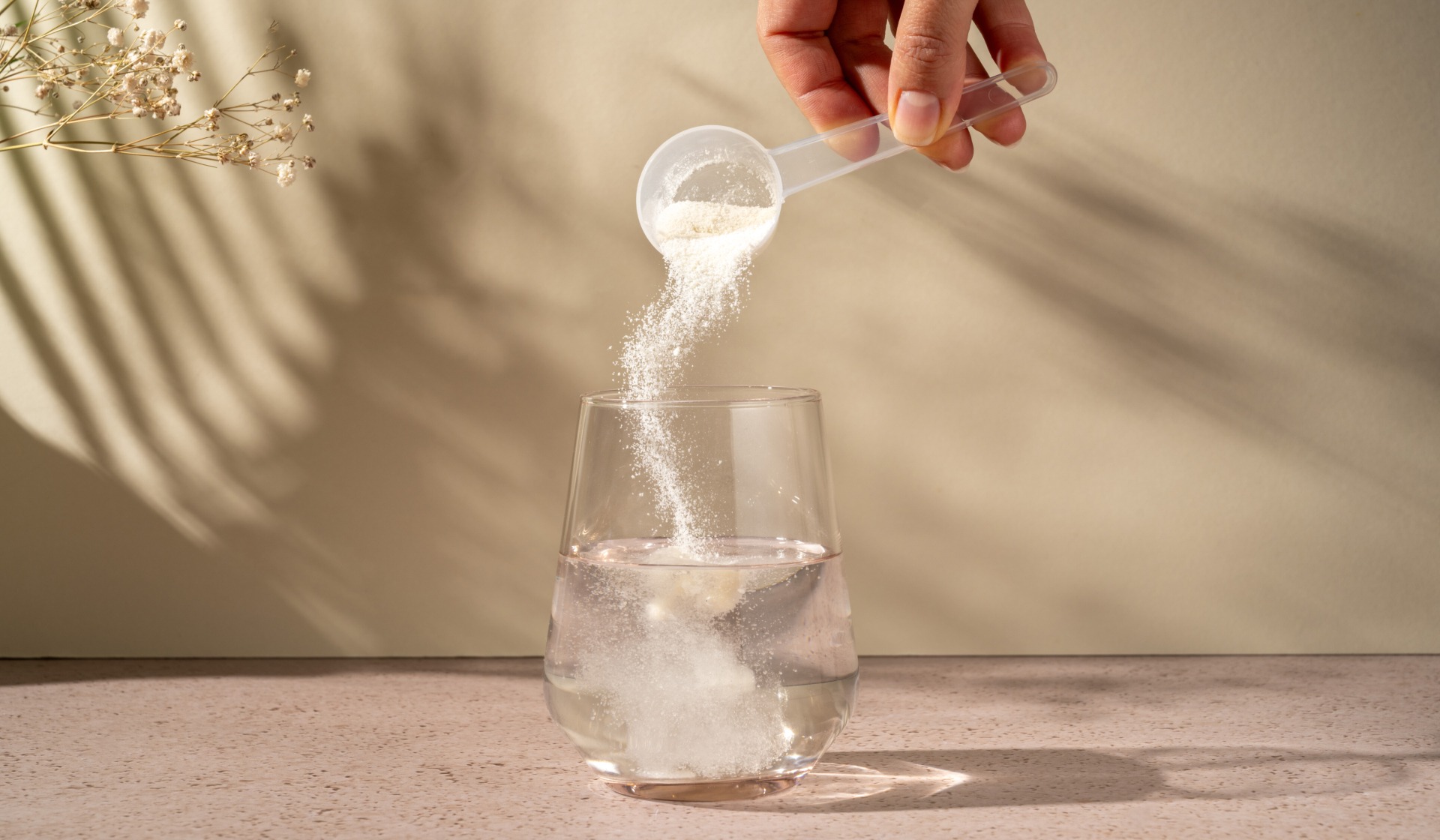
Collagen. The skincare buzzword, the key ingredient- call it what you like; collagen promises plumper, glowier and more youthful-looking skin. But how does it work as an ingestible as opposed to your topical skincare? How do you choose which collagen supplement? And is that why there’s so much hype? We turned to Anna Lahey, founder of leading Australian ingestible beauty brand, Vida Glow, to find out everything you need to know about collagen for your skin and why we should all be adding a heapful to our brew every morning.
What is collagen and what’s its role in the skin?
Collagen is a protein that our bodies naturally produce. It is the most abundant protein in our body. Collagen acts as a building block, giving our skin, hair and nails their structure and firmness. The rate at which our bodies produce collagen starts to decline gradually from around the age of 25. This is when we start to see the early signs of ageing, for example – fine lines. It’s at this time that your collagen supplement becomes so important.
What visible effects on the skin do depleting collagen levels have?
When our collagen levels decline, we begin to see the formation of fine lines, hair thinning and brittle nails. As collagen depletes, this results in the skin losing its elasticity as well as a reduction in epidermal thickness. The skin’s structure weakens, and skin wrinkles and sagging appear. By supplementing with a collagen powder, you are directly providing high amounts of necessary amino acids and peptides that the body needs to form fresh collagen that strengthens the skin’s foundations.
How does taking collagen supplements affect levels in the skin?
When you ingest a high-quality, hydrolysed marine collagen product, the collagen is absorbed and distributed into the bloodstream via the blood vessels to a deeper layer of skin called the dermis. Once it reaches the collagen matrix, it stimulates fibroblast proliferation, generating the production of fresh collagen. As a completely natural protein, marine collagen is an effective, non-invasive solution to visibly improve the appearance and health of skin, hair, and nails.
Is it possible to get these effects through diet alone?
Collagen is only really found in the tendons, connective tissue, and organ meats of animals. So, it’s not all that accessible in a regular diet. Even if you’re eating nose-to-tail or drinking bone broths, you’re consuming collagen in its raw form, which is a very large molecule and not well absorbed by the body. So, it doesn’t offer much benefit for skin in this form.

How much of the supplement is absorbed by the body?
This depends on your supplement. The efficacy of marine collagen – and all ingestible beauty – lies in the formula’s bioavailability. Bioavailability is a measure of the body’s ability to absorb an ingredient. The more bioavailable a supplement is, the more efficiently the body can put it to work to produce results.
Collagen supps are hugely popular nowadays – is it worth the hype?
I can confidently say that the evidence is very clear that collagen supplementation works. There are over 800 scientific research papers and trials on collagen supplementation. And over 20 double-blind placebo-controlled trials on hydrolysed collagen and its effect on skin alone. This is significant because double-blind placebo-controlled trials are the gold standard of clinical and scientific testing. They’re expensive, they’re time-consuming, yet they provide the most robust evidence.
How do the benefits of taking collagen supplements compare to the benefits of collagen-boosting topical skincare?
I like to explain to people that the surface layer of skin, where most traditional skincare operates, makes up for only 3% of the complete skin organ. Ingestible beauty products start in the body, at a cellular level where the ingredients can penetrate the other 97% of skin. So, with ingestible beauty, you can address more of the skin than just the superficial outer layers. Because of this, I believe in a bidirectional approach to beauty where you have topicals and ingestibles working in tandem to deliver maximum results.
What is important to look for when buying a collagen supplement? Number of grams? Molecular weight of the collagen? Multiple types of collagens?
Take a close look at the back of the pack and ingredients list. A high-quality collagen powder should contain 100% collagen. Also take notice of whether it’s a collagen or collagen-supporting supplement. There’s a difference. Collagen supplements contain the specific amino acids and peptides that are needed by cells in the body to produce collagen. Collagen-supporting supplements often use antioxidants to enhance skin health and minimise collagen degradation
How is a collagen supplement best taken? (I’d heard that it’s best dissolved in water rather than in, say, a smoothie as it’s better absorbed?) Is there a form (i.e., powder, gel, gummies, capsules) that’s most effective?
I always recommend taking collagen in powder form blended into water, as this best matches the way it’s administered in clinical trials and that we know to be effective. Smoothies have a variety of different macronutrients, like fats and fibre that can slow down or change the way the collagen is absorbed. It doesn’t mean that the collagen won’t be effective, but it might not be absorbed as effectively or as completely.
Anything else to note?
A hydrolysed collagen powder with a low molecular weight will deliver greater results. It’s one of the most important things to look for when choosing a collagen supplement. Lastly, maximise your daily collagen fix by including plumping skincare into your daily routine.
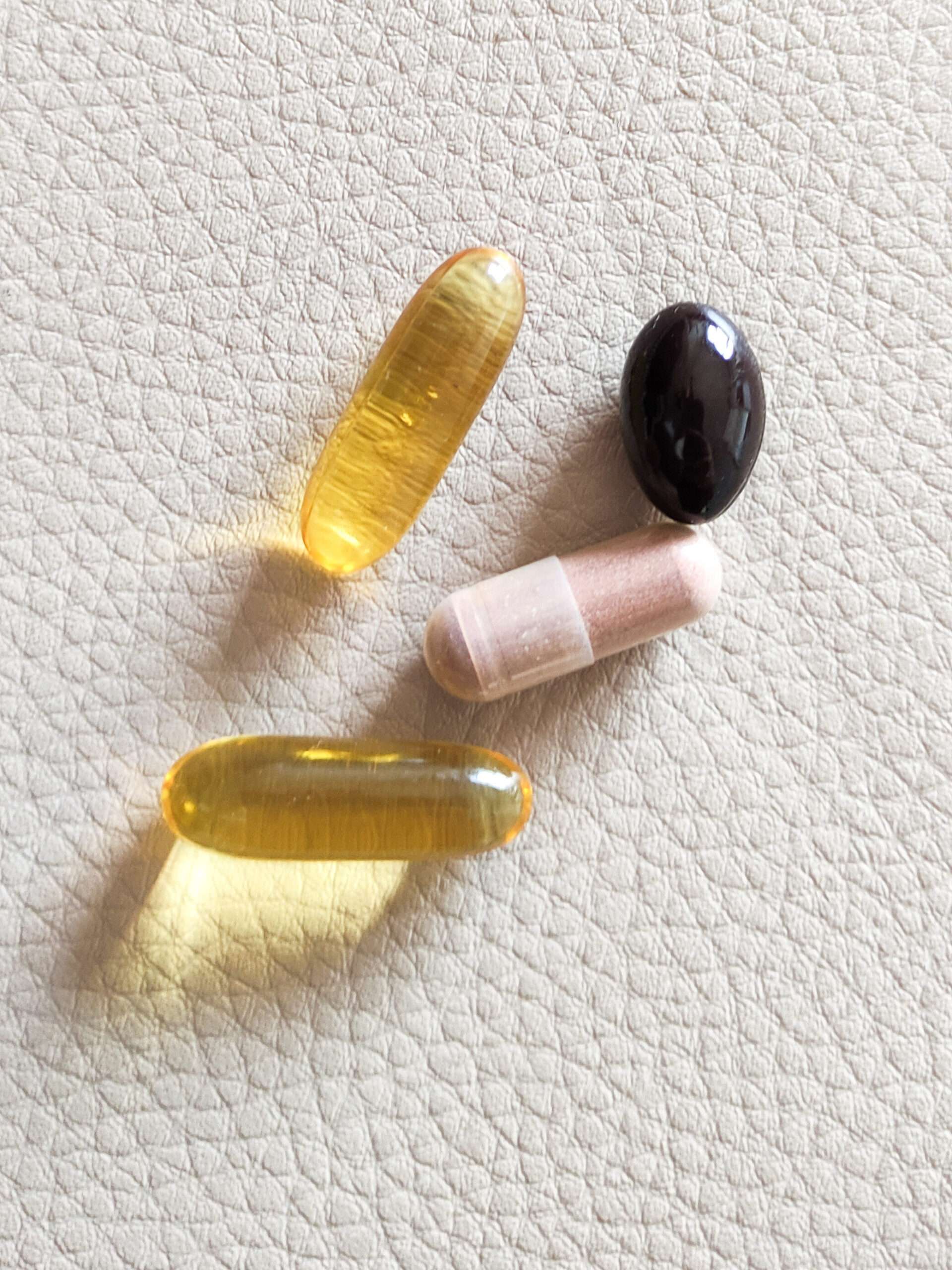
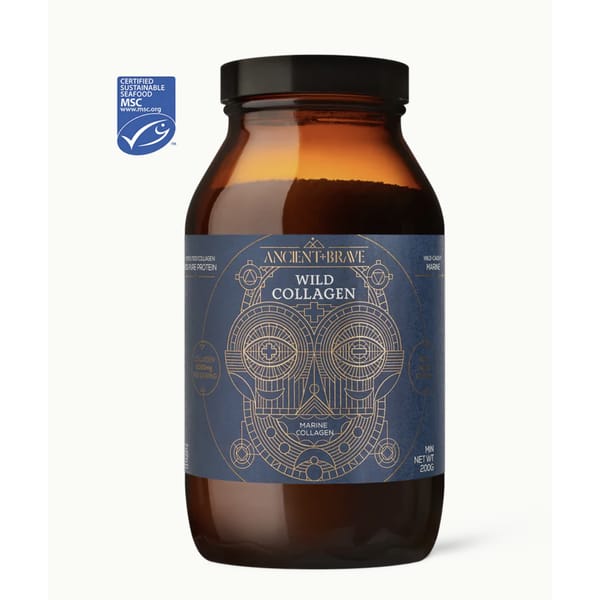
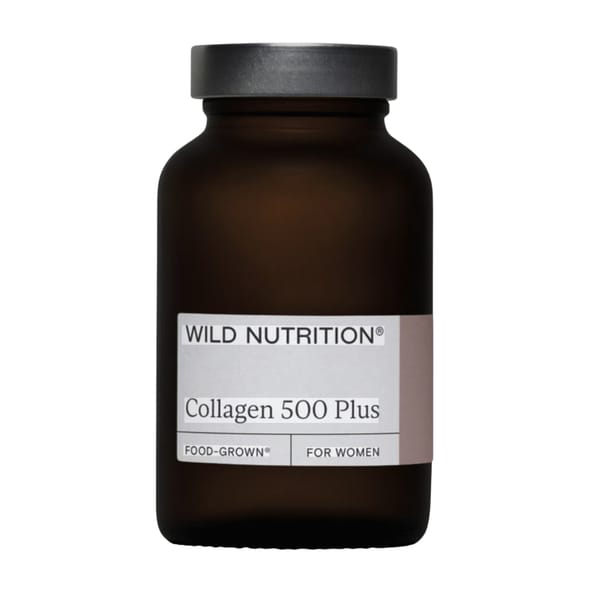
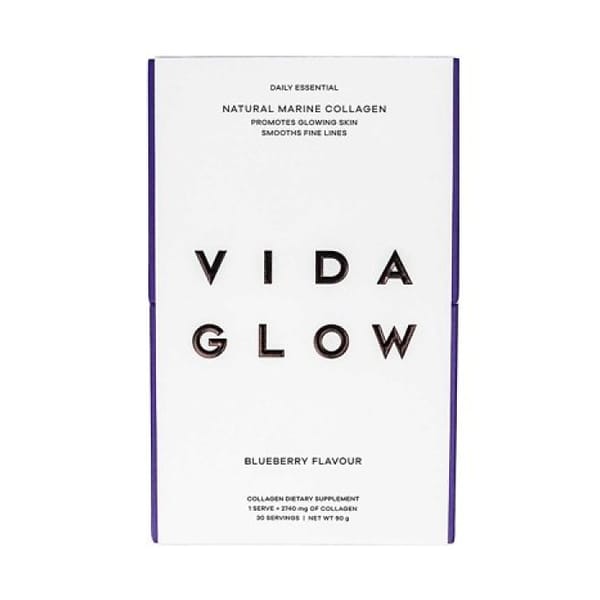
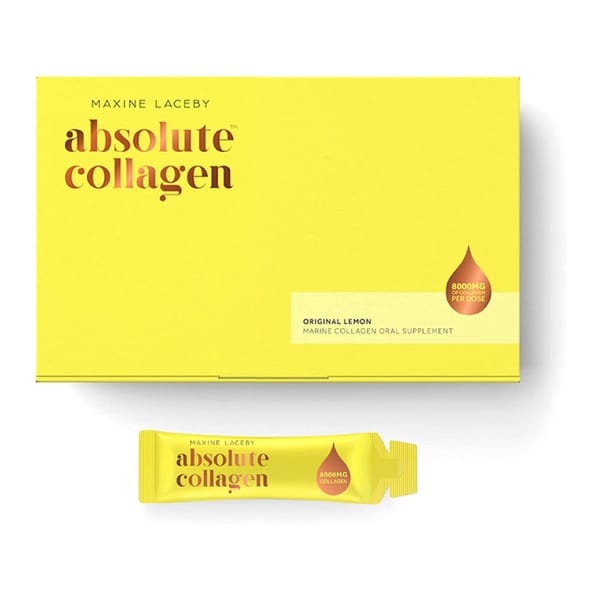
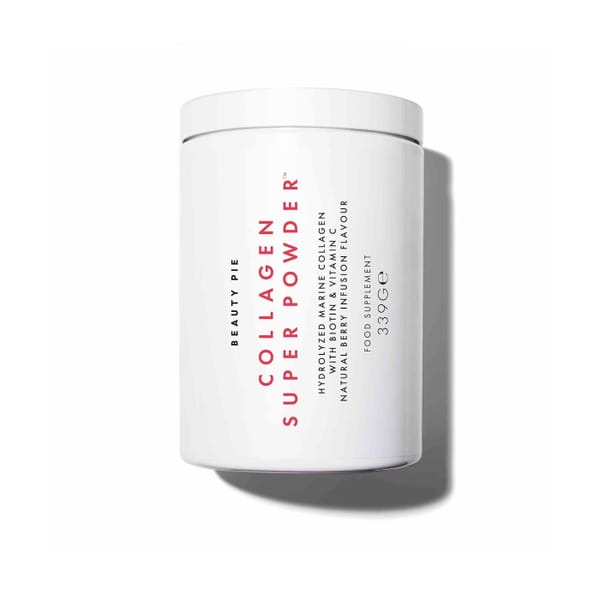
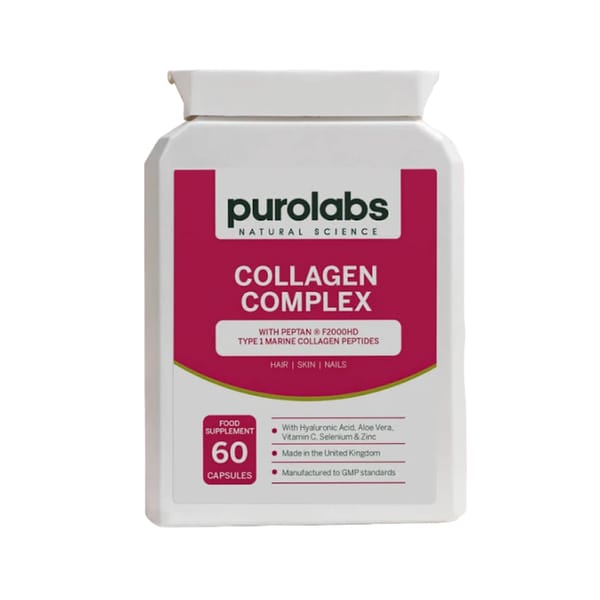
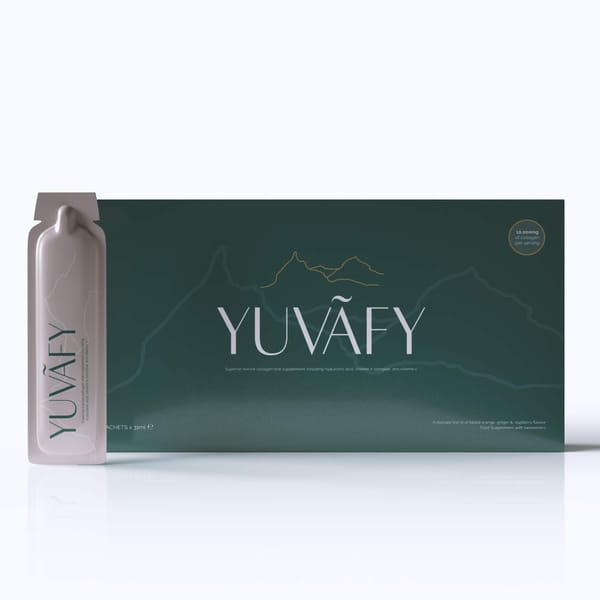
Here are the collagen supplements that we rate….
(But remember, like all supplements, consistency is key).
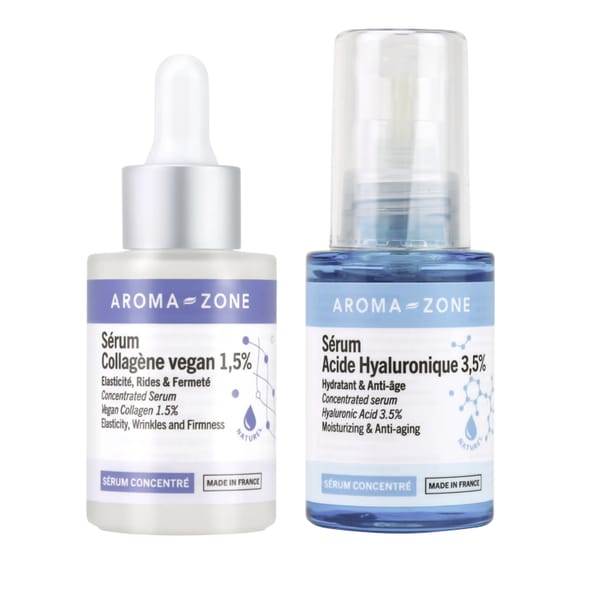
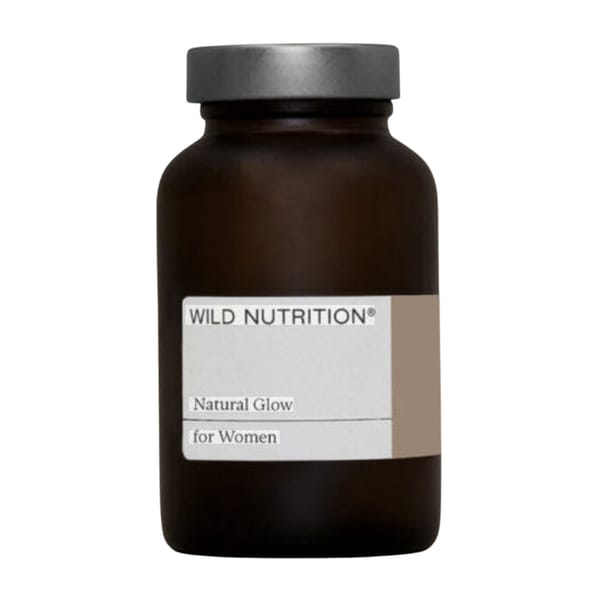

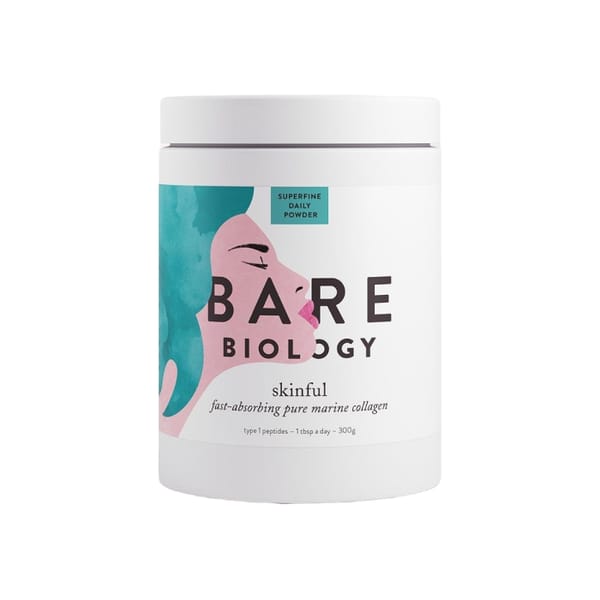
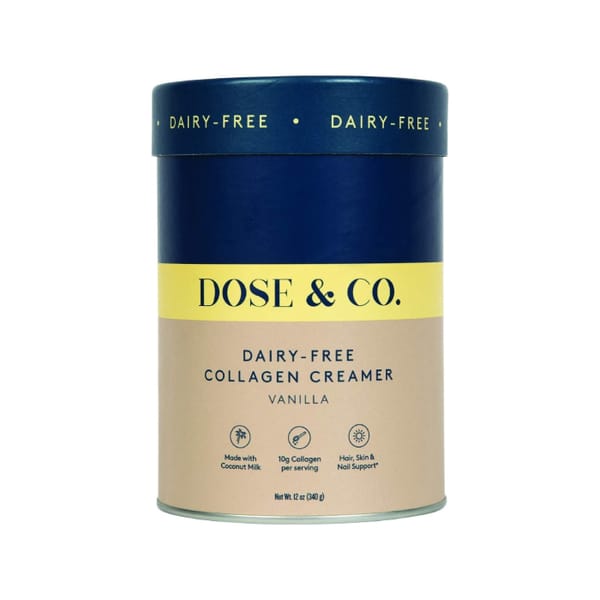


The products on this page have been selected by our editorial team, however, The Handbook may make a small commission on some products purchased through affiliate links.