Easy Ways To Hack Your Skin, Hair & Sleep According To The Queen Of Bio-Hacking
Cold plunges, wearable trackers, mushroom coffee — biohacking is suddenly everywhere. But if you’ve found yourself hearing the buzz and quietly wondering where to start, Dr Vali offers a refreshingly simple approach…
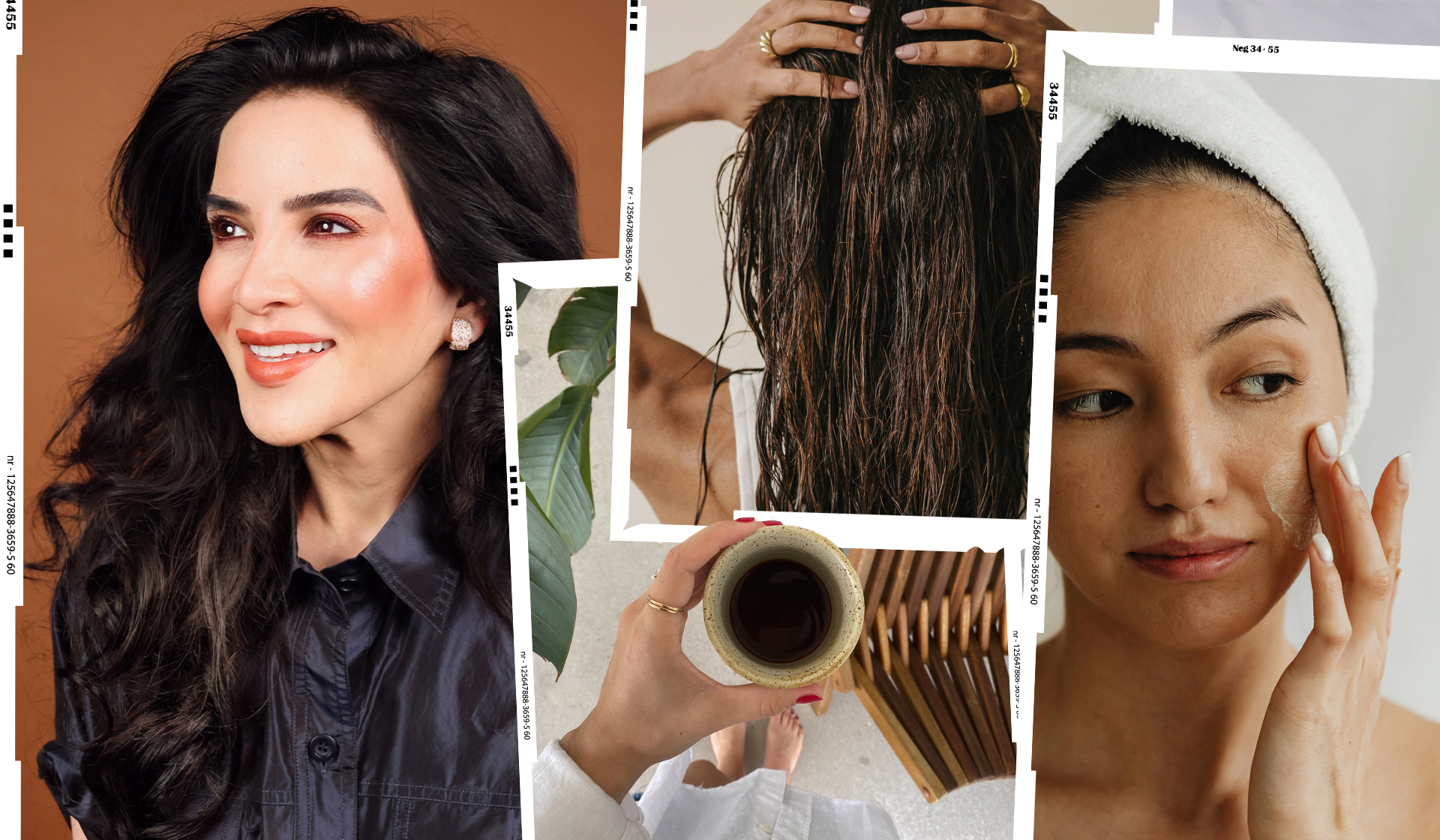
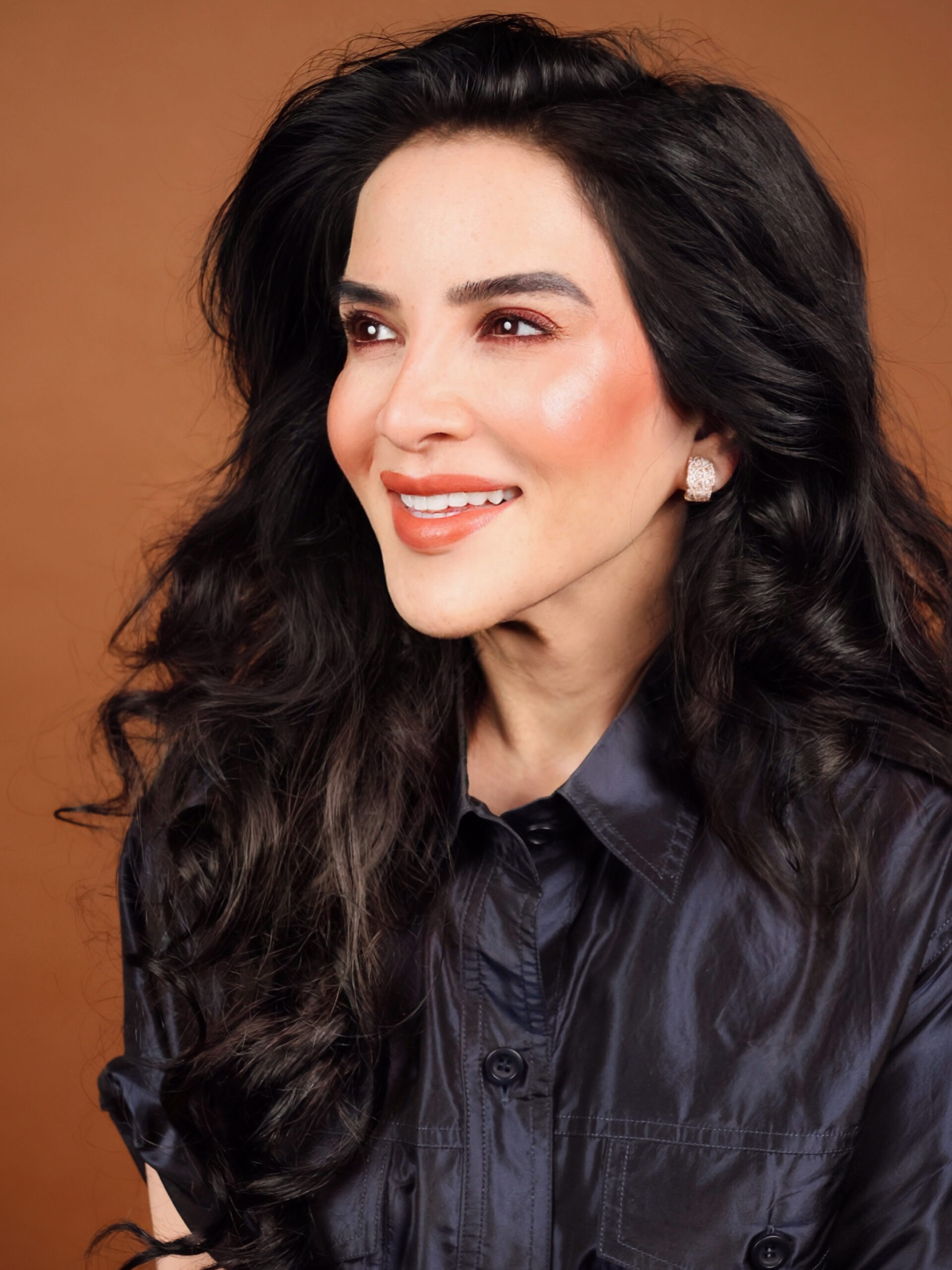
Meet Dr Shawana Vali, A leading biohacking expert with a global A-list clientele and one of the most influential voices shaping the future of longevity, who is redefining how we approach health and ageing. In this guide, Dr Vali shares her insights on healthier skin, hair, and sleep — from what you can do at home, to the tools worth investing in, and what happens in the clinic when you’re ready to take things further.
Biohacking is simply using your own cells to fix you. That is all we are doing.
Tamara, Contributing Beauty Editor

Dr Vali is a twice board-certified cosmetic dermatologist and founder of the BDV 360 Experiential Centre at Selfridges, London. Her work sits at the intersection of cosmetic dermatology, regenerative medicine, longevity, and biohacking, and she has been practicing an inside-out approach for more than two decades.
For her patients, the goal is rarely extreme longevity. “Most people are not trying to live to 120,” she says. “They want their brain to work, their skin to glow, and to not feel inflamed or exhausted by Friday.”
The framework
Her framework breaks biohacking into three clear tiers:
1. Low level covers what you can do at home, starting today.
2. Mid level introduces clinical interventions using substances already found in the body.
3. Advanced level moves into regenerative medicine and systemic optimisation.
Across all three tiers, the same three concerns come up again and again: sleep, skin, and hair.
Want To See Behind The Scenes At The Handbook?
Gain inside access to our team’s expert recommendations, along with the latest fashion, food & drink, beauty news, and plenty more – all for FREE.1. Sleep
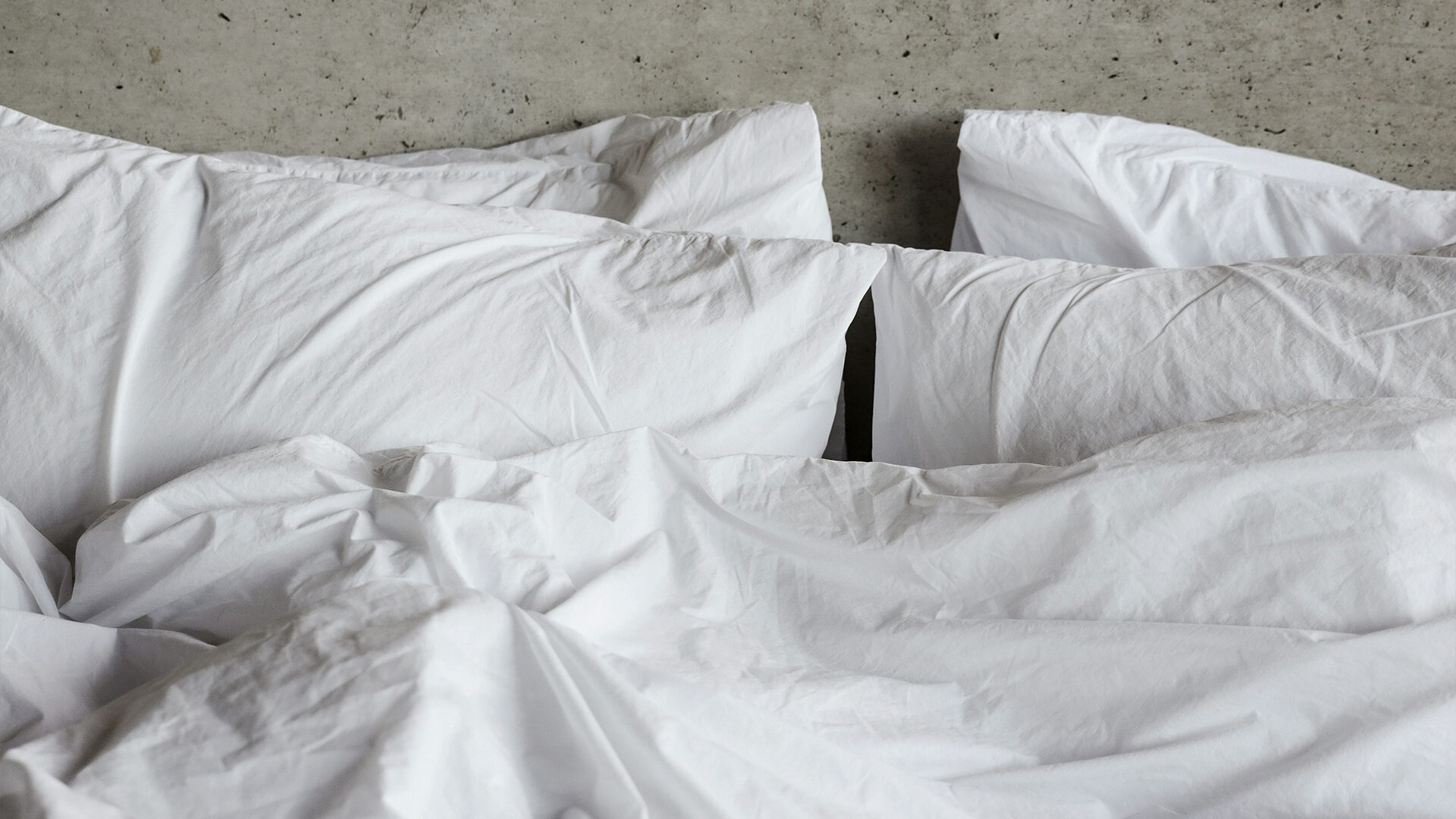
Before a single supplement, device, or treatment, there is sleep. Dr Vali calls it the original biohack: powerful, regenerative, and entirely free. Yet most people treat it like an optional extra.
Sleep is not passive. It is active regenerative medicine happening in real time. If sleep came in a bottle, it would outsell Botox.
Dr Vali
Sleep operates across multiple stages, each with a distinct biological role. During deep sleep, growth hormone surges, collagen repair activates, immune function recalibrates, and the brain clears metabolic waste through the lymphatic system. REM sleep processes emotion and consolidates memory. When sleep becomes fragmented or shallow, every other health intervention becomes less effective.
At the centre of it all is the circadian rhythm, the body’s internal 24-hour clock driven by melatonin and cortisol. Melatonin rises as light fades, preparing the body for sleep, while cortisol peaks in the morning to drive alertness and immune activity. Modern life has disrupted this rhythm almost entirely. Artificial lighting, constant screen exposure, and chronic stress leave many people hormonally confused long before they reach the bedroom.
Low level – at home

The digital sunset
Switch off screens at least an hour before bed. Blue light suppresses melatonin and delays the onset of deep sleep.
Morning sunlight
Get outside early. Natural morning light shuts down residual melatonin and resets your cortisol rhythm for the day.
Consistent sleep timing
Going to bed and waking at the same time, even on weekends, is one of the most powerful ways to stabilise circadian rhythm.
Sleep environment
Cold, dark, and quiet. Dr Vali keeps her phone in another room. As she puts it: “if you treat your bedroom like a nightclub, do not expect your brain to behave like a monastery.”
Supplement support
Magnesium, glycine, L-theanine, and magnesium L-threonate can support deeper sleep and cortisol balance.
Mid level – Clinical biohacking
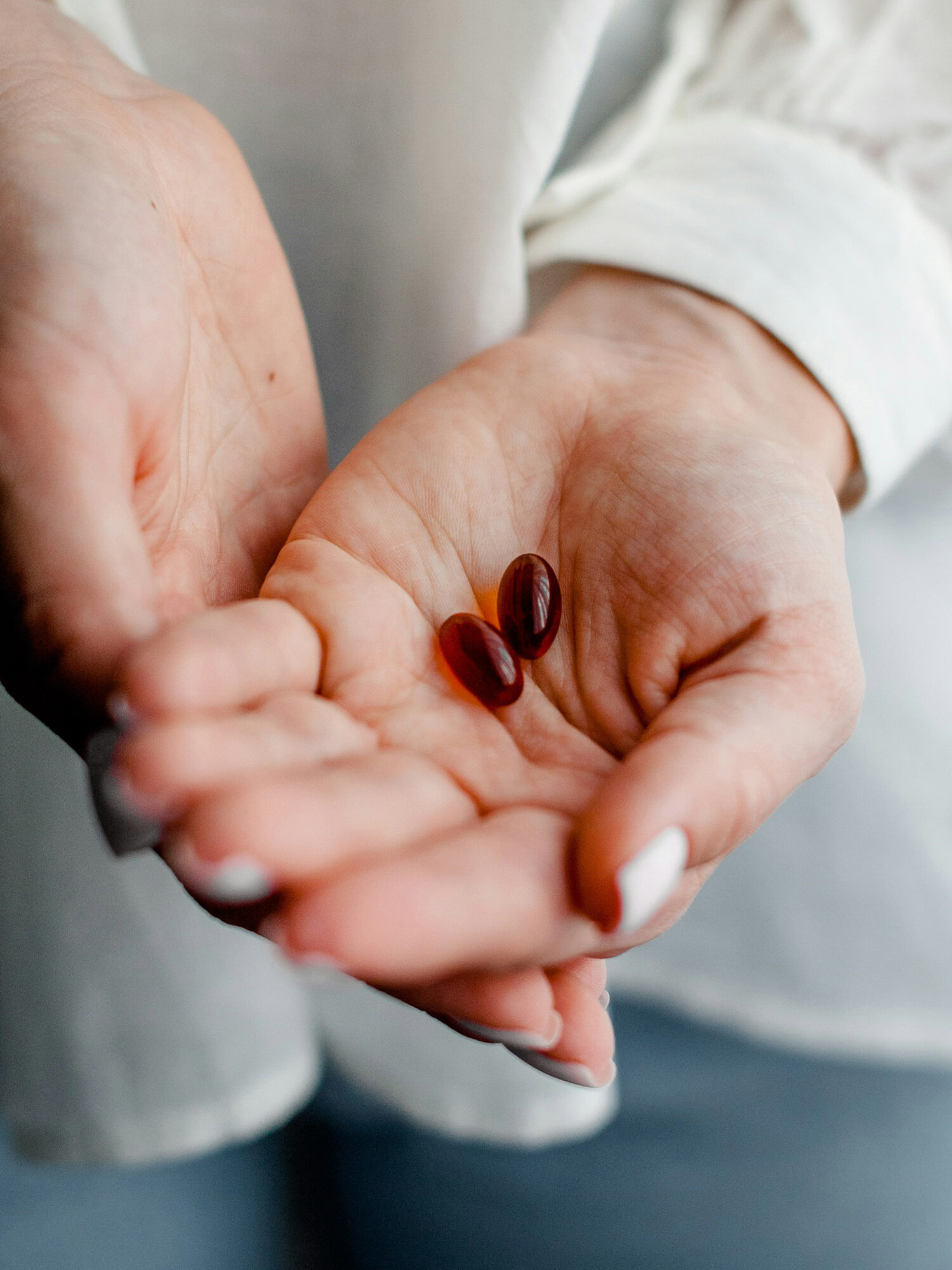
When sleep architecture is significantly disrupted, Dr Vali begins with diagnostics: HRV monitoring, cortisol curve testing, sleep analysis, and a full hormonal screen.
From there, treatment often focuses on peptide therapy, designed to restore natural sleep patterns rather than sedate the brain.
DSIP (Delta Sleep-Inducing Peptide) helps regulate deep non-REM sleep and calm an overactive stress response.
Selank supports the GABA and serotonin systems, reducing anxiety and improving sleep onset without dependency.
Epitalon stimulates the pineal gland to regulate melatonin and has been shown to activate telomerase, supporting cellular regeneration.
“These are not sedatives,” she says. “They are synchronisers. We are not knocking you out, we are rebooting the system.”
Advanced Level – Regenerative optimisation
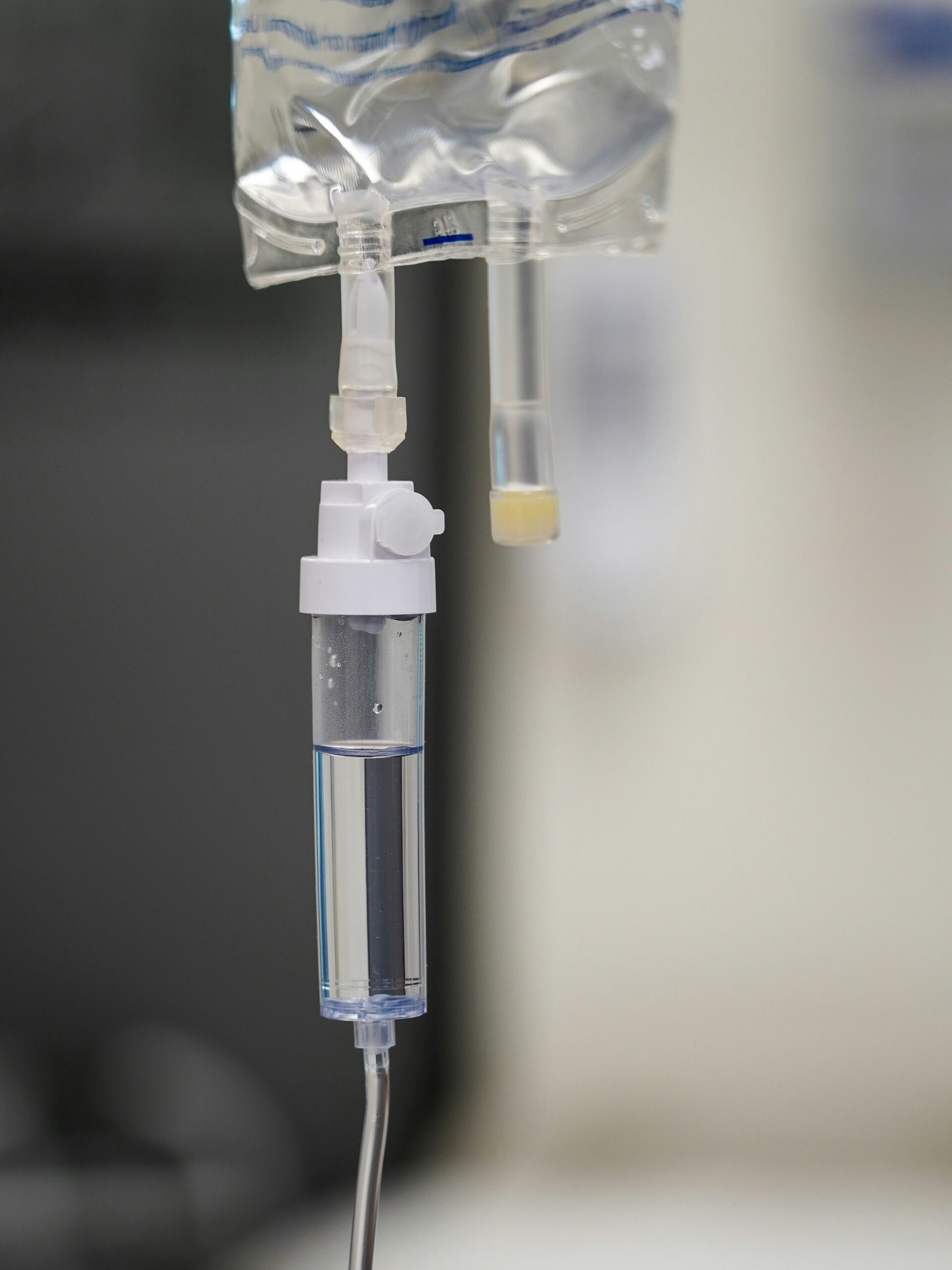
At advanced level, the protocol becomes systemic.
Dr Vali uses NAD+ therapy to support mitochondrial function and cellular repair, with IV infusions used strategically after travel or periods of stress.
For patients with chronic nervous system dysregulation, neurofeedback may also be introduced. By retraining neural pathways, it helps restore healthy sleep architecture and improve long-term resilience.
While others are surviving on four hours of sleep, you are regenerating.
Dr Vali
2. Skin
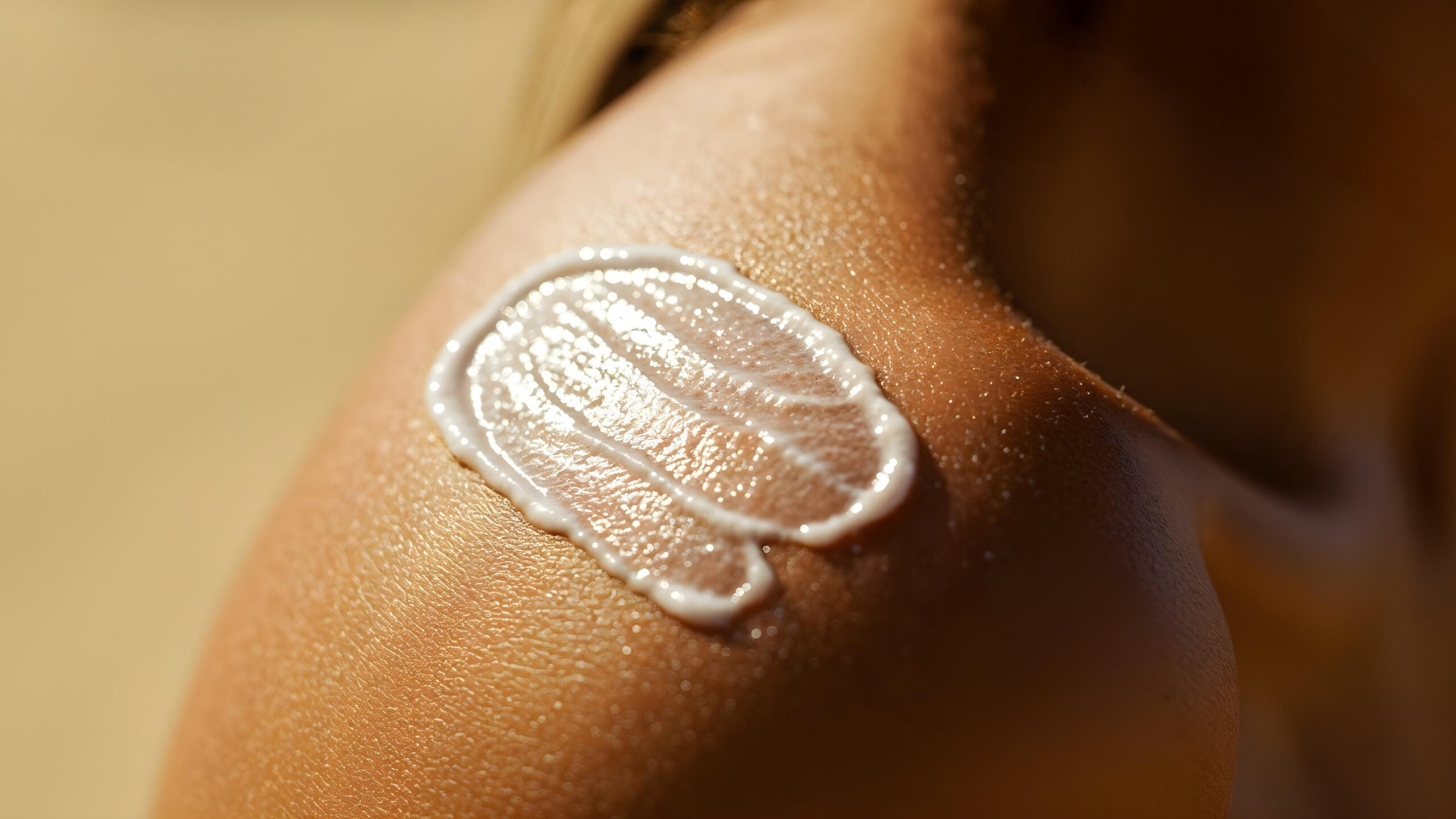
Dr Vali approaches skin unapologetically as a medical organ. The skin has two layers: the epidermis (surface) and the dermis (the structural layer beneath). Much of the beauty industry focuses on the surface, but real structural ageing occurs deeper in the dermis.
After your mid-twenties, you lose around one percent of collagen each year. If you do not repair the foundation, you are decorating a wall that is already collapsing.
Dr Vali
By the age of sixty, up to seventy percent of dermal collagen may be lost. UV exposure, stress, inflammation, hormonal decline, sugar, alcohol, and smoking all accelerate the breakdown of collagen while simultaneously suppressing the fibroblasts responsible for rebuilding it. And it does not just affect the face. Skin is the body’s largest organ.
Low level – at home
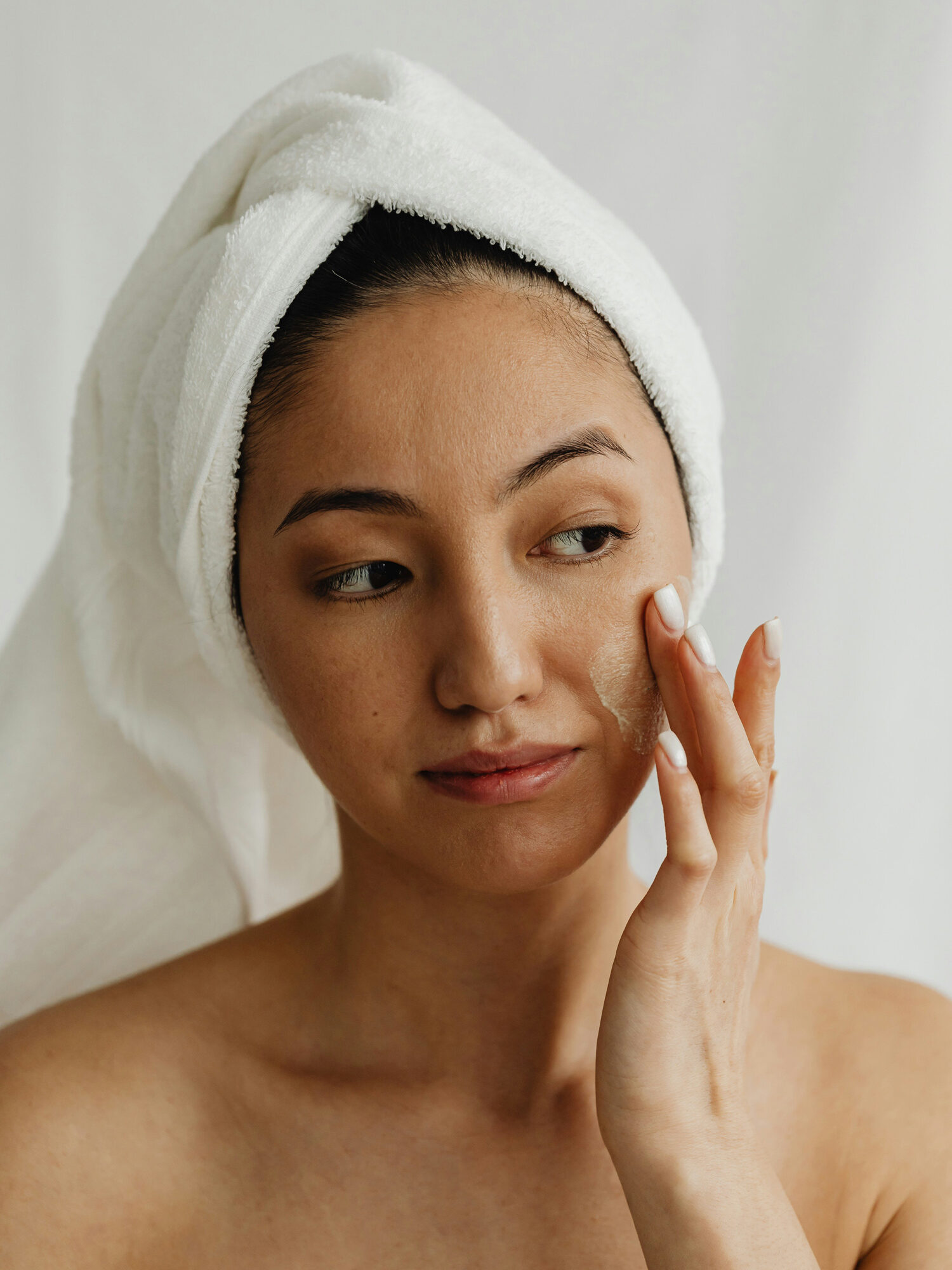
SPF every day
Ultraviolet light activates enzymes that destroy collagen. Daily sun protection remains the most proven anti-ageing intervention available.
Quality over quantity
Two clinically effective formulations will outperform a shelf of products that sit on the surface.
Understand collagen creams
Topical collagen hydrates, but cannot penetrate the dermis. True regeneration happens inside the body, not in a jar.
Collagen supplements
Evidence is mixed. Some studies suggest signalling benefits for fibroblasts, but results vary widely.
Dr Vali’s 3 questions before buying anything:
- Is it clinically evidenced?
- Is it bioavailable?
- Is it regulated?
Mid level – Clinical biohacking

At mid-level, treatments focus on stimulating collagen production directly within the dermis.
Prescription retinoids stimulate fibroblasts and increase collagen, elastin, and hyaluronic acid production.
Red light therapy enhances mitochondrial activity within skin cells.
Peptide therapy introduces regenerative signals at a cellular level. GHK-Cu, a copper peptide naturally found in plasma, activates thousands of genes linked to repair, improves circulation, and stimulates collagen production.
PRP and PRF use the body’s own growth factors to stimulate tissue regeneration.
Polynucleotides help repair damaged DNA while calming inflammation and improving hydration.
Advanced Level – Regenerative optimisation

At advanced level, the inside and outside are treated simultaneously.
NAD+ therapy supports cellular energy production, improving how the skin responds to every other intervention.
Hormone optimisation plays a crucial role. Oestrogen, testosterone, and thyroid hormones all influence collagen production and skin integrity.
Structural regeneration may involve biostimulants such as Sculptra, Radiesse, or Lanluma, which trigger the body to produce its own collagen over time.
Laser treatments, including CO2 and Fraxel, stimulate controlled wound-healing responses that drive collagen regeneration.
Exosomes — cellular messengers packed with growth factors — can be used to accelerate healing and support systemic repair.
There is no point fixing the outside, if the inside is a mess.
Dr Vali
3. Hair
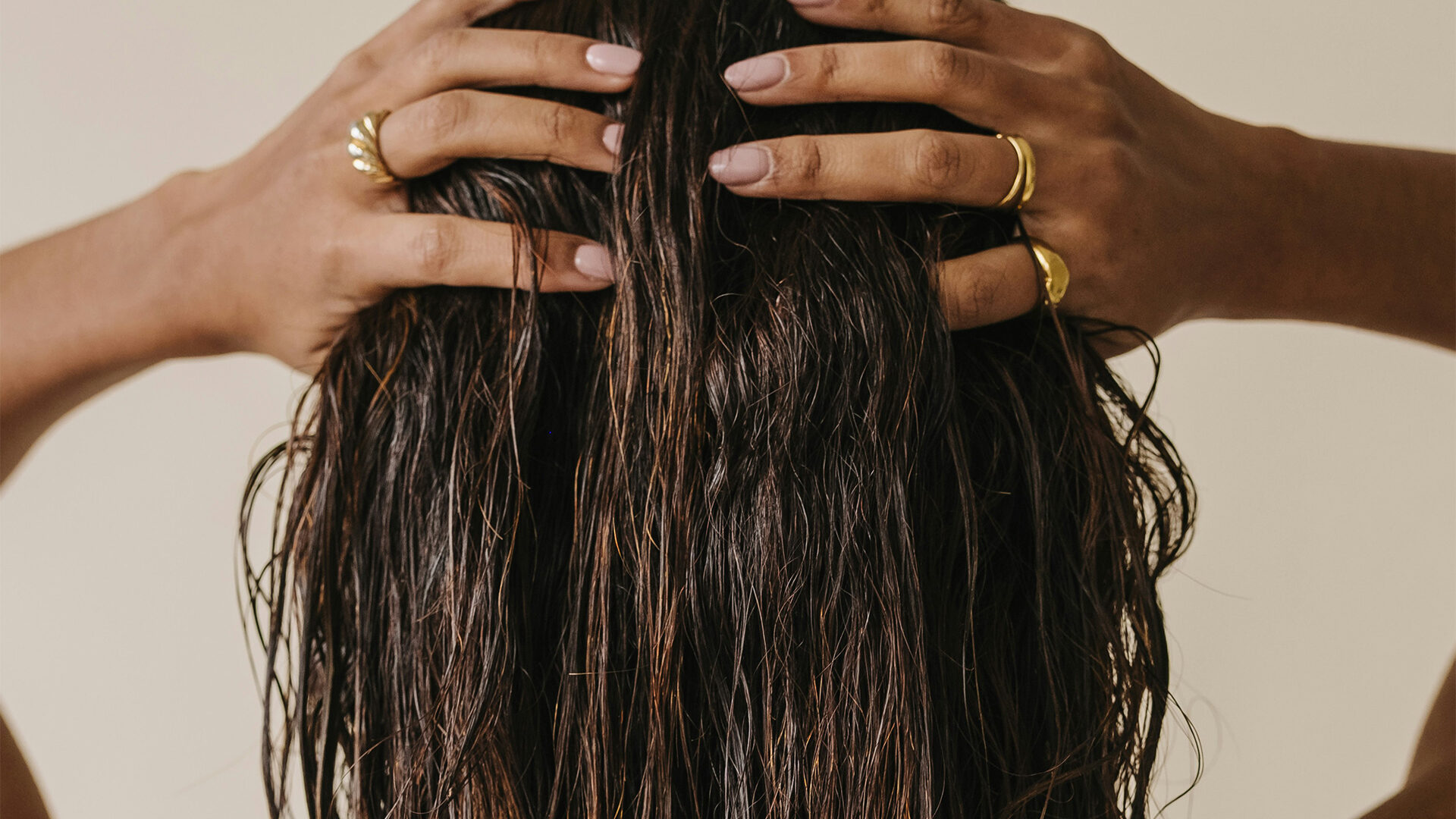
Hair loss, according to Dr Vali, is rarely just about hair. “The follicle is one of the first things the body sacrifices when it is under stress.” Before visible thinning appears, the biology has usually shifted months earlier. Her consultations begin with a detailed investigation: nutritional deficiencies, hormonal shifts, thyroid dysfunction, traction damage from styling practices, or major life stressors. Hair loss triggered by illness, grief, or stress often appears three to six months later, making it difficult to trace without clinical investigation.
Low level – at home

Test before you treat
Ask for blood tests, including ferritin, thyroid function, and a full hormonal screen.
Trace the trigger
Look back three to six months for illness, emotional stress, or hormonal shifts.
Manage cortisol
Chronic stress directly accelerates hair shedding by pushing follicles into the telogen (resting) phase.
Normal is not the goal, optimal is.
Dr Vali
Mid level – Clinical biohacking
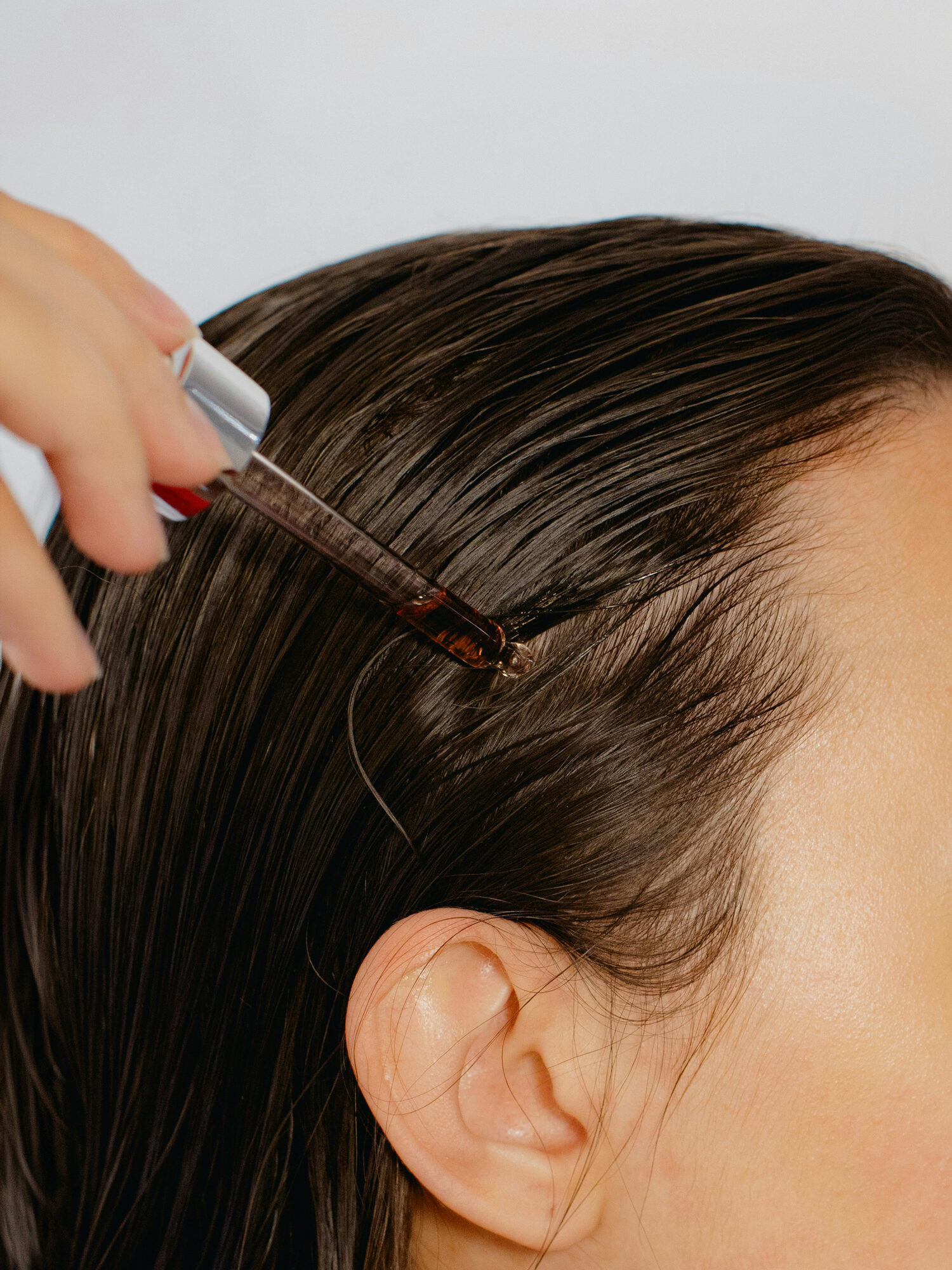
Clinical treatments aim to move follicles back into the anagen (growth) phase.
PRP and PRF injections deliver concentrated growth factors directly into the scalp.
Peptide therapy using GHK-Cu and Thymosin Beta-4 improves circulation, reduces inflammation, and stimulates follicle repair.
For patients with compromised cellular energy, NAD+ therapy may be layered into the treatment plan.
Dr Vali
Advanced Level – Regenerative optimisation
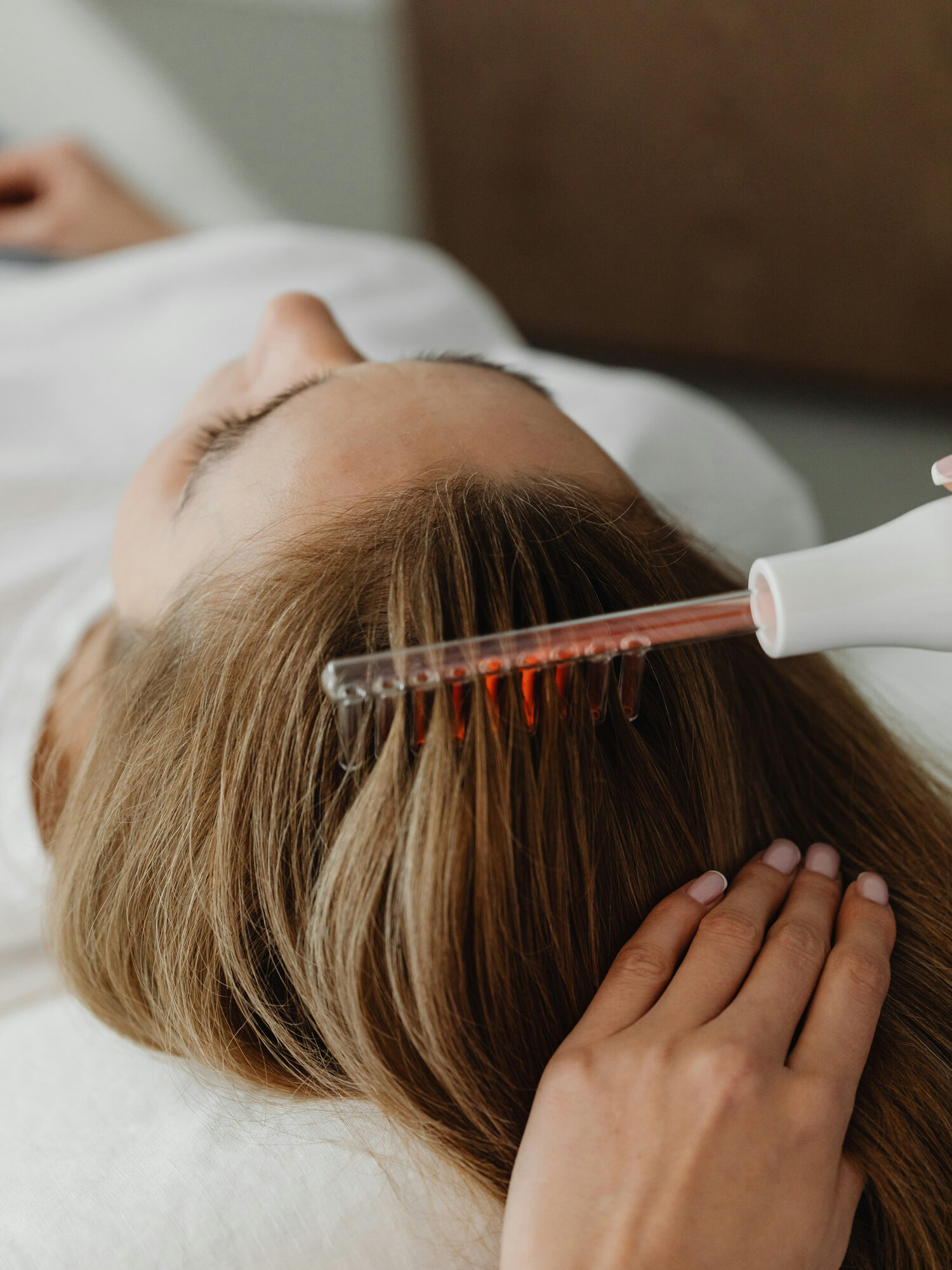
Advanced treatments include exosome therapy, where stem-cell-derived signals extend the hair growth phase and increase follicle density.
In some cases, IV exosomes and stem cells are used for systemic regenerative support.
I am a prime example. Hair loss is treatable when you diagnose the cause and treat the biology.
Dr Vali
Where to begin
The sequence matters as much as the treatments themselves.
Dr Vali’s hierarchy is simple:
Step 1: Master the fundamentals- sleep, sunlight, and movement. Without these, nothing else performs as promised.
Step 2: gGather data. A comprehensive blood panel and hormonal screen provide the baseline for optimisation.
Step 3: Invest in bioavailability, not volume. One effective intervention is better than ten superficial ones.
Step 4: When ready, seek a personalised assessment. The BDV 360 consultation analyses the face, skin, hair, body, and overall wellness to create an integrated treatment strategy.
“You are not a number,” Dr Vali says. “You are a system.”
And the goal is not simply ageing gracefully.
I believe in ageing functionally. If I can walk into my sixties sharp, strong and energised, with my brain firing and my hair still growing, that is not vanity. That is agency.
Dr Vali
This interview with renowned dermatologist and longevity expert Dr Vali was conducted exclusively at Puente Romano in Marbella. The resort itself is a wellness destination in its own right, with multiple swimming pools, two state-of-the-art gyms, world-class padel, a boxing ring and tennis facilities, plus endless opportunities to stay active in Marbella’s enviable year-round climate. Whether you’re visiting solo in search of a reset or travelling with family, its beachside location, expansive grounds and impressive collection of restaurants (including Nobu Marbella) make it easy to strike that perfect balance between wellness, relaxation and indulgence.
Website: www.puenteromano.com