Michel Roux’s New Restaurant Is Finally Open – Here’s Our Honest Review
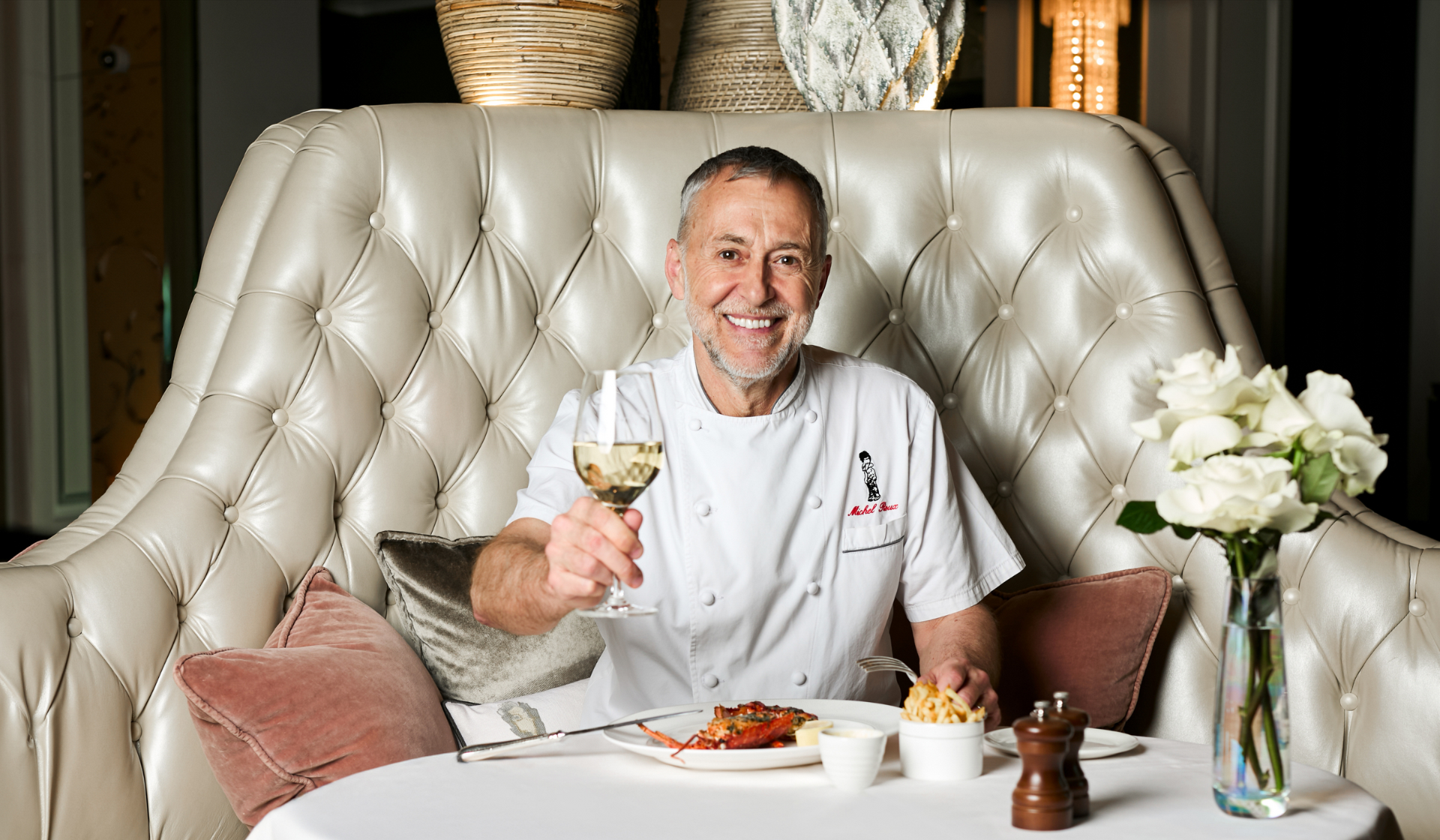
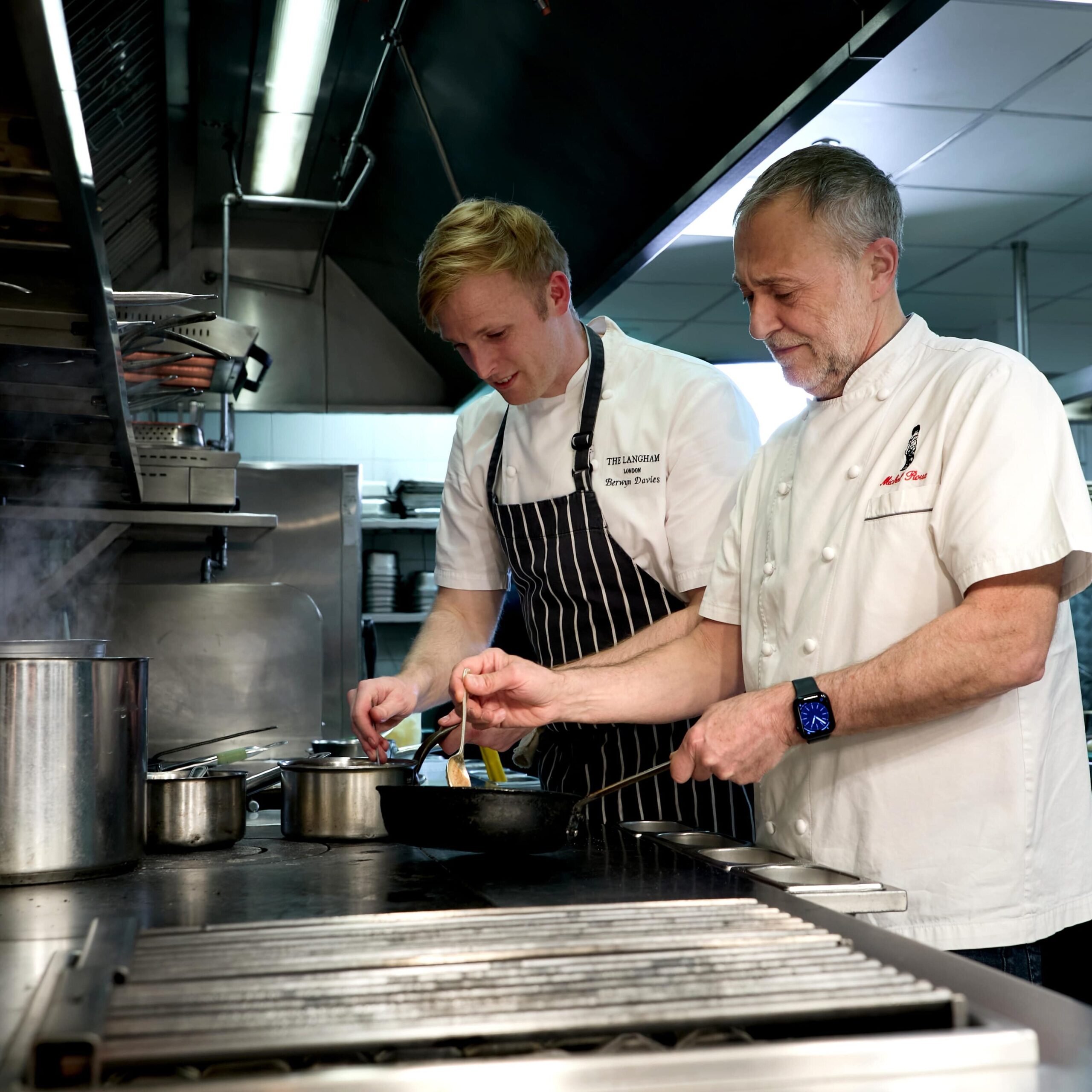
Normally, providing context when reviewing a new restaurant is like table setting – all you can think about is getting to the food. But when that new restaurant is the first by Michel Roux since the closure of the truly iconic La Gavroche, we need to take some time to recognise what we’re dealing with at new venture Chez Roux.
La Gavroche was, when it came to French dining in London, the beginning and the end. It was part restaurant, part high-end training facility for the very best in the business, schooling everyone from Pierre Koffman and Gordon Ramsay to Monica Galetti to Marco Pierre White. In 1974 it became the first restaurant in the UK to receive a Michelin star. In 1977, it became the first restaurant in the UK to receive two Michelin stars. Then in 1982, it became the first restaurant in the UK to receive three Michelin stars.
As you would imagine, having to constantly live up to the weight of your own history and standards can take its toll. And so, earlier this year, Le Gavroche held its final service, with Roux Jr. citing a desire for more work-life balance. For you and me, that might mean, you know, having a lie-in and going on holiday. Instead, he’s launched headfirst into another fine-dining restaurant.
What sets it apart
Like a filmmaker who finally gets to make their passion project after winning an Oscar, Chez Roux is a personal endeavour. Based on the dual French and British culinary influences of Michel Roux’s childhood, the result is a balance of nostalgia, endearment and technique. There isn’t a hint of ego about the place, an obvious risk in an eponymous restaurant, and there are few restaurants in London you can go where the chef has nothing left to prove; even Gordon Ramsay reportedly still frets over the popularity of his (countless) establishments.
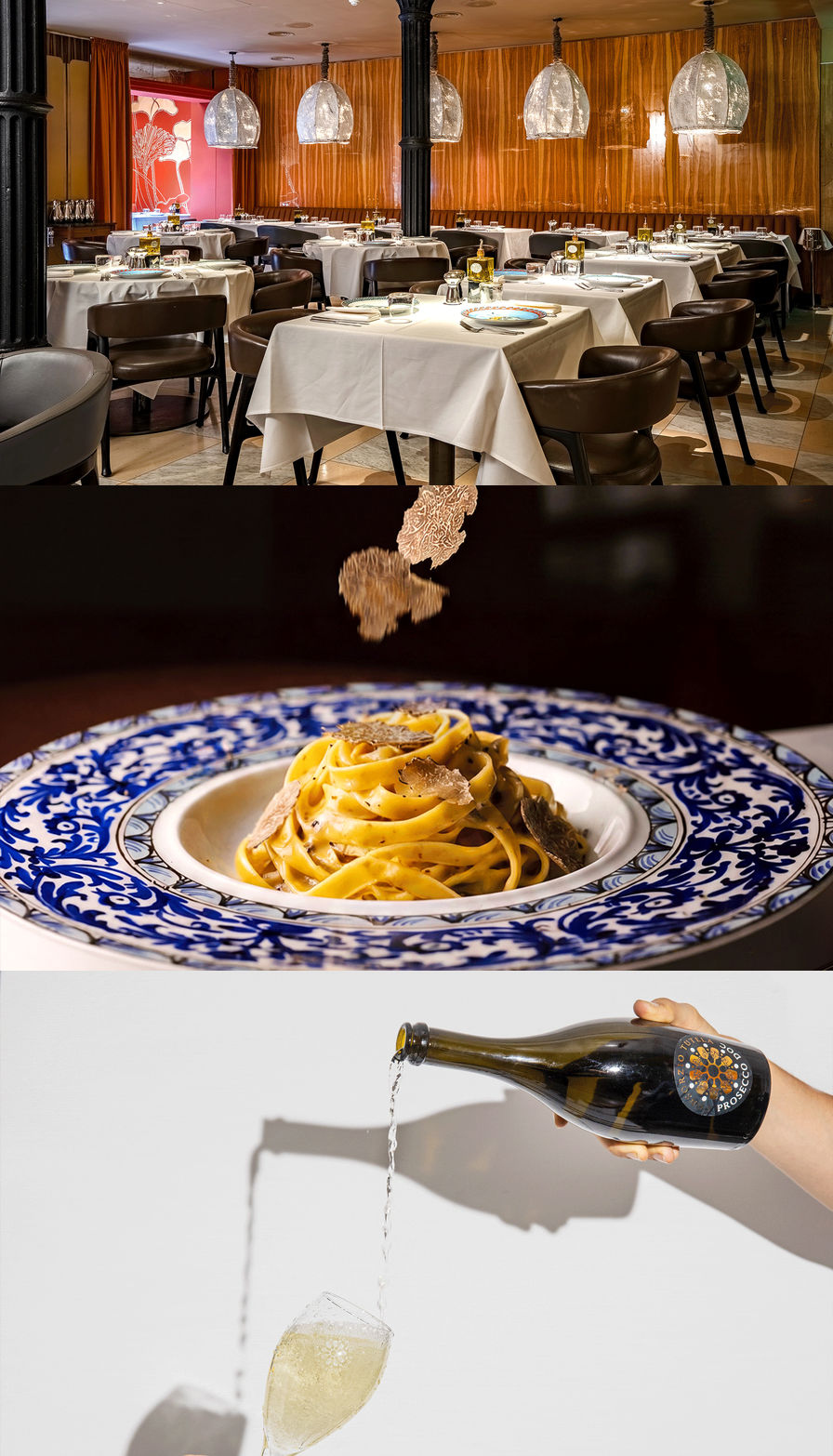
Housed in a grand room with sky-high ceilings in The Langham Hotel, which has housed guests including Napoleon Bonaparte, Princess Diana and Oscar Wilde, the ambience manages to counter its rarefied air with genuine homeliness. There is a buzz of excitement that comes from feeling like you’re taking part in an essential part of the city’s culture – from the obvious delight in diners’ eyes to the pride of the service, everywhere you look is a reminder of how much London’s restaurant scene means to people.
There are few restaurants in London you can go where the Chef has nothing left to prove – even Gordon Ramsay reportedly still frets over the popularity of his establishments
What we ordered
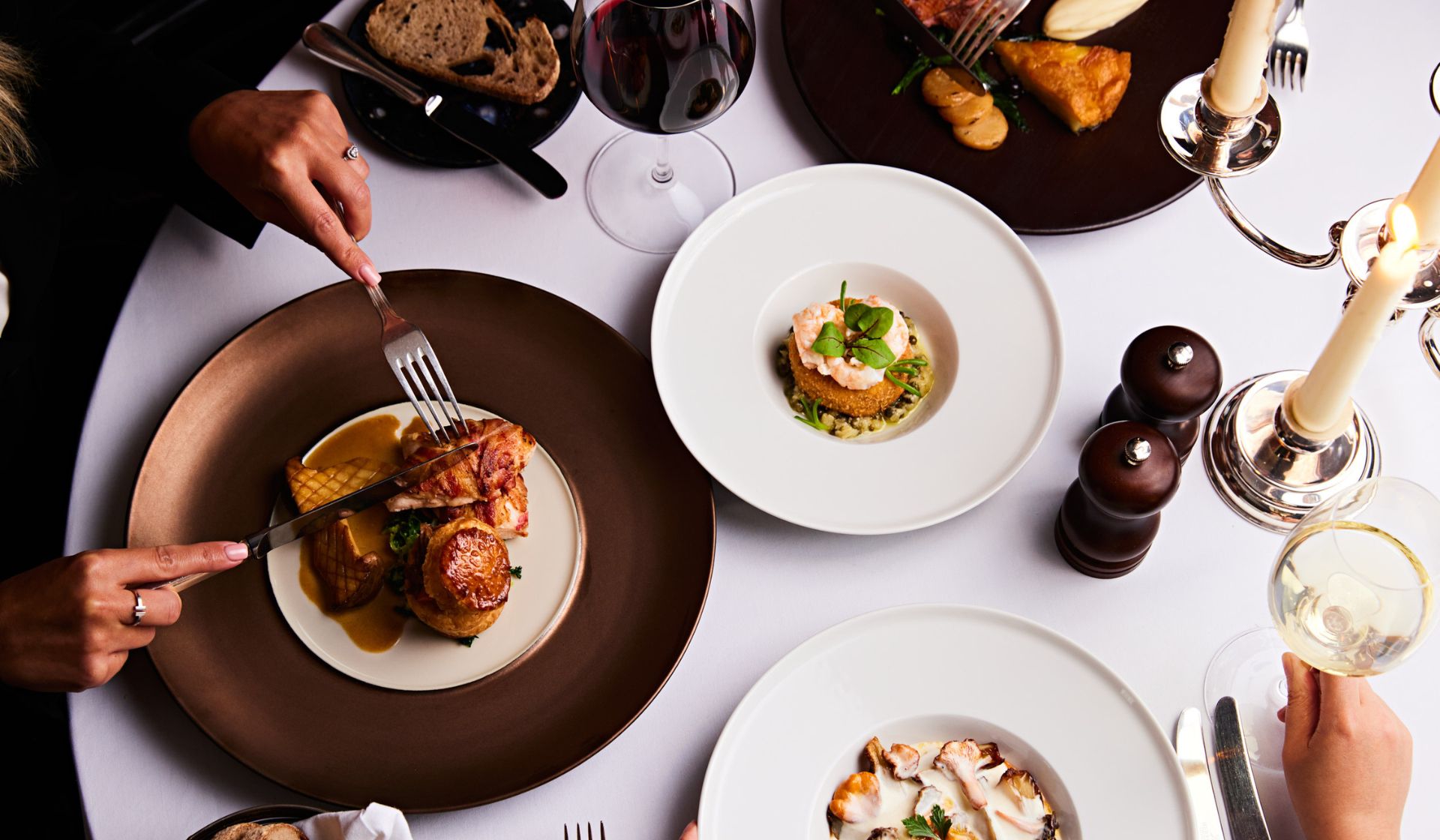
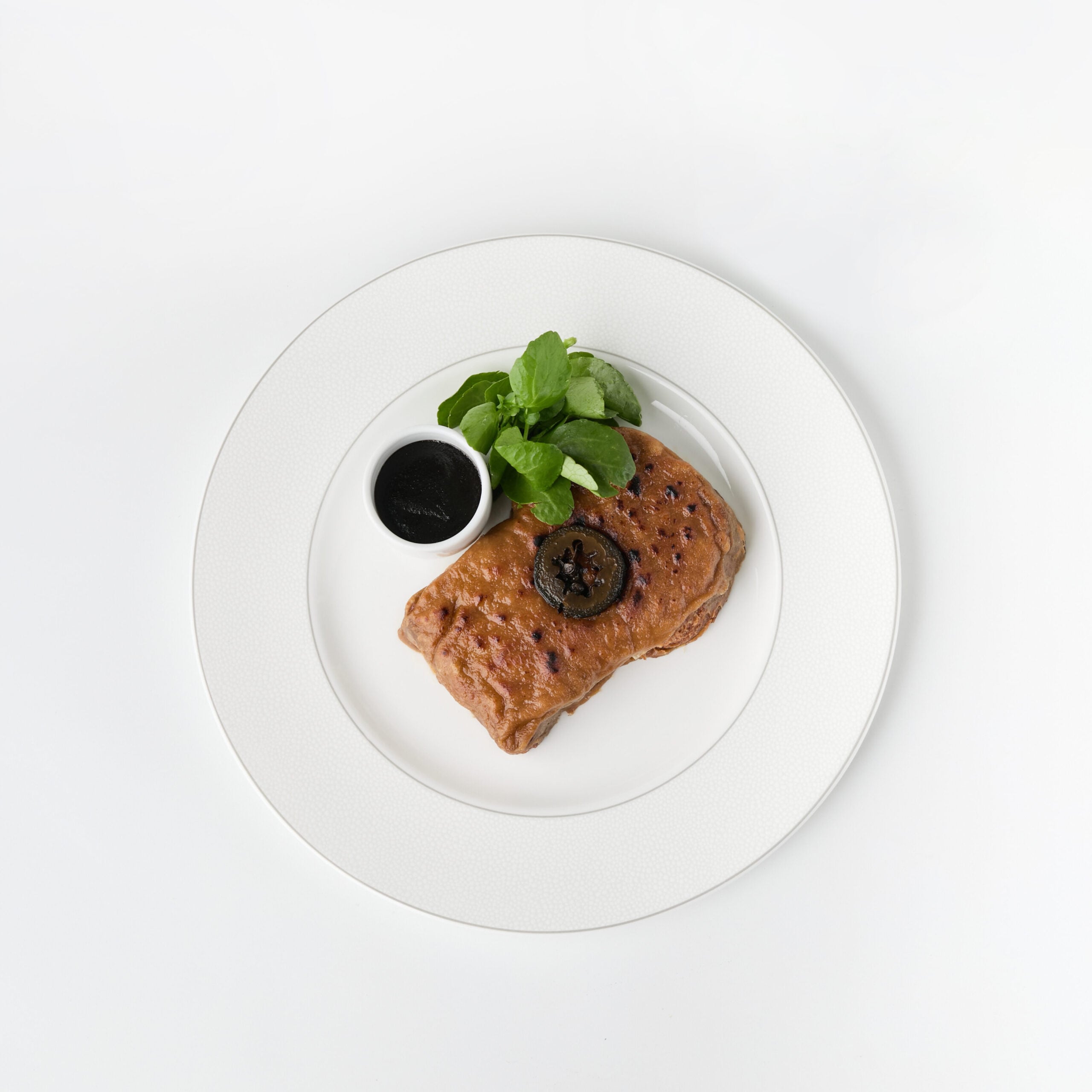
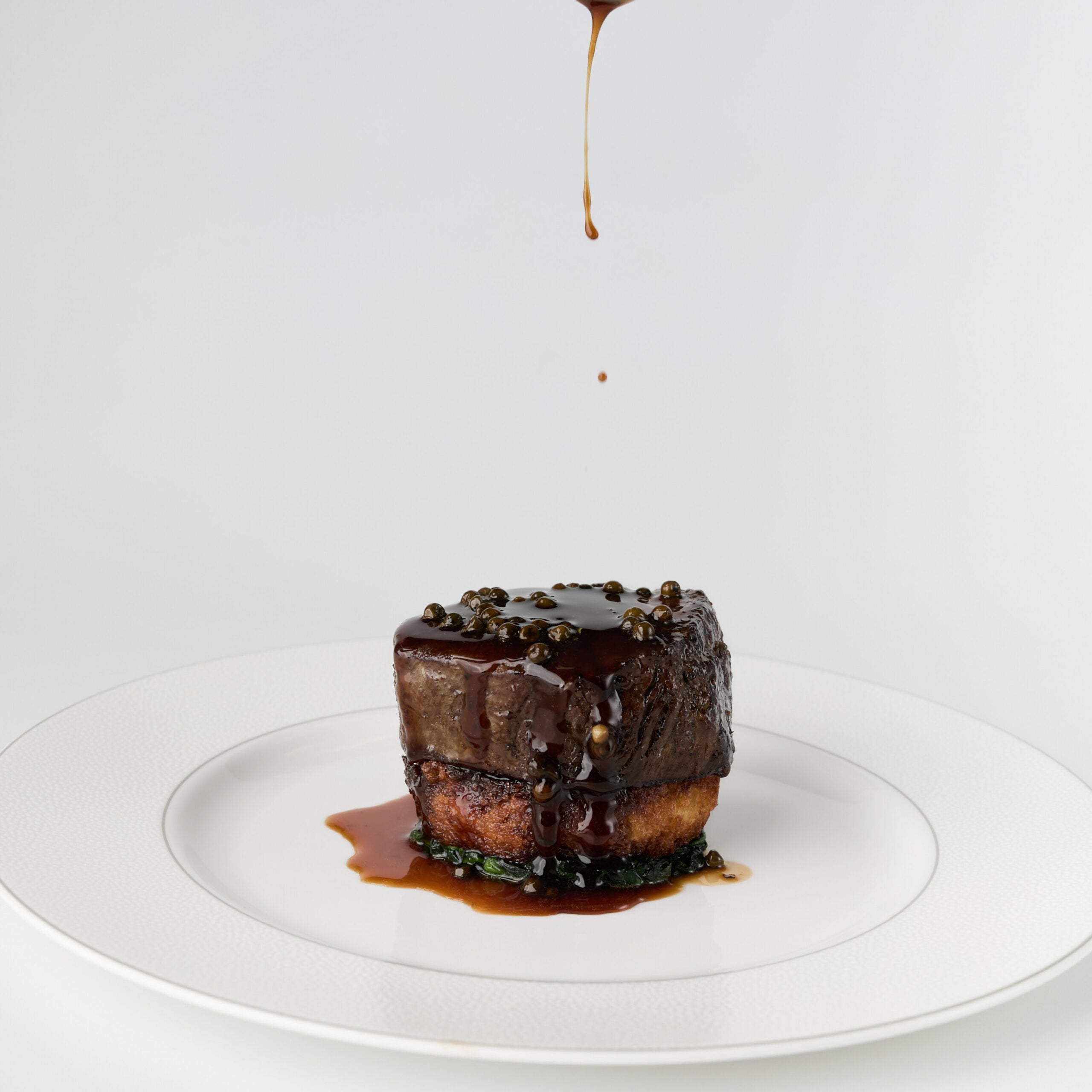
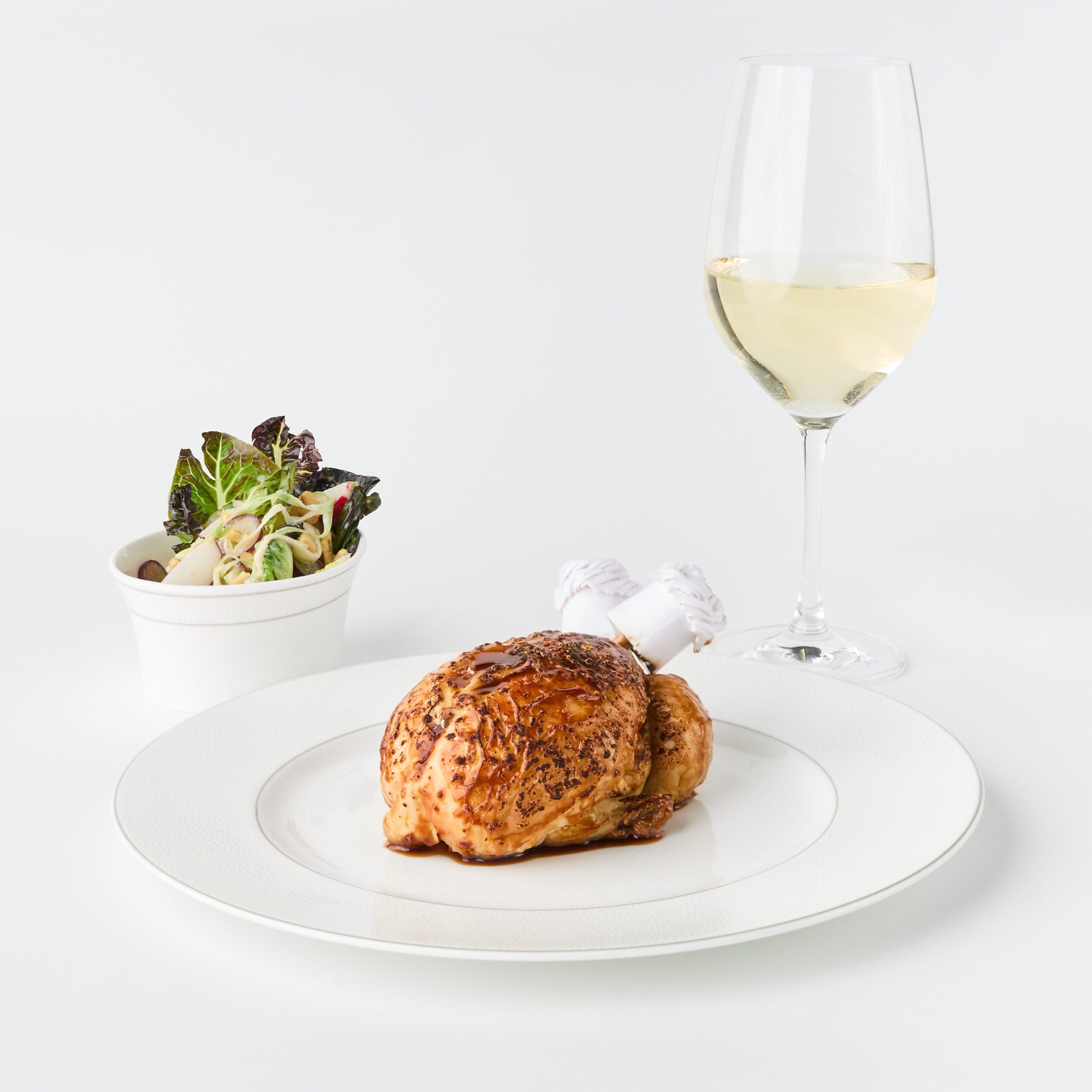
The menu is filled with classics. Humble, traditional techniques from two centuries prior are embraced, and ingredients are as fresh and high-quality as possible. A la carte options include Welsh rarebit, duck liver parfait, lamb ‘reform’, inspired by Alexis Soyer’s classic 1830s recipe, and chocolate mousse.
If you want to indulge, which based on the location is a strong possibility, you can opt for the five-course tasting menu. £140 with wine pairing and £80 without, it is steep but an experience where putting a bullet through your bank account is worth it.
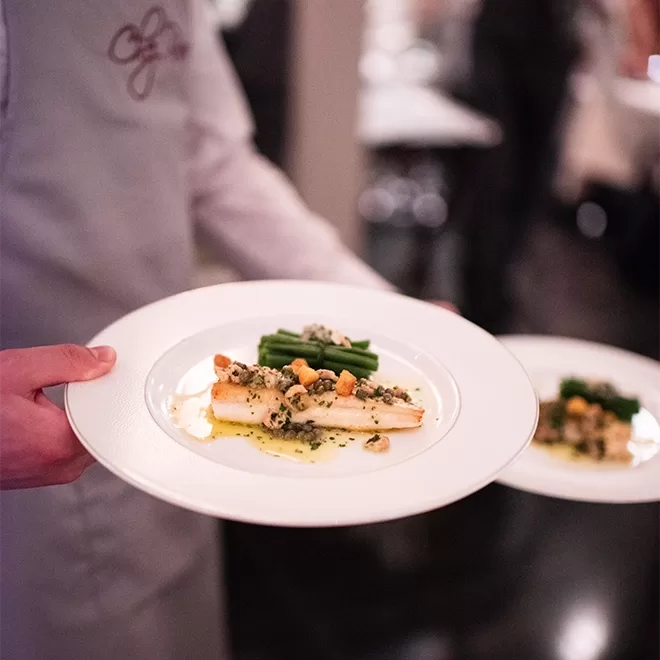
The tasting menu begins with salmon rillettes, incredibly fresh and slightly smokey, undercut by an almost candylike sweetness from the accompanying leeks. The Cornish lemon sole Meunière was buttery and melted in the mouth, cooked to perfection. A must-try from their original cocktail menu is the Madeira cobbler, made from Madeira dry, blackcurrant and blueberry and whose delicious tartness cuts through the richness of the food beautifully, each sip acting as an informal palate cleanser between courses
There is a conviction that runs through the menu of someone who has scaled the top of the mountain and now wants to demonstrate the power of simplicity, demonstrated none more so then in the dessert course. First, a breather with some cheese and sweet wine. Then came what might become an unexpected signature dish: Vanilla rice pudding. Served tableside, because why not, and topped with crystallised pistachios and recurrent coulis, it feels like the best kind of throwback. While maybe not undervalued, it’s a dish usually not viewed as a standout turned into a serious one. It does help when paired with an absolute gem of a sweet wine from Tokaj in Hungary.
The power of simplicity is demonstrated no more so than with the dessert course, which feels like the best kind of throwback
Verdict
Too often classic French dining can feel like soberly worshipping at the altar of cooking, but this feels more like a celebration of great food, with waiters riffing casually about their favourite dishes and wine. It’s fun, the shackles are off, it’s confident and laced with personal touches. Welcome to fine dining from your cool aunt who lets you eat ice cream and stay up late.