Creatine Is The ‘C’ Word Everyone’s Whispering About

Forget green juice and collagen coffee, 2025’s quiet flex in the wellness world is an unassuming scoop of powder: creatine. Once a locker-room secret for bodybuilders, it’s now the trending supplement for everyone from Hollywood A-listers to busy mums balancing children with boardroom deadlines.
Why the fuss? Because this little molecule packs a big punch, not just for your biceps, but for your brain, bones, and future self. Think of creatine as your wellness insurance, strength, stamina, and sharpness all-in-one. Here’s everything you need to know…
What does creatine really do?
In scientific terms, creatine works by replenishing ATP, the body’s primary energy currency, but in practice, that translates to pushing harder in your workouts, recovering faster, and feeling mentally sharper. For your muscles, it means more reps, increased strength, and a quicker bounce-back after training. For your mind, it can support focus and memory, particularly when you’re running on less sleep. And for those over 30, creatine doesn’t just fuel performance—it also plays a role in preserving muscle, maintaining bone density, and enhancing overall vitality.
How to take it
A daily dose of 3–5 grams, roughly one teaspoon, is all you need to see benefits. Timing isn’t critical, so take it whenever it fits your routine; what really counts is consistency. Because creatine draws water into the muscles, staying well-hydrated is essential to get the most out of it and support overall performance.
For most women, a daily dose of 3 to 5 grams is ideal. You can take it at any time of day, before or after workouts; it doesn’t really matter; the key is consistency. Over time, your muscles become saturated with creatine, and that’s when you’ll see the real benefits.
Rowan Clift, Training Specialist at Freeletics
Who benefits?
- Gym-goers & HIIT junkies who want more strength and endurance.
- Vegans & vegetarians (since creatine naturally comes from meat).
- 30- and 40-somethings looking to stave off age-related muscle loss.
- Busy, exhausted professionals whose brains run on low battery.
The downsides
While creatine is generally safe and well-tolerated, there are a few potential downsides to keep in mind. Because it pulls extra water into the muscles, some people may notice a slightly “puffier” look.
Taking large doses at once can also lead to digestive discomfort, such as bloating or cramps.
And importantly, creatine isn’t recommended for those with pre-existing kidney issues, so it’s always best to check with your doctor before starting supplementation.
It has very compelling potential benefits because of its role in energy production in the brain. Has been shown to reduce mental fatigue and improve working memory, especially under stress or sleep deprivation.
Rhian Stephenson, founder of ARTAH
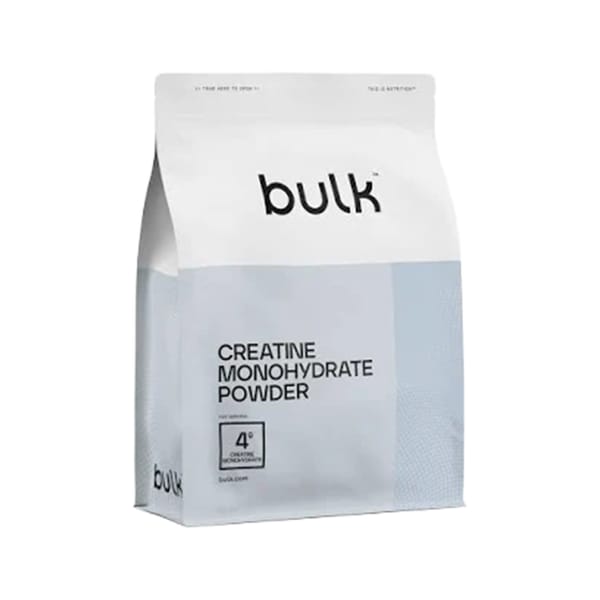
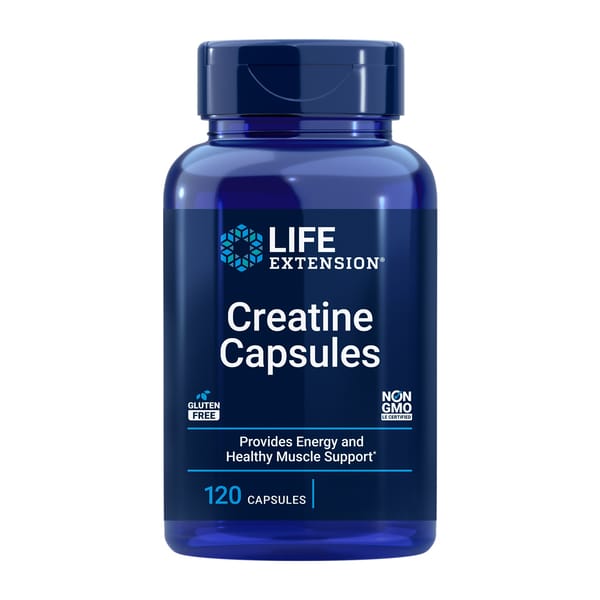
The creatine supplements we rate
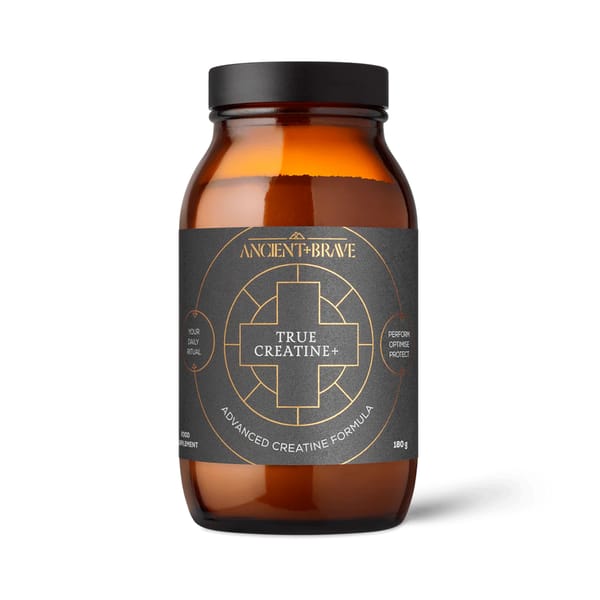
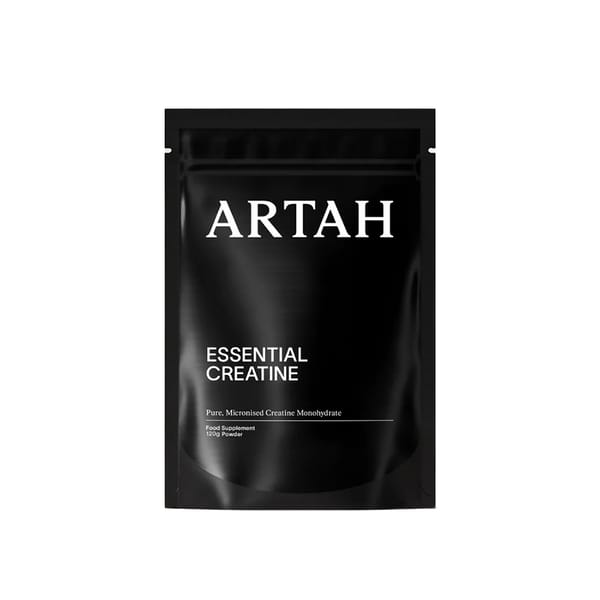
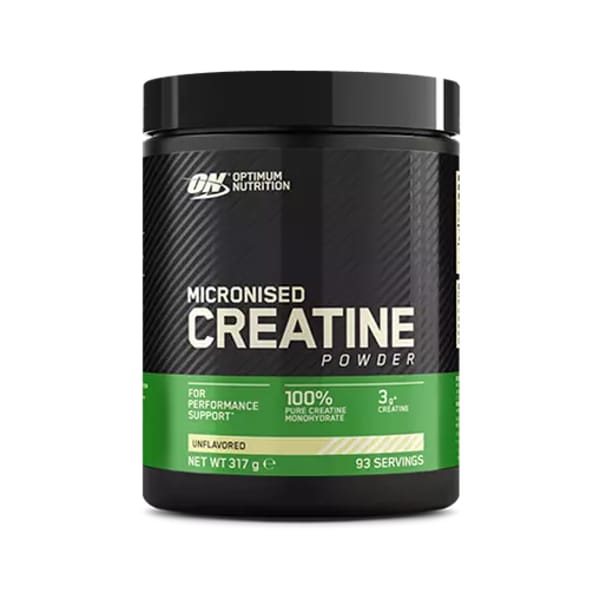
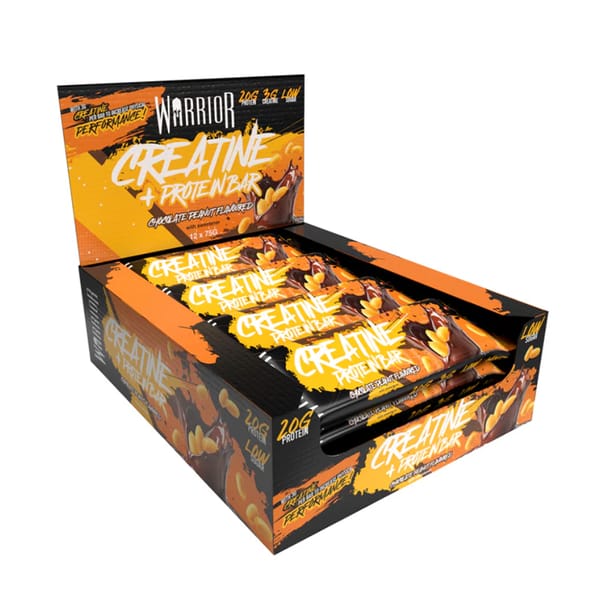
Look for pure, micronised creatine monohydrate and avoid anything that has added fillers and flavourings. Good quality creatine should be completely tasteless and odourless, so the flavourings are unnecessary.
Rhian Stephenson, founder of ARTAH
This article is not intended to be a substitute for professional medical advice or diagnosis. Always seek the advice of your physician or other qualified health provider with any questions you may have regarding a medical condition.
The products on this page have been selected by our editorial team, however, The Handbook may make a small commission on some products purchased through affiliate links.