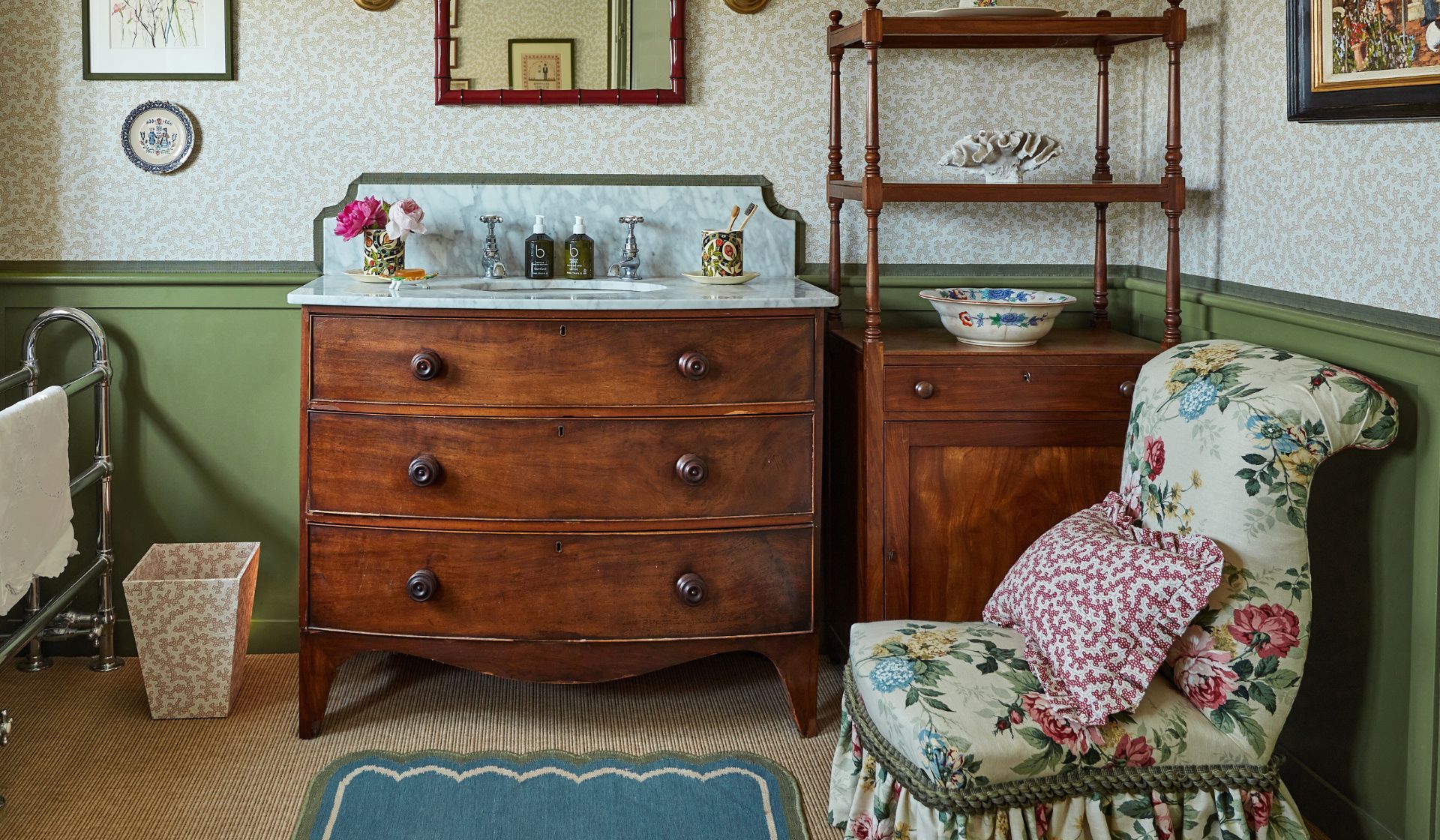
“This Free 1 Minute Habit Has Completely Changed My Mindset”
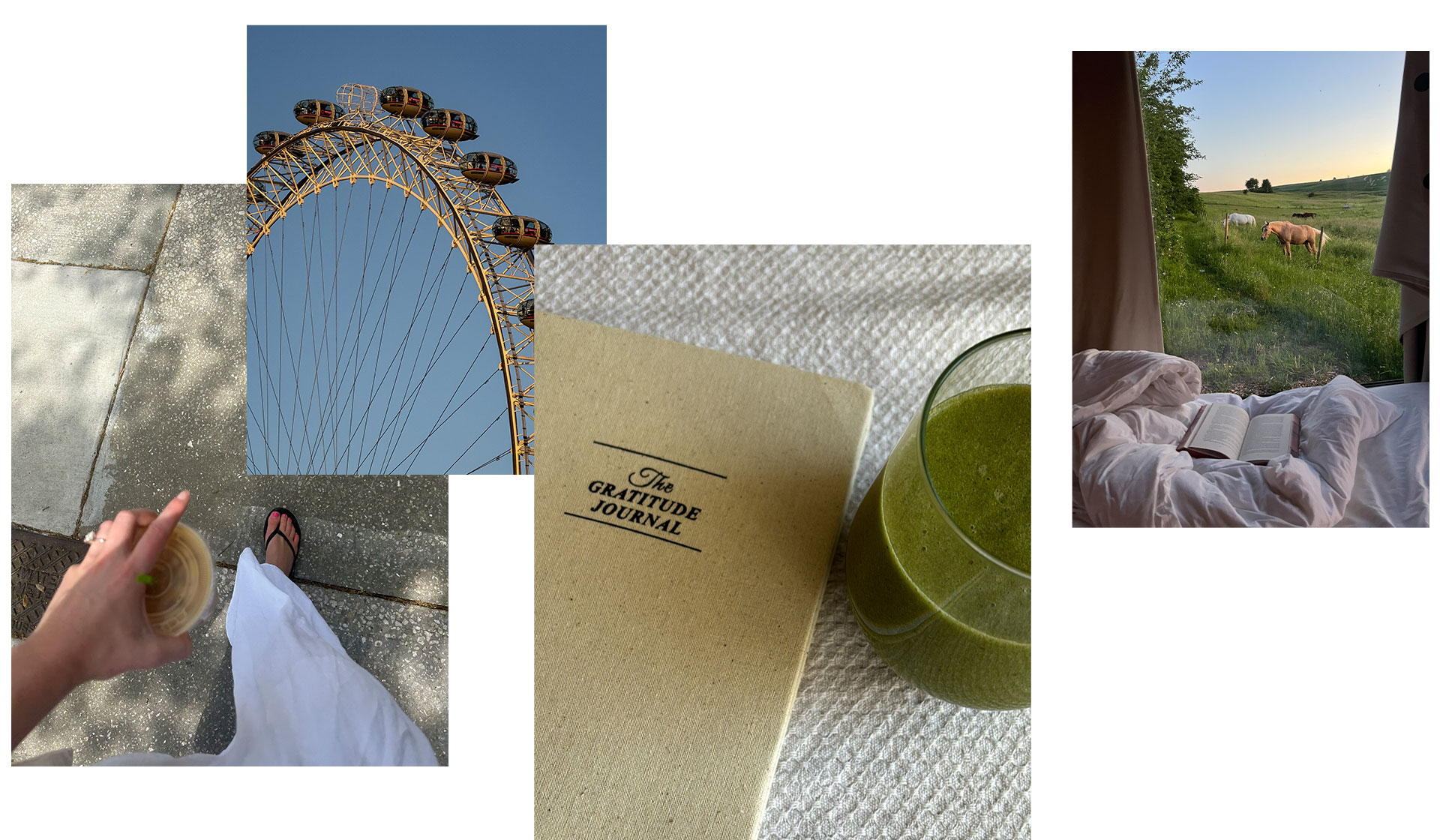
I wouldn’t say I’m a particularly ‘mindful’ person. I work out, have an ok diet, and try to keep my social + work life relatively balanced. It wasn’t until I was listening to an episode of Grace Beverley’s ‘Working Hard’ podcast that something caught my attention. She talked about studies into baseline happiness and, specifically, how to increase it. One possible answer: Practising daily gratitude.
I caught up with Elle Mace, positive psychology practitioner and author of Food Freedom (now available for pre-order), to find out more about the 1-minute routine, whether there’s any scientific weight to it, and tried it for myself – here’s how it went…
The habit
At the start of the year, I made a pretty simple resolution: be more grateful. Notice the good stuff. Be a bit more positive. Stop taking things for granted. Easy enough to say in January, slightly harder to stick to come May.

I didn’t buy a fancy journal or even make a big song and dance about it. I just started writing down five things I was grateful for on my phone each morning, while standing on the train platform on my way to work. Same place, same time, every day.
Natasha, Digital Editor

The first week, I felt a bit silly, to be honest. I also struggled to think of five specific things I was grateful for, which probably told me more than I wanted it to. Clearly, it was a muscle that needed a bit of strengthening.
By week two, I was getting quicker at it. Less overthinking, less staring at the screen, more just writing. And by weeks three and four, I could list five things pretty quickly without having to dig too hard.
What changed most was how I started noticing things differently during the day. I became more aware of little moments of goodness, or things that had worked out in a lucky way. The kind of things you wouldn’t normally give a second thought, like ticking off the life admin that I’d been ignoring, or when the District line was actually running on-time (for once).
What works for one person might not be for another, which is fine, but for me this has been a really positive addition to my daily routine. And yes, I do think my baseline happiness has lifted a bit. At the very least, I feel more aware of the good things in my life, and a little less likely to take them for granted. Best of all, it hasn’t cost me a dime.
The science
I felt better for doing it, but I wanted to know whether that was just in my head or if there was something more going on, which is where Elle Mace comes in.
What is daily gratitude?
“Daily gratitude practice involves intentionally reflecting on things you appreciate, whether through journaling, a mental check-in, or sharing with others,” explains Mace. “It has become a cornerstone of positive psychology because it actively shifts attention away from what’s lacking toward what’s already present. Unlike many wellness tools, it requires no equipment, no cost, and very little time, which makes it accessible to almost everyone.”
What does the research actually say?
“Studies consistently show that regular gratitude practice is linked to lower levels of cortisol, reduced symptoms of anxiety and depression, and improved sleep quality. Research by Emmons and McCullough found that people who wrote gratefully just once a week reported feeling more optimistic and better about their lives overall. The effects are modest but meaningful. Gratitude isn’t a cure, but the evidence for it as a mood-regulating tool is genuinely solid.”
Gratitude isn’t a cure, but the evidence for it as a mood-regulating tool is genuinely solid.
Elle Mace, Positive Psychology Practitioner
Why do small, everyday moments tend to have more impact in gratitude practice?
“Big events like holidays or promotions are easy to appreciate in the moment, but we adapt to them quickly – a phenomenon psychologists call ‘hedonic adaptation’. Small moments, like a good cup of coffee or a kind text from a friend, keep the practice grounded in daily reality rather than waiting for something significant to happen. Noticing the ordinary is actually what rewires the brain over time, because it trains attention to scan for the positive rather than defaulting to the negative.”


Noticing the ordinary is actually what rewires the brain over time, because it trains attention to scan for the positive rather than defaulting to the negative.
Elle Mace, Positive Psychology Practitioner
What’s your advice for the sceptics?
“The key is to start very small and very specific. Rather than ‘I’m grateful for my health,’ try ‘I’m glad I had five minutes of quiet this morning.’ Gratitude doesn’t need to be big or emotionally charged to be effective; even a reluctant acknowledgement of something neutral counts. It also helps to reframe it not as positivity, but as honesty. You’re not pretending life is perfect; you’re just choosing to notice what’s also true alongside the hard stuff.”
How long does it typically take to notice a shift?
“Most research suggests that small but noticeable shifts in mood and outlook can emerge within two to four weeks of consistent practice. Early changes tend to be subtle, feeling slightly less reactive, sleeping a little better, or catching yourself appreciating something you’d normally overlook. Over longer periods, people often report a broader shift in their general explanatory style, meaning they begin to interpret neutral or even difficult events with a little more balance and less catastrophising.”