This Hotel In Amsterdam Might Be The Most Perfect Stay In Europe
I spent my most formative years in Amsterdam. The years that stay in the back of your mind as what formed you, the little years. From ages 1 to 6, I toddled around that city, on the back of bikes, spitting Dutch in the playground and dancing by the canals with my family. I haven’t been back since I was about 8. Ever since then, I knew that there would be a perfect time to go back as an adult, to walk the same streets and breathe the same air that I once did. That perfect time came, in the perfect hotel, Hotel Okura Amsterdam.
In Sponsorship With Hotel Okura Amsterdam
There are some hotels that simply give you somewhere to sleep, and there are others that alter your mood entirely. Hotel Okura Amsterdam did the latter.
Mallory, Junior Food & Drink Editor

What sets it apart
Hotel Okura Amsterdam was the perfect place to stay during my visit to Amsterdam, not just for me, but for the hundreds of others who shared the building with me. For myself, it was an emotional trip down memory lane; for others, it was business events, anniversaries, birthdays, engagements, and general celebrations. I know this because I heard these kinds of discussions between diners and waiters, visitors and receptionists. Whether there was a reason or not, everyone was elated to be in that lovely (and very well air-conditioned) hotel.
What also makes Hotel Okura Amsterdam feel so special is the Japanese influence woven through everything, not in a flashy or themed way, but in a quiet, gentle, thoughtful way. The hotel is rooted in the Japanese idea of omotenashi — the art of service where every need is anticipated with meticulous attention to detail, expecting nothing in return — and you can feel it everywhere. Everything is so intentional, including the fabulous sashimi, but we’ll get to that later.
Location
The building sits right on the canal in De Pijp, a vibrant neighbourhood located just south of the city centre. The dining scene is eclectic, the streets are electric, and yet the hotel is tucked off the street enough so that it is quiet and peaceful. I visited a friend who lives in De Pijp; she told me it was the best place to live in Amsterdam, one that is filled with young souls regardless of age, with warm bars boasting full terraces, spilling out onto the street with the joy of Amsterdam in the Spring.
A hotel in De Pijp means the whole city is walkable. 15 minutes (for a speed walker) from the Museumplein and 30 to Vondelpark, which I think is the best green space in the city, a place I grew up frolicking and where I still frolicked at the ripe old age of 24.
The dining scene is eclectic, the streets are electric, and yet the hotel is tucked off the street enough so that it is quiet and peaceful.
Rooms
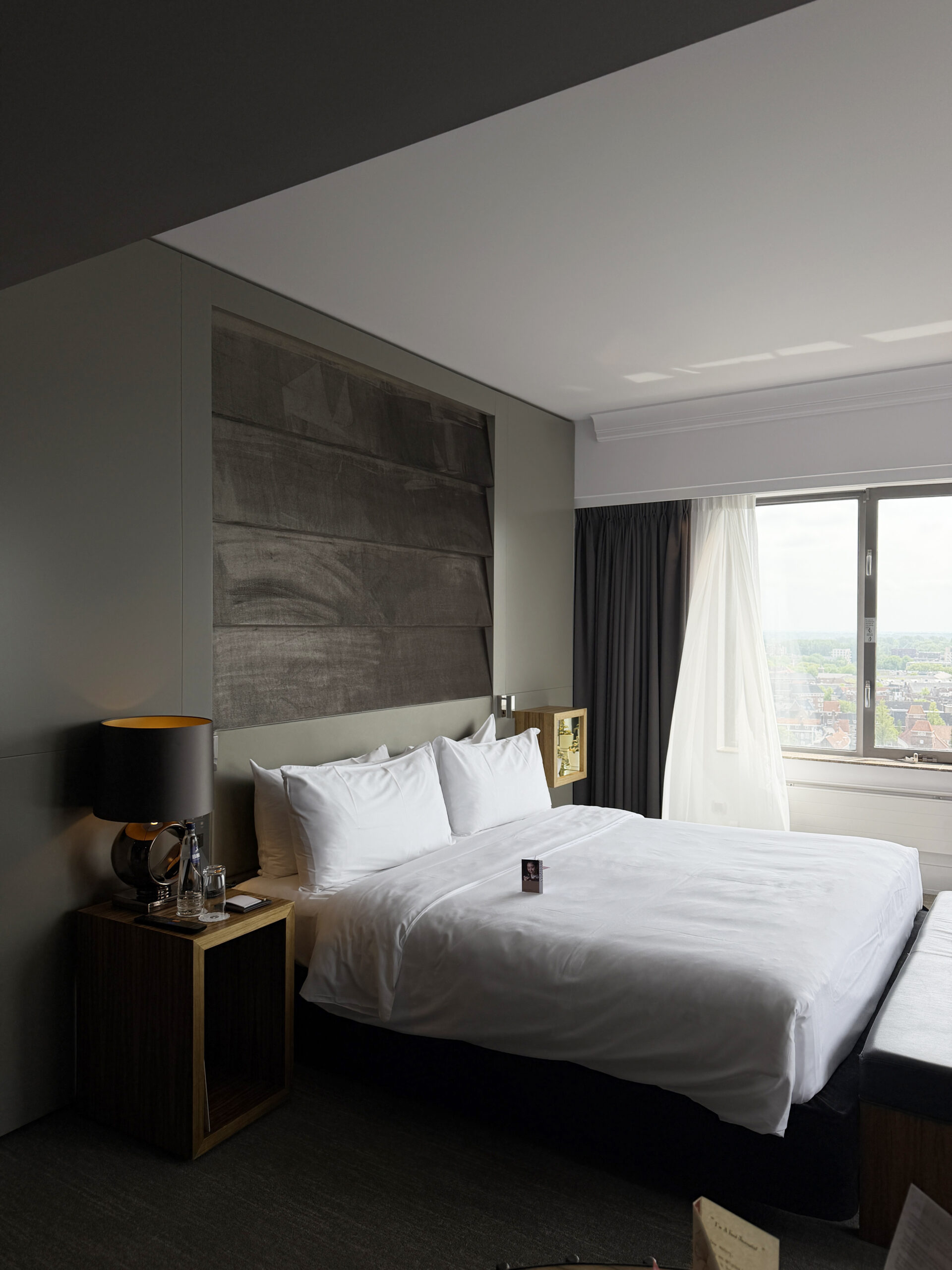
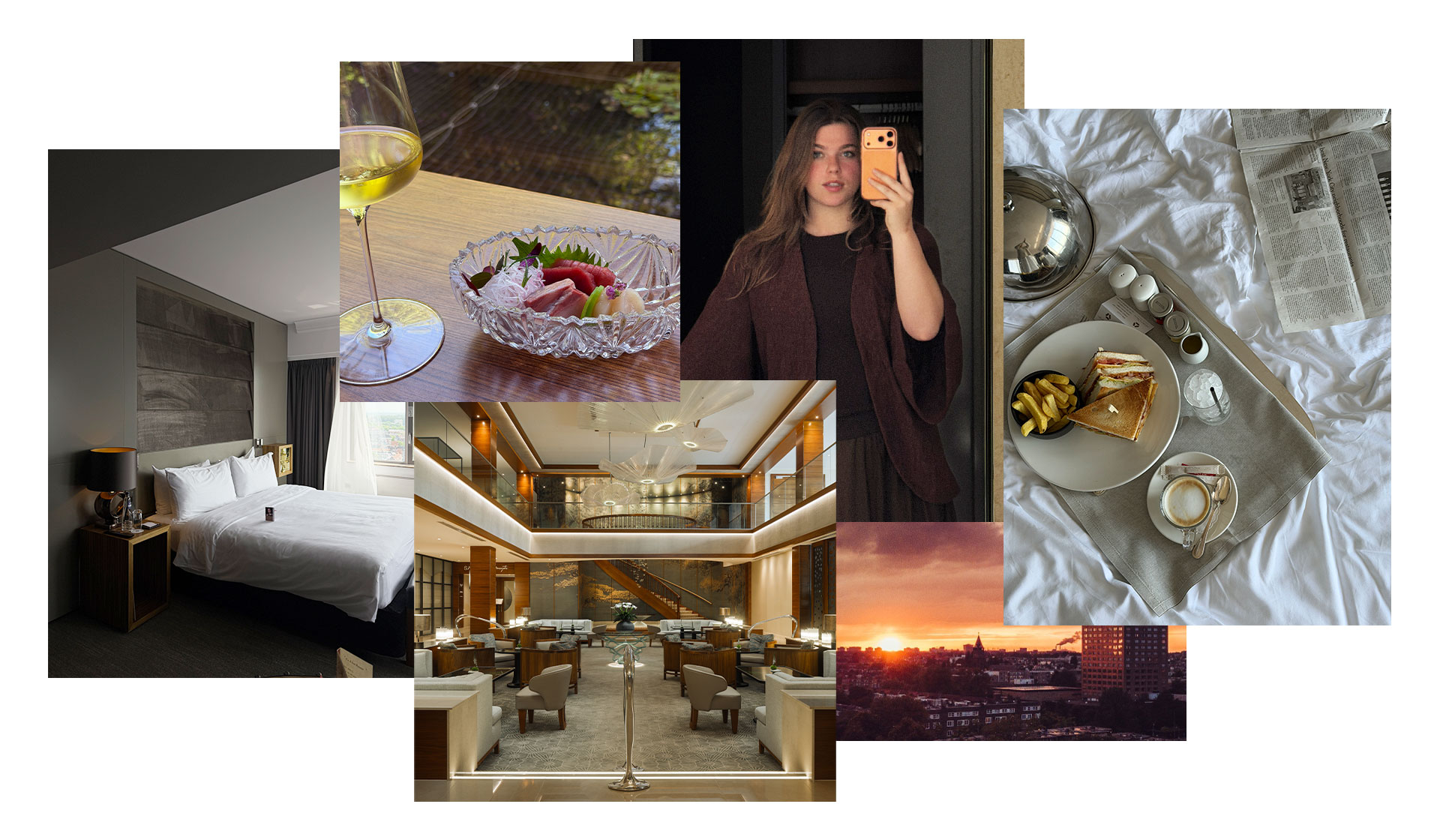
Speaking of the canal, I had an incredible view of it from my room. From the 18th floor, Amsterdam stretched out quietly beneath me, all soft water reflections, tiny boats drifting through the canals and golden evening light pouring through enormous windows. There were even binoculars perched beside the bed, which naturally turned me into a temporary canal stalker, watching cyclists glide past bridges and little dinner parties unfold below like scenes from a film.
The room itself felt impossibly calming. Breezy white linens billowed beside blackout curtains built for the kind of deep, uninterrupted hotel sleep that somehow only exists in really good hotels. Sparkling wine invited itself naturally into the bath, whilst thick robes, genuinely the best hotel robes I’ve ever worn, waited nearby alongside enormous fluffy towels, loofahs and rows of fabulous products that made the whole bathroom feel more spa than suite.
Walking into my suite was like a cuddle from a cool, ironed duvet; a loud invitation for room service.
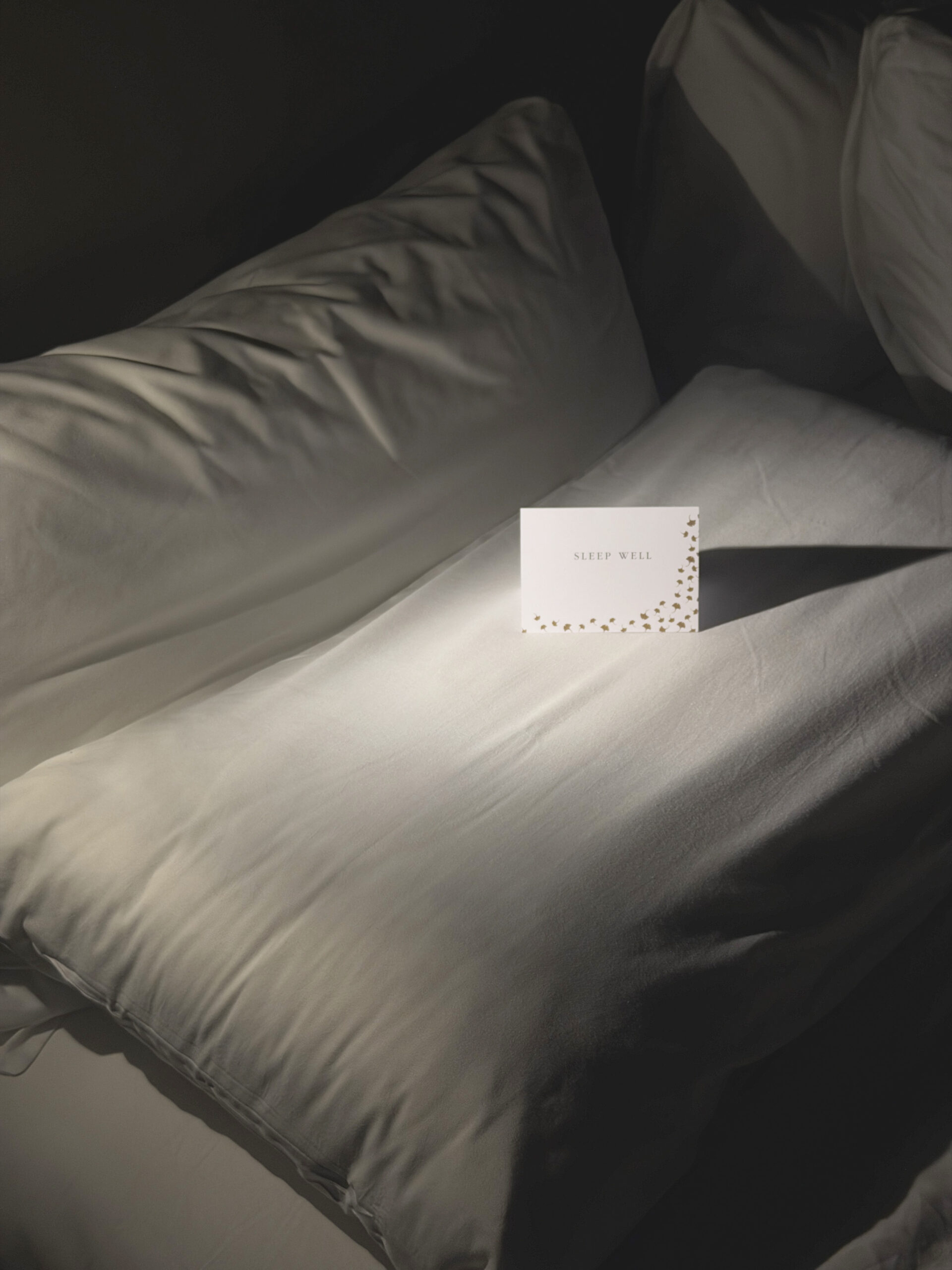
A quick walk outside for a canal-side ramble or a drink downstairs meant returning to full turn-down service: sheets reset to perfection, fresh towels folded neatly, robes rehung, bedside waters replenished and chargers somehow untangled and organised more neatly than I’ve ever managed myself. Handwritten notes sat beside softly dimmed lighting and a fresher scent drifting through the room.
To be quite honest with you, the room was massive, and the bathroom was a palace; the lights, dimmers, curtains, air conditioning and all other essentials were controlled by the tap of my finger just next to my bed.
Walking into my suite was like a cuddle from a cool, ironed duvet; a loud invitation for room service.
Food & drink
Hotel Okura Amsterdam is home to not one, not two, but four restaurants and three Michelin stars. Me? I went to Yamazato, a one-Michelin-starred Japanese restaurant on the ground floor, which exemplifies the incredible Japanese influence within Hotel Okura Amsterdam.
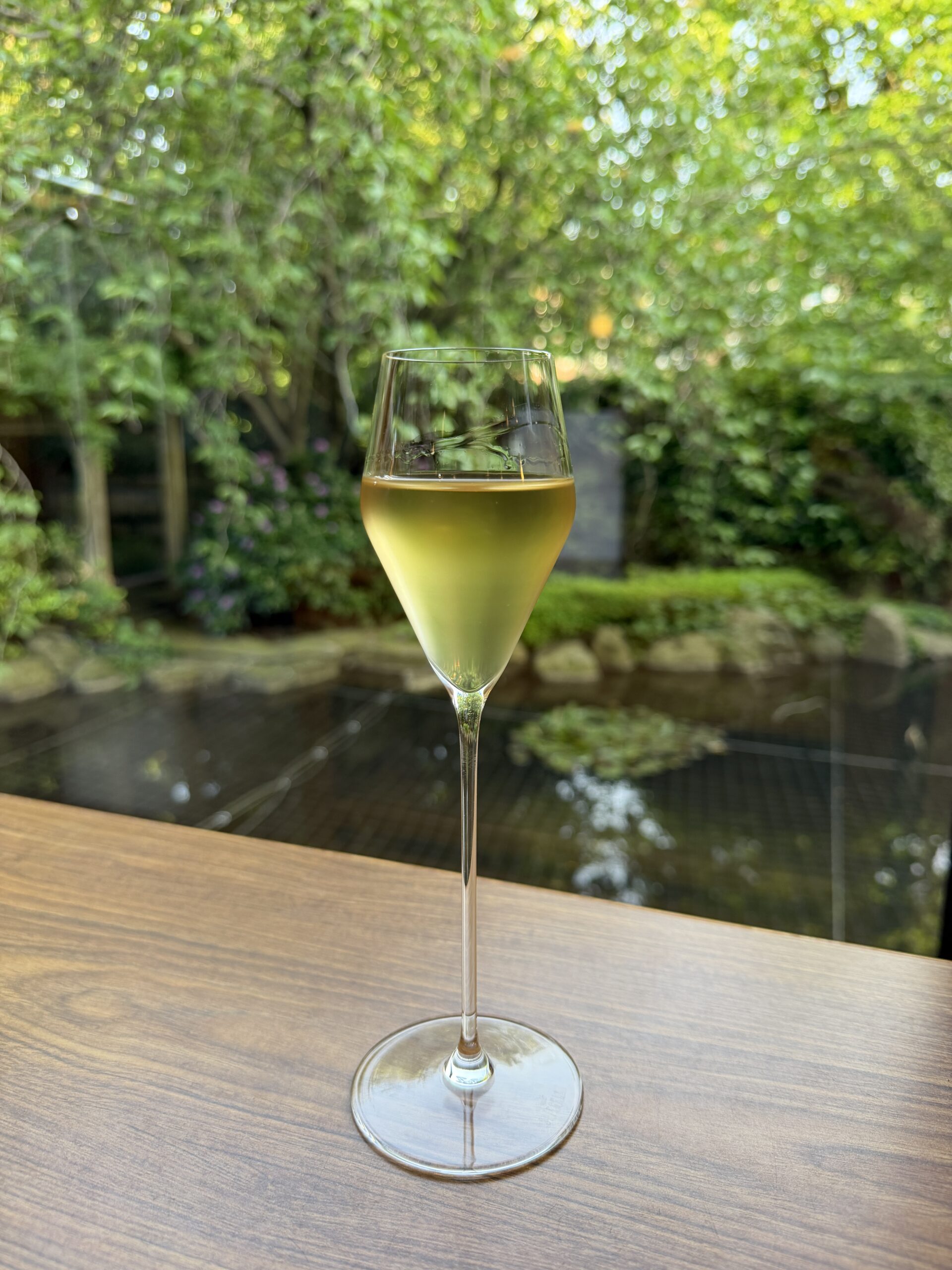
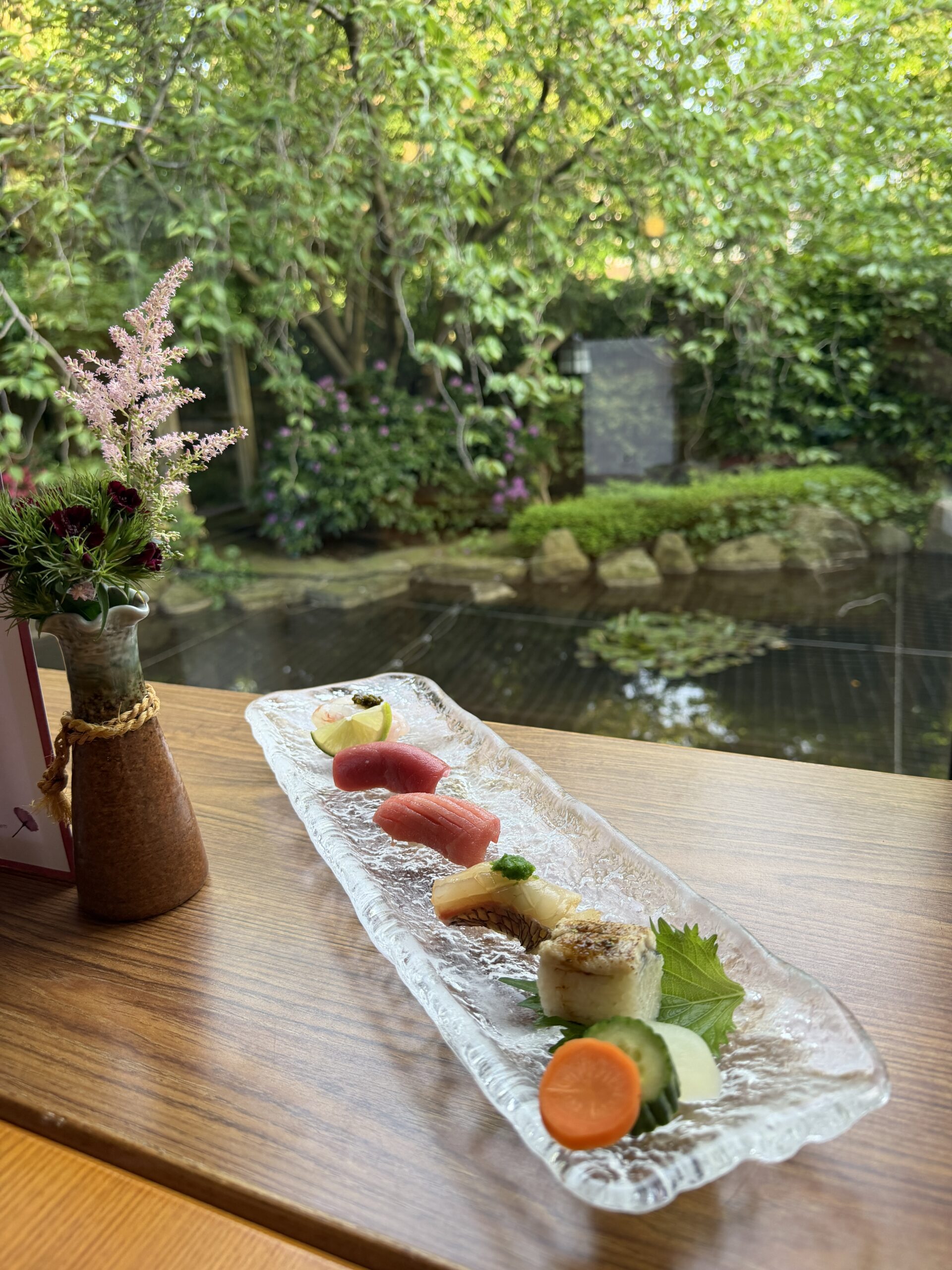
Dining there felt strangely transportive, almost in a “you forget where you are” sense, as you’re engulfed in a glass room surrounded by Japanese ponds and trees. I was hyper-aware of everything at once. The room hummed in a handful of languages — Japanese, Dutch, Mandarin, English, and French — all bouncing off each other between little giggles and exclamations.
I went to Yamazato, a one-Michelin-starred Japanese restaurant on the ground floor, which exemplifies the incredible Japanese influence within Hotel Okura Amsterdam.
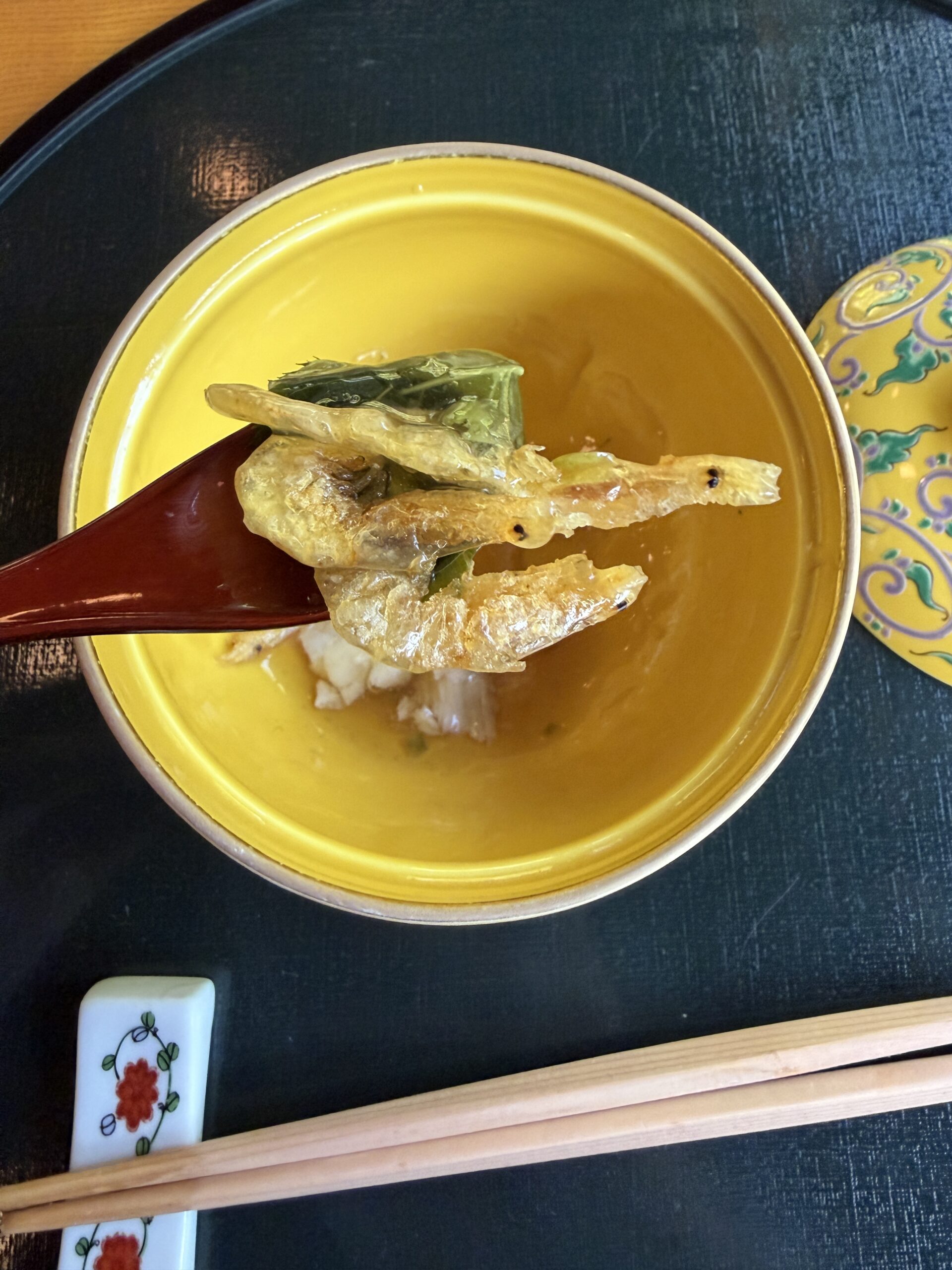
The meal began softly, inspired by the Japanese tea ceremony: matcha, a warm pea soup you were encouraged to lift with both hands, and a dumpling almost paste-like in texture with a macadamia nut hidden inside. Everything became more and more fun, not gimmicky fun, but colourful and bizarre and exciting and new. Tiny fried shrimp piled together like they were playing sardines, flaky fish that tasted properly of the sea, leaves the waitress warned me I might not like (quite like marmite, she said), but that I ended up loving because by that point I trusted the whole experience entirely. Every dish felt like a rainbow of flavour — sweet, sour, salty, umami, savoury — and every plate offered about six different perfect bites.
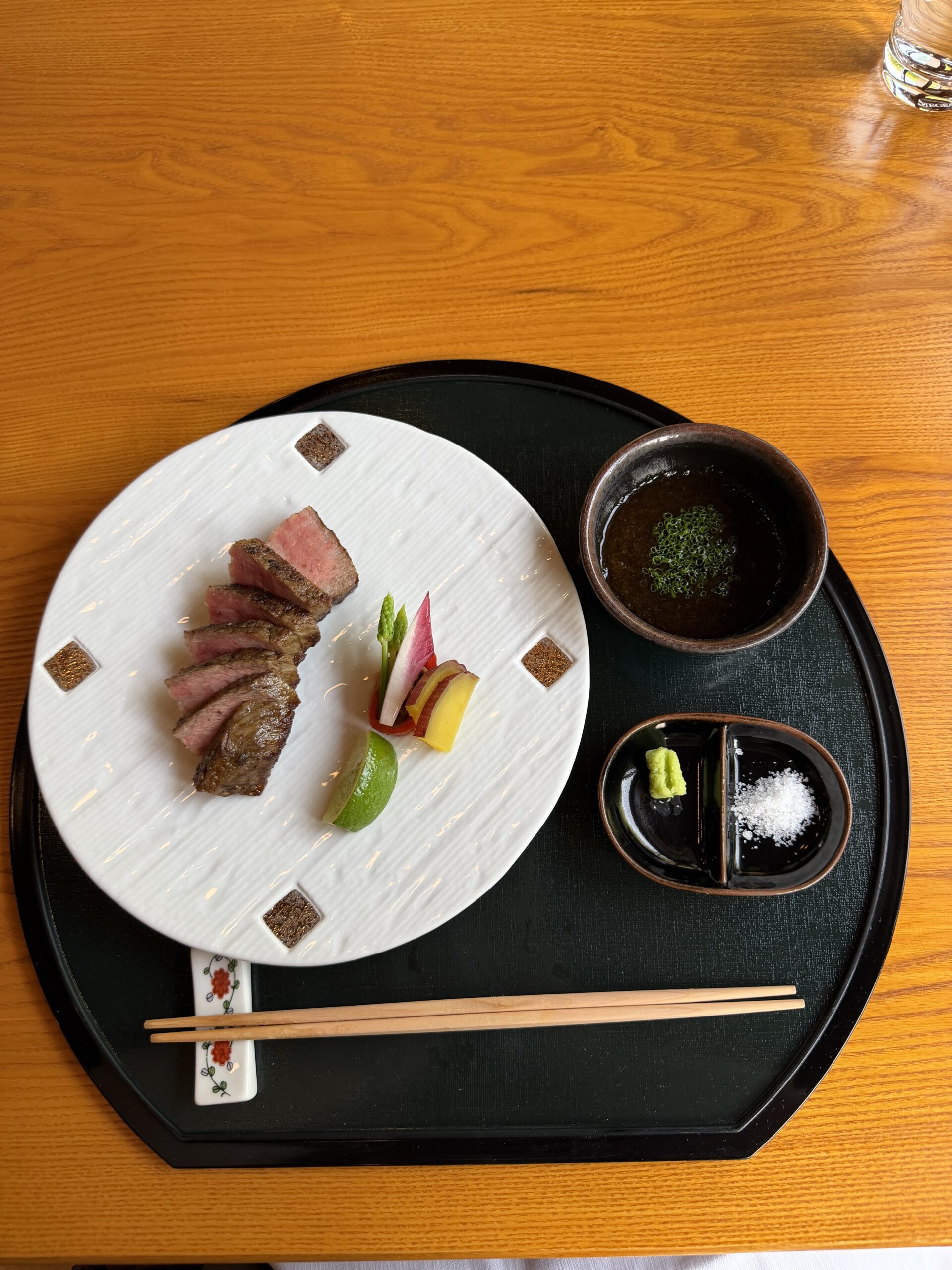
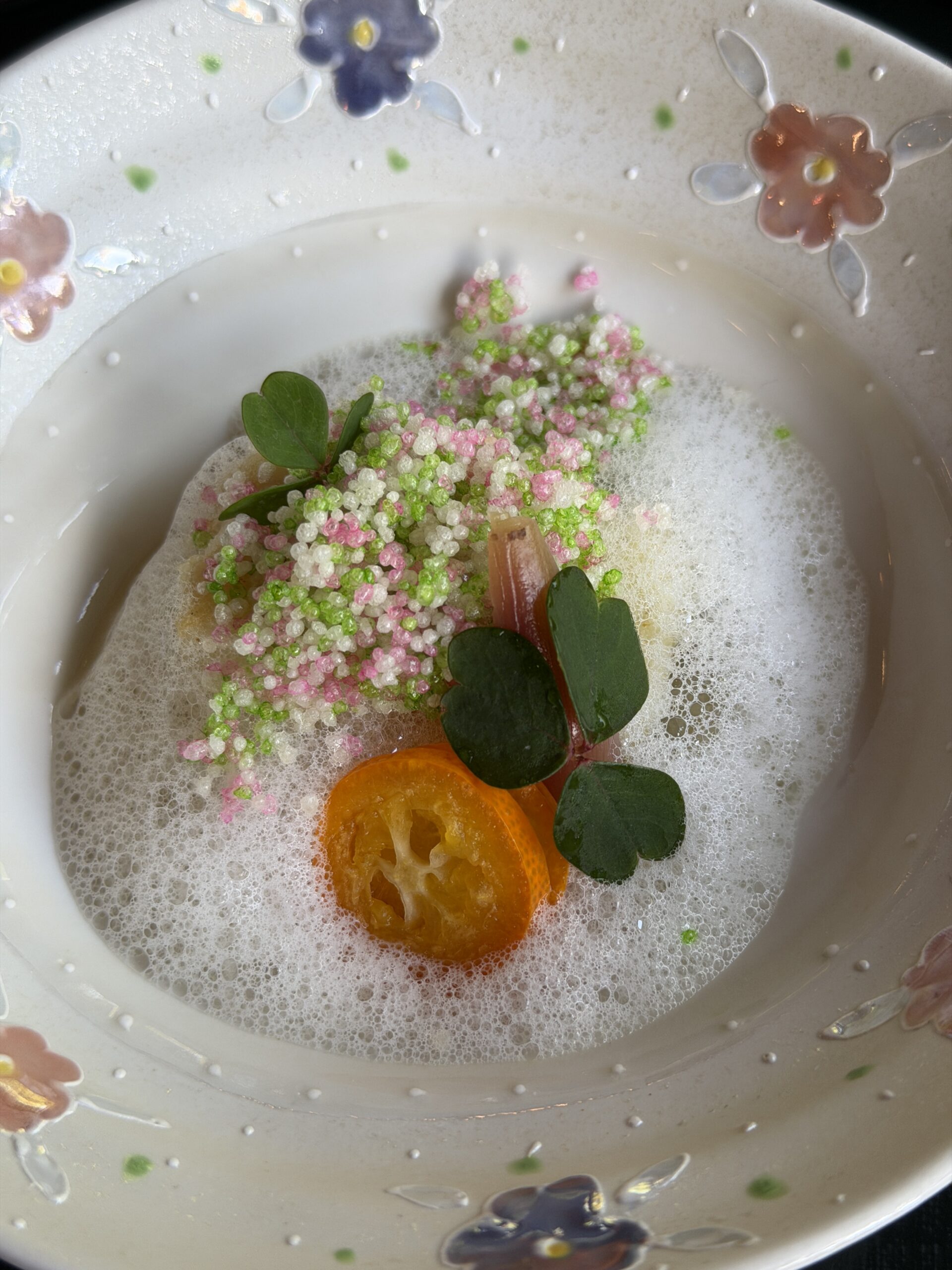
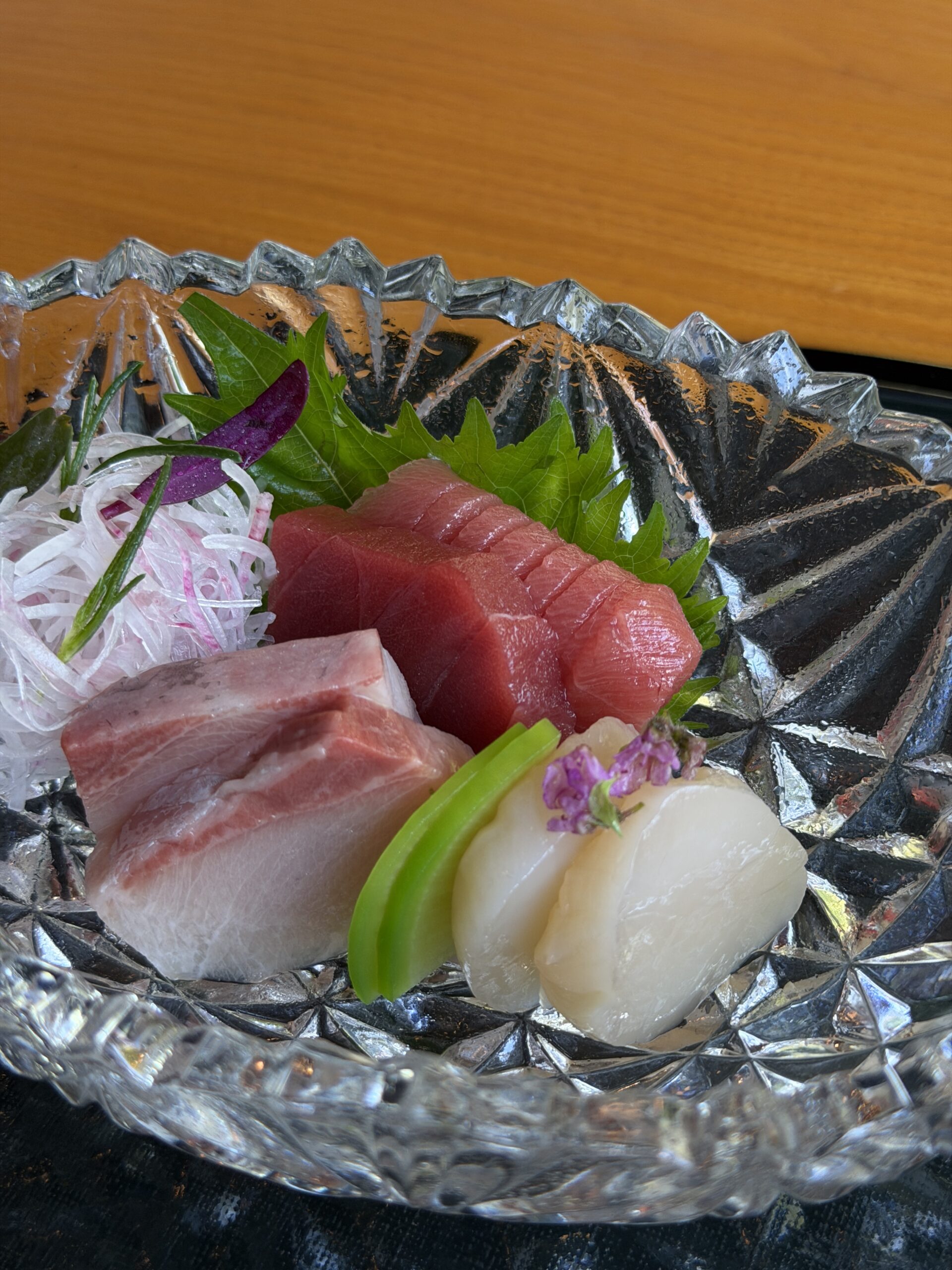
And then the sashimi arrived. Fatty toro paired with a fragrant Japanese leaf that tasted almost like the sour dust at the bottom of a packet of sweets, if sweets grew wild from a bush somewhere very expensive. Rich, buttery tuna against something bright and floral and sharp enough to cut through it perfectly. This is my bite, I thought immediately. If I were famous, this would be waiting for me in dressing rooms beside bottles of champagne. Even the wasabi tasted revelatory — fresh, flaky, sinus-clearing in a way that felt cleansing rather than punishing. By dessert, with pink sake sliding warm into my stomach and strawberries so vivid they felt almost impossible to describe, the waitress would clear each plate, asking “how was it?” and every single time my answer became more emphatic. So good. So, so good.
If I were famous, this would be waiting for me in dressing rooms beside bottles of champagne.
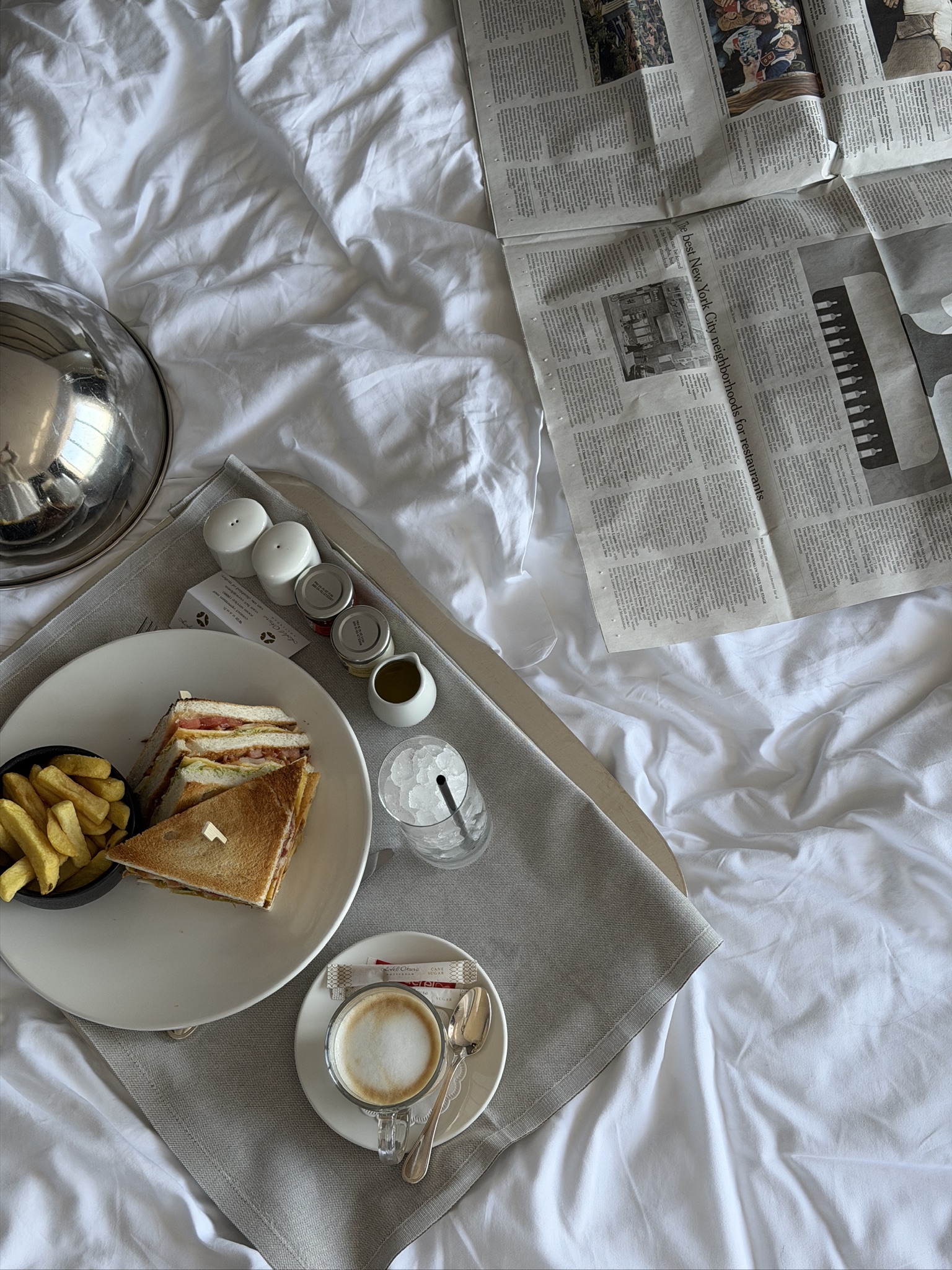
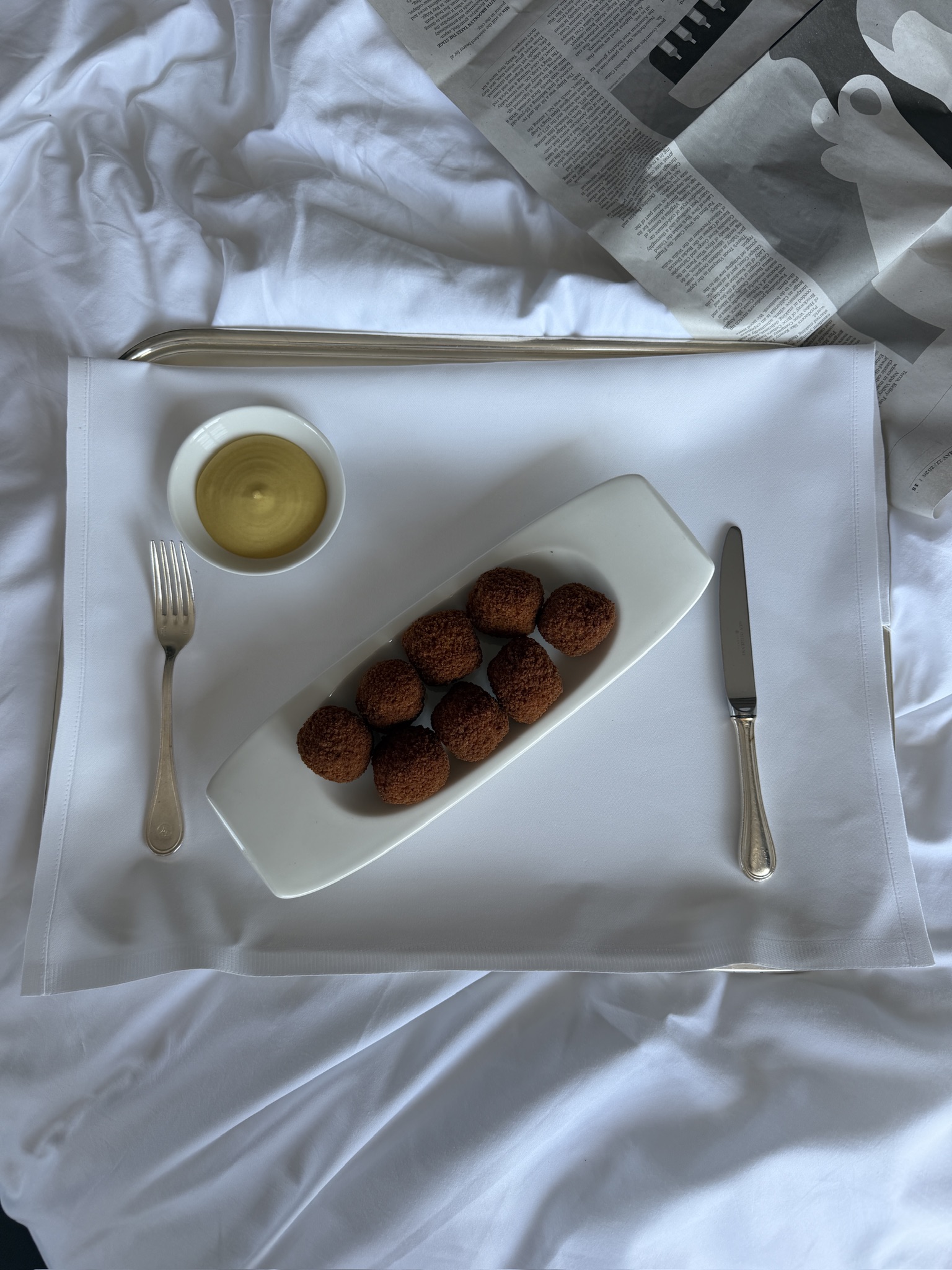
Outside of my luxe Michelin moment, room service was something I very much did order — club sandwiches, chips, iced coffees and, of course, bitterballen. Perhaps the weather was quite hot for a bitterballen in bed, but anyone who visits Amsterdam must try this childhood favourite. And where better to eat it than under a silver dome on a silver tray?
Anyone who visits Amsterdam must try this childhood favourite, and where better to eat it than under a silver dome on a silver tray.
Things to do
For those wanting to venture outside, the hotel is obviously brilliantly placed for exploring Amsterdam. Sitting in the sophisticated De Pijp neighbourhood, you’re within walking distance of the Albert Cuyp Market, the Rijksmuseum, Museumplein and some of the city’s best canal-side cafés and wine bars. It feels close enough to everything without being swallowed by the chaos of the more tourist-heavy city centre.
For those who love a bit of lounging around a hotel, Hotel Okura Amsterdam is the perfect spot.
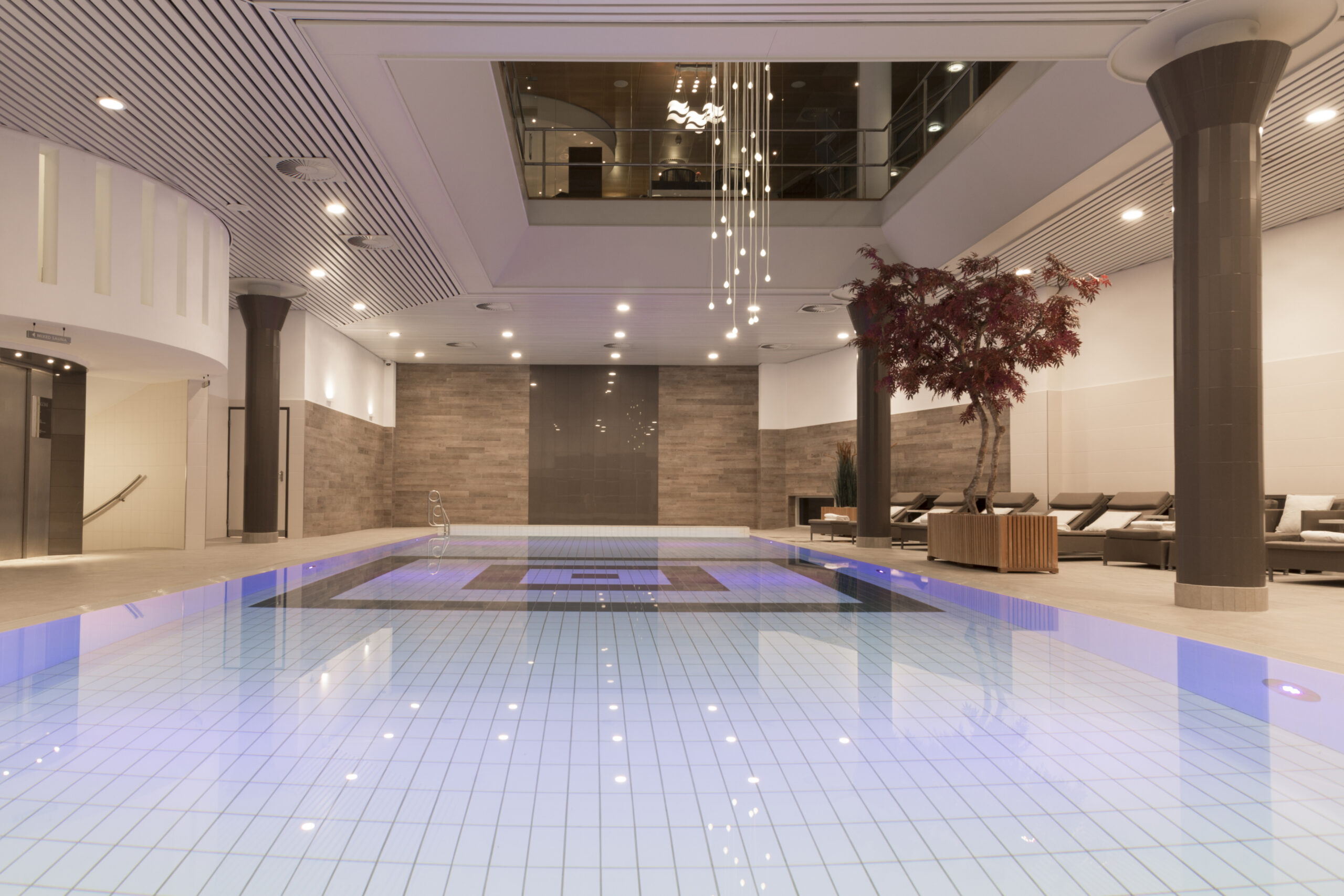
For those who love a bit of lounging around a hotel, Hotel Okura Amsterdam is the perfect spot. I spent an hour at Nagomi Spa, the hotel’s Japanese-inspired wellness space, emerging so relaxed I briefly forgot my room number. My treatment of choice was a Swedish massage, a full-body treatment built around long, flowing strokes designed to release tension and calm the nervous system. The therapist somehow identified every knot created by years of hunching over a laptop, gradually working them away until I felt less like a stressed journalist and more like a functioning human being. Afterwards, there was a quiet shut-eye in the tea lounge, wrapped in that particular post-spa haze where even opening one eye was admin, a swim in their state-of-the-art pool, and a chilled gym session. The whole experience is designed around calm, which feels increasingly radical these days.
When I eventually rejoined society, I did so slowly. Coffee on the canal-side terrace, watching Amsterdam drift by at its usual unbothered pace, with dreams of the potential canal boat trip arranged through the hotel concierge. Seeing the city from the water is one of those tourist activities that becomes significantly less touristy once you’re actually doing it, given that the whole local population is, too, on canal boats.
The verdict
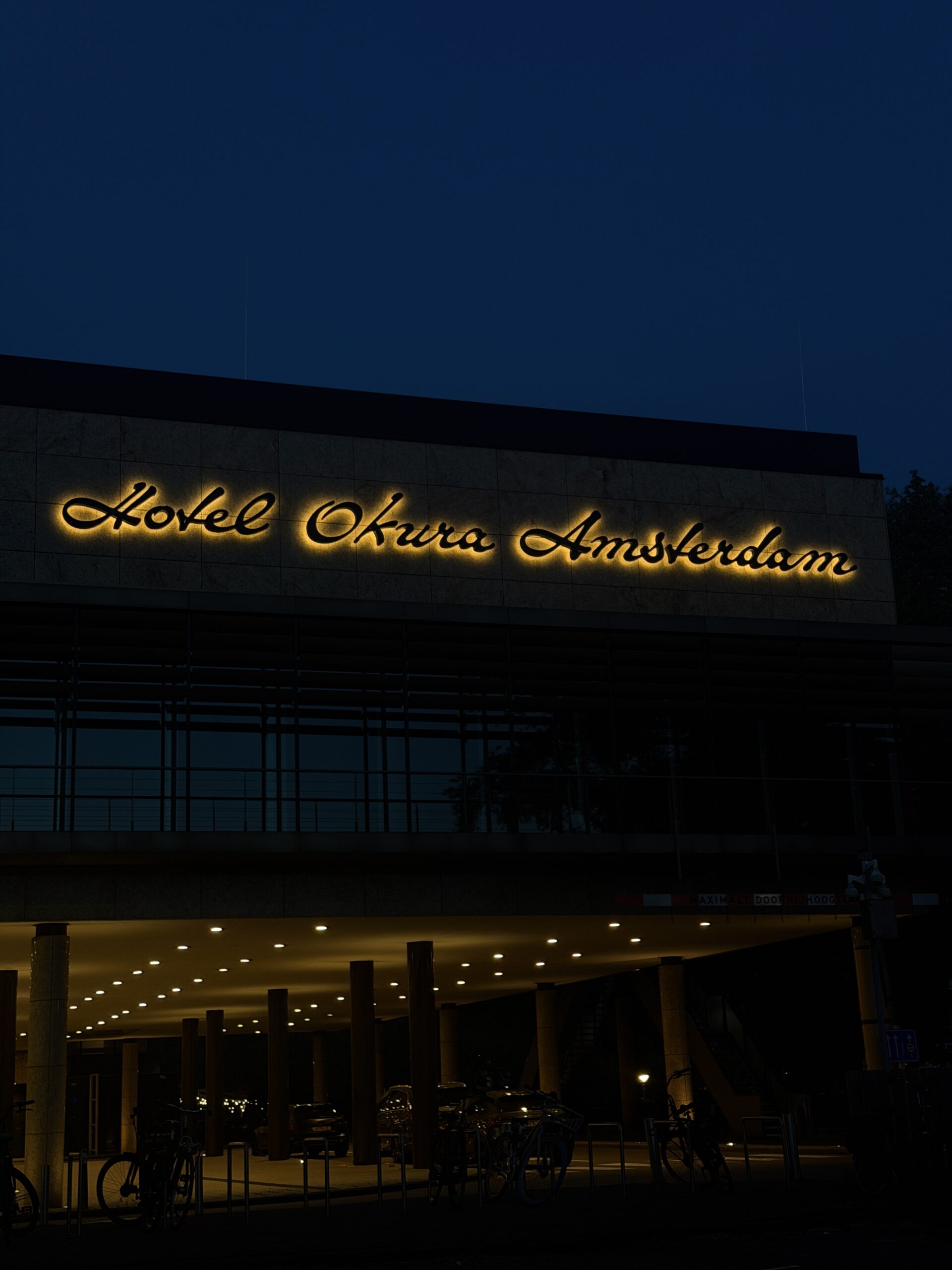
There are some hotels that simply give you somewhere to sleep, and there are others that alter your mood entirely. Hotel Okura Amsterdam did the latter. Between the calm Japanese influence woven throughout the hotel, the genuinely exceptional food, the cloud-like beds, canal-side coffees and the emotional whiplash of revisiting the city I spent my childhood in, it became less of a hotel stay and more of a luxurious reset fueled by my own stories, the city’s stories, and the hotel’s stories.
It feels elegant without ever becoming uncomfortably formal. Every detail feels thoughtful, from handwritten notes left at turndown to wine pairings that arrive exactly when you want them, making the whole experience feel personal rather than performative.
I arrived hoping to reconnect with Amsterdam and left wondering whether it was time for me to move back immediately. It wouldn’t have been that way if I hadn’t been so comfortable in the environment.