8 Expert Ways To Improve Gut Health This Party Season
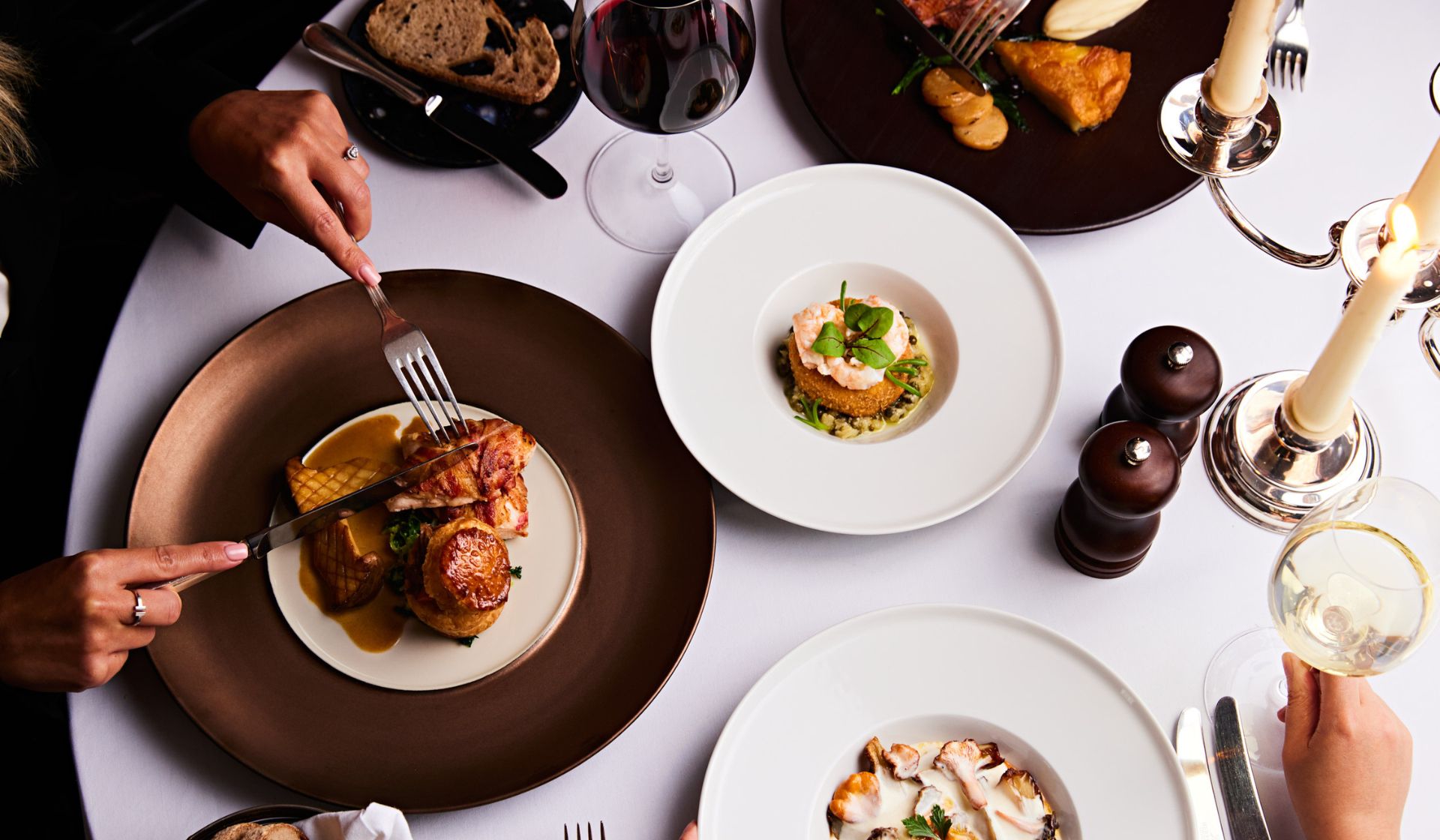
The holidays are by and large the most fun time of the year… until they aren’t. As much as we love getting dressed up, having little-to-no cap on our mince pie intake and being a little laissez-faire with the Christmas cocktails, the indulgence creeps up on you eventually.
In partnership with The Better Menopause
So, we’ve enlisted the help of an expert to share with us the health tips you need to know before heading head first into December, mulled wine in hand and dripping in sequins. Jo Lyall, founder and CEO of nutrition and wellness company The Better Menopause is here to tell us how to protect gut health during this busy period, because all-round health always starts with a healthy gut.
1. Practice fasting
The holidays are a time when your social calendar takes over. Later nights, Christmas cocktails and rich foods can obliterate regular routines but it’s important to give your body and your digestive system a rest when possible.
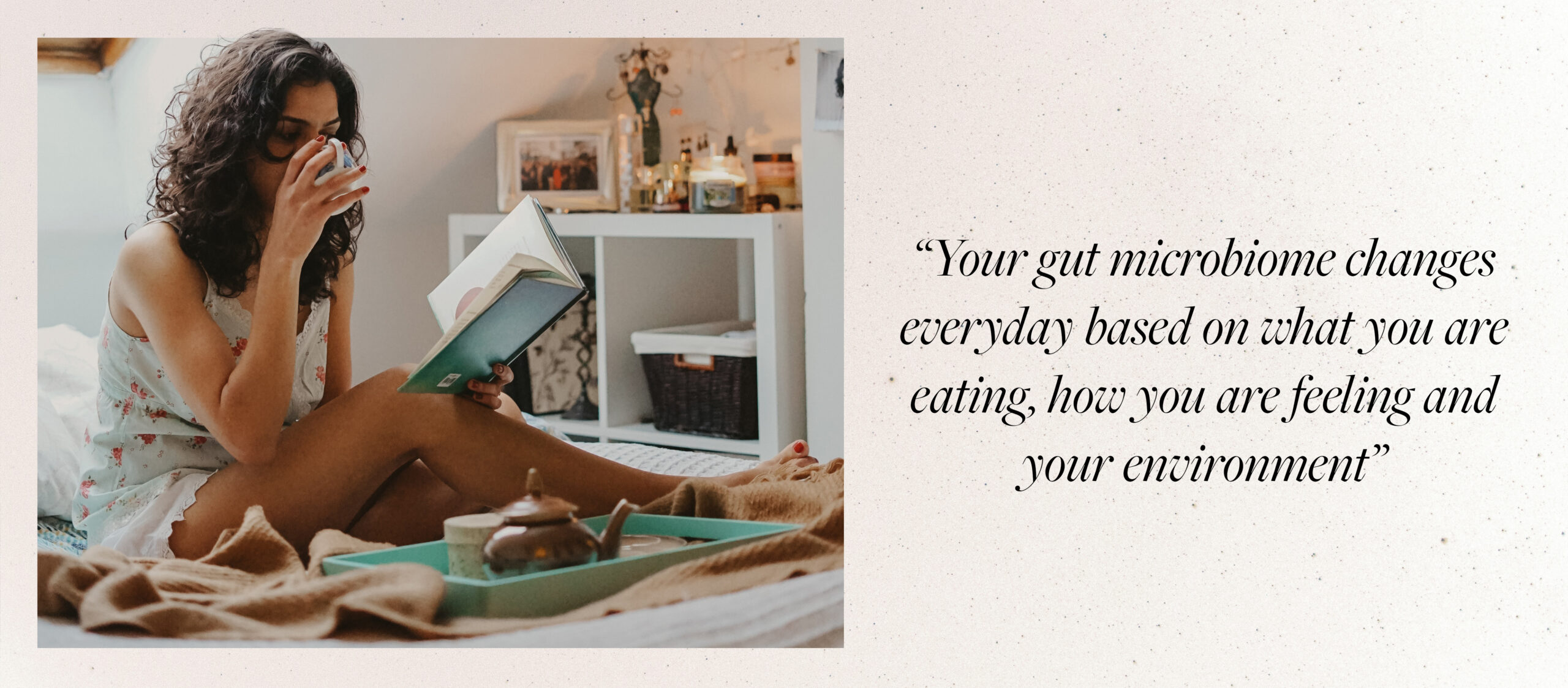
Try fasting for at least 12 hours each night and it could make a huge difference to bloating. When the body isn’t digesting it can repair, rejuvenate and rebalance the bacteria levels. Your gut microbiome changes every day based on what you are eating, how you are feeling and your environment. Bloating is often a sign of dysbiosis (an imbalance in the gut) and fasting is one tool we can use to improve symptoms.
2. Go easy on fruit
Adding fruit after a meal can cause increased fermentation in the stomach, which leads to a feeling of bloating and excess wind. Avoid eating fruit in the evening because the protein in a meal takes longer to digest and break down than the sugar in fruit.
3. Get your fibre intake right
Too much or too little fibre can cause bloating. Only 1 in 10 women are eating enough fibre each day and we should be aiming for around 30g per day to feed the gut bacteria and keep us regular.
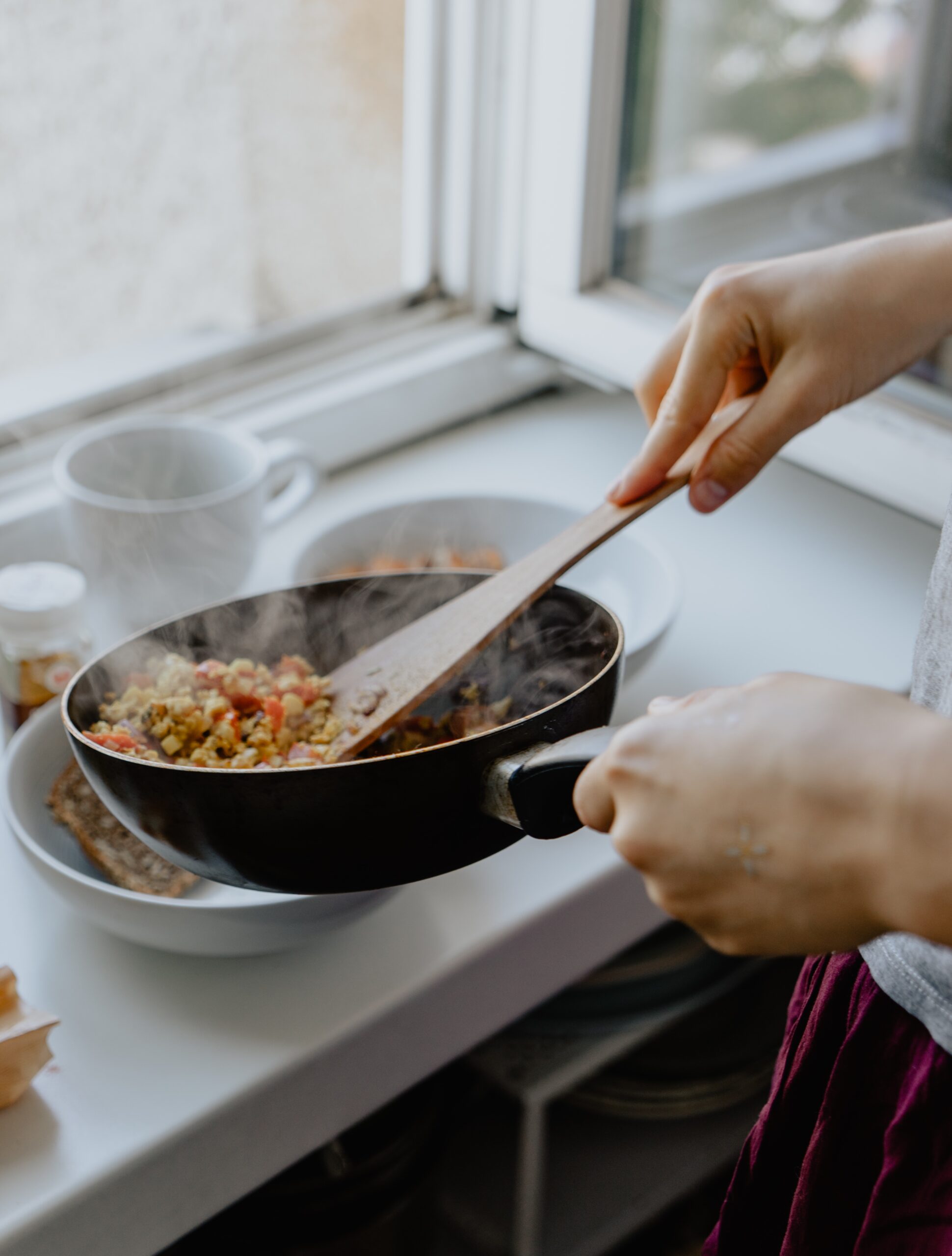

Only 1 in 10 women are eating enough fibre each day.
4. Cut out bloat-inducing food
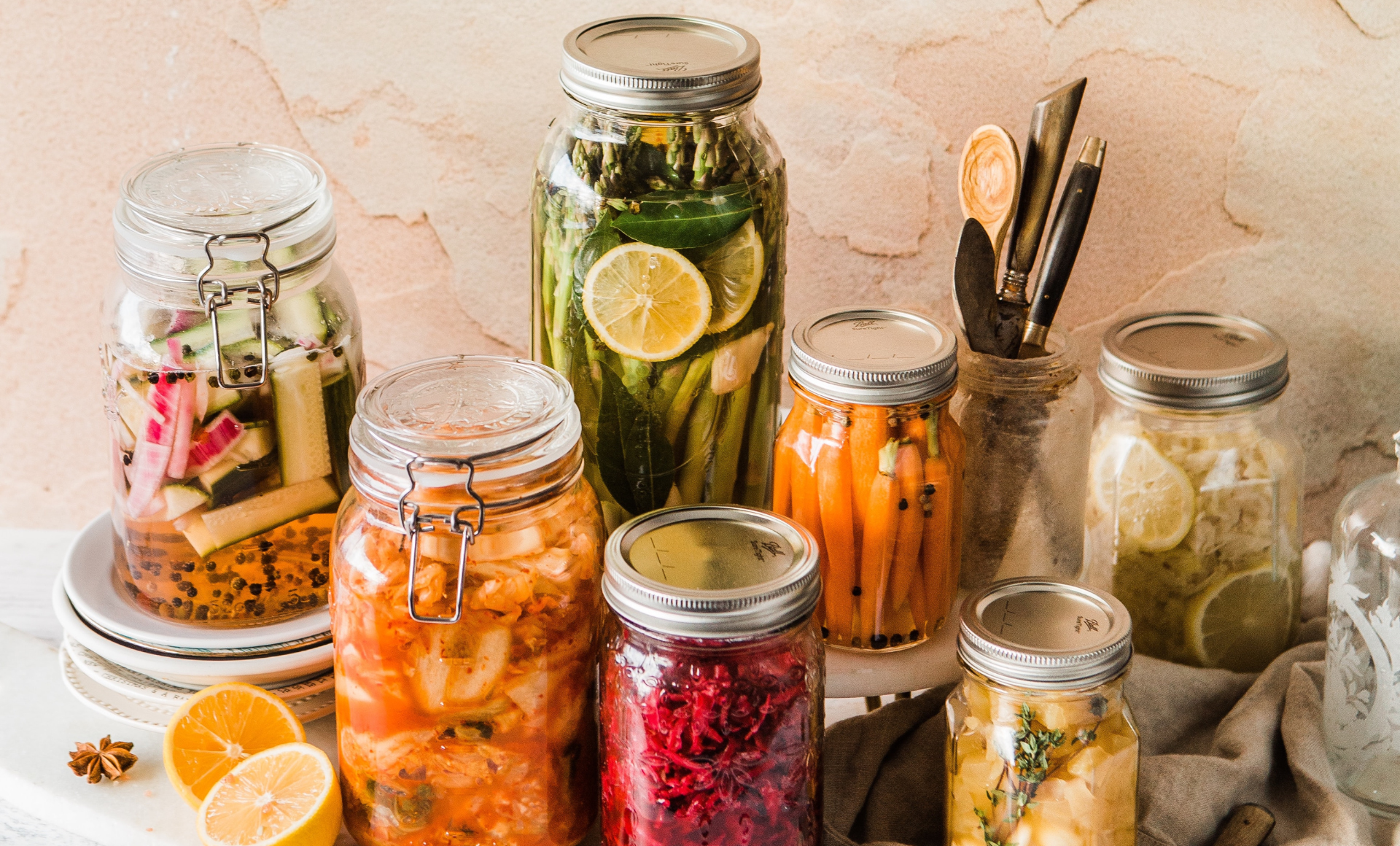
Certain foods like beans, cabbage, broccoli, and carbonated drinks can cause gas and bloating. If you are reacting to these types of food, it may be due to not having the right levels of beneficial bacteria and enzymes to break them down. This can be improved through probiotic supplements and fermented foods. Remember to add them slowly and monitor how you react, as too much too soon can make matters worse.
5. Consider food intolerances
Food sensitivities affect millions of people and any food substance entering the bloodstream due to damage in the gut wall – known as “leaky gut’ – will cause an inflammatory response. This can lead to all sorts of issues all over the body, from skin to joints and immunity and mood.
KBMO FIT test is a market-leading food sensitivity and gut health test that you can take at home to find out if you have any intolerances.
6. Don’t eat too quickly
This may sound obvious but eating too quickly leads to swallowing air, which contributes to bloating. Chew your food thoroughly and take your time while eating. Remember digestion starts before the food even enters your mouth as your brain tells your stomach that food is on its way.
7. Reduce your stress
It’s easier said than done for some, but reducing stress is one of the best tips we can give for overall health. Stress can impact digestion and exacerbate bloating, so make sure you feel calm before you eat. Taking some deep breaths to calm and soothe the nervous system will allow the digestive system to work optimally. When our body is in ‘stress mode’ the digestive system slows down as the body prioritises other organs like our brain and muscles to help us act and escape from whatever is causing us danger at the time.
8. Improve the bacteria in your gut
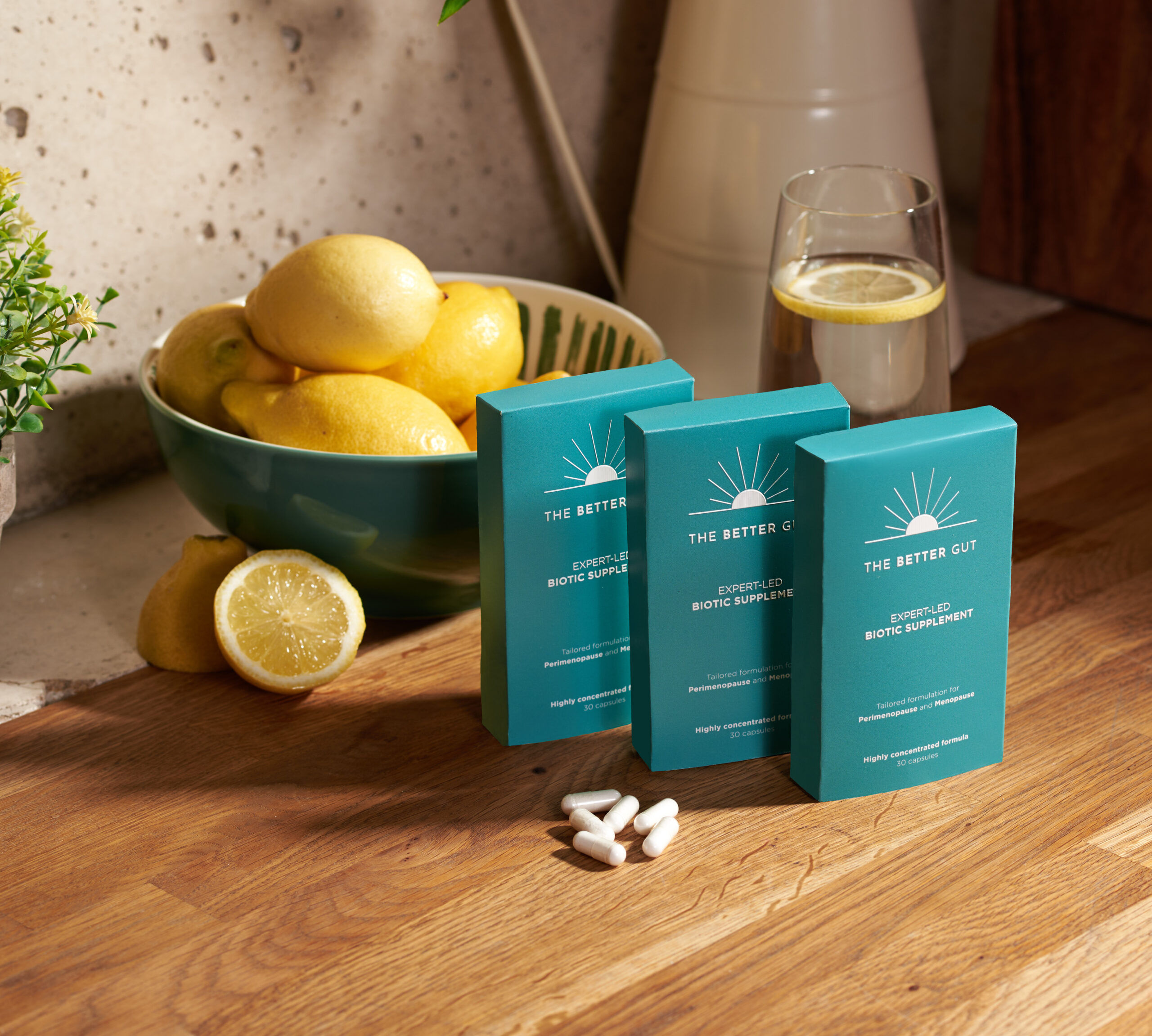
Taking a daily probiotic designed to support hormone balance helps your body metabolise estrogen and improve digestion and absorption. The Better Gut – A Biotic supplement has been specifically created for women 35+. It supports the hormonal change that begins in your mid-30s and continues through perimenopause and menopause.

Intrigued? Here’s more information on The Better Menopause…
Jo knows better than anyone why gut health is important and how it has a domino effect on so many aspects of our health. She pivoted her successful career in media to focus on her passion and 20 year side hustle as nutritional therapist. That experience and her journey into perimenopause led her to co-found The Better Menopause.
Now, don’t let the M word put you off. The brand was born with a passion to help and educate women on how to be in the best health possible before, during or after perimenopause and menopause, and to do so, you need to start with the gut.
Research indicates a strong relationship between the gut and symptoms of the menopause, from IBS to hot flushes, brain fog to bloating. And even if you’re not near perimenopause or menopause, women’s hormones start to change significantly around age 35. The Better Gut supplement has been designed to prepare your body for that, with a team of leading experts and doctors developing the product based on cutting edge research and with the most powerful formulations.
One of our editors will be trialing the supplement throughout the festive period so keep your eyes peeled for January when we will be revealing the honest results.
u003ch3 style=u0022text-align: center;u0022u003eExclusive Offer For The Handbook Readersu0026#8230;u003c/h3u003enu003cp style=u0022text-align: center;u0022u003eu003cspan style=u0022font-weight: 400;u0022u003eIn the meantime, if you want to find out more about The Better Gut supplement or try it for yourself, The Handbook readers have an u003cstrongu003eexclusive 20% offu003c/strongu003e their first orders. u003c/spanu003eu003c/pu003en