From Kimchi To Preserved Lemons: Homemade Gifts For The Foodies In Your Life

Looking for the perfect gift for the foodie in your life but don’t want to spend a fortune? Forget the hampers this year and opt for a homemade gift.
In partnership with
Edible gifts can be tricky to get right, which is why we’ve enlisted the help of Le Cordon Bleu to show us how to master pickled presents. Le Cordon Bleu London is part of the leading global network of culinary arts and hospitality management institutes. They offer a wealth of classes and courses, whether you’re looking for a beginner wine course or want to master the art of pâtisserie. It’s the perfect place to kickstart your future career in hospitality.
For now, the culinary arts institute has shared four simple pickling recipes from their Diploma in Gastronomy Nutrition and Food Trends that are great for jarring up and gifting this Christmas. Pickled and fermented foods are having a renaissance thanks to their positive health boosters, so read on to find top chefs’ tips and easy pickles to make.
Chef’s tips
Sterilising jars
To keep pickles and ferments from spoiling during fermentation, jars need to be sterilised before use. If the jars do not have a screw top lid or rubber seal, it’s important to open the jar occasionally during fermentation to release the co2 gases.
On the label…
Once opened, most pickles and ferments last for up to one month in the refrigerator. Using a sterilised utensil each time you open the jar and spoon out its contents will extend the overall shelf life for up to three months.
If you’re gifting these pickles, Le Cordon Bleu recommends adding a little note about this to the label so your recipients can savour their gifts well beyond the festive period. They have given instructions for making each recipe in a large jar, but each recipe can easily be split into several smaller jars to make plenty more presents for giving to friends and family.
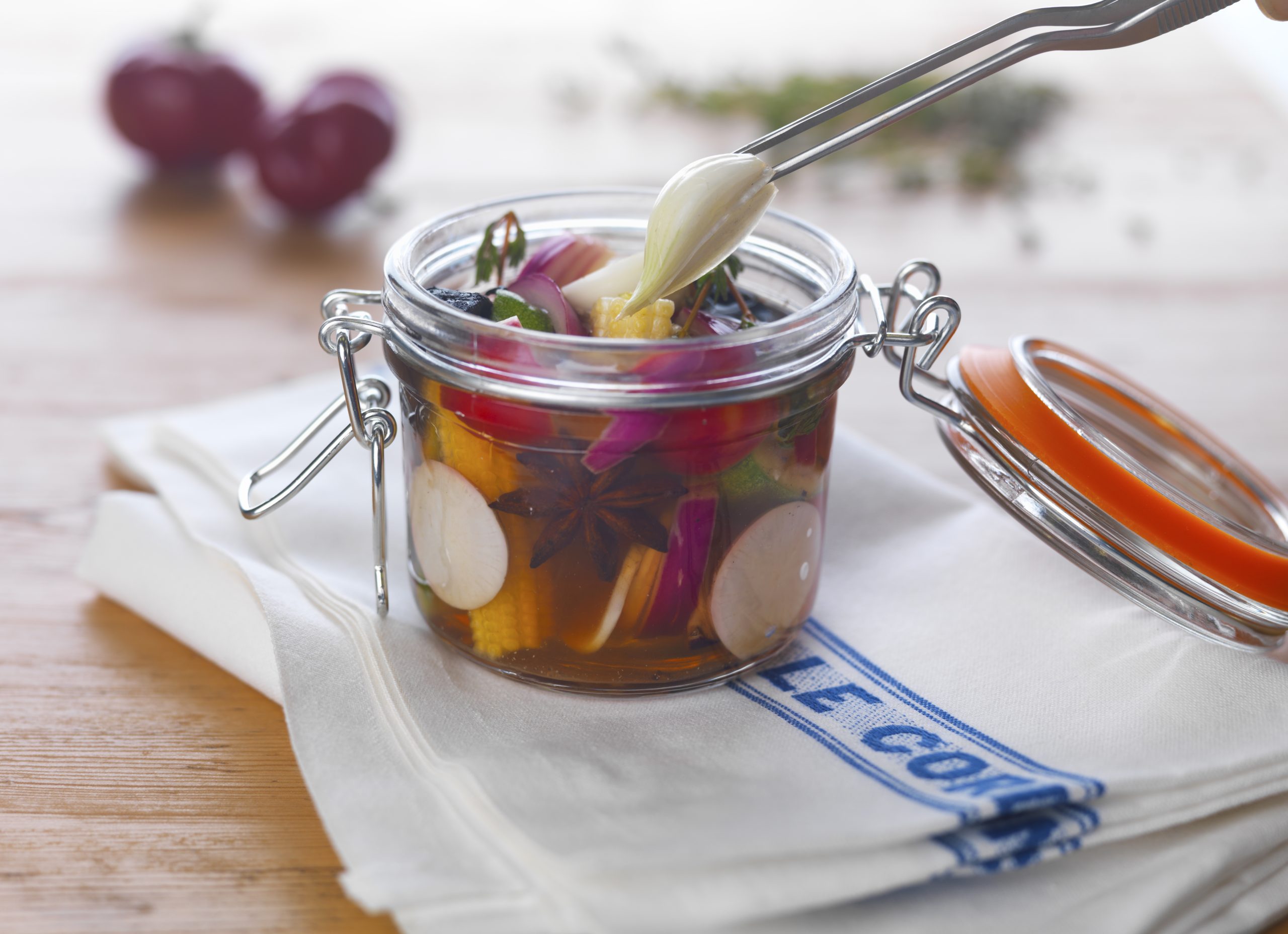
Pickled vegetables
Please the foodie in your life with a homemade jar of pickled veggies. Perfect for adding to salads, sandwiches or adding a pickle punch to any dish, once opened, store in the fridge and use within one month.
Makes 1 jar
Preparation time: 20 minutes, plus pickling
Cooking time: 5 minutes
Ingredients
- ½ cauliflower
- 2 carrots
- 1 fennel
- 5 shallots
- 1 red chilli
- 250 ml white wine vinegar
- 500 ml water
- 25 g caster sugar
- 10 g salt
- ½ teaspoon fennel seeds
- ½ teaspoon yellow mustard seeds
- ½ teaspoon black peppercorns
- 2 bay leaves
Method
- Cut the cauliflower, carrots, fennel, shallots and chilli into bitesize pieces.
- Transfer the vegetables to a large, sterilised jar and set aside.
- Put the remaining ingredients into a pan and bring to a boil. Once the sugar has dissolved, remove from heat and let cool completely.
- Pour the cooled liquid over the vegetables and seal the jar.
- After one hour, the pickles are ready for eating. Alternatively, let stand in a cool, dark place for up to five days to develop the flavours. Once opened, store in the refrigerator and use within 1 month.
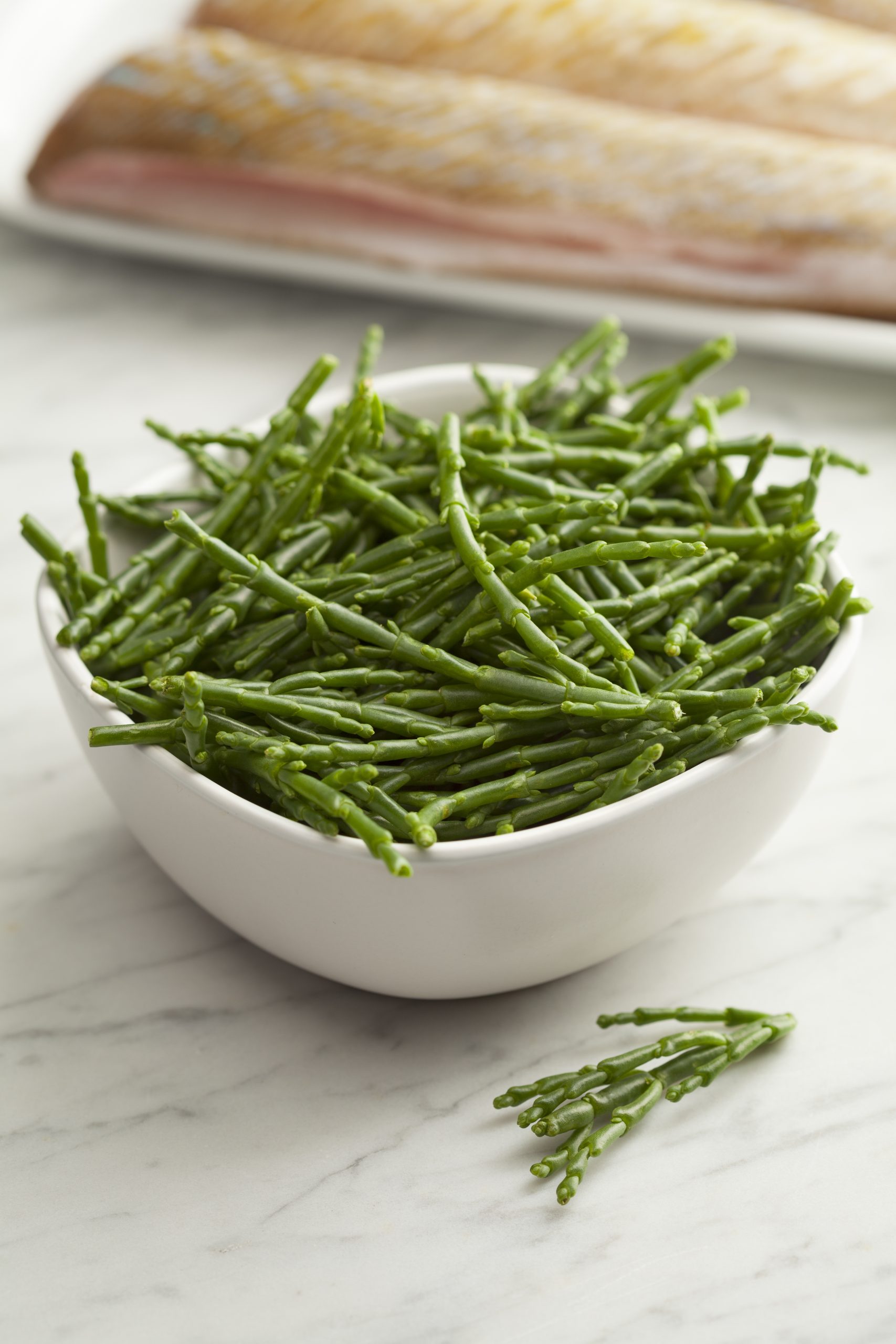
Pickled samphire
Opt for something a little different and add a jar of pickled samphire under the Christmas tree this year. Make ahead of time, and it’ll be perfect for pairing with fish courses over the festive period.
Makes 1 jar
Preparation time: 20 minutes, plus pickling
Ingredients
- 150 g samphire
- ½ tarragon sprig, leaves picked
- ½ clove garlic, halved
- ½ tablespoon sugar
- ¼ teaspoon black peppercorns
- 400 ml white vinegar
Method
- Wash and pick the base off the samphire, then transfer the samphire to a large, sterilised jar and add the peppercorns, tarragon leaves, halved clove garlic, sugar and peppercorns.
- Pour over the vinegar and seal the jar. You may not need all the vinegar.
- Let stand in a cool, dark place for 15 days. Once opened, store in the refrigerator and use within 1 month.
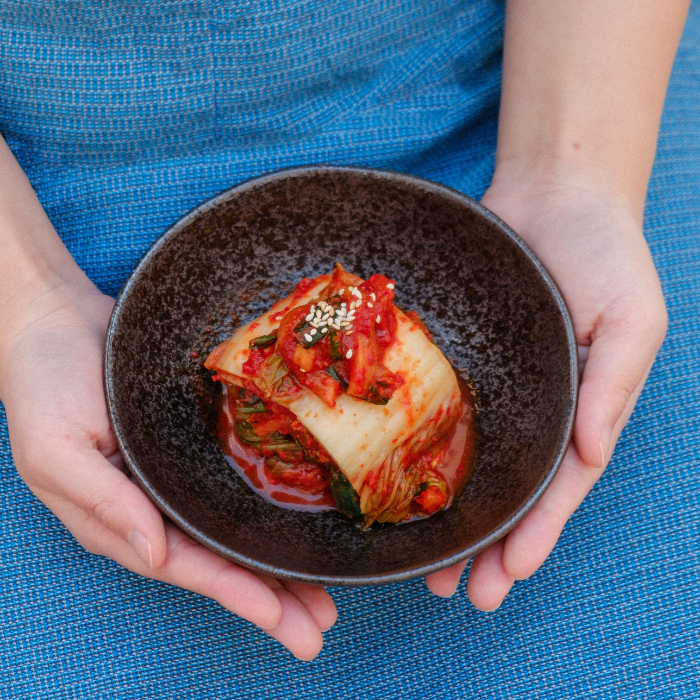
Kimchi
Add some heat to your gifts and opt for making a jar of kimchi for your foodie friends. Great on its own or pairing with rice dishes, eggs and adding into stews.
Makes 1 jar
Preparation time: 1 hour, plus soaking and fermenting
Cooking time: 5 minutes
Ingredients
- 1 Chinese cabbage
- 100g coarse sea salt
- 20g rice flour
- 170ml water
- 80g Korean anchovy sauce
- 15g red chilli powder
- 50g grated garlic
- 25g grated fresh ginger
- 200g mooli (daikon) radish, grated
- 1 onion, chopped
- 4 spring onions, chopped
Method
- Wash the cabbage thoroughly, then place into a bowl and sprinkle the salt between the leaves. Cover with cold water and set aside for at least 4 hours or up to 6 hours.
- Put the rice flour and water into a pan and bring to a boil, stirring continuously, until the mixture thickens. Remove from the heat and let cool completely.
- Transfer to a large bowl and stir in the anchovy sauce and chilli powder. Add the garlic, ginger, mooli (daikon) radish, onion and spring onions and mix thoroughly.
- Drain the cabbage and rinse off the salt, then spread the vegetable mixture between each leaf and roll to secure.
- Transfer the cabbage to a large, sterilised jar, packing well to ensure there are no gaps in the jar. Let ferment in a cool, dark place for two days. After 2 days, place the jar in the refrigerator and ferment for another 4 days. Once opened, store in the refrigerator and use within 1 month.
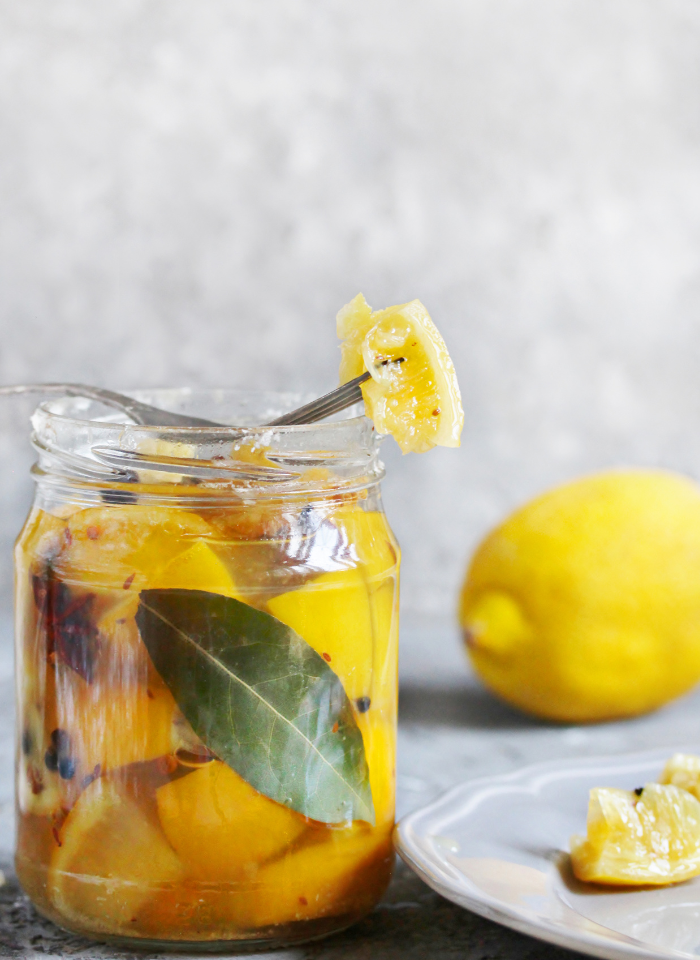
Preserved lemons
A staple in Moroccan and Indian households, preserved lemons are the two-ingredient recipe you need to add some quick flavour to any dish.
Makes 1 jar
Preparation time: 20 minutes, plus preserving
Ingredients
- 1kg lemons
- 50g sea salt
Method
- Wash and scrub lemons, then cut in half and juice enough halves to get 100 ml juice. Set the juiced lemon halves aside.
- Put the intact lemon halves, lemon juice and sea salt in a bowl and stir to dissolve the salt.
- Transfer the lemon halves and their liquid to a large, sterilised jar. Place the juiced lemon halves on top to weigh the intact lemon halves down and keep them submerged, then pour over the water to cover, if necessary.
- Let ferment in a cool, dark place for four weeks. Once opened, store in the refrigerator and use within 1 month.
Learn more about Le Cordon Bleu’s courses here
Created in partnership with Le Cordon Bleu