The A-Z of Japanese Food
Do you know your dashi from your donburi or your mirin from your matcha? London may be awash with some incredible Japanese eateries, from cheap as noodles ramen joints to Michelin-starred restaurants, but how are your culinary skills looking in your own kitchen? London’s Japan Centre has an unrivalled array of Eastern products that will inspire your next meal, so we’ve rounded up the cupboard staples (ok, it’s not quite an A-Z) you’ll need to make it as authentic and delicious tasting as possible.
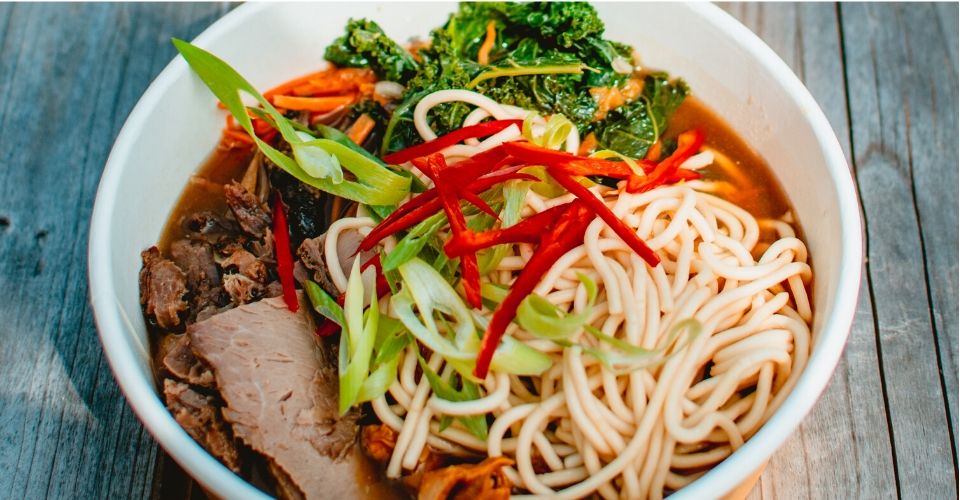
Noodles
From steaming bowls of ramen to hangover-cure yakisoba, noodles are the ultimate in Japanese comfort food. Make sure you know which is which.
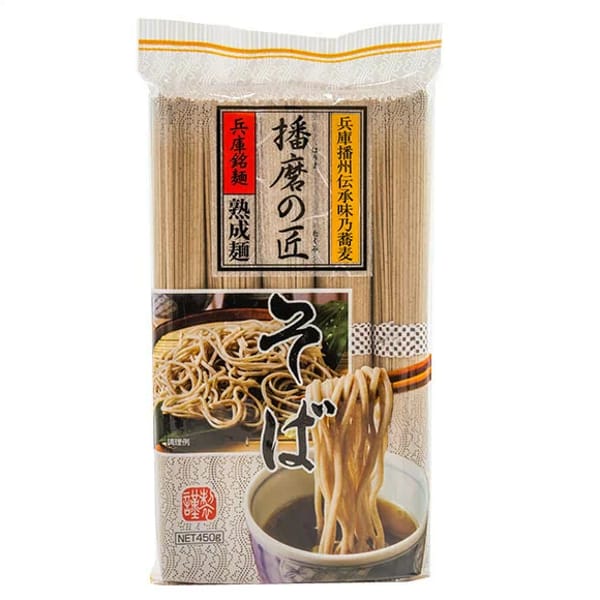
Soba Noodles
Soba noodles are made from buckwheat flour meaning they are full of fibre and vitamins – they’re in fact the most nutritional Japanese noodles you can get. Nurse the winter sniffles by adding to a tasty chicken and chilli soup or keep things light by eating them chilled with a tsuyu dashi dipping sauce.
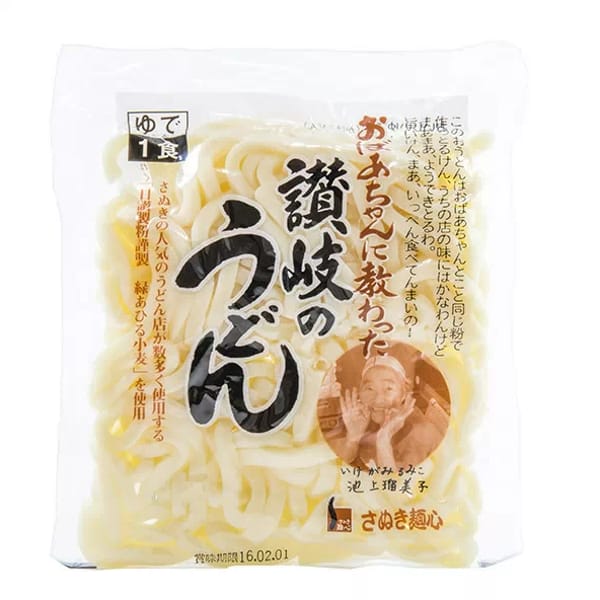
Udon Noodles
Wonderfully thick, these are the type of noodles that make slurping so satisfying. Made from wheat flour and cut thicker than most, they have a slightly chewy texture making them the perfect addition to dashi soup broths with whichever garnishes you like. Traditional dishes include kitsune udon (with a piece of fried tofu) and tanuki udon (with pieces of fried tempura). Yum.
Ramen Noodles
Ramen noodles actually originated from China but the dish has become so popular in Japan that they even have museums dedicated to it. We get it – is there anything better than a hot bowl of ramen on a winter day? London’s teaming with ramen joints, but why not try your own at home?
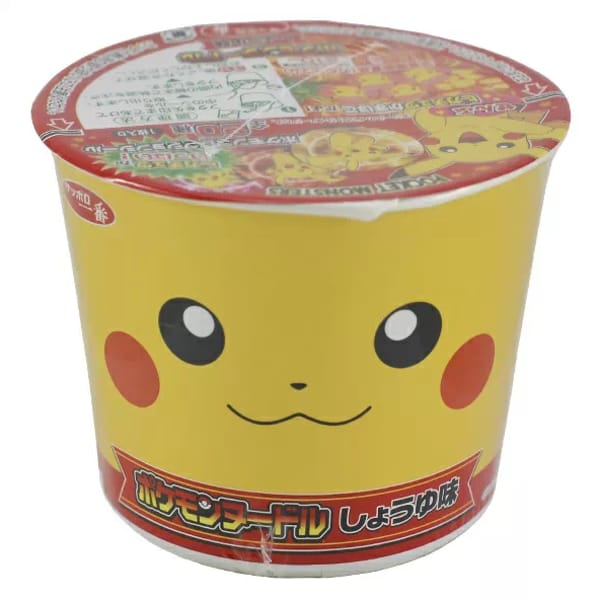
Yakisoba Noodles
Traditionally prepared in a sweet/savoury BBQ-like sauce, yakisoba noodles are the perfect hangover cure. Make your own or cheat (we won’t tell) with some decent instant options.
Tofu
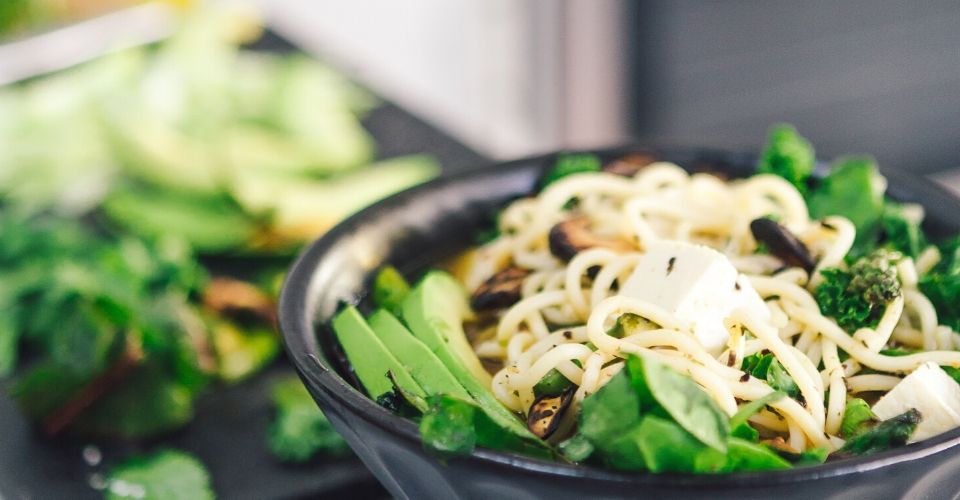
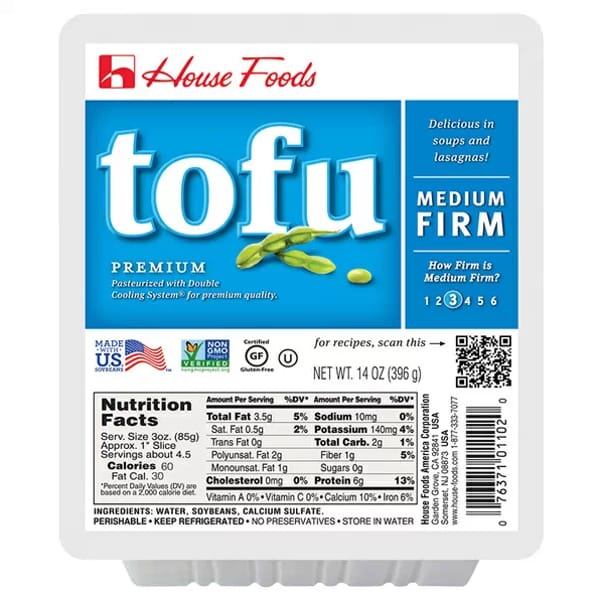
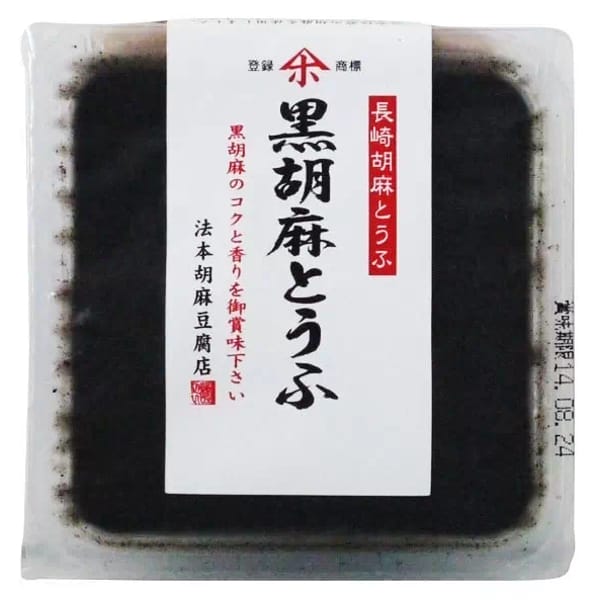
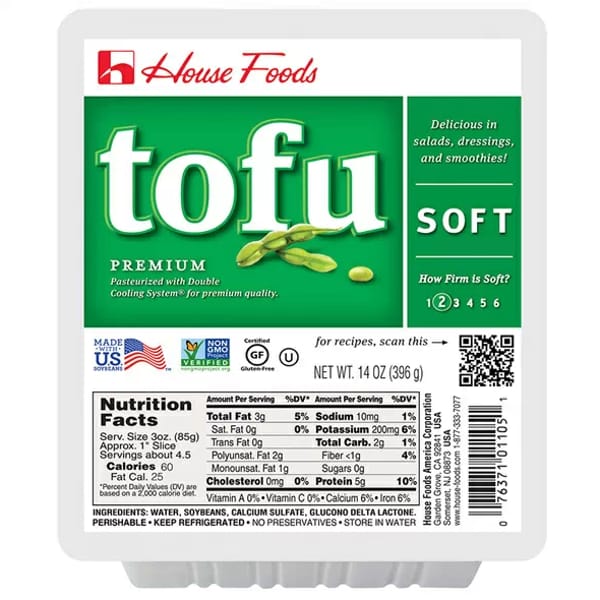
If you haven’t had good tofu before it’s because you’re buying it from the wrong place. The Japan Centre has a range of chilled, high-quality tofu whether you’re looking for something silky soft, hard and a bit chewy or infused with black sesame.
Sauces
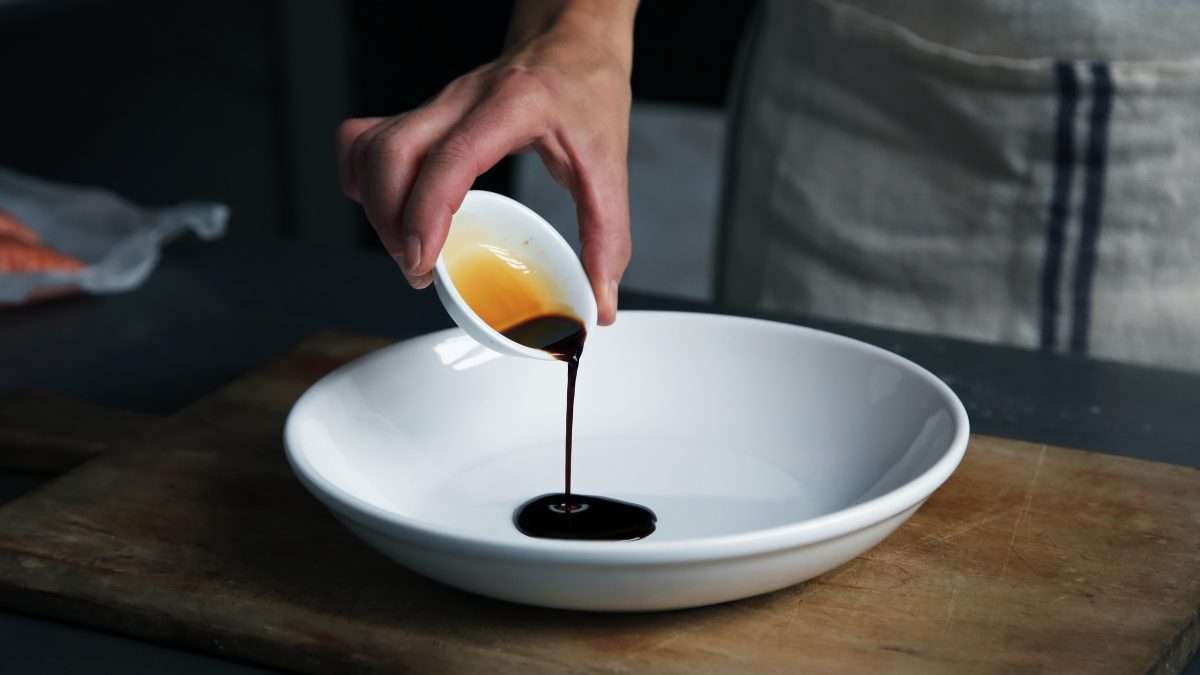
From mirin to wasabi paste, don’t be fooled into thinking soy is the only cupboard staple you need.
Mirin
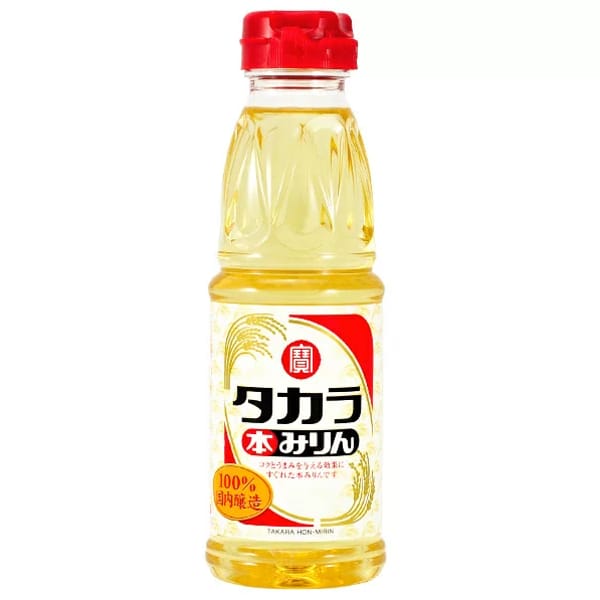
Everyone has a bottle of soy in their kitchen but add to that mirin and you have a match made in heaven of Japanese cupboard staples. Made from sweet sake rice wine, mirin gives a delicious rich flavour to fish and meat dishes. A must when making teriyaki or yakitori dishes.
Soy Sauce
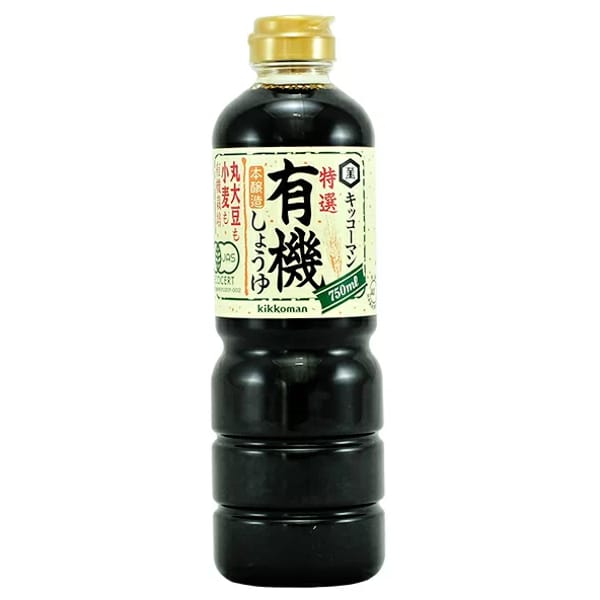
The cornerstone to so many Asian dishes, soy is a must in any foodie kitchen. Made from fermented soybeans, wheat and brewer’s alcohol, it gives dishes a wonderfully salty, rich unami taste. Used as a condiment or to add depth to your cooking, make sure you buy a good quality version for ultimate authentic flavour.
Wasabi Paste
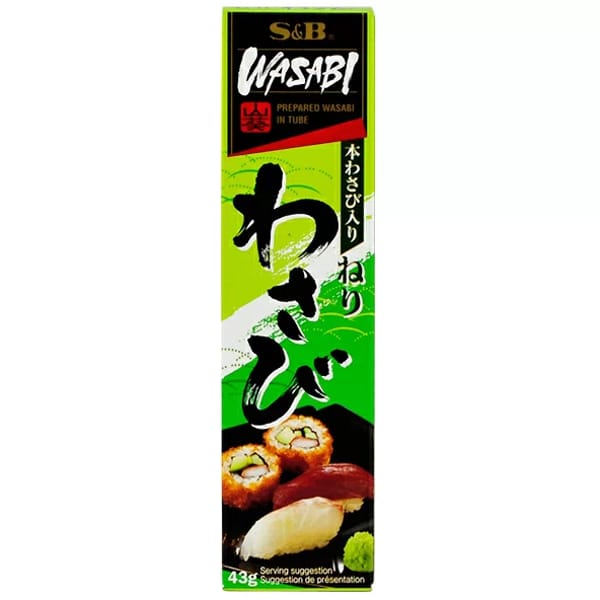
The Marmite of the East, you either love the intense heat of wasabi. Authentic wasabi is notoriously difficult to cultivate, meaning that green horseradish, which is similar in flavour, can often be used as a substitute. Perfect for topping sushi or sashimi.
Miso
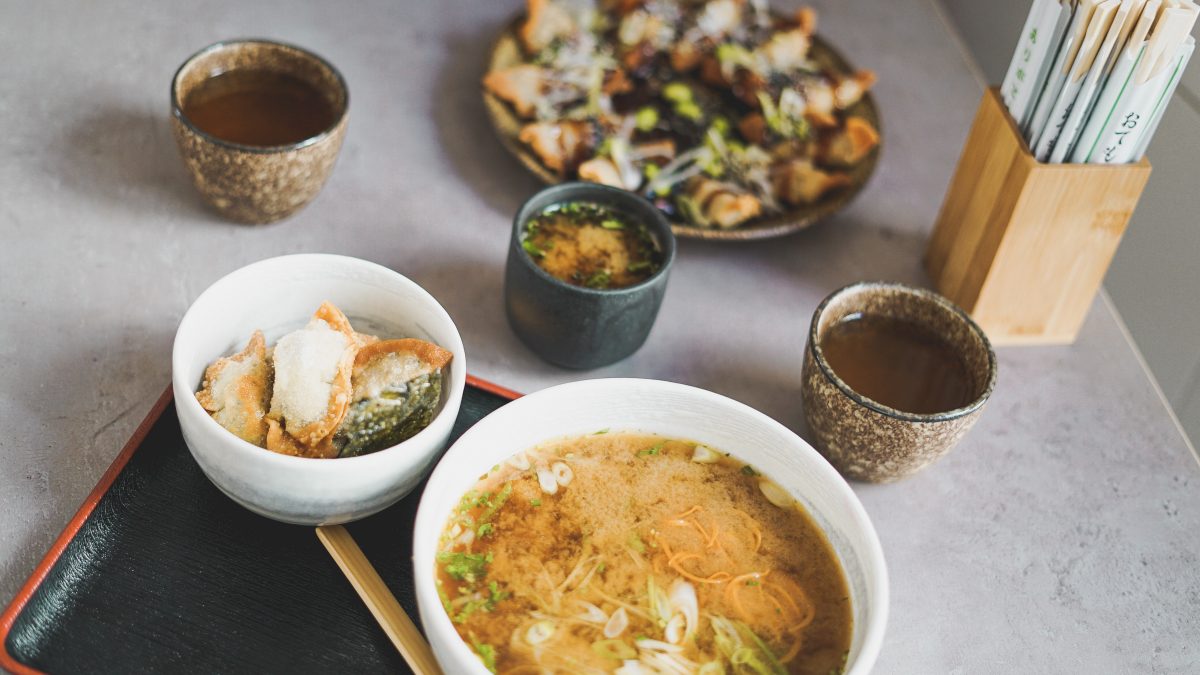
So much more than just soup, miso can also make for a delicious marinade for meat, fish and vegetables – miso aubergine, we’re looking at you. But for days when you simply can’t be bothered, an instant miso soup is tasty and time-saving.
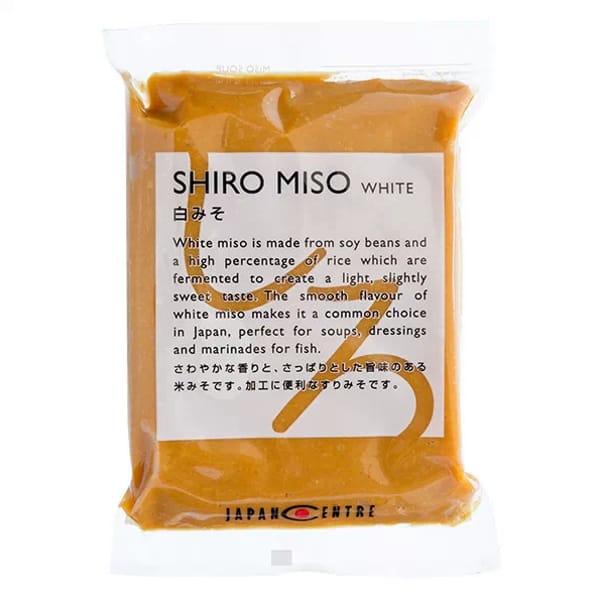
White Miso
White miso is mild and sweet if you’re not after something too strong.
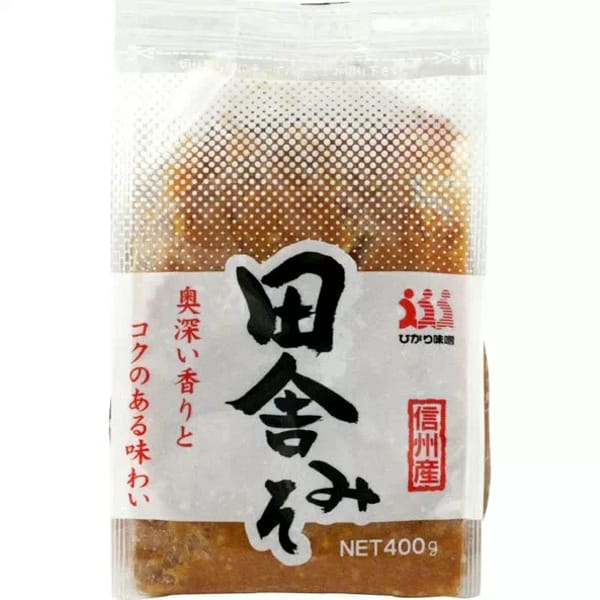
Red Miso
Red miso is made using a high concentration of soy beans and fermented for a much longer time than white miso. This gives it its rich unami flavour – perfect for adding depth to stews and soups or glazing meat and vegetables.
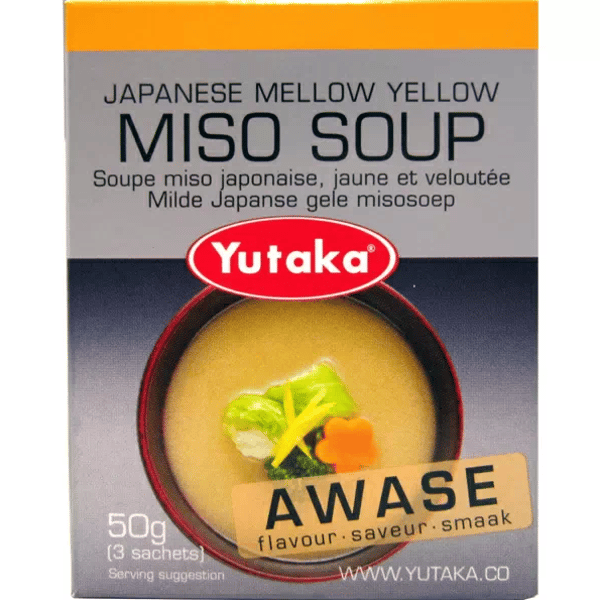
Instant Miso Soup
Take the stress out of lunch time with a good quality yet instant miso soup. Authentic ones are so good you’d be fooled into thinking they were homemade.
Oils
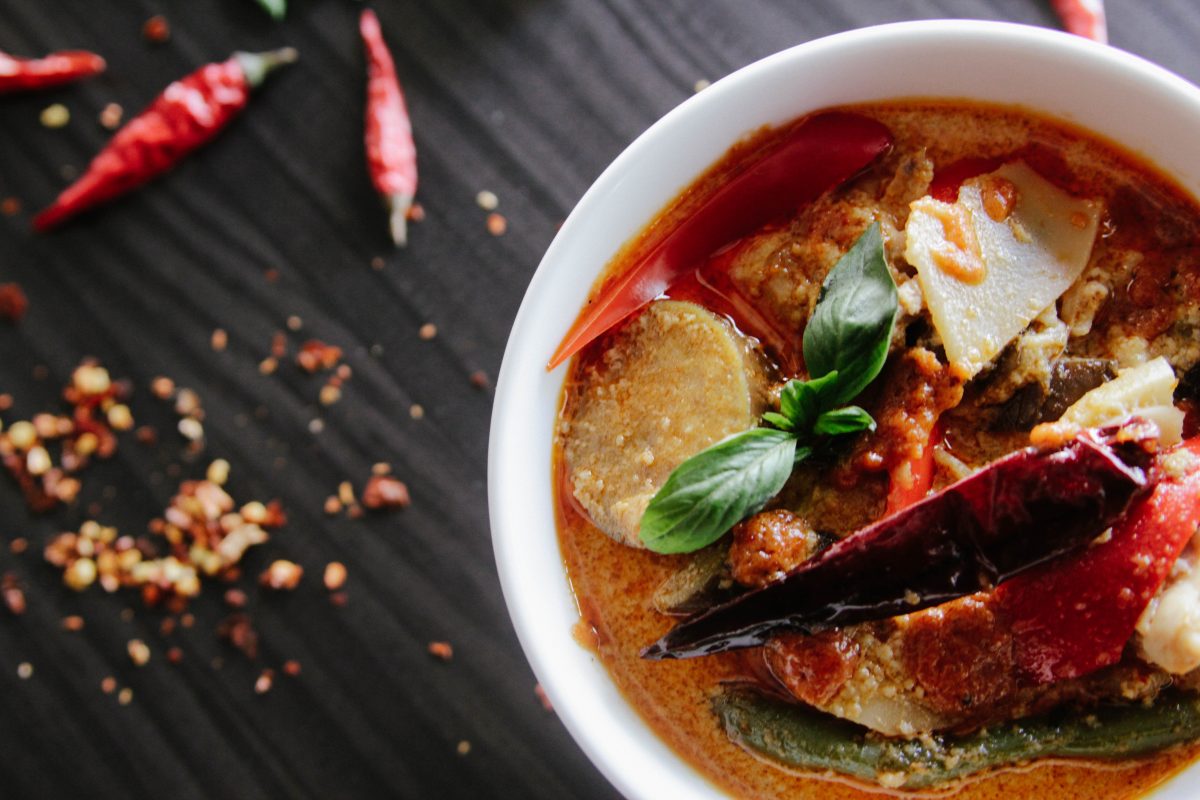
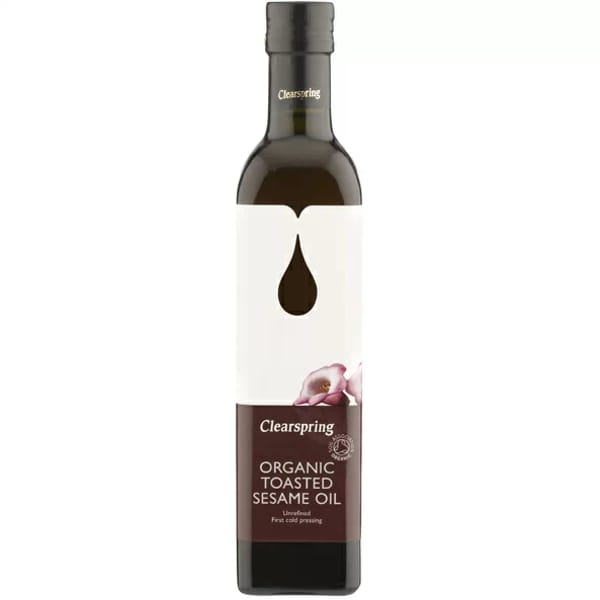
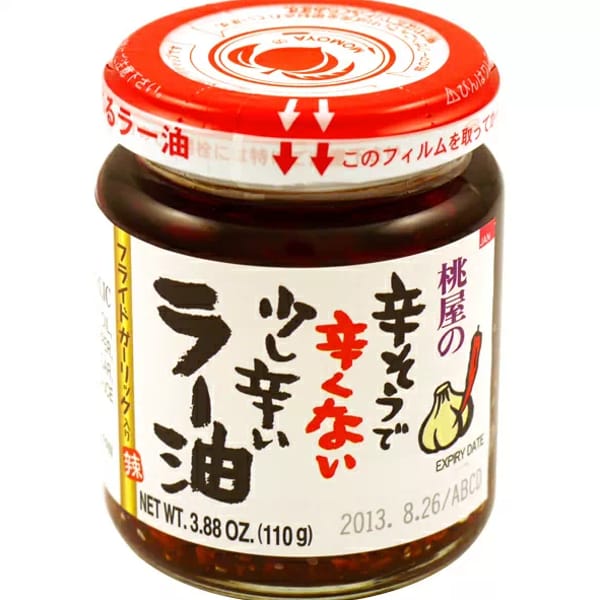
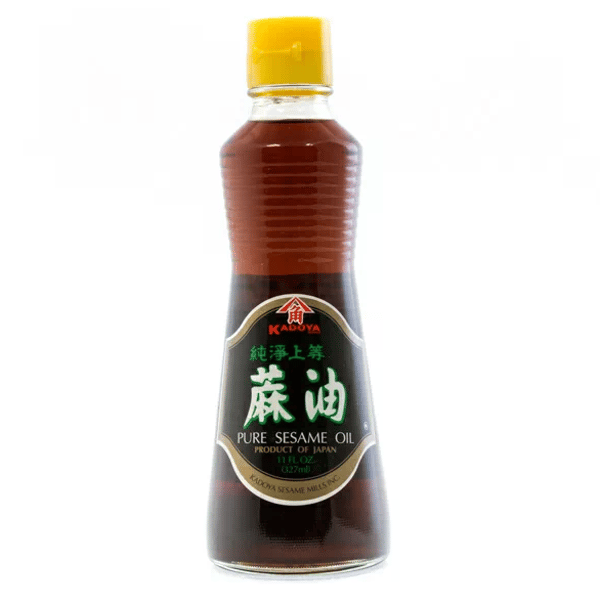
Don’t ruin a Japanese dish by using European oils for cooking. Look to chilli oils to add some Eastern spice to top off a ramen or cook with sesame oil for a wonderfully nutty flavour.
Dashi
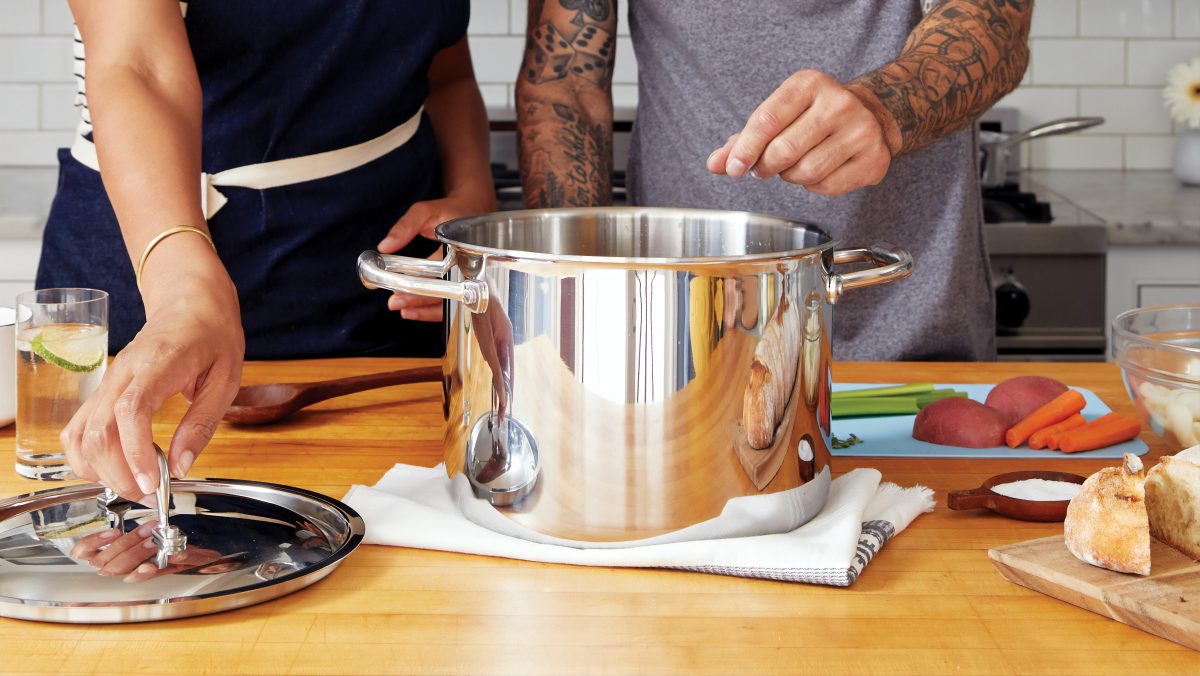
Dashi is basically stock and is fundamental to Japanese cooking. Traditional dashi is made by infusing umami-rich ingredients, bonito fish flakes and kombu kelp seaweed being the most common, in hot water. But there are plenty of great pre-made stocks available to up your Japanese cooking game.
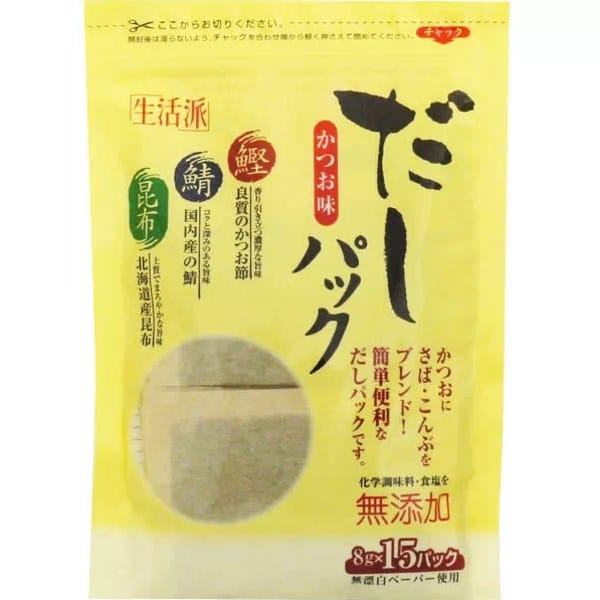
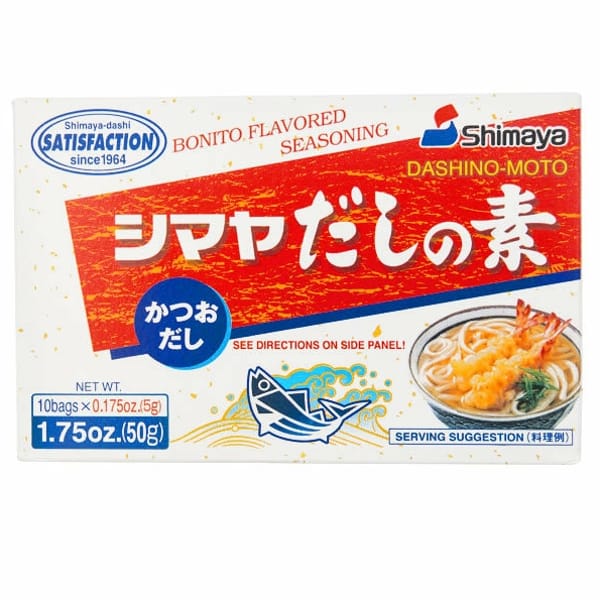
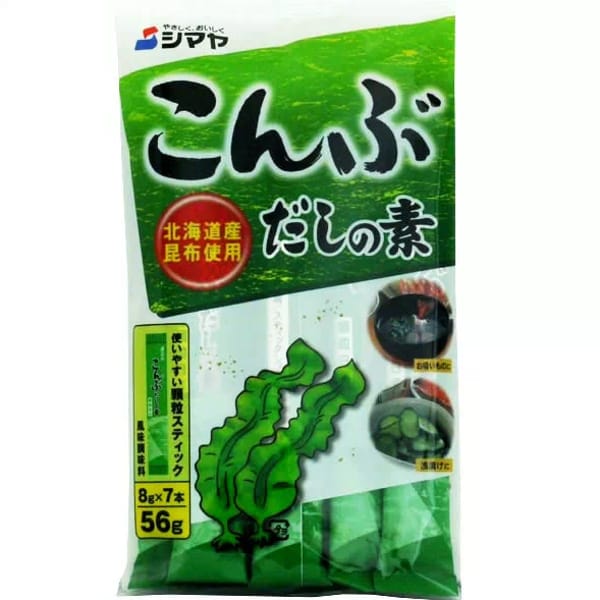
Shop all the Japanese cooking products you could ever need at the Japan Centre now or visit their London site at 35b Panton Street SW1Y 4EA.
Check out our round-up of the best Japanese restaurants in London, here.