10 Best Places To Scuba Dive
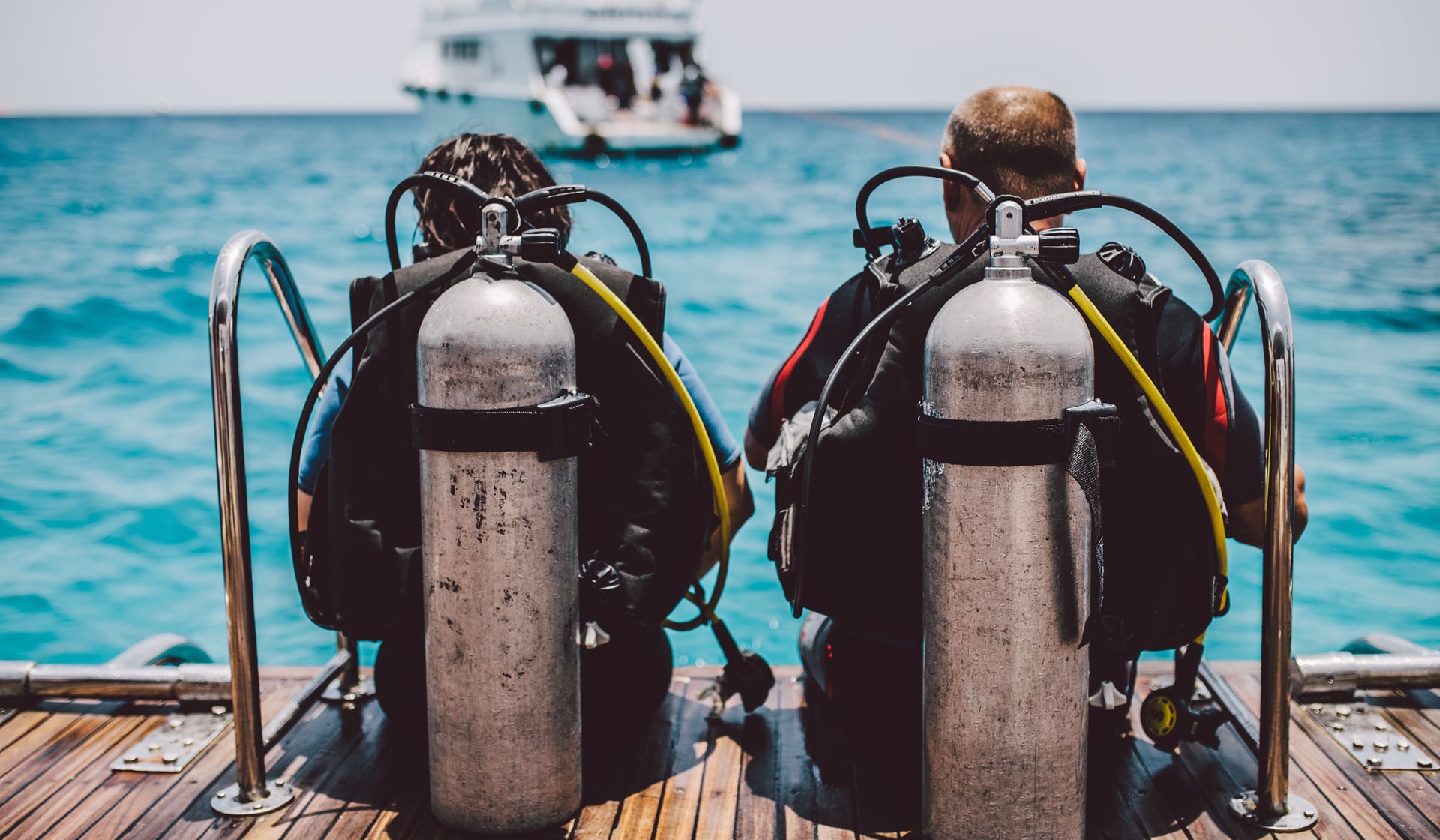
There’s something magical about slipping beneath the surface of the sea and discovering a whole new world. You might see pictures and watch documentaries about it, but actually being there in the open water is a whole different experience altogether – and can be rather humbling.
From beautiful beaches in Europe to stunning dive sites across islands in Asia, it’s hard to choose the best places to visit, but we’ve narrowed down ten of the world’s best dive sites, all stunning places where you can witness the most incredible marine life. Whether you’re a newbie or a seasoned diver chasing your next thrill, the world is filled with unforgettable dive spots. Here are ten of the best scuba diving placed for different levels, whether you’re taking your first jump into the open water or you’re eager for something that challenges you.
Keep scrolling to discover the best place to scuba dive in Europe and other regions of the world….
Azores, Portugal
Best for: Manta ray and whale shark sightings and volcanic seascapes
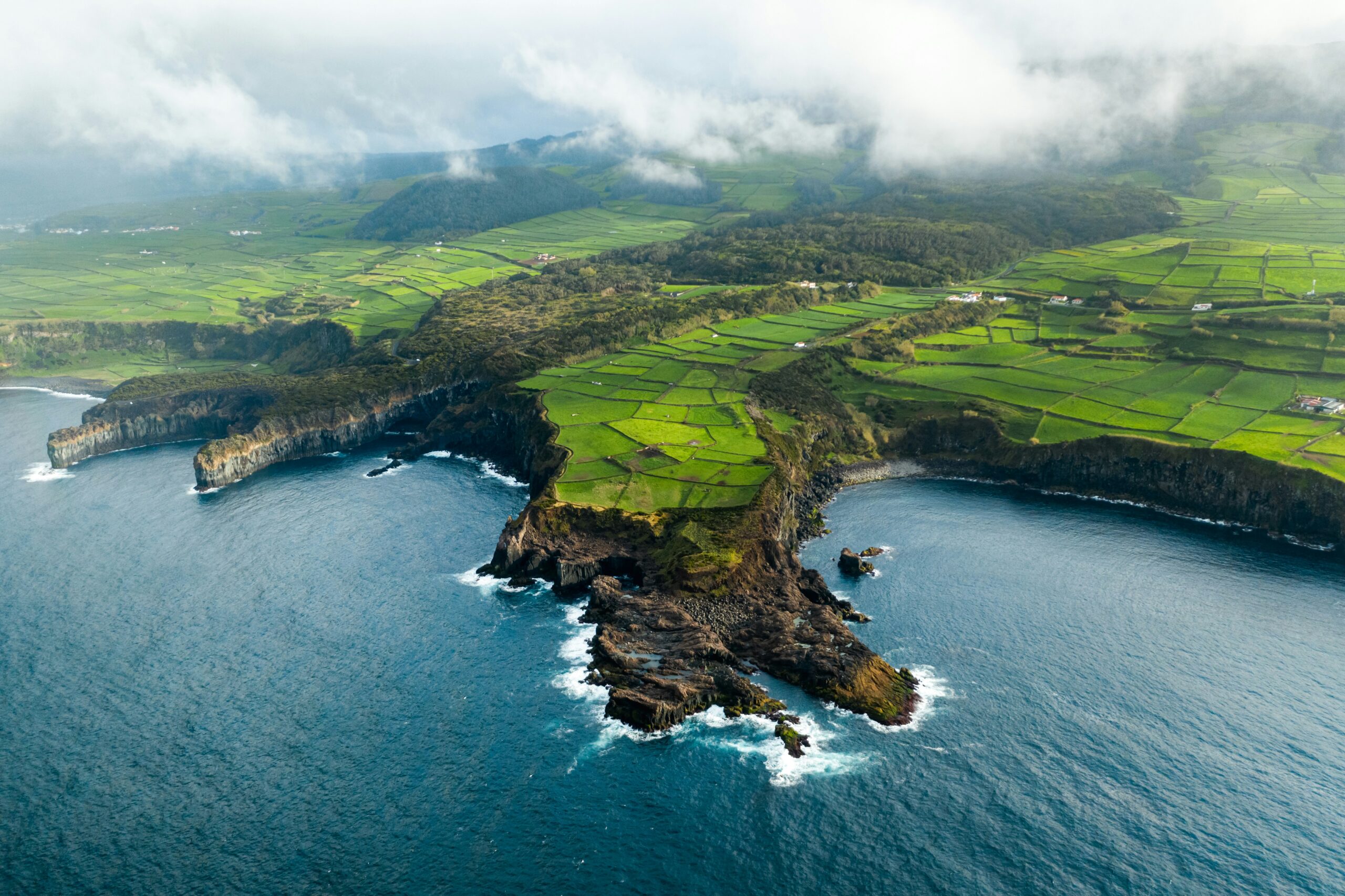
Scuba diving in the Azores, Portugal, offers an unforgettable underwater adventure in one of the Atlantic Ocean’s most pristine environments. This remote archipelago, made up of nine volcanic islands, boasts dramatic underwater landscapes and some vibrant marine life. With ancient lava tubes and dramatic drop-offs to hidden caves teeming with colourful fish, rays, moray eels, and even the occasional shark or manta ray, the Azores are famous for encounters with large pelagic species like tuna and barracuda, especially around offshore seamounts.
Scuba diving in the Azores, Portugal, offers an unforgettable underwater adventure in one of the Atlantic Ocean’s most pristine environments.
Where to dive: Princess Alice Bank (near the Pico and Faial Islands) is a legendary site for advanced divers. It’s famous for encounters with mobula rays, large tuna, and sometimes even whale sharks. If you like wreck diving, check out the Dori wreck dive at São Miguel island, a fascinating World War II Liberty Ship wreck that’s perfect for both beginners and experienced divers, sitting about 20 meters deep. Azores is truly one of the best places to dive in Europe.
When to dive: According to the PADI website, July to October is high season in the Azores, due to the manta seasons that operate from Pico, Faial and Santa Maria islands.
How to get there from London: British Airways flies to Ponta Delgada Airport from London Heathrow, with flights departing weekly. The average flight time from London to Ponta Delgada is 4 hours and 20 minutes.
Website: www.padi.com/dive-center
Belize, Central America
Best for: Advanced divers looking for a challenge
Scuba diving in Belize offers an extraordinary underwater experience. Located between Mexico and Guatemala, there are more than 400 islands here, with white sandy beaches, offering the longest unbroken barrier reef in the Western Hemisphere.
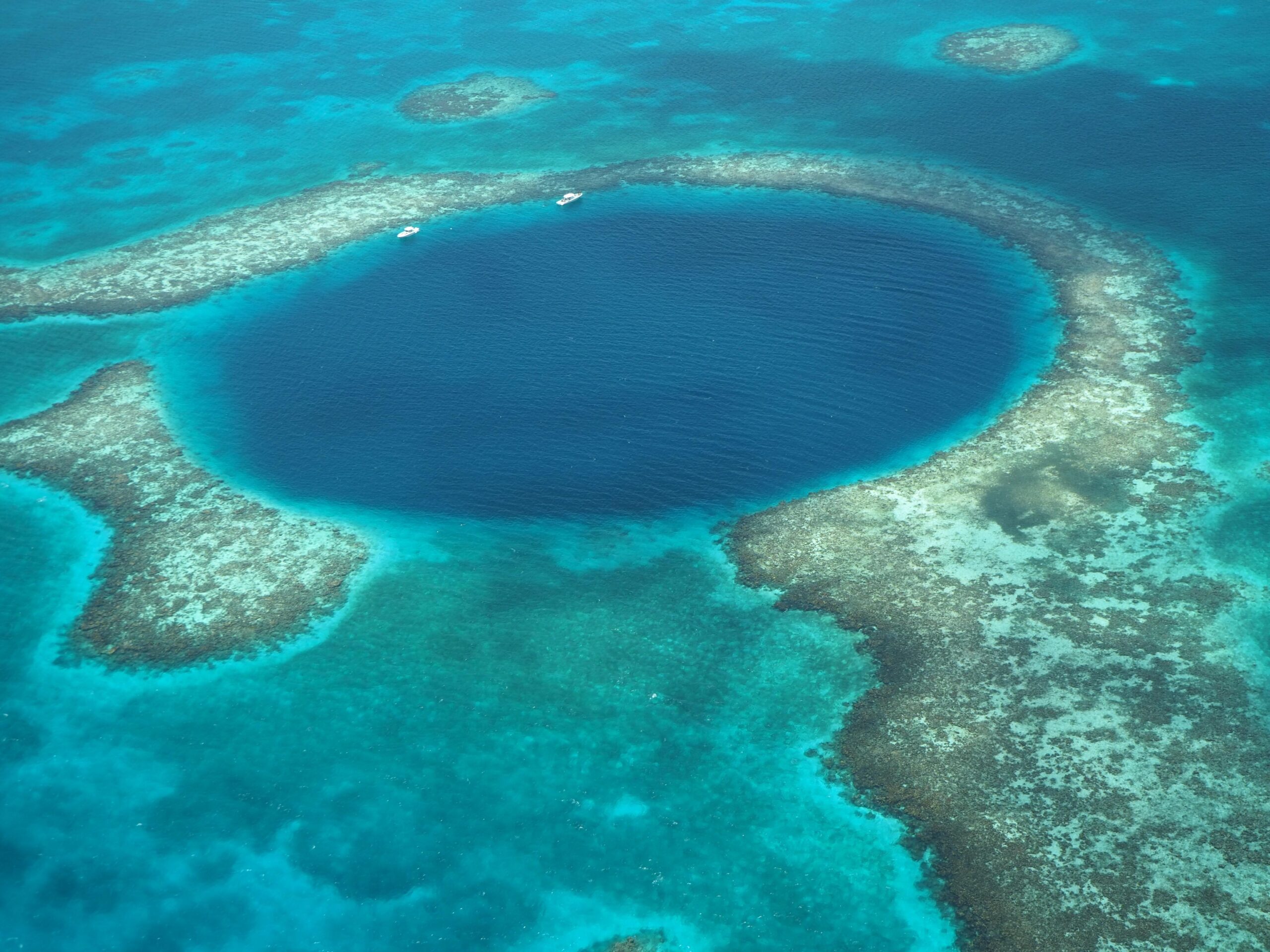
Where to dive: The Blue Hole is Belize best-known dive site, a UNESCO World Heritage Site, the region is home to plenty of Caribbean marine life including black tip, reef and hammerhead sharks. This one is definitely not a beginner’s dive, and it takes you down to 40 metres. You can’t actually dive to the very bottom of the blue hole as it’s about 122 metres deep – way beyond diving recreational limits.
When to dive: Late November through March offers the most ideal water conditions.
How to get there from London: This one’s a bit of a trek to get to. There are flights from London Heathrow to Philip S. W. Goldson International Airport in Belize City which can take you about 20 hours.
website: www.belizeprodivecenter.com
Cozumel, Mexico
Best for: Adventurous drift diving, followed by plenty of lazy beach days
Scuba diving in Cozumel is world-famous, thanks to its location along the Mesoamerican Barrier Reef. Expect warm waters, dramatic walls, and gentle currents to make it a dream destination for divers of all levels. Cozumel’s marine park protects an incredible array of corals, sponges, and tropical fish, making every dive a colourful experience. Take a break fro Europe and travel to Cozumel for the perfect scuba diving holiday.
Recommended dive sites: Palancar Reef is a must-visit, with sections like Palancar Gardens and Palancar Caves offering dramatic swim-throughs and towering coral formations. Columbia Wall is perfect for deep diving and spotting sea turtles and eagle rays. Paradise Reef is excellent for night dives, while Santa Rosa Wall provides thrilling drift dives along steep drop-offs.
When to dive: You can dive year-round in Cozumel, but the best conditions are from November to May, when the weather is dry and visibility is at its peak. Summer brings warmer waters but also a higher chance of rain and hurricanes.
How to get there from London: From London, the most direct way to reach Cozumel is by flying to Cancun International Airport (CUN), usually with a direct or one-stop flight. From Cancun, you can take a 45-minute ferry from Playa del Carmen to Cozumel. Total travel time, including transfer, is usually around 14 to 16 hours.
website: www.deepmexico.com
Great Barrier Reef, Australia
Best for: Divers seeking multi-day expeditions and of course, those eager for shark sightings.
Scuba diving the Great Barrier Reef is the ultimate frontier for underwater explorers. Stretching over 2,300 kilometres off Australia’s northeast coast, the reef offers endless adventures, from vibrant coral gardens to deep outer reef walls teeming with sharks, rays, and sea turtles. For those willing to travel a bit farther, remote sites offer pristine conditions, mind-blowing biodiversity, and the feeling of true discovery.
Recommended dive sites: The Ribbon Reefs north of Cairns are a favourite for liveaboards, offering sites like Cod Hole with its giant potato cods and Lighthouse Bommie, famous for minke whale encounters. Osprey Reef and the Coral Sea feature dramatic walls dropping thousands of meters and thrilling shark feed dives. Further south, Lady Elliot Island is a top spot for manta rays, turtles, and untouched coral gardens. Regardless of where exactly you dive, you will have an amazing experience in what many consider the best place to scuba dive in the world.
When to dive: The dry season, from June to November, offers the best diving conditions, with crystal-clear visibility and calm seas. For a truly special experience, visit from May to July to encounter dwarf minke whales during their annual migration.
How to get there from London: Fly from London to Cairns or Brisbane. From Cairns, many operators offer day trips, but for the most epic adventures, book a liveaboard that ventures deep into the Ribbon Reefs and Coral Sea. Total travel time typically ranges between 22 to 26 hours.
Website: www.greatbarrierreef.org
Sipadan Island, Malaysia
Best for: Experienced divers seeking dramatic wall dives and some of the richest marine biodiversity in the world.
Sipadan Island is legendary among divers, often ranked as one of the best dive destinations on the planet. Rising sharply from the seafloor in the Celebes Sea, this tiny island is surrounded by breathtaking vertical walls and vibrant coral gardens.
Sipadan Island is legendary among divers, often ranked as one of the best dive destinations on the planet.
Recommended dive sites: Barracuda Point is world-famous for its swirling vortexes of thousands of barracuda and big pelagics like reef sharks and giant trevally. South Point offers thrilling deep wall dives and regular shark sightings. Turtle Cavern, a hauntingly beautiful underwater cave, is another iconic site, often filled with green and hawksbill turtles resting on ledges along the reef wall.
When to dive: The best time to dive Sipadan is from March to October, during the dry season when visibility can reach up to 30 meters. May to August is especially good for calm seas and clear waters.
How to get there from London: Fly from London to Kuala Lumpur, then take a domestic flight to Tawau in Sabah, Borneo. From Tawau, it’s about a 1-hour drive to Semporna, the main jumping-off point, and then a boat ride to the dive resorts at Mabul, Kapalai, or directly to Sipadan (permits required). Total travel time is usually around 18 to 22 hours, depending on connections.
Website: www.sabahtourism.com
Baa Atoll, Maldives
Best for: Beginner divers looking for an easy dive or experienced divers who want a relaxed diving holiday
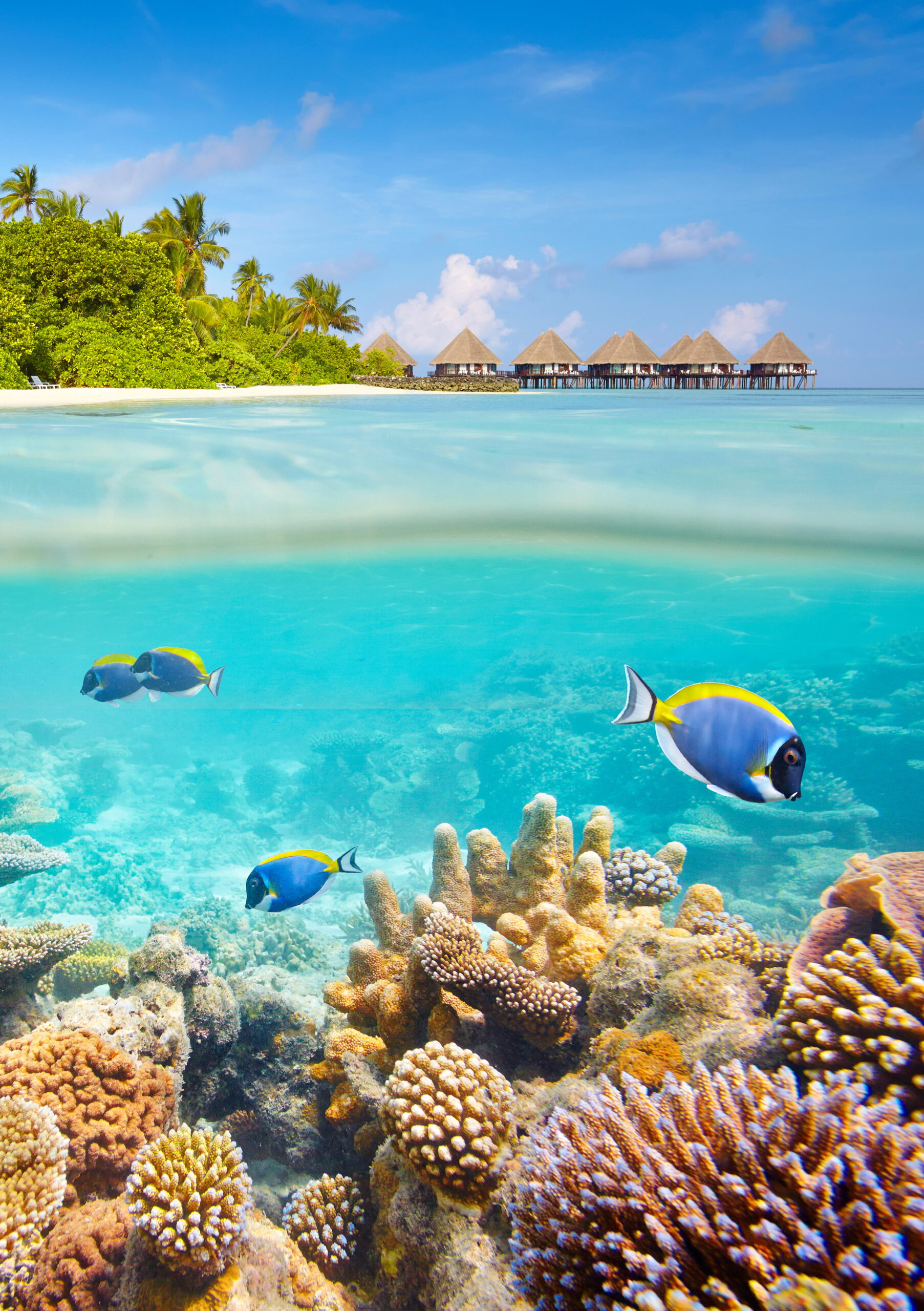
Baa Atoll, a UNESCO Biosphere Reserve in the Maldives, is one of the world’s top destinations for manta ray and whale shark encounters. Baa Atoll combines the raw beauty of untouched marine ecosystems with the Maldives’ signature luxury, offering an unforgettable dive experience.
Hanifaru Bay is the crown jewel, famous for its massive seasonal gatherings of manta rays.
Recommended dive sites: Hanifaru Bay is the crown jewel, famous for its massive seasonal gatherings of manta rays and whale sharks during plankton blooms. Dhonfanu Thila and Dharavandhoo Thila offer vibrant reef diving, often with sightings of reef sharks, eagle rays, and swirling schools of snapper. Maavaru Kandu is another must-dive site known for strong currents and thrilling pelagic action.
When to dive: The best time to dive Baa Atoll is from May to November, during the southwest monsoon season, when plankton blooms attract hundreds of manta rays and whale sharks to Hanifaru Bay. Outside of that season, December to April still offers excellent diving with calmer seas and great visibility.
How to get there from London: Fly from London to Malé (MLE), usually direct or with one stop (via the Middle East or Europe). From Malé, take a domestic flight to Dharavandhoo Airport in Baa Atoll, which takes about 20 minutes. Many resorts and liveaboards will arrange the transfers directly. Total travel time from London typically ranges from 13 to 17 hours, depending on connections.
website: www.amilla.dive-butler.com
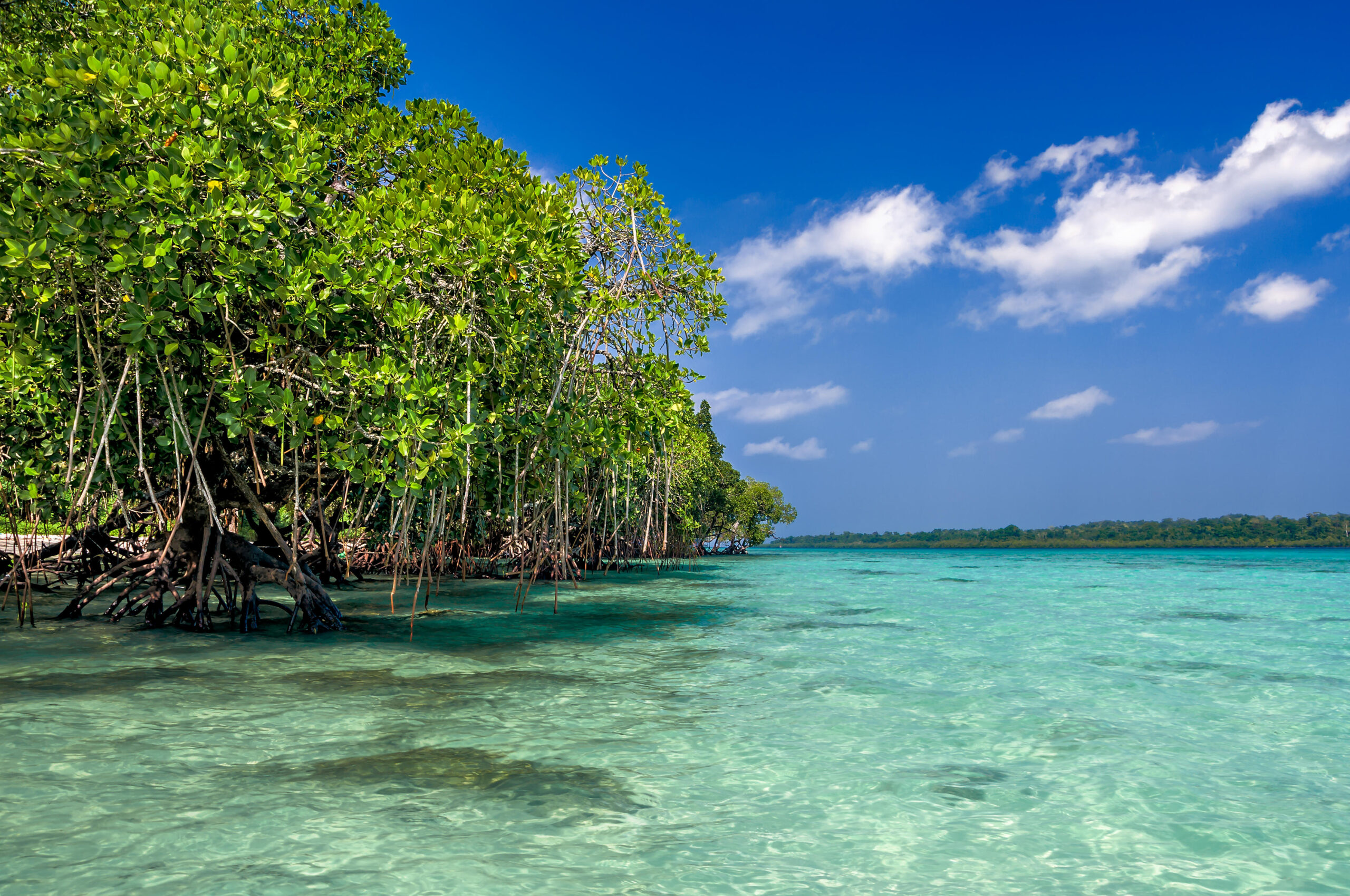
Andaman Islands, India
The Andaman Islands, scattered like emeralds in the Bay of Bengal, offer some of India’s finest and most underrated diving experiences. The islands’ mix of untouched reefs, mysterious wrecks, and warm, clear waters makes it a hidden paradise for adventurous divers as well as beginners.
Recommended dive sites: In Havelock Island, sites like Aquarium and Lighthouse are perfect for beginners, while Dixon’s Pinnacle and Johnny’s Gorge offer stunning pelagic action for advanced divers. Barracuda City is known for its coral diversity and turtle sightings. Further afield, diving around Barren Island, India’s only active volcano, promises thrilling deep dives, with chances to spot hammerheads and manta rays if you’re lucky.
When to dive: Peak season is typically December to March, offering the most stable diving conditions.
How to get there from London: Fly from London to Chennai or Mumbai, then connect with a domestic flight to Port Blair, the capital of the Andaman Islands. From Port Blair, it’s a ferry or short flight to Havelock Island (now officially called Swaraj Dweep), where many top dive centers are based.
website: www.lacadives.com
Raja Ampat, Indonesia
Best for: Divers looking for liveaboards and multi-day dives
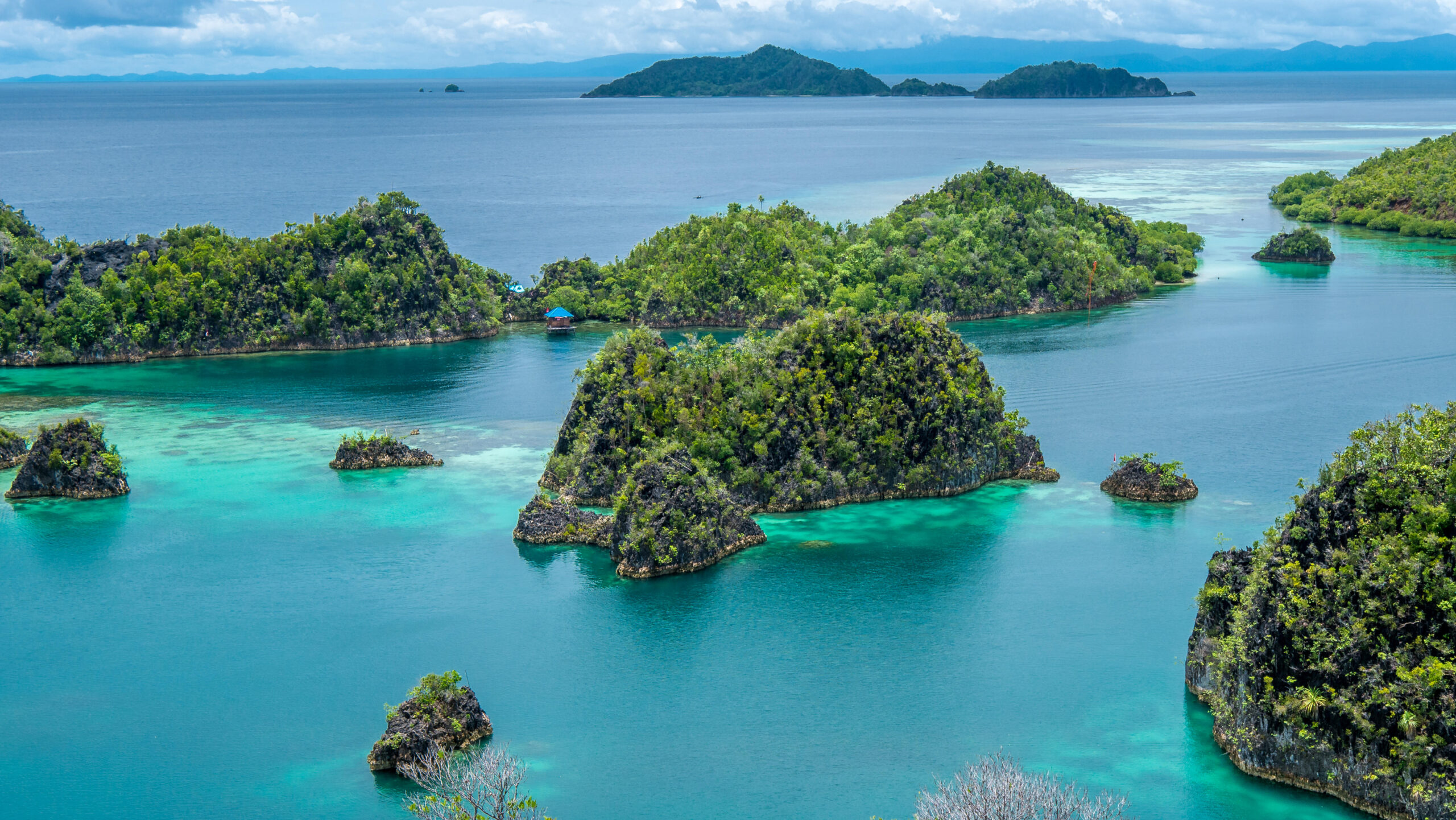
Raja Ampat, meaning “Four Kings,” is a dream destination for divers craving raw, untouched beauty and an explosion of marine life. Located in the heart of the Coral Triangle, this Indonesian archipelago offers more fish species and coral varieties per dive than anywhere else on the planet. Expect dazzling soft coral gardens, massive schools of fish, manta ray cleaning stations, and secret lagoons where the reefs seem to go on forever.
Recommended dive sites: Blue Magic is famous for manta rays, barracudas, and swirling bait balls. Manta Sandy offers close-up encounters with giant mantas at cleaning stations. For stunning coral gardens and pygmy seahorses, Melissa’s Garden in the Fam Islands is a must-visit.
When to dive: The best time to dive Raja Ampat is from October to April, during the dry season when the seas are calmest and visibility is excellent. November to February are considered prime months for the best weather and marine encounters.
For stunning coral gardens and pygmy seahorses, Melissa’s Garden in the Fam Islands is a must-visit.
How to get there from London: From London, fly to Jakarta or Bali, usually with a stopover in hubs like Singapore, Doha, or Dubai. From there, take a domestic flight to Sorong in West Papua (usually via Makassar or Manado).
website: www.tarzan-diving.com
Galápagos Islands, Ecuador
Best for: Experienced divers looking for once-in-a-lifetime big animal encounters like hammerheads, whale sharks, manta rays, and sea lions.
Scuba diving in the Galápagos Islands is an intense, awe-inspiring experience. These remote volcanic islands, sitting at the intersection of major ocean currents, create one of the richest marine ecosystems on the planet. Divers come here for jaw-dropping encounters with massive schools of hammerhead sharks, whale sharks the size of buses, manta rays, sea lions, marine iguanas, and even penguins, all within a single trip. It’s challenging, wild, and unforgettable.
Recommended dive sites: Darwin Island and Wolf Island are the crown jewels, offering action-packed dives with schooling hammerheads, Galápagos sharks, and whale sharks (especially from June to November). Gordon Rocks near Santa Cruz is known as the “washing machine” and is great for hammerhead sightings in a more accessible location. Cousins Rock is excellent for spotting seahorses, frogfish, and playful sea lions in slightly easier conditions.
When to dive: You can dive year-round, but conditions vary. June to November is the best season for whale sharks and big schools of hammerheads, although the waters are cooler. December to May offers calmer seas, warmer water, and better visibility, with more manta rays and slightly fewer whale sharks.
How to get there from London: Fly from London to Quito or Guayaquil in Ecuador, typically with one or two stops (usually via Madrid or the U.S.). From there, take a domestic flight to either Baltra or San Cristóbal Island in the Galápagos.
website: www.scubaiguana.com
Marsa Alam, Red Sea, Egypt
Best for: Divers who want remote, uncrowded dive sites and excellent chances to encounter big pelagics like sharks and manta rays.
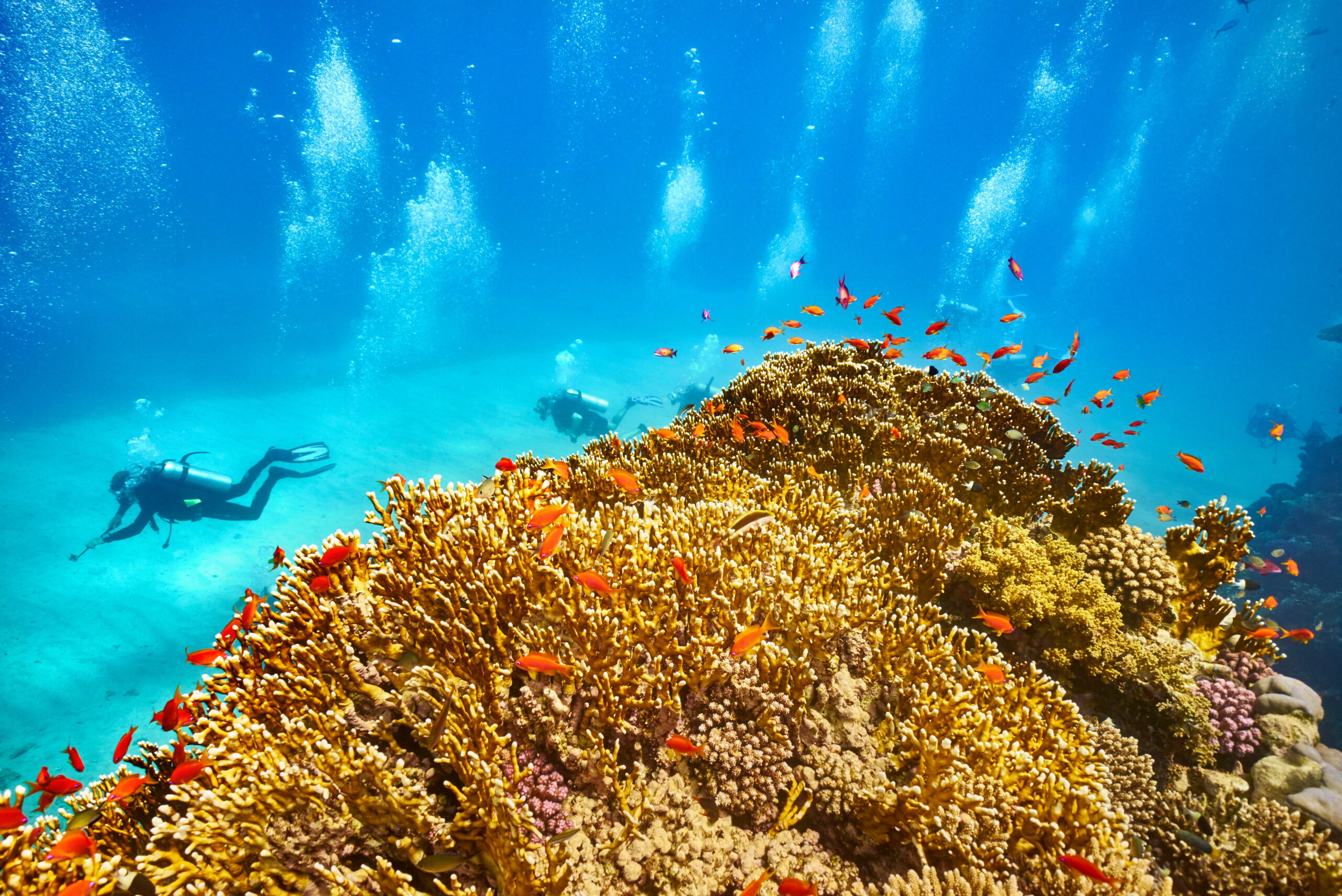
Marsa Alam, located on the southern Egyptian Red Sea coast, is a quieter, more laid-back alternative to Hurghada and Sharm El Sheikh, but with even richer dive experiences. This region is known for its untouched reefs, spectacular offshore sites, and thrilling encounters with dugongs, dolphins, hammerheads, and oceanic whitetip sharks. Marsa Alam combines easy shore diving with world-class boat trips to legendary reefs, making it a dream for serious divers.
Marsa Alam combines easy shore diving with world-class boat trips to legendary reefs, making it a dream for serious divers.
Recommended dive sites: Elphinstone Reef is Marsa Alam’s crown jewel, famous for steep walls, colourful soft corals, and frequent shark encounters. Abu Dabbab Bay is a perfect shore dive spot, especially for seeing the elusive dugong grazing on seagrass beds. Fury Shoals, a remote group of reefs further south, offers beautiful hard coral gardens, swim-throughs, and vibrant fish life, ideal for a liveaboard extension.
When to dive: Marsa Alam is a year-round dive destination, but the best seasons are March to June and September to November, when the water is warm, visibility is high, and the chances of seeing sharks and other big species are at their peak.
How to get there from London: There are direct charter flights from London to Marsa Alam International Airport, taking around 5.5 hours.
website: www.reefoasisdiveclub.com