Our Film Writer Settles The Debate Over Whether True Crime Has Gone Too Far
If there’s one genre on TV that seems endlessly enduring, it’s true crime. Shows about fictional detectives solving cases are popular enough, but there’s something often morbidly fascinating about events and people that really happened. It’s all over Netflix, not to mention the litany of podcasts and books out there. But can it get too much- and go too far? Does it get to a point where entertainment feels more exploitative than informative? We take a look at the debate (and its controversies).
True crime mania
True crime has been popular for so long that I won’t delve into the full history, but it certainly got a boost in popularity in the last decade or so, due to a flurry of true crime podcasts (which became an industry in itself) and documentaries. And it wasn’t long before the TV world and rising streaming platforms wanted in on the action by turning real-life stories into prestige drama. Of course, this wasn’t new either- The Silence of the Lambs, while fictional, drew inspiration from real-life killers, and Charlize Theron won an Oscar in the 2000s for Monster, based on a true story. It has a huge audience, and the genre in TV and film is usually filled with chilling violence and darkness that we normally recoil from.
Do these shows run the risk of going too far, and becoming too crass and callous to the victims and families that are often affected by terrible crimes?
Rufus, Contributing Entertainment Writer

The TV streaming format allows longer runtimes and more in-depth characterisation, which has been used to effect. An early streaming hit for Netflix was the cancelled-too-soon Mindhunter, which was very much based on fact and real FBI cases and criminology. Creator David Fincher, who’d helmed Seven (a fictional story) and Zodiac (a true story), lent a sober, documentary lens to the stories told within, and won acclaim. Other shows, like Inventing Anna and The Dropout, have not focused on grisly murder, but instead on fraud and quirky characters.
Entertainment… and exploitation?
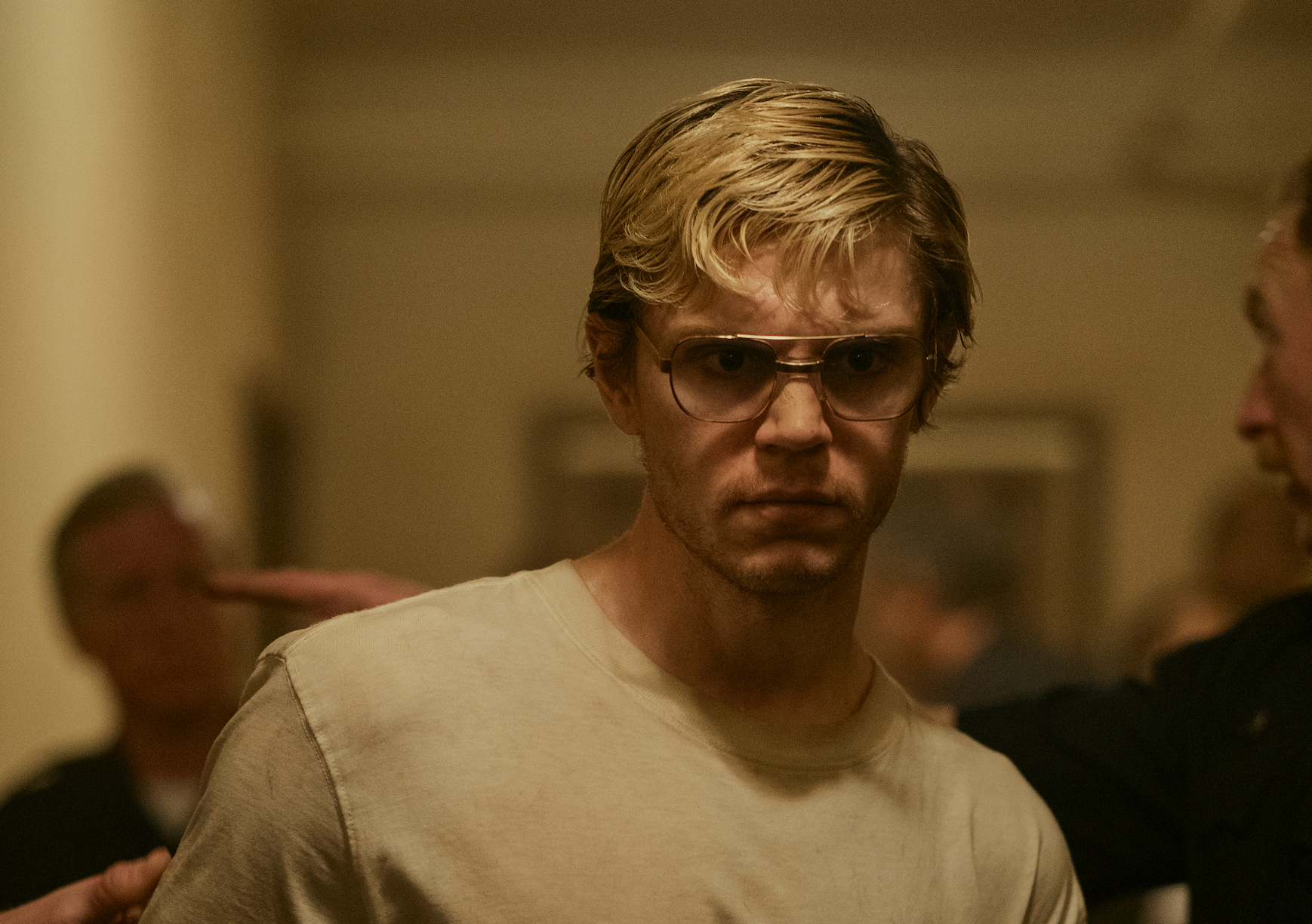
But do these shows run the risk of going too far, and becoming too crass and callous to the victims and families that are often affected by terrible crimes? Enter Monster, the popular anthology series by Netflix that’s had increasing scrutiny (and, by the way, is different to the Theron film I mentioned above). The first season debuted back in 2022 as Dahmer- Monster: The Jeffrey Dahmer Story, which, despite its subject matter and rather clunky title, became a hit. It followed the life of murderer Jeffrey Dahmer (played by Evan Peters) and received strong reviews. But it wasn’t without its detractors, calling out its exploitative nature. I remember feeling mixed at the time on the issue, thinking it was a well-done series while mindful of these criticisms.
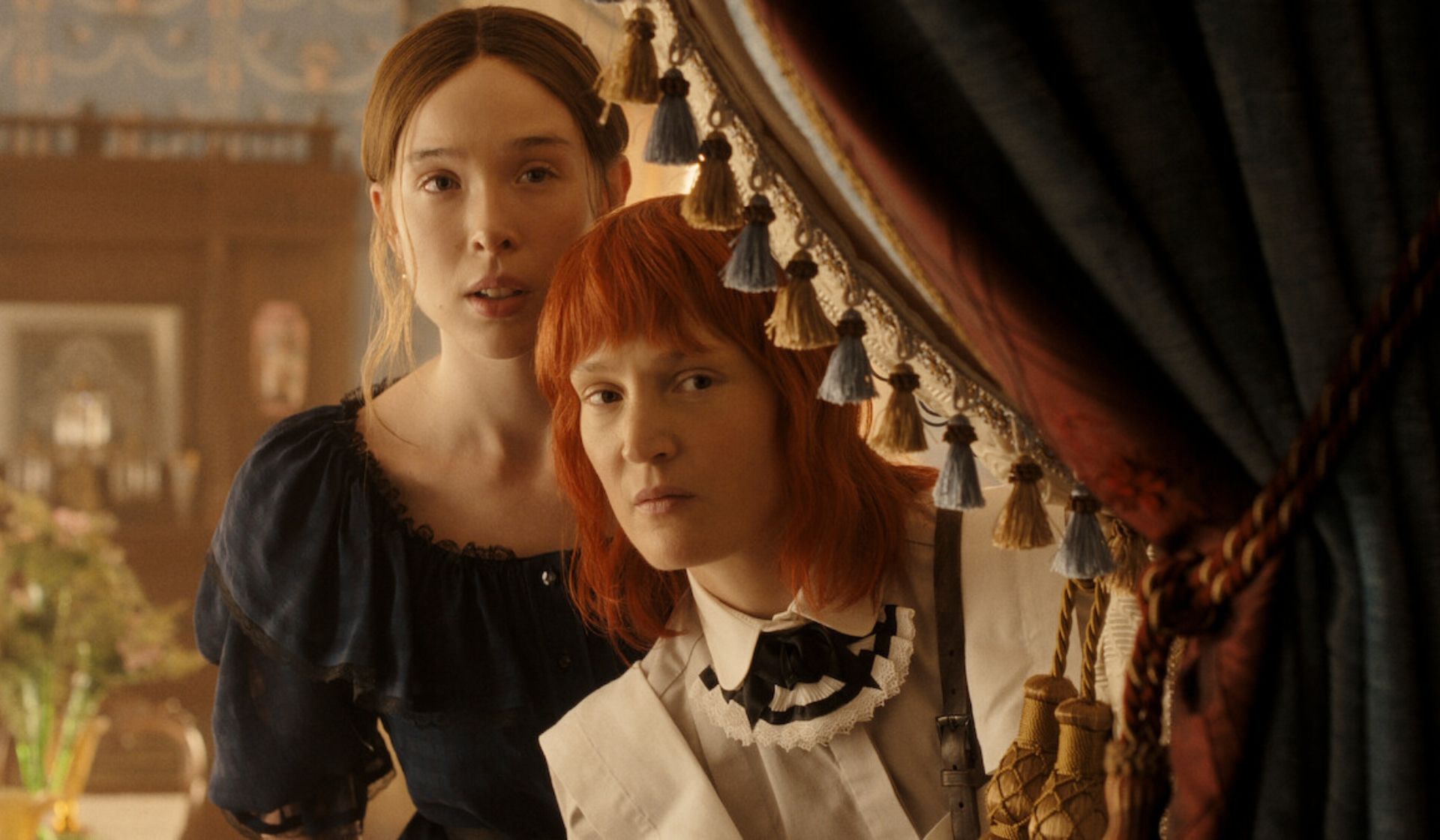
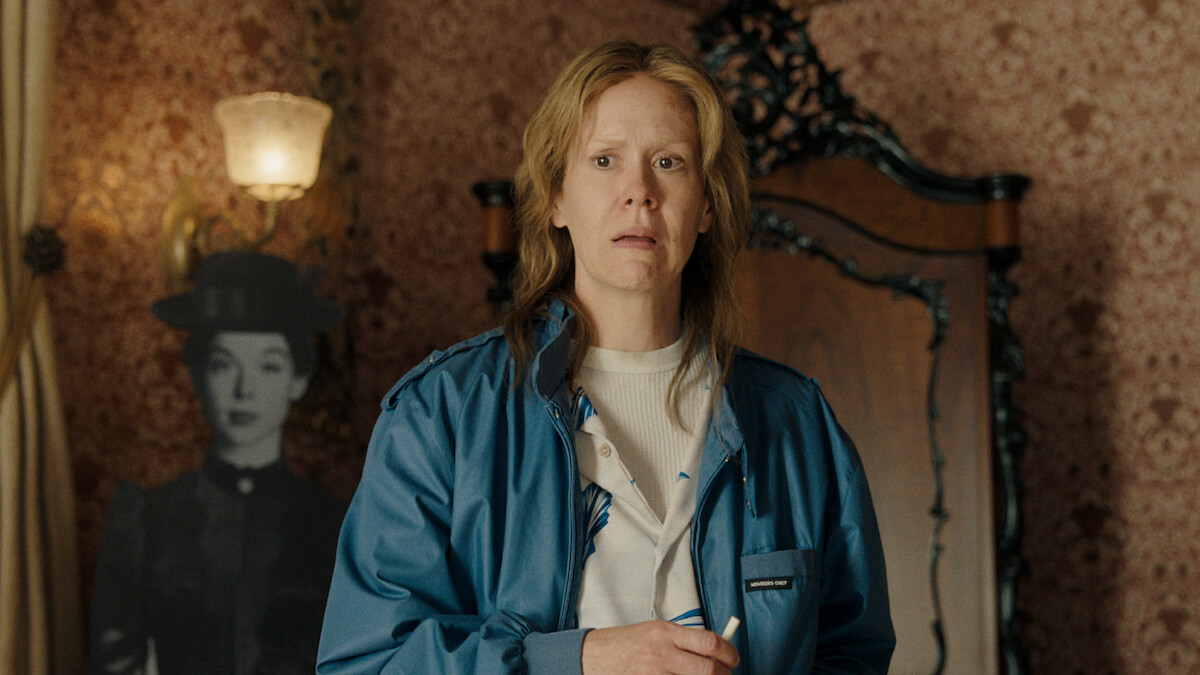
The Monster series has felt increasingly more gauche and commercialised- focusing in the next season on the Menendez brothers, then Ed Gein, and now Lizzie Borden, a woman accused of murder in the 1890s. This latest season has reignited criticism for historical inaccuracies and perplexing choices. Emblematic of this is a bizarre dream scene in which Lizzie dances with Sarah Paulson’s character, Aileen Wuornos, another real-life serial killer (played in the aforementioned 2003 Theron film Monster, just to make things confusing). All of this suggests these stories risk not just feeling insensitive, but also alienating us as viewers as they become more and more sensationalised.
These stories risk not just feeling insensitive, but also alienating us as viewers as they become more and more sensationalised.
The balancing act
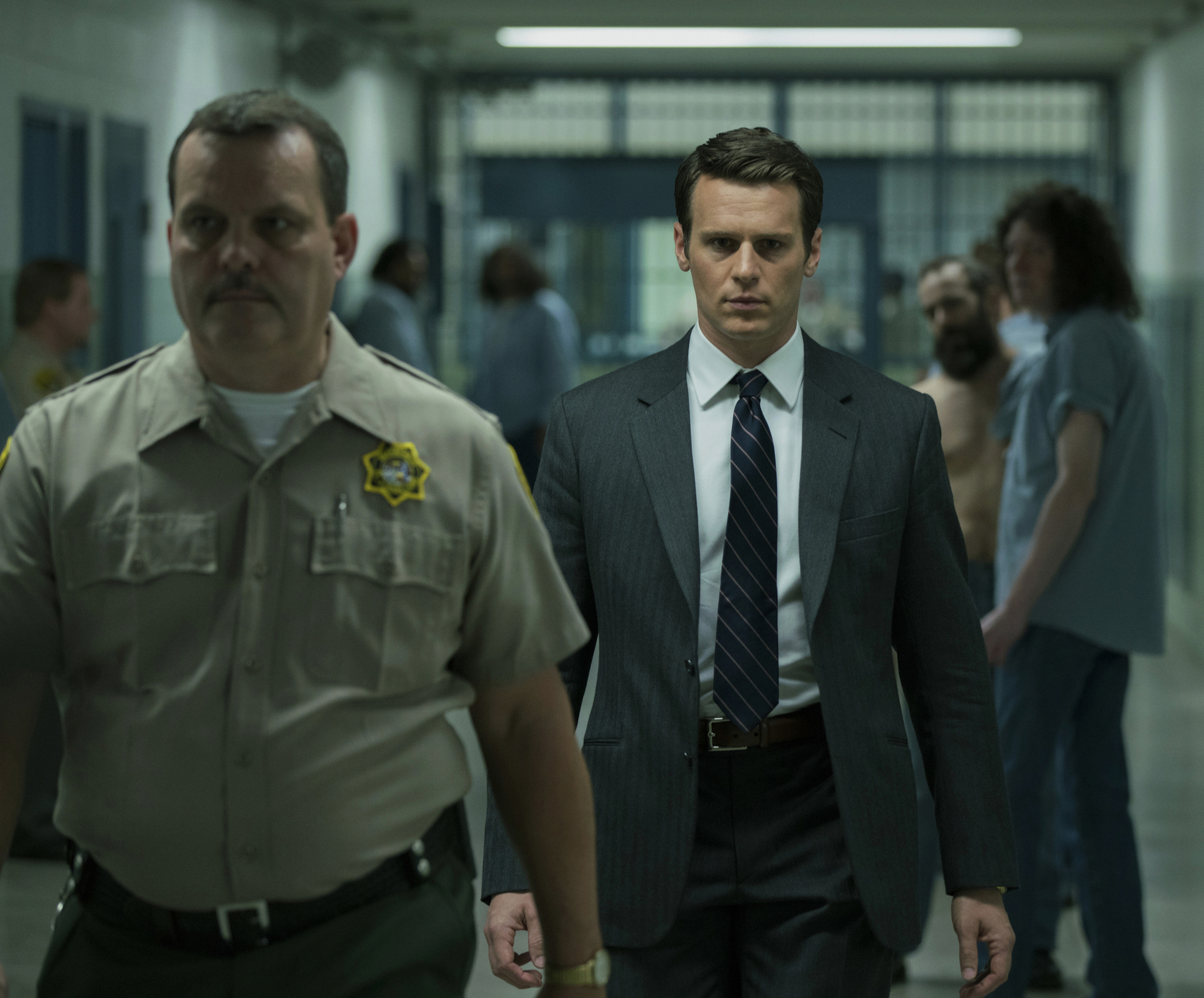
Despite these issues there is perhaps a way to make true crime drama a bit less crass. There have been examples in recent years of focusing on crime from the perspective of the victims, rather than just the killer themselves and the police racing to stop them. One good example, in film rather than TV, is the Anna Kendrick film Woman of the Hour, which centres around a woman named Sheryl who is charmed on a dating show by a man who is secretly a serial killer- something that happened in real life. But the dark allure of learning more about what makes criminals tick, and their psychology, is unlikely to go away any time soon, and this too could be addressed. Fincher’s Mindhunter was less interested in depicting killers as Hannibal Lecter- style “geniuses”, and more as disturbed people who had deep issues. That blueprint could work well in more shows and films.
The dark allure of learning more about what makes criminals tick, and their psychology, is unlikely to go away any time soon, and this too could be addressed
Ultimately, the true crime genre isn’t going away any time soon, with both sceptical detractors and fascinated viewers. Maybe you’re like me, who does often enjoy the genre but can feel that creeping sense of things going too far.