Reading The Underground Railroad Feels More Important Than Ever
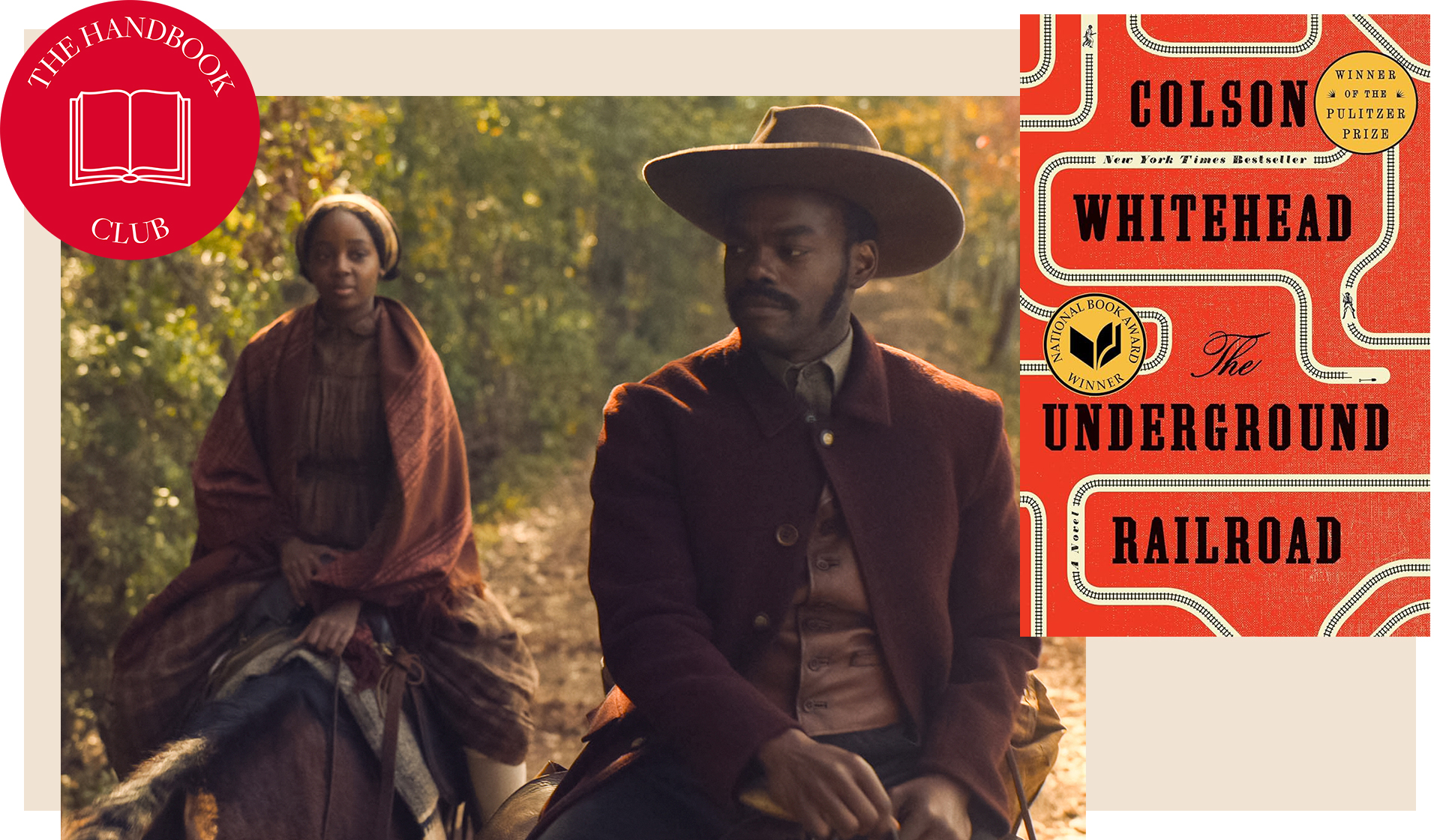
The past 10 years have been, to put it lightly, politically turbulent. Throughout it all, literature from the past has been used as a sort of mirror; predictive texts held up against the present to show that we’ve entered into the world they were warning us about. Think 1984, Brave New World, and The Handmaid’s Tale, cautionary tales from the 20th Century that the 21st Century found itself sleepwalking straight into.
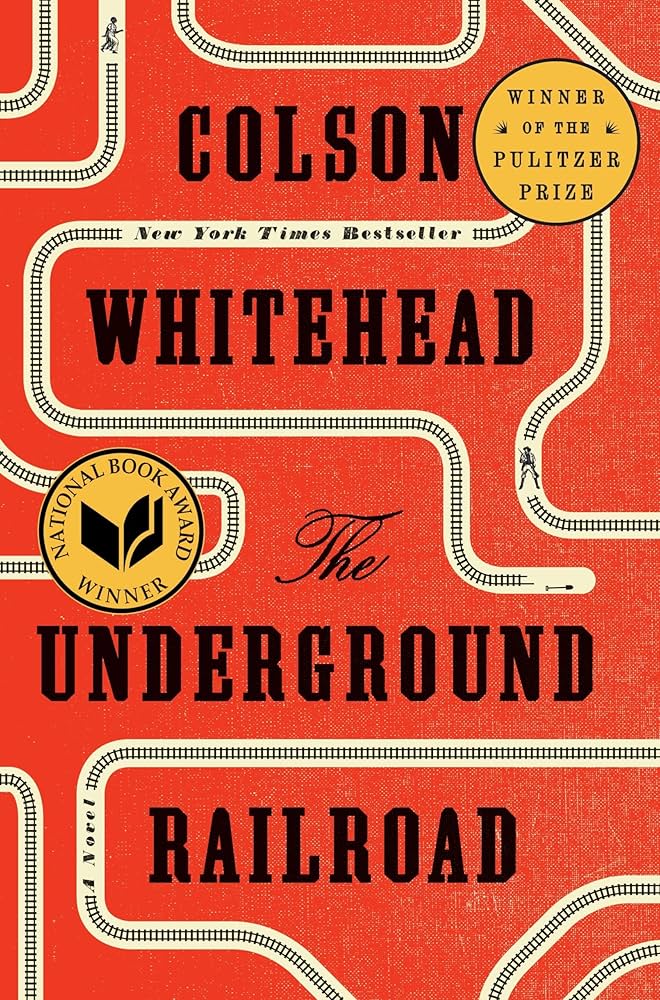
The Underground Railroad is not about a dystopian future, but about a horrific, abusive past, one that increasingly seems like the USA has forgotten about, or chosen to ignore, and that feels more important than it did back when it was published in 2016.
What is it about?
Delving into Historical Fiction, Whitehead’s novel draws inspiration from a real-life, organised secret network of transportation and safe houses used by slaves to escape the American South to Canada and Northern abolitionist states. We follow Cora, a slave on a vicious cotton plantation in Georgia. It’s a place of relentless abuse, where small parties are interrupted by “the overseers cry, the call to work, the shadow of the master, the reminder that she is only a human being for a tiny moment across the eternity of her servitude.”
Cora is approached by Caesar, another slave on the plantation, who tells her about the underground network. She is hesitant at first, aware of the incredible risk it poses, but inspired by the memory of her mother, who fled the same way years before, they set off North. Behind them is the ruthless, Captain Ahab-like figure Ridgeway, a slave-catcher who takes a one-minded, obsessed pursuit. We learn that only one person has evaded his capture, Cora’s mother. He’s a figure with chilling parallels to the present, driven by a desire to defend “the American spirit, the one that called us from the Old World to the New, to conquer and build and civilise”.
Whitehead’s novel takes inspiration from the real life underground railroad, an organised secret network of transport and safe houses
Why should you read it
What Whitehead has created is a breathless adventure story rooted in real historical terror. It is as grounded as works like Twelve Years a Slave, and yet encompasses fantasy and myth, weaving in the literary heritage of magical realism deployed by Toni Morrison. It never fails to underline just how and who made the country into what it is today. At the start of her escape, Cora asks Lumbly, the man who operates the Georgia station of the railroad, who built the network, his response is cutting – “Who builds anything in this country?”
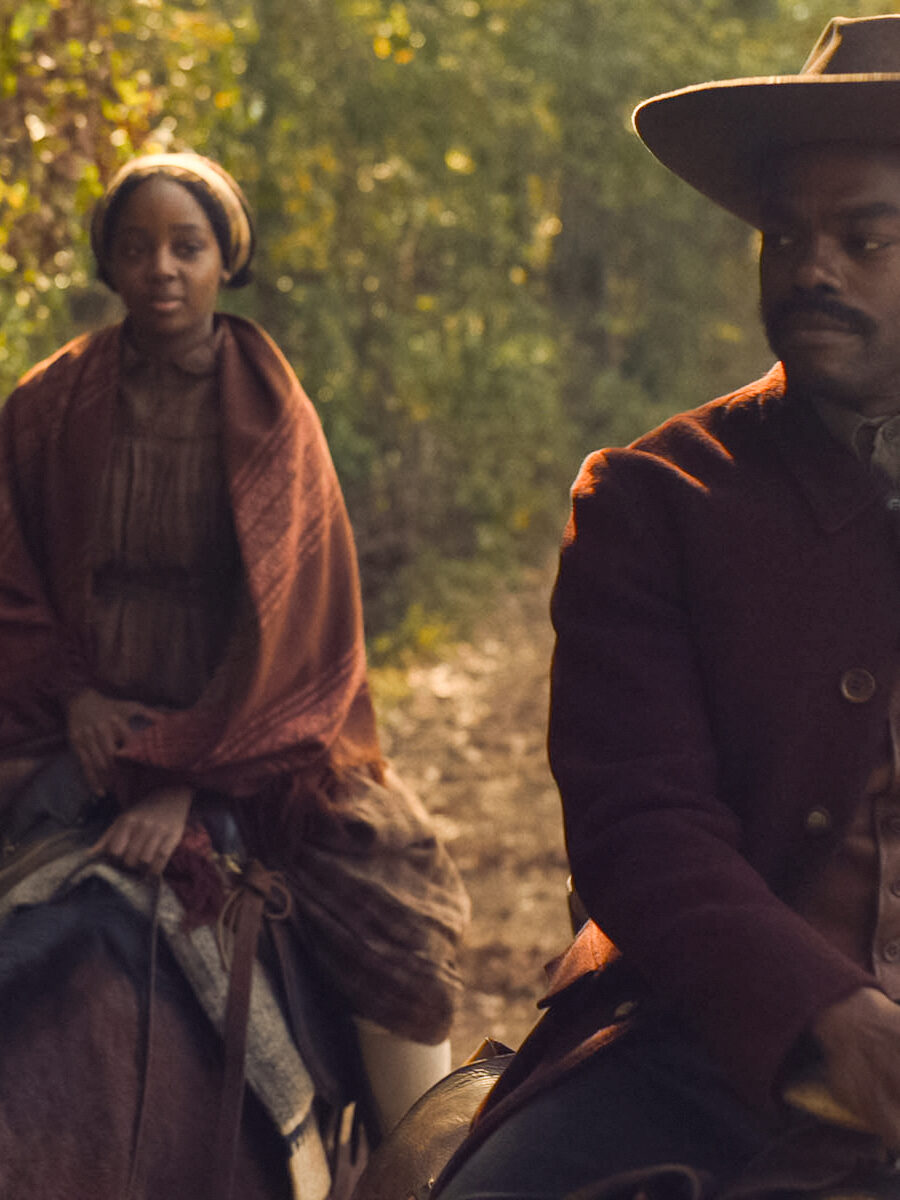
The Underground Railroad miniseries
In the novel, he reimagines what was a network of safe houses and routes as a concrete, subterranean railroad, complete with tracks, locomotives and conductors. Cora traverses from state to state, almost Ulysses-style, with each new location offering a separate glimpse into the sort of systemic oppression of slave-era America.
At her first stop in South Carolina, she is offered a job and housing, but beneath the veneer of abolition lie sinister secrets. In North Carolina, abolition is taken to the extreme, as Cora finds herself outlawed and hidden away in an attic for months, in a segment that draws parallels to Anne Frank. In Tennessee, she witnesses societal collapse, the state turned into a wasteland and overrun by fever, before glimpsing a glimmer of freedom in Indiana.
Whitehead reimagines what was a network of safe houses and routes as a concrete, subterranean railroad
I found the way Whitehead used the structure to root each state in allegory without ever compromising the grounded themes masterful. Of a society and a history, it’s damning and never holds back its commentary of “Stolen bodies working stolen land. It was an engine that did not stop, its hungry boiler fed with blood”. He deliberately plays with genre, using the trappings of an adventure novel like Gulliver’s Travels before undercutting the narrative with violence. Cora’s heroine’s journey is littered with helping hands, hope and kindness along the way, but whenever she moves on to a new location, a trail of destruction is left in her wake.
Verdict
I’m going to the States soon and, as a small insight into the way things are going over there at the moment, I genuinely felt like I needed to be careful about what I wrote in this article, in case they don’t let me in. For a contemporary novel as essential as this, even that thought is pretty chilling. The timing of the novel’s publication also feels eerily important; August 2nd, about three months before you know what. Whitehead doesn’t force any contemporary parallels – he doesn’t need to. Talking about the novel in an interview with Hazlitt, he’s pretty frank, saying they “aren’t hard to force into the book. The world was pretty racist 150 years ago, and it’s pretty racist now.” It’s a novel that feels important to read as a reckoning, but it’s not without hope, seen in the power of resistance, the bravery of Cora, and the literary invention of Whitehead.
Looking for something similar? Read these next

One of the most important texts of the 21st Century, Morrison’s opus covers the trauma of slavery with incredible deftness, rage and innovation, deploying a magical realism that can be seen as a strong influence on The Underground Railroad.
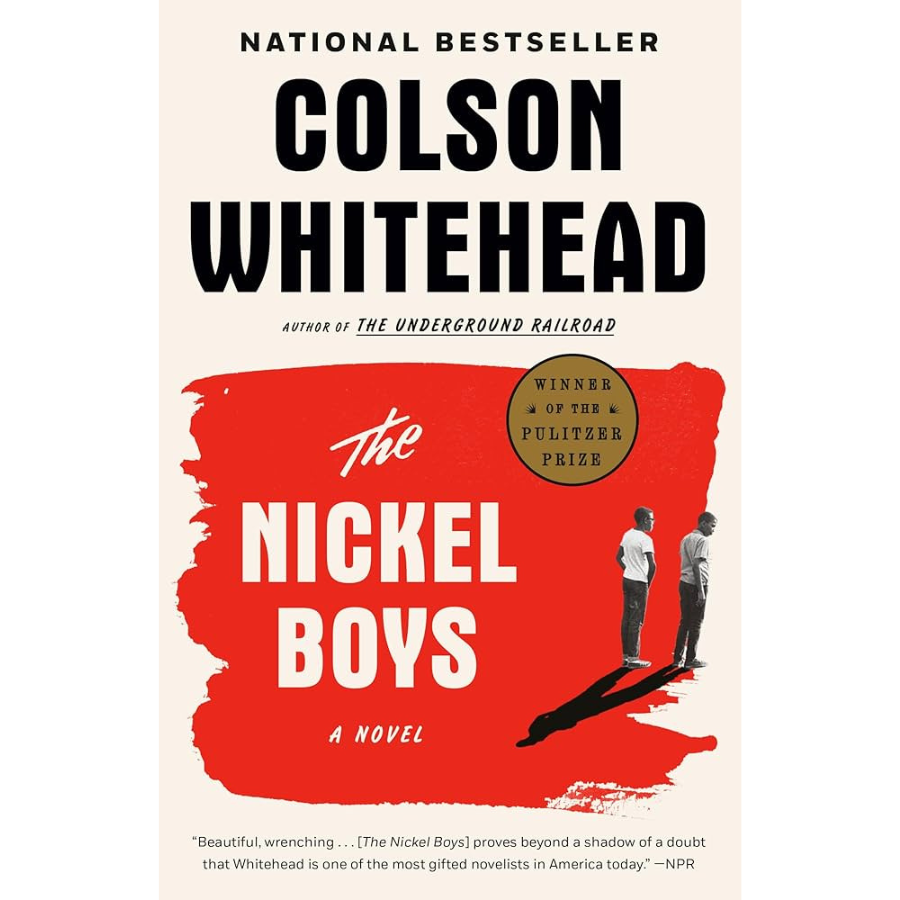
The subject of an acclaimed, Oscar-nominated film from last year, Whitehead’s follow-up to The Underground Railroad was just as powerful. It is based on the infamous, real-life Dozier School, an abusive reform school in Florida that operated for over 100 years.
Our October pick
Just Kids, Patti Smith
Patti Smith’s iconic memoir chronicles her early years in New York City during the late 1960s and 1970s, focusing on her deep friendship and romantic connection with photographer Robert Mapplethorpe. The book traces their struggles as young artists, their pursuit of creative expression, and their enduring bond as they navigate poverty, ambition, and the bohemian art scene.