Weight Loss Injections: The Hidden Impact On Skin & Hair
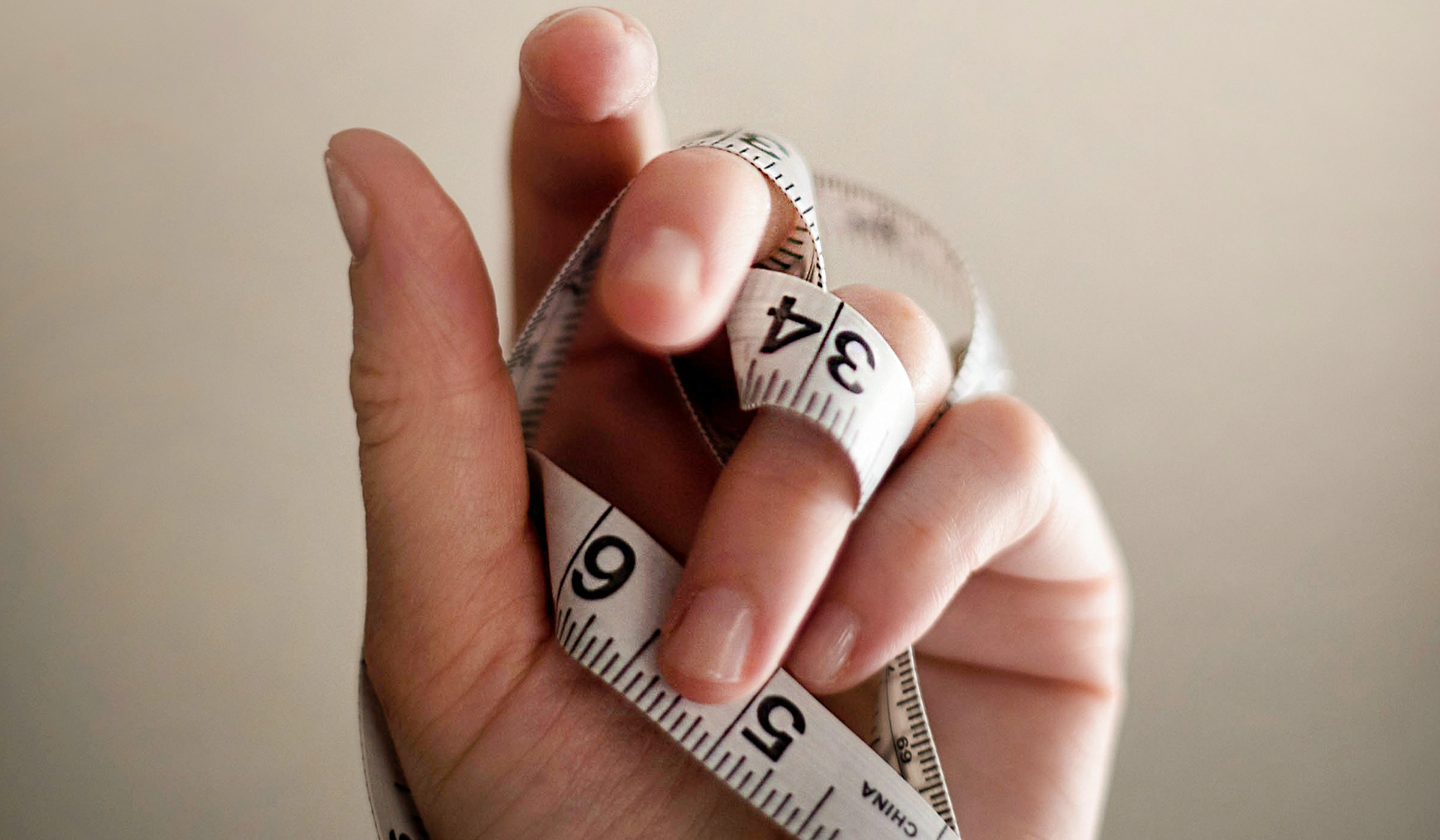
If you are taking medications like Ozempic, Wegovy, or Mounjaro and noticing weight loss, you may also observe changes in your facial appearance or increased hair shedding. While these medications can be effective, it’s important to be aware of potential side effects affecting your skin and hair. Here, we caught up with experts to explain what’s really going on (and how to deal).
This article is intended for informational purposes only and does not replace professional medical advice, diagnosis, or treatment. Always consult a qualified healthcare provider before starting or changing any medication or treatment plan.
The rise of ‘Ozempic face’
Coined by aesthetic doctors, ‘Ozempic face’ is the catch-all term for the facial volume loss, sagging, and deepening lines that can follow rapid weight loss. It’s not the drug itself causing it—it’s the speed of the weight drop, especially if your face tends to hold fat.
“Fat loss is not always selective,” explains aesthetic doctor Dr. Sophie Shotter. “When it comes off the face quickly, it can leave the skin looking deflated” Cue the surge in demand for skin-plumping treatments and skincare lines promising to revive bounce and boost collagen.
Hair today, gone tomorrow?
Hair loss can be an unexpected and distressing side effect for some individuals undergoing rapid weight loss. No, the meds aren’t ripping hair out of your head directly, but the stress that sudden weight loss causes in your body can. It’s called telogen effluvium, and it’s basically your follicles going into hibernation mode.
Some people on semaglutide, the anti-diabetic medicine/weight-loss injection, have reported thinning and/or excess shedding. “Hair growth is heavily impacted by stress, diet, and hormonal changes,” says John Alfred, Head Colourist at Hershesons hair salon.
“Hair is always the first thing the body is happy to take nutrition from if it needs it elsewhere. So, if you’re suddenly consuming significantly less nutrients than your body is getting, the hair can suffer, and it can lead to hair thinning and not growing as fast.”
Hair is always the first thing the body is happy to take nutrition from if it needs it elsewhere
John Alfred, Head Colourist at Hershesons
The nutrition link
Here’s the science-y bit: your hair is made mostly of protein, and when you’re eating less (or not eating well), your body reroutes nutrients to vital organs, not your hair or nails. That means fewer building blocks for hair strength, growth, and shine. Deficiencies in iron, zinc, B12, and vitamin D are all linked to thinning hair, and people on appetite-suppressing meds might unknowingly be skimping on these.
Hair and skincare tips
Whether you’re looking into weight-loss injections or not, here’s how to give your skin and hair some extra TLC.
Protein is queen
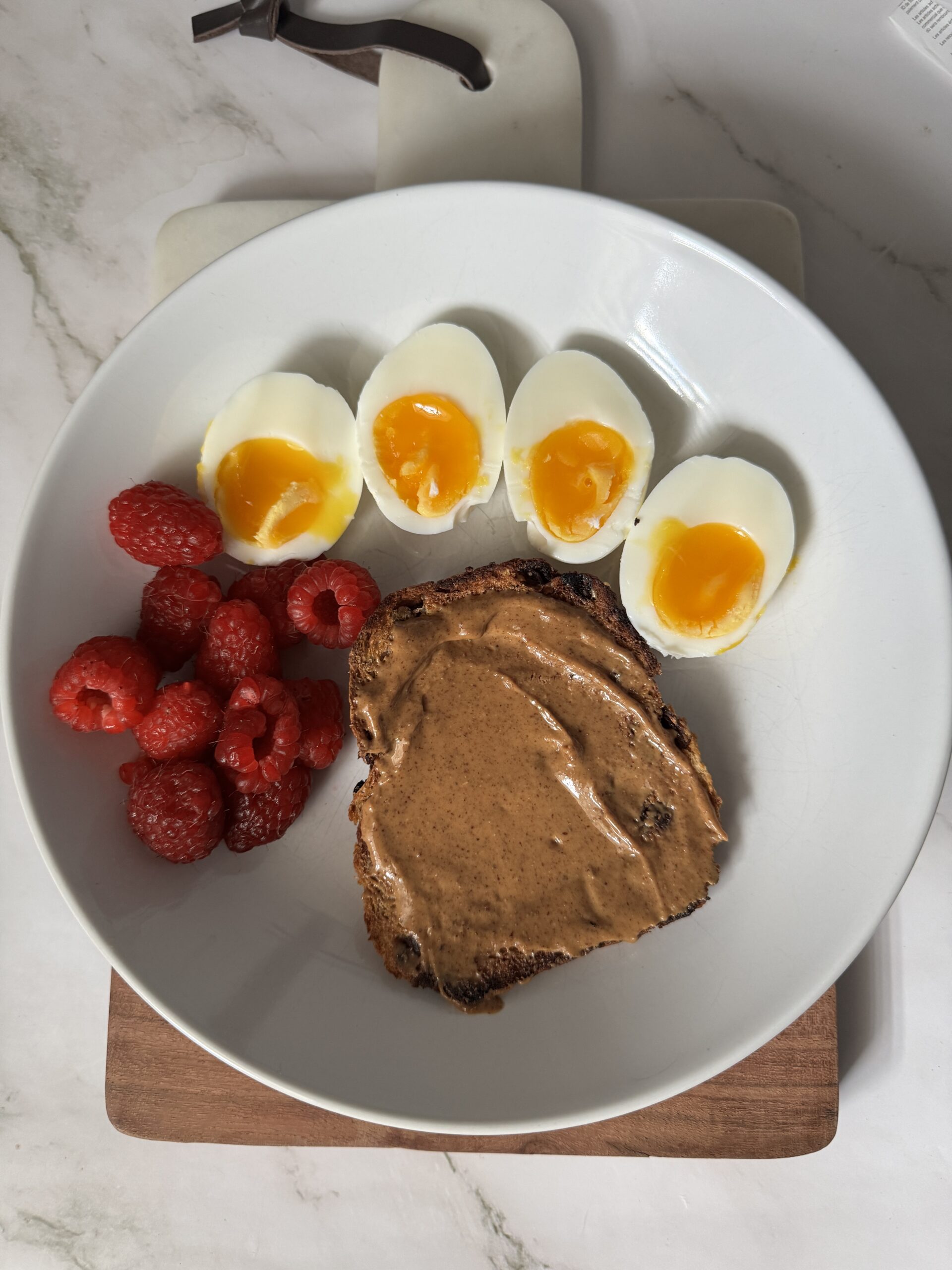
“Make sure you’re getting enough high-quality protein daily. Think lean meats, tofu, eggs, Greek yoghurt—whatever works for you,” advises Rachael Sacerdoti of It’s So Simple.
Supplement smart
Ask your GP or nutritionist about supplements like biotin, B-complex, or iron if you suspect deficiencies.
Treat topically
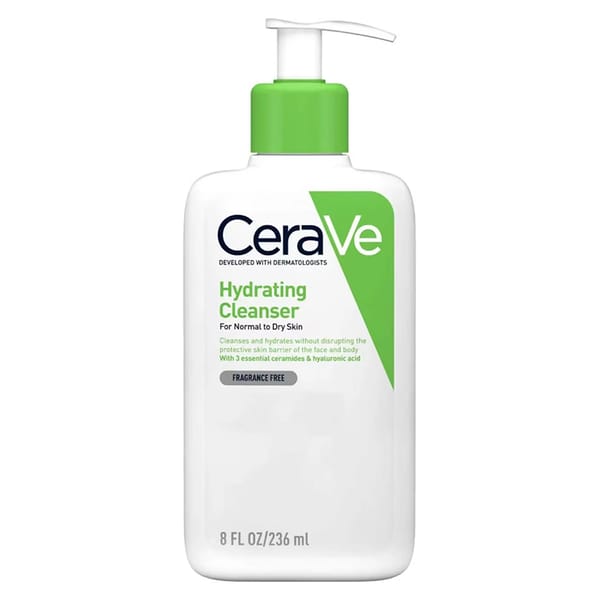
Products with peptides, hyaluronic acid, and ceramides can help replenish moisture and firmness. For hair, minoxidil remains the gold standard for regrowth.
Go gentle
Avoid aggressive retinoids or over-exfoliating skincare while your body adjusts. Hydration and barrier repair are key—think of your skin as needing comfort food right now.
Véronique Malo
It’s a long game, not a quick fix
The one thing the experts agree on is that slow and steady wins the skin and hair race. “When weight comes off too fast, the skin and hair don’t have time to adapt,” says aesthetic nurse practitioner Julie Scott. “Long-term changes—like collagen loss or brittle strands—can take months to show up, and even longer to reverse.” If you’re in it for the long haul, spacing your weight loss journey out more gently can help minimise those beauty side effects. It’s also worth having regular blood tests to check your nutrient levels and ensure your body’s getting what it needs while your appetite adjusts. Think of it as supporting your skin and strands while they catch up to your new metabolism.
When weight comes off too fast, the skin and hair don’t have time to adapt
Julie Scott, aesthetic nurse practitioner
Keep it all in perspective
“Everyone’s talking about how amazing the weight loss results are—but it’s just as important to talk about the whole-body picture,” says Dr. Anjali Mahto, consultant dermatologist and author of The Skincare Bible. “The skin and hair reflect what’s happening inside, and looking after them goes hand in hand with sustainable health.”
For skin support & recovery
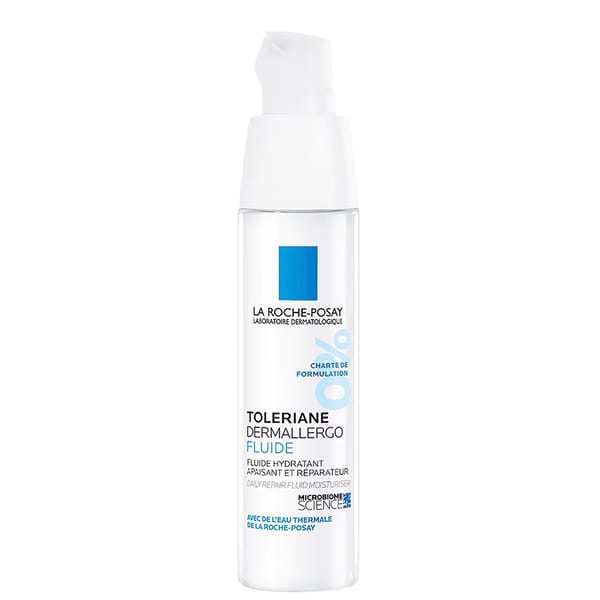

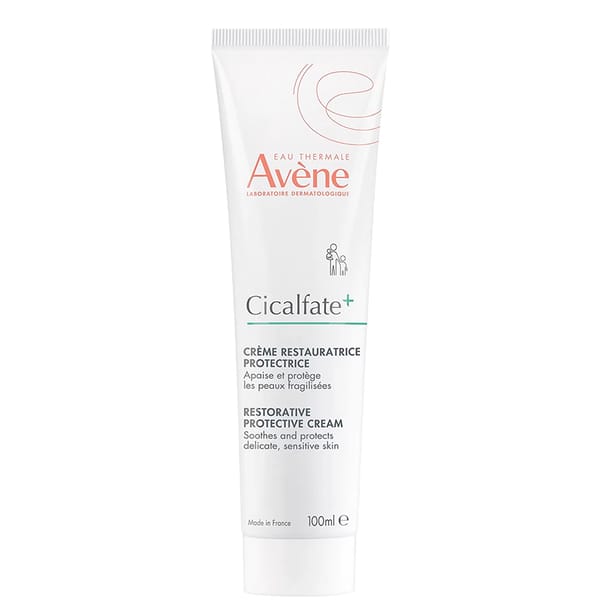
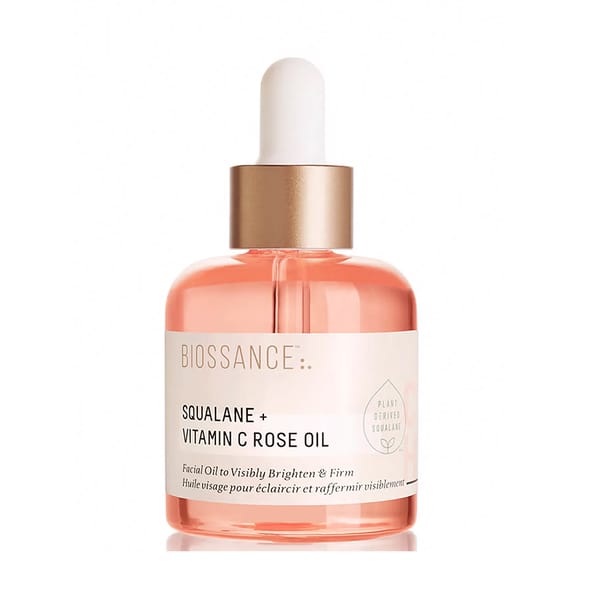
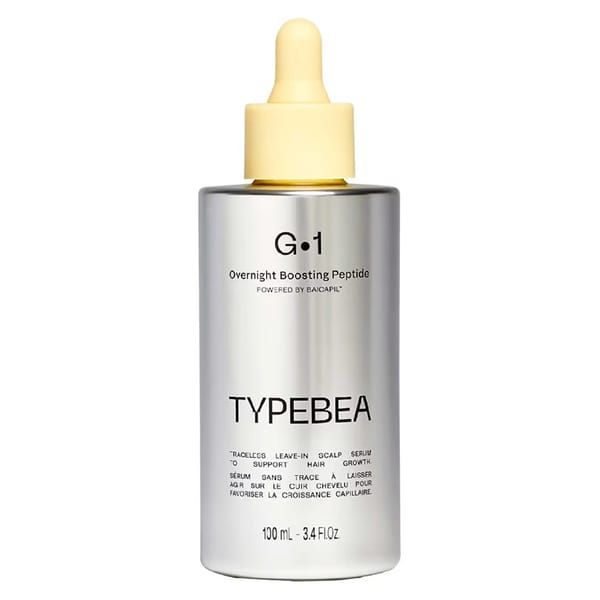
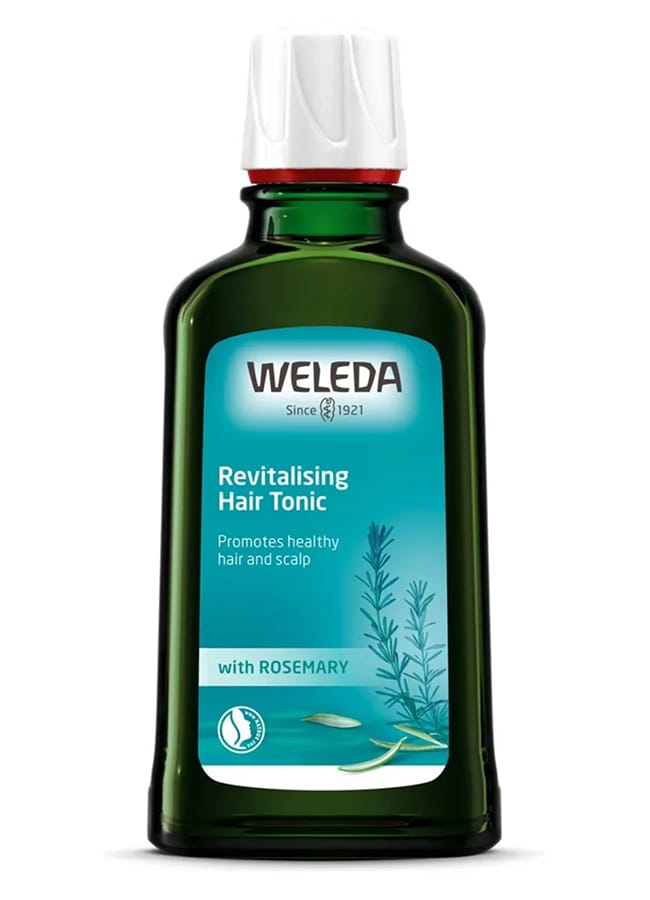
For Hair Rescue & Strengthening
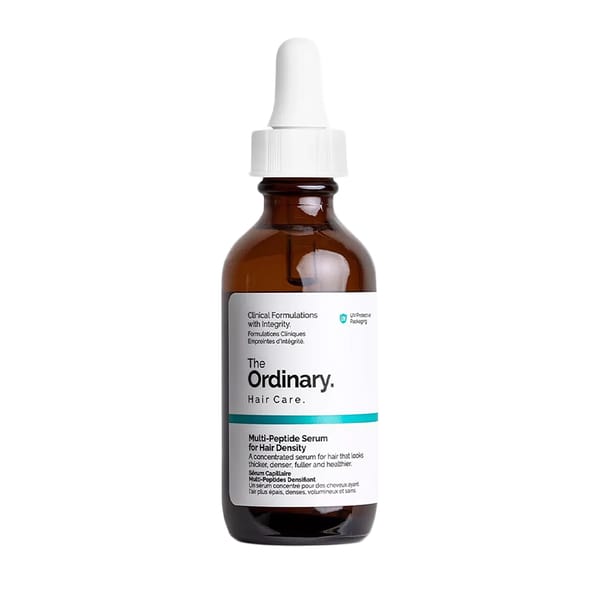
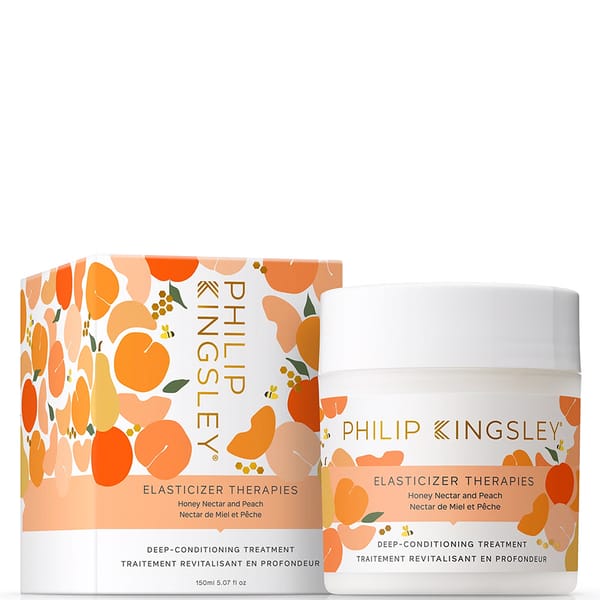
This article is intended for informational purposes only and does not replace professional medical advice, diagnosis, or treatment. Always consult a qualified healthcare provider before starting or changing any medication or treatment plan.
The products on this page have been selected by our editorial team, however, The Handbook may make a small commission on some products purchased through affiliate links.