Heathcliff, Gatsby & Romeo – Romantic Heroes Or Literature’s Greatest Red Flags?
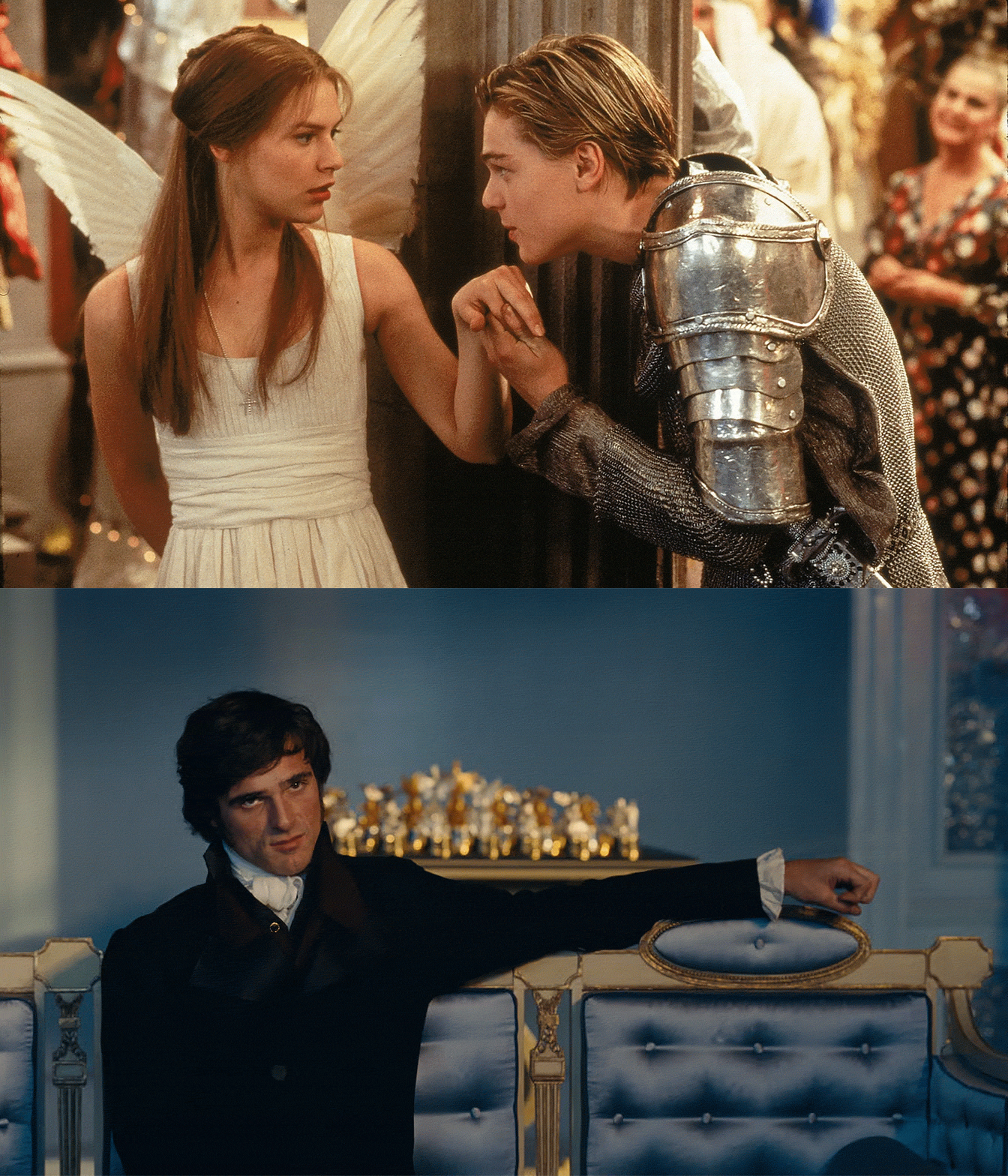
After months of speculation, Emerald Fennell‘s “Wuthering Heights” finally hit cinemas last week, and whether you were there for its first screening or have boycotted it entirely, you’ve likely seen the discourse. Debates have been circulating online as to whether its maximalist style is too much, or if Jacob Elordi‘s casting is a total departure from the book. But, while we argue over whether Fennell’s vision is a masterpiece of a mistake, a much larger question looms – why are we still romanticising Brontë’s Heathcliff?
Despite the swoon-worthy cinematic scenes shared between Margot Robbie and Elordi, experts are calling into question the toxic behaviours we have mistaken for passion for generations. From the Yorkshire Moors to the mansions of West Egg, it turns out literature’s most iconic boyfriends might just be walking red flags. We spoke with dating app happn’s resident relationship expert, Claire Rénier, to unpack Heathcliff’s “glaring red flags” and to call out other romantic male leads who may not be as heroic as we once thought.
Is Heathcliff a walking red flag?
Question marks surrounding Heathcliff’s character have circulated for centuries. According to Claire Rénier, he displays a multitude of glaring red flags, which outweigh any tropes of romantic heroism. “The book describes the pair as soulmates, with a love that’s passionate, obsessive and inseparable. However, rather than being filled with joy, togetherness and devotion, that passion is filled with cruelty, control and resentment.”
Heathcliff displays a multitude of glaring red flags, which outweight any tropes of romantic heroism.
“Much of this darkness stems from Heathcliff himself, whose love quickly curdled into something possessive and bitter.” Indeed, we see this resentment and bitterness evolve in Fennell’s adaptation, through his treatment of the likes of Edgar (Shazad Latif) and Isabella Linton (Alison Oliver).

Rénier concludes her commentary on Wuthering Heights’ famous leading man, saying: “We’ve been drawn for generations to his tortured devotion, but even Brontë’s biggest fans should be running in the opposite direction.”
Which other literary romantic heroes are actually red flags?
Heathcliff is far from the only male lead in the literary canon to wave a few red flags; in fact, the romantic hero archetype is historically riddled with displays of toxic behaviour. One might even argue that several of his contemporaries deserve far more scrutiny for their actions before Heathcliff is singled out as the genre’s primary offender. Rénier has compiled a list of toxic literary males whose actions warrant serious scrutiny.
Heathcliffe is far from the only male lead in the literary canon to wave a few read flags.
Jay Gatsby
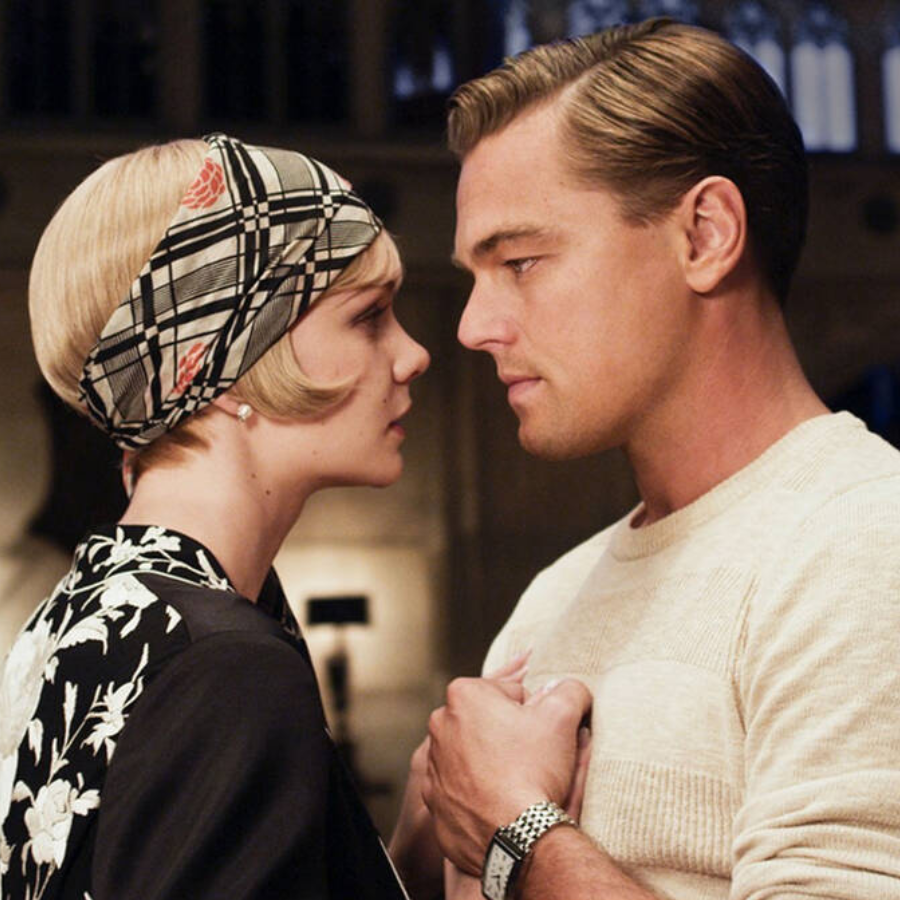
According to Rénier, Jay Gatsby is the type of man everyone should do their best to avoid. First published in 1925, F. Scott Fitzgerald’s The Great Gatsby is a literary classic.
The plot follows Jay Gatsby as he desperately tries to win the affections of Daisy Buchanan through the form of hosting lavish, over-the-top parties. In modern-day slang, this kind of behaviour would be dubbed, love-bombing, however, in Gatsby’s world, this is the height of romance.
Rénier also argues that “in Gatsby’s mind, money and spectacle will make Daisy fall in love with him. But Gatsby doesn’t love who Daisy really is – he’s in love with the fantasy of who he thinks she is, and doesn’t actually get to know her.”
Romeo Montague

Shakespeare’s star-crossed lover, Romeo, unfortunately, also exhibits toxic traits, according to Rénier. She argues: “He is passionate and intense, falling in love with Juliet at first sight, with an idea of love that is impulsive and consuming, driven more by passion than understanding. After all, he’d been obsessing over another woman just seconds before he met Juliet, and the speed of their romance is alarming.”
She continues: “It only takes a couple of dates before they’re rushing into a secret marriage. While some people may find his passion and commitment attractive, his recklessness in love ultimately isn’t sustainable for their relationship, and results in the death of both him and his partner.”
After all, he’d been obsessing over another woman just seconds before he met Juliet.
Mr Knightley
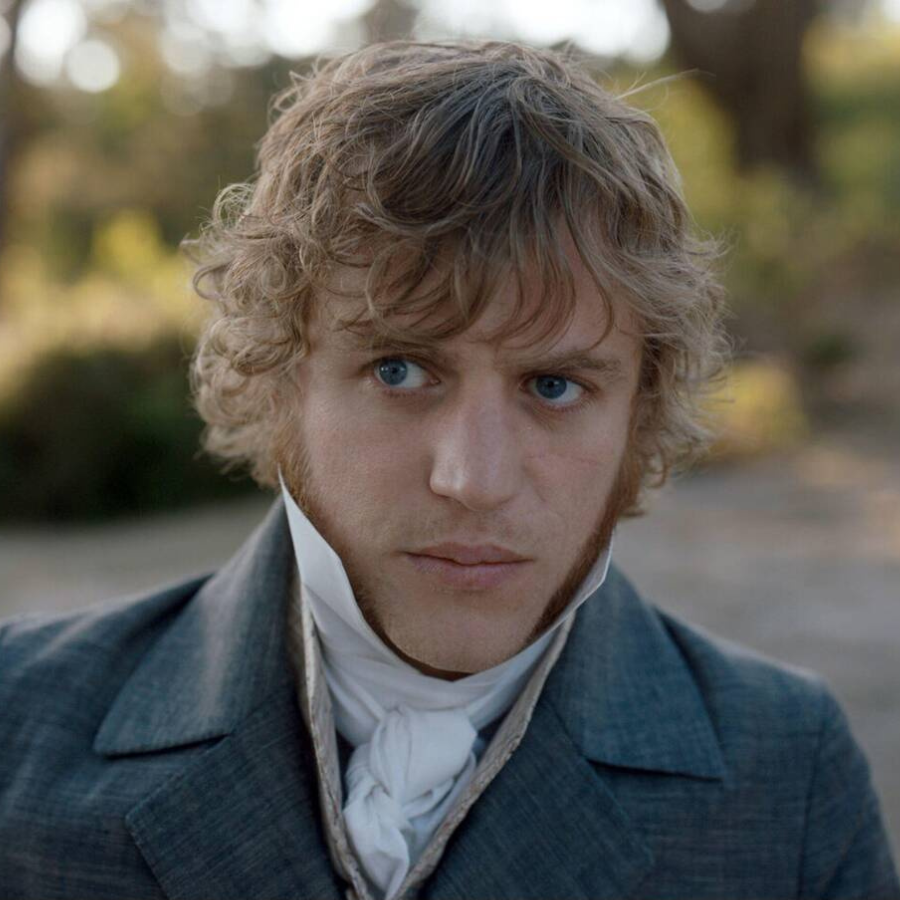
Last but by no means least, Rénier concludes her list with Mr Knightley, the love interest from Jane Austen’s Emma. While the 16-year age gap between Mr Knightley and Emma is cause for concern, the real red flag lies in his confession that he has been in love with her since she was 13.
Rénier assessment reads: “The pairing also has a strong and obvious power imbalance between them, while he also constantly criticises her behaviour.”
She continues: “While the book does describe him as kind and patient, there are definitely some glaring red flags.
The takeaway
Ultimately, if Fennell’s Wuthering Heights adaptation has proven anything, it is that our appetite for ‘the bad boy’ hasn’t waned since 1847, but rather, it has simply been repackaged in a better suit. As we dissect Heathcliff’s behaviour and the glaring red flags that both he and his literary peers possess, the takeaway is clear: while these characters make for captivating reads and steamy adaptations, perhaps they make for even better cautionary tales.
While these characters make for captivating reads and steamy adaptations, perhaps they make for even better cautionary tales.