“I’m A Film Writer & Here’s My Honest Review Of You Can See Everything”
For a long time, it seemed as though the most talked-about film of the year would be The Odyssey, which, as we and many others noted, was another towering achievement from Christopher Nolan. Yet a new contender has emerged in the form of a documentary which, if you’re at all interested in cinema, you’ve almost certainly heard about by now.
You Can See Everything, the extraordinary new film from Nathan Fielder and Lance Oppenheim, is one of the best documentary films ever made, and not since Michael Moore’s anti-war Fahrenheit 9/11 has a documentary created quite this much awards hype.
What is You Can See Everything about?
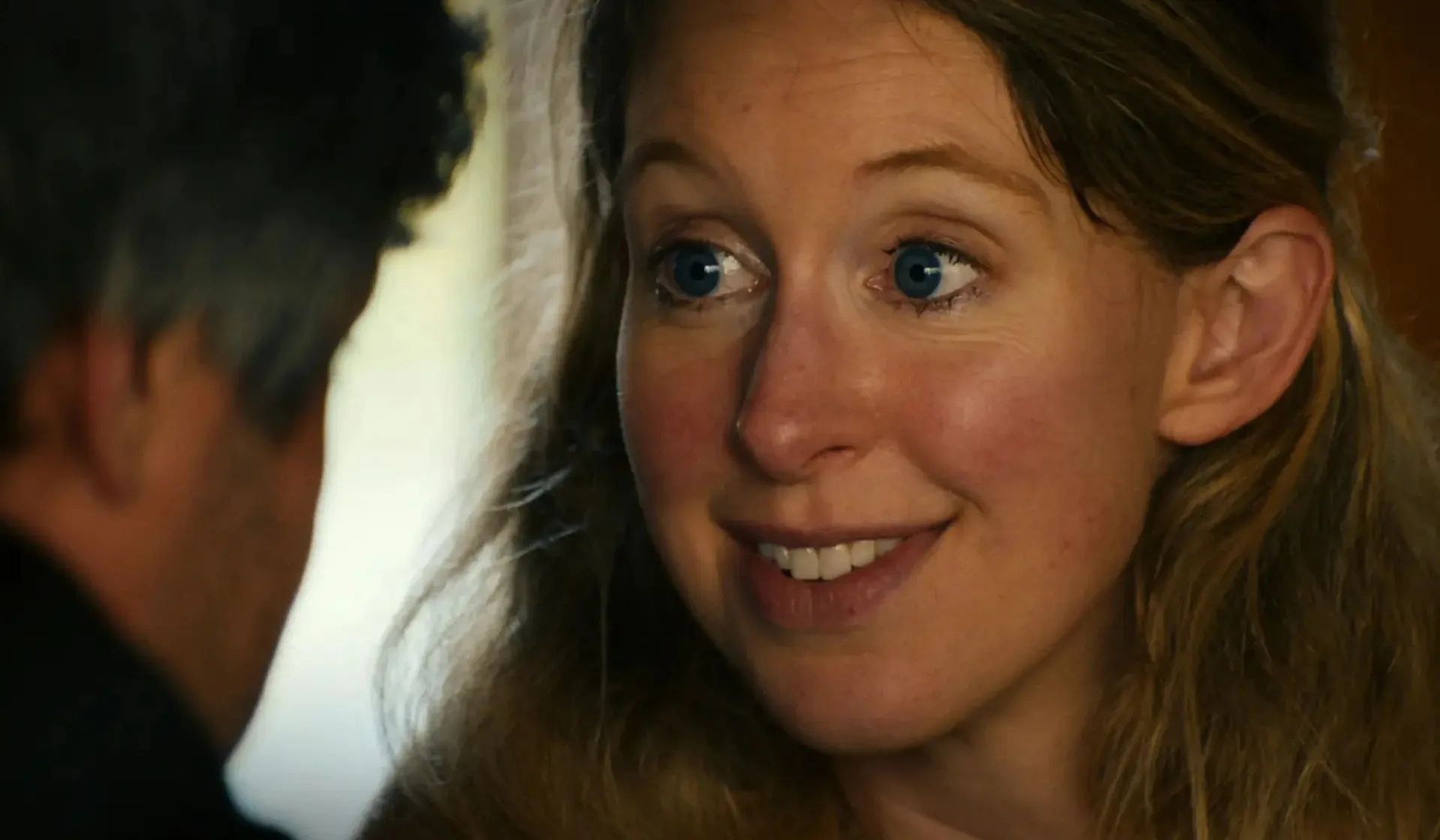
But before we go on, what is You Can See Everything actually about? Put most simply, it follows Elizabeth Holmes, the disgraced Theranos founder who claimed to have created a miracle blood testing method that would revolutionise medicine. That has since come crashing down, and the story was retold onscreen in the miniseries The Dropout, where she was played by Amanda Seyfried.
A word too on those other important names: Canadian comic Nathan Fielder, who’s risen to prominence with his unique and critically praised HBO series The Rehearsal, as well as the Emma Stone-starring The Curse, is known for making oddball television- so choosing to make a documentary about Holmes and her much scrutinised persona was always going to have interesting results. Co-director Lance Oppenheim, meanwhile, recently released the Robert Pattinson-led Primetime, also to strong reviews.
So does it live up to the hype?
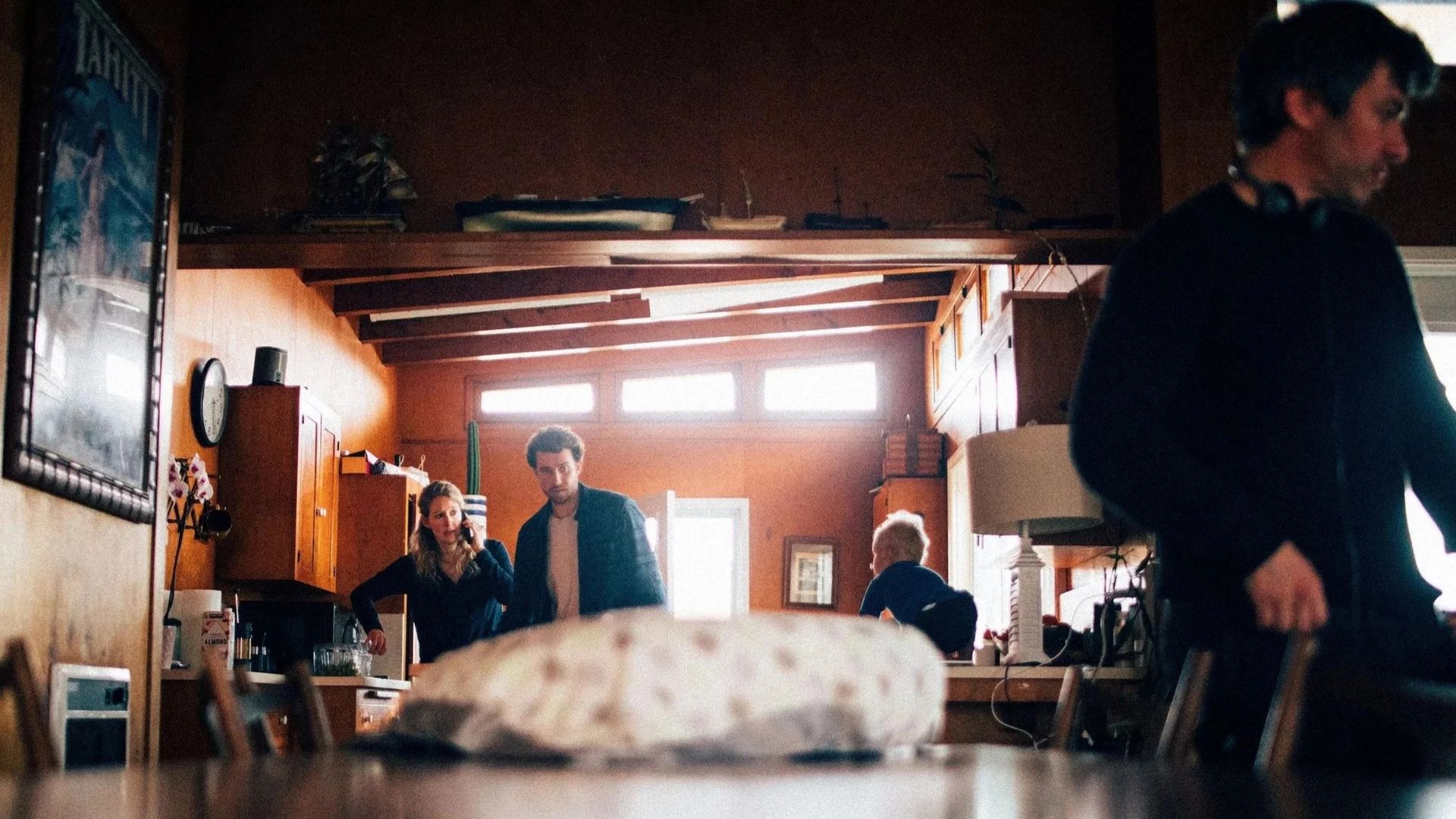
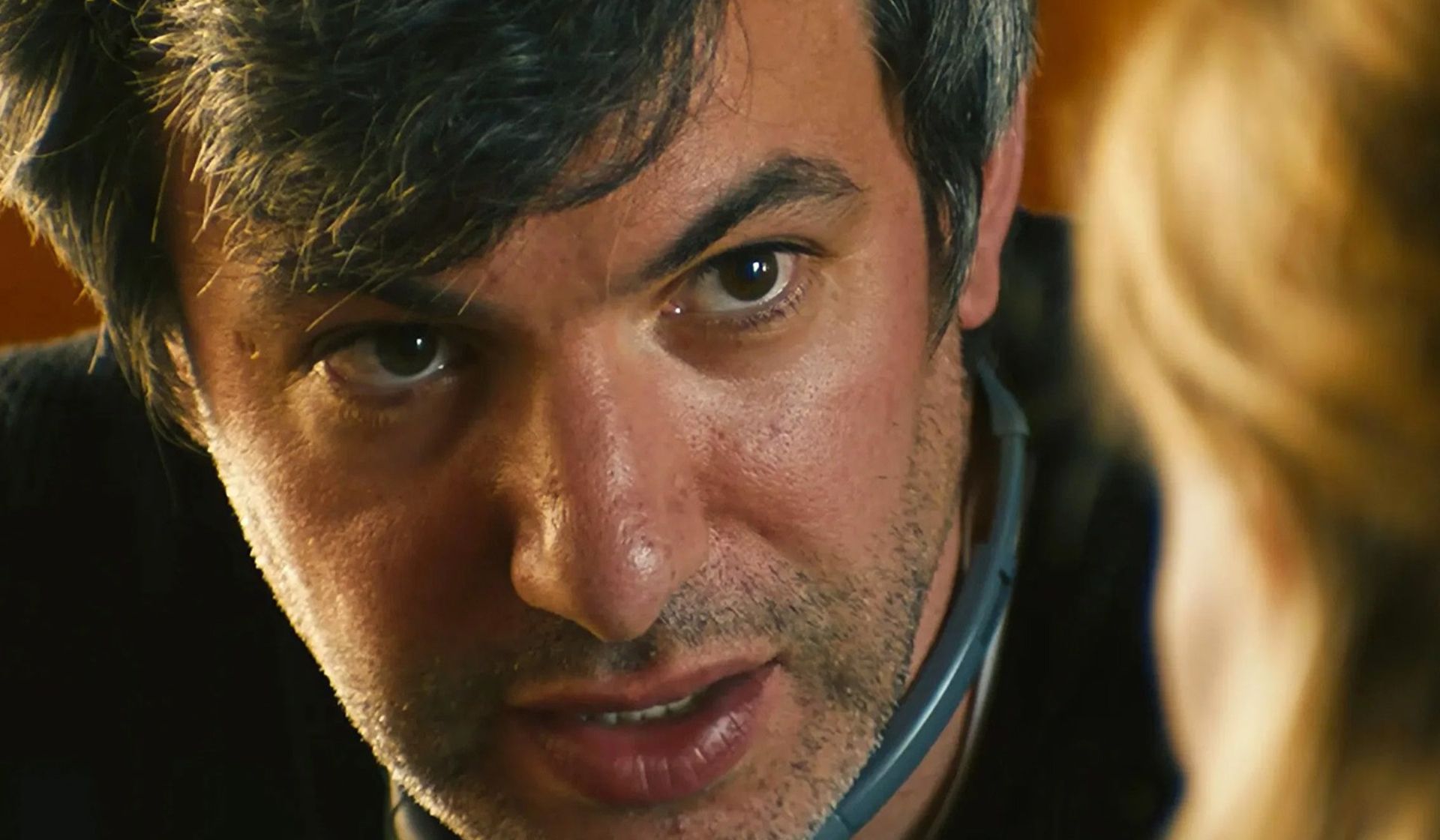
Right off the bat, if you haven’t gleamed it yet, You Can See Everything is not a very conventional documentary, and manages to make a story we thought we knew feel both unfamiliar and fresh, to the point that even if you know plenty about Elizabeth Holmes beforehand, you’ll be glued to your seat. Rather than revisiting the rise and fall of Theranos through bog-standard talking head interviews and archival material, Fielder and Oppenheim begin in medias res with Holmes only 34 days before her imprisonment in 2023. The two filmmakers are granted access to her private life at a moment when the consequences of her actions are finally catching up with her, and what follows is a dizzying, intimate portrait of someone who’s made international headlines but is far more puzzling to decipher than you’d think. The trailer for the film highlighted a scene in which Holmes and Fielder lock eyes, and you can tell he’s really working to unlock who she is.
The two filmmakers are granted access to her private life at a moment when the consequences of her actions are finally catching up with her, and what follows is a dizzying, intimate portrait of someone who’s made international headlines but is far more puzzling to decipher than you’d think.
Rufus, Contributing Entertainment Writer

The result is an experience that is hard to categorise. There are occasional documentaries which, due to how they’re made and the subject itself, feel more like you’re watching well-written fiction or a kind of bizarre performance art- which this one falls into. As with other works by Fielder, it often feels uncomfortable in the best possible way; the film constantly challenges our expectations of what a documentary should be, pushing us out of our comfort zone. I was prepared by the discourse around the film to expect it to be an experience, and I still found it surprising.
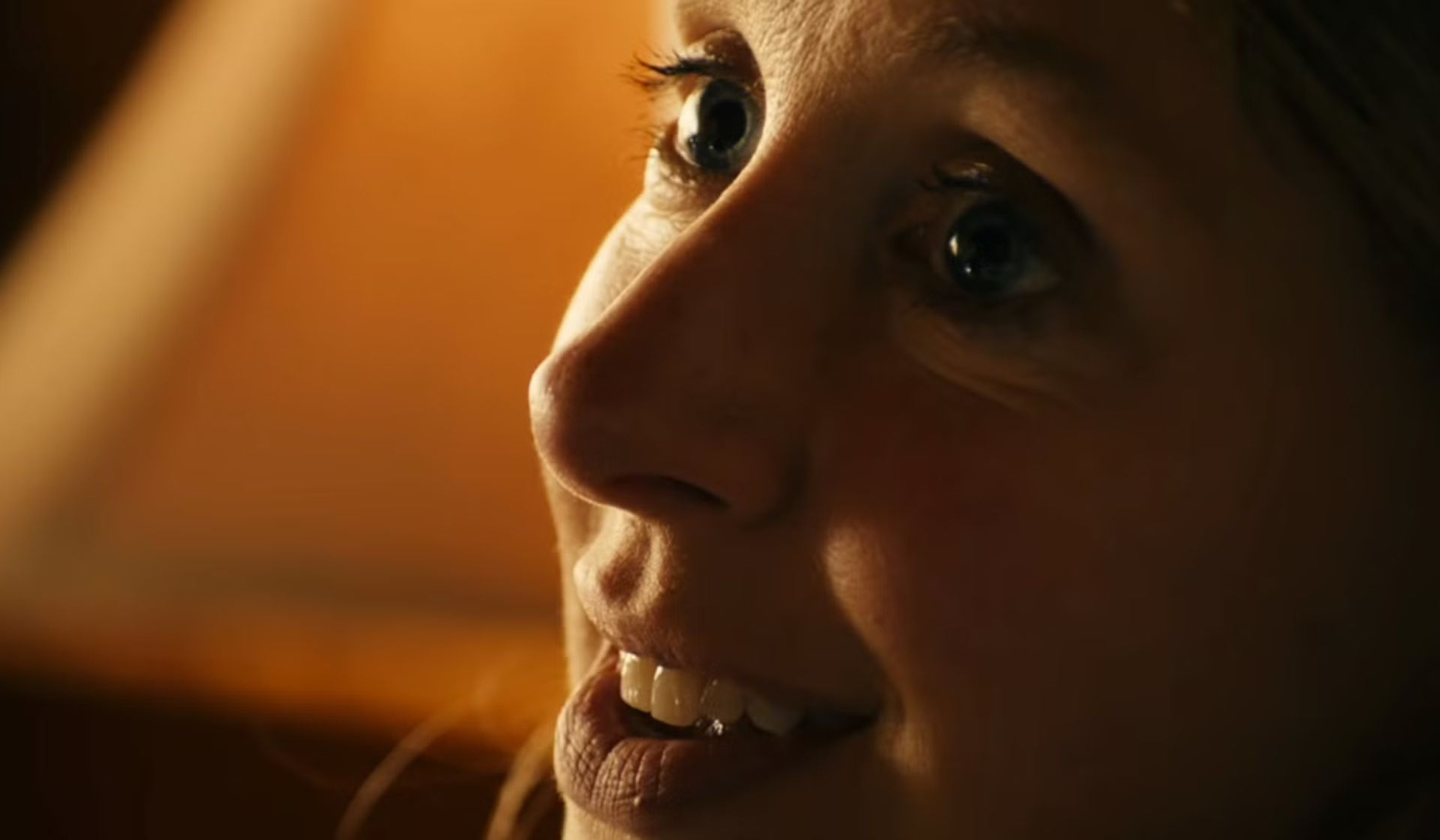
The film constantly challenges our expectations of what a documentary should be, pushing us out of our comfort zone
So as we, along with the two filmmakers, join Holmes and her partner Billy Evans at their beachfront home, what do we find? Don’t expect to get all the answers, which is not something you’d usually say before recommending a documentary, and prepare to have several of your own whizzing around your brain when the credits start rolling. The subject of the docufilm happily obliges in letting the camera crew put her in frame, not running away and hiding but instead letting us, well, see everything. But you’ll have to come to your own conclusions as to whether Fielder or anyone else truly manages to crack who she is.
Holmes has maintained her innocence, and says she’s been honest all her life. This is a film that will be studied for a long time, not just by other filmmakers envious of this excellent work of art, but by those analysing whether this is exposure of a fraud or exploitation of a damaged woman- a debate that’s already been going since it premiered. Elizabeth and Billy’s relationship seems to be, like everything else going on, pretty strange, and Evans doesn’t come out of it very well in a controlling sort of way- I’ll leave it for you to see.
Should I see it?
It feels sort of frustrating writing this to say “not to give everything away”, as a reviewer often does for a thriller with a big twist- but in You Can See Everything’s case, not only would it do the film a tremendous disservice to go too deep into details of what happens, but it’s quite hard to anyway. But rest assured, this is certainly a landmark documentary, and I was personally enthralled. It’s three hours, but it doesn’t feel it, and despite the uncomfortable parts and general uneasiness, I couldn’t help but enjoy it.
Rest assured, this is certainly a landmark documentary, and I was personally enthralled. It’s three hours, but it doesn’t feel it, and despite the uncomfortable parts and general uneasiness, I couldn’t help but enjoy it.
There are a few more technical aspects we can highlight too- You Can See Everything is a very well-made and well-shot film, with close-ups and camerawork that place you in the action the way only the best documentaries can. If you like Louis Theroux, you’ll get something out of this. Editing and framing-wise, there is a wonderfully disorienting quality to the way it unfolds, with scenes that initially appear ordinary becoming increasingly loaded with meaning.
You can tell why something that began production early in 2023 took a while to assemble. The filmmakers never underestimate their audience in a refreshing way, allowing the ambiguity to breathe rather than rushing to explain every detail- show, don’t tell! Again, if you crave closure and definitive answers neatly laid out, you’ll be disappointed. But everyone should still watch You Can See Everything– and if you’re tempted to only watch on streaming just because it’s a documentary, I will also say that it’s worth seeing in a cinema with an audience, just for the feeling of watching this unconventional film in a group.