“I’m A Film Writer & This Is My Honest Review Of The Odyssey”
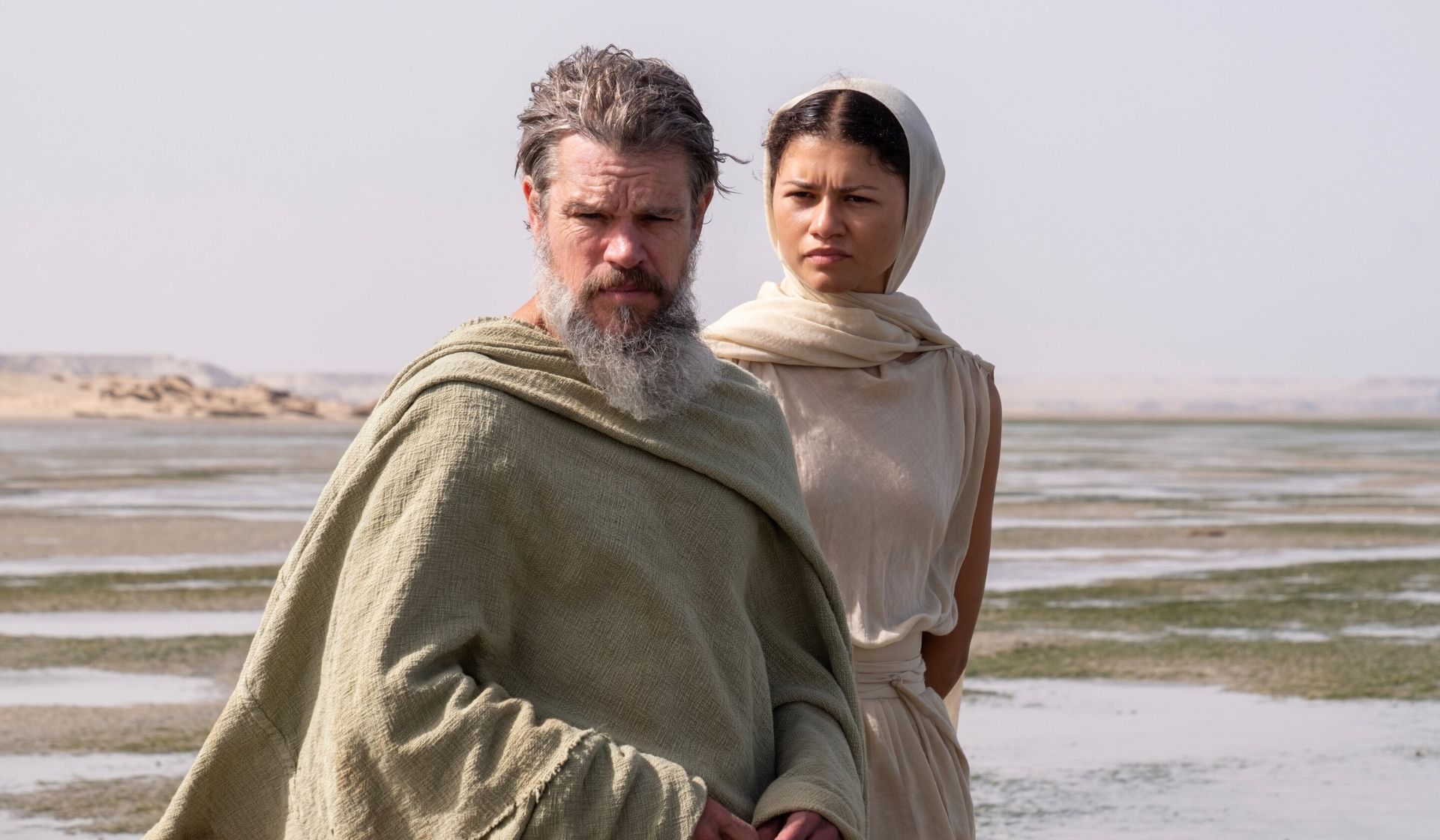
The cinematic event of the year is here: Christopher Nolan’s latest film, The Odyssey, is his follow-up to the phenomenally successful Oppenheimer, and adapts the Ancient Greek poem by Homer. Following Odysseus (Matt Damon) as he tries to reach home after years away, the film has had plenty of hype- does it live up to it?
What is The Odyssey about?
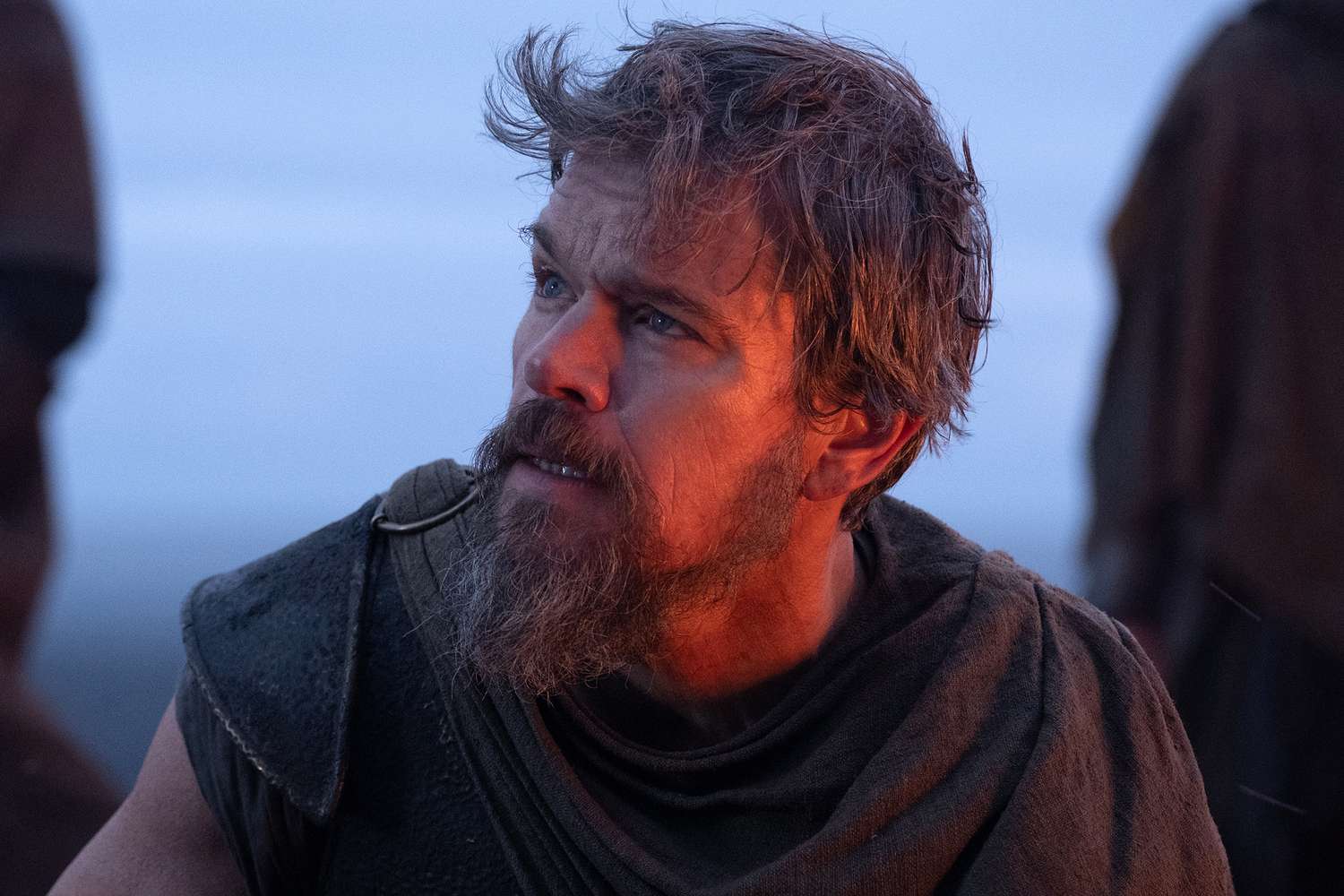
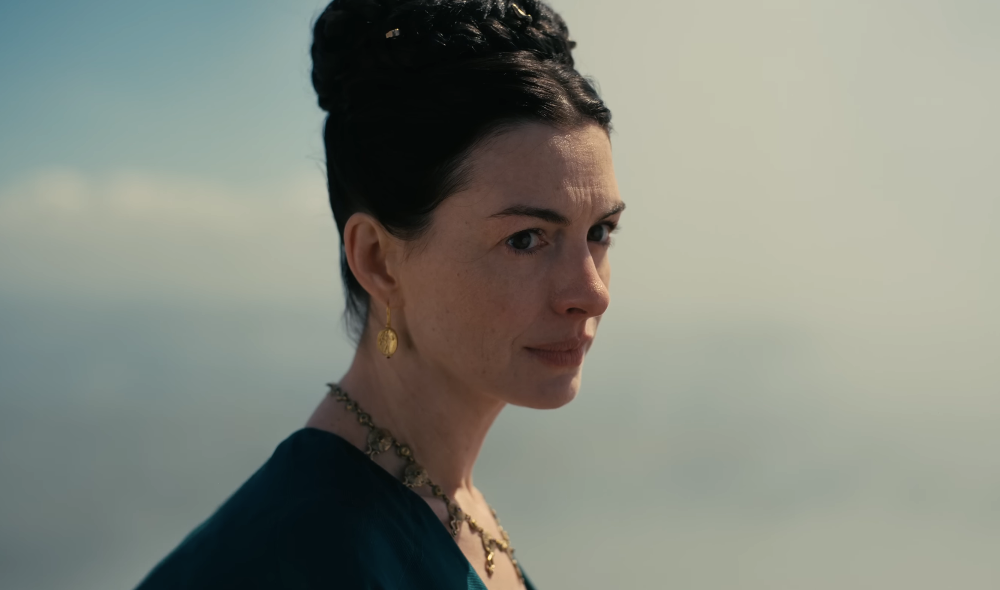
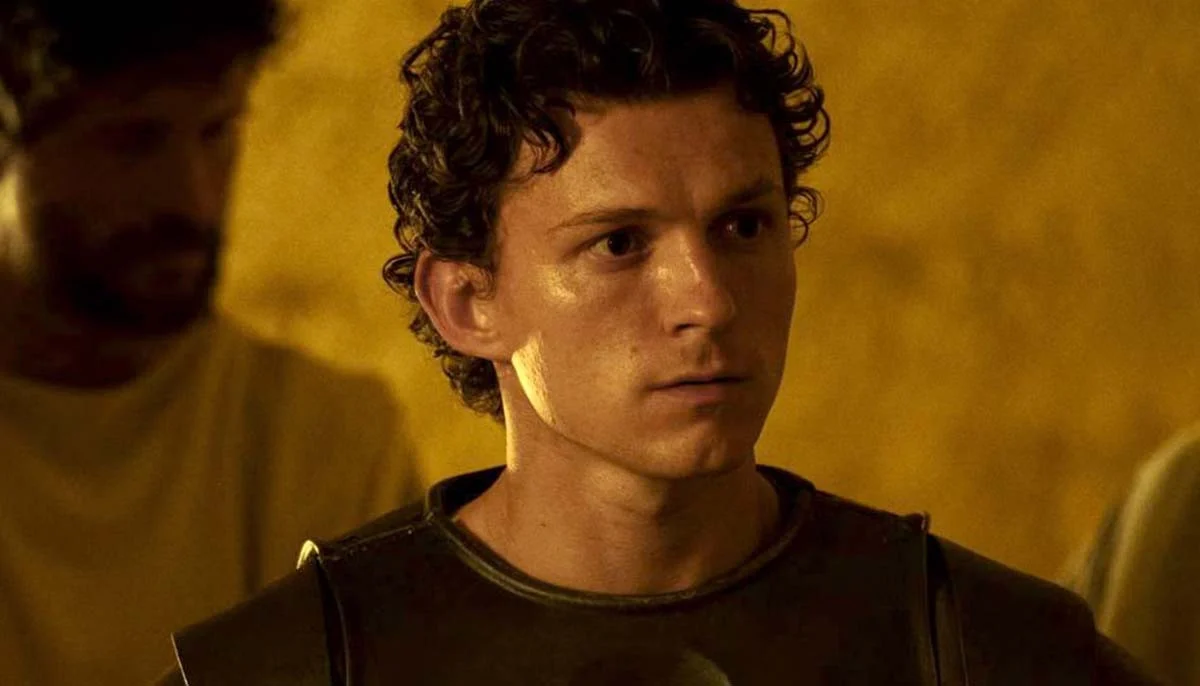
Given The Odyssey is one of the oldest and well-known stories in the world, most people have at least a vague idea of what it’s about. King Odysseus, played by Damon (more on his performance later), has been away for years as he fights in the Trojan War, and now seeks to finally return back to his home of Ithaca. Meanwhile, his wife Penelope (Anne Hathaway) remains in Ithaca and, in his absence, is constantly courted by numerous suitors vying to take her hand in marriage and thus the throne. Odysseus’s son, Telemachus (Tom Holland), is one of the few people who believes his father will return safely after all this time.
The ancient poem has been adapted many times, but it still seemed like a significant challenge for Nolan after the relatively simple biopic of Oppenheimer. I’m not an expert on Greek classics, but I do know that The Odyssey is largely styled as the director’s own take on the story. Signature Nolan elements like time jumps and creating a large winding narrative are all here, and they work in the case of a story that is already complex and full of characters to keep track of. The film certainly captures the perils of Odysseus and his men’s journey as they come across monsters and mythic beings, as well as capturing the sense of time running out for Penelope and Telemachus as the pressure to choose a suitor intensifies.
The performances
Let’s first focus on the three main performances: Matt Damon pulls off the role of King Odysseus very well, retaining his American accent to ensure that it feels natural and not stilted. A lot rests on his shoulders just as everything rests on Odysseus’s shoulders in the story, as Damon has to embody and portray the king’s strategic mind, his leadership, and his growing wisdom as he is hardened and changed after what he’s seen. We see him both commandingly direct his men in battle, as well as stranded on a beach asking when he can see his wife again. Never does Damon lose the character to the complicated story, and Nolan, who has been criticised sometimes for lacking emotion in his stories, lets him run the gauntlet of bringing a rounded character to life.
Never does Damon lose the character to the complicated story, and Nolan, who has been criticised sometimes for lacking emotion in his stories, lets him run the gauntlet of bringing a rounded character to life.
Rufus, Contributing Entertainment Writer

Anne Hathaway is, as you’d expect, another standout as Penelope, despite the fact that her role as the wife of Odysseus means she largely has to do a lot of waiting. We do see a couple of flashbacks to the pair before the war, but largely Penelope is yearning for her husband while hoping that she does not have to eventually remarry. There’s a lot of “eye-acting” going on here, as Penelope often deflects suggestions she pick a suitor with a look, and we get some insight into her relationship with her son. Speaking of Telemachus, Tom Holland does actually have quite a difficult balancing act to play him, as the character’s inexperience and young age means he needs to appear less impressive than his elders. But he still feels quite far away from Spider-Man here, as the son of the king he barely knew ponders the fact he may one day assume the throne.
There are many, many other performances and characters in the film- without listing them all, here are a few other standouts: Robert Pattinson plays Antonius, one of Penelope’s particularly sleazy suitors (and does so very well). John Leguizamo plays a blind and loyal servant of Odysseus, and is one of the film’s MVPs with his heartfelt desperation to see Odysseus return again. Lupita Nyong’o and Jon Bernthal appear fairly briefly as Helen of Troy and King Menelaus, but are both memorable as important characters in the narrative.
What about all the gods and monsters?
Chances are, if you don’t know the ins and outs of the Trojan War and power plays around the throne, you will be aware of the Greek gods, the Cyclops, the Sirens and many more mythical elements. There’s plenty of mention of Zeus, Poseidon and going to Hades in The Odyssey, and the goddess Athena appears to Odysseus repeatedly throughout, played in an understated manner by Zendaya. The narrative does also often involve Odysseus and his men arriving on an island, seeking refuge and food, and finding something very bad that causes them to run for it.
There’s plenty of mention of Zeus, Poseidon and going to Hades in The Odyssey, and the goddess Athena appears to Odysseus repeatedly throughout, played in an understated manner by Zendaya.
Quite early on, the infamous Cyclops appears, in one of the film’s most memorable sequences. The creepy, one-eyed giant man definitely looks more frightening than some incarnations of the monster I’ve seen, and there’s some excellent sound design throughout. While I won’t give away too many spoilers (even if the story is thousands of years old), there are one or two other scenes in particular that really play up the horror angle to a degree Nolan hasn’t done before- could he tackle the genre head-on in a future film?
The verdict
This is a film that by nature has to be epic, adapting perhaps the original “epic”, and despite the scale and the pressure of hype it manages to achieve what it sets out to do, and more. If you know much about Christopher Nolan, you’ll know that he eschews CGI and post-production effects, meaning that so much of The Odyssey, like the giant Trojan Horse which is one of the film’s key symbols, is all real and tangible. It also juggles some huge themes, including not just a man trying to get home against the odds but the rise and fall of civilisation itself. Like his previous films, Nolan’s The Odyssey is one definitely worth seeing, on a big screen, for the awe and the spectacle alone.