The HandBook Club Kicks Off With An Award-Winning Spy Thriller

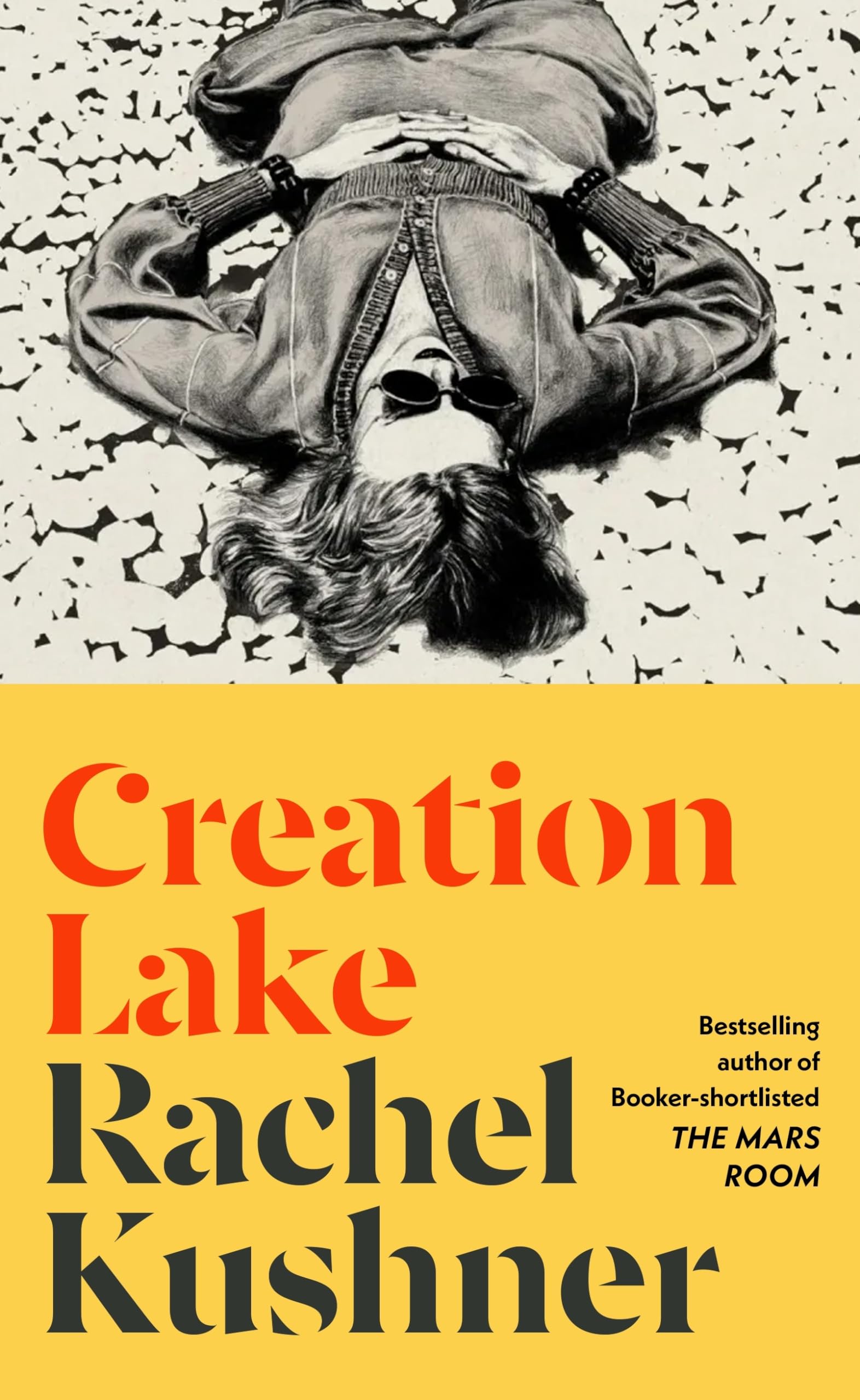
Rachel Kushner is one of the most influential novelists of modern times, and her Booker Prize-nominated Creation Lake is our inaugural pick for The Handbook Club. Read on for our take on one of the most talked-about releases of 2024, a part spy-thriller part political satire.
What is it about?
Sadie Smith is a mercenary spy-for-hire sent by a shadowy unknown employer to infiltrate a group of radical eco-activists in Southern France, hoping to uncover evidence of violence and, if needed, push them in that direction so they can be prosecuted. The group, named Le Moulin, have formed a society based on the teachings of reclusive leader Bruno Lacombe, who lives in a cave and is an advocate for humankind rejecting modern technology and returning to primitivism. Got it? It’s about as intriguing a set-up as I can remember from a novel, and while the topics covered are heady, there’s no need to feel daunted – it’s a great read.
While the topics covered are heady, there’s no need to feel daunted – it’s a great read
Why should you read it?
A main draw for prospective readers is the spy-thriller angle, and while Creation Lake has been framed as an “unconventional spy novel”, really it is only unconventional because of how far from reality spy novels usually are. Even Kushner herself said she doesn’t consider the novel to “belong within the genre” in an interview with Lithub.
It probably manages to more accurately represent what a lot of real spy work involves; moral bankruptcy, dissociated characters and a lot of just waiting around. Not that the novel isn’t consistently entertaining – the first half especially zips along at pace, detailing the protagonist embedding herself within the activist group. It is also extremely funny, with an arid sense of humour. So if the spy angle draws you in, expect to be pleasantly subverted but also know there’s a lot more going on here.
What worked?
Kushner strikes a wonderful – and difficult – balance between it being dense and full of ideas, but extremely readable. I read it over the course of a week while travelling, and in a time where books that hook you enough to make you forget about picking up your phone are such a precious commodity (which feels tragic to admit but is a serious issue), it’s gold dust.
Whether you vibe with the novel or not will ultimately come down to your relationship with the narrator. Sadie Smith is not likeable – cynical, cruel, indifferent to those harmed as collateral – but Kushner writes with such skill that you find yourself rooting for her. (At one point, she observes about the place community she was sent to destroy “It was curious to realize… how much I knew about this region, a place I couldn’t care less about”).
Whether you vibe with the novel or not will ultimately come down to your relationship with the narrator
Some critics have called the book overly cynical in its outlook, which I don’t agree with for two reasons. Firstly, cynicism is almost too light a description for what borders on a sociopathic protagonist, shown through their entrapment backstory or array of crude observations.
The novel is also clear in its depiction of a desperately unreliable narrator, such is the growing juxtaposition between what she tells us to be fact and what unfolds. Near the end, as this becomes increasingly more pronounced, she recalls what she thought was a silent observation “At least I remembered it that way, but I later understood that I must have said it out loud”. However, for every crude observation, there is a true one, no more as effective as when the protagonist exploits to her own gain the misogyny she frequently encounters.
Another of the novel’s strengths is how full of nuance every part of the novel is – there are no true villains or heroes, and everyone is grey: Lucien, who she romantically exploits as her into the activist group, also spends his time at a private beach club next to a public one, a “visual reminder of how much worse things could be, right there at the other beach, the one we did not have to go to”.
Or the activists at Le Moulin themselves, whose radical eco-activism has no lack of justification, but is also filled with posturing Parisians from rich backgrounds for whom the struggle is an aesthetic rebellion that can be dropped at a moment’s notice should it all get a little too real.

What didn’t work?
It’s relatively lengthy – just a fraction short of 400 pages – and while mostly the dynamism of the writing makes up for this, you can see where some of the fat could be cut. Most pressing are Bruno Lacombe’s emails, the ones he sends to Le Moulin whenever he comes up for air out of his cave and which Sadie Smith hacks into. They are frequent and too often disrupt the flow of the main narrative.
While mostly the dynamism of the writing makes up for the length, you can see where some of the fat could be cut
What makes it more frustrating is that it is not always the case. One of the most stirring passages comes from Bruno, the description of his childhood encounter with a dead German soldier is absolutely wonderful, but too often exploring his infinitely more intriguing background is shunned in favour of more of his lecturing on the philosophy of primitivism. It’s broadly interesting as a conceit, but the more into the weeds we trudge it becomes a chore, as if Kushner just needed a place to dump all the info she uncovered while writing. The sections don’t really feel organic in the novel – instead, they feel more like Kushner showing us her research through proxy.
Verdict
Critically, the reception was largely very positive but a few major voices were not fans – notably Alexandra Schwarz in The New Yorker and novelist Brandon Taylor in the LRB. Especially in Taylor’s case, this very much felt like a taste issue, about wanting the novel to satisfy some other literary urge. I very much fall into the camp of positivity – and the sign of a good novel is an effusive split of opinion. Even those who didn’t gel with it are compelled to engage with their own dislike; I can promise it won’t inspire apathy.
Looking for something similar? Here are 5 books to add to your reading list
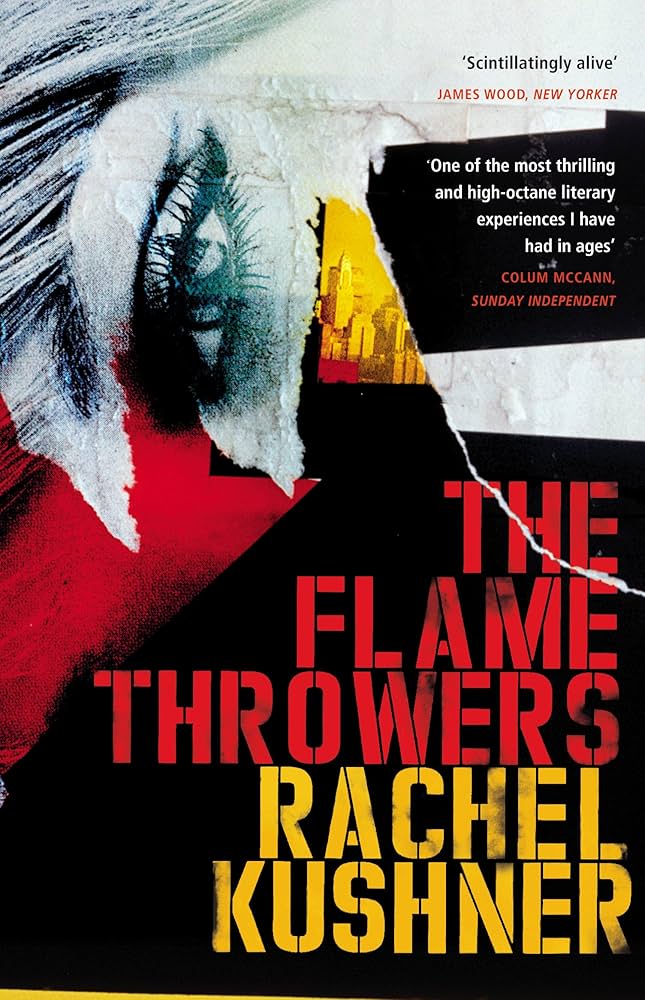
For anyone who wants to dive deeper into Kushner’s bibliography, The Flamethrowers is a great place to head next. Exploring a different strand of radicalism, it has a similar interest in sub-cultures and follows an art school graduate who joins a motorcycle crew in 1970s New York.
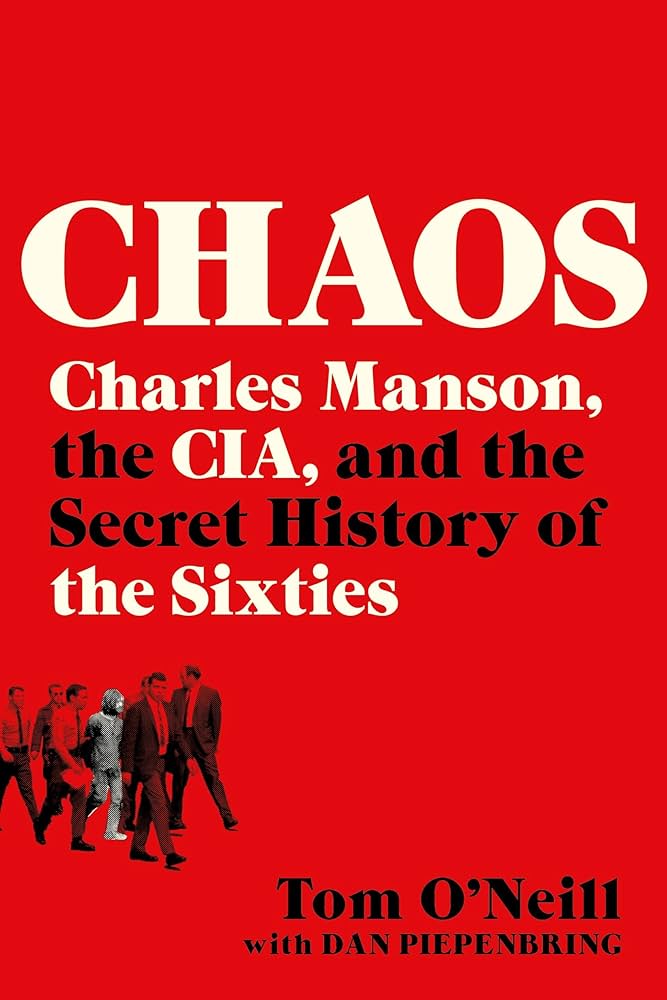
If you love the espionage part of the novel and want to indulge the tinfoil-hat part of your brain, this deep dive into Manson and the CIA in the 1960s is perfect. What was meant to be a six-month story assignment turned into a 20-year web of inconsistencies, discoveries and conspiracy.
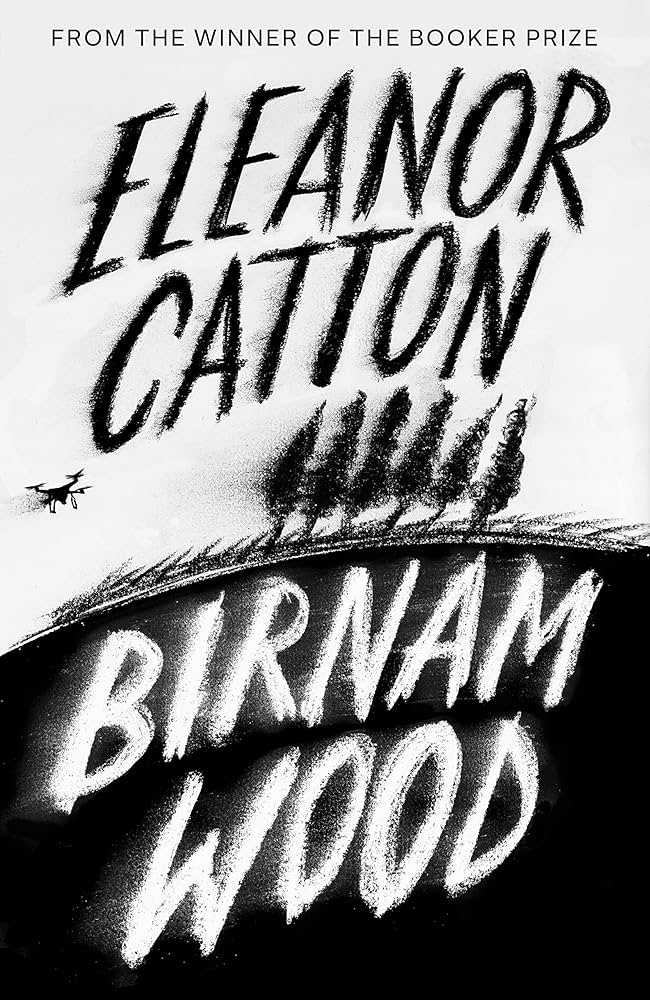
The closest modern parallel in both genre and topic – the psychological thriller follows a group of idealistic young guerrilla gardeners who, facing climate destruction, get involved with a tech billionaire in New Zealand.
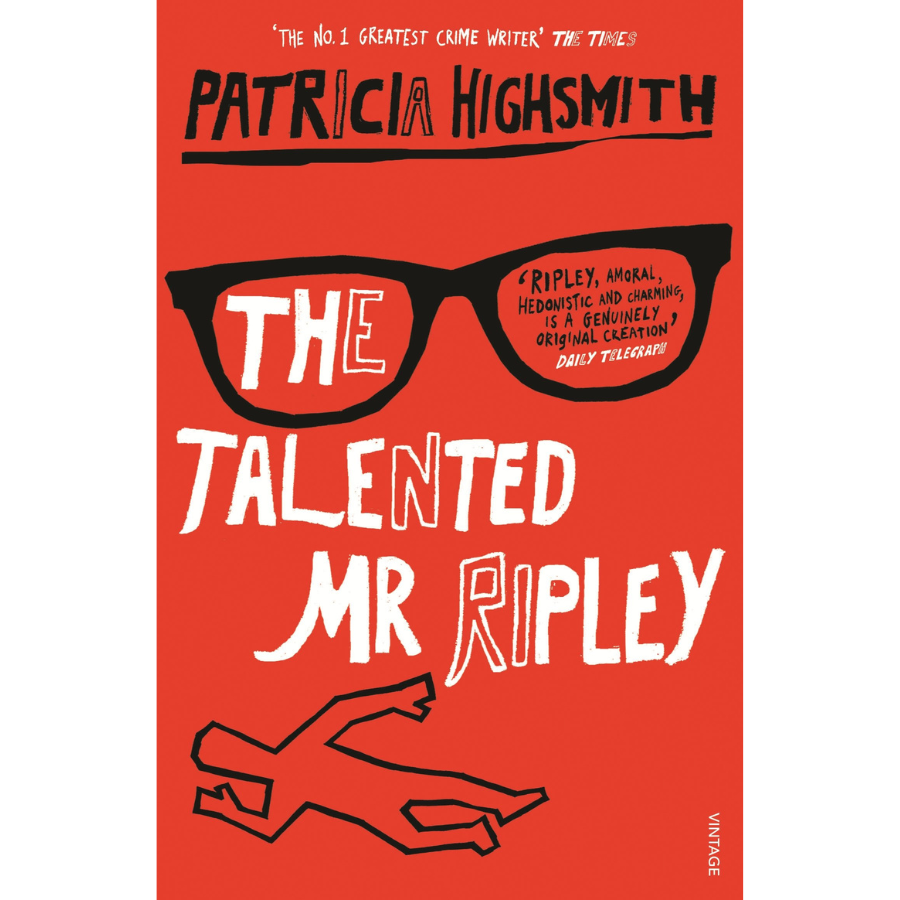
It’s hard to read a book about a borderline sociopathic outsider infiltrating a group who has rejected convention on a European coastline without thinking of Ripley.
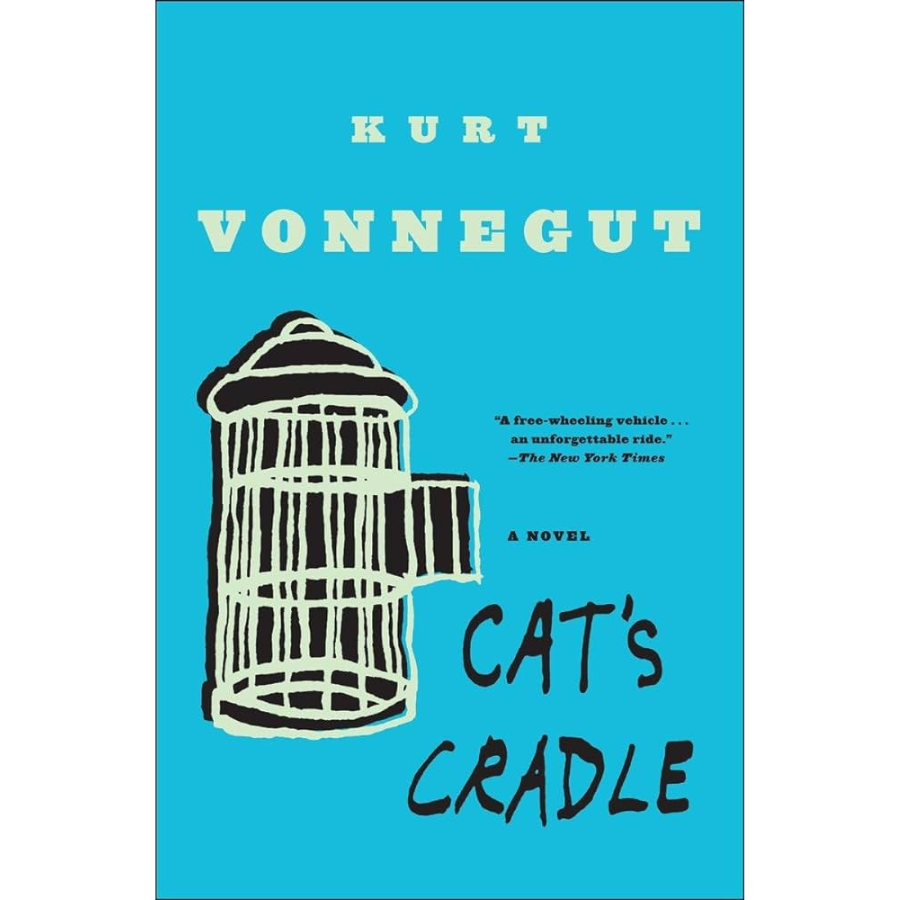
If you were a fan of the more farcical elements of Creation Lake – especially the climactic conclusion – Vonnegut’s classic about a devastating weapon of mass destruction, and journey to a remote Caribbean island to find the creator, is a perfect new read.
Introducing our February pick…
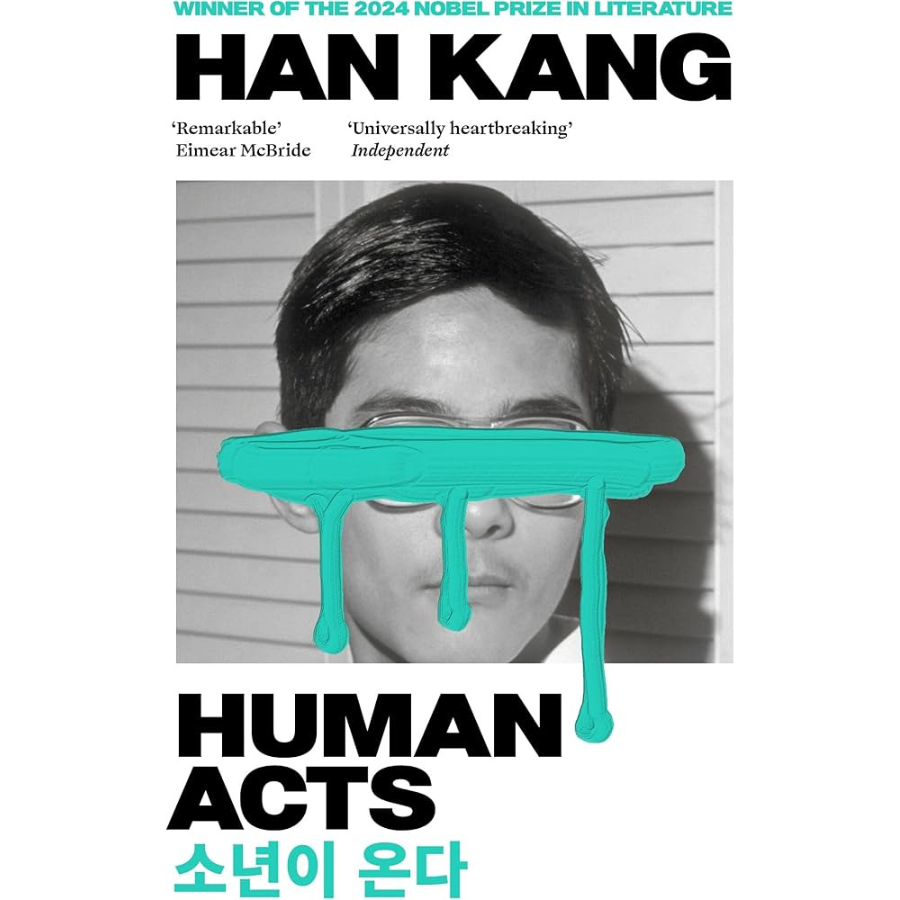
Human Rights
Han Kang
Our February pick comes from the 2024 Nobel Prize Winner Han Kang. In 2016 Kang also became the first ever Korean-language winner of the Booker Prize for her novel The Vegetarian. Human Acts, the first to be translated post-Booker win, is set around the real-life political uprising in Gwangju in 1980, and is especially pertinent today. At just 220 pages, this is the perfect introduction to one of the modern greats.