The Japanese Green Teas Replacing Matcha
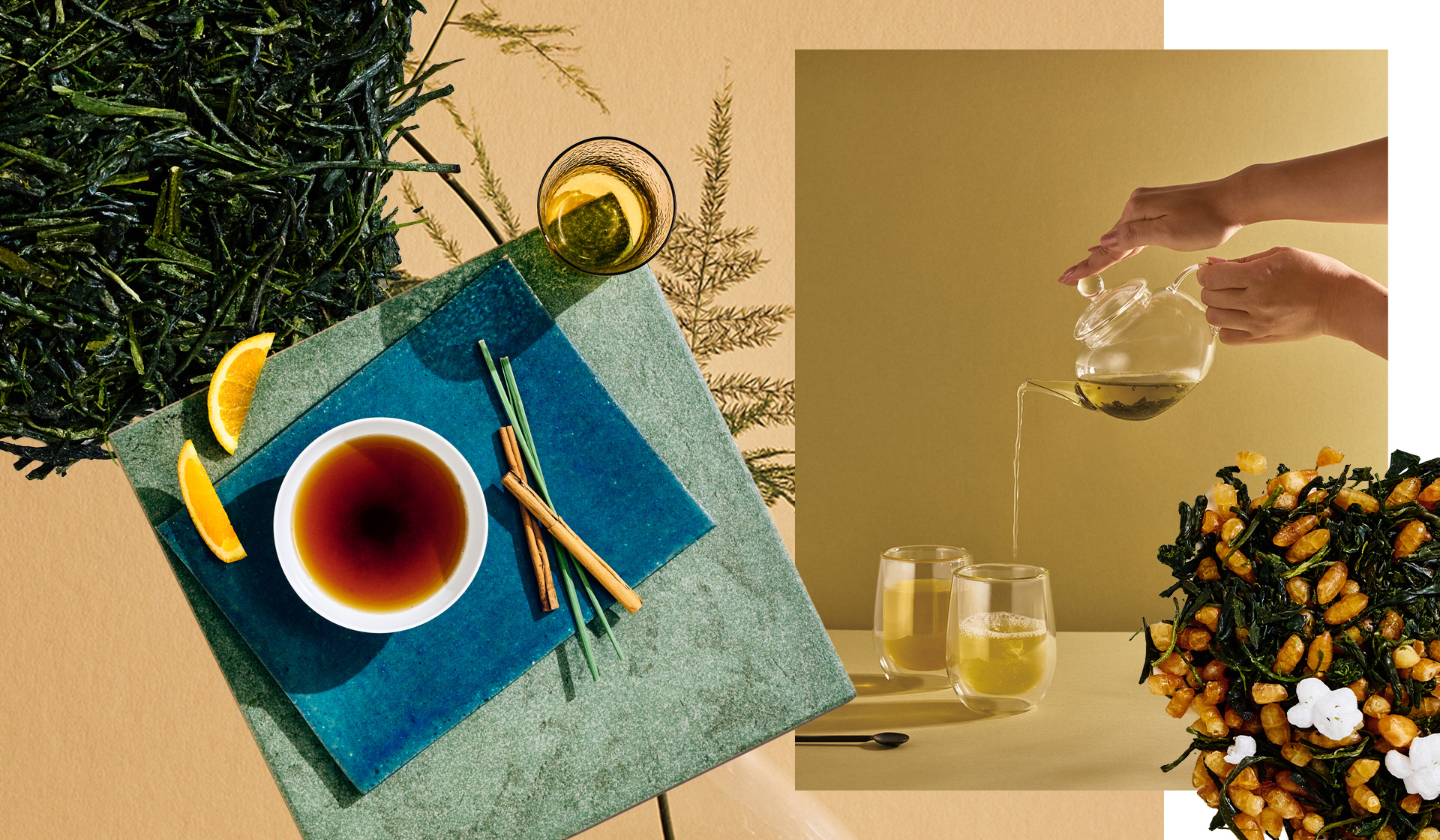
For years, matcha has stood in for Japanese green tea as a whole. It’s familiar, comfortable to spot on menus, and often the only green tea many UK drinkers could name. But in Japan, matcha is just one expression of a much broader tea culture, one built on variety, aroma, craft and quality.
In Partnership With JFOODO
Japanese green tea has always been about choice. Different leaves for different moments. Fresh, grassy cups when you want clarity, roasted teas when the day starts to slow. Once you look beyond matcha, the category opens up in ways that feel surprisingly intuitive to British tea drinkers, despite it being loose leaf. It mirrors how we already think about tea as a brew that serves both function and comfort, but with loose-leaf Japanese green tea, it adds a bit more ritual to the process.
The main point is that Japanese green tea is so much more than matcha. It’s a category with defining pillars of aroma, quality and wellness, one that’s more than deserving of a closer look and something to be tried.
Mallory, Junior Food & Drink Editor

1. Sencha
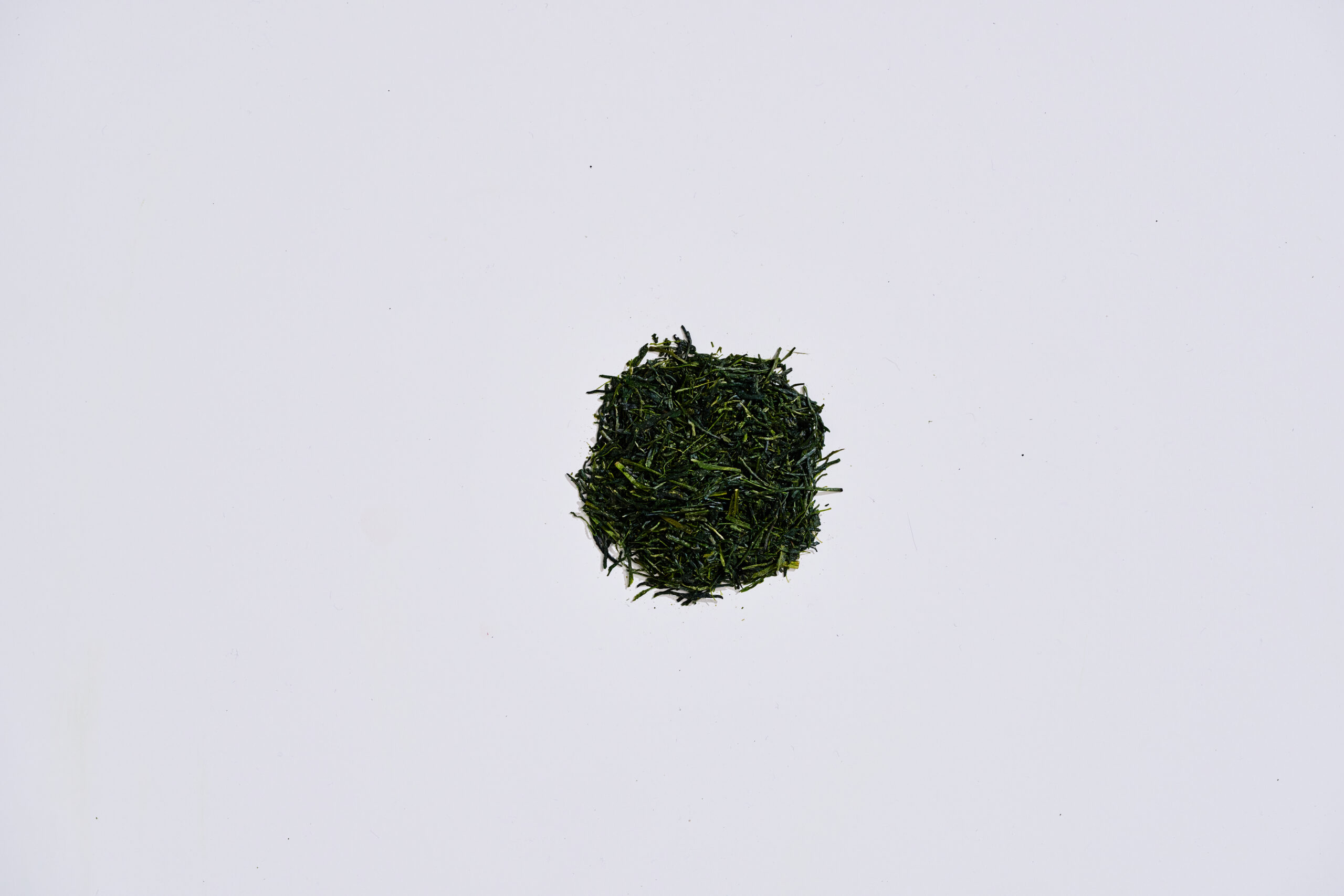
If there’s one Japanese green tea that fits most easily into British tea habits, it’s Sencha. It’s the most widely consumed green tea in Japan, known for its fresh, grassy aroma and clean, uplifting taste. Consisting of dried whole or rolled tea leaves, it’s an easy, everyday cup with broad appeal.
Quality Sencha is instantly recognisable by its bright colour and vivid aroma — a sign of careful harvesting and precise steaming. Naturally rich in theanine, it delivers gentle clarity without sharp caffeine highs, making it an easy choice for mornings or early afternoons, whether you like a hot tea or over ice.
Growing up in a traditional family in Tokyo meant
Keiko Uchida, Owner – Keiko Uchida
having a traditional Japanese breakfast every morning. Most often that was fish and rice, miso soup with an omelette, and always with a few cups of Sencha. It is a traditional Japanese combination, and a nostalgic one for me.

2. Genmaicha
Genmaicha blends green tea with toasted rice, creating a tea that feels instantly familiar. Its warm, nutty aroma and gentle flavour make it one of the most approachable Japanese green teas — particularly for those used to comforting, rounded brews.
The blend of Japanese green tea and roasted rice, mixed in a 1:1 ratio, results in less caffeine while still preserving the freshness of green tea, resulting in something that feels grounding and easy to return to, cup after cup. The addition of rice softens the profile, giving notes of vegetal and umami, and a nutty, sweet taste.
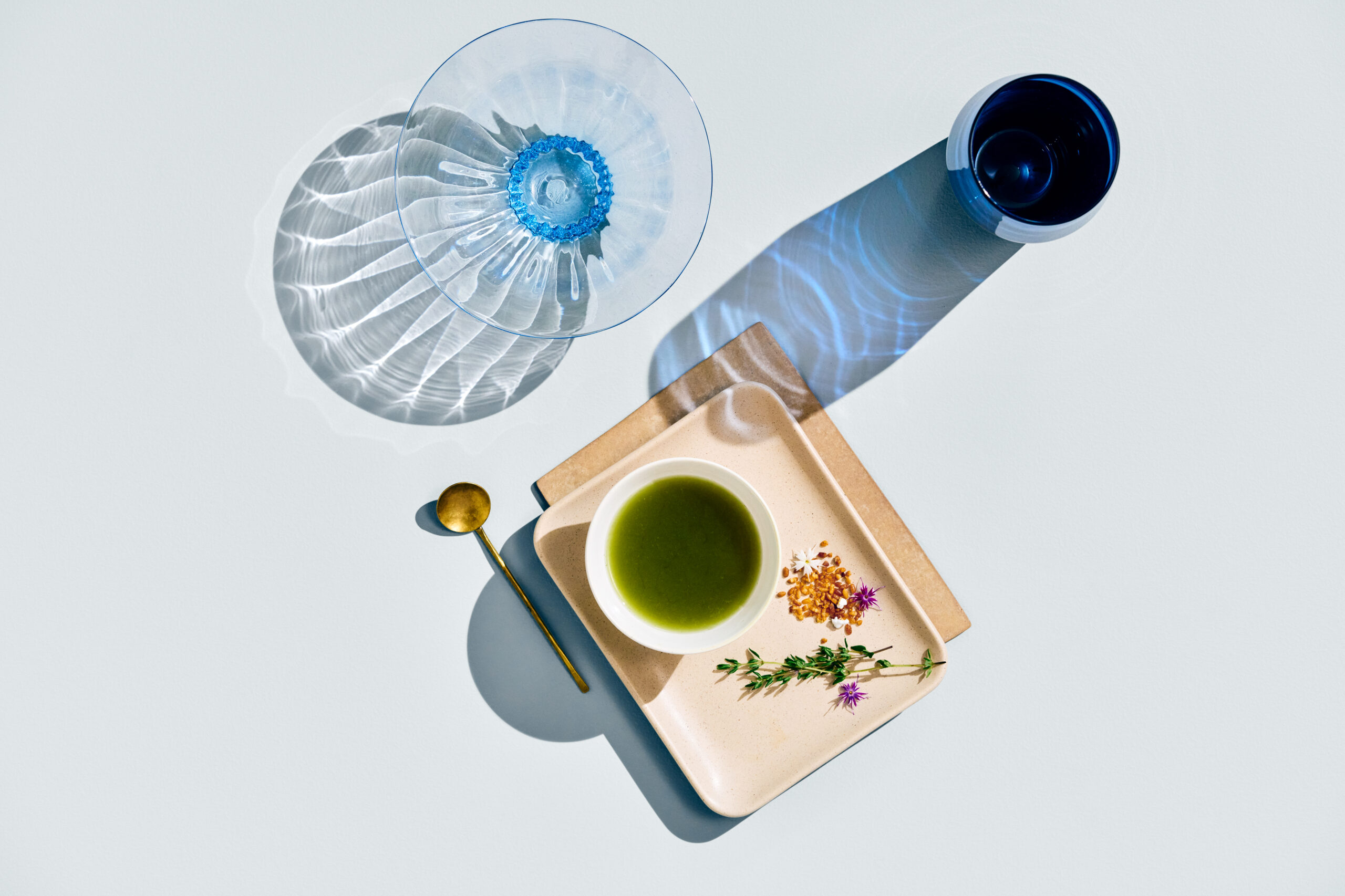
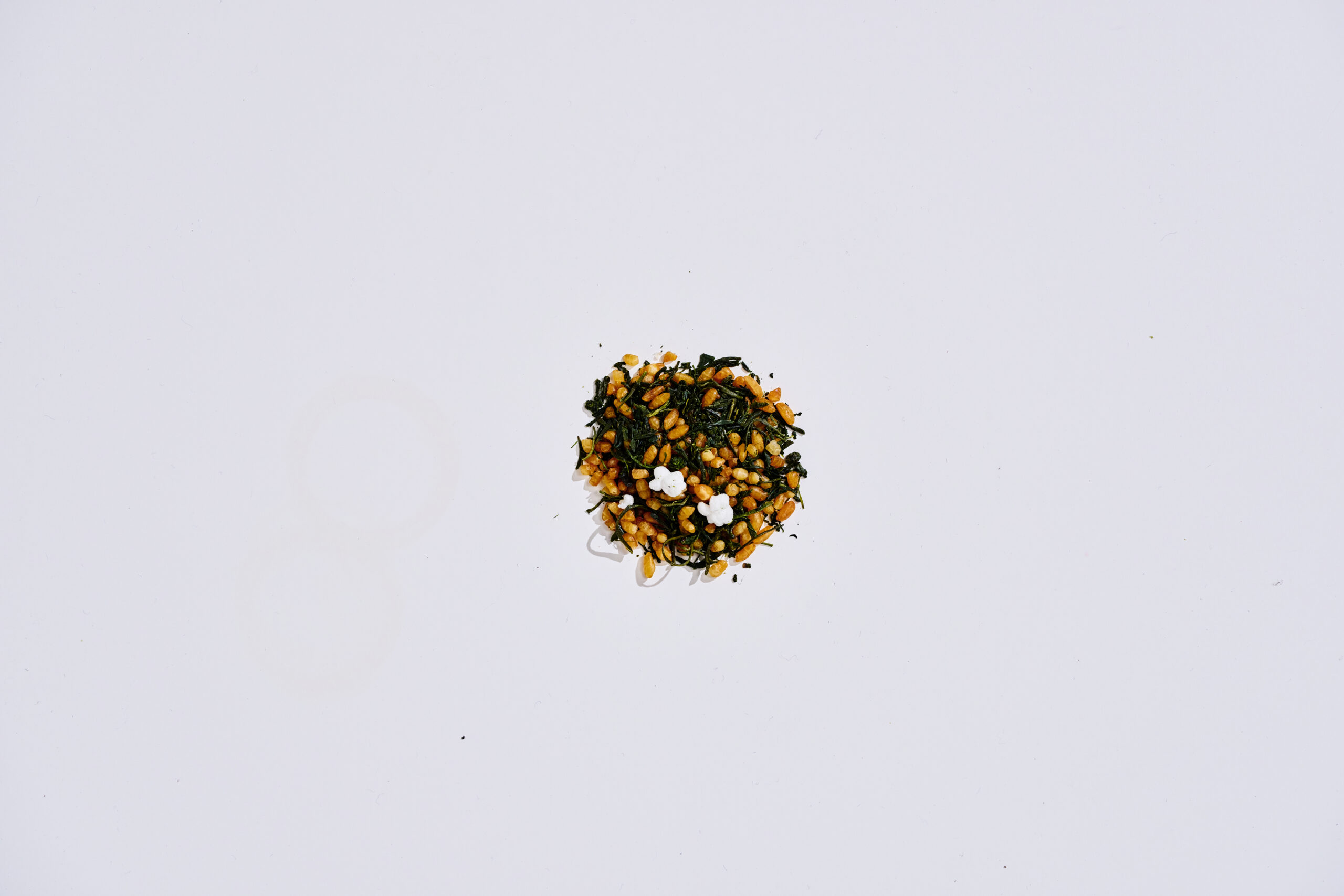
Genmaicha is a gentle and easy to drink tea. The warm nutty notes of the roasted rice make it feel very soothing, but the freshness of the sencha still makes it uplifting.
Timothy d’Offay, Owner – Postcard Teas
3. Gyokuro
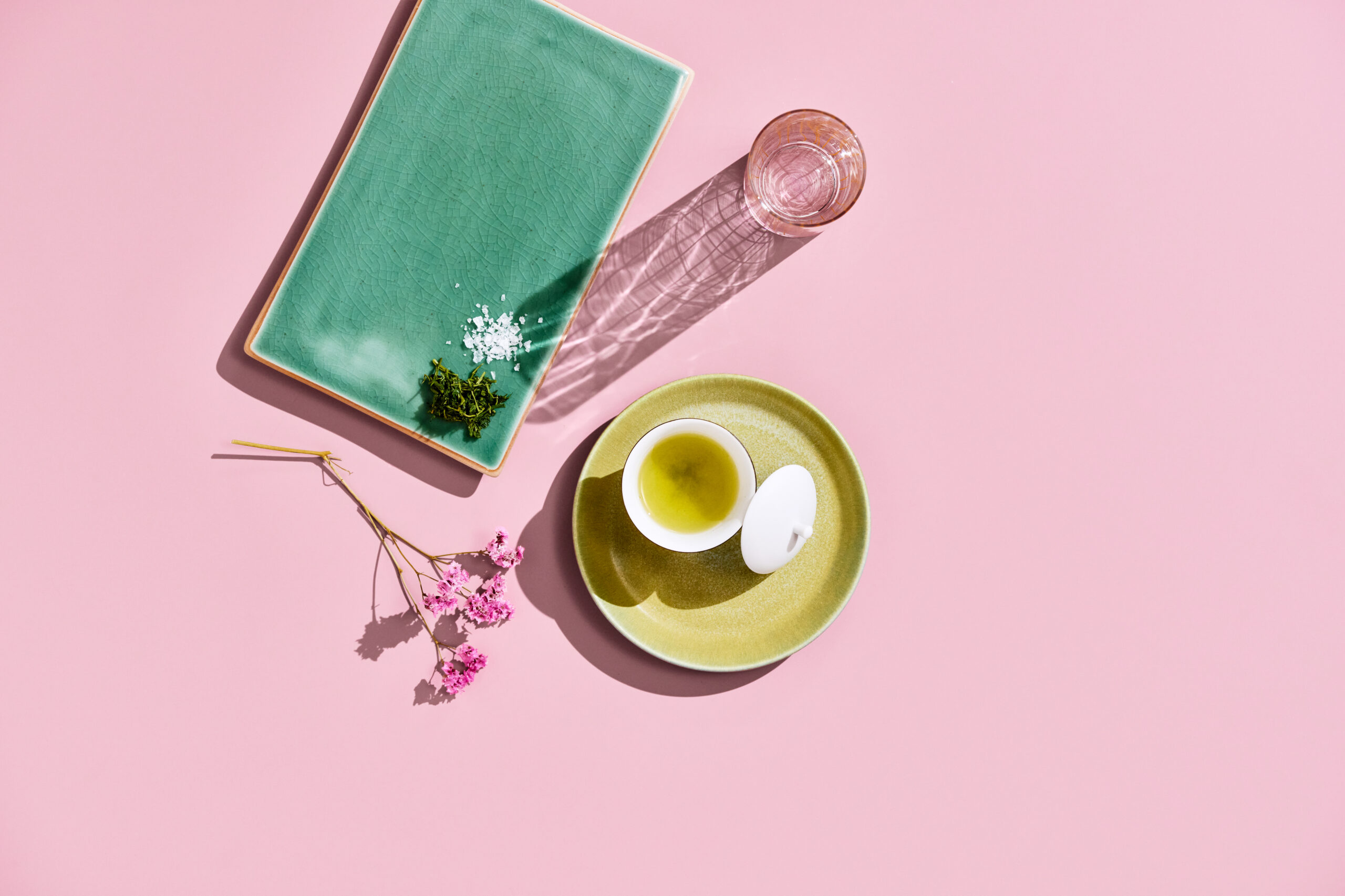
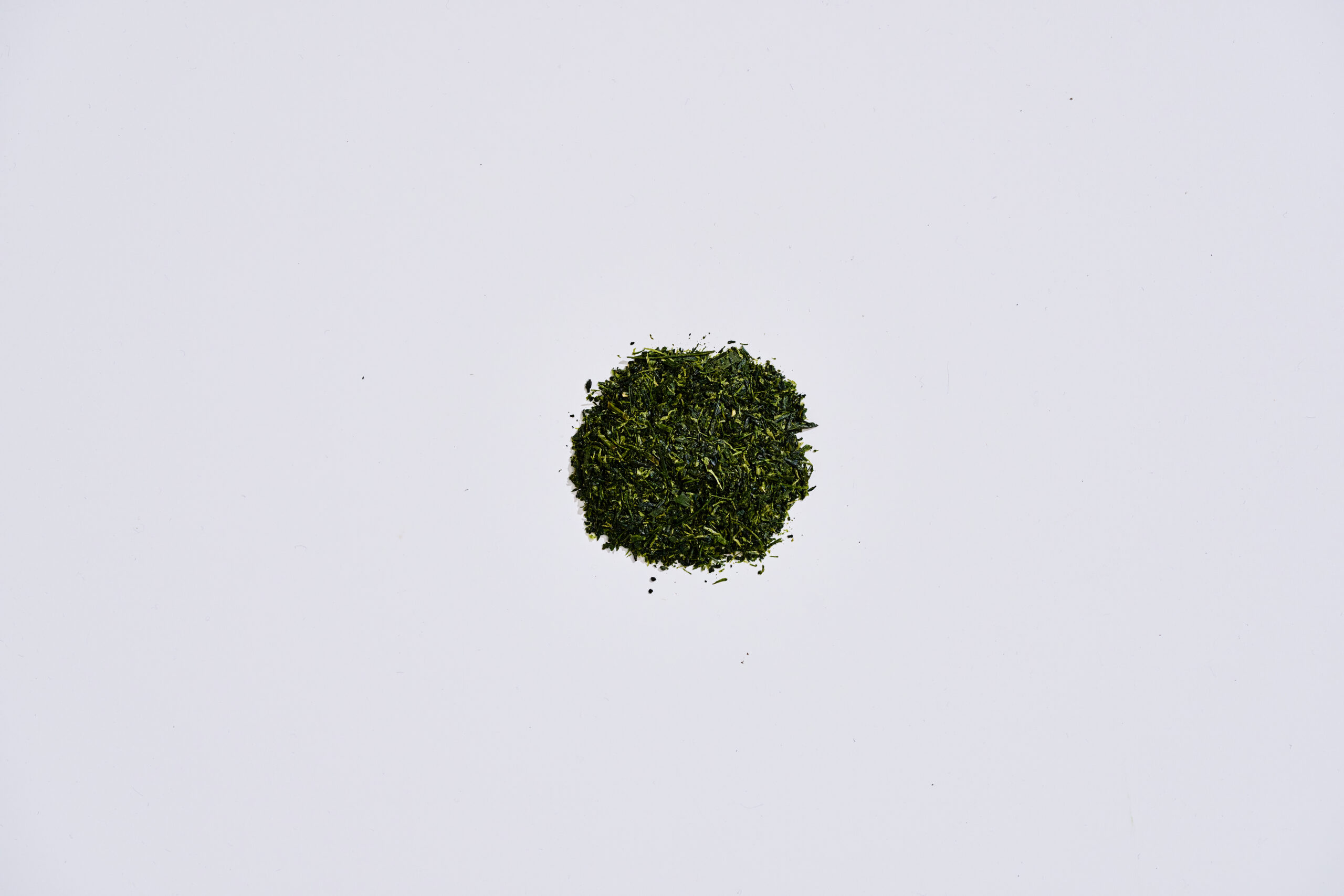
Gyokuro is where Japanese green tea becomes more contemplative. Grown under shade before harvest, the leaves develop a richer aroma and a soft, yellowish hue. Gyokuro has an earthy aroma which is believed to have a calming effect, making it suitable for reflective and meditative ceremonies.
This careful growing method enhances theanine levels, giving Gyokuro its silky, full-bodied mouthfeel with a rich, oceanic aroma. It’s a tea shaped by patience and precision — one that rewards slower drinking and attention to detail.
If Sencha is everyday clarity, Gyokuro is about depth.
I enjoy the process of cooling the water and then savouring multiple infusions. Often up to 4 or 5 steeps. The freshness of the tea with it’s high caffeine content makes it revitalising and always leaves me feeling awake, alert and ready to tackle the day.
Charlie Avendano , Owner – Tencha Teas
4. Hojicha
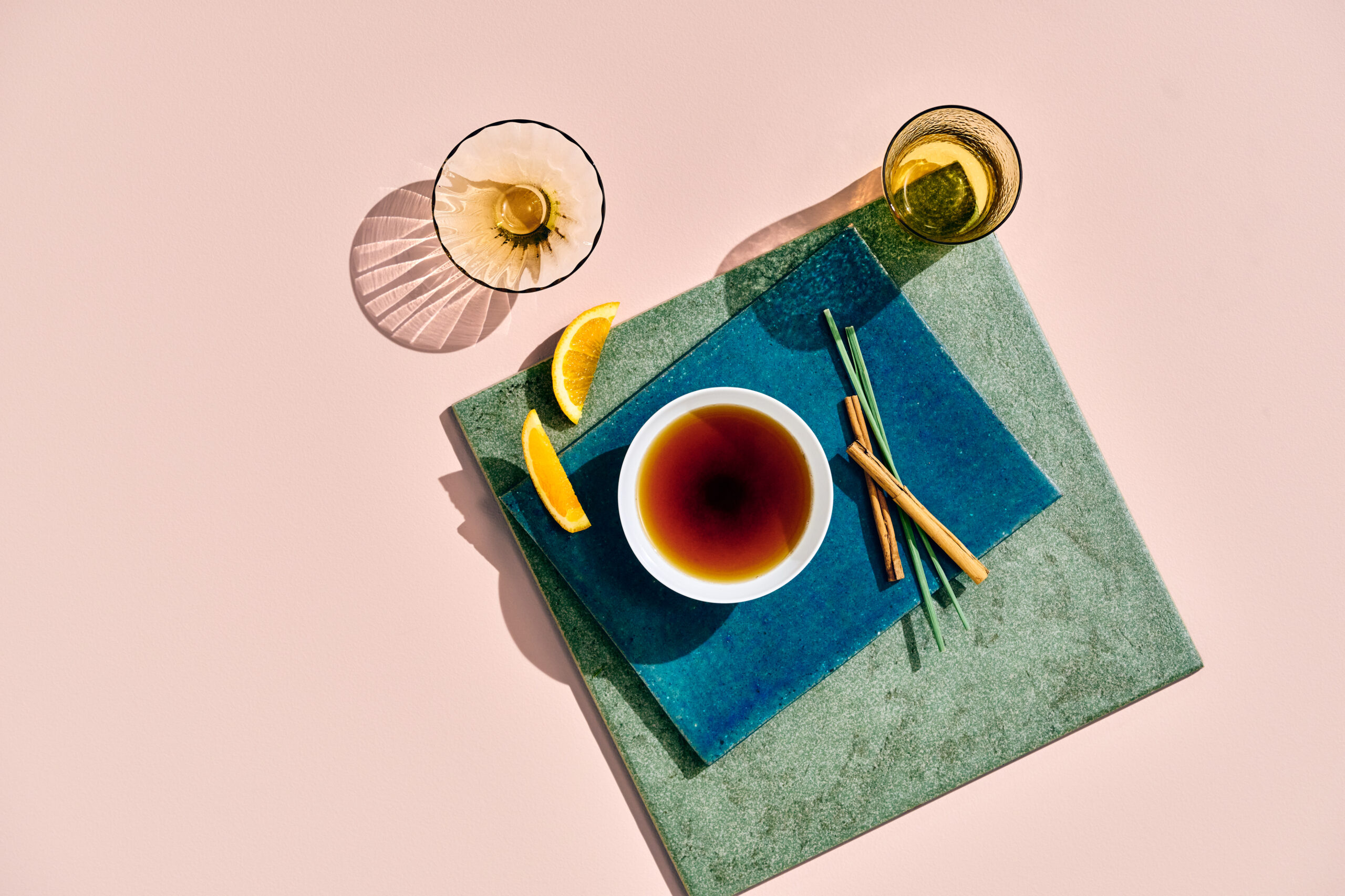
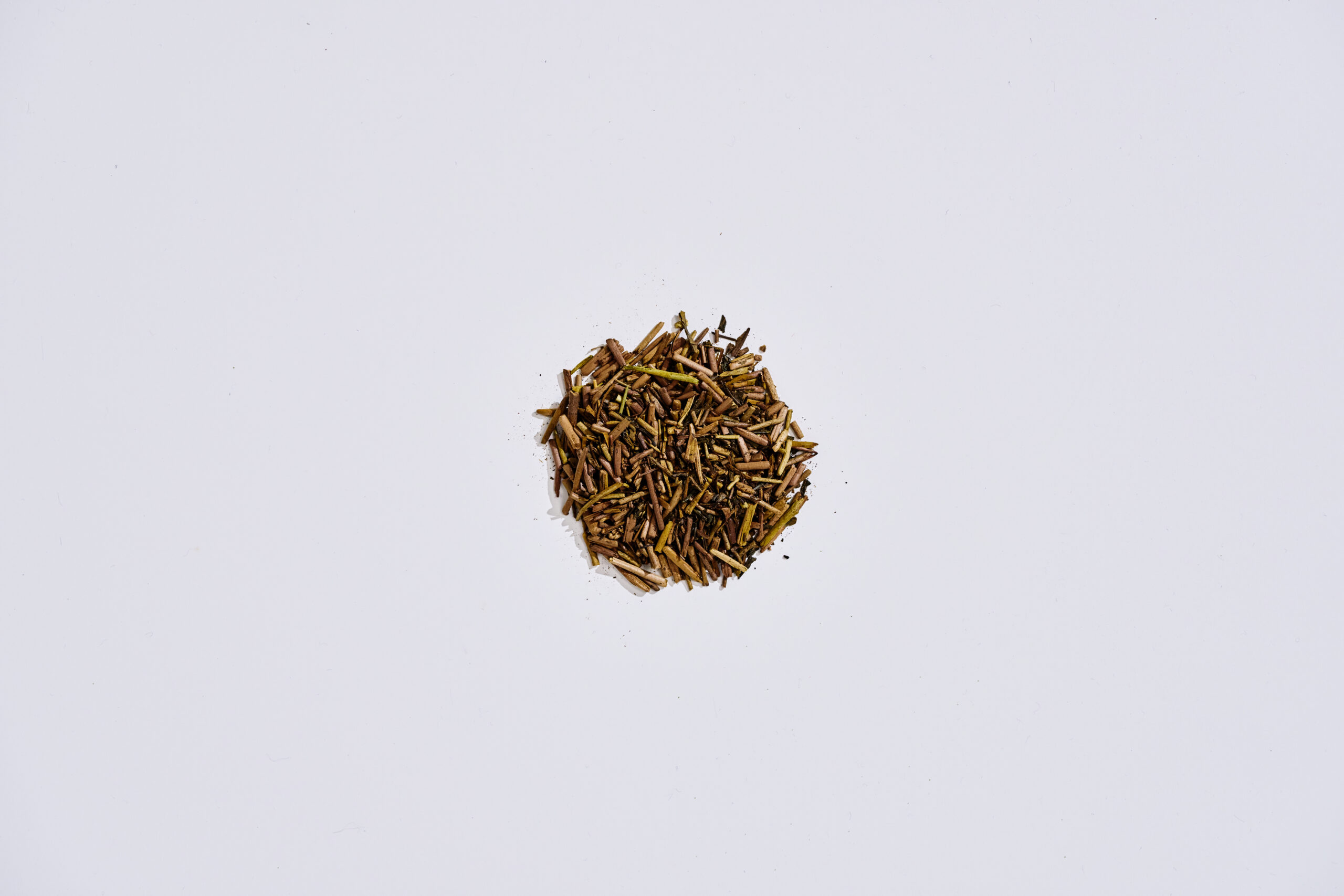
Hojicha takes a different approach altogether. Sencha or bancha tea leaves are roasted in high temperatures, developing a deep, earthy aroma with warm, toasty flavour, and a softer caffeine profile that suits later moments in the day. The aroma and flavour of Hojicha are affected by the roasting time and temperature
Its aroma is warm and unmistakable, and the roasting process transforms reddish-brown tea into something mellow and soothing — proof of how craftsmanship can completely reshape flavour, function and feel.
My family in Japan will always drink a cup of Hojicha
Keiko Uchida, Owner – Keiko Uchida
after supper to encourage the food to go down easily. Interestingly Japanese hospitals also serve mild cups of Hojicha to their patients at every meal. It’s clearly a very healthy tea, and is good for getting to sleep, and especially good for those who don’t get on with caffeine.
Quality matters
Across all four teas, quality reveals itself first through aroma — often before a cup is even brewed. The fragrance released by the leaves, followed by colour and flavour in the cup, offers clear clues as to how the tea was grown and handled.
That attention to quality has deep roots. According to Japanese tea history, tea cultivation in Japan is closely tied to Kyoto, particularly the Uji region, which became known for producing exceptional tea centuries ago. Zen priest Eisai is credited with introducing tea cultivation techniques to Japan, helping establish tea not just as a drink, but as something considered and refined.
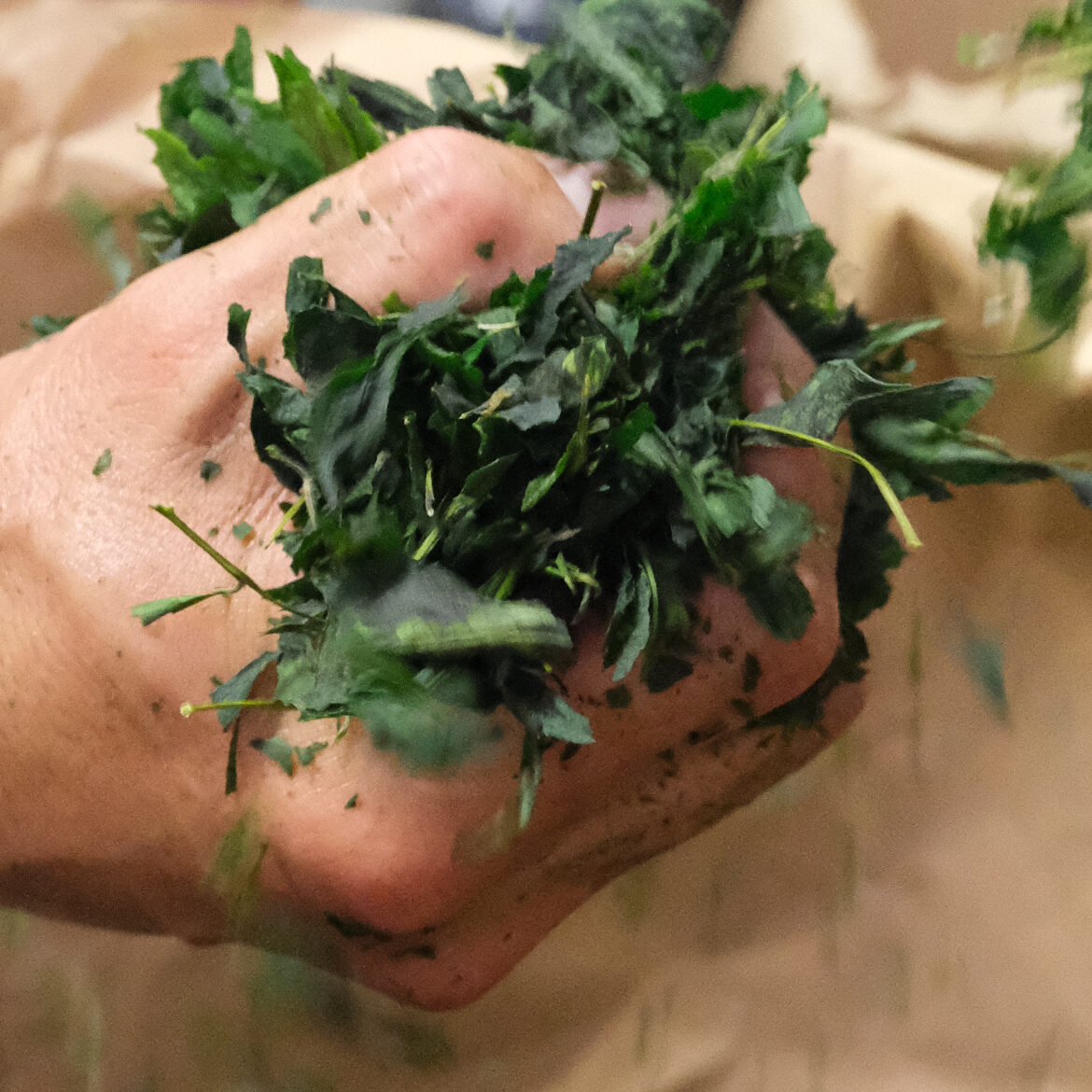
Over time, different styles emerged. While powdered teas became closely associated with formal tea culture, leaf teas such as Sencha and Gyokuro developed through careful innovation. Gyokuro, in particular, evolved in Uji as a shade-grown tea, valued for its depth, aroma and distinctive umami character — a direct result of deliberate growing techniques rather than chance.
How a tea is grown determines how it smells. How it’s handled determines how it tastes. These aren’t trends, but craft traditions preserved and refined over generations.
These traditions still shape Japanese green tea today. Harvest timing, shade-growing and roasting methods all influence aroma, appearance and taste. How a tea is grown determines how it smells. How it’s handled determines how it tastes. These aren’t trends, but craft practices preserved and refined over generations.
I’m a lifelong Japanese green tea lover (not to commend myself). I’ve been having a cup of green tea every morning for years and I love the ritual of finding new favorites and flavour profiles. There is so much range, Gyokuru for caffeine or Genmaicha for the winter months, and it’s exciting to notice the differences between varieties.
Caitlin, Senior Campaign Success Manager

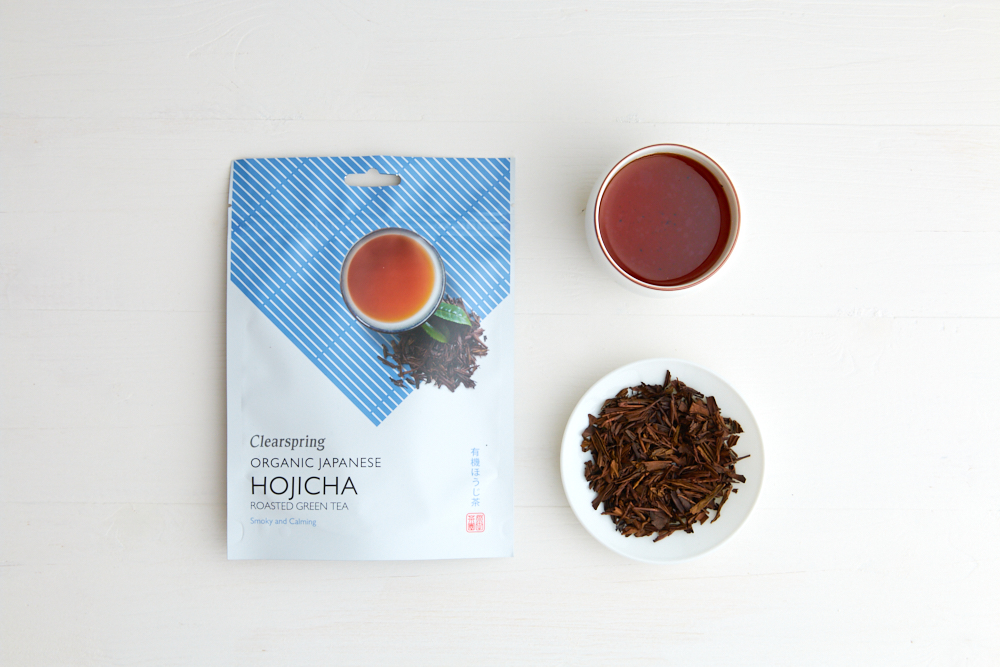
Credit: ClearSpring
Where to begin
For those ready to explore Japanese green tea, trusted UK stockists now make it so much easier to discover high-quality Japanese green teas, selected for authenticity and flavour. These curated selections offer a confident starting point, whether you’re drawn to fresh and grassy or warm and roasted.
Japanese green tea is more than matcha. It’s a category defined by aroma, quality and craft – one where scent offers the clearest insight into freshness, skill and intent. From the grassy lift of Sencha to the toasted warmth of Hojicha, aroma is not a side note but the foundation of the experience. It’s what distinguishes styles, signals quality, and shapes how each tea fits into daily life.