Greece Yourself Up: Which Greek Island To Visit First?
From aquamarine seas to dramatic, awe-inspiring landscapes, the fabulous Greek islands never fail to deliver. We’ve teamed up with Chic Retreats to bring you some of their favourite spots. Whether drinking in the iconic Santorini sunset, exploring the mysterious ruins of Naxos, or watching breeding seals in Kimolos, you’ll find a touch of authentic Hellenic magic at each of these gems.
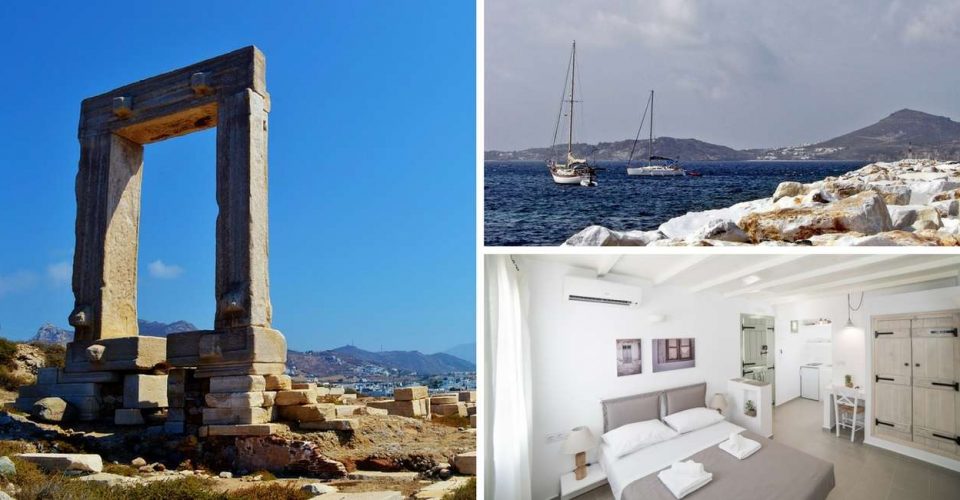
Naxos
The greenest island in the Cyclades, Naxos is ideal for hikers and historians alike, with beautiful trails leading you from sleepy villages to ancient ruins.
What to do: Wander through the atmospheric alleys and steps of the labyrinthine Kastro, Chora’s Byzantine old town. Dominated by the imposing Mount Zeus, the interior of Naxos is a haven for hikers, with numerous trails lined with fig and olive trees snaking their way through the lush Tragea plateau. Explore ruined temples and ancient monasteries, or seek out the mysterious kouroi statues lying unfinished in the hillside. Alternatively, head to Agios Prokopios beach for soft sand and crystal-clear waters, or to the secluded sandy coves of Cape Kouroúpia for a spot of skinny-dipping, if you’re so inclined.
What to eat: Keep it local by sampling the beautiful produce of Naxos’ fertile hills. Chips made from the island’s famed potatoes are a must, while cheese-lovers should seek out arseniko goat-cheese and crumbly xinomyzithra. Grilled sheep, goat and beef are all particularly satisfying, while rabbit and partridge are seasonally available in rustic tavernas. Wash it all down with a glass of kitron, the island’s citrus-flavoured liquor. Unsurprisingly, you’ll find the restaurants in the rural areas to be more authentic than those in the harbour: Axiotissa, on the west of the island, is a particular treat.
Where to stay: Nestled in Chora town, the charming Nastasia Village Boutique Hotel has a chic, minimalist décor and peaceful gardens, making it an ideal getaway for your stay.
How to get there: The island has a domestic airport serviced by flights from Athens. Alternatively, Naxos is an hour and a half ferry journey from Santorini or a 1 hour ferry from Mykonos. Both islands have international airports.
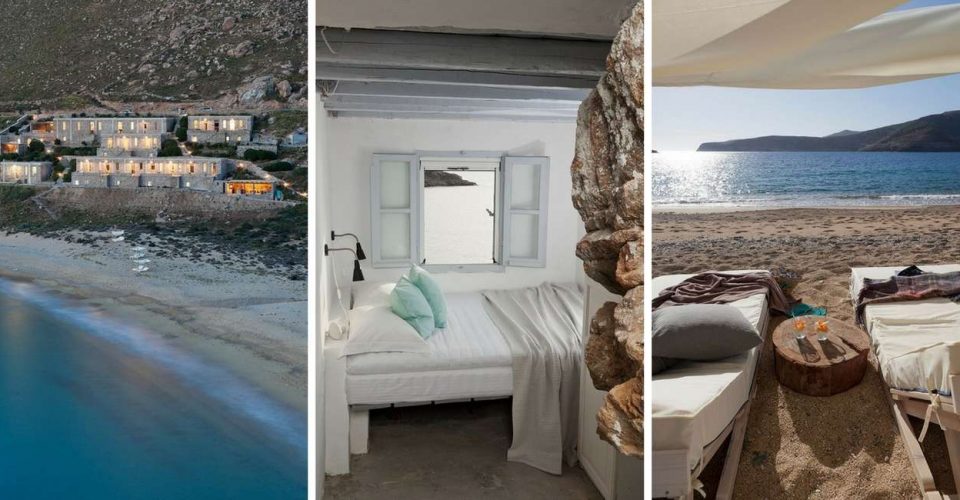
Serifos
Mythical home of the legendary Cyclops, this former mining island has a rugged, dramatic beauty and a sleepy pace of life perfect for a serene Greek getaway, without the crowds of more famous neighbouring islands.
What to do: Away from the bustle of the island’s main port, the hilltop capital of Chora is a cascade of whitewashed houses and turquoise roofs. Follow the hand-painted signs to the marble square, where you can lounge alongside snoozing cats. The island’s dramatic peaked landscape is spectacular for hikers; explore the remains of the old mineral mines, or head to the Panagia Skopiani church in the north of Serifos for beautiful views. Psili Ammos beach is deservedly famous for its soft sands and azure waters, but a little bit of exploration will soon lead you to one of the island’s many, many deserted stretches of perfect coast.
What to eat: Stou Stratou, a traditional kafenion in Chora town serves a chocolate cake famed across the island, and is also a great place to try the local speciality of pikalia, a mixed plate featuring meat, fish or vegetarian bites. For more laid-back, traditional fare, head to a beachfront taverna. Cyclops, at Kalo Ampeli, has tables right on the sand, and serves mouth-watering delicacies such as fresh octopus, keftedes and fava beans.
Where to stay: Situated in the remains of miners’ cottages, Coco-Mat Eco Residences is a chic getaway overlooking the beautiful Vagia beach. Owned by the same team behind the sophisticated Greek-made natural bedding and furnishings of the same name, the atmosphere is elegant yet rural, with an emphasis on natural materials and architecture.
How to get there: Take a 2-hour ferry from the port of Piraeus in Athens, or a 3 hour 40-minute ferry from Santorini, both of which are served by international airports.
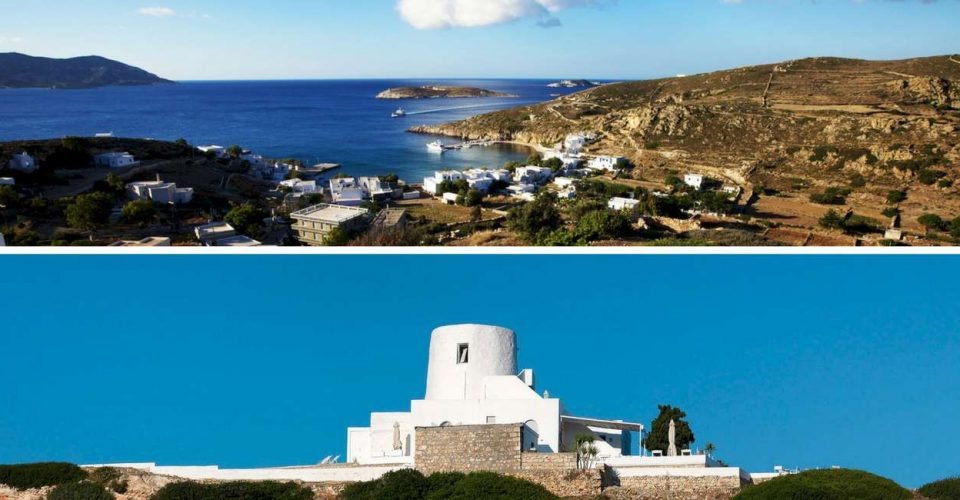
Kimolos
Blazing chalk-white in the azure waters of the Aegean, the dramatic craggy coastline of tiny Kimolos holds many secrets, from an ancient sunken city to waterlogged caves filled with monk seals.
What to do: Wander through the cobbled streets and squat medieval houses of Horio, the island’s petite gem of a capital. Alternatively, head back in time at Goupa Karra, a tiny fishing hamlet where buildings are carved into the rock face and fishermen hide their boats in colourful syrmata caves. There are plenty of deserted stretches of beautiful coastline to sequester yourself. The waters of Hellenika beach are home to the remains of an ancient sunken city, while at Prassa you’ll find thermal springs. Nature lovers will want to keep their eyes peeled for the Mediterranean monk seals that breed in the caves and waters surrounding Prassa.
What to eat: Although small, Kimolos packs a real culinary punch. Head to any of the island’s traditional tavernas for the most authentic meals where you’ll savour fresh xino cheese; ladenia, a type of topped-pastry resembling a pizza; and elenia, a delicious homebaked bread filled with olives. Wash it all down with a glass of the local wine, which glows like liquid gold.
Where to stay: Housed within one of the island’s famous windmills, The Windmill Kimolos is an enchanting boutique with beautiful views. With only five elegant rooms, this retreat is perfect for those looking for an intimate getaway.
How to get there: Take a 3 hour 55-minute ferry from Piraeus port in Athens, or a 1 hour 45-minute ferry from the island of Santorini. Both are serviced by international airports.
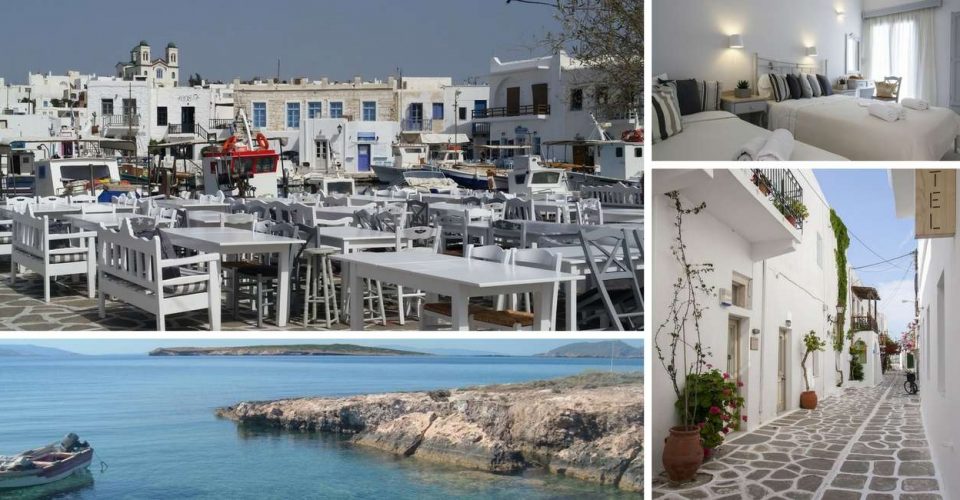
Paros
‘Life is nothing but sleep, swim, eat and read,’ wrote Cecil Beaton, when the photographer visited Paros with Truman Capote. 50 years on, and very little has changed on this laid-back getaway.
What to do: Despite an increasing popularity with jet-setters from around the globe, those looking for the authentic, unquantifiable magic of Greece won’t have to look far on Paros. The island’s most famous beach, Kolymbithres, has sparkling azure waters nestled amongst towering blocks of granite, worn into smooth and strange shapes by the passage of time. In the maze-like port of Parikia is nestled the Church of 100 Doors, scene of a lively festival each August when villagers carry the ancient silver icon of Mary down to the sea, with fireworks and raucous partying. Finally, literary lovers can make a different sort of pilgrimage to the majestic cave on sister island Antiparos, where Lord Byron left his signature over two centuries ago.
What to eat: Surrounded by crystal-clear waters teeming with life, it’s no surprise that the cuisine on Paros is all about fresh, simple seafood. Try the local speciality of sun-dried mackerel, grilled and served with only a slice of lemon. You can’t really go wrong with any of the traditional tavernas throughout the island, and Barbarossa is a particularly popular spot in peaceful Naoussa.
Where to stay: Tucked away in the labyrinthine cobbled streets of Parikia, Argonauta Hotel makes for a charming hideaway. The whitewashed walls are chic and crisp, whilst just outside you’ll find some of the island’s best design and clothes shops.
How to get there: Paros Airport is served by domestic flights from Athens International Airport. Alternatively a ferry from nearby Mykonos will take around 50-minutes, while a slower ferry from Santorini will take closer to 3 hours. Both islands have international airports.
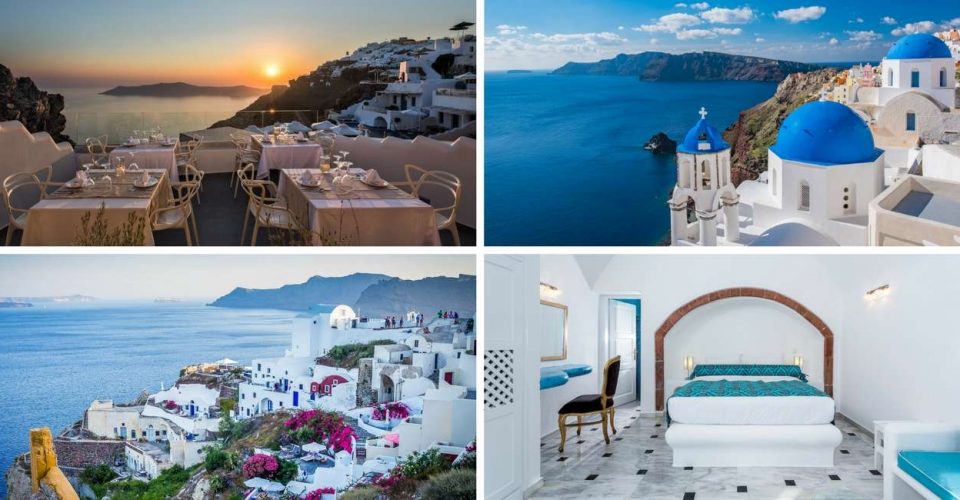
Santorini
A true gem that never fails to amaze, there’s more to Santorini than black volcanic beaches and the stunning caldera sunset.
What to do: Justifiably considered one of the most beautiful spots in the world, you would be forgiven for spending your time on Santorini meandering along the heart-breakingly picturesque streets of Oia and watching the truly spectacular sunsets over the volcanic caldera. If you want to really get under the island’s volcanic skin, head to the boutique gem of Pyrgos, less famed than Oia but no less beautiful. Get a different perspective on the famous sunset by watching it from the mountainous monastery of Profitis Ilias, which boasts gorgeous views over the entire island. Santorini has been suggested as the original site of the mythical Atlantis, and the buried Minoan city of Akrotiri provides a fascinating glimpse into the island’s history, comparable in importance to Italy’s Pompeii.
What to eat: The island’s rich volcanic soil is intensely fertile, and you’ll taste some of the finest fresh produce available in Greece on Santorini. The island’s tomatoes, bursting with flavour, are particularly good when fried as a traditional fritter and paired with the ubiquitous fava paste and salty capers. Wash it all down with a glass of the island’s excellent wine. For a truly special occasion, head to up-market Selene; for more traditional fare, Aktaion is the oldest taverna on the island, and has been wowing with its simple but delicious food since 1925.
Where to stay: With stunning views over the caldera, the luxurious Pegasus Suites and Spa is our top pick for a Santorini escape. Toast the setting sun with a cocktail from the chic bar, or pamper yourself in the hotel’s spa. For a special treat, plump for one of the suites with sunset views and a private Jacuzzi.
How to get there: Santorini International Airport has direct flights from London, alternatively you can take a 3 hour ferry from Mykonos.
About Chic Retreats: For more great boutique hotels in Greece see here. The home of small and independent, unique boutique hotels, Chic Retreats brings discerning travellers together with passionate hosts in some of the world’s most beautiful locales.