In Defence Of Nightclubs
When I was young, I dreamed of living in a big city, strutting down concrete catwalks, writing like Carrie Bradshaw, dating, making messy mistakes, and clubbing. I thought the nightclub would play a much more significant role in my early twenties than it has. I wondered where everyone was, why people went home from the pub at 11, why dancing felt like such a commitment. At some point, I realised the nightclub was in a coma — I just happened to be young when its heart rate slowed.
After years of closure, regulation and pandemic-era retreat, there is finally the slightest scent of sweat and the faintest whisper of a thumping bass floating around in the after-hours once again. Our hunger for the club is rebounding, pushing back against loneliness and redefining community, finally carving out a place in the city’s future after years of feeling like it might be too late. London’s nightclubs are more than late-night entertainment and sex dungeons; they are cultural engines. Let’s hope the spikes stick into the mountain.
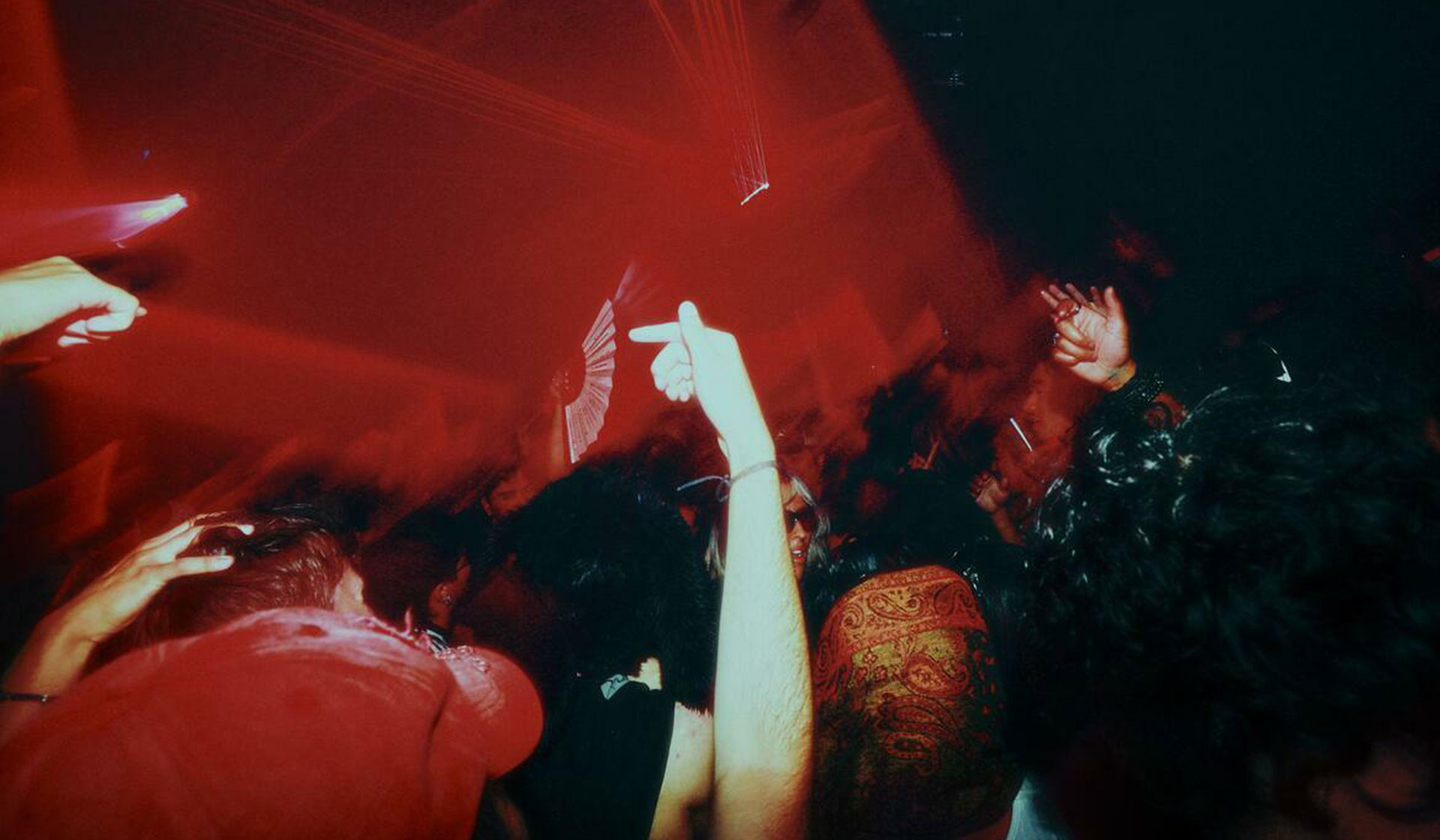
The noise is a beautiful thing: the sweat, the smoke, the sex of it all. It’s a sign that ordinary people want to return to one another, not just to dance, but to share their lives and to rebuild a third space dedicated to the absorption of culture — and the sharing of it.
Why we stopped going out
One in 10 UK adults reports having no close friends. That is a tenth of the population reporting complete isolation. A March 2025 survey by global health service company Cigna reported that 43% of participants sometimes or always felt isolated from others, with only 53% of participants saying they felt they had meaningful in-person interactions day to day; the report claims that Gen Z felt the loneliest.
While some might say that loneliness is a symptom of the world — stick it out, get to work, it’ll figure itself out — they might not understand that it is currently viewed as a global health threat. The World Health Organisation stresses loneliness has serious physical and mental health consequences. Staying in might not be all it’s cracked up to be.
Somewhere along the way, we were told that Gen Z simply “isn’t a clubbing generation”. That we’d rather perfect ten-step skincare routines and be in bed by ten than drink, dance or touch.
Over the last several years, socialising has become, in every sense of the word, a commitment. We consult calendars, we circle back, we cancel, we flake, we blame the commute or the weather. Connection has been made a burden — a strain — and I don’t think it’s entirely our fault that we’ve ended up here.
First came the pandemic, where face-to-face connection was made something to fear. Then, the cost-of-living crisis, where connection became expensive. All of it balanced on a tightrope of long hours of taxing work for minimal reward. The nightclub — once a third space of release — was reframed as a nuisance, a place where money disappears and illness circulates. The home became the refuge.
Somewhere along the way, we were told that Gen Z simply “isn’t a clubbing generation”. That we’d rather perfect ten-step skincare routines and be in bed by ten than drink, dance or touch. To me, that pull towards self-care feels less like disinterest and more like reclaiming control. Self-care became a way to manage anxiety, to soften a world that felt increasingly loud and uncertain, to self-soothe.
But something is shifting. As the world promises to get harder rather than easier, it feels like we might be dropping the knitting needles. Impending doom has a way of reigniting appetite for risk, for connection, and for bonding with other everyday people who are just as scared, joyful, and wanting of escape as you are… a growing desire to reconnect with tangible culture.
Over the last several years, socialising has become, in every sense of the word, a commitment. We consult calendars, we circle back, we cancel, we flake, we blame the commute or the weather. Connection has been made a burden — a strain — and I don’t think it’s entirely our fault that we’ve ended up here.
The high years
The reason I thought that nightclubs may have played a larger role in general life was because of the history of it all, the portrayal of it in the movies of the naughties, the music, the paparazzi pictures; it was all at the club.
As a child, I watched as the big kids engaged in these incubators of music movements, where house, techno, garage, grime were all being born, experimented on and worshipped. The social architecture of intersectionality, anonymity and community converged in the space of the nightclub.
Studio 54 defined my expectations. The epicentre of disco and hedonism, paparazzi snapping Warhol, Cher, and Mick Jagger before disappearing into the vault. The images shaped my dreams of glamorous adulthood, of the secrecy of a venue, the anonymity granted to you upon entry, the boogies, the tunes. The venue is now a theatre.
As a child, I watched as the big kids engaged in these incubators of music movements, where house, techno, garage, grime were all being born, experimented on and worshipped. The social architecture of intersectionality, anonymity and community converged in the space of the nightclub.
Plastic People was a bare room in a Hoxton basement, which birthed the UK bass scene. It came to prominence in the nineties and noughties as a lab for dubstep, it notoriously possessed one of the greatest sound systems ever owned by a nightclub. In 2010, “layout and sound system changes” were enforced by the police for the sake of “prevention of crime and disorder and public nuisance.” On the site now stands a sunset cocktail bar underneath a burger chain.
In 2020, a great silence fell over the world, and it felt as though the club never quite came back. It’s almost as if digital culture replaced real-world congregations. It’s been six years since. But the arrows are finally starting to light up green, back to the club.
The nightclub’s renaissance
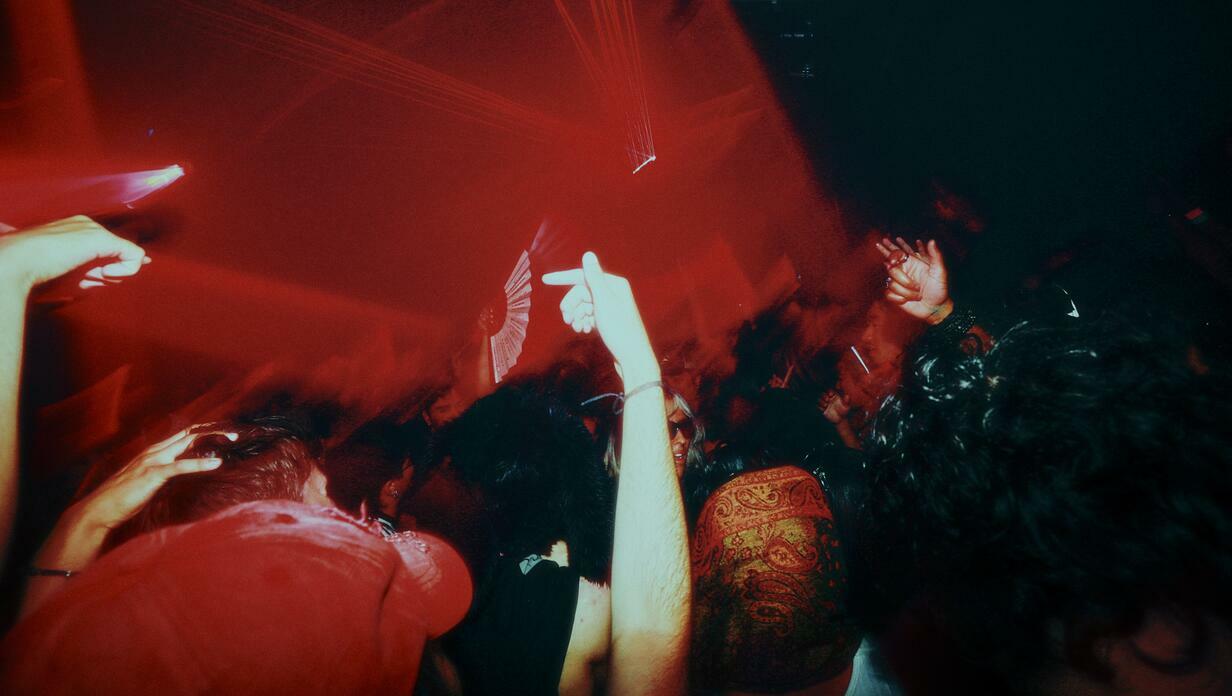
We’re finally starting to realise that texting is not the same as talking, liking is not the same as hugging, Hinge-ing is not the same as kissing. We want it back, we miss it, some of us have never even had it.
There’s a quiet cultural curiosity forming around nightlife again. Exhibitions documenting club culture of the past are filling gallery spaces. Late-night programming is creeping back into institutions once reserved for polite evenings and early exits. The night is being reframed — not as something reckless or shameful, but as something worth preserving.
At the same time, the return is coming in altered form. Not clubs as they were, but clubs as they might need to be now. Hybrid spaces that fold music into art, performance into exhibition, dancing into something socially legible again. This evolution creates loopholes — around noise complaints, around pricing, around the tired stereotypes of the early hours — and repositions the nightclub as something safer, more intentional, more welcoming. Not scary. Not a target.
Lost is reopening, if only temporarily, with the same refusal to conform, an amalgamation of cinema, live music, records, drinks; a sanctuary for the party. No phones, no line-up, tickets on the door. Lab 54 continues to reject traditional venues altogether, turning mansions, kitchens and living rooms into temporary dance floors. The Barbican has opened its doors after dark, programming nights that sit somewhere between performance, party and cultural experiment. XOYO is back. Ministry of Sound is back. The lights are flickering on again.
The repopularisation — and I hope I’m right about this — is more than a series of reopenings or an excuse to party; it’s a renaissance. Clubs should be treated as institutions by those in power, not as nuisances. The warm embrace offered by cultural powerhouses like The Barbican or The Tate, through their late-night programmes, shows that there exists safe havens for shared expression.
The return of the club feels like an active effort to preserve and build back London’s late-night culture, even to preserve our own identities outside of work and social media.
The nightclub, if anything, is an expression of collective emotional life — something we must experience and engage with now more than ever. Their return matters because it signals that we are coming back together as a people — we want to be together. The noise is a beautiful thing: the sweat, the smoke, the sex of it all. It’s a sign that ordinary people want to return to one another, not just to dance, but to share their lives and to rebuild a third space dedicated to the absorption of culture — and the sharing of it.
The nightclub matters
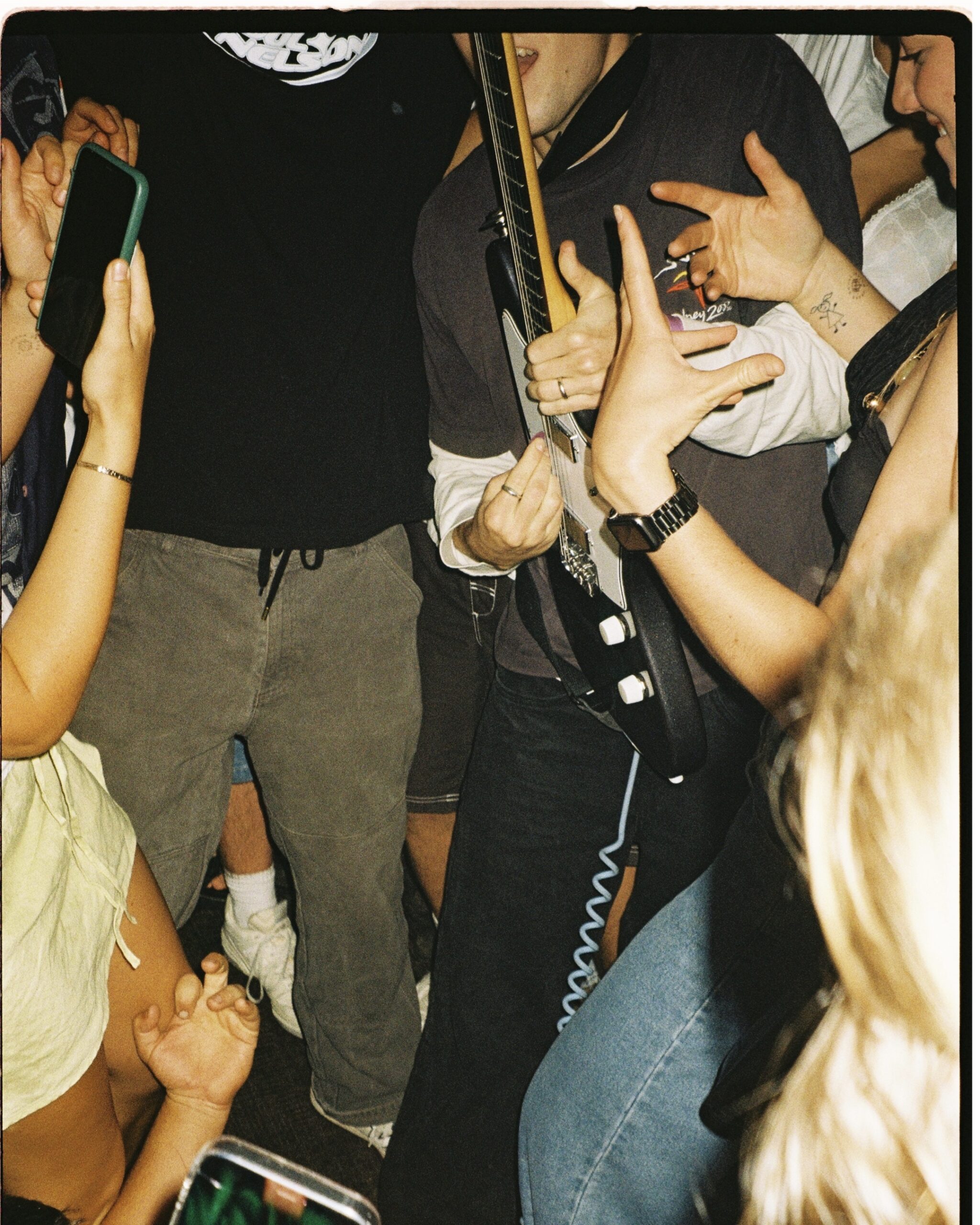
Since 2020, Britain has lost more than a quarter of its late-night venues. The fact that anything is returning feels intentional. As people grow more isolated, more digitally fragmented, the pull towards real-world congregation is harder to ignore. There is a desire for the intimacy of being part of something that only exists once.
Our lust for life has not died with the closure of venues, the closure of the world, or the threat of the end of it. The average person still craves a tangible connection; they crave an urban identity that emerges after dark. They crave to share space and time.
The return of the club feels like an active effort to preserve and build back London’s late-night culture, even to preserve our own identities outside of work and social media. As the world gets lonelier, scarier, and even feels as though a shadow of doom looms over our little heads, nightclubs can facilitate an embodied community. They can counteract social isolation. They can put fear at bay, position themselves as a third space, away from the noise of the outside, into the noise of this cultural germination lab for new music, new identity, and new relationships.
I don’t think I am speaking only for myself when I say that the world feels relatively directionless right now for young people. The pressure to be perfect from our peers on social media feels like walking into a brick wall of impossibility. The promise of an inability to be independent while working in the city we love feels as though our dreams are more likely to come to a standstill than to fruition. Even forming opinions of our own lacks it’s own organic process. Nothing feels real, and yet, everything feels concrete.
We’re finally starting to realise that texting is not the same as talking, liking is not the same as hugging, Hinge-ing is not the same as kissing. We want it back, we miss it, some of us have never even had it.
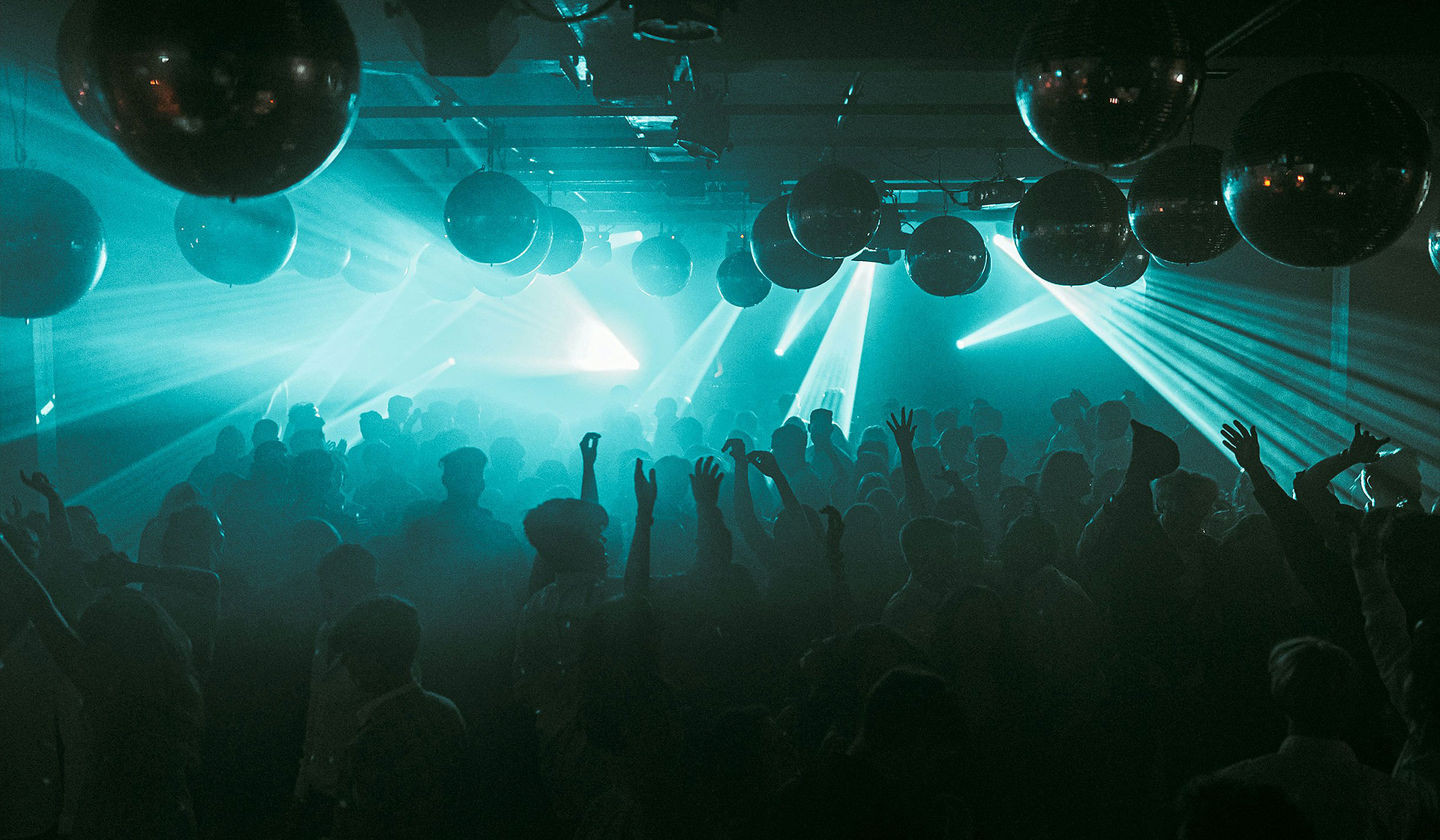
However, when I look around a room at people moving their bodies to new, mixed music, sampled and studied behind real, impassioned hands that are in the room with us, when I see cigarettes exchanged by strangers, lips drawn closer to ears so to hear over the bass — when I see a room of faces only lit by stage lights, not screens, there is a spirit within the space that is reassuring, maybe even optimistic, that our lust for life has not died with the closure of venues, the closure of the world, or the threat of the end of it. The average person still craves a tangible connection; they crave an urban identity that emerges after dark, to share space and time in an active contribution to the city’s culture.