This New Book Takes You Behind The Scenes At Spotify
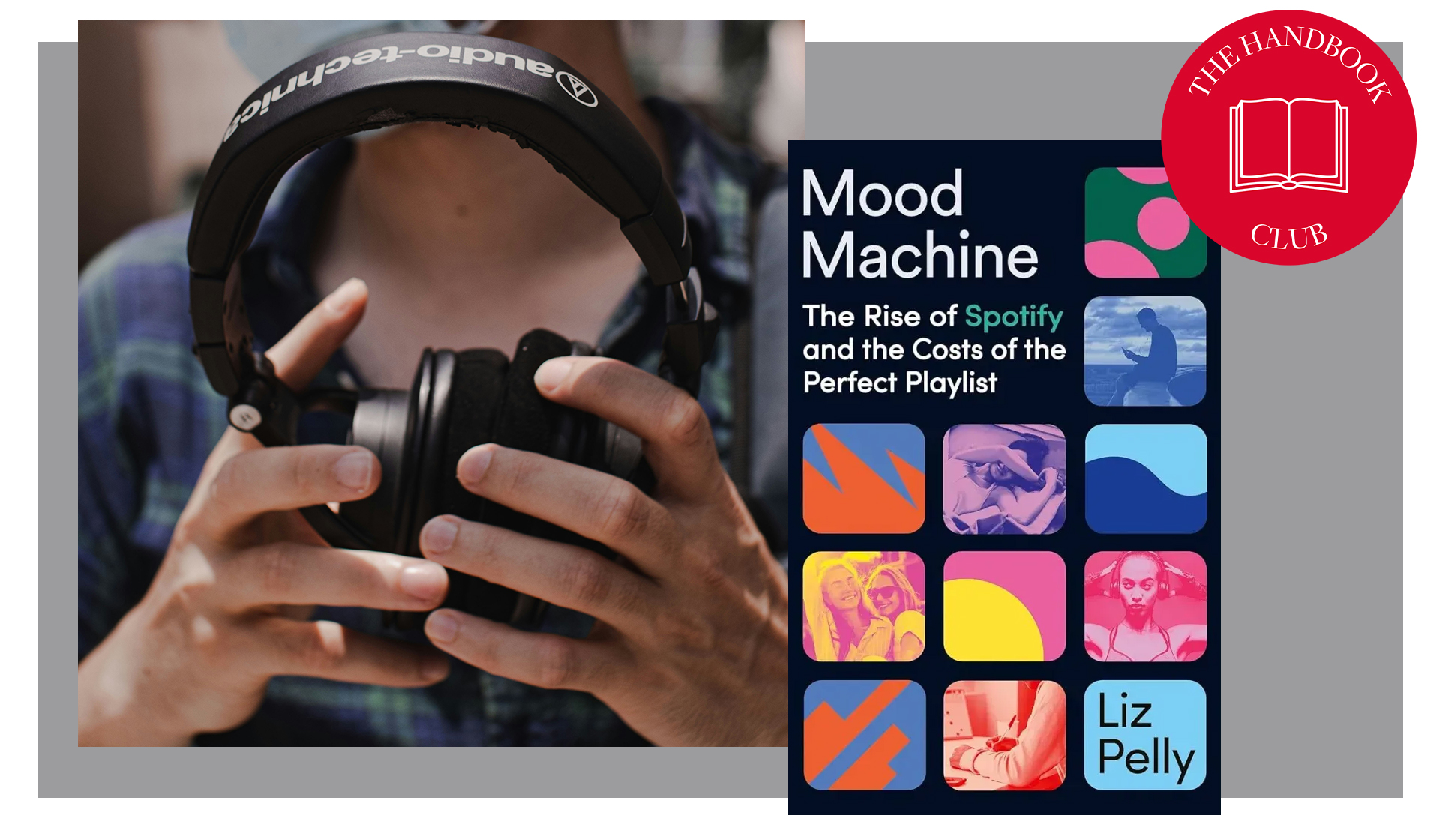
If you’re reading this, I’m guessing you have Spotify, and that it’s in the top five most used apps on your phone. And I’m guessing you have a vague idea that, ethically, there are some question marks around how it pays artists. I’m also guessing, if you’re like me, you might feel slightly uneasy about it, but it’s just about vague enough – and truthfully, there just isn’t any alternative – for you to not even consider deleting the account.
So when a book comes out detailing all the shady operations that go on at Spotify HQ, turning a blind eye is a defensible response. Mood Machine by Liz Pelly, a journalist whose work has appeared in The Baffler, The Guardian, Pitchfork and other outlets, does exactly that.
What is it about?
Drawing on hundreds of interviews with industry insiders, Pelly’s portrait of Spotify’s effect on the music industry makes for troubling reading. Her introduction to the book acknowledges that despite including details we all should be very concerned about, the tendency for people to bury their heads is strong. She says, “I’ve long been confounded by the expectation that we simply accept the dealings of the powerful as unexplainable” – basically a version of the idea that you might not be interested in the inner workings of corporations, but they are interested in you.
The notion that Spotify, and the streaming era more generally, has been financially disastrous for all but a minority of music artists is widely (if hazily) understood. Last month, a Guardian analysis of the company’s yearly “Loud & Clear” financial report showed how skewed financial prosperity is in the industry. Pelly’s account digs into not only the figures and reality for those at the other end of the spectrum but also the business philosophies at Spotify that engineer it.
Pelly’s portrait of Spotify makes for troubling reading
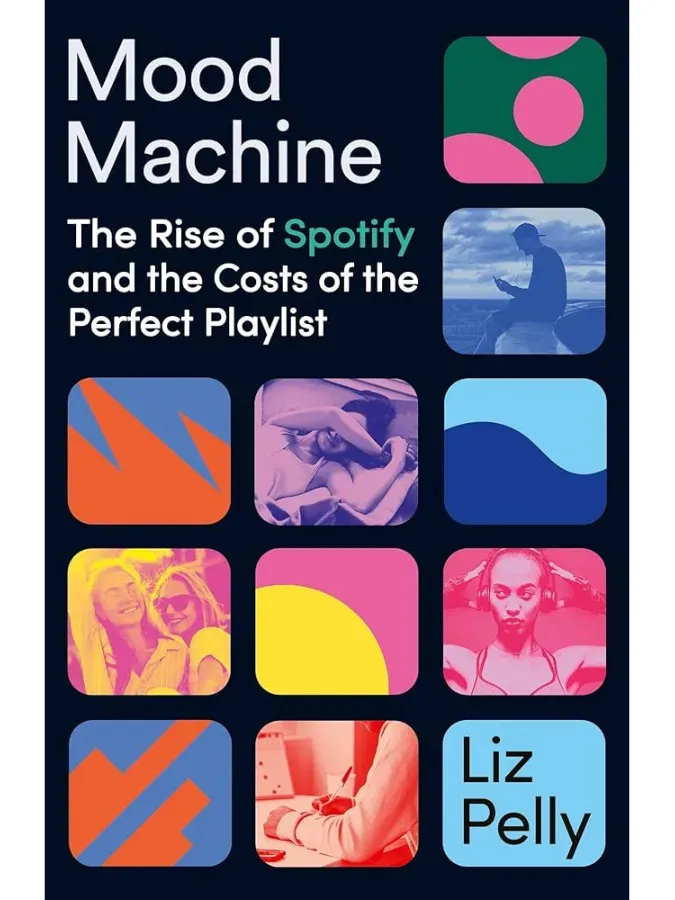
She outlines a vision of Spotify as a corporation where money takes precedence over artistry. The backgrounds of its two founders, Daniel Ek and Martin Lorentzen, were in web advertising and SEO. “If you start looking at Spotify as an advertising company rather than a culture company, a lot of things make more sense,” Pelly posits. Interestingly, in the introduction, Pelly says that originally conceived of the book as split into two parts. The first part would explore how Spotify has shaped its users’ listening habits, while the second part would unpack how it has impacted artists. She soon found that these were “not separate stories, but entirely connected”.
Why should you read it?
While initially, those who sought the platform were music enthusiasts, the company soon realised that to appeal to a larger base, it had to change. Spotify coined the marketing line “Soundtrack your life”, and internal comms were full of clever slogans like “Apple Music and Amazon aren’t our competitors. Our only competitor is silence”. It wanted to keep people listening as long as possible, and its data told them that the best way to achieve this was through easy listening, background music. Music so inoffensive, you wouldn’t take enough notice to turn it off.
This coincided with its now ubiquitous playlists becoming the main route of music discovery and a crucial revenue source for major labels. Pelly argues, “Perhaps unsurprisingly, the business-savvy Spotify thought ‘Why were they paying full-price royalties if users were only half-listening?’. Enter: the rise of what the author calls ‘Ghosts in the Machine’, a scheme to populate the most-followed mood playlists at a cut price. The book features interviews with artists who were paid a meagre sum to supplement their income by churning out dozens of algorithm-friendly tracks under one-off pseudonyms. A report by Swedish Daily newspaper Dagens Nyheter revealed that “around twenty songwriters were behind over 500 artist names”. The best hits on Spotify are a mile-wide and an inch deep.

Another striking line of argument is how Spotify has changed indie music. At the start, it helped reframe what was a whole industry of artists unassociated with major record labels into a basically meaningless aesthetic vibe. One look at the ‘Indie Mix’ playlist Spotify has kindly made for me shows Clairo, herself a topic in the book for her alleged nepo-adjacent rise, the little-known Glass Animals (currently on over 19 million streams a month), and The Last Dinner Party, which made headlines last year after it was brought to light their lead singer went to a £43k-a-year school. I’m a fan of all these artists, but indie?
Pelly interviews Greg Saunier, from 90s-indie band Deerhof, who sums it up succinctly. “It’s presented as some kind of chance to compete. But in fact, you are forced to compete. You actually have no choice”. Indie is no longer a choice but a stepping stone to virality. As Pelly points out, one main side-effect is a lot of artists who could be creating interesting music are instead compromising their artistry in an attempt to appeal to the lowest common denominator.
Indie is no longer a choice, but a stepping stone to virality.
An artist who, in the past, might happily exist within their own niche, able to make a living by cultivating a small but dedicated fan base, could now feel their only route to discovery is to get on one of Spotify’s industry-revered playlists. The problem is, even if you’re willing to play the game, the route there is incredibly nebulous. Take Lane Allen, an instrumental guitarist from Tennessee and a subject in the book, who found his way on big playlists after diligently gaming the system. He was even highlighted by Spotify as an example to other indie artists of what they could be. Soon enough, though, he found his spot taken by stock music.
Pelly suggests Spotify was operating on the idea that “data-driven success was a meritocracy, that virality reflected the will of the people”. Of all the ways Spotify has reframed its business operations as industry-first rather than profit-making, the book posits this as the flimsiest.
Verdict
As well as being thoroughly researched and factual, the book does feel like an argument and an appeal – and it’s hard to disagree with what Pelly puts forward. From an industry standpoint, it’s hard to see Spotify as good news. Ek and Lorentzon did not get into the business from a music background but from an SEO and entrepreneurial one. Spotify’s approach “was not we want to save the music industry. It was more like here’s a business opportunity,” writes Pelly.
But the business section of Waterstones is a curious place. Next to Pelly’s book, you could conceivably see another title aimed towards aspiring entrepreneurs, which waxes lyrical about Spotify’s business achievements – as Pelly concedes, they are savvy operators. So am I deleting my account? Like many, I can’t imagine a world where music isn’t a part of my daily life, and sadly there is just no alternative. The book acknowledges this; there is no simple answer to those asking for an ethical alternative, which might be unsatisfying to many. But Mood Machine does damningly open up the question.
Looking for something similar? Read these next
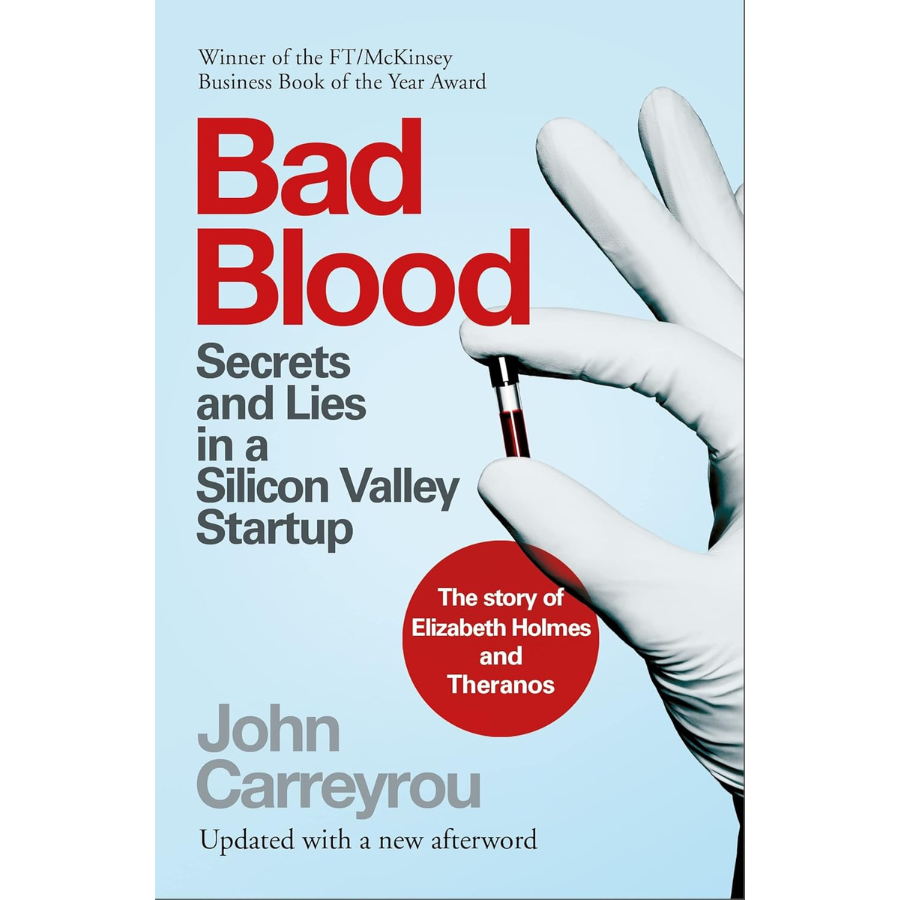
If you’re looking for another deep dive into a shady organisation, Bad Blood manages to be both wildly entertaining and troubling. Following Elizabeth Holmes’ infamous start-up Theranos, it tracks the rise and fall of a web of lies and deceit.
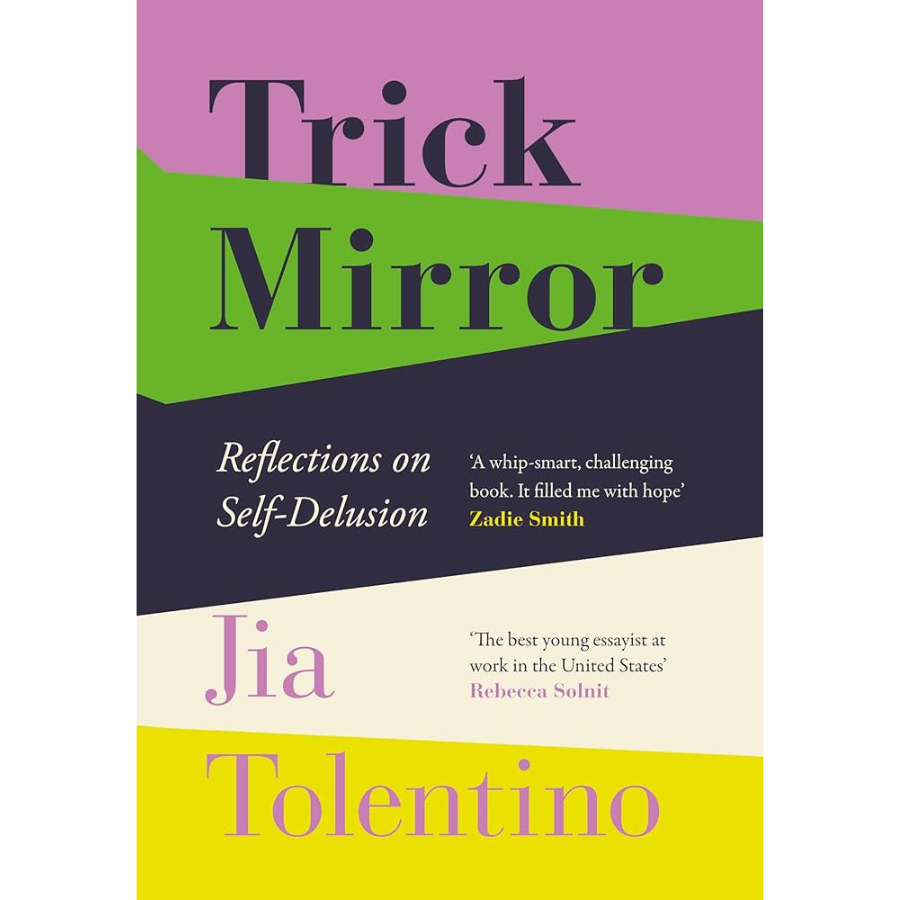
Exploring similar themes in navigating the internet age, Jia Tolentino’s essay collection is a must-read. Stories range from the rise of the internet and her own appearance on an early reality TV show to her uneasy engagement with our culture’s endless drive towards ‘self-optimisation’.
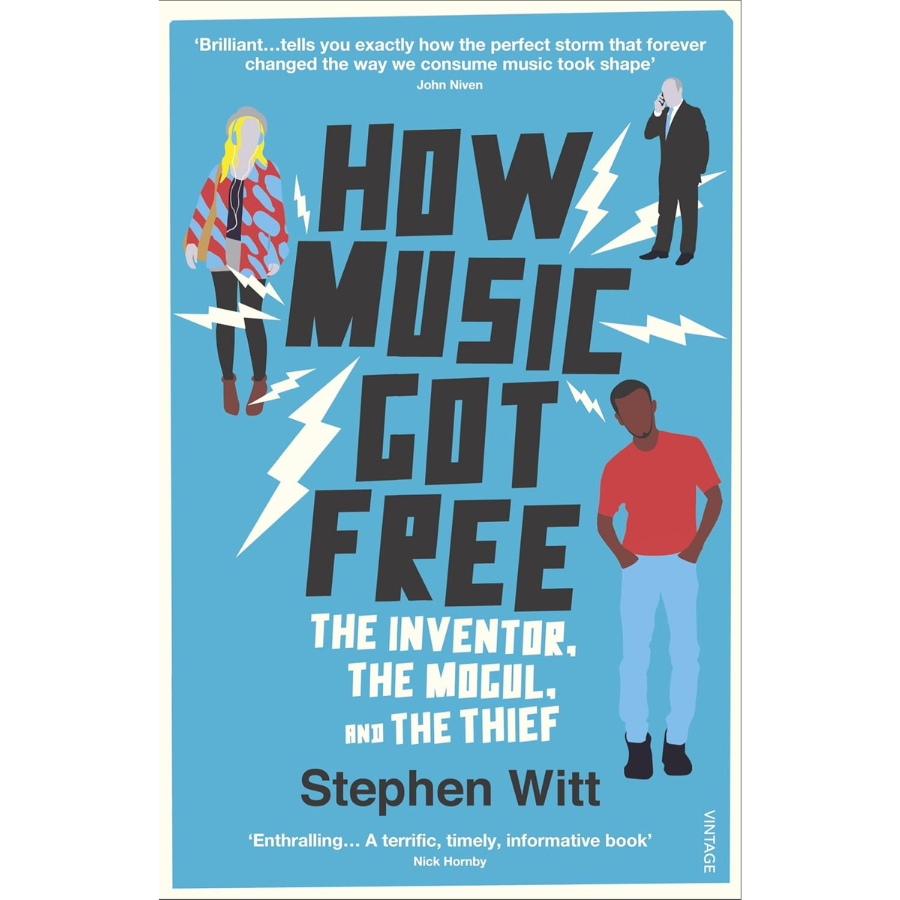
Spotify rose from the ashes of music piracy, so it only makes sense to read about the invention of the MP3 format for audio information. This set the blueprint for the streaming era we find ourselves in now.
Our May pick…
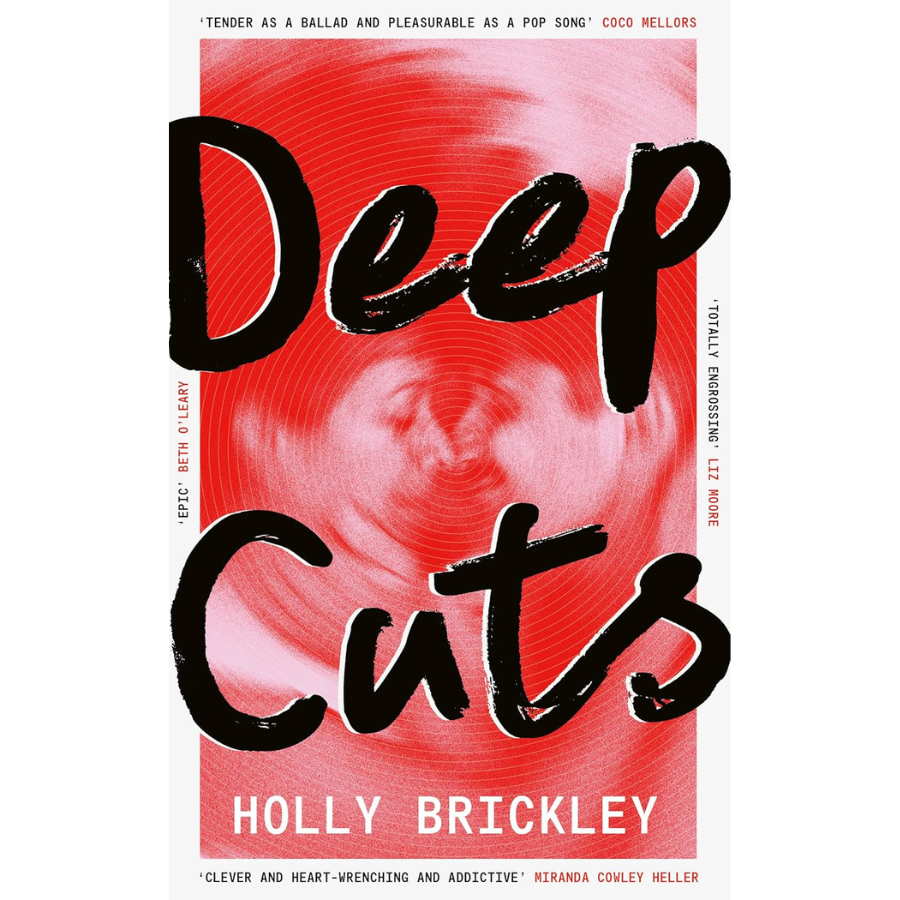
Deep Cuts
Holly Brickley
When Saoirse Ronan and Austin Butler sign on for a film adaptation, chances are the source material is pretty good. Music again provides the overarching theme of this love story that follows two college students brought together through creative collaboration.