Do Peptides Actually Work? The Skincare Ingredient Everyone’s Talking About
Peptides are popping up in almost every skincare launch, promising firmer, smoother, better-behaved skin. Which raises the big question: do peptides actually work, or are they just another skincare buzzword? Here’s what you need to know…
So… what are peptides, exactly?
At their most basic level, peptides are short chains of amino acids, the building blocks of proteins like collagen, elastin, and keratin. These proteins are what give skin its structure, firmness, and bounce.
As we age (and live life with UV exposure, pollution, and stress), our skin’s ability to produce these proteins slows down. In simple terms, peptides help by acting as signal senders, encouraging skin cells to get back to work.
“Think of peptides as text messages to your skin,” explains consultant dermatologist Dr Amira Shah. “They don’t replace collagen, but they encourage the skin to behave in a more youthful, resilient way.”
Collagen creams don’t magically boost collagen because the molecule is too large to penetrate the skin. Peptides, on the other hand, are small enough to get through the outer layer and deliver instructions where they’re needed. However, don’t be fooled into thinking they’ll replace injectables or erase deep wrinkles overnight; they won’t, but they will help your skin function better over time.
They don’t replace collagen, but they encourage the skin to behave in a more outhful, resilient way.”
Consultant Dermatologist, Dr Amira Shah
What do peptides do?
“Peptides are far from one-trick ponies. They quietly get on with supporting collagen, strengthening the skin barrier, and improving hydration and elasticity, which helps skin look firmer, smoother, and less lined over time, without any irritation,” says Daniel Isaacs, Director of Research at Medik8.
They’re also brilliantly skin-friendly, making them a great option for sensitive, reactive, or post-treatment skin. Whether you’re using them early on to support skin before collagen loss kicks in, or later to reinforce what you already have, peptides are refreshingly easy to live with. Plus, they layer well with pretty much everything, don’t come with scary rules, and deliver results without the tingling panic.
Who are peptides best suited for?
Most dermatologists will agree that almost everyone. But they’re particularly good if you:
– Are noticing early signs of ageing and want subtle, long-term improvement.
– Have sensitive skin that doesn’t tolerate aggressive actives.
– Want to strengthen your skin barrier.
– Prefer a slow-and-steady approach to skincare.
How long do peptides take to work?
This isn’t an overnight miracle ingredient. Most dermatologists agree you’ll start seeing improvements in 4-8 weeks with regular use.
This isn’t an overnight miracle ingredient. Most dermatologists agree you’ll start seeing improvements in 4-8 weeks with regular use. Think better texture, improved hydration, and a subtle firmness rather than an instant line eraser. And like all skincare, consistency is non-negotiable. Peptides work best when used daily, ideally in a serum or moisturiser that stays on the skin.
10 best peptide products
Whether you’re a beginner or advanced user, these formulas deliver.


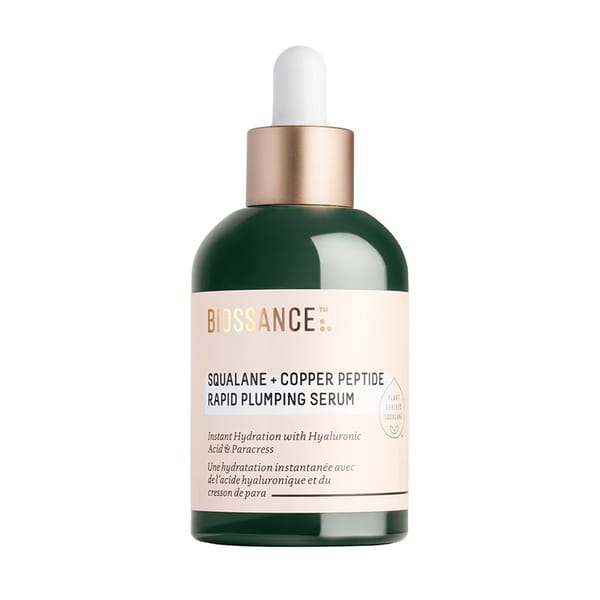


The products on this page have been selected by our editorial team, however, The Handbook may make a small commission on some products purchased through affiliate links.