The UK Restaurant Industry Is Suffering, Here’s Why

London was just voted the number one food destination in the world. This is warranted; it is a melting pot of communities, a vast and sprawling city filled with inspiring backgrounds, overflowing with culinary excellence, with passion, with the sort of creative stimulus to push radiant vision. But this invisible accolade that London has garnered is nothing if not ironic. While the capital basks in international recognition, the chefs and restaurateurs I spoke to directly for this article describe an industry being pushed to breaking point.
Everyone in the UK with ears and eyes open knows that the hospitality industry is suffering. Perhaps you know the ins and outs, perhaps you know that your favourite neighbourhood restaurant shut the other day despite being booked 24/7, perhaps you know someone out of a job, or perhaps you’ve just seen it online. Perhaps you didn’t know, and now you do.
In this moment, closures do not mean the fall of a tree; they mean the death of an ecosystem.
Why now?
Calls for VAT reform are not new, but the urgency has intensified. Earlier this month, chef and publican Tom Kerridge launched the nationwide #VATsTheProblem campaign and petition, which is calling on the government to reduce hospitality VAT from 20% to 10%. Backed by leading chefs, restaurateurs and industry bodies, the campaign argues that British hospitality is operating at a disadvantage compared to many European countries, where restaurant VAT rates are significantly lower.
The campaign comes at a moment when many operators believe the industry has reached a breaking point. Rising labour costs, higher National Insurance contributions, food inflation, energy prices and weak consumer confidence have combined to create unprecedented pressure on businesses already operating on razor-thin margins. According to campaign supporters, a VAT reduction would provide immediate relief and help prevent further closures across the sector.
Sign the petition spearheaded by Tom Kerridge to help get it to its goal of 1,000,000 signatures at www.vatstheproblem.co.uk
Why restaurants are suffering
It is true — restaurants in the UK are bleeding. The sharp edge of the sword has VAT written on it in red. Restaurants, pubs and cafes charge 20% VAT. In layman’s terms, that means that on a £100 bill, £20 immediately goes to HMRC. After that charge, operators must pay staff costs, utilities, suppliers, insurance and rent, to name a few. It is reported that many restaurants are left with profit margins of just 3-5%, some less.
Profit margins were already thin before COVID. Since then, consumer spending has weakened while labour, rent, supply and business rates have all risen. Tom Aikens, chef-owner of Muse in London, describes the current environment as a “perfect storm” of rising labour costs, National Insurance contributions, food inflation and energy prices, arguing that restaurants are having to work harder than ever to maintain the same quality and service while managing significantly higher operating costs.
I do think that the industry needs meaningful government support and a serious review of VAT because restaurants aren’t just businesses – they’re employers, training grounds, community hubs and a vital part of British culture.
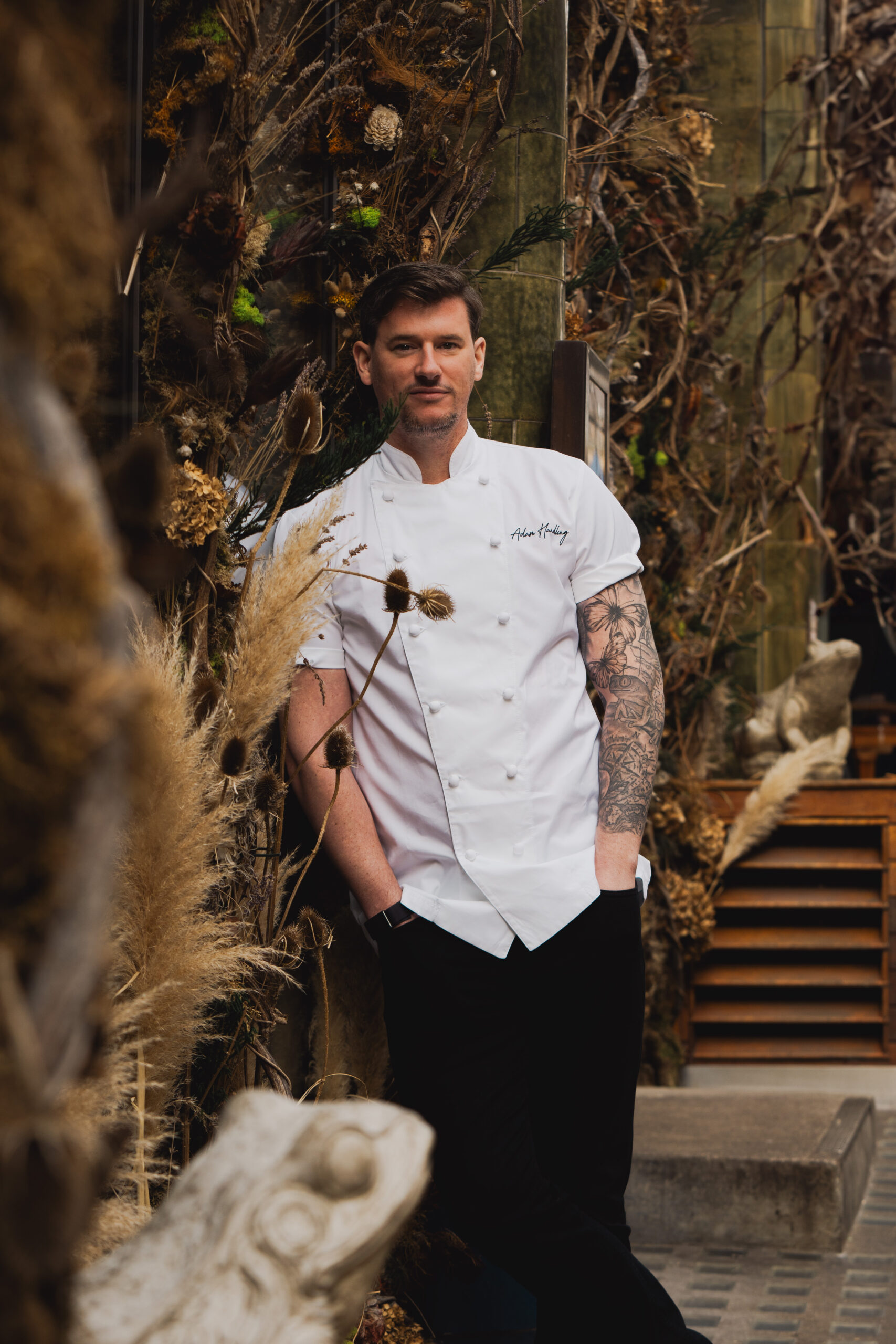
Adam Handling, Chef/Owner of the Adam Handling Restaurant group
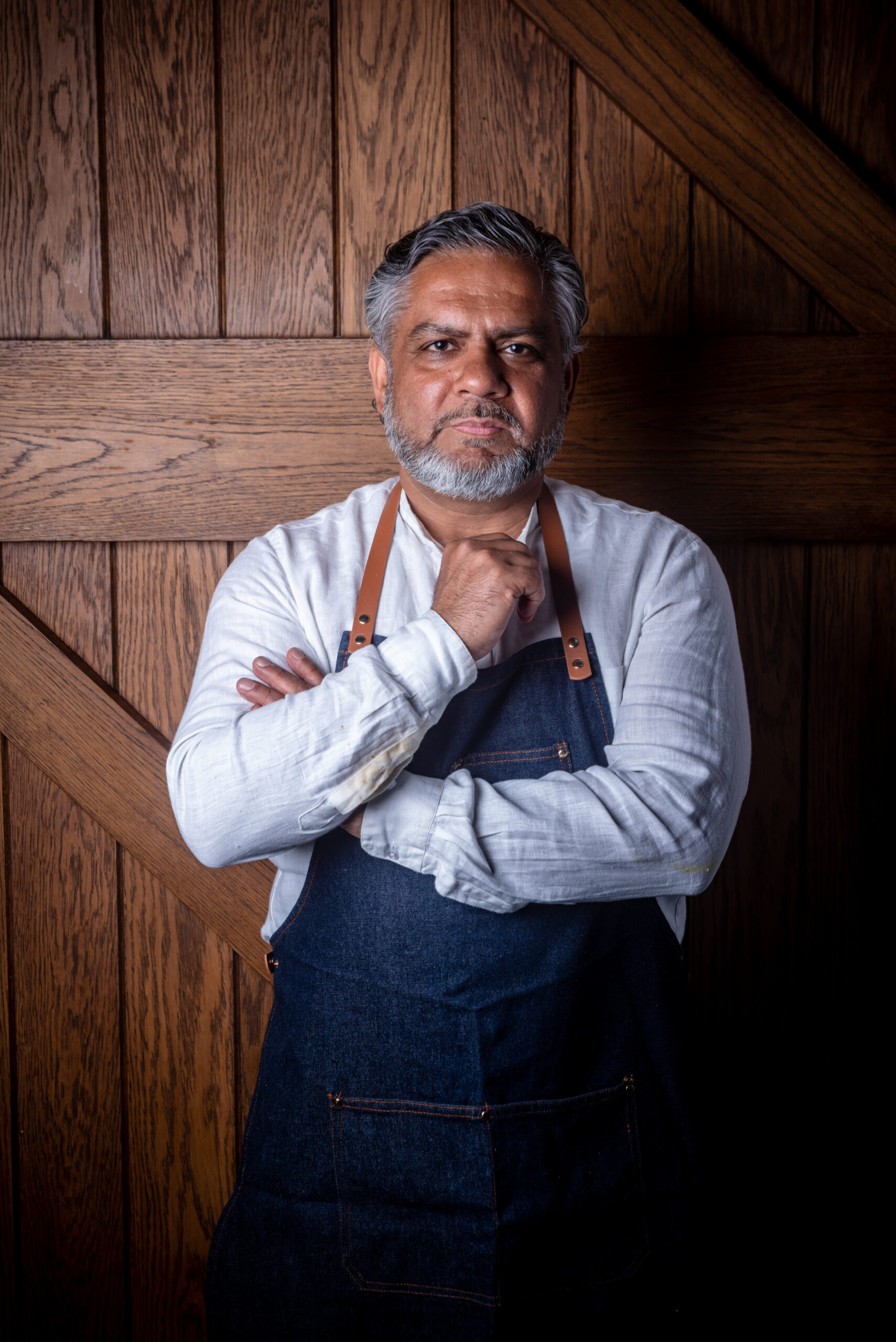
According to Vivek Singh, CEO and Executive Chef of The Cinnamon Collection, the challenge is compounded by Britain’s comparatively high VAT rate. “The rate of VAT in this country is particularly high compared to other comparable economies,” he says. “While we’ve had this rate for years, the trouble is that we’re currently facing all these other battles … It’s just too many fights at the same time. The sector is being squeezed out and is desperately in need of some oxygen.”
Michelin-starred chef and restaurateur Adam Handling says VAT also creates a constant strain on operators’ cash flow: “As a hospitality business operating multiple restaurants, we’re often paying VAT every single month because of the way our payment schedules fall, which creates a significant and constant pressure on cash flow.”
The importance of hospitality
The restaurant industry is one of the UK’s most important sectors. Perhaps that is subjective; perhaps it is fact. Hospitality contributes 93 billion to the UK economy; it employs 2.4 million people. Not just any people, but immigrants, young people, ex-cons, people who don’t speak English, and people who are looking to get their feet back on solid ground. The hospitality industry, for some, is an entirely underfunded rehabilitation centre spanning the globe.
“Hospitality is one of the UK’s largest employers, yet it remains an industry disproportionately powered by racialised communities, migrants and working-class people,” explains Mursal Saiq, co-founder and director of Cue Point, an Afghan-Texan BBQ restaurant in Notting Hill, and social initiative Cue Point Kitchen. She goes on to say that many of these workers are “concentrated in lower-paid roles despite being the backbone of the sector.”
Saiq believes hospitality’s value extends far beyond job creation: “At Cue Point Kitchen, we see hospitality as a tool for social mobility. Beyond creating jobs, we invest in skills, confidence, communication and leadership, helping people increase their earning potential and build long-term careers.”
The VAT debate is often framed as a business issue, but the reality is that when hospitality is squeezed, the impact is felt most by the people working within it. How we tax and support this sector reflects how seriously we take economic opportunity, workforce development and social mobility in the UK.
Mursal Saiq, Co-Founder & Director of Cue Point & social enterprise Cue Point Kitchen

For Saiq, the debate around VAT is therefore about more than business economics: “The VAT debate is often framed as a business issue, but the reality is that when hospitality is squeezed, the impact is felt most by the people working within it. How we tax and support this sector reflects how seriously we take economic opportunity, workforce development and social mobility in the UK.”
Despite hospitality’s incredible contributions to both the economy and to the population, Britain loses at least three pubs and restaurants every single day. The hospitality industry is not self-sustaining; it needs support, it needs recognition, validation in the shape of betterment and of action. So far, the only progress made has been the government reducing VAT on children’s meals to 5%. For many operators, that falls far short of the wider reforms they believe the industry needs.
Not asking for freebies
It makes no sense that an indie neighbourhood restaurant pays the same VAT rate as McDonald’s. Income tax increases accordingly as an individual’s income increases – why can we not apply the same logic to VAT and business revenue? If we want to preserve the diversity and character of the hospitality scene, financial support needs to be more targeted towards smaller operators.
Vicky Chiriga, Operations Director at The Camberwell Arms
Critics of a hospitality VAT reduction argue that restaurants are not alone in facing rising costs. Businesses across the UK are contending with higher National Insurance contributions, increased wage bills, inflation and elevated energy prices, raising questions about why hospitality should receive support that other sectors do not.
However, hospitality leaders maintain that their argument is not rooted in special treatment, but in the way VAT is applied to their industry. A potato purchased in a supermarket is zero-rated for VAT, yet when a restaurant buys that same potato, pays staff to prepare it, covers rent, utilities and service costs, and turns it into a portion of chips, the final sale is taxed at 20%.
For operators, this highlights a fundamental discrepancy: hospitality is taxed on the value it adds through labour, service and experience. Handling argues that the effects are ultimately felt by diners: “The reality is that in most instances, higher costs are passed on to consumers, making eating out less affordable and leading to fewer people coming through the doors. So, it’s a vicious circle.”
Others argue that the issue extends beyond VAT alone and points to a broader imbalance in how independent hospitality businesses are taxed. “Independent restaurants and pubs simply do not have the same resources, buying power or financial resilience as large national chains, yet they are often treated exactly the same by the tax system,” says Vicky Chiriga, Operations Director at The Camberwell Arms. “It makes no sense that an indie neighbourhood restaurant pays the same VAT rate as McDonald’s. Income tax increases accordingly as an individual’s income increases – why can we not apply the same logic to VAT and business revenue? If we want to preserve the diversity and character of the hospitality scene, financial support needs to be more targeted towards smaller operators.”
It’s just too many fights at the same time. The sector is being squeezed out and is desperately in need of some oxygen – in the short term, a reduction in VAT may be the answer, but in the longer term, we also need a plan for better economic growth.
Vivek Singh, Founder & CEO of The Cinnamon Collection
The European example
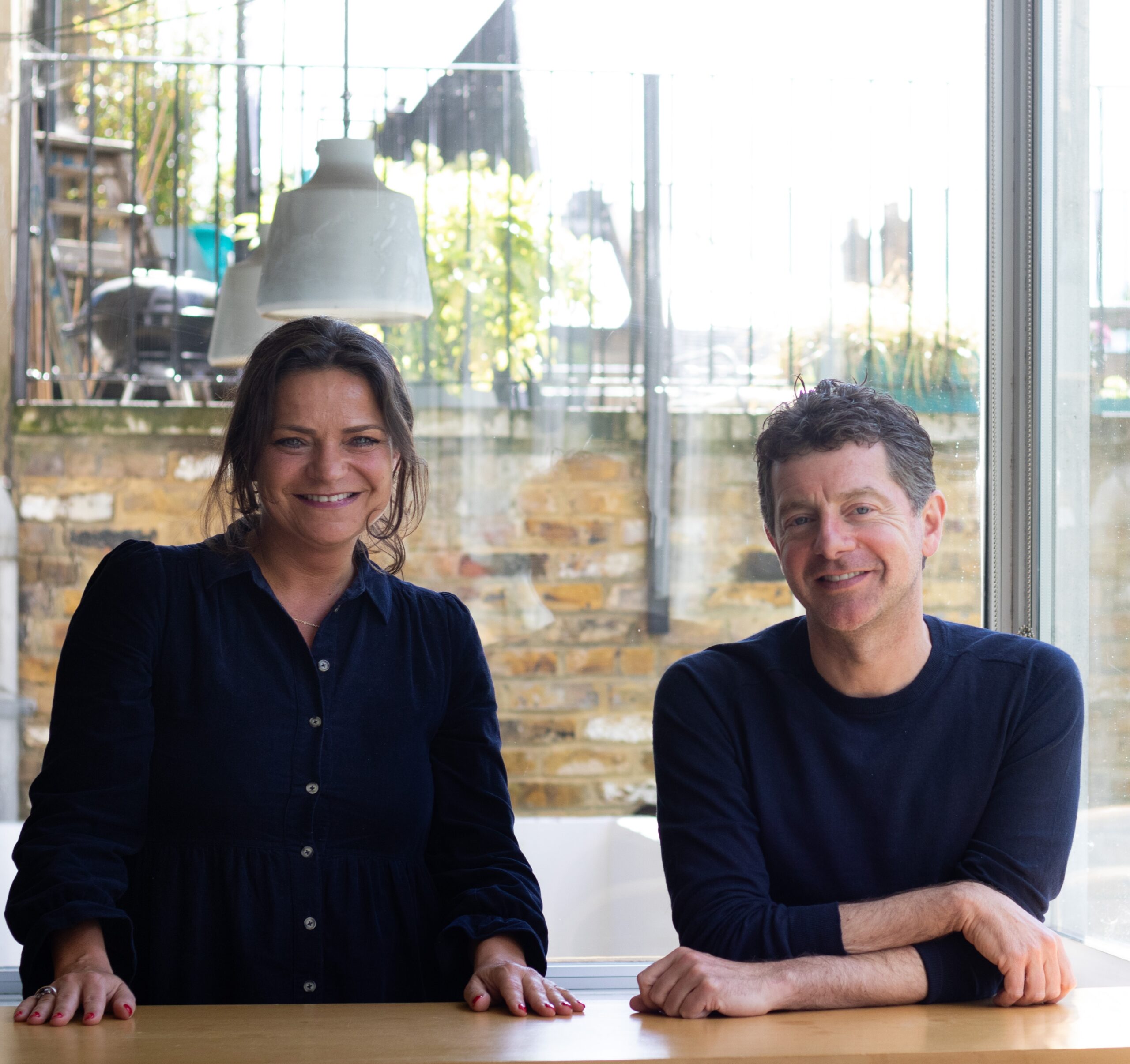
For a bit more clarity, many hospitality leaders point to Europe. France, Spain and Italy each have 10% VAT rates for restaurants; the Netherlands has 9%. Britain is “miles away from the rest of Europe in terms of the support that hospitality receives,” says Zoë and Layo Paskin, founders of Studio Paskin. They point out that while countries such as France, Spain and Italy benefit from reduced restaurant VAT rates, “the 20% that the UK is operating under shows a lack of understanding of the enormous overheads and tight margins that we operate under.” Restaurants in Europe are appreciated, protected, a place for meeting, eating, and connecting with the cities and countries and people. Restaurants do not pitch tents here; they pitch palaces, and they stay.
The last 6 years have been a relentless whirlwind of pressures on an industry that was already considered one of the toughest […] And yet, despite everything, the fantastic growth of the UK restaurant industry over the last 25 years is entirely entrepreneurial in spirit, driven by passionate operators building something special from the ground up. People aren’t getting into this because they think they’ll be turning huge profits – they do it because of genuine passion.
Zoë & Layo Paskin, Co-founders of Studio Paskin
“Restaurants, pubs, cafés and hotels are not just commercial units,” says Tommy Banks, Chef-Owner of The Tommy Banks Group and Co-Founder of Jeopardy Hospitality. “They are the beating heart of communities. They create identity on the high street. Small independent businesses are what give Britain its character. They are the lifeblood of our towns and villages — and a huge part of what makes this country great.”
Perhaps there is something in this about the lifespan of a restaurant; after all, closures do happen. But in zooming out, you’ll find that this is a cancer. In this moment, closures do not mean the fall of a tree; they mean the death of an ecosystem. Suppliers, farmers, fishermen, workers and, in turn, families — they go down with it. Following the framework set out by our European neighbours, and cutting VAT to 10% would mean supplying oxygen to independent operators.
Closures
Yes, London was just voted the number one food destination in the world; but instead of being celebrated for their achievements, restaurateurs and staff are being punished. “The government should be supporting hospitality at this time, but we couldn’t feel more penalised to be trading in the hospitality sector,” expressed Alex Dilling, Michelin-starred chef and patron at Alex Dilling at Hotel Cafe Royal.
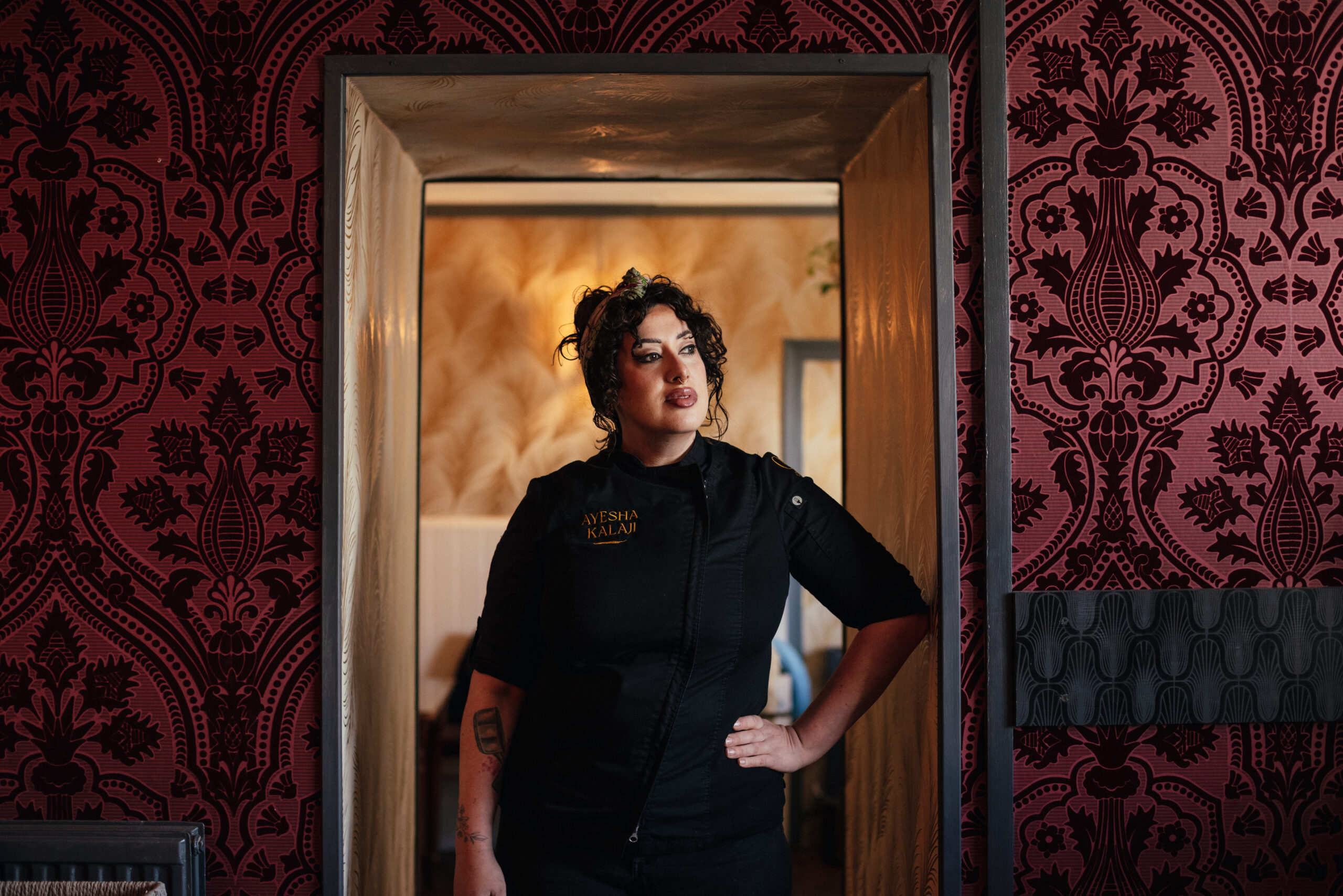
Four to six businesses are closing every day. We are watching the death of a cornerstone of our culture and the third largest employment sector in the UK. The government needs to immediately cut VAT rates if we are to see the survival of our industry. Eating out nourishes the soul, creates human bonds, allows us new experiences, and without it we lose such an important aspect of our society.
Ayesha Kalaji, Chef-Patron of Queen of Cups in Glastonbury & Estrella Damm’s Chef of the Year
So far, hundreds of beloved restaurants have closed this year. Sambal Shiok Laksa Bar is among the latest, which closed amid “relentless cost increases”. Michelin-starred Simpson’s in Birmingham has closed after 32 years, citing he has “never known a more challenging economic climate”. Spaghetti House, a family-owned Italian restaurant group and one of the UK’s oldest restaurant groups that’s been trading for 70 years, has shut the remainder of its 5 London storefronts. Mriya, a Ukrainian restaurant that opened at the beginning of the war and was run and staffed by Ukrainian refugees, has closed. 28-year-old Brighton restaurant Gingerman, which has been a pillar of the city’s food scene for decades — constantly full — closed in April. In a statement made on Instagram, Gingerman co-owner Pamela said: “At the end of the day we can’t afford all the increases that have happened. The last two budgets have absolutely killed us, and then the rates go up in April, and that’s the final nail in this coffin for a tiny restaurant that cooks everything from scratch with great produce from local suppliers.”
Everyones problem
If it isn’t already clear, this does not just affect the hospitality industry; it affects everyone. Do you love your chippy? Do you love a martini? Do you enjoy a rolled cigarette in the beer garden of your dodgy local pub? This is a you problem. This is an us problem.
We should not continue to resign ourselves to a culture where we turn our cheeks to things that are happening on the ground floor of our flats. When the least we could do is autofill a petition to keep the heart and soul of our great British culture alive, to keep gastronomy alive and well in the UK, then that is what we should do. This is not their problem; it is our problem. It is VAT’s problem. Get back into the groove of caring, pay more attention. Lift each other, help each other. If the government won’t heed the call, neighbours should.
How to help
I urge everybody to sign the petition as a reduction in VAT is the one thing that will help keep your community alive. Your local pub, neighbourhood restaurant, coffee shop and sandwich bar has the same relative costs going into it as Michelin star restaurants and five-star hotels. A thriving hospitality business is what communities need and is the life blood and support for all other businesses. 21 hospitality venues are shutting per week, a VAT reduction will stop that, produce long term growth for the Exchequer and allow communities to grow.
Tom Kerridge, Chef & Restaurateur Spearheading the “VAT’s The Problem” Campaign
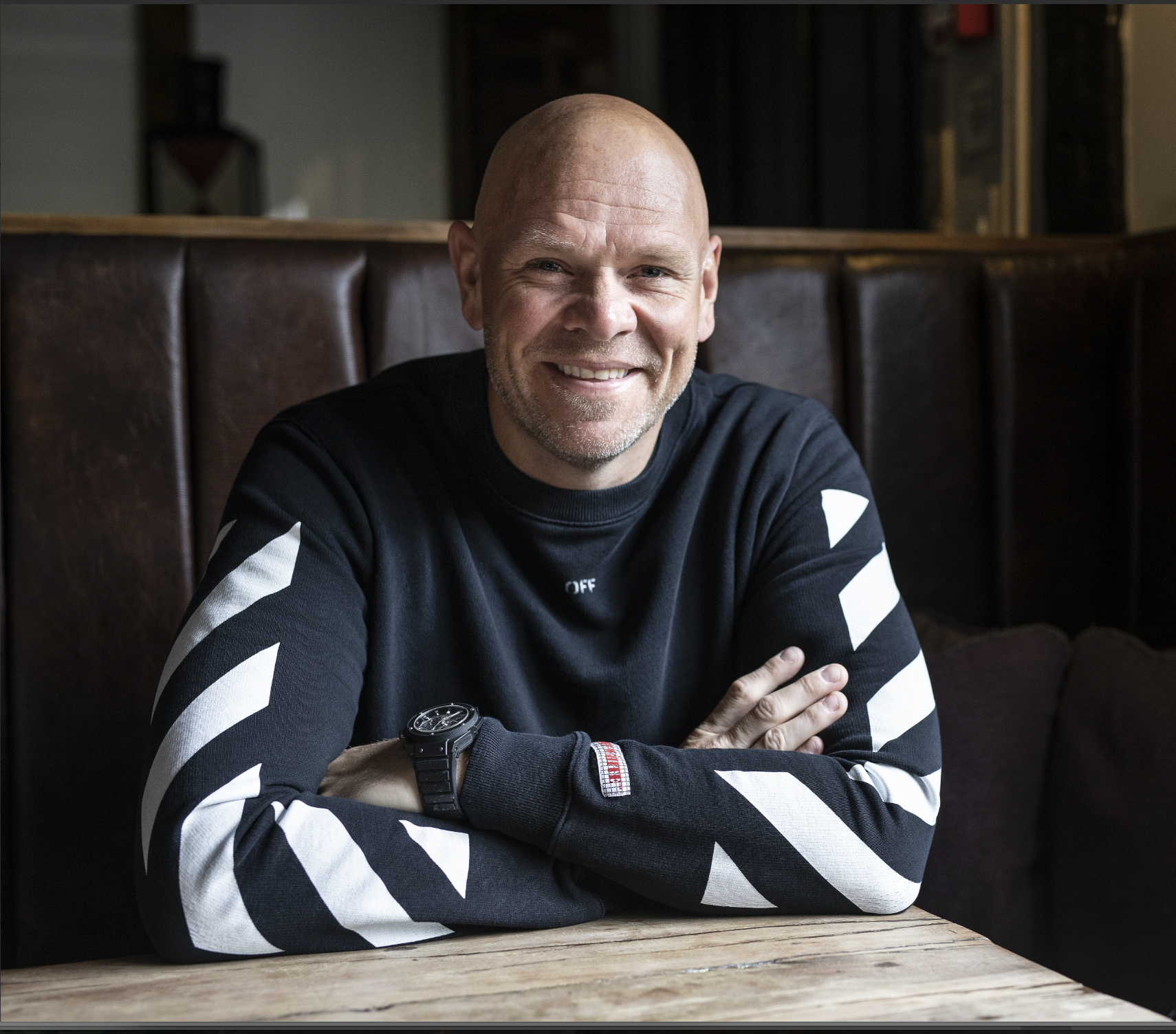
Sign the petition spearheaded by Tom Kerridge to help get it to its goal of 1,000,000 signatures at www.vatstheproblem.co.uk