The Heart In Winter: Lovers On The Lam In This Western Reimagining
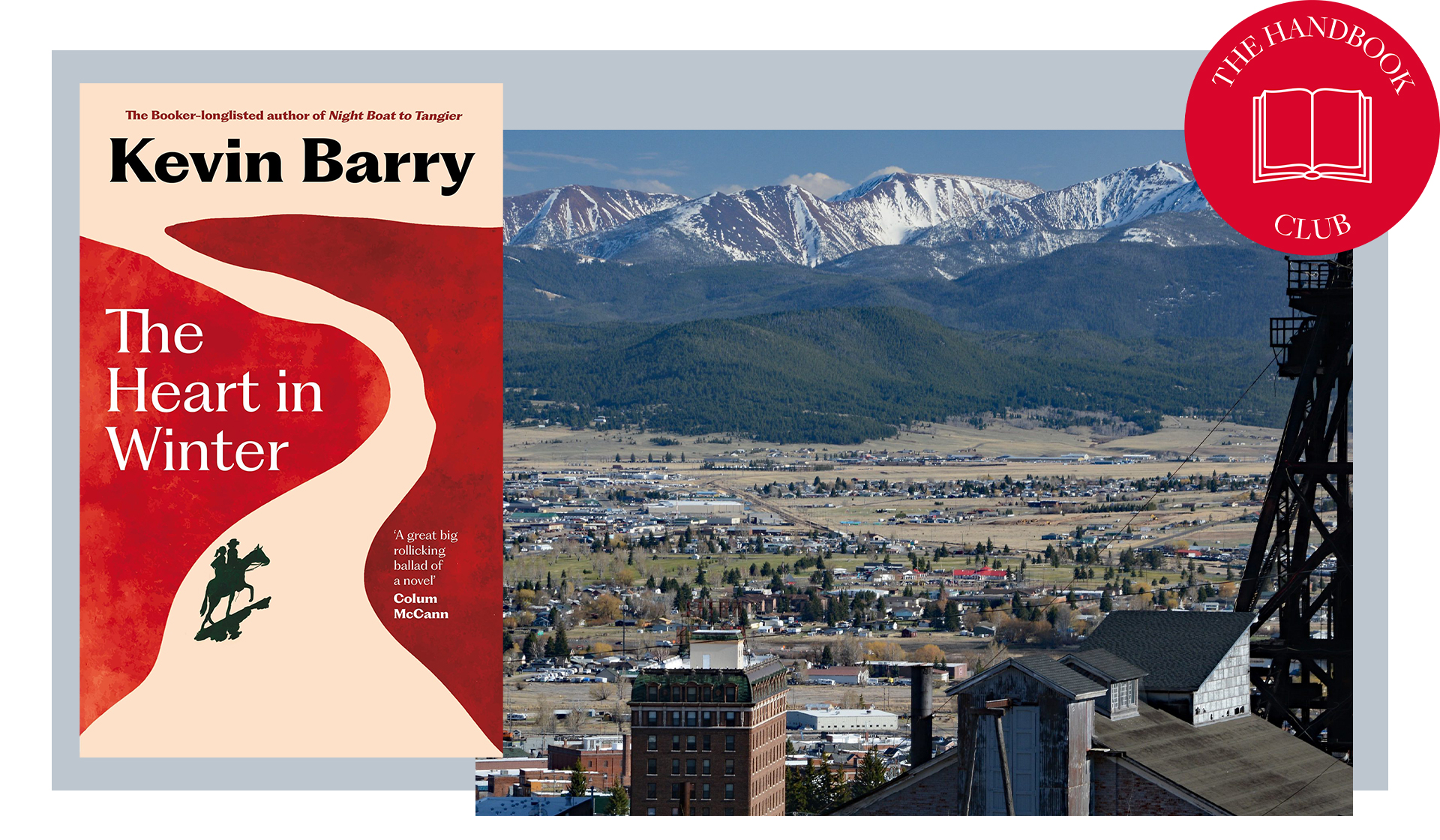
It’s a true skill to write characters who you might run a mile from in real life, but can’t get enough of on the page, but Kevin Barry has mastered it. His previous novel, Night Boat To Tangier, focused on two ageing gangsters reminiscing about their past lives filled with horrible acts, and yet they were irrepressibly sympathetic. His short stories are packed with troubled, odd characters that make your heart ache.
His newest novel, The Heart in Winter, might be his best yet. The story of two lovers on the run, our romantic leads are anything but stereotypical – outsiders drawn magnetically together who, with nothing really to live for, decide to make a break west, because why the hell not?
What is it about?
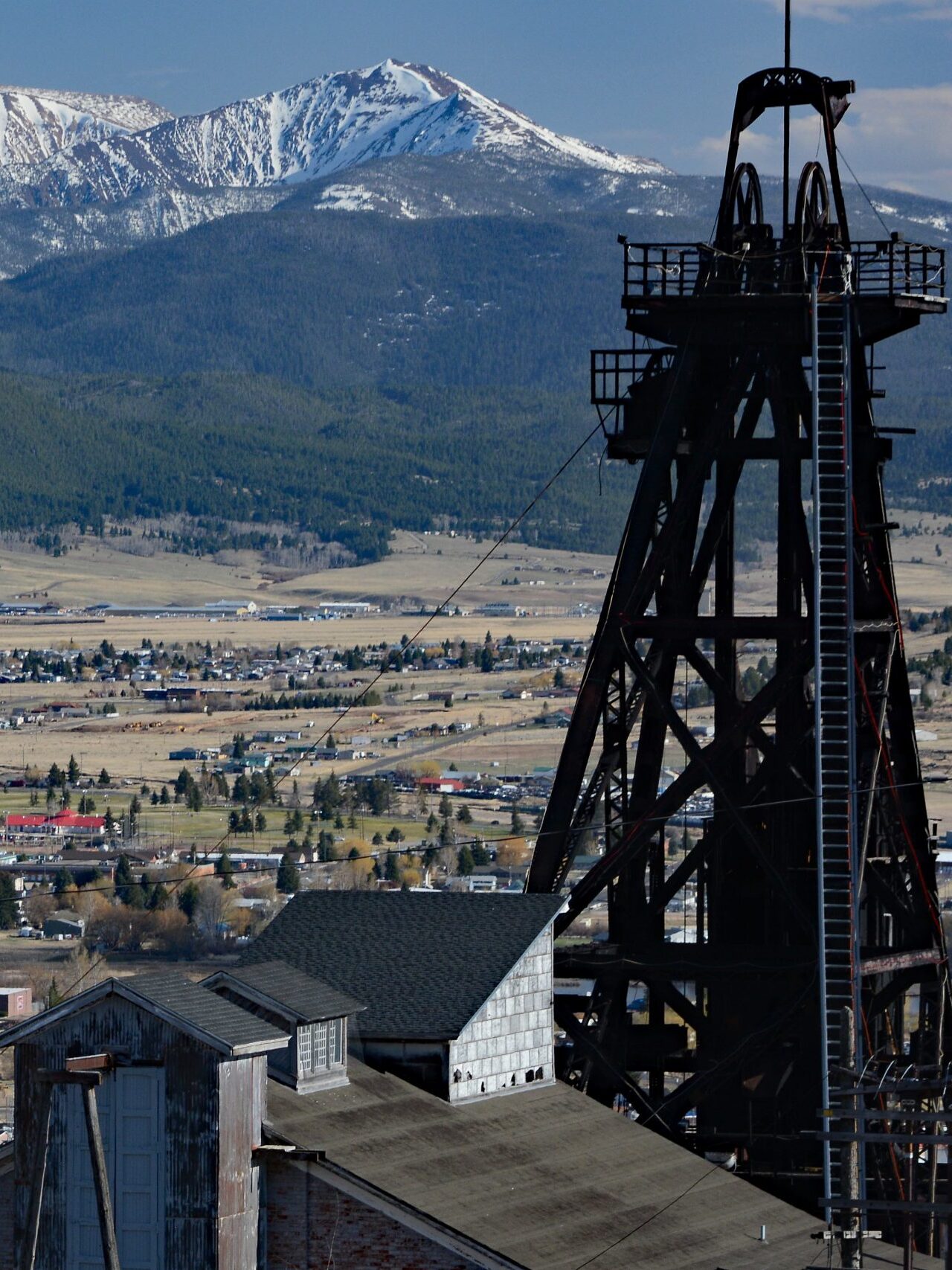
As crucial as the plot is the setting: Butte, Montana, in 1891, seems like a strange choice for a distinctly Irish author, but there’s good reason. It’s a town on the up thanks to a growing mining industry, which has brought Irish immigrants in search of work like a moth to a flame. (The choice is deliberate – still to this day, Butte has more Irish-Americans per capita than any US city). While some have worked their way to the top of the industry, many float destitute along the periphery, leading to the Sheriff to curse “There were by now ten thousand Hibernian to the town and they had the place fucking destroyed”
One of those is our protagonist, Tom Rourke, who works as a photography assistant and earns extra money ghostwriting letters to entice faraway women to travel to Butte for marriage. In his spare time, he takes a break from drinking to continue his commitment to an opium addiction.
Butte, Montana in 1891 seems like a strange setting for a distinctly Irish author, but there’s good reason
He meets our other protagonist, Polly Gillespie, a new mail-order bride from just outside Chicago, who finds herself fresh off the train and unhappily married to Long Anthony Harrington, another Irish immigrant who is the captain of a mining company, and also a self-flagellating religious zealot. So begins a love affair, and a mad plot to steal a horse and a bag of money, and set out west towards California with a group of gunslingers hot on their trail. Quickly, we are into a classic Western thriller.
Should you read it?
The set-up might sound like a Cormac McCarthy novel, but tonally this is more like a Coen Brothers’ adventure-comedy. Barry’s prose is laugh-out-loud funny in one moment and heartbreaking in the other.
Our protagonists are unconventional – Tom Rourke in particular is pathetic, fatalistic and feckless – and yet we quickly grow to warm to them and their strange but genuine connection, one where “they could talk to each other… without speaking”. Rourke is summed up by the Reverand they meet along the way: “He couldn’t read nor write nor reckon, but there was a man that contained volumes”. There’s something about him that, despite numerous flaws, makes us root for him.
The chase plays out almost like a mythical quest, punctuated by wild and colourful characters along the way. There’s a Reverand who shelters them, whose “hair was truly a one-off”, and a Norwegian bounty hunter described as: “No man deserved the face that Jago Marrak had been cursed with at the age of forty-two. It was a warscape, a scarred battlefield”.
The chase plays out almost like a mythical quest, punctuated by wild and colourful characters along the way.
The plot is equal parts tragedy and farce, and never mind the plot, you could get to the end of the book entirely subsisting on Barry’s unique descriptions, one of the true strengths of the novel. From “Winter by now was truly the sour landlord of the forest” to “All he wanted from life was quiet and stillness. There was hope of neither in this place”, you could open up on any random page and be met with a singular, striking line.
Barry first made his name through his short-story collections, and his novels so far have all been diligently short. The Heat in Winter is just over 200 pages long, which gives a propulsive energy to the narrative. The plot doesn’t unfold quite at breakneck speed – the author is too fond of passages filled with quirky descriptions – but chapters often end with cliffhangers, and you arrive at the conclusion before you know it.
Verdict
Barry has succeeded in delivering a comic, tragic Bonnie & Clyde western that constantly toes the line between sardonic and tender. At one point, Tom Rourke sees “The Twelve Rules for Writing Western Adventures” in a newspaper clipping, and things to himself “There’s fucken twelve of ’em?”. Like his protagonist, Barry has hijacked the Western by turning it into something very Irish.
Looking for something similar? Read these next
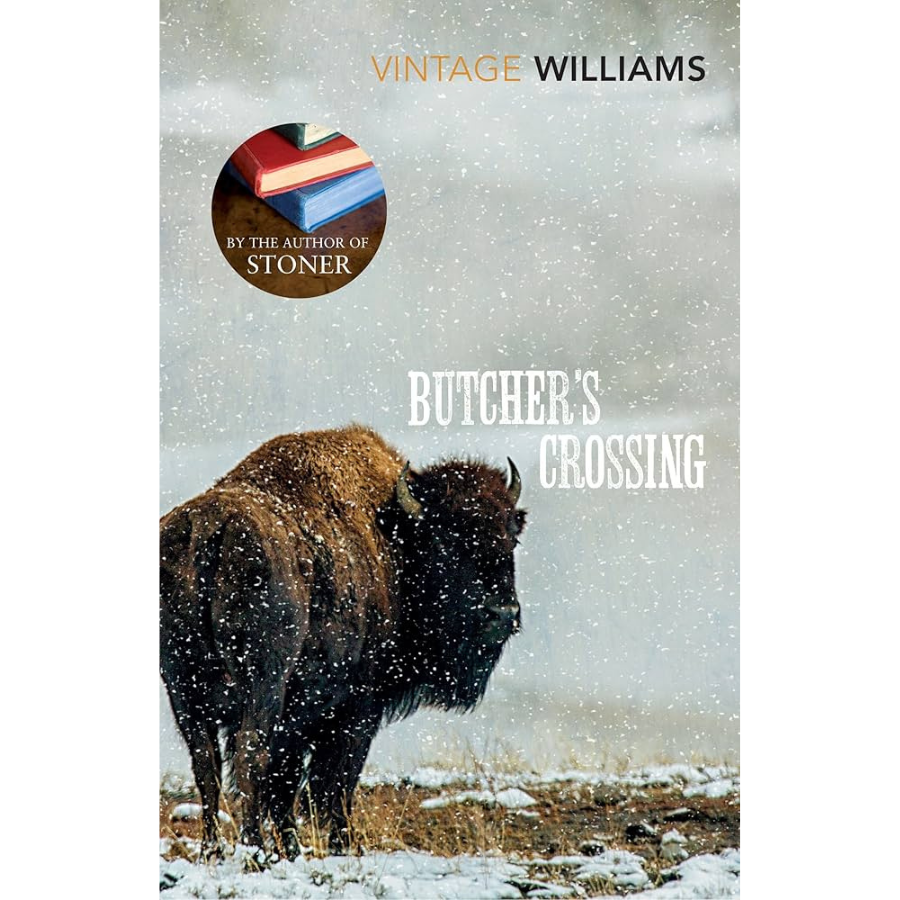
Looking for more Western vibes? Butcher’s Crossing is a classic in the genre. A professor with a taste for the wild joins a group of troubled men searching for a lost herd of Buffalo in remote Colorado.
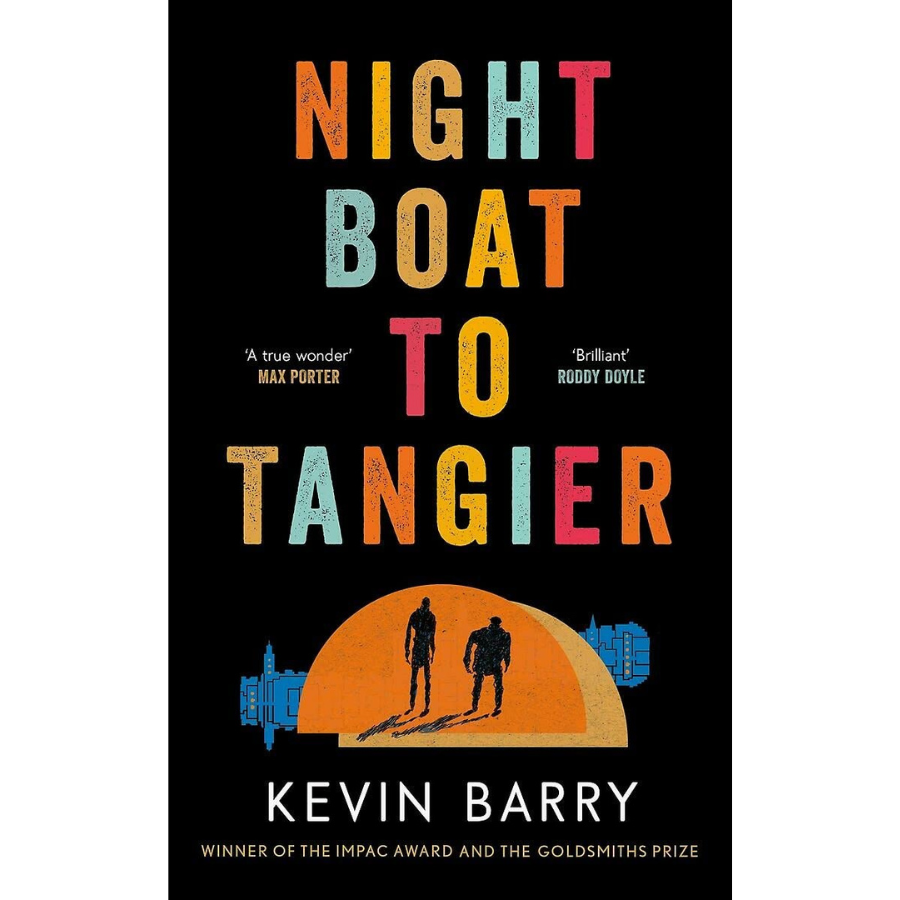
Kevin Barry’s previous novel plays the same tune of equal parts funny and heartbreaking. Two ageing gangsters wait at the port of Algeciras for a boat to Morocco, and consider their lives, loves and what has led them to this point.
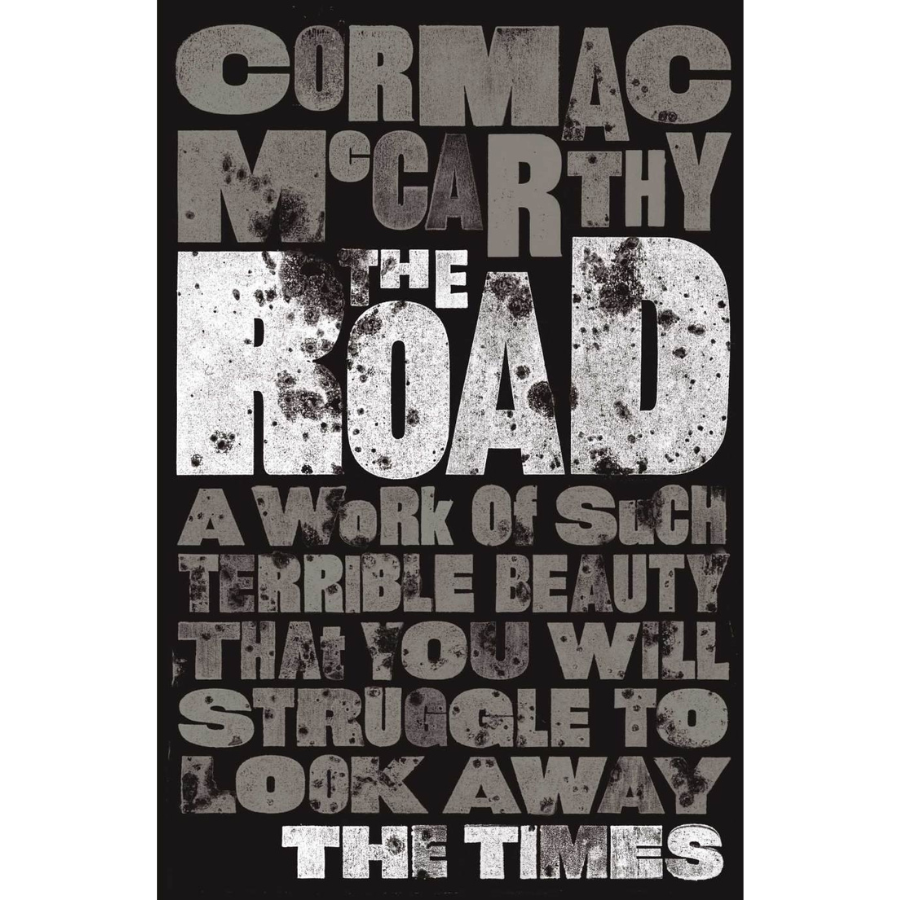
Another Western classic, McCarthy’s post-apocalyptic story is barren and brutal, but masterful. Following a father and son making their way through the wasteland, there’s no humour to be found, but some great writing.
Our July pick…
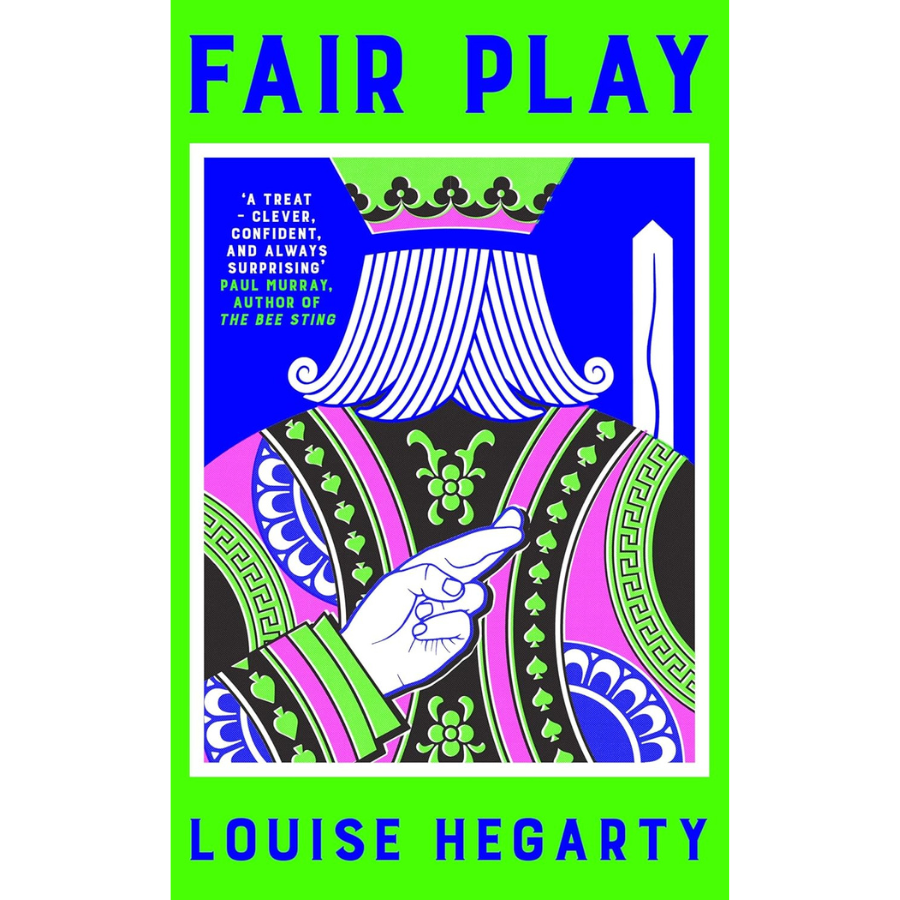
Fair Play
For my money, there’s no better summer read than a murder mystery, and Fair Play is this year’s standout entry. A group of friends rent out a house for a murder mystery party that turns real, and what starts as a classic Agatha Christie instead turns into something much more literary and interesting.