London’s Oldest Restaurants, Including One That Dates Back 600 Years
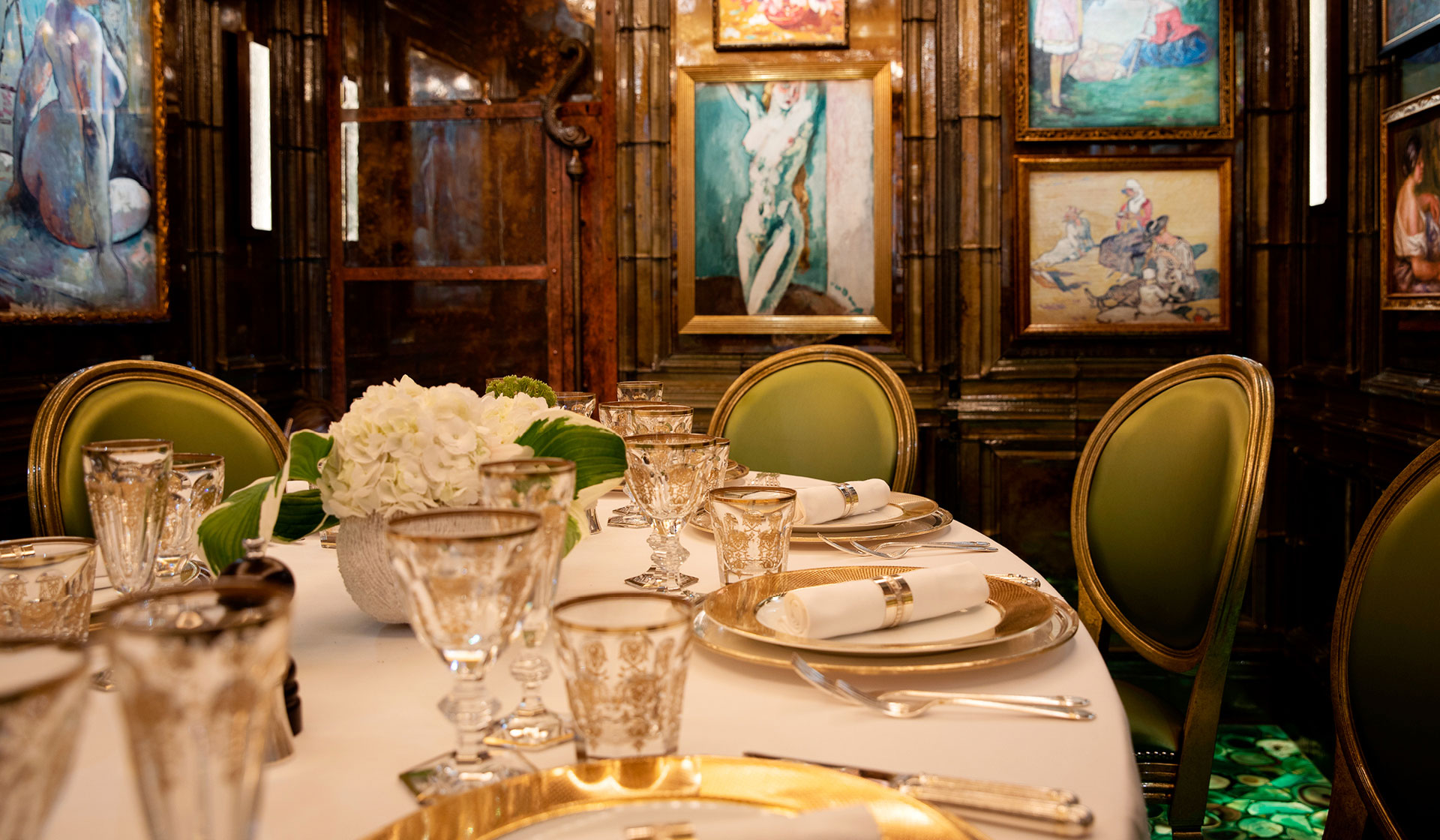
London loves what’s new, but some restaurants have been feeding the city since long before restaurant openings became a weekly event. There are dining rooms here that have survived world wars, changing monarchs, recessions and several centuries of Londoners deciding where to have dinner. From an inn that has stood on the same Mayfair site since 1423 to Victorian chop houses, Soho pâtisseries and century-old oyster bars, these are London’s oldest restaurants that you can still eat at today.
The Guinea Grill
Est. 1423
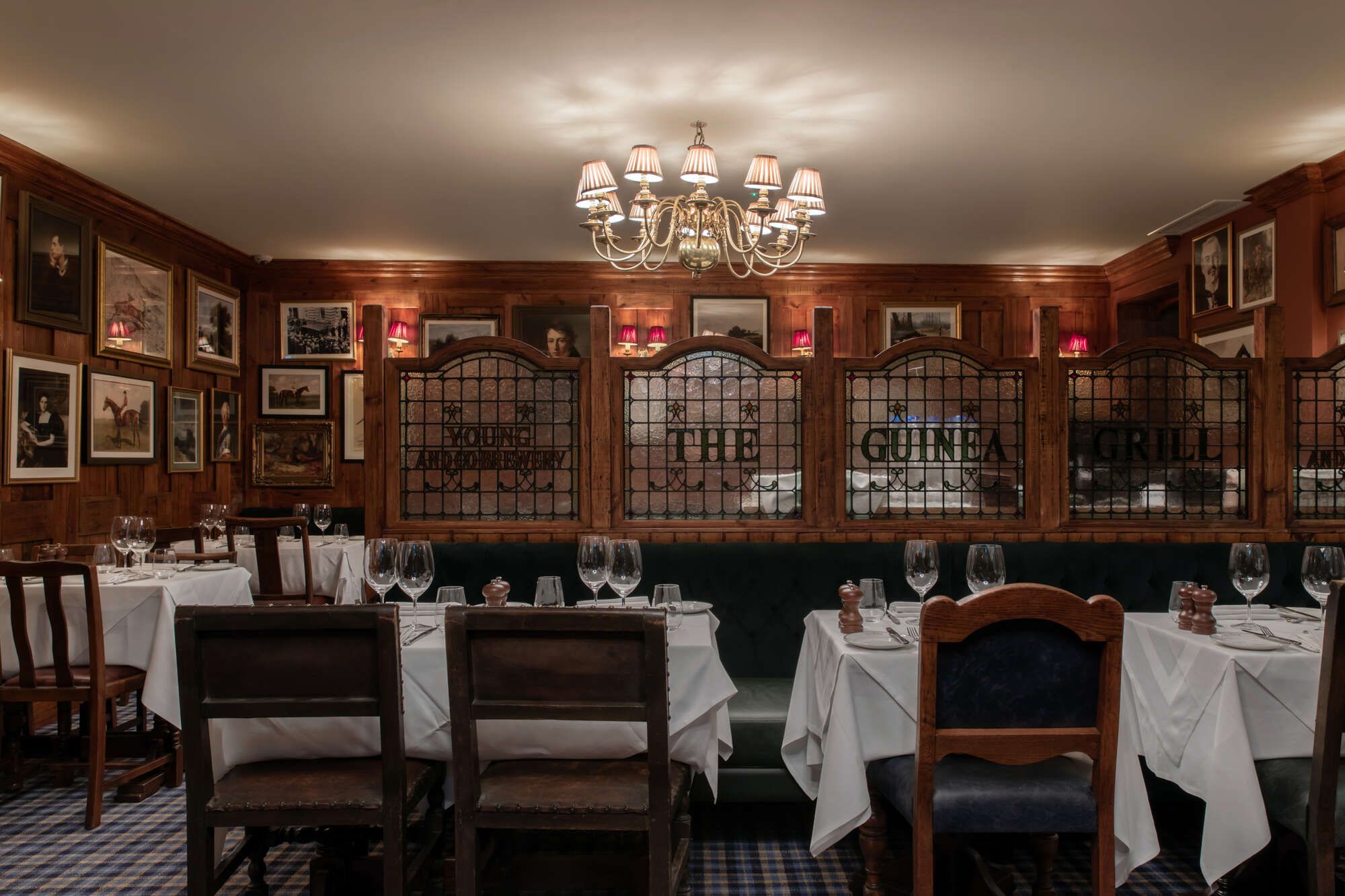
The Guinea gets to lead this list with a slight technicality. There has been an inn on this Mayfair site since 1423, although the restaurant we now know as The Guinea Grill didn’t open until 1952, when it began building its reputation around British beef and steaks. Today, the pub and grill still feel wonderfully old-school: prime cuts are cooked over charcoal, pies are taken very seriously and the walls are crowded with decades of memorabilia. So no, Londoners weren’t ordering ribeyes here 600 years ago, but food and drink have been indeed been served on this little corner of Mayfair since the 15th century.
Where: 30 Bruton Pl, London W1J 6NL
Website: www.theguinea.co.uk
Wilton’s
Est. 1742
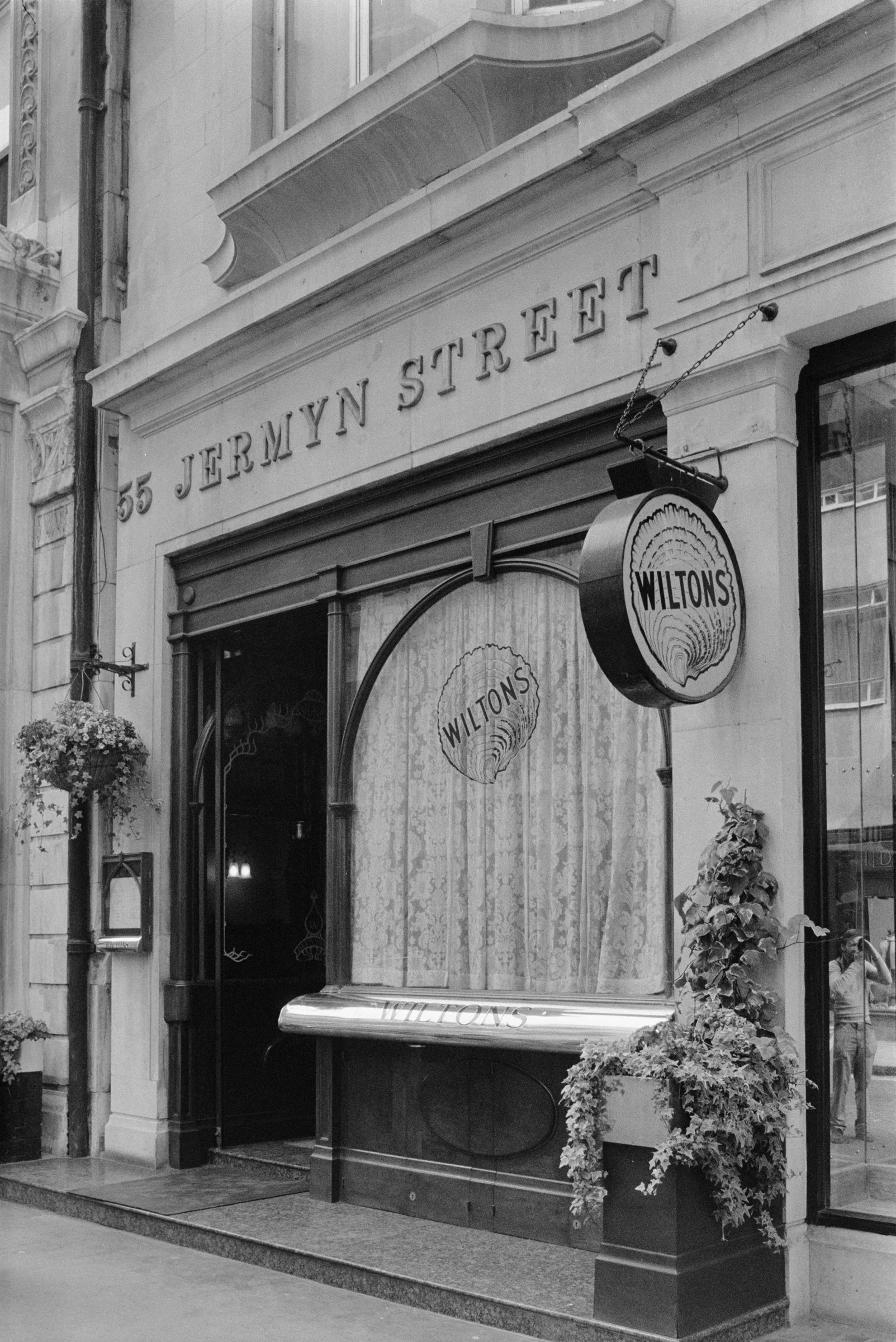
Wiltons technically began with considerably fewer white tablecloths. George William Wilton started selling oysters and shellfish near Haymarket in 1742, eventually moving from an oyster barrow into permanent premises. More than 280 years and several addresses later, the restaurant now sits on Jermyn Street, but oysters remain very much the point. Seafood and British game dominate the menu, with Dover sole and the carving trolley keeping things pleasingly old school. There are very few places where eating oysters can be considered participation in nearly three centuries of London restaurant history, but here we are.
Where: 55 Jermyn St, London SW1Y 6LX
Website: www.wiltons.co.uk
Rules
Est. 1798
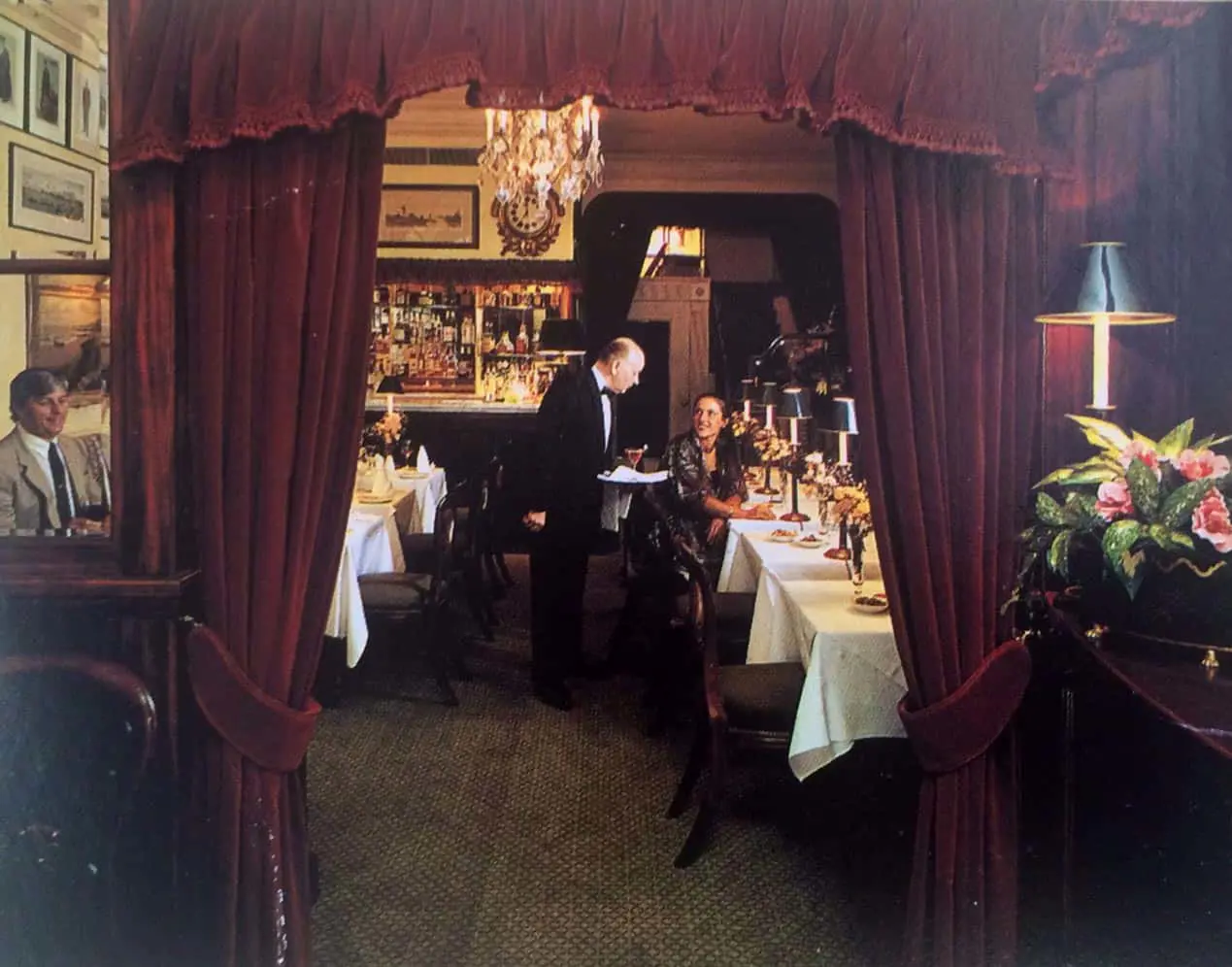
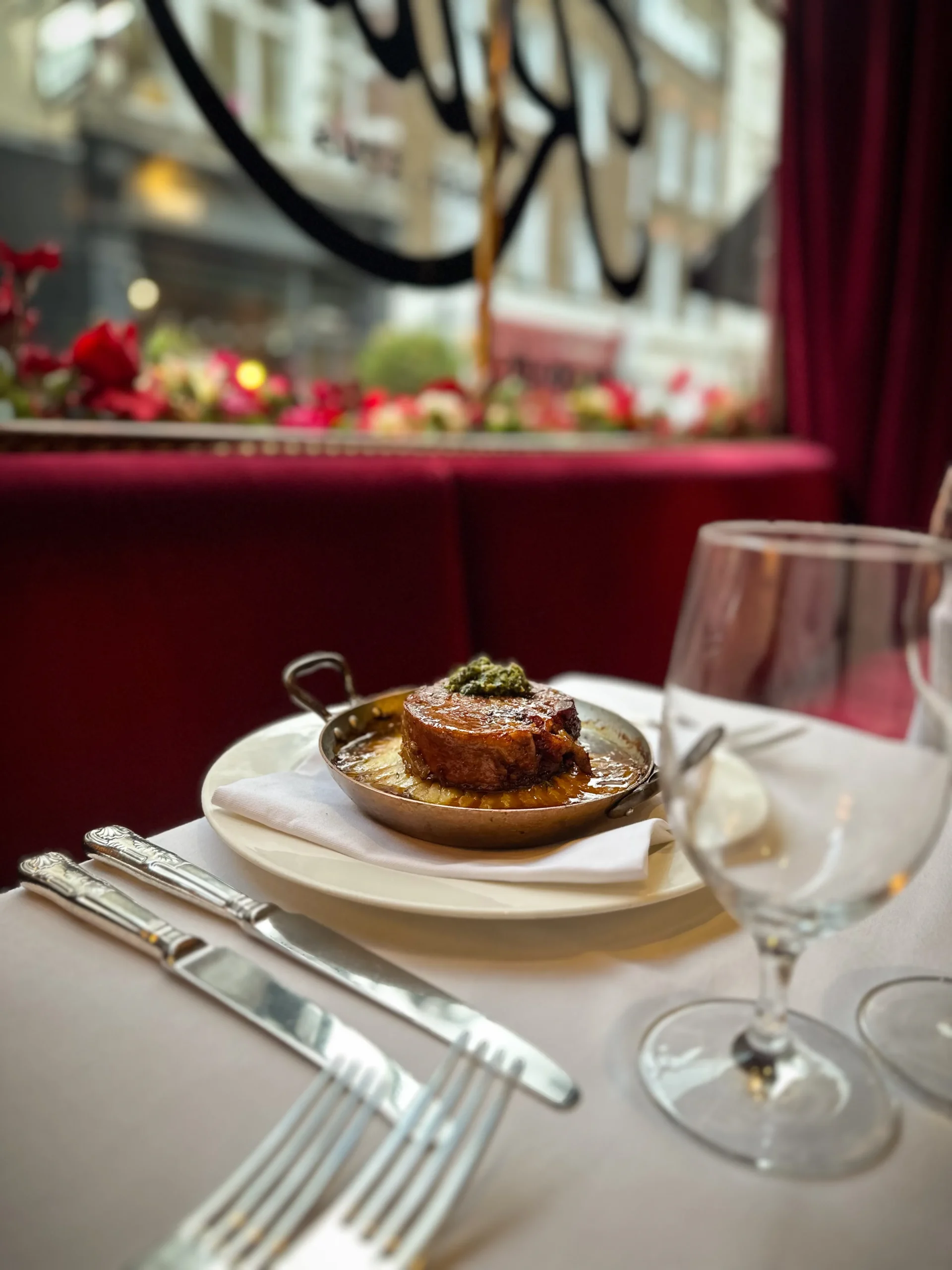
If we’re talking about restaurants rather than businesses that eventually became restaurants, this is the big one. Rules describes itself as London’s oldest restaurant, founded by Thomas Rule in 1798 as an oyster bar on Maiden Lane. More than two centuries later, it is still there. The food remains proudly British, particularly during game season, and the dining room looks exactly as you’d hope somewhere founded during the reign of George III would look: red velvet, dark wood and enough paintings to keep you occupied through several courses. London has changed rather dramatically outside; Rules has largely decided not to.
Where: 35 Maiden Ln, London WC2E 7LB
Website: www.rules.co.uk
Sweetings
Est. 1830
Sweetings is an important one to phrase correctly. The business traces its origins to 1830, when John S. Sweeting began selling fish and oysters elsewhere in London, but it has occupied its current Queen Victoria Street home since 1889. Very little about the City institution appears interested in modern restaurant conventions. It opens for weekday lunch only, takes no reservations and remains resolutely focused on traditional British fish and shellfish. The Victorian dining room survives too, making lunch here feel less like a themed recreation of old London and more like accidentally wandering into it.
Where: 39 Queen Victoria St, London EC4N 4SF
Website: www.sweetingsrestaurant.com
Scott’s
Est. 1851
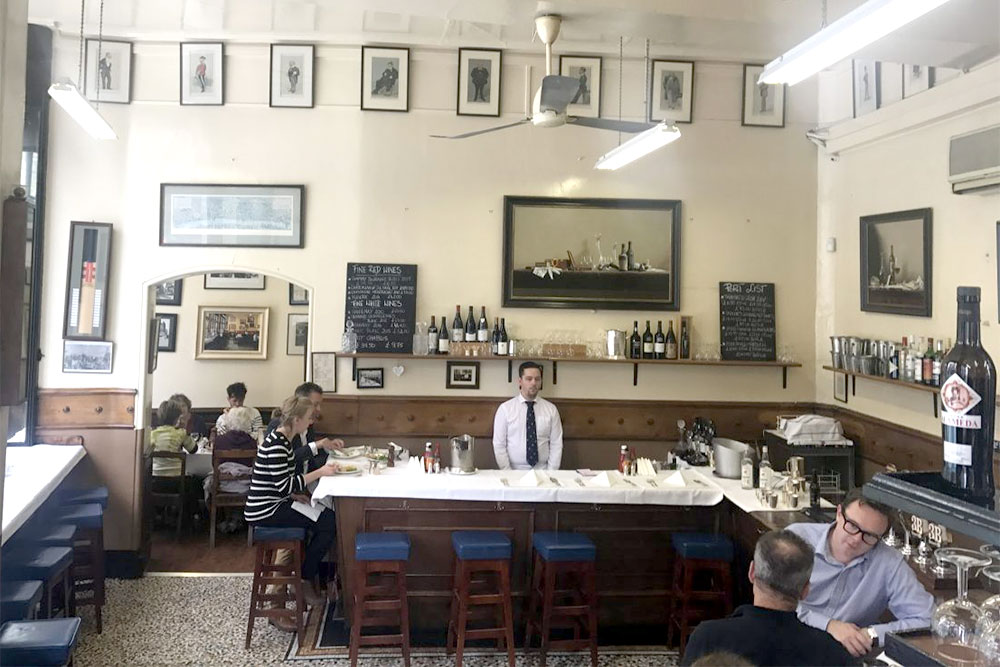
Before Scott’s became the Mayfair dining room where getting a pavement table is practically a competitive sport, it was an oyster warehouse. Fishmonger John Scott founded Scott’s Oyster Rooms in 1851 on Coventry Street, where it remained for more than a century before moving to Mount Street in 1967. The current restaurant has been through several iterations since, but seafood still dominates, from oysters at the bar to Dover sole and enormous shellfish platters. Ian Fleming was a regular in the 1950s, and the restaurant says it was here that he reportedly discovered the dry Martini served “shaken not stirred”. Quite the contribution to British culture.
Where: 20 Mount St, London W1K 2HE
Website: www.scotts-mayfair.com
Quality Chop House
Est. 1869
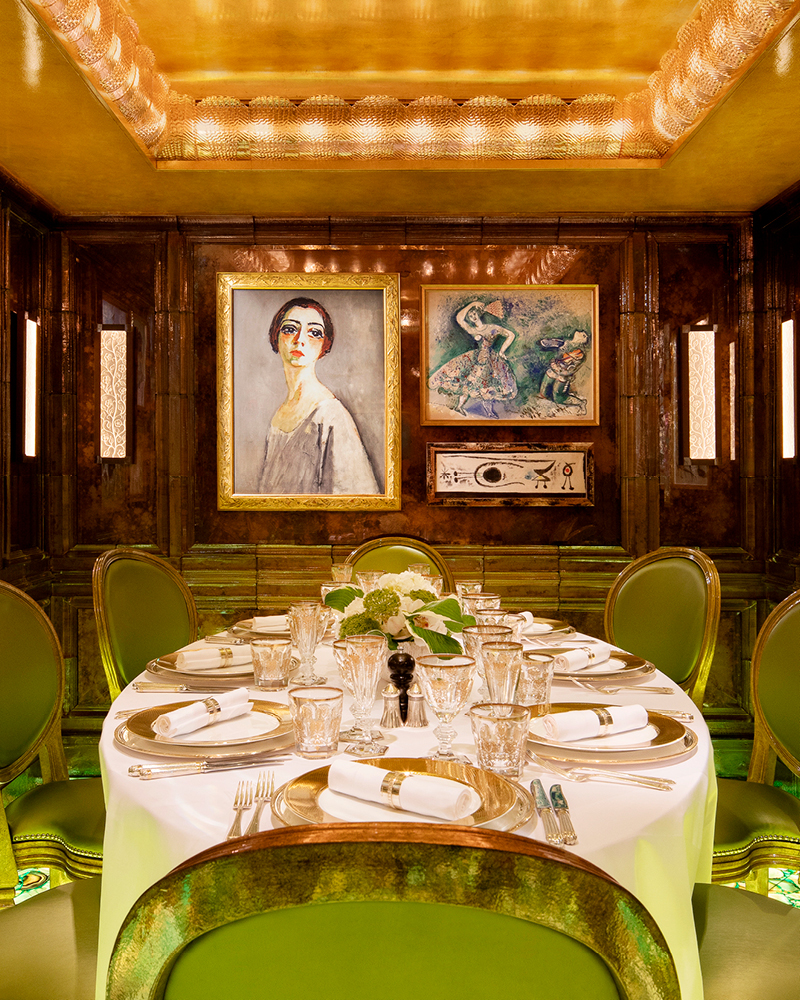
The Quality Chop House has been sitting on Farringdon Road since 1869, and some of its history is quite literally bolted to the floor. The narrow wooden booths of its Grade II-listed dining room are part of what makes eating here so brilliant, remnants of its past as a working-class eating house. These days the cooking is decidedly more ambitious, with a menu that changes according to the produce arriving each day, but its famous confit potatoes have become enough of an institution themselves. It is a rare historic restaurant where you would genuinely want to eat even if the room weren’t 150-odd years old.
Where: 92-94 Farringdon Rd, London EC1R 3EA
Website: www.thequalitychophouse.com
Maison Betaux
Est. 1871
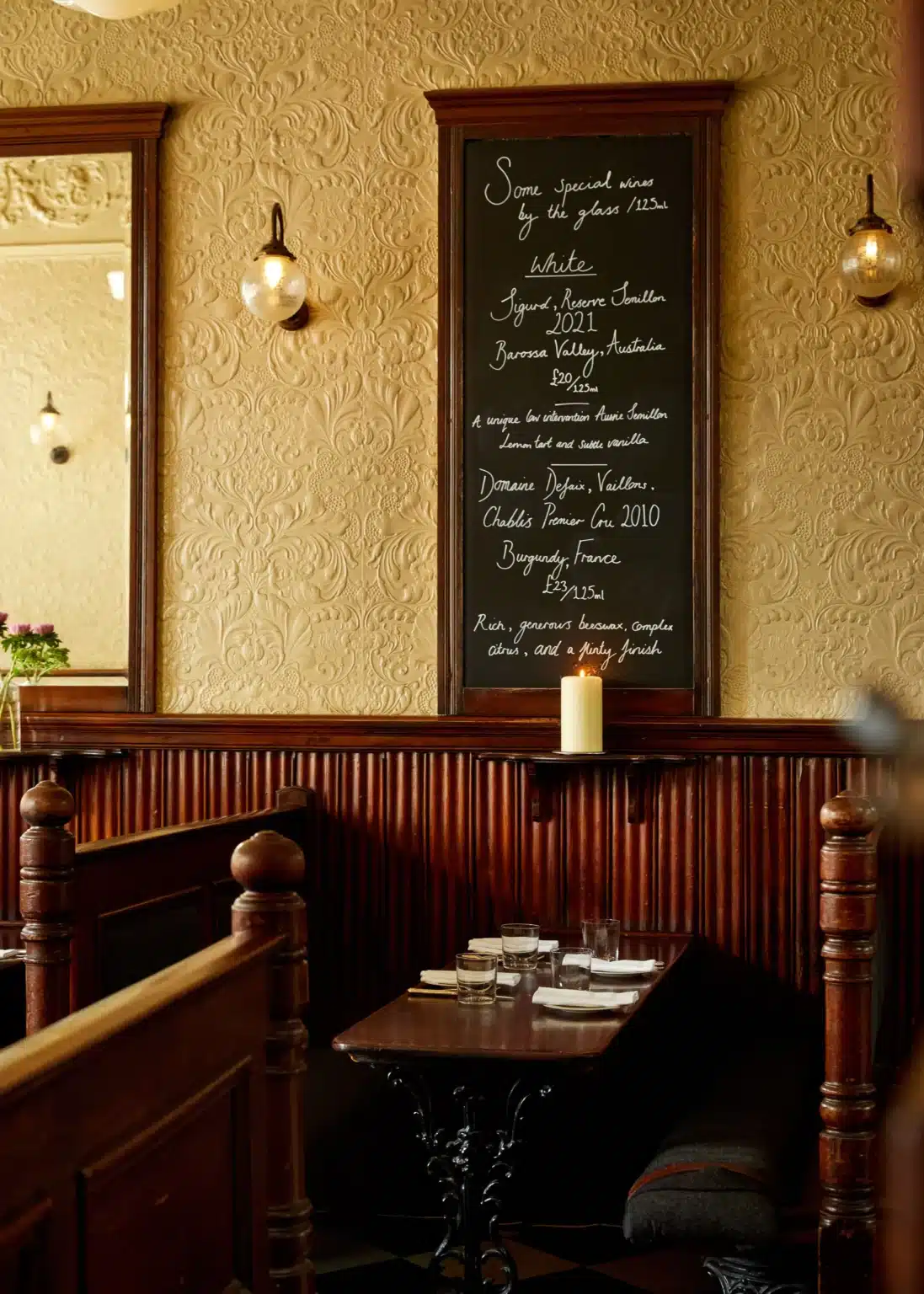
Soho without Maison Bertaux would feel fundamentally wrong. Monsieur Bertaux arrived in London after fleeing Paris following the Commune and opened his tiny French pâtisserie and tea room on Greek Street in 1871. Cakes are still baked upstairs today, and the place has resisted virtually every temptation to become sleeker, shinier or more sensible. Its clientele over the years has ranged from Virginia Woolf and Karl Marx to Derek Jarman and Alexander McQueen.
Where: 28 Greek St, London W1D 5DQ
Website: www.maisonbertaux.com
The Savoy Grill
Est. 1889
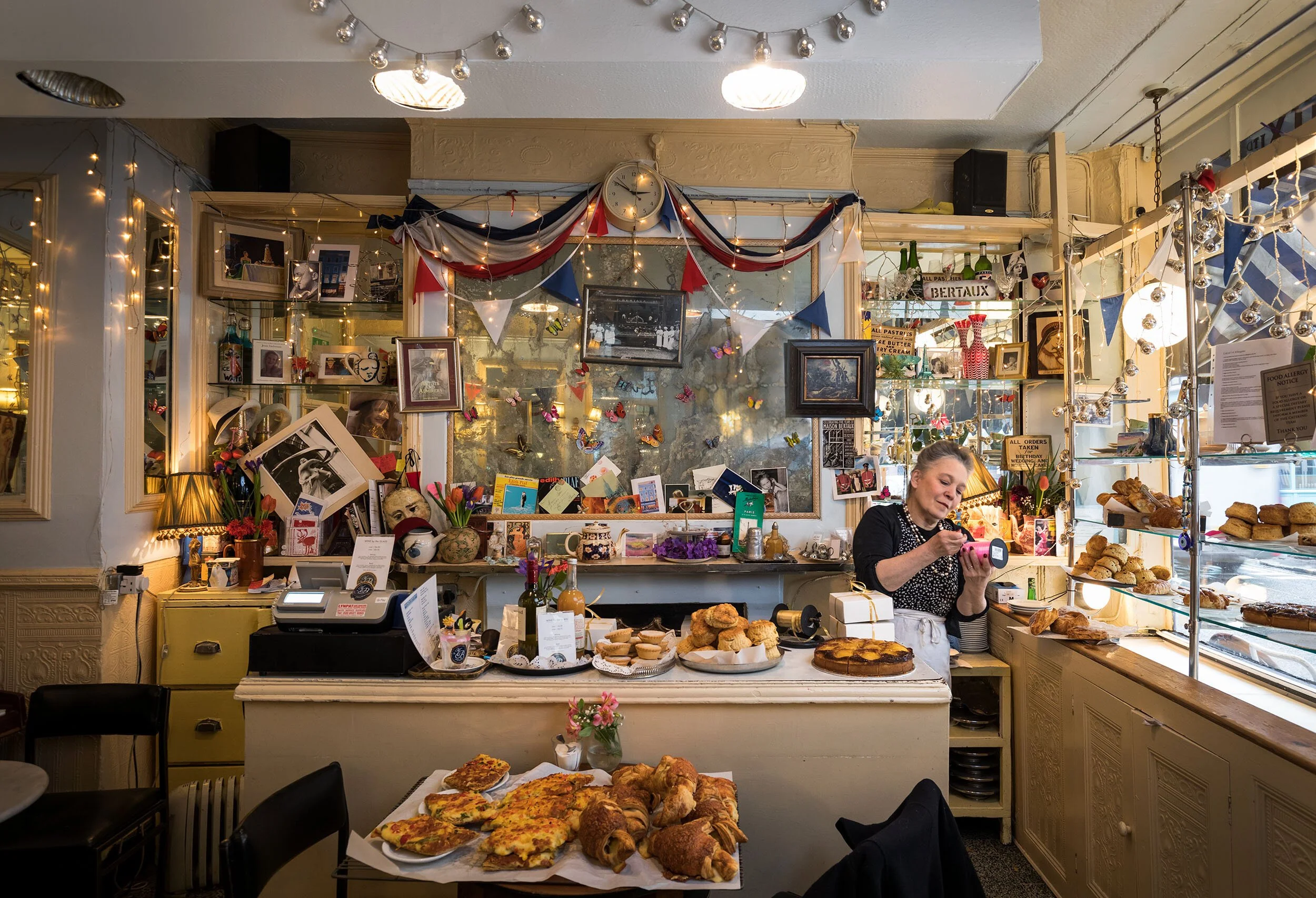
There has been a Savoy Grill for as long as there has been a Savoy Hotel. When Richard D’Oyly Carte opened the hotel alongside his Savoy Theatre in 1889, two restaurants were included from the outset, with the Grill originally occupying a downstairs dining room. By the early 20th century it had become a favourite of theatreland, with actors, directors and writers descending after performances. Gordon Ramsay Restaurants took over the Grill in 2003, but the menu still respects the appeal of a grand London dining room: steaks, soufflés, Dover sole and tableside theatre beneath those famous chandeliers.
Where: 100 Strand, London WC2R 0EZ
Website: www.gordonramsayrestaurants.com
Gordon’s Wine Bar
Est. 1890
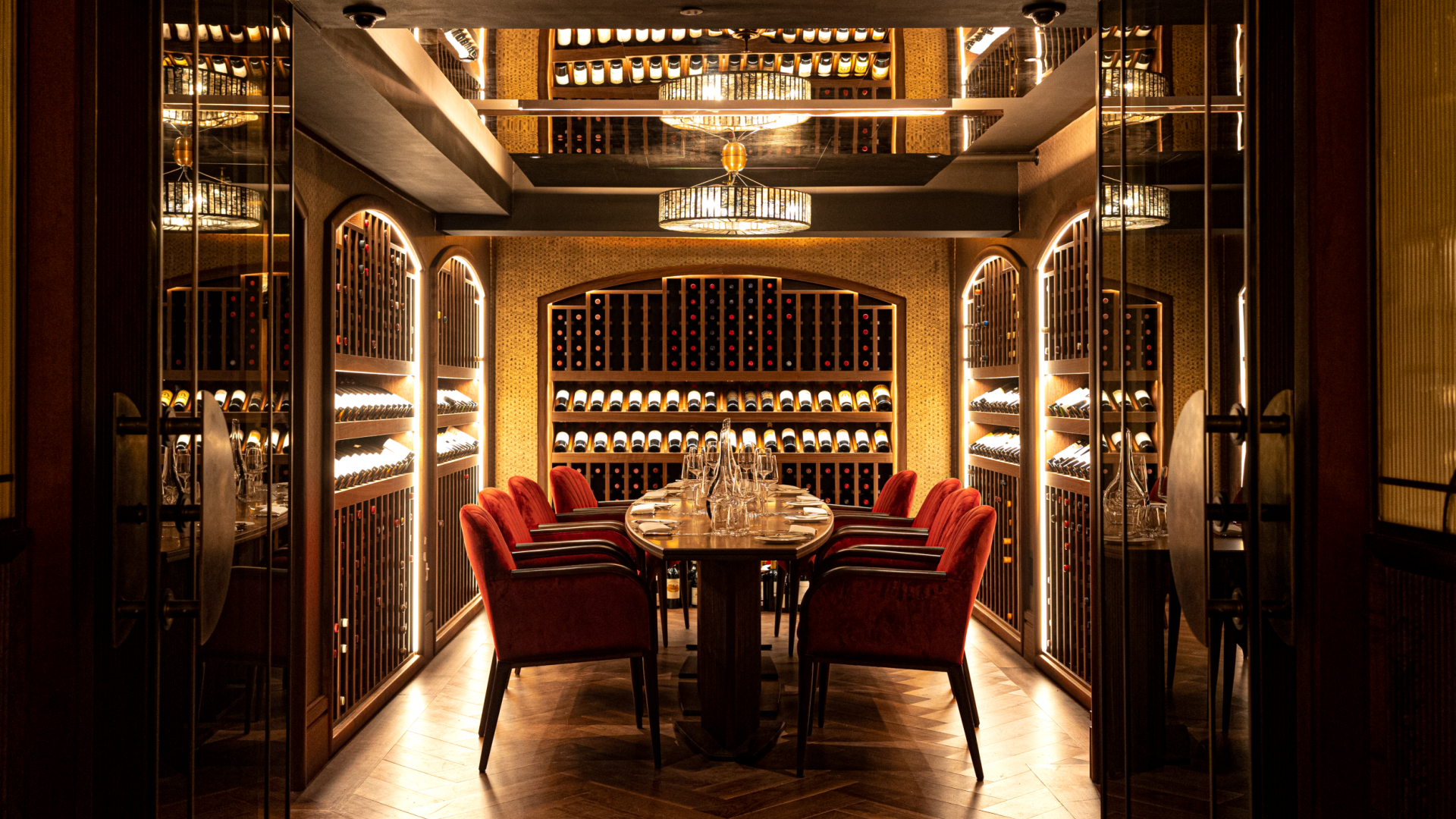
Not technically a restaurant, granted, but Gordon’s has been feeding Londoners enough cheese alongside their wine since 1890 that we’re letting it in. Thought to be London’s oldest wine bar, its candlelit vaulted cellar near Embankment remains almost aggressively atmospheric, with old newspaper cuttings and photographs covering the walls and barrels of sherry and port behind the bar. There are more than 15 cheeses alongside charcuterie, pies and sharing boards, but really you’re coming to find a tiny table beneath the arches, order a bottle and slip through the centuries.
Where: 47 Villiers St, London WC2N 6NE
Website: www.gordonswinebar.com
M. Manze
Est. 1892
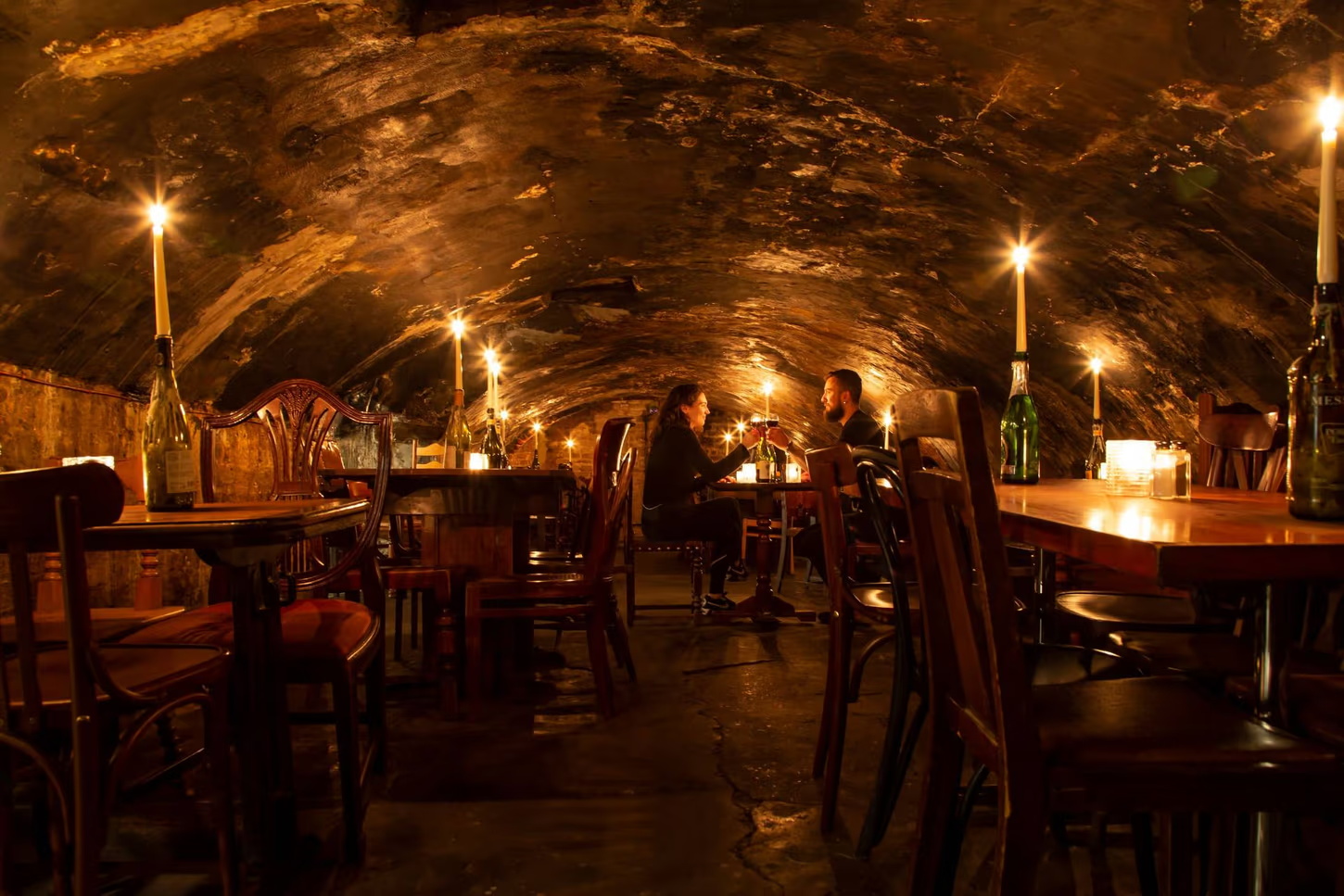
The Tower Bridge Road shop was opened as a pie shop by Robert Cooke in 1892; his son-in-law Michele Manze took it over in 1902, giving the business the name it carries today. It remains one of the great survivors of London’s pie-and-mash tradition, still serving pies, mash, parsley liquor and eels in wonderfully old-fashioned surroundings. The recipes used today are rooted in those early Manze years, and eating them at the marble-topped tables is about as traditional as lunch gets.
Where: 87 Tower Bridge Rd, London SE1 4TW
Website: www.manze.co.uk
J Sheekey
Est. 1896
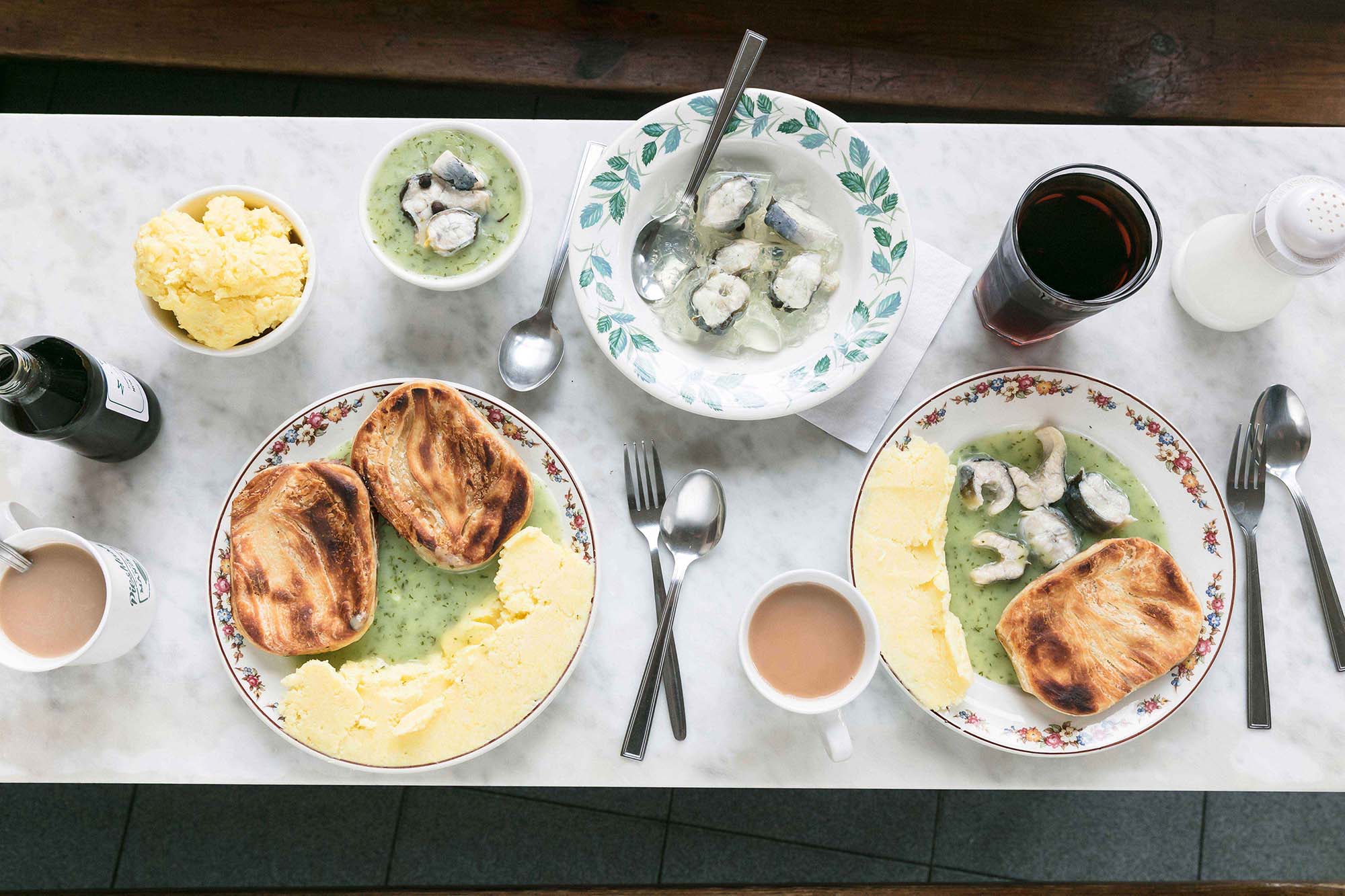
J Sheekey has been feeding theatre-goers since Queen Victoria was still on the throne. Fishmonger Josef Sheekey opened the original oyster bar in St Martin’s Court in 1896, and 130 years later the red-fronted restaurant remains one of the West End’s most reliable places for seafood before or after a show. Its surroundings have expanded over the years, but the formula hasn’t needed much interference: oysters, shellfish, Dover sole and that famous fish pie, served in a room that still feels reassuringly like Sheekey rather than an exercise in restaurant nostalgia.
Where: 28-32 St Martin’s Ct, London WC2N 4AL
Website: www.j-sheekey.co.uk
L’Escargot
Est. 1896
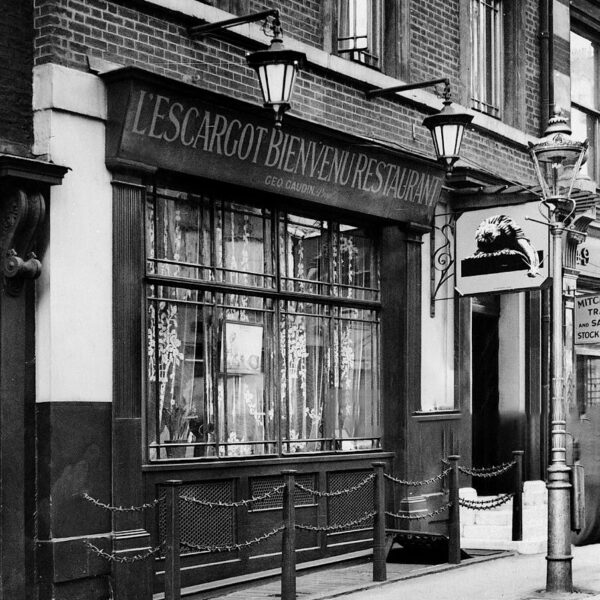
The same year J Sheekey was opening in Covent Garden, Georges Gaudin established Le Bienvenue at the bottom of Greek Street. Gaudin became known for serving snails — the restaurant says he was the first restaurateur in England to do so — and when the business moved up the road to 48 Greek Street in 1927, customers persuaded him to rename it after his signature dish. L’Escargot remains there today, occupying a Georgian townhouse dating from 1741 and laying claim to the title of London’s oldest French restaurant. Unsurprisingly, you should probably order the escargot.
Where: 48 Greek St, London W1D 4EF
Website: www.lescargot.co.uk
The Ritz Restaurant
Est. 1906
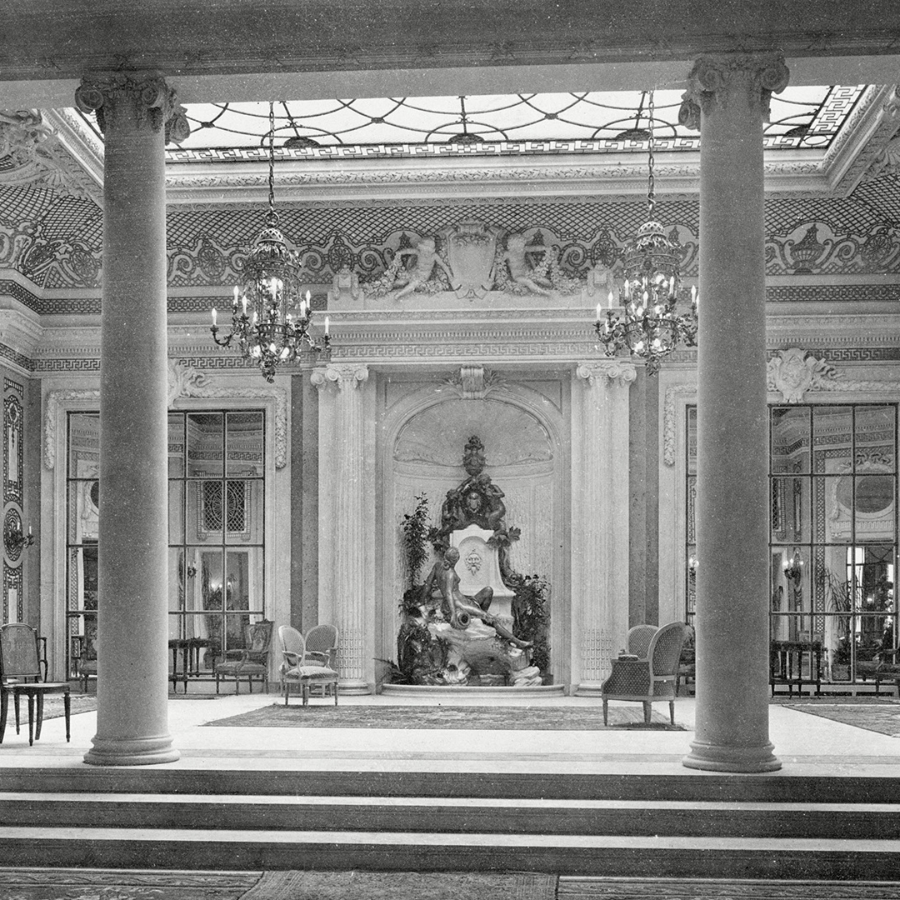
The Ritz opened on 25th May 1906, and its dining room remains one of the few places in London where the surroundings can momentarily distract you from what is on the plate. The restaurant is a glorious Belle Époque confection of chandeliers, marble, gilding and frescoes overlooking Green Park. Executive Chef John Williams MBE has brought the food rather emphatically into the present: The Ritz Restaurant now holds two Michelin stars, making this considerably more than somewhere to visit for the history.
Where: 150 Piccadilly, London W1J 9BR
Website: www.theritzlondon.com
Bentley’s
Est. 1916
Bill Bentley came from a family of oyster sellers in Clacton-on-Sea before opening Bentley’s in London in 1916, and oysters have been shucked on the ground floor of its Swallow Street home ever since. Remarkably, the original marble-topped oyster bar is still there. Richard Corrigan bought and restored Bentley’s in 2005 and remains at the helm, with British and Irish seafood still forming the backbone of the menu. Sit downstairs with oysters and Champagne or head upstairs to the Grill; after more than a century, both remain very good options.
Where: 11-15 Swallow St, Piccadilly, London W1B 4DG
Website: www.bentleys.org