How To Heal Sunburn Fast, According To Experts
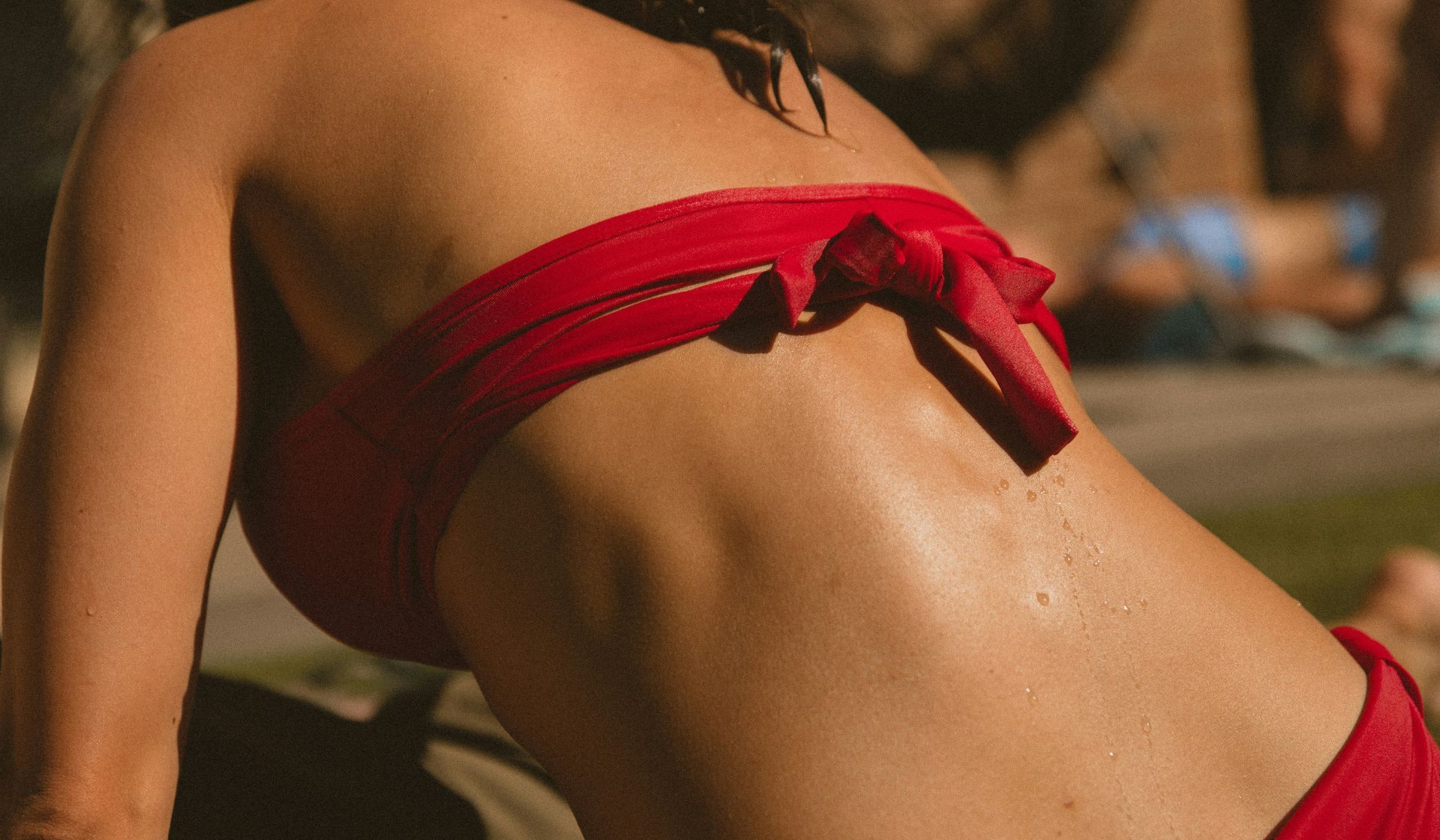
With UK temperatures soaring and searches for “sunburn” hitting their peak this year, it’s clear that many of us spent a little too long soaking up the sun. One moment you’re enjoying a laid-back BBQ and a glass (or three) of rosé, the next, your shoulders are giving off heat. Sunburn is more than just an uncomfortable aftermath of a sunny day; it’s your skin’s distress signal, indicating real damage and triggering a full-on inflammatory response.
To help you protect and repair your skin, we’ve enlisted expert advice from Consultant Dermatologist Dr Alexis Granite and Oculoplastic Surgeon Dr Elizabeth Hawkes. From smart prevention to fast recovery, here’s your essential guide to surviving (and avoiding) sunburn. SPF at the ready…
So… what actually is sunburn?
“Sunburn is an inflammatory response to UV damage,” explains Dr Alexis Granite, founder of skin-loving brand Joonbyrd. “It happens when UVB rays penetrate the skin, damaging the cells, which then triggers redness, heat, pain, and in severe cases, blisters.”
Sunburn is an inflammatory response to UV damage,
Why does the skin peel?
“Peeling after a sunburn is your body’s way of getting rid of the damaged cells that are at risk of ‘losing control’ and becoming cancerous,” explains Dermalogica skin experts. Due to this danger, all damaged cells are instructed to sacrifice themselves by repair mechanisms within these cells. “This mass death of cells results in whole layers of damaged skin peeling off, to be replaced by other cells underneath those layers.”
How to best treat sunburn
So, you thought, “I’ll be fine for 10 minutes” and fell asleep mid-podcast. Here’s what the experts say to do next:
1. Cool it
Cold flannels, icy showers, chilled aloe vera gel straight from the fridge.
2. Hydrate
Inside and out. Think: icy water, watermelon slices, hydrating moisturisers. Dr Granite swears by Avene Cicalfate Restorative, £9.95 and CeraVe Moisturising Cream, £14. Or her own Joonbyrd Sunday Sofa Body Butter, £52, thick, soothing, and smells like a fancy spa day.
3. Say no to acids, actives, and alcohol
Avoid anything exfoliating or drying. Your skin barrier is officially in meltdown mode and needs TLC, not a chemical peel.
4. Hydrocortisone to the rescue
A thin layer of a hydrocortisone cream (morning and night) helps calm redness and itch. Plus, it’s also handy for insect bites.
5. Painkillers
This may seem drastic; however, ibuprofen or naproxen = less swelling, less stinging.
5 ways to avoid burning
1. Swerve the midday sun
If the sun is directly overhead, that’s your cue to go indoors. As a rule of thumb, find a spot of shade or hit a pub garden with parasols between 11 and 3.
2. Non-negotiable SPF
Broad-spectrum SPF 30–50, applied 15 mins before heading out, and topped up every 2–3 hours (or after swimming or sweating). Stop complaining, just find a formula you enjoy putting on and religiously reapply, set an alarm if you must!
3. Dress smart
Long sleeves, wide-brimmed hats, and big glam sunglasses are your summer uniform now.
4. Don’t forget the eyelids
According to Dr Elizabeth Hawkes, “The skin on your eyelids is ultra-delicate and very susceptible to UV damage.” You can burn your eyeballs! Invest in sunglasses that cover the whole eye area and don’t slip down your nose.
5. Check the UV index — not just the temperature
It can be cloudy and still UV-strong enough to burn. Download a weather app with UV ratings and play it safe when it’s 3 or above.
Your sunburn SOS checklist
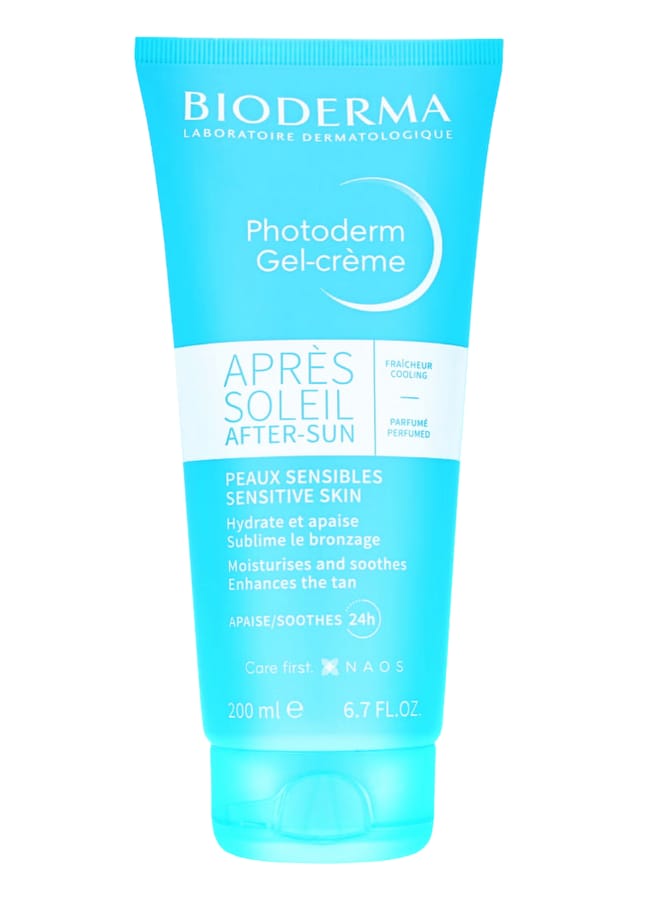
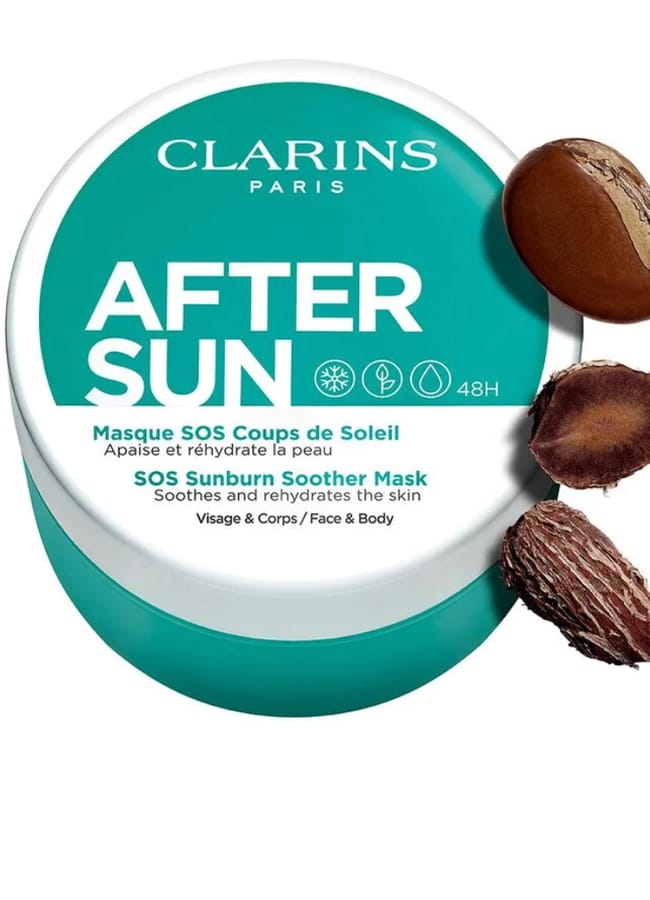
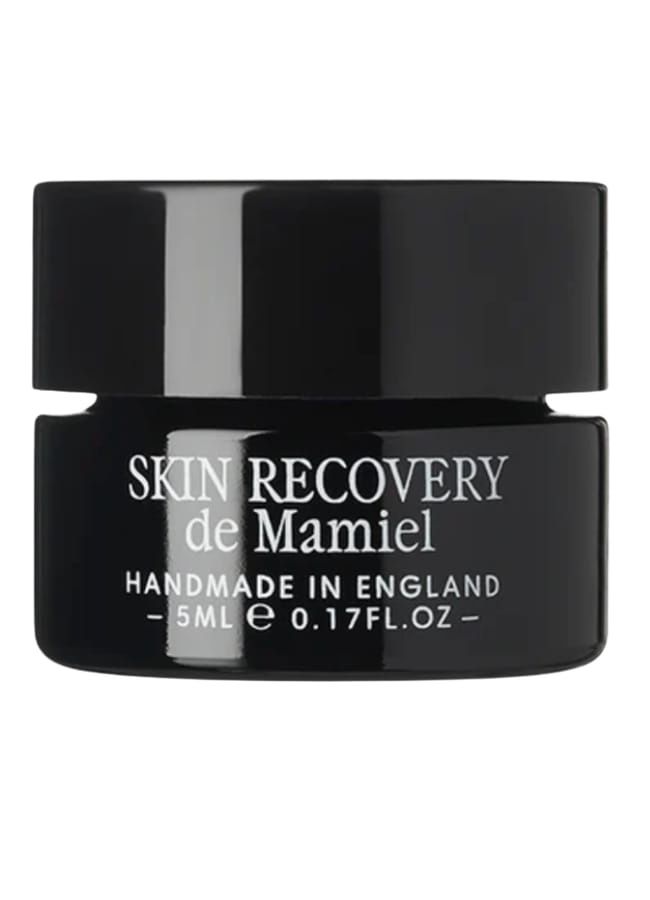
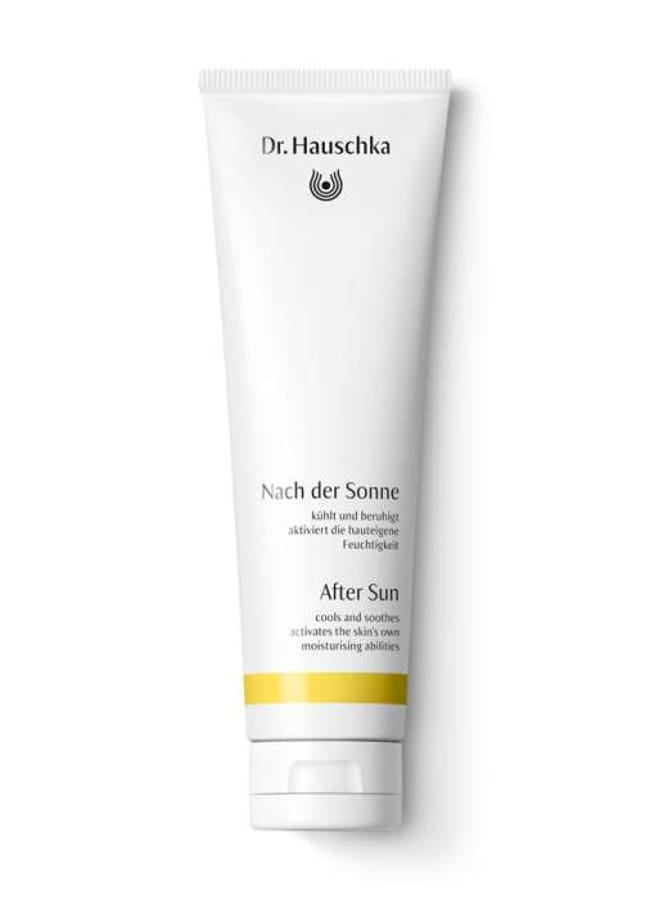
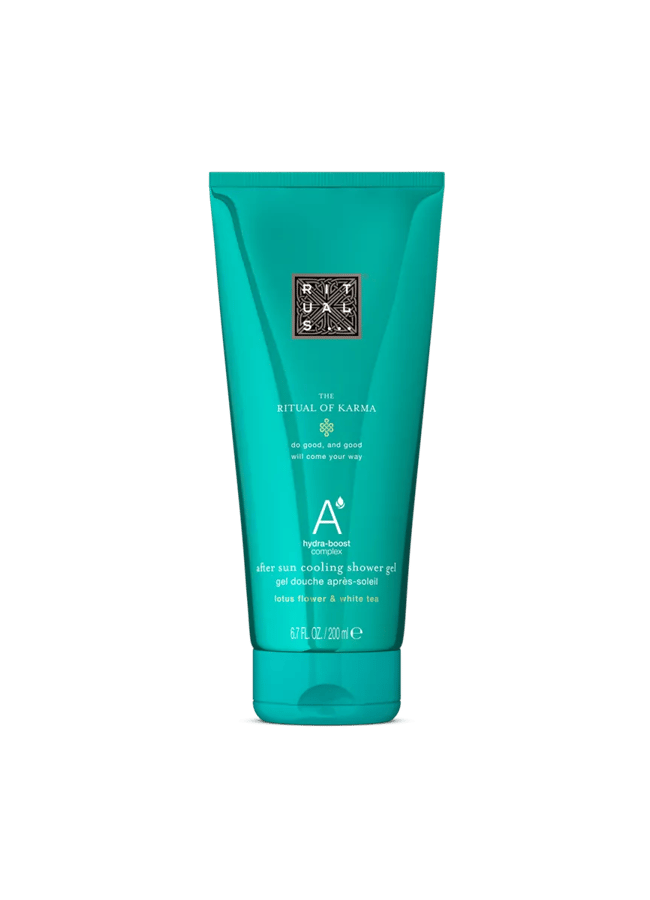
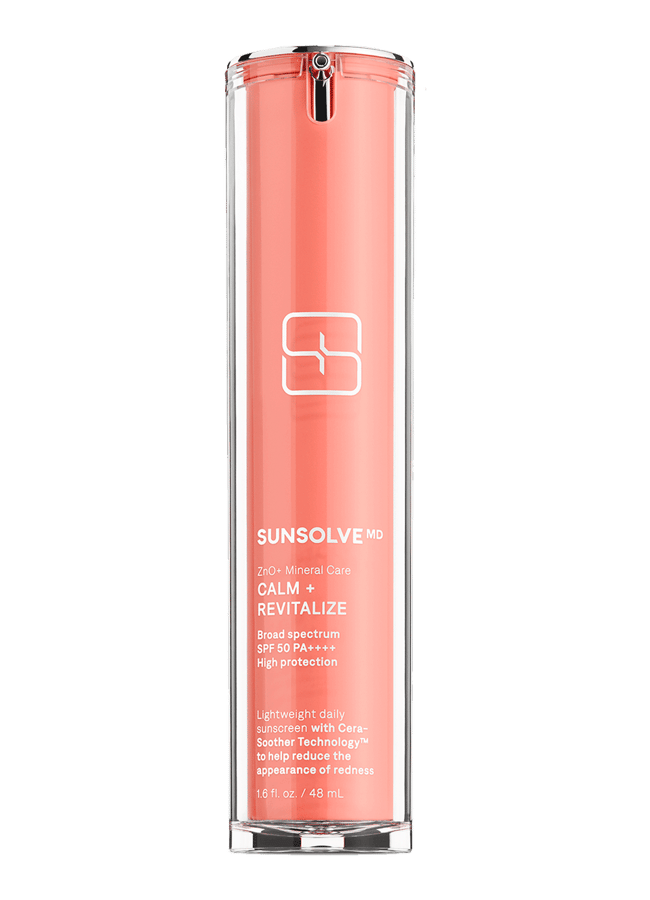
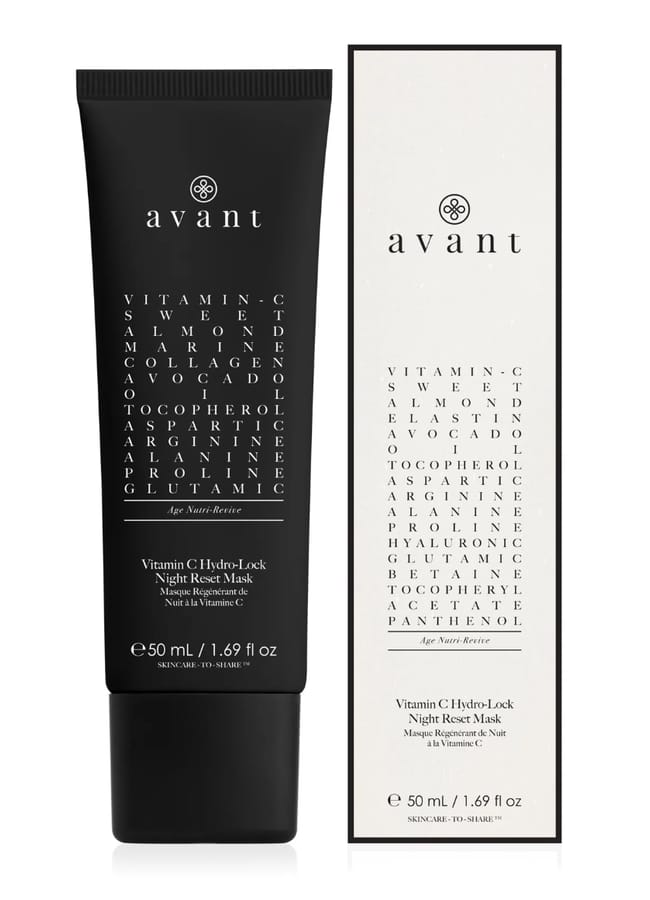
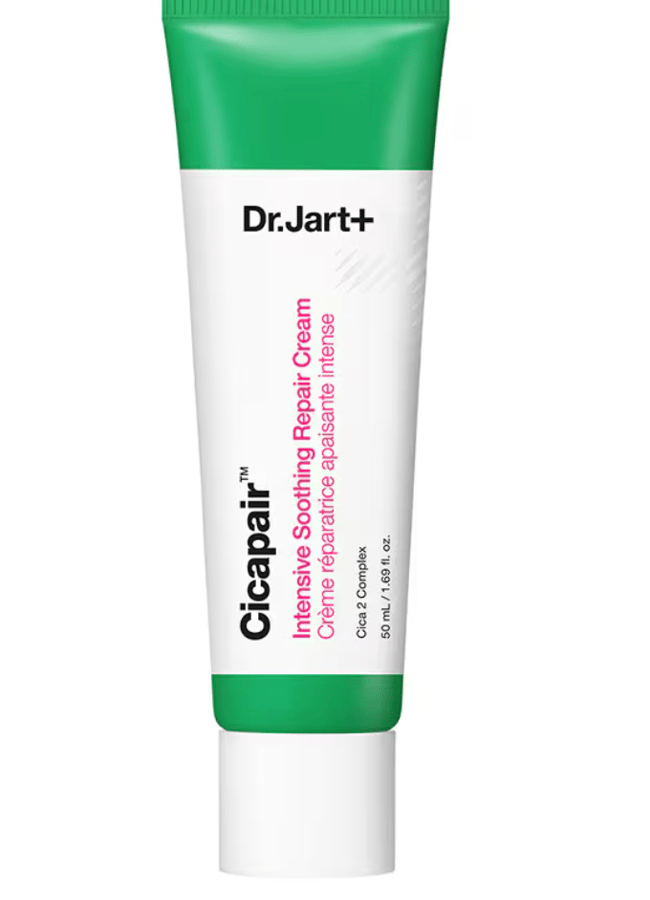
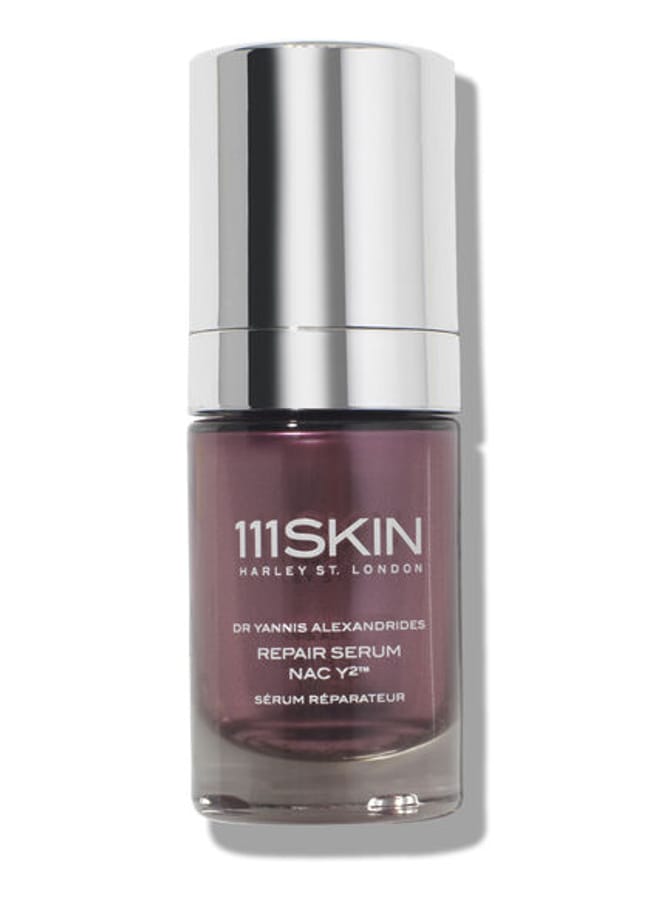
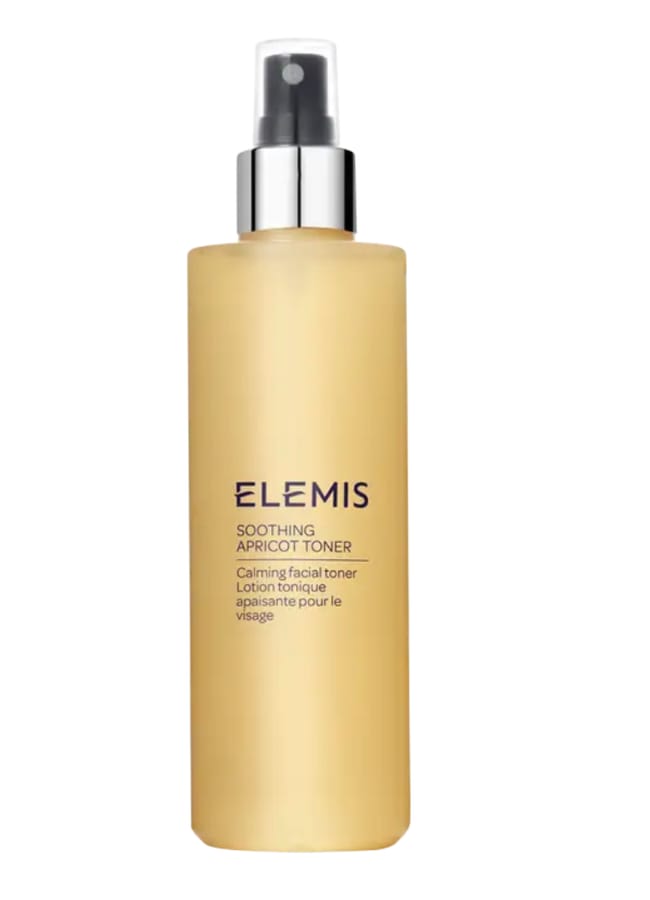
The products on this page have been selected by our editorial team, however, The Handbook may make a small commission on some products purchased through affiliate links.