13 Tween & Teen Skincare Tips To Know, According To Experts
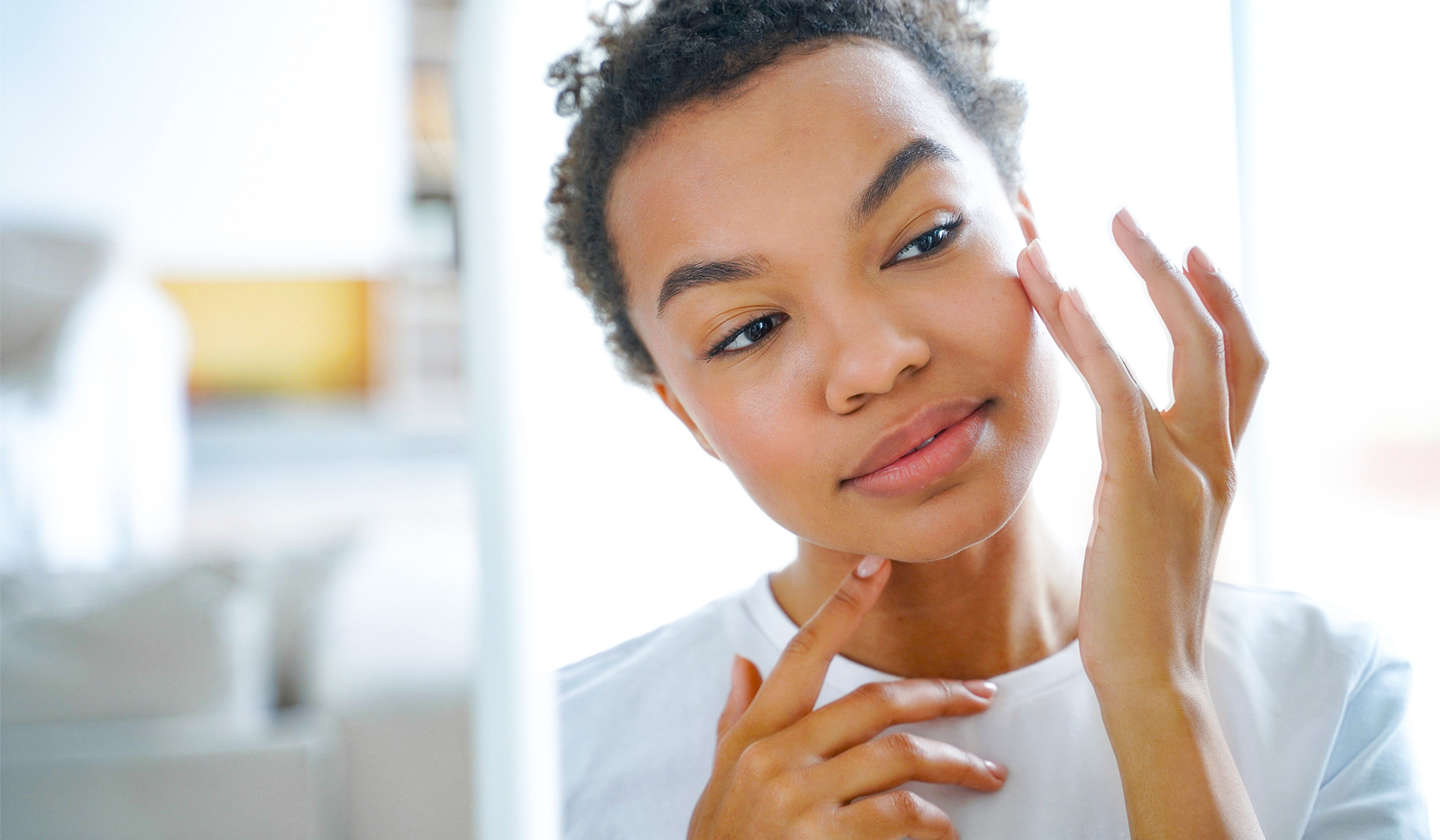
The buzz around tween and pre-teen beauty is real, with the super young diving into skincare trends like never before. In Sweden, pharmacies are even enforcing age restrictions on anti-ageing products due to a skincare frenzy among under-13s.
While TikTok influencers wield considerable influence, it’s vital for parents to do their homework before their pre-teens jump on beauty bandwagons that could harm their skin. Encouraging skincare routines is great, but education is key for making smart choices and safeguarding young skin with trusted products.
Reena Hammer, CEO & Co-Founder of Indu, a teen beauty brand, highlights the importance of starting with basic hygiene early on, emphasizing the need for clean, cared-for skin. “There is no universal age for using skincare, but honestly no time is too young to start washing your face and keeping it clean – that’s basic hygiene and a part of self-care.” However, it’s the ingredients that are compromising youthful skin barriers which is cause for concern. Here, we tap into expert advice to set clear the skincare rules for the tweens and pre-teens in our lives…..
Avoid Using Retinol
Retinol has become a popular product on social media and is widely used by beauty influencers. However, due to its anti-ageing ingredients, it is generally only for people in their mid-twenties and older.
When prescribed by a doctor or a dermatologist, retinol can be used as an acne treatment. Other than this, it is an entirely unnecessary product to be used by pre-teens because it can have some damaging consequences on juvenile skin.
Due to its high acid levels, retinol can irritate preteens’ skin and cause premature skin damage. The product also reduces the skin’s natural protection against the sun, making retinol users more susceptible to UV rays and sun damage.
Ditch The Hydroxy Acid
Like retinol, hydroxy acid is typically used to prevent wrinkles and fine lines. Due to the product’s anti-ageing ingredients, it’s generally advised not to be used by people under the age of 25. Due to the product’s high acid levels, pre-teens should avoid it altogether.
When used on adolescent skin, hydroxy acid can irritate and worsen skin conditions due to the product’s removal of the top layer of skin cells. Hydroxy acid, like retinol, can also make users more susceptible to lasting sun damage, which is why pre-teens should avoid it unless prescribed as acne treatment.
“Ultimately, pre-teens should steer clear of anti-ageing products entirely. As well as causing potential skin damage, anti-ageing products can also spark harmful and pre-mature insecurities about wrinkles and other natural effects of ageing,” says Hammer.
Push Aside Exfoliating Acids
Most exfoliating acids are too harsh to be used on young people’s skin and should be avoided in pre-teen skincare routines. The products contain high levels of acid, which are intended to remove dead skin cells but ultimately irritate pre-teens’ skin. Experts have also suggested that exfoliating acids may even disrupt the natural skin barrier, causing itching, dryness, and skin swelling. Once again, it’s also risky for pre-teens to use exfoliating acids due to the increased risk of sun damage, making it a product to avoid in pre-teens’ skincare routines. It’s important to note that pre-teens can use milder exfoliating acids as acne treatment, but only when advised by a doctor or dermatologist.
Personally, I don’t advise that tweens use acids on their skin unless they get acne and produce a lot of oil, in which case they could use salicylic acid at the very most.
Kate Kerr, Aesthetic Facialist
Stay Away from Vitamin C Serums
Some benefits of vitamin C serums include reducing the appearance of wrinkles and fine lines. Because of this, vitamin C serums are an unnecessary product for preteens’ skincare routines. Skin experts have also debated the safety of vitamin C serums for children’s skin. Some claim these serums can worsen skin conditions like eczema due to the product’s high acid levels. Overall, it’s best to steer clear of expensive serums entirely, as the anti-aging benefits of these products will be entirely unnecessary for preteens.
Introduce A Safe Routine
Despite the dangers of some viral skincare products, pre-teen skincare doesn’t have to be an entirely negative subject. It can be positive for pre-teens to express an interest in looking after their skin, which is why some products can be a great place to start a safe skincare routine.
Starting early and building good habits from a young age can be helpful, making them aware of protecting and maintaining healthy skin.”
Celebrity facialist Nataliya Robinson
Rely On A Trustworthy Moisturiser
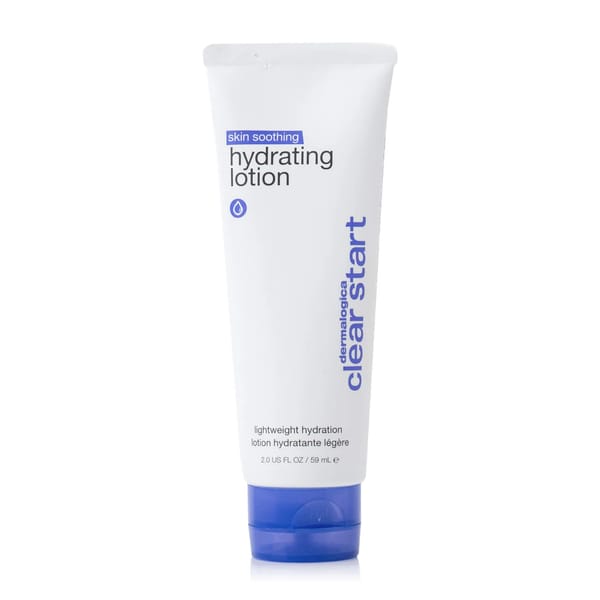
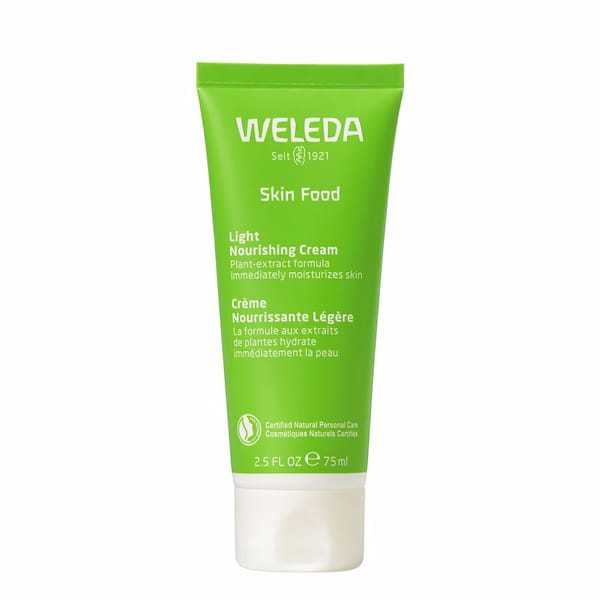
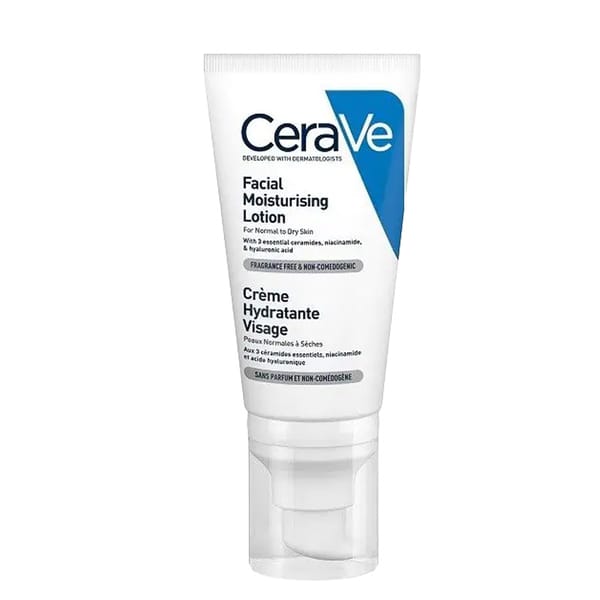
Moisturiser is an essential part of many skincare routines and a safe product for pre-teens. A light layer of moisturiser can improve hydration and prevent dryness, so it’s a great introduction to the world of skincare.
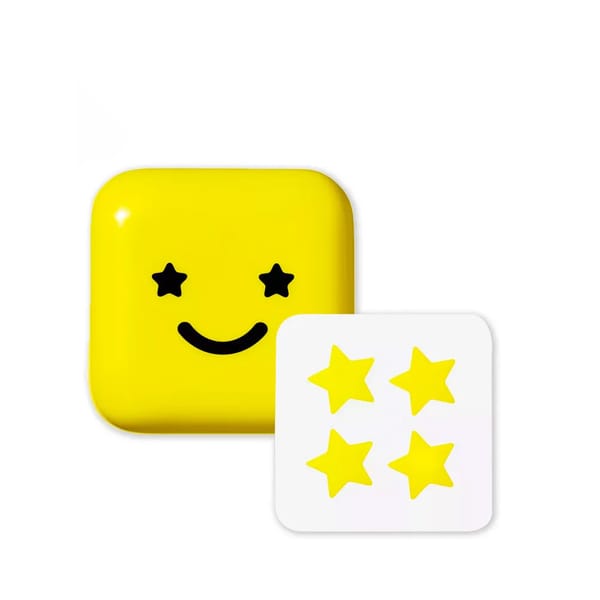
Experiment With Pimple Patches
Applying a pimple patch on a blemish can reduce redness and inflammation, making them a fun and exciting product for pre-teen skincare routines.
Never Underestimate SPF
Due to the popularity of these products on TikTok, many pre-teens may already be applying SPF products in their skincare routines. #SPF currently has over 6 billion views on TikTok and has over 232,000 posts, showing its relevance on social media.
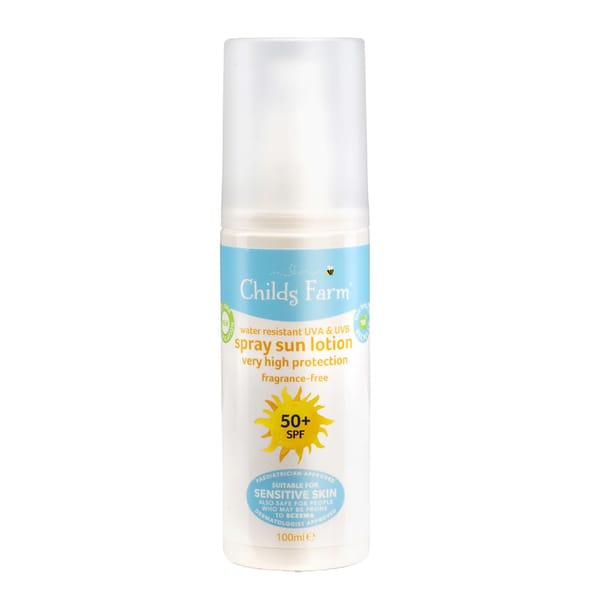
SPF products are an incredibly safe and beneficial product to incorporate into pre-teen skincare routines as they provide protection against the sun. SPF should always be the last step in any skincare routine and should be applied at least 20 minutes before going outside for maximum effect.
Be Cautious Of Face Masks
“Using face masks is something that tweens often enjoy doing with friends, and while the odd sheet mask or clay-based mask is fine, I’d recommend avoiding any enzyme or acid-based masks.” Keep it simple for young skin explains Kerr.
If They Insist On Using Skincare, Make It A Mild Cleanser
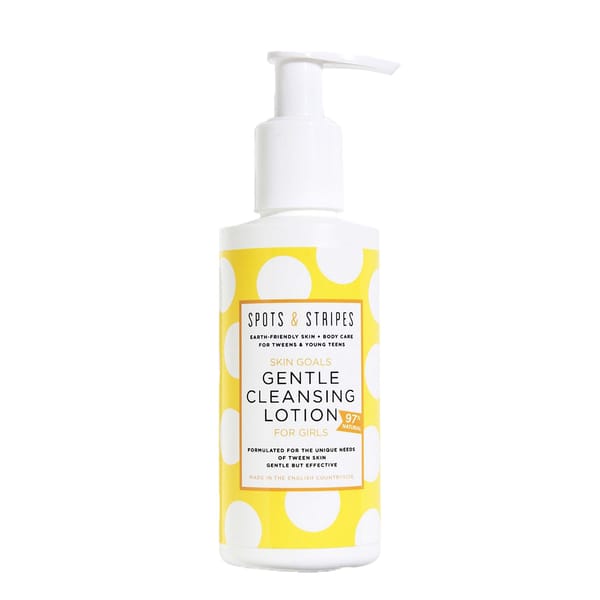
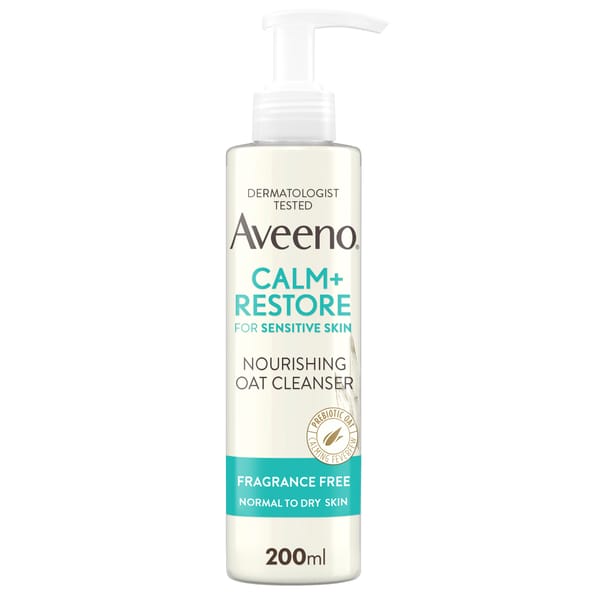
Cleansing is an effective way to rid your skin of dirt and oil, making it a reliable breakout preventive. Because of this, mild cleansing products, such as gel cleansers, can be a safe and refreshing part of a pre-teen skincare routine. Hammer adds “Cleansing well is vital – using something that removes all the build-up but without stripping.”
Never Share Your Face Flannel
“It’s a breeding ground for bacteria – you’ll be surprised how many people share or don’t wash it regularly,” says Hammer.
“You can be doing everything right and then just by using a dirty flannel reintroduce bad bacteria onto your skin.”
Save Up for A Facial
Whether it’s for your teen to get a better understanding of skincare or they’re just in need of some TLC, a teen-specific facial is worth treating your child to if she or he is feeling self-conscious or perhaps overwhelmed by the choice of skincare. “Using facial treatments to enhance skin health and boost confidence is more of a necessity than a luxury,” says Robinson whose Teen Skin Facial is the go-to treatment for teen skin.
Lastly, Remember Breakouts Are a Part of Life
“Sometimes the body is going through many things and fighting many aggressors, pollution, blue light, sun damage, hormones, stress, lack of sleep, diet choices – so it’s inevitable that we will all suffer from a bad skin spell once in a while.” Hammer explains that “we need to normalise this – as so much of what we see on social media is this idealised version of what people look like and it isn’t real and it’s damaging a lot of kid’s self-esteem. Remember that breakouts are a part of life, and it is normal – so they shouldn’t stress too much – this can often exacerbate the problem.”
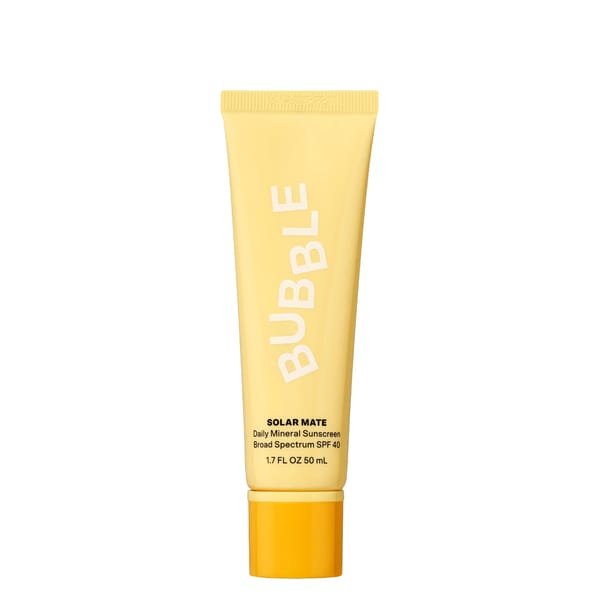
We recommend that younger consumers use a cleanser, moisturiser and an SPF; with SPF being the most important part of your skincare routine.
Shai Eisenman, Founder of Bubble Skincare.
9 Top Tween & Teen-Friendly Skincare Brands
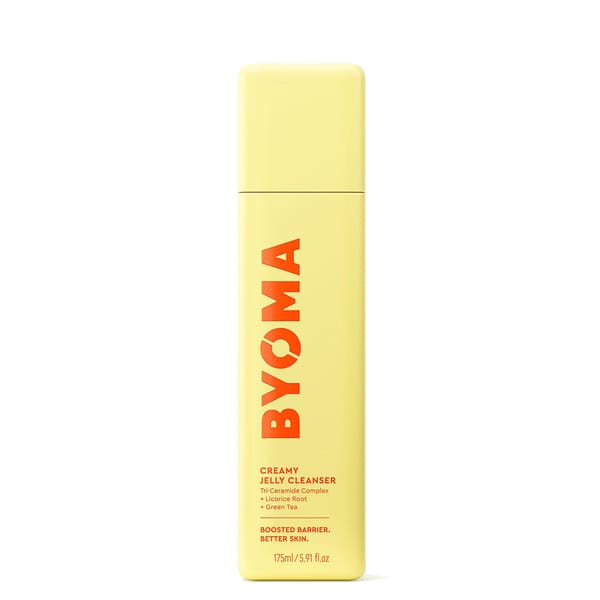
Byoma
Bubble Skincare
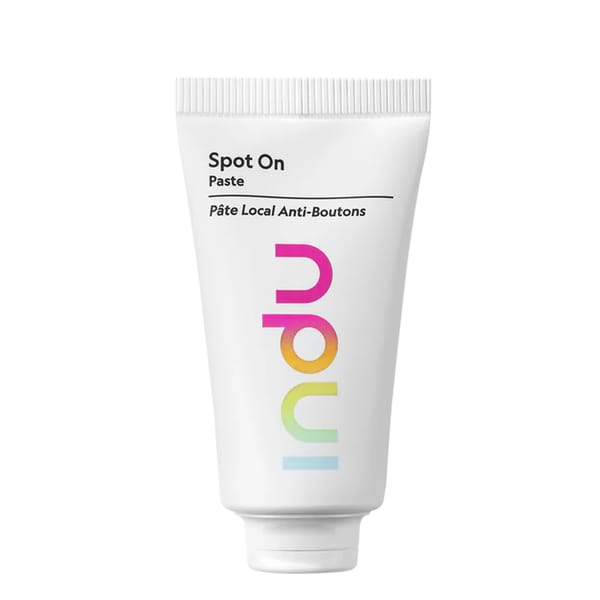
Indu Beauty
Weleda Skin Food range
Aveeno Calm & Restore range.
CeraVe
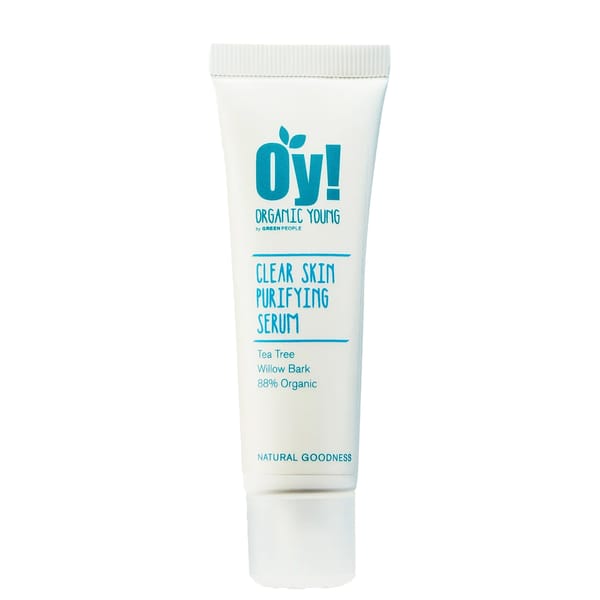
Oy! by Green People
Spots & Stripes
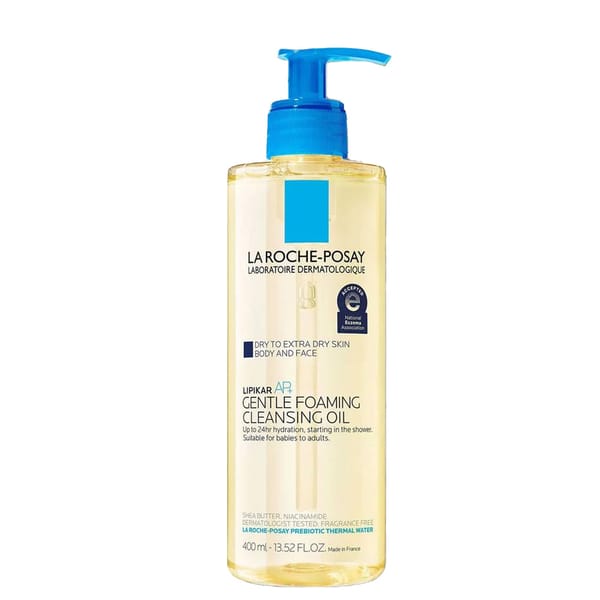
La Roche Posay
Childs’ Farm
Additional information & Expert Commentary from Fresha.com skin therapists
The products on this page have been selected by our editorial team, however, The Handbook may make a small commission on some products purchased through affiliate links.