Agatha Christie Is Turned On It’s Head In This Murder Mystery With A Twist

Murder mysteries, to me, are a little like the siren call in The Odyssey. I know I shouldn’t read them. I know they (almost) always disappoint me. Great setups ruined by mediocre endings. Writers are caught between trying too hard to break free from what can be a formulaic straitjacket of a genre, or not being bold enough to differentiate themselves from the golden era of mystery writing. Even reading Christie now is something of a bathetic experience, ruined by the unfortunate circumstance of the fact that her style of writing has retroactively become a trope. It’s a crime of which she is innocent, but that doesn’t help the reading experience.
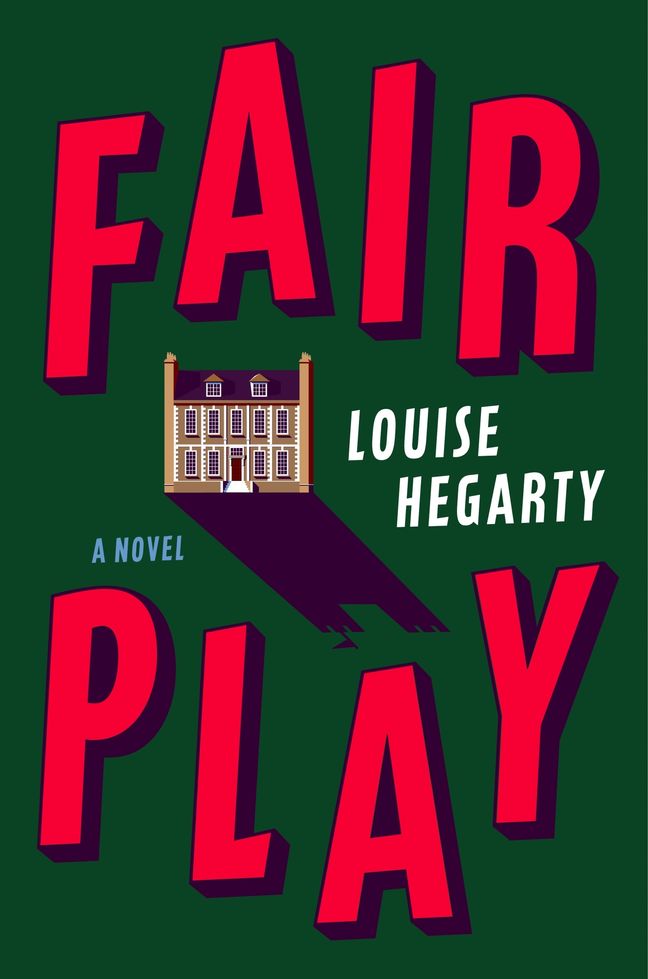
And yet, every time a new murder mystery comes into my orbit, I’m taken in once again. What if this one is different? Fair Play by Louise Hegarty, released earlier this year, caught my eye for a couple of reasons. Hegarty has won awards for her short stories, but this is her first novel, and has a more literary slant to her writing than what you’d usually expect for a murder-mystery writer. Combined with the setup of a locked door mystery was the promise of a writer able to deliver something interesting with the form.
What is Fair Play about?
The set-up is classic – almost too classic, you might think, and yes, there’s a reason. There’s the main character, Abigail, who is throwing a New Year’s Eve/Birthday party for her Brother, Benjamin, at an Airbnb in the Irish countryside. On the invite list is Stephen, his handsome best friend from school; Declan, his boorish childhood friend with gambling debt; Margaret, his ex-fiancée; Cormac, his friend from University and his slightly conspicuous girlfriend Olivia; and Barbara, his secretary and newcomer to the group, who everyone secretly suspects is having an affair with Benjamin. They play a murder mystery game, drink too much, and go to bed. When they woke up, Benjamin had died. Then it takes a turn.
Part one of the novel is so curiously and seemingly deliberately prosaic that even if you weren’t aware a twist was coming, you knew it had to be leading somewhere. It’s a full-on table setting, the narrator rushing through the story to get to the interesting bit. The heel-turn of part two brings to mind recent films like Fresh or Barbarian: a title card followed by a jump cut to let the viewer know they’re not in the same world as they thought they were.
The set-up is classic – almost too classic, you might think, and yes, there’s a reason
Suddenly, we have an entirely new cast of characters in the vein of Golden Age mystery writing. We have various rules of engagement with the genre listed, from T.S.Eliot to S.S. Van Dine’s “Twenty Rules for Writing Detective Stories”, proclaiming that “a crime must never turn out to be an accident or suicide” and “the culprit must turn out to be a person who has played a more or less prominent part in the story”. We also have a detective – Auguste Bell, a part-Poirot part-Sherlock Holmes pastiche, who comes armed with a Watson-esque sidekick and, crucially, a meta-awareness that he is a detective in a detective story.
Should you read it?
I previously mentioned what intrigued me about the novel – a classic murder mystery set-up in the hands of a literary genre writer. And, after reading, that is a pretty accurate summation of what Fair Play ends up being, but I can’t help but feel its marketing is working against it. Spoiler alert, but I think readers would be better served going into the novel aware that it’s not really a murder mystery. Its Goodreads score is only 2.9, which feels mainly down to readers feeling shortchanged. In part, that’s unfair because there’s a lot Hegarty does really well, but the novel never fully gets over the problem of its own construction.
After we are introduced to the detective, two parallel narratives play out, and it’s not immediately clear what the author is aiming for. One follows Bell and his meta-investigation, as he instructs the reader, “the reader to turn back a few pages and read through the Fair Play rules” and says out loud, “And anyway, it couldn’t possibly be a suicide. It would break Van Dine’s Eighteenth Commandment”. The other contradictory timeline follows Abigail in the weeks after the death, as she grieves, sorts through post-death bureaucracy, and returns to work. You soon realise the game Hegarty is playing.

The chapters focusing on Abigail’s grief feature some deeply moving writing, delving into aspects of trauma that will be terribly familiar to anyone who has experienced something similar: The Kafkaesque mundanity of having to sort out logistics like arranging a funeral and dealing with a will as you’re grieving an incomprehensible loss. Awkward meetings with friends trying to cajole you into moving on, and office colleagues going out of their way to express sympathy, which of course makes it all worse. One chapter features a passive-aggressive company-wide email Abigail receives from HR referencing the “absolute state of the Kitchen” in the office. We view this through her eyes, as someone coming back to the office after grief, the contradiction laid bare between its urgent tone and entirely meaningless content through perspective.
Another, where Abigail writes, edits, and rewrites her memories of the last Christmas spent with Benjamin, weighs heavily. It’s part coming to terms with her memory of her brother, part coming to terms with how she will attempt to move on.
Verdict
The problem lies in the other half. Once you realise what Hegarty is doing, the murder mystery plotline becomes frustratingly futile. It’s too wink-wink to work by itself, and as clever as a plot device it may be, it becomes tiresome as it hurtles towards a Clue-style resolution. If the murder-mystery aspect had been taken more seriously, and if there had been a more consistent bridge between the two narratives, it would have resulted in a stronger overall work. Hegarty made her name as a short story writer, and anyone who ever read a collection will know there are some stories you will love and some you won’t. Fair Play works the same way, some beautiful moments amid an attempt that never really becomes as good as the sum of its parts.
Looking for something similar? Read these next
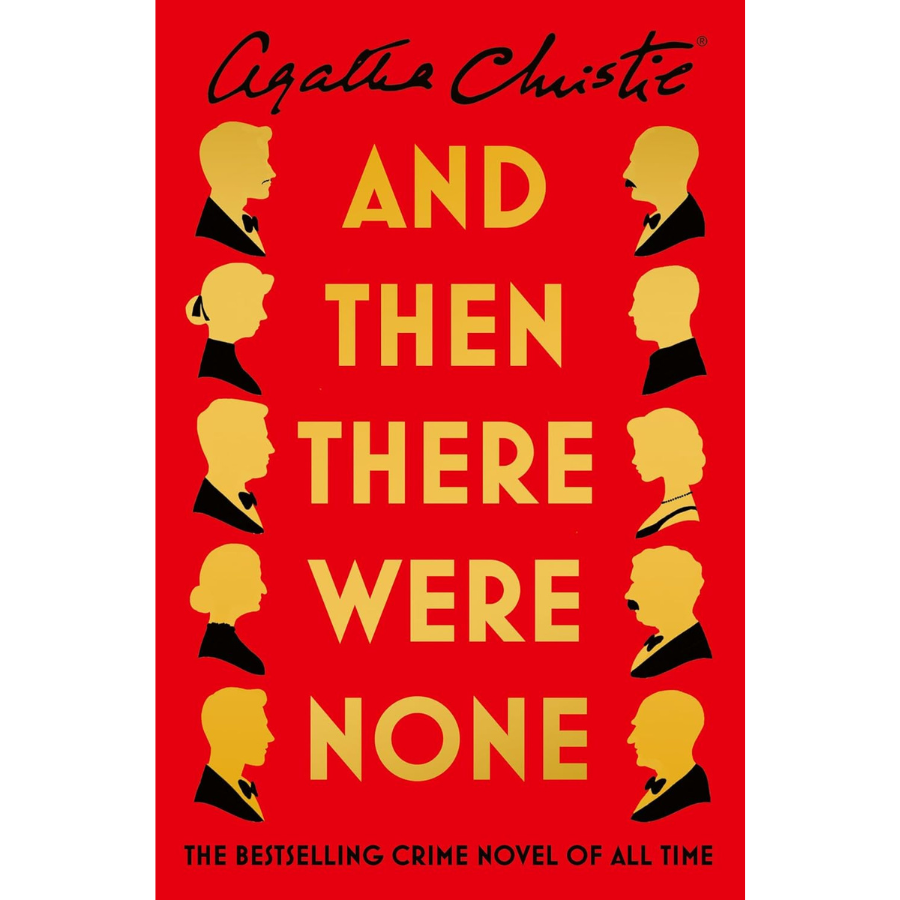
Maybe the most influential murder mystery novel ever written, shaping the genre as we know it today. The novel follows ten strangers invited to an isolated island, where they’re systematically murdered one by one according to a sinister nursery rhyme.
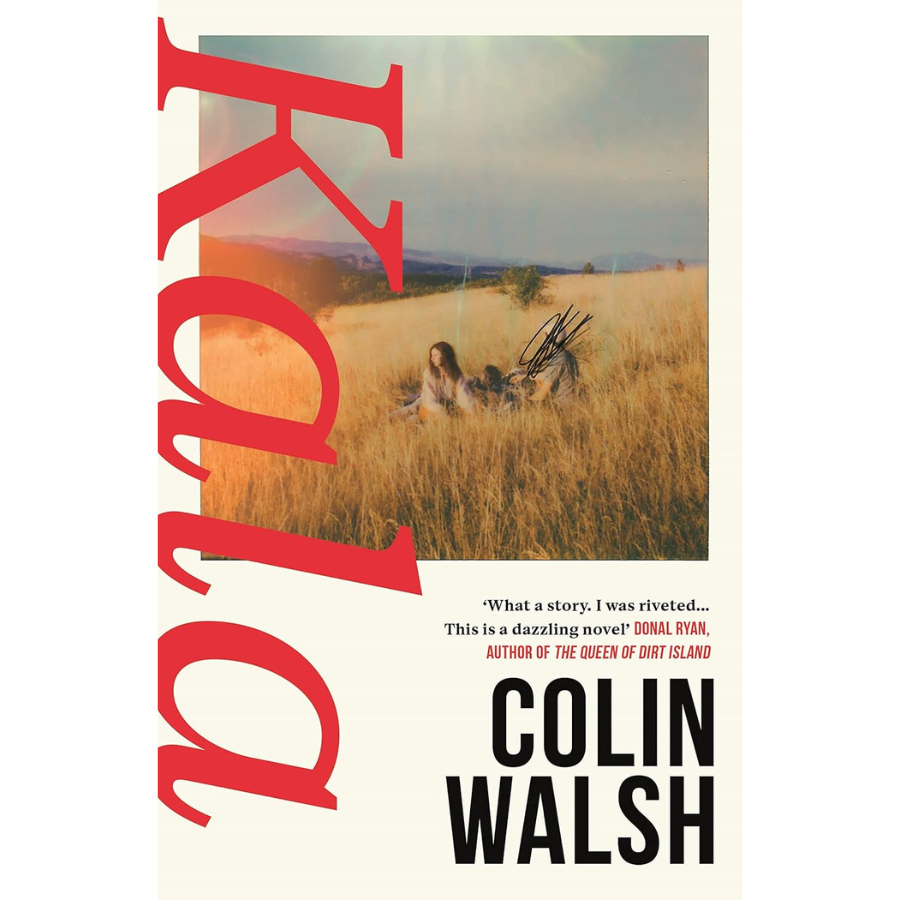
The novel centres on the disappearance of fifteen-year-old Kala Lanann from the fictional town of Kinlough. When her three closest friends return to their hometown fifteen years later, Kala’s remains are discovered, forcing them to confront buried secrets and unresolved trauma.
Our August pick
Hot Milk
Just in time for the film release with Fiona Shaw and Emma Mackey, Hot Milk follows a mother and daughter who embark on a trip to a small coastal Spanish town in search of medical treatment for the mother’s illness. The relationship is gradually unravelled, as the daughter seeks out a life beyond the stifled world her mother has created.