How To Use AI In Your Daily Routine, With Tips From Expert Harriet Meyer
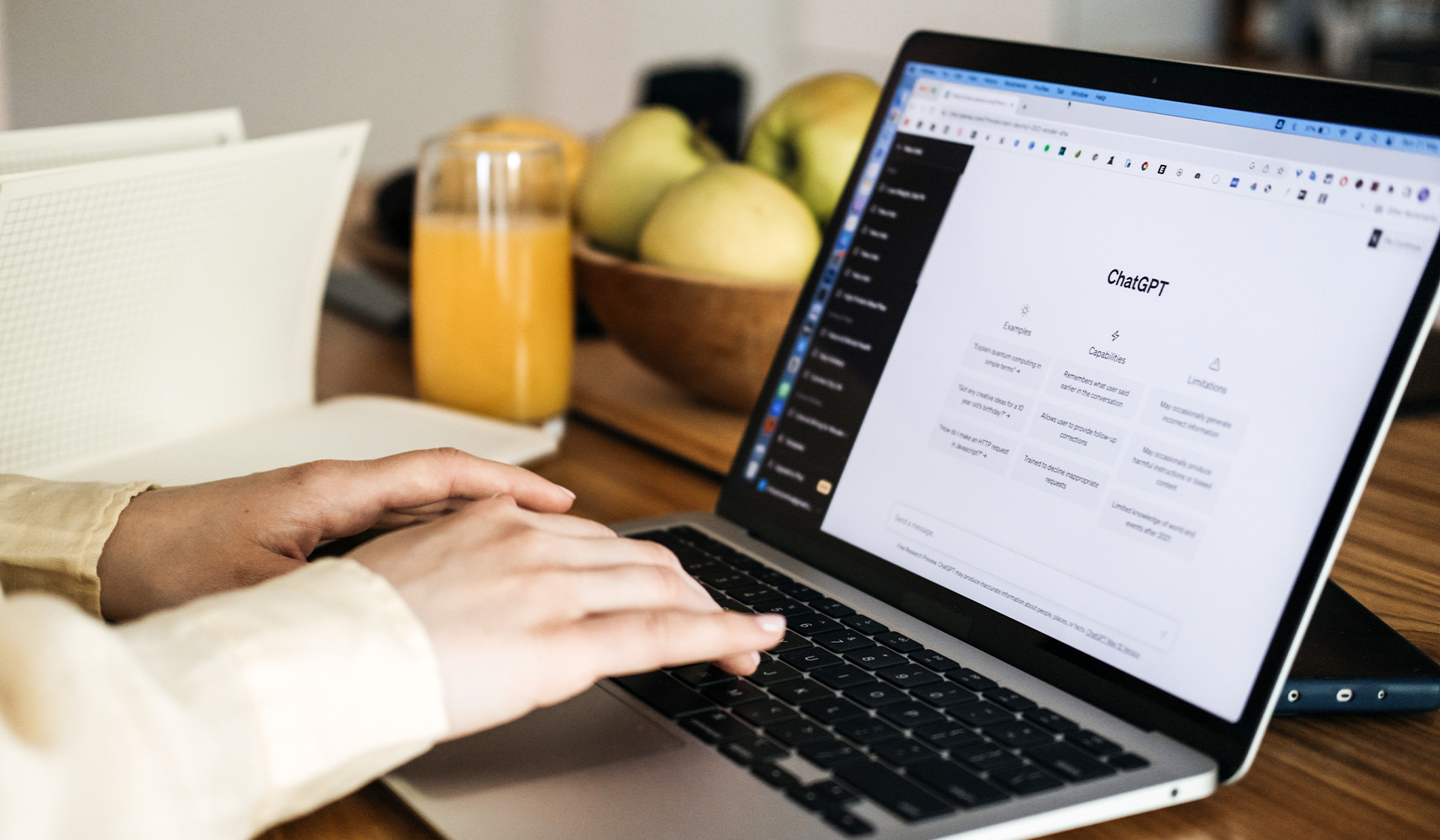
With 20 years of financial journalism experience behind her, Harriet Meyer is now teaching companies, including The Handbook, how to incorporate AI into their everyday workflows.
When ChatGPT first launched in November 2022, Meyer was in an editorial role and feared losing her job. Her boss tasked her with learning about how AI could assist their team in developing their content strategy, which has grown into a fascination and passion three years later. Alongside her journalism, she works as an AI trainer and creator of the newsletter AI for Media. Whether you are a stay-at-home parent or 9-5er, Meyer has all of the tips and tricks for how to use AI to your advantage…
How do you use AI most commonly?
I love experimenting with AI in both my personal and professional life. I push beyond its surface-level assistants when I can, so I love to use generative AI models like ChatGPT and Claude primarily as research assistants, personal coaches and sounding boards. They help to explore questions or ideas more deeply and with greater insight and authority. I find them brilliant for bouncing ideas around and finding creative angles and solutions to anything and everything. I’m naturally curious, so it’s like having a super-powered brainstorming partner for your thoughts and ideas.

What are some of the easiest ways to start using AI in daily life, both professionally and personally?
Jump in and experiment to see what these models can do. If you’re tackling a problem or have a question, start there. Everybody’s likely already using AI in some form in their daily lives anyway, whether that’s speaking to Alexa or predictive messaging.
At work, consider AI your extra team member. Throw ideas around and use AI to find solutions to business goals or repetitive tasks. You could use ChatGPT search or Perplexity for in-depth, streamlined answers and competitor research, or anything you might ask Google.
For personal use, try asking ChatGPT to help plan your next trip. One of my favourite ways to start using AI in your personal life is for home improvement. You can ask ChatGPT for tips to redesign your living space, say, or a new garden layout. Upload a picture to ChatGPT, and ask for suggestions such as improving your space or where to plant spring flowers in your garden.
It’s really all about just trying it out and seeing what it can do and its benefits and limitations along the way.
How can someone not at a desk job use AI?
If you’re not sitting at a desk, think about what you’re doing in your daily life. You can use AI to do anything, from designing a workout routine to starting a new creative project.
You could ask Gemini or ChatGPT to draft your weekly meal plan, factoring in any family allergies or dietary requirements. Or, come up with tasty dinner party recipes. You can chat with AI when you’re walking the dog using ChatGPT’s voice mode. Open ChatGPT and activate this on the right of the search bar. Brain-dump ideas about anything and see how it helps.
One example that I love is parents using Claude, who is particularly creative, to come up with children’s bedtime stories. They ask their kids which toy to include in their story, along with a location and object. The result is endless different stories.
For hands-on projects, you can use vision mode. Go into ChatGPT voice mode, then click the video button on the left. This turns on vision mode and you can get expert help on anything from DIY to tidying your kitchen cupboards. Try this creatively for different tasks.
What are some underrated AI tools or features that people should be taking advantage of?
There are loads of brilliant ways you can use AI to explore hobbies and learn in new ways. You can use the phenomenal NotebookLM to create a knowledge base of content from websites, podcasts, YouTube, and all sorts. You could create your personal guide to London, for example. The free version lets you upload up to 50 different sources, and you interact with this knowledge. You can ask questions, create personalised podcasts, and even mind maps now.
It’s also a new way to develop your personal interests. One tool that I’ve started using is called Cove.ai. It’s a visual workspace, like an online scrapbook, where you can develop your ideas. I’ve used it for fun stuff like planning a trip to Puglia with my partner in the summer. I also use it to help design my AI workshops.
There are loads of brilliant ways you can use AI to explore hobbies and learn in new ways.
What are the biggest misconceptions about AI that might stop people from using it?
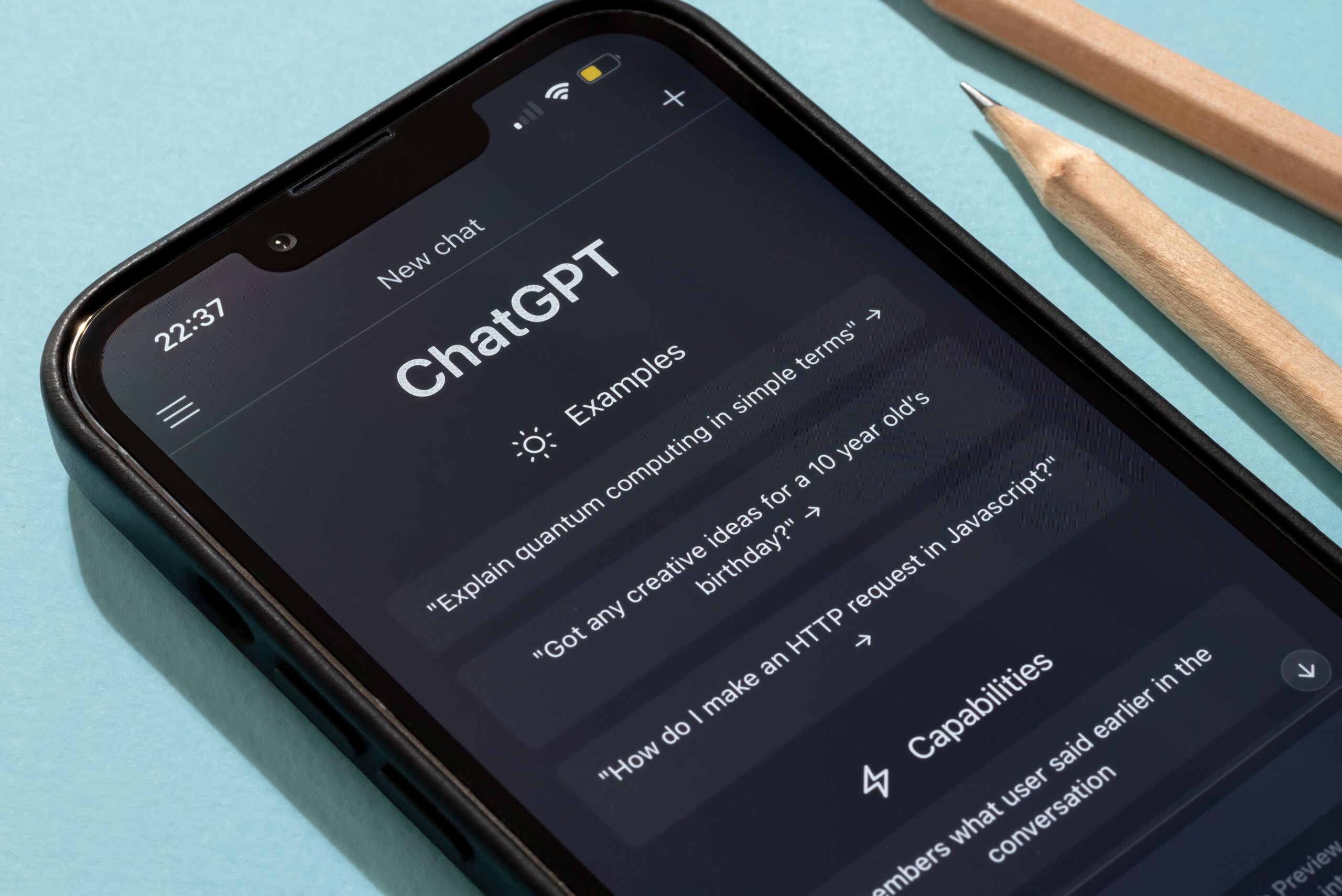
I come across several misconceptions, though many concerns are entirely valid. People worry that AI will replace our capacity to think for ourselves. Used mindlessly, it can. There’s no doubt that recent advances are unsettling. ChatGPT’s latest image update blew my mind and raised many ethical concerns too.
At their core, though, these models are sophisticated pattern-recognising machines trained on vast amounts of human-created content. What they still lack is our emotional intelligence and a deeper grasp of life’s complexity. These limitations become clear when you try to use AI for some tasks.
I’ve also met people who say AI is too unreliable and scary to be worth their time. They’re right that large language models can make stuff up. It’s a big problem. But the opportunities AI offers are exciting too. In journalism, models can sift through enormous documents and uncover new stories. AI’s essentially a tool that, when used with integrity and curiosity, can offer real benefits.
It’s not magic – it’s a tool that when used with integrity, scepticism and curiosity, can help us work smarter.
What are the simplest ways to integrate AI into your workflow?
I’d say take any challenges or bits about your job you dislike and see if AI can help. This way, you free up time to focus on what you do enjoy.
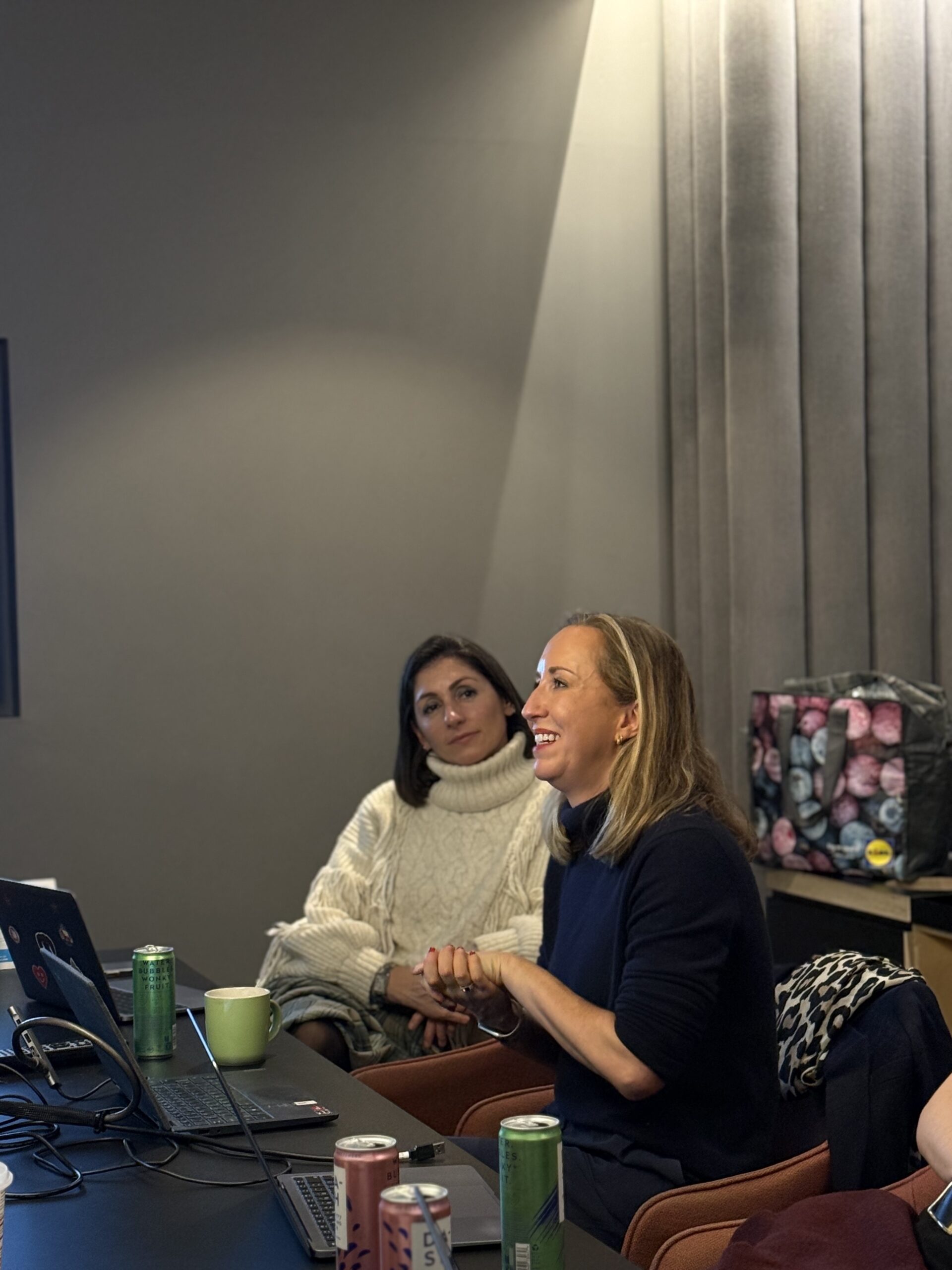
Also, ask one of the big models to ask you questions about your work. For example, Claude is brilliant at working as a creative and strategy partner. As you progress, you can build your own bots to streamline specific tasks that you might give to a personal assistant, which I teach in my longer workshops. You can now build so-called ‘agentic’ workflows, which link different tools together to complete mundane tasks like updating documents automatically.
Ultimately, these tools can really help, but there are risks which I cover in my training. I aim to provide a balanced, grounded perspective on AI that’s focused both on the pitfalls to watch out for as well as its promise. I want everyone to develop their own perspective and practices for using AI.
What are the most surprising ways AI can boost creativity and productivity?
You can do some amazing things with natural language now, no tech skills required. I use Claude and ChatGPT to approach a problem from fresh angles, pressure test strategies, and devise unconventional solutions.
Recently, I’ve started using Trello to prioritise jobs, automate reminders, organise packing lists and home projects. I’ve also built the backend of my AI training business using Calendly and Notion, which are fantastic for small businesses. Basically, there are endless use cases! I’ve been experimenting with ChatGPT 4o’s new image model. But I have concerns about copyright for some use cases. Its recent ability to replicate the Studio Ghibli style went viral, but this is clearly problematic. For general infographics and realistic images, and ability to edit across versions, it’s quite incredible though.
It’s like having a writing brainstorming strategy partner that never sleeps, but also doesn’t understand the depths of human experience or the complexity of life.
With AI reshaping industries, what skills will become even more valuable in the future?
The ability to build stories that connect emotionally with other humans will become increasingly valuable and a competitive advantage.
Critical thinking and using your emotional intelligence and your ethical judgment to make the right calls when using AI will become increasingly important. Also, of course, with the pace of change at the moment, adaptability and a passion for continuous learning. And, to be flexible in your thinking and your approach to your work. AI is such an evolving field, though, and no-one can be certain what lies ahead, even the experts making the massive models don’t know.
What are the first three things someone new to AI should try today?
I would say experiment with voice and vision, as this feels like the future. Take a picture of your wardrobe contents, upload it to ChatGPT and ask how to organise things better. Go into advanced voice mode on the right of the app’s search bar, talk about your interests, and ask it to plan your ideal weekend.
I’d also recommend trying the in-depth Deep Research mode in one of the models. Gemini’s is now free and one of the best. Instead of scrolling through endless articles, ask it to analyse the latest food trends in your city, find great exhibitions and what people are saying about something in the news. These things will give you a glimpse of the incredible power of these tools.
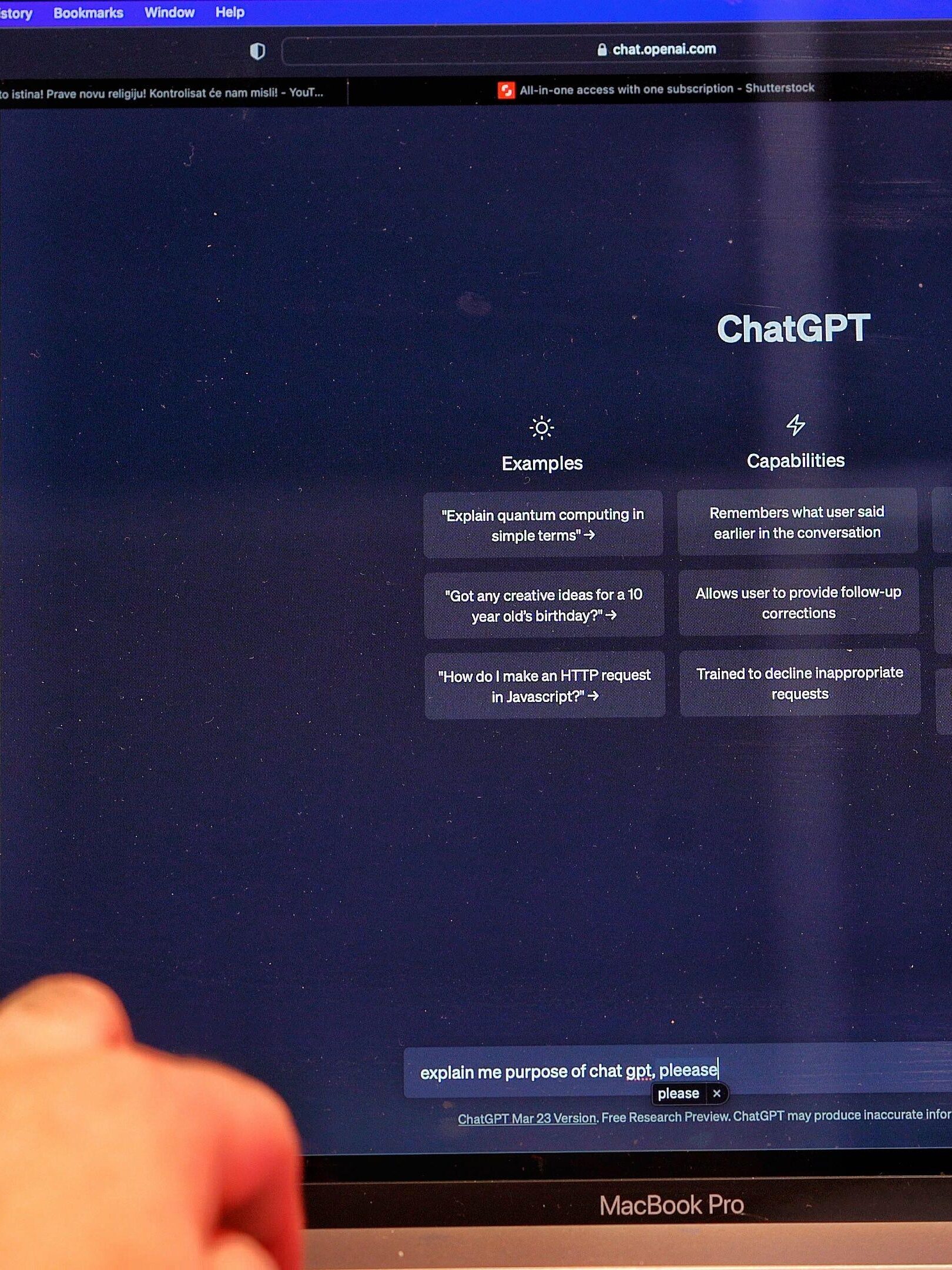
The key is really about not high stakes decisions, but building your basic trust and understanding of AI’s capabilities.
Can you share some unexpected ways people have used AI after attending your workshops?
Some attendees have AI to play roles of target readers or industry experts and sceptics working through different angles for thought leadership pieces. They’ve created AI panels to challenge their thinking, pressure test content strategies and debate each other. One PR created an AI based on a senior journalist’s profile to pressure test their pitches. Another used AI to generate perspectives from the role of a content strategist and commercial director. Teams have also refined multimedia campaign ideas, and in-depth investigative journalism.
For personal use, one journalist created a birthday party for their puppy, complete with dog-safe recipes and themed games. Another came up with a great prompt for thoughtful family gifts. One even used AI for family dynamics and dealing with young kids. This showed how AI can help smooth personal interactions and parents struggling with communication issues.
What practical AI takeaways can attendees expect from your 2025 workshops?
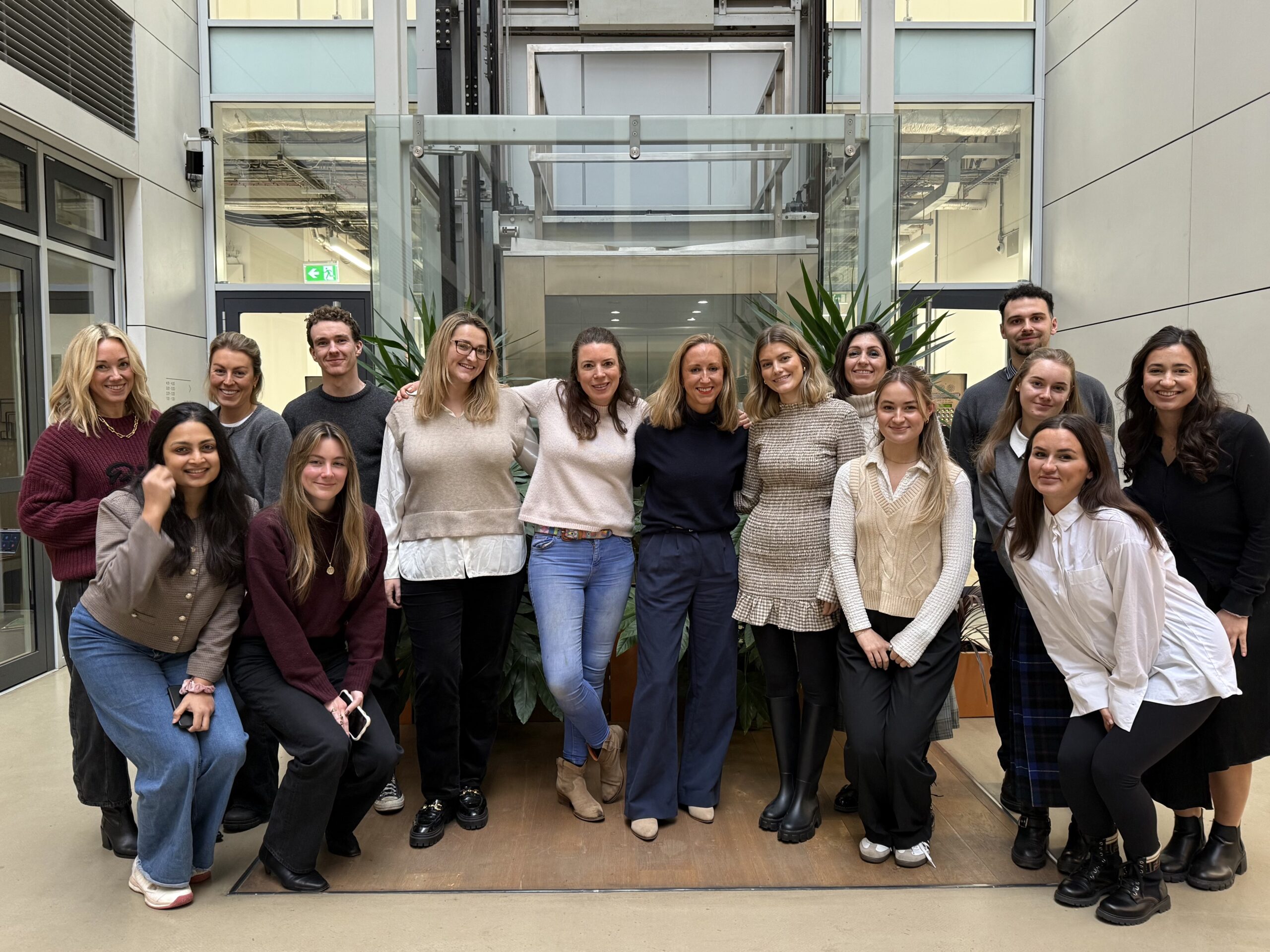
My workshops provide hands-on experience specifically designed for media professionals. Participants will learn to create custom AI assistants for their specific workflow challenges, master prompting that produces great results, and develop frameworks for knowing when AI should and shouldn’t be used.
I aim to leave attendees inspired and energised about the possibilities ahead. So, you’ll gain the skills and the confidence to use AI responsibly in your daily life.
For a free discovery AI training call with Harriet, use this link: https://calendly.com/harriet-meyer/30min