Why Everyone From CEOs To Celebrities Is Wearing A Longevity Tracker
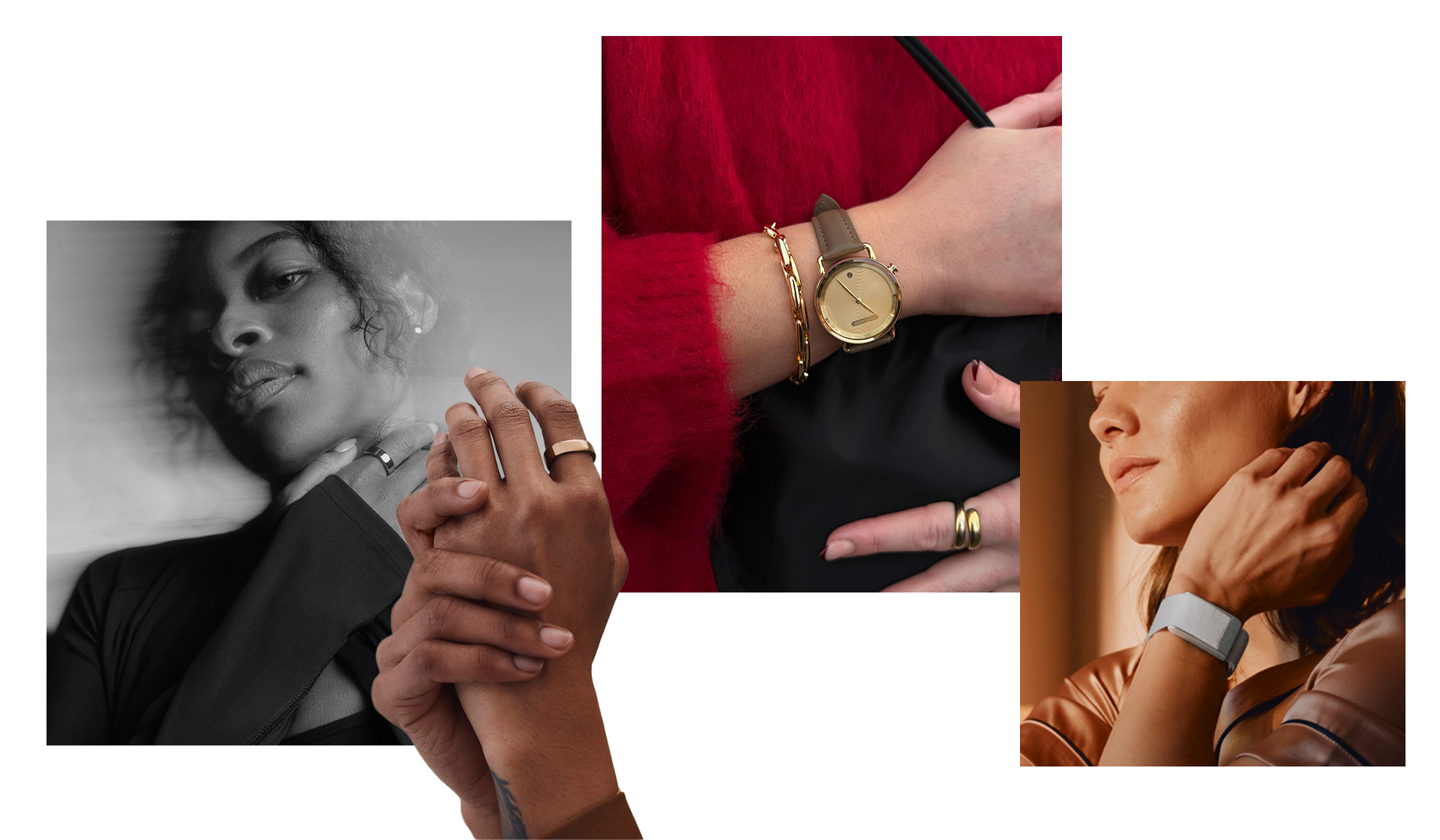
I’ll admit it: I used to think wearable health tech was reserved for marathon runners, Silicon Valley founders and the sort of people who genuinely enjoy cold plunges. Fast forward a year, and I’m checking my sleep score before I’ve even turned on my coffee machine in the morning.
Longevity has officially gone mainstream. Rather than waiting until something feels off, we’re becoming increasingly interested in understanding our bodies in real time, from how well we’re recovering to whether yesterday’s second espresso really was a good idea. The latest generation of health trackers promises insights into everything from stress and heart rate to sleep quality and recovery, helping us make small tweaks that (hopefully) add up to healthier, longer lives.
Although no tracker can replace common sense (or your GP!), the right one can make healthy habits feel a little more intuitive. Whether you’re looking to optimise your workouts, improve your sleep, or simply understand yourself a little better, these are the longevity trackers worth knowing about.
Although no tracker can replace common sense (or your GP!), the right one can make healthy habits feel a little more intuitive.
Tamara, Contributing Beauty Editor

The one I’m using
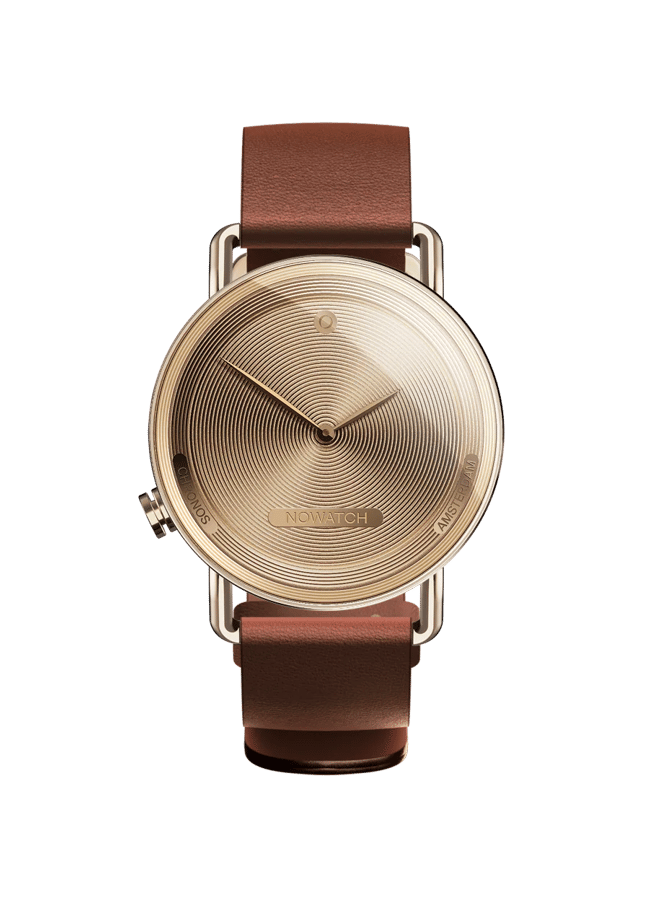
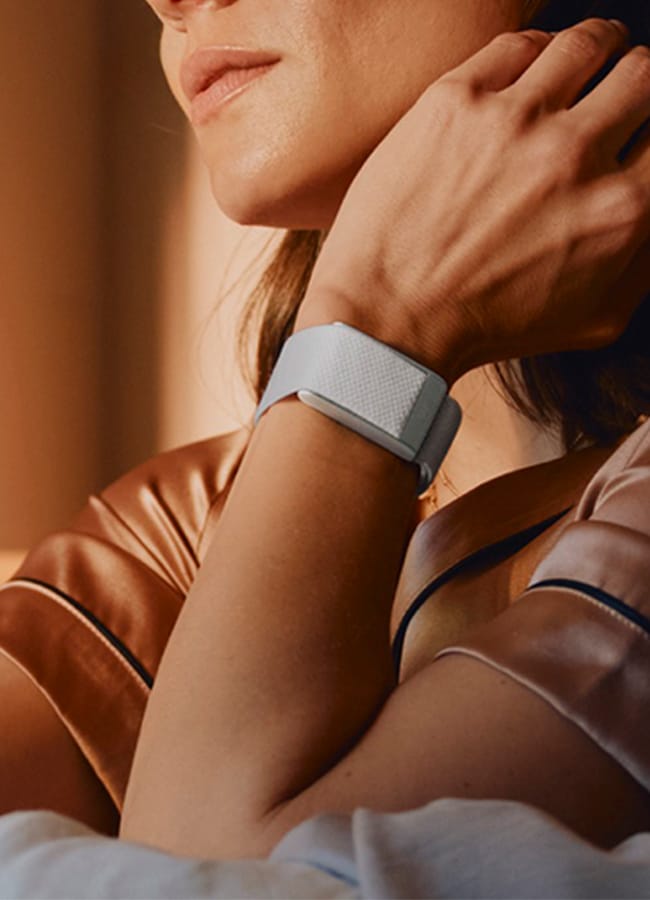
If there’s one wearable that’s genuinely changed the way I think about wellbeing, it’s the NOWATCH. Unlike almost every other tracker on the market, it doesn’t have a screen. At first, I questioned how useful that would be, but it turns out that’s exactly the point.
Instead of constantly checking notifications or obsessing over closing rings, the NOWATCH quietly collects data in the background, measuring stress, sleep, heart rate, heart rate variability, skin temperature and recovery without demanding your attention every five minutes. There’s something incredibly liberating about wearing a health tracker that doesn’t constantly ask for it.
The accompanying app is beautifully designed and gives genuinely useful insights rather than overwhelming you with graphs. What I’ve found most valuable is its focus on stress and resilience. It doesn’t just tell me I’ve had a restless night; it helps me understand how meetings, travel, alcohol, or even late dinners affect how my body recovers. I’ve become much more aware of the difference between feeling busy and actually putting my body under physiological stress.
I’ve become much more aware of the difference between feeling busy and actually putting my body under physiological stress.
Aesthetically, it’s also leagues ahead of its competitors. There’s a huge range of faces and straps, which means people often mistake it for jewellery rather than a health tech accessory, making it something I actually want to wear every day.
Perhaps most importantly, it encourages healthier habits without making wellness feel competitive. There are no flashing achievements or daily streaks to maintain. It quietly nudges you towards better choices while allowing you to stay present, which feels refreshingly different in a world that’s constantly vying for our attention. It’s become my favourite way to keep tabs on my health without becoming obsessed by it.
Other trackers worth having on your radar
While my NOWATCH has become the wearable I reach for most, it’s far from the only longevity tracker making waves. Here are a few others worth considering, depending on what you’re looking for…
Best for… fitness enthusiasts & recovery nerds
Best For… Sleep Optimisers: Oura Ring
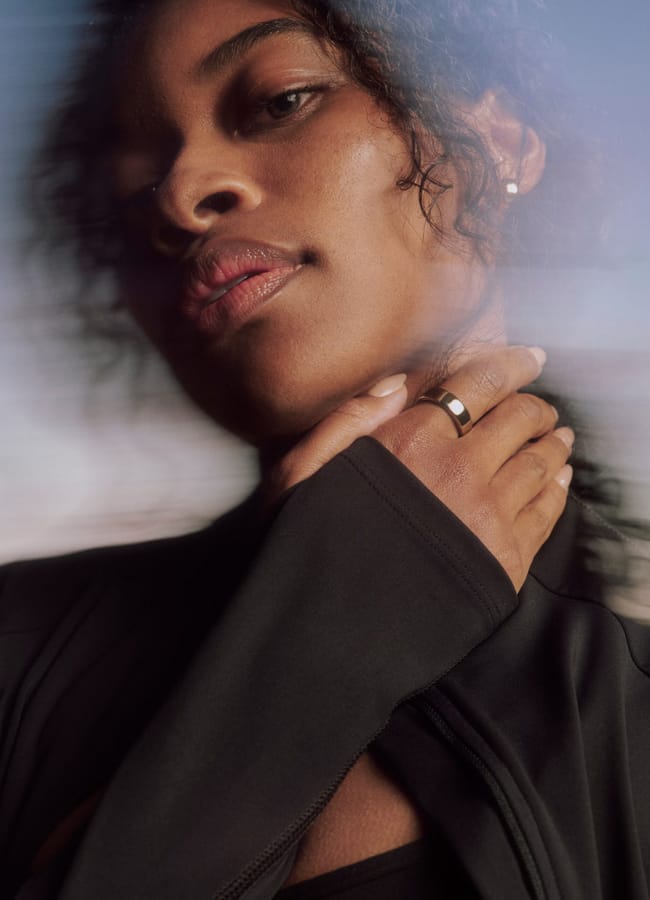
Best for… everyday health tracking
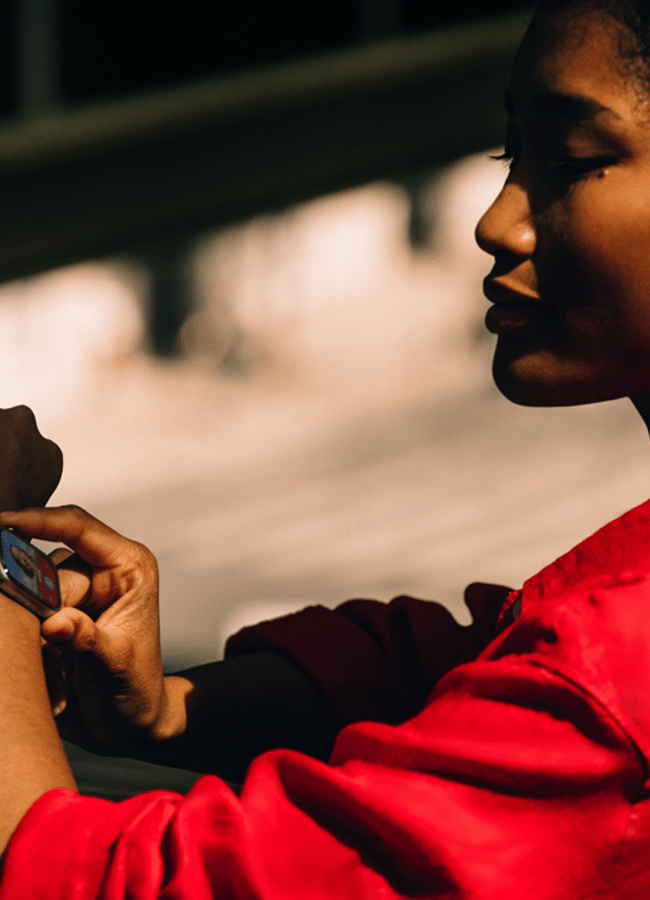
Best for… data lovers
The products on this page have been selected by our editorial team, however, The Handbook may make a small commission on some products purchased through affiliate links.