How English Sparkling Wine Overtook Champagne

The best of English sparkling wine is better than champagne or any of its French counterparts. Let me explain, because this is more of a fact than a ‘hot take’. Due to several outside — and some slightly unfortunate — circumstances, the bubbles of Sussex, Devon and Kent, amongst other areas in sunny, sunny UK, have quietly, although swiftly, surpassed the French celebrity bottles in notoriety. They know it, we know it, the world is beginning to know it.
Not an understudy, nor an imitation, but an equal, and increasingly, a rival. When the soil is the same, the grapes are the same, the method is the same, and the climate is shifting in one’s favour, the only thing left separating the two is perception.
Mallory, Junior Food & Drink Editor

The similarities between English sparkling and champagne
English sparkling wine hasn’t come out of nowhere. It’s been working with the same fundamentals as champagne all along, just across the Channel.
Start with the soil. The chalk beneath Sussex and the South Downs is part of the same geological seam that runs through Champagne. That chalk is key: it drains well, retains moisture, and helps create the crisp, mineral profile associated with top sparkling wine. The grapes are identical — Chardonnay, Pinot Noir, Pinot Meunier dominate plantings in both regions. The method is the same as well: traditional method, bottle fermentation, and ageing on lees.
You see what I mean, it’s not imitation, more so a mirror. The difference now is what those same ingredients are producing.
The chalk beneath Sussex and the South Downs is part of the same geological seam that runs through Champagne.
Climate advantages
England is getting warmer, and while that’s a battle for us, it has brought good news for grapes. Rising temperatures have made southern England increasingly viable for consistent ripening, improving both yield and quality.
Champagne, meanwhile, is facing the opposite problem. Hotter, more erratic conditions are pushing harvests earlier and making balance harder to maintain, with growing concern about preserving the region’s traditional style.
In simple terms, England is moving into the sweet spot Champagne once occupied, while Champagne is being pushed out of it.
England is getting warmer, and while that’s a battle to fight for us, it has resulted in good news for grapes.
Major houses have made their moves
The irony is that the French themselves have made moves in agreement. Major Champagne houses have already begun investing in England. Taittinger became the first to plant vineyards in Kent, launching Domaine Evremond as a long-term English sparkling project. Pommery as well, producing English sparkling wine under its Louis Pommery label from Hampshire vineyards.
They’re not leaving Champagne, but they are hedging… buying land, planting vines, and securing a future in the very region now best suited to the style they built.
They’re not leaving Champagne, but they are hedging…
The brand premium perspective
Champagne carries a brand premium. That much is undeniable. Its name is legally protected and culturally tied to luxury, celebration, and status—associations built over more than a century of marketing. But strip the label away, and things get a bit blurry.
In a blind tasting in Paris, English sparkling wines went head-to-head with champagne, and even French tasters struggled to tell them apart. In some cases, half the tasters believed the English wine was the champagne, while in another comparison, 13 out of 14 tasters mistook an English wine for the French one.
More recently, a street-level blind tasting in France found that 60% of French consumers preferred an English sparkling wine when they didn’t know what they were drinking.
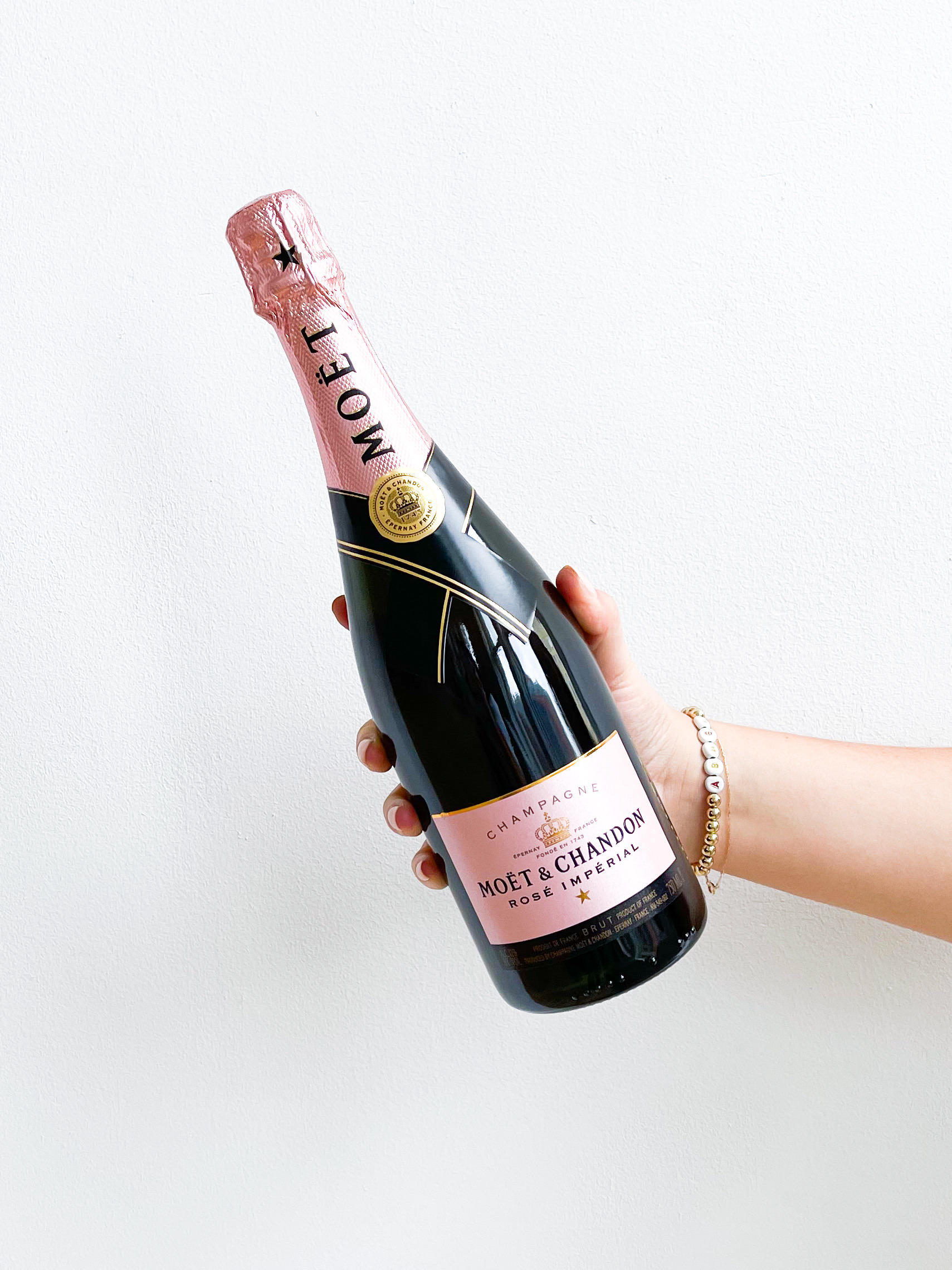
The implication is hard to ignore. What elevates champagne isn’t always what’s in the glass; it’s what’s on the label.
The differences
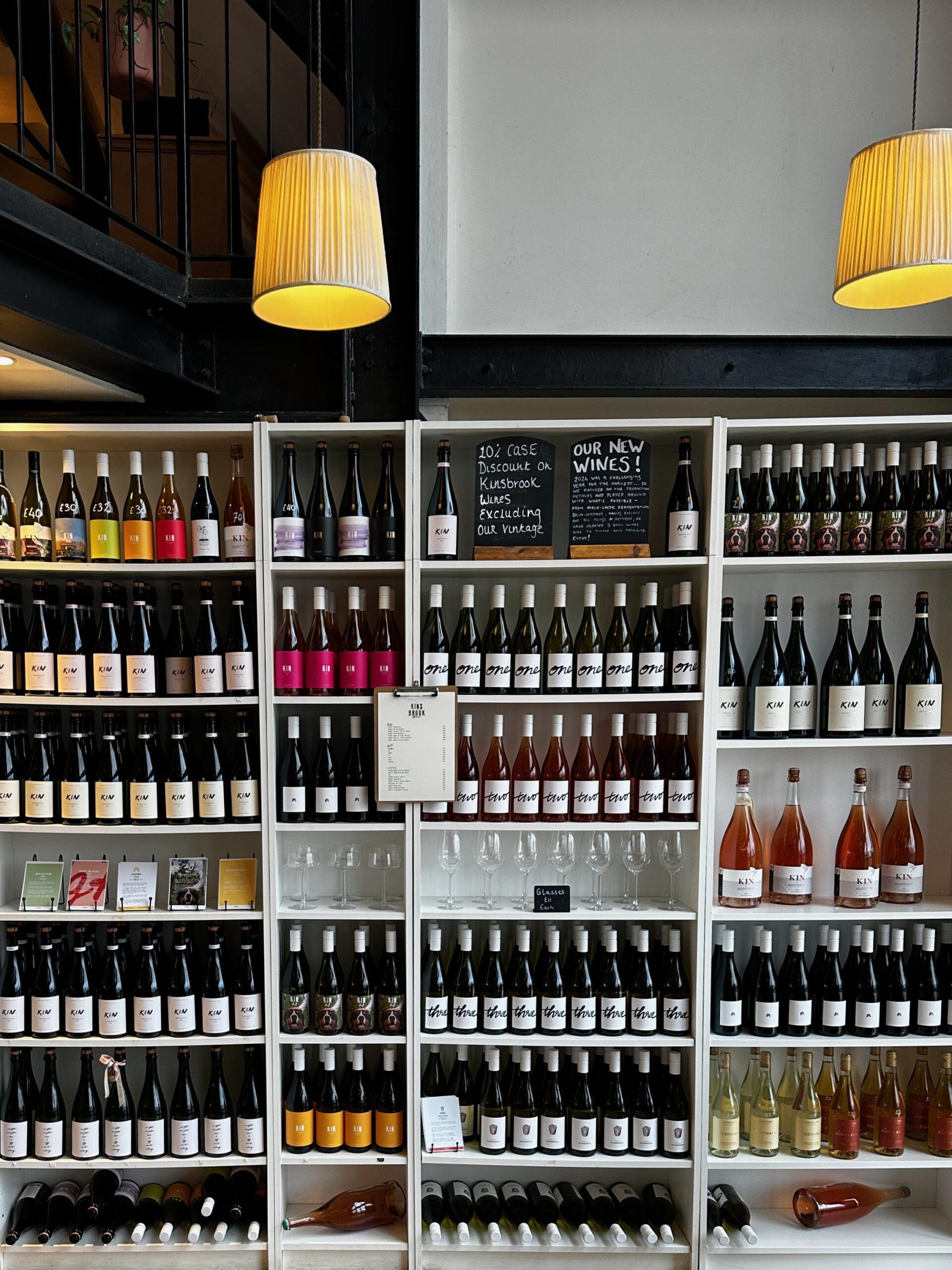

A glass of Roebuck at The Woodcote is idyllic, wrapped in layers of comfort. A tasting at Kinsbrook will be amongst the best of your long-lived life. Coates & Seely at Pillar Hall is peak luxury, and Nyetimber at home is a lesson in unwinding, or perhaps, preparing for something big.
There are slight differences, at least that is what I have found in my own tastings and experience. English sparkling tends to be lighter, with a citrussy palette, a crisp and clean experience whist champagne tends to be a bit richer, toastier, more intense in flavour. Perhaps many people like that, but to me, and on a very non-professional level, bubbles are sunshine, they are streams of light in the sun, or they are celebratory, lighthearted comfort by a fire. Bubbles represent goodness, like landing on a cloud.
A glass of Roebuck at The Woodcote is idyllic, wrapped in layers of comfort. A tasting at Kinsbrook will be amongst the best of your long-lived life. Coates & Seely at Pillar Hall is peak luxury, and Nyetimber at home is a lesson in unwinding, or perhaps, preparing for something big.
Verdict
Whilst champagne has centuries of expertise and a legendary status amongst greats, English sparkling is its youngest cousin, now all grown up.
Not an understudy, nor an imitation, but an equal, and increasingly, a rival. When the soil is the same, the grapes are the same, the method is the same, and the climate is shifting in one’s favour, the only thing left separating the two is perception. And perception, as we’ve seen, is already beginning to change.
My top English sparkling picks
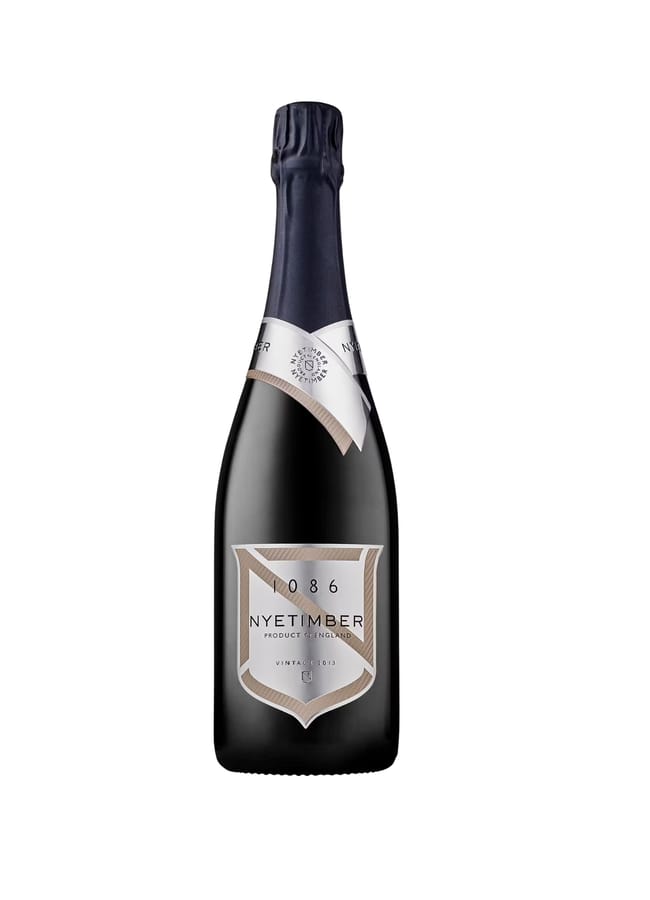
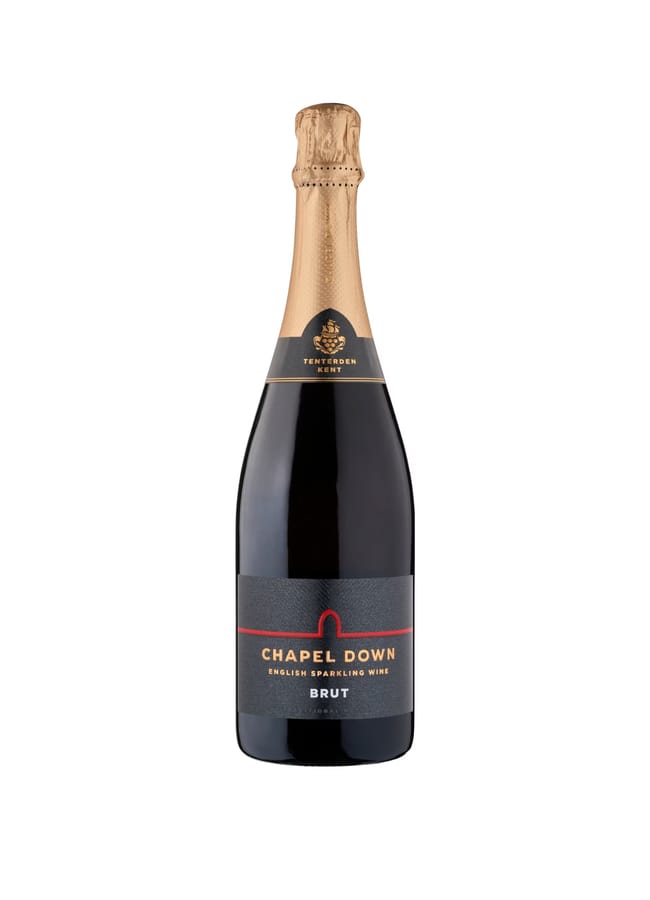

The products on this page have been selected by our editorial team, however, The Handbook may make a small commission on some products purchased through affiliate links.