Female Hair Loss Is More Common Than You Think – Here’s What The Experts Recommend

September is Alopecia Awareness Month and, according to the NHS, 8 million women in the UK experience hair loss, which can lead to stress, poor self-esteem and even impact their relationships and careers. What’s more, women with high stress levels are 11 times more likely to suffer from hair loss and thinning. Here to sort the myth from the fact, we spoke to two experts, trichologist Zoë Passam and Anna Lahey, co-founder of haircare brand TYPEBEA, about everything you need to know on the topic of hair loss and thinning.
What is the difference between hair loss and hair thinning?
“The term ‘hair loss’ refers to any situation in which an individual has experienced loss of hair, regardless of the type or cause. Hair thinning typically refers to reduced hair density, most commonly due to male or female pattern hair loss. Whilst hair thinning tends to be a gradual loss of volume, without a noticeable increase in daily hair fall, hair shedding refers to an increase in the number of hairs lost per day, for example in the plughole or brush. However, it should be noted that it is possible for someone to be suffering from both hair shedding and hair thinning at the same time, and indeed this is common.” – Zoe Passam
What causes hair loss and hair thinning? The main culprits?
“Statistically, the majority of female hair loss is characterised as either androgenic alopecia or telogen effluvium. Androgenetic alopecia for women is also known as female pattern hair loss and it is hereditary. Telogen Effluvium is a type of temporary hair loss caused by a stressor or change in your body. When events occur like childbirth, major stress, illness, thyroid disorders, hairs are suddenly shifted from the growing (anagen) phase to the shedding (telogen) phase and the strands begin to fall out. This often manifests 2-4 months after the trigger.
Some of the main causes of hair thinning include menopause, zinc deficiency, vitamin D deficiency, genetics, and ageing.
Anna Lahey
Is hair loss ever reversible? And if so, what can we be doing on a regular basis to help stimulate growth?
“The extent to which hair loss can be reversed depends on the cause. Some types are completely reversible, for example, hair loss due to nutritional deficiencies or acute illness. Other types of hair loss may be partially reversible, such as male and female pattern hair loss. However, in these cases, the stage at which treatment is started is key, with earlier intervention typically leading to better outcomes. Some types of hair loss cannot be reversed, including some types of autoimmune hair loss, and in this case the aim of treatment is to prevent progression.
The best and most simple step an individual can take to optimise hair growth is to eat a healthy, balanced diet, incorporating all the food groups, but especially ensuring an adequate intake of protein, since hair is mostly made of the protein keratin. Sufficient calorie intake is important, since the body sees hair as non-essential tissue, so if nutritional intake is inadequate, the hair can be the first thing to suffer. For this reason, hair loss can often be the first sign of an underlying deficiency.” – Zoe Passam
What ingredients should we avoid putting on our hair and scalp?
“This one is contentious among professionals, but personally I avoid harsh silicones – although, I will say, not all silicones are bad! However, the build-up that some can cause on your scalp and hair strands can cause blockage and impact the long-term health of your hair.”- Anna Lahey
Are there any tests to see if you are suffering from hair loss/thinning?
I believe in empowering people to take ownership of their health. If you’re noticing more hair shedding than usual and it’s causing you concern, I recommend speaking to your GP or health practitioner, they can suggest a blood test and even a referral to a dermatologist or trichologist to understand the root cause. There are hair shedding counts that you can look up online as a rough guideline, but it’s not my first point of reference. Of course, medical tests and appointments can be expensive and time-consuming, which is exactly why we created TYPEBEA to fill the gap. It’s an efficacious solution for hair loss and thinning but we appreciate the need for medical intervention in certain cases.”- Anna Lahey
How much do supplements play a part in hair growth?
“In most cases, the trigger for hair loss begins inside the body due to things like nutritional deficiencies, hormones, and stress, long before it shows on the outside. Supplements address the internal factors inhibiting the growth of healthy hair and targets them at the cause.”- Anna Lahey
“Nutrients known to be particularly important for hair include iron, vitamin B12, zinc and vitamin D, but if an individual’s levels are already sufficient, there will be no benefit to taking more. It is also important to note that there are many types and causes of hair loss, and if the hair loss is not due to nutritional factors, supplements will be ineffective in treating this.”- Zoe Passam
What are the biggest hair loss myths?
“There are so many! But the one that bothers me most is the myth that washing your hair daily can contribute to hair loss. That is not true. It’s the opposite! ”
Having a clean scalp, free from build-up and dirt ensures a healthy environment for hair growth.
Anna Lahey
If there was just one thing you would advise to invest in to look after your hair, what would it be?
“Ditch the heat! Overuse of heated styling tools, such as tongs and straighteners, cause the most damage of everything we do to our hair, leading to excessive splitting and breakage, as well as dull hair. Instead, allow the hair to air dry, or blow dry on a low heat setting. Use a wide-tooth comb when the hair is wet, and if you are prone to tangles, comb through after applying conditioner in the shower. Harsh bristly brushes are best avoided since they tend to tear the hair.’- Zoe Passam
“My advice, in general, is to invest in hair products that are formulated with the scalp and hair health in mind. Look for pH-balanced formulas, formulas that use popular and well-studied ingredients like salicylic acid to gently exfoliate the scalp, hyaluronic acid to replenish moisture and peptides to rejuvenate.”- Anna Lahey
There is much talk over scalp health. Should we all be including scalp products in our weekly hair regime?
“Yes! Our scalp is an extension of the skin on our face. If you think about it, we apply specialised treatment products at least twice a day to our skin, if you have hair or scalp concerns, then why wouldn’t you do the same? Additionally, the only part of hair that is alive is the strand right at the follicle, once it reaches the skin’s surface the strand of hair is no longer alive. That’s why it’s so important to prioritise your scalp health, to properly clean the scalp of build-up with a PH-balanced, clarifying shampoo that won’t strip or dry-out the hair. And if hair shedding, thinning, loss, or growth is your concern, a targeted scalp product will deliver the ingredients directly to the follicle to stimulate hair growth and reduce hair loss.”- Anna Lahey
If hair shedding, thinning, loss, or growth is your concern, a targeted scalp product will deliver the ingredients directly to the follicle
ANNA LAHEY
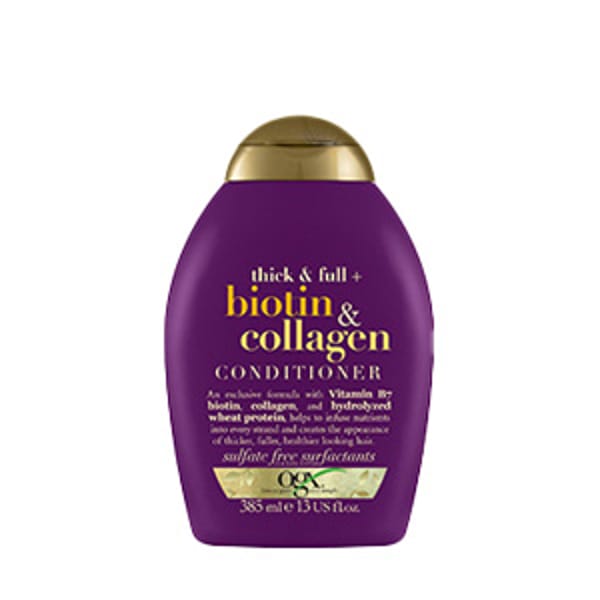
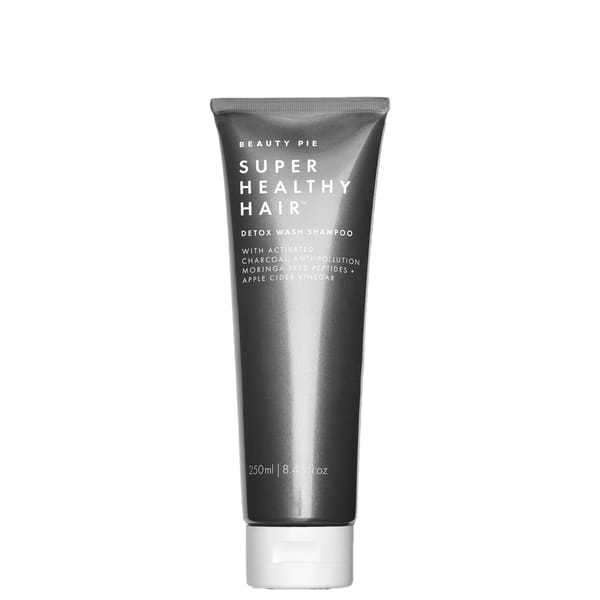
Revamp your routine with these haircare essentials that encourage fuller and healthier hair
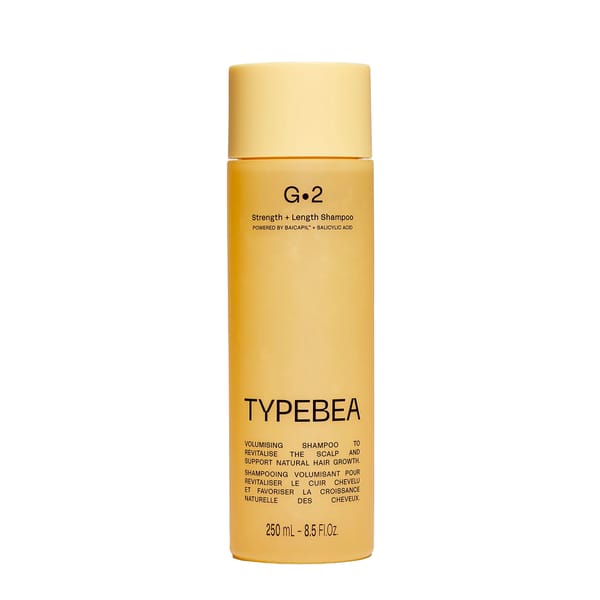
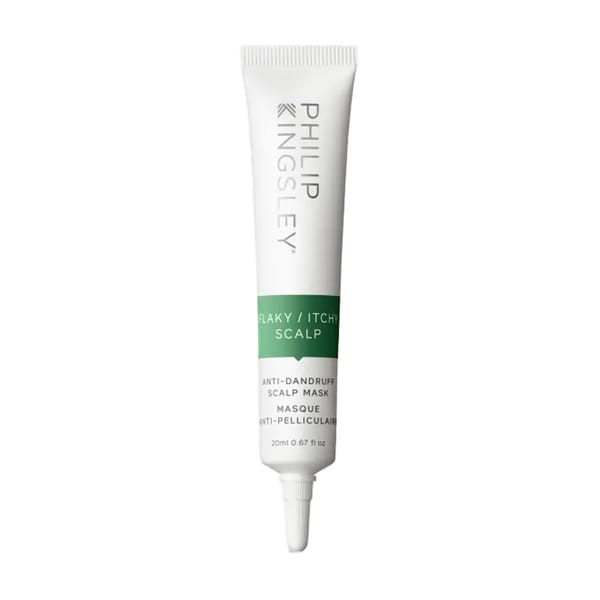
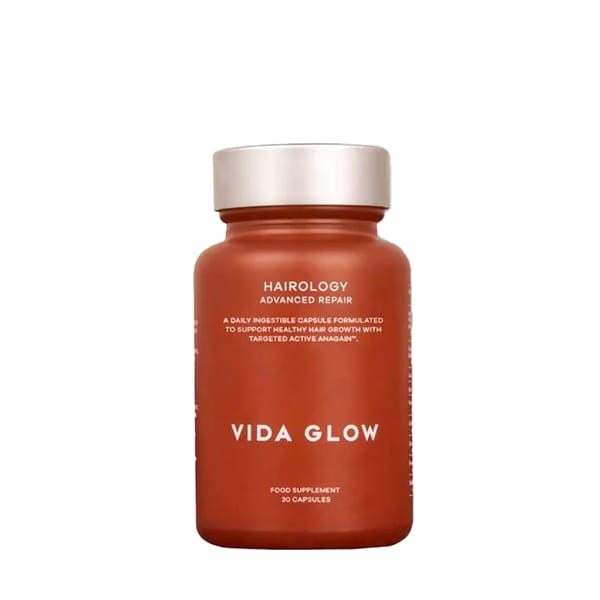
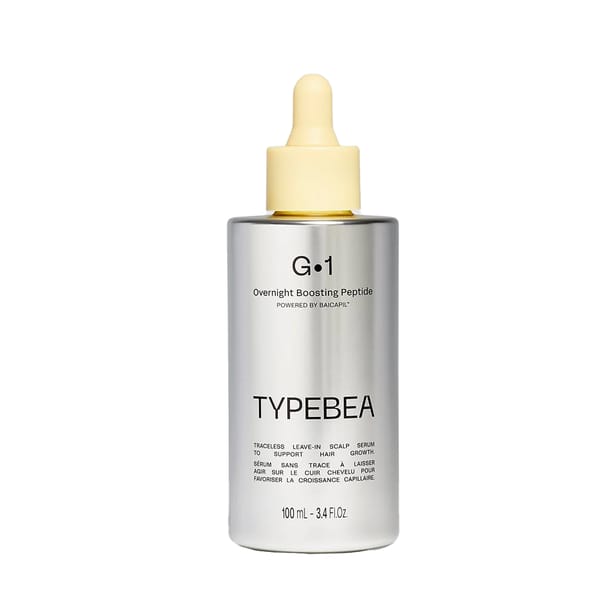
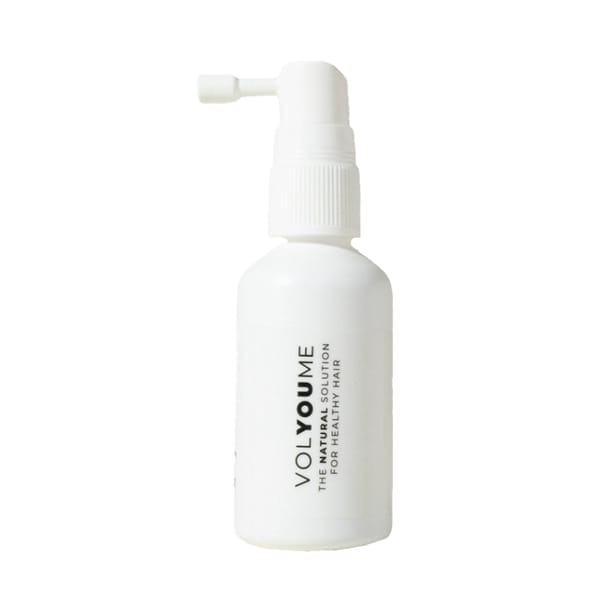
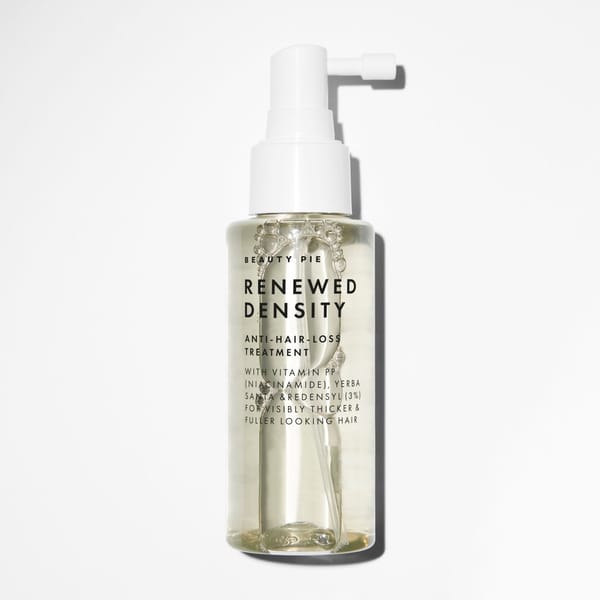
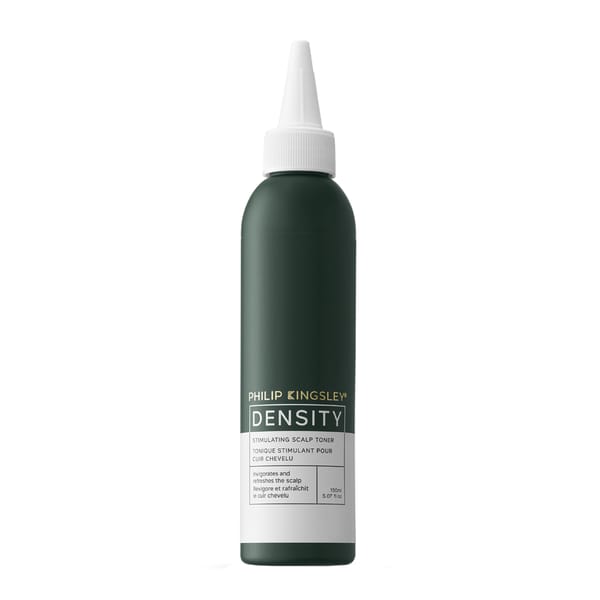
This article is not intended to be a substitute for professional medical advice or diagnosis. Always seek the advice of your physician or other qualified health provider with any questions you may have regarding a medical condition.
The products on this page have been selected by our editorial team, however, The Handbook may make a small commission on some products purchased through affiliate links.