Influencers Aren’t Killing Food Criticism, They Are Forcing Its Evolution
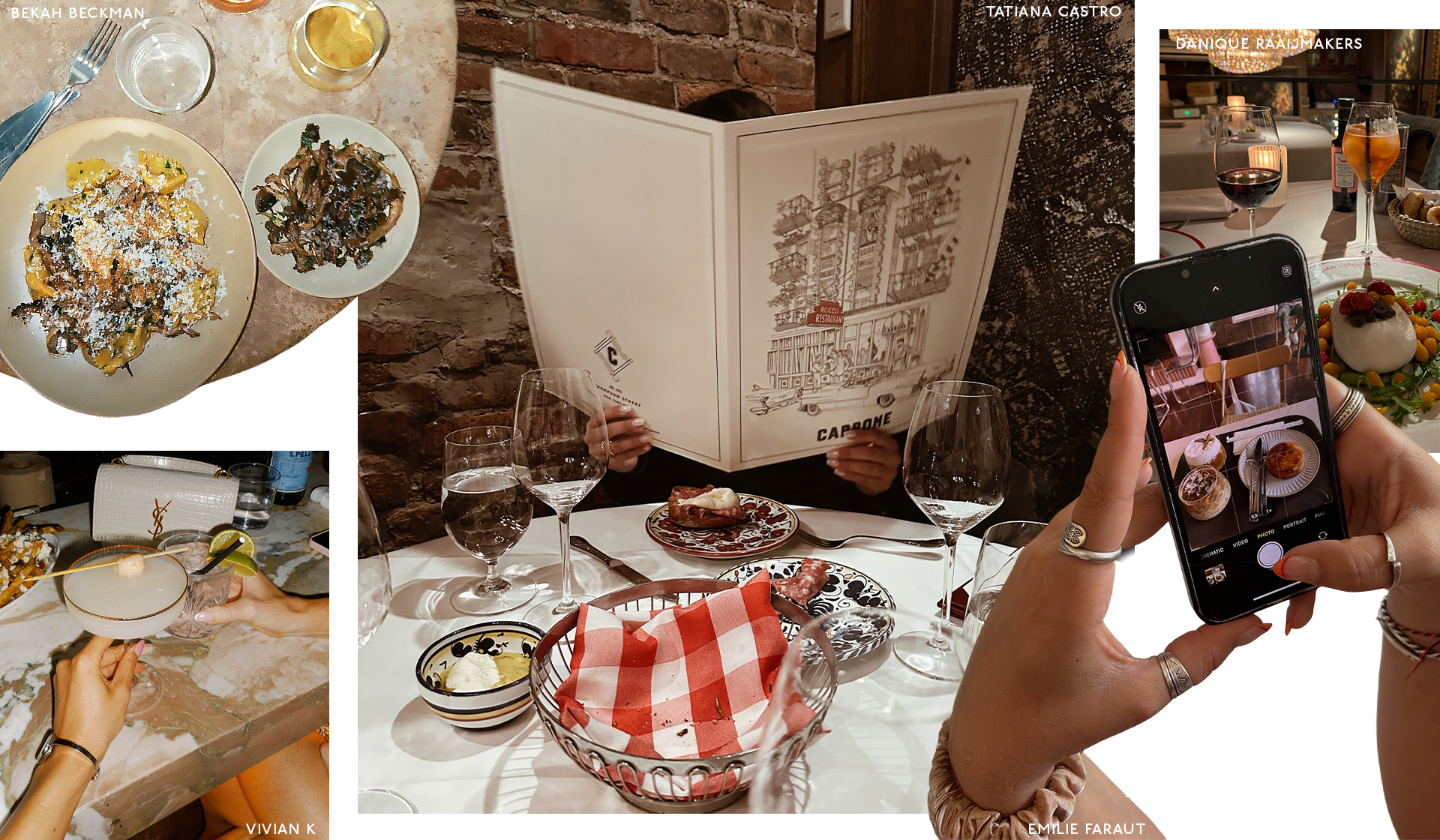
Influencers are not killing restaurant culture; they are reshaping it, and many critics are struggling to keep up. In today’s dining scene, a viral video can do more for a restaurant than a five-star review, and that reality is dividing the industry.
The speed with which people have undermined their strength is cynical and simple — it is ancient.
Mallory, Junior Food & Drink Editor

Jeremy King’s recent article “Are Influencers Ruining Restaurants?” argues influencers are eroding dining etiquette, that they are discourteus and impolite. Much of his article is founded, it is fair. Influencers should not be circling restaurants like crows, feasting on what they can take; they should be serving them. To have influence is to wield a kind of power — one that, used well, can do real good. That power should not be abused or manipulated. Food criticism is far from dead; it is simply evolving, and the critic must evolve with it.
Tripods, flashing lights and photoshoots are no way to conduct oneself within the restaurant just as much as entitlement, hyper criticism, and a lack of an open mind is no way to conduct oneself in general. Food criticism is essential to the restaurant industry because it is a powerful tool to make or break a venue. However, humanity has evolved to digest information visually; in an unfortunate turn of events, words are not always enough.
Influencers have harnessed our hunger for video, and they have become some of the most powerful people in the industry. Those who do it with a good head on their shoulders, with respect, and with a dynamic approach, can save a restaurant with the click of a button. The speed with which people have undermined their strength is cynical and simple — it is ancient.
Tripods, flashing lights and photoshoots are no way to conduct oneself within the restaurant just as much as entitlement, hyper criticism, and a lack of an open mind is no way to conduct oneself in general.
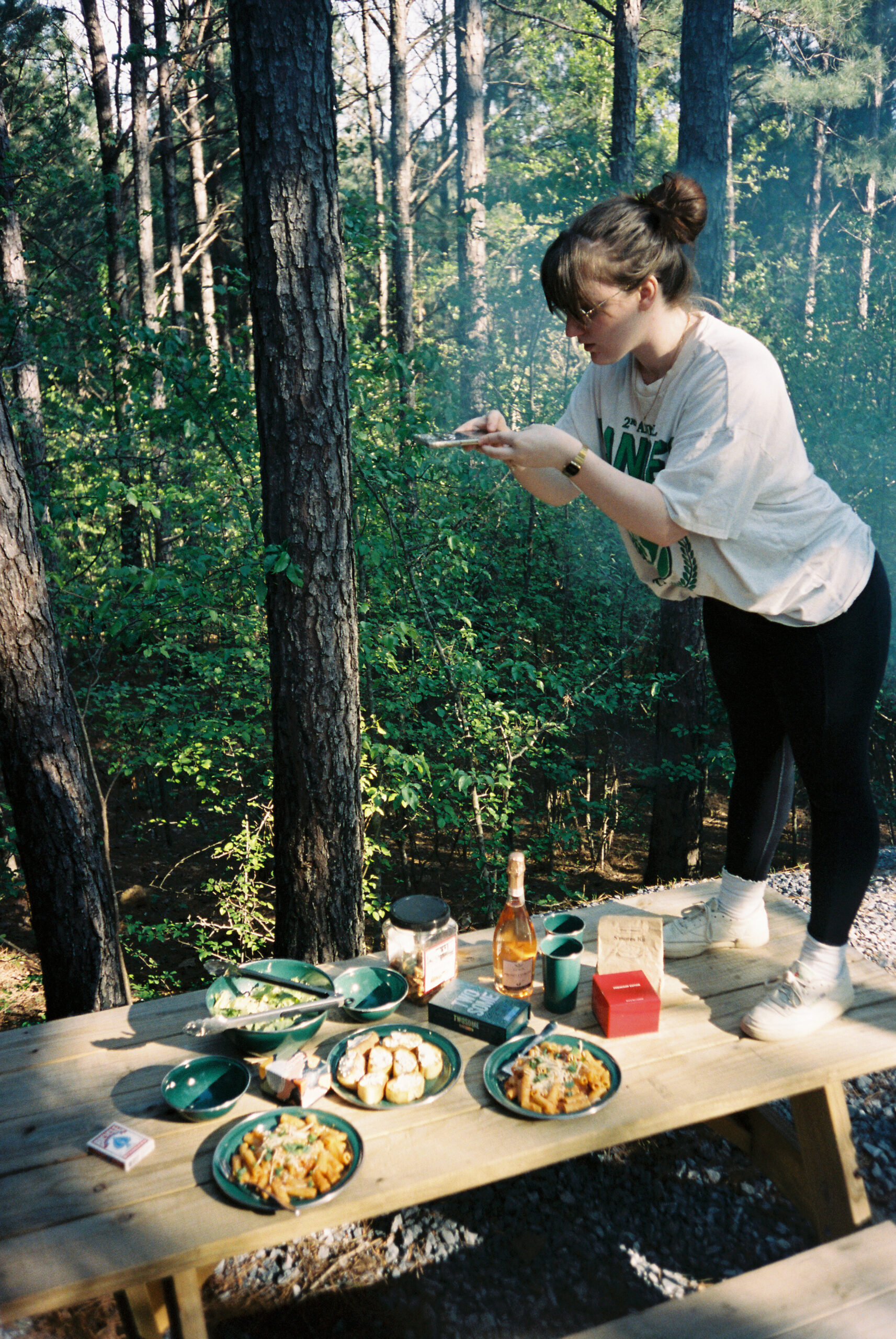
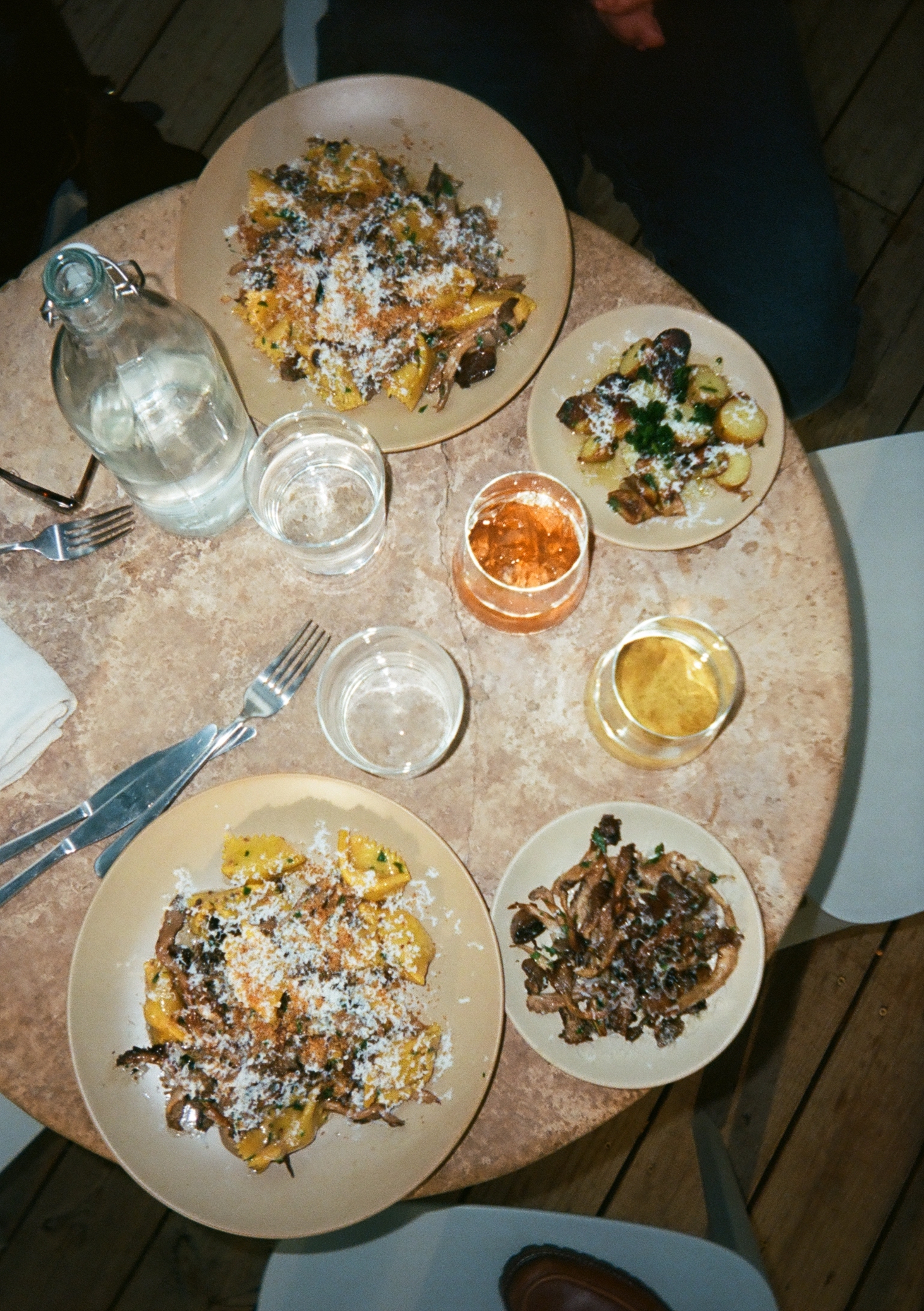
The power of influencers
Take, for example, Eating With Tod. In my day-to-day, I hear constant criticism of this guy. Usually, using him as a blueprint for the irritating food vlogger. He is loud, he is “over-the-top”, he is exasperating. On Sunday, Tod posted a video of a roast spotlighting a struggling North London pub that deserved attention. As he highlighted, a pub closes every day in the UK, and that is expected to double with the new business rates and high VAT set by the government. The post has over 16,000 likes and 500,000 views in 21 hours. My guess is, Tavern on the Hill won’t be closing any time soon, thanks to Tod.
Tod is doing his job, and he’s doing it well. He is serving the restaurant. More journalists should adopt that approach and remember the reasons for which they are employed: the existence and high functioning of the industry.
Not just influencers
Restaurants are not fashion shoots, and a part of the skill of being an influencer is knowing how to be discreet. Restaurants should be protected, and influencers should play a huge part in that production, but they should not cross a line on privacy. However, it is not just influencers who engage with this behaviour. Traits of crowding loos, volume control, refusal to pay or a lack of respect for others’ space are not inherent traits of the influencer; they are simply poor manners.
“Influencer” should not be a dirty word. It should be wielded with the same kind of respect that food critics expect when they enter dining rooms. I have seen it, entitlement from both sides. There are horror stories of critics drinking bars dry and treating staff like gum on their shoes, all whilst expecting a comped bill, just as much as there are tales of influencers refusing to pay because their food got cold while they took a photoshoot.
The modern restaurant
Restaurants are constantly evolving; they do not stay stagnant in a vacuum of time. Restaurants can be institutions; they can reflect a bygone era if they so please, but the modern restaurant is just that: modern. The best restaurants are a representation of the state of humanity in a given place; they tell truths about where we are, where we live, and where we choose to eat, to engage with ourselves and each other over passing plates.
Sharing, online or in person, is a part of us. Savouring a meal or a memory is a part of us. The phone, regardless of whether you feel it is unfortunate, has become a part of us. Restaurants will embody that whether it is embraced or not.
Restaurant criticism is not dead
That requires a shift on both sides: influencers learning subtlety and discernment, critics embracing the pace and power of modern platforms.
Influencers and critics, for all their differences, are ultimately working within the same ecosystem—and too often against each other instead of alongside. Critics cannot afford to dismiss the reach and immediacy of the influencer, just as influencers cannot ignore the discipline, independence, and critical thinking that define good criticism. Both have something the other lacks: one brings depth, the other scale. The point is not to compete, but to recognise that the most meaningful work, whether written or filmed, serves the restaurant first. It should reveal something true, capture an experience with clarity, and leave ego at the door. That requires a shift on both sides: influencers learning subtlety and discernment, critics embracing the pace and power of modern platforms. If they can meet somewhere in the middle — not to become the same, but to respect the value of each other — the industry is better for it.