“I’m A Fashion Editor & These Are My Secrets To Making High Street Look Expensive”
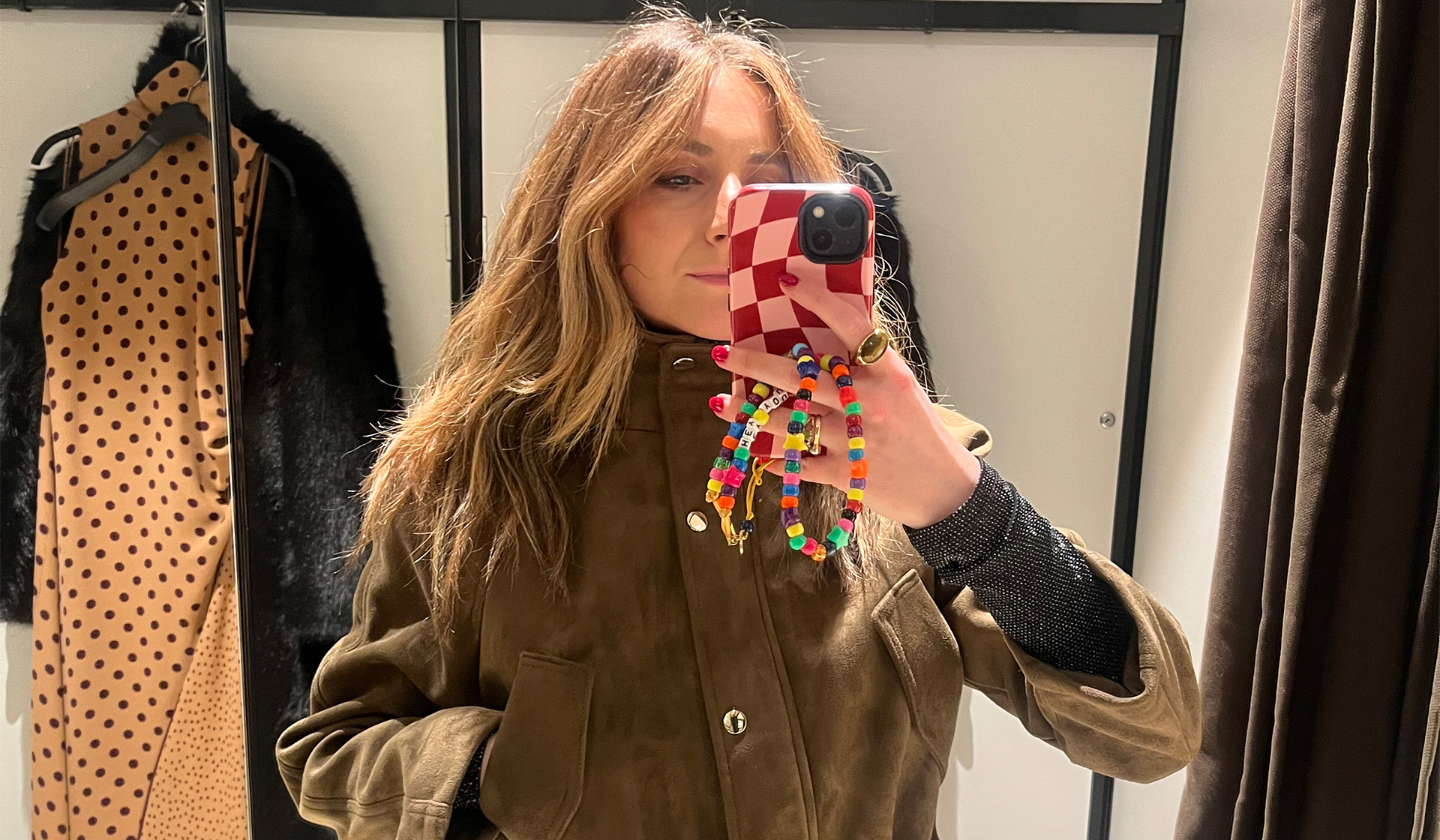
After almost two decades working in the fashion industry, The Handbook’s Contributing Fashion & Lifestyle Editor knows the difference between a good piece and a truly great look. Here, she shares her indispensable tips to transforming your high street finds into an expensive-feeling wardrobe.
From the fabrics to prioritise, the names that nail the best basics, why sizing up is always a chic outfit choice, and why you should never buy something unless you truly love it, here are her golden rules to making the high street look expensive…
Don’t over-purchase
This is the first and foremost rule. This article isn’t designed to make you shop more; it’s about making better choices regardless of your budget. Even if a purchase doesn’t feel like a huge stretch, pause and consider: Do I truly need it, or is it just an Instagram-trend-induced cheap dopamine hit? Shop the high street like you would a designer piece – with considered trepidation.
Pay attention to fabrics
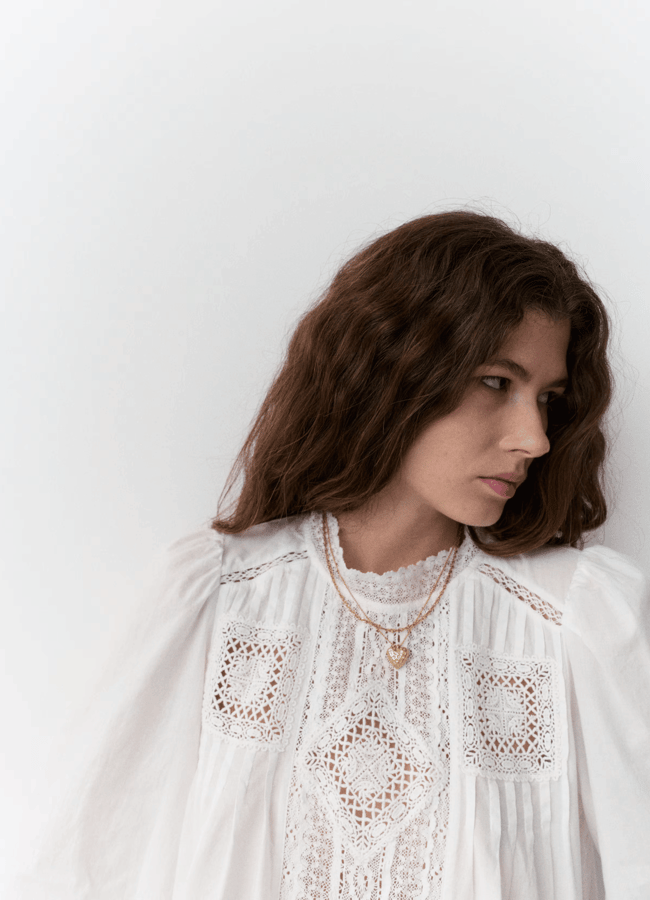
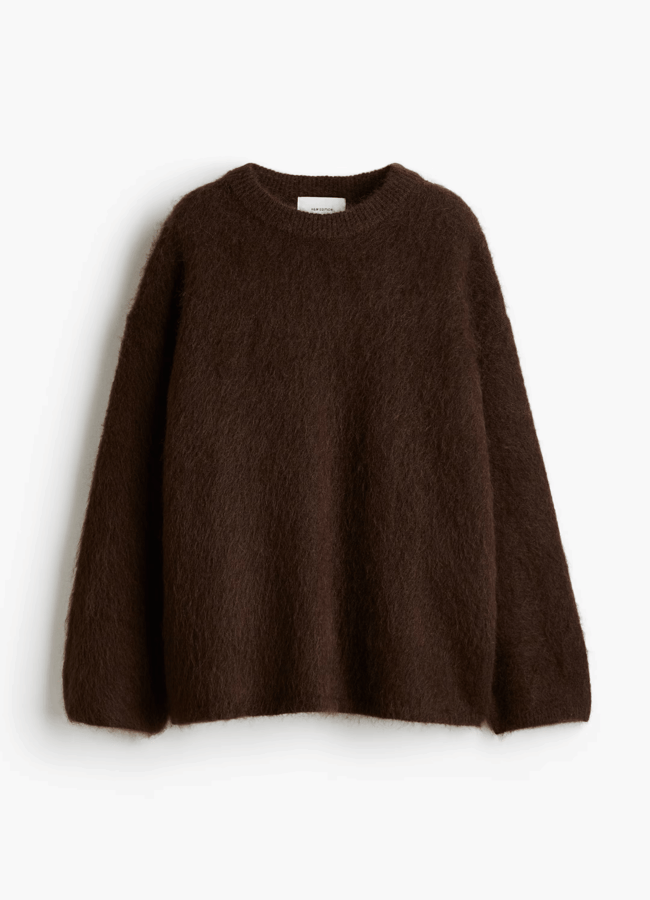
There is definitely something to be said for heading in-store and executing you’re own look-and-feel test. Prioritise natural fabrics like cotton, poplin, or 100% silk (these will be pricier, of course), or wool. Blends can be fine too, as long as it’s not majority scratchy polyester – H&M do great cashmere and mohair blends, for example. If you’re shopping online, check out the fabric and care section – we’ve all been caught out by the Zara model vs real-life piece one too many times.
There is definitely something to be said for heading in-store and executing you’re own look-and-feel test.
Go for the luxe lines
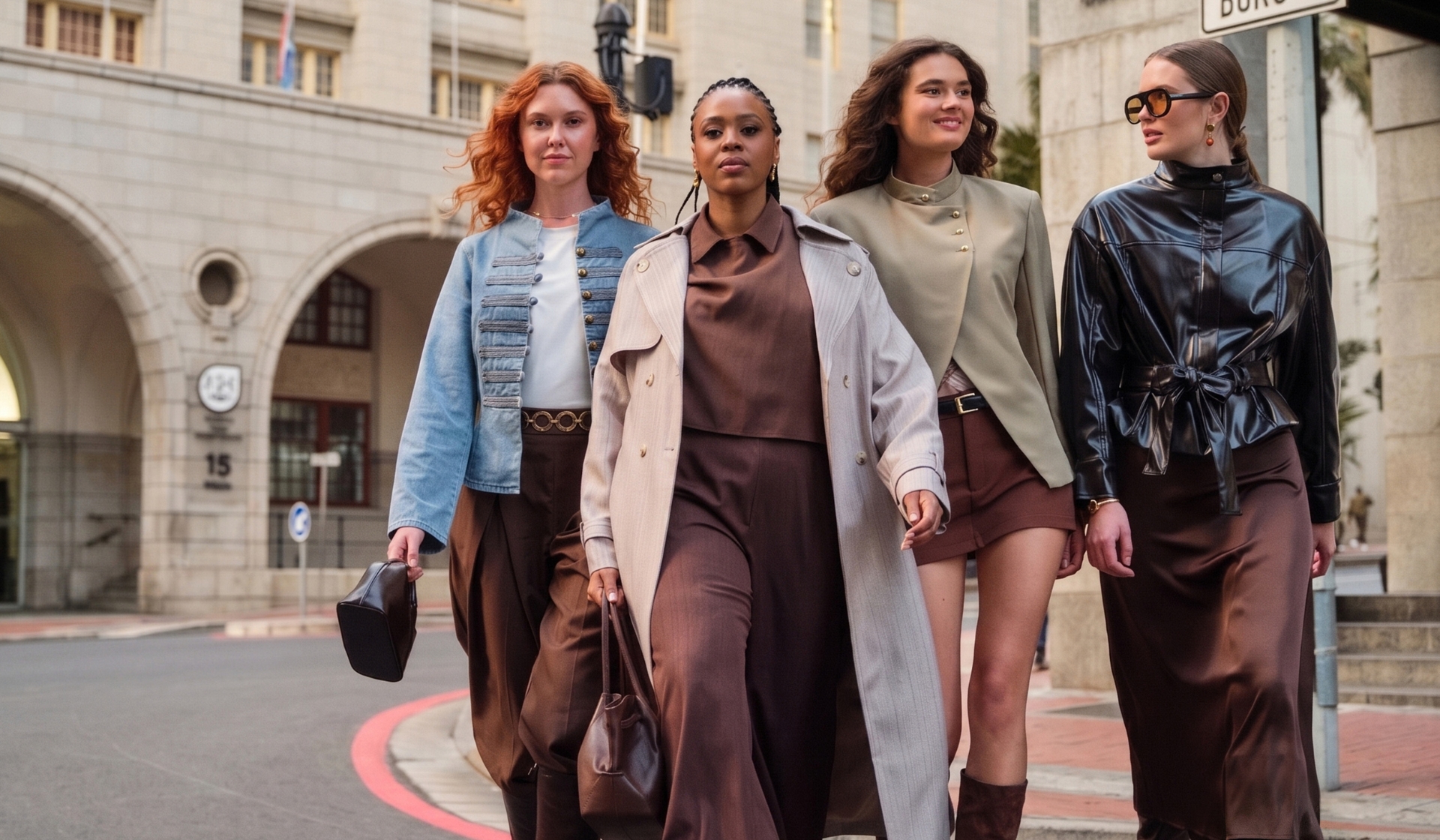
Some high street retailers have a premium line, and those pieces tend to be made with better fabric, a more generous cut, and superior technical construction. Also, look to the upper end of the high street: Massimo Dutti, COS, and ARKET. These brands carry a more grown-up aesthetic, tailored pieces, and muted colour palettes. They may be less attractive than a heap of sequins, but they are far more wearable and have a much longer lifespan. Plus, the higher price point encourages you to buy less, buy better.
Check the finer details
The devil is in the details when you’re buying something other than basics. Look for a good lining, premium metal hardware, or even a generous, sweeping neckline, like on that excellent H&M blouse – I honestly think it could pass as designer if styled the right way.
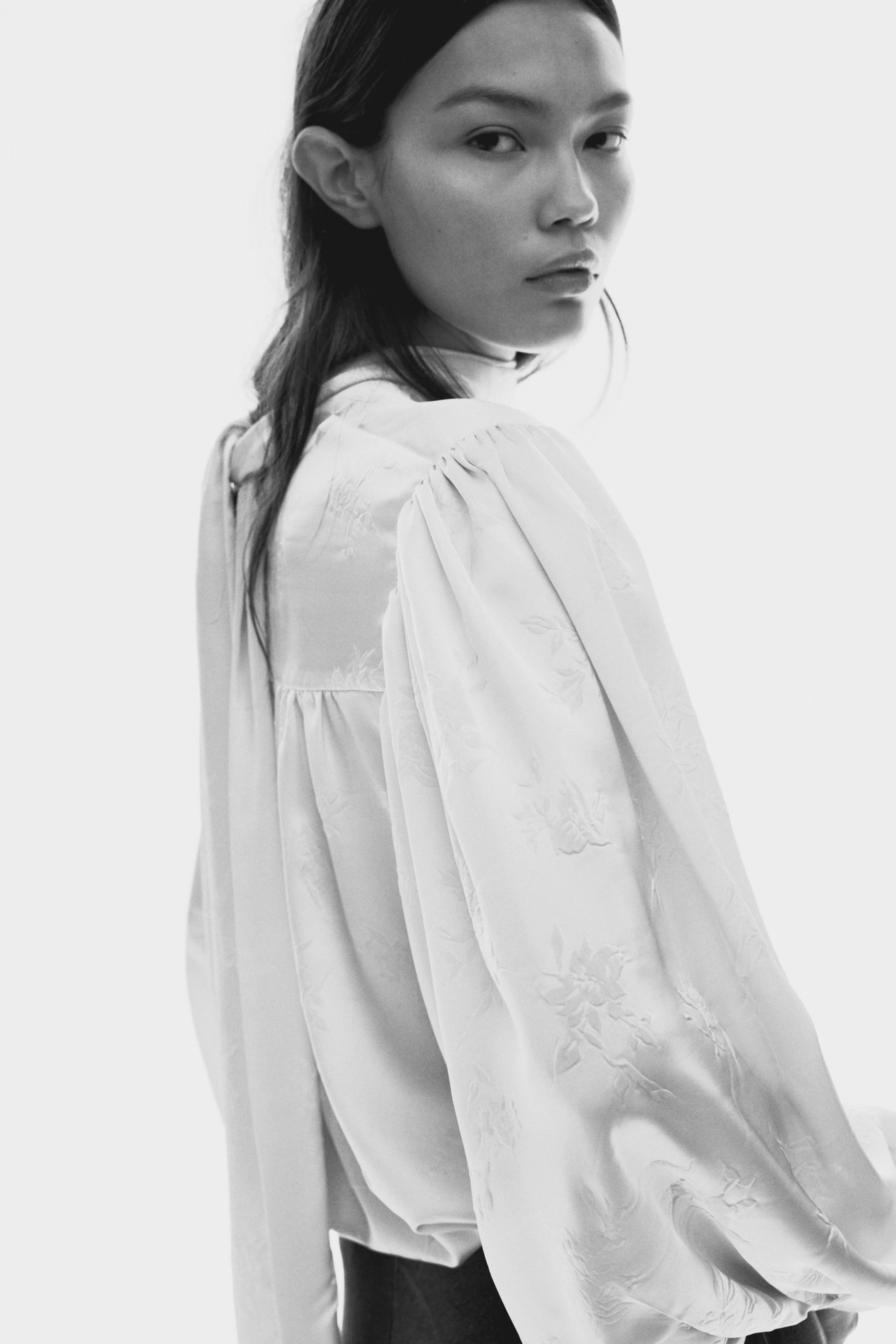
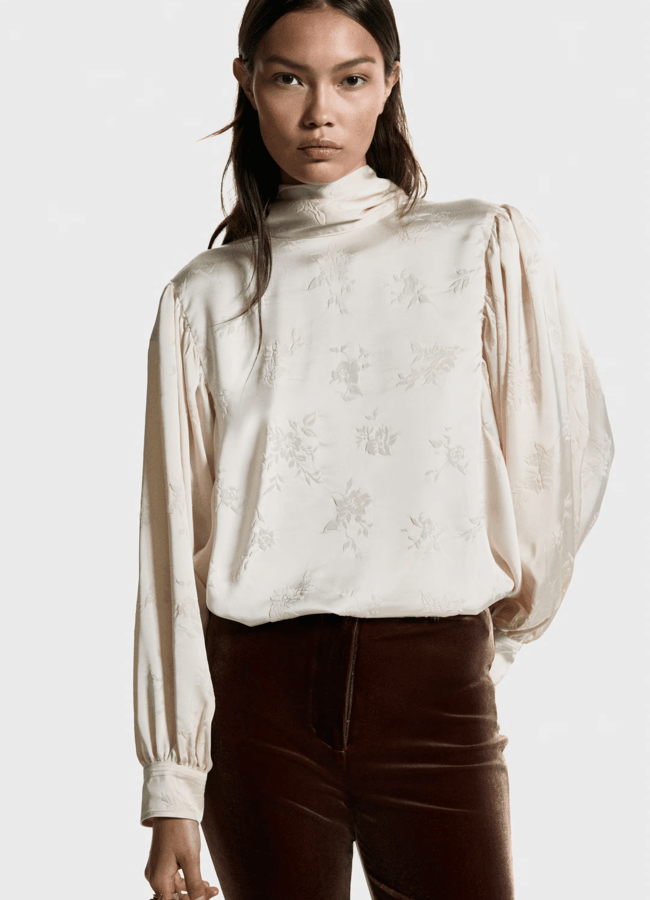
Ihonestly think this H&M blouse could pass as designer if styled the right way.
Seek out collaborations (with caution)
I use this tip carefully, as you can easily be sucked into the hype of a high street collab designed to sell out. For example, I was itching to buy from M&S’s recent 16Arlington collection but refrained because I really don’t need any more evening wear right now. However, I did purchase the excellent red ‘Nature’ jumper from their collaboration with Bella Freud, and I have had so much wear out of that all year.
Have a 5-outfit rule
Whenever I’m purchasing something new, I always make sure I can see the pieces working at least 5 different ways with my existing wardrobe. It helps to mentally (and physically) keep your wardrobe concise and gives it longevity.
Yes, tartan might be trending, but does it really look that good when it costs less than a Pret order?
Avoid too much print
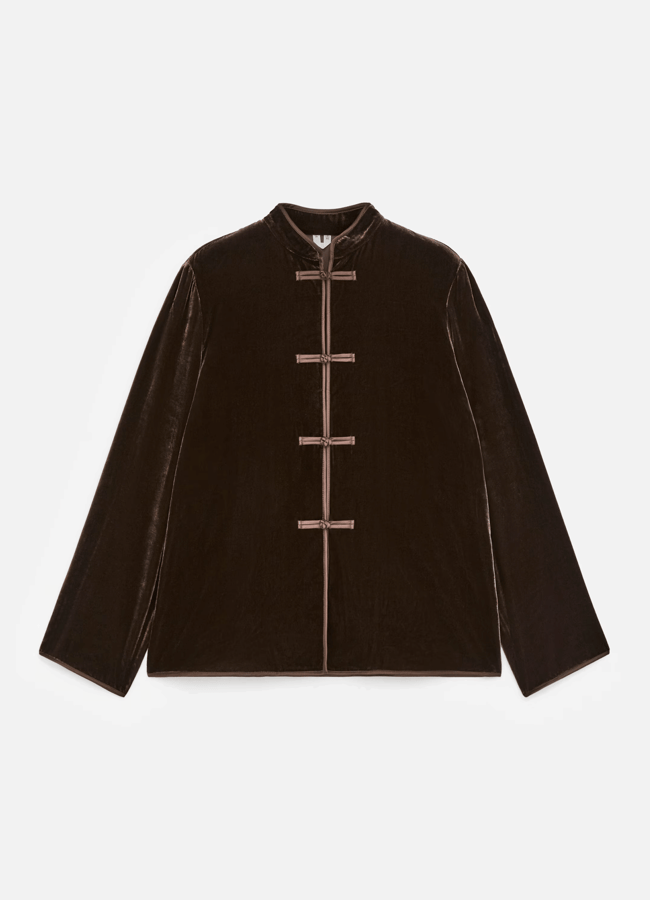
Often, the high street shows its budget with a poor-quality print. Yes, tartan might be trending, but does it really look that good when it costs less than a Pret order? Stick to muted colours – tonal navies, browns, khaki, and creams always feel more elevated and elegant.
Go up a size (or a few)
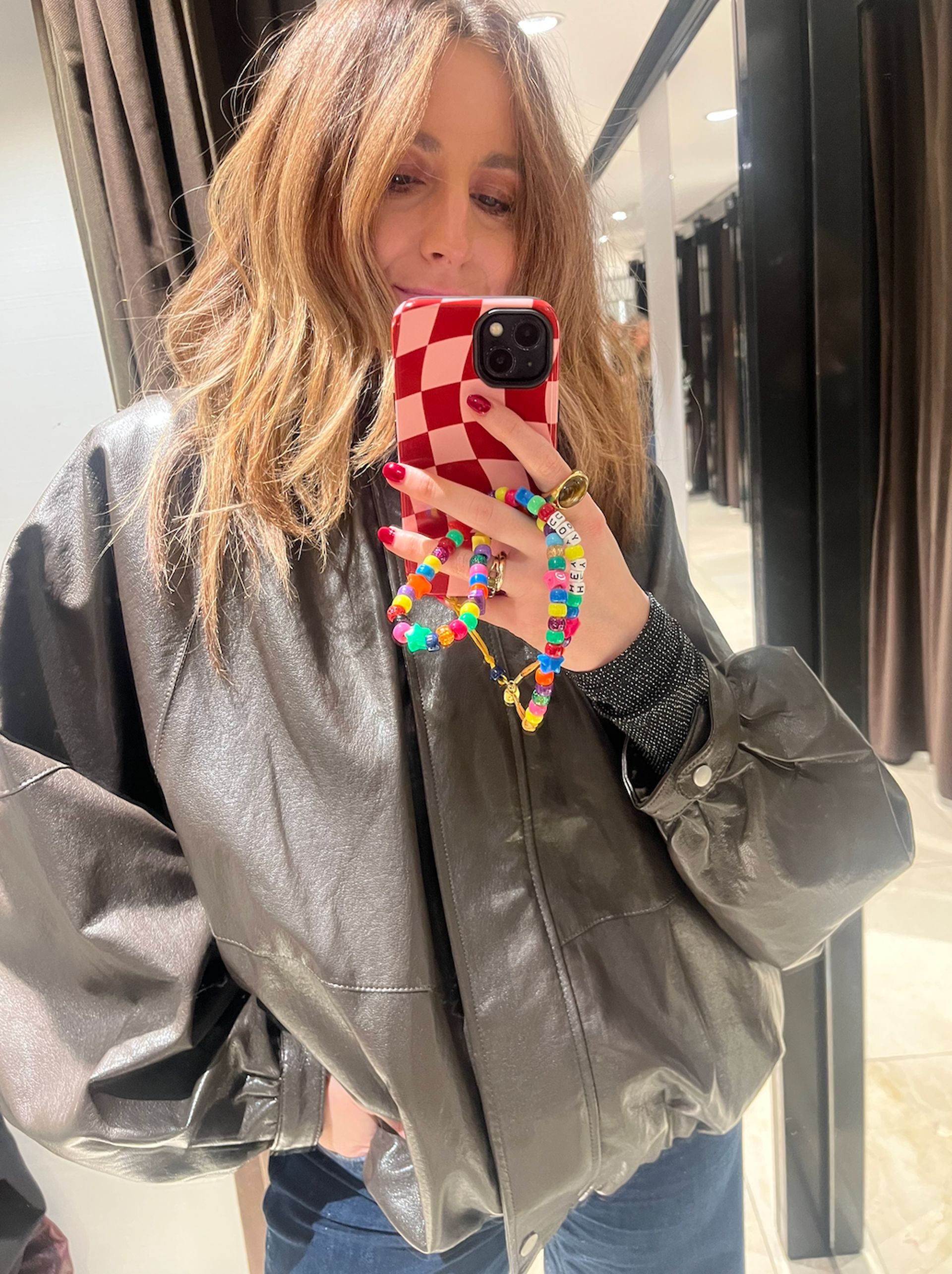
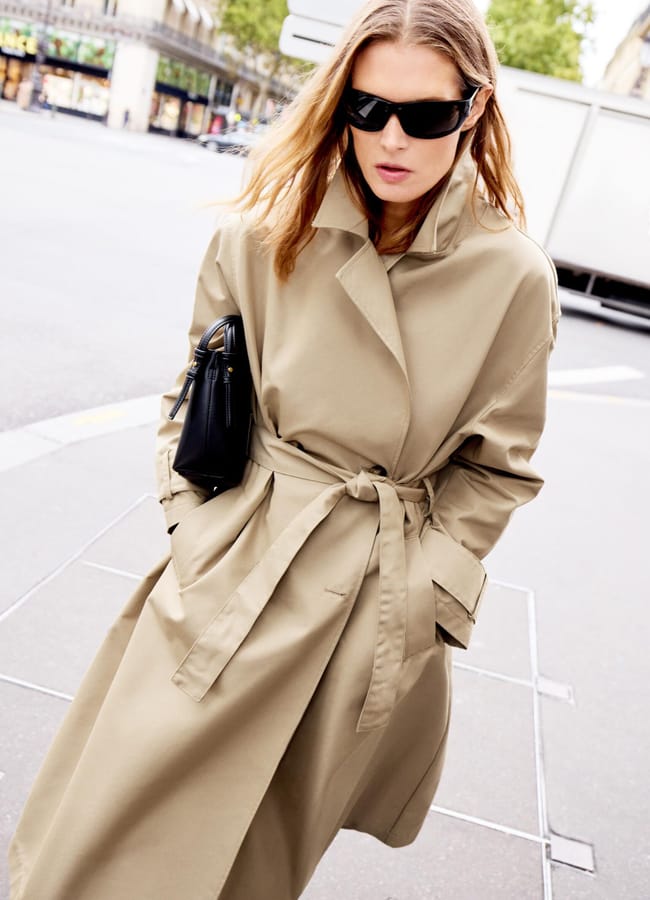
This is my absolute key to making most high street look good. Size up, and up, and up again if you need to. Oversized pieces generally look more expensive and cooler.
Mix it up
Is there anything cooler than someone who rocks high street, pre-loved, vintage and designer all at once? Eclecticism always feels expensive.
Invest in tailoring like you would designer
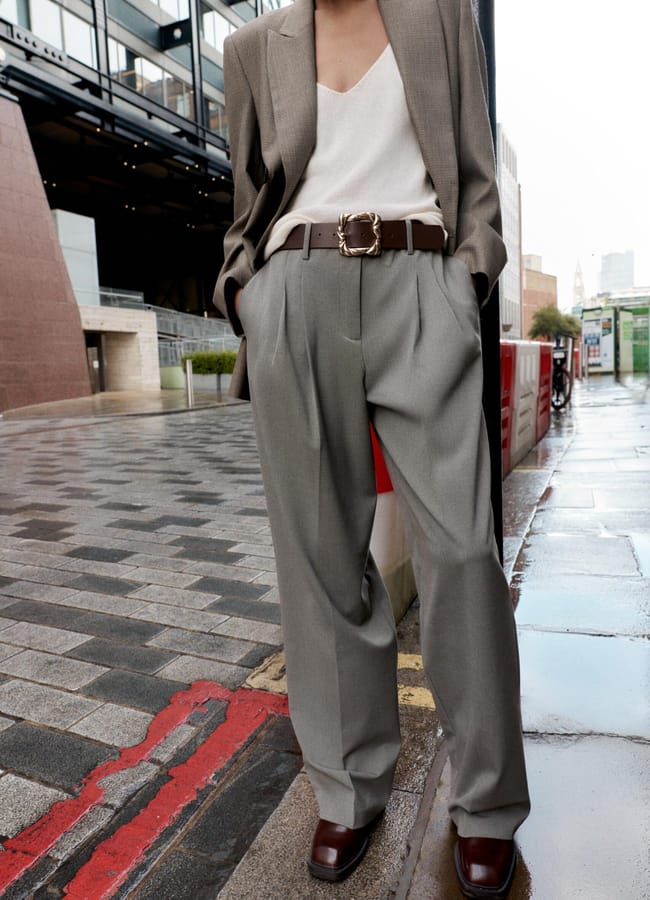
Just because you bought something on the high street doesn’t mean it doesn’t deserve a glow-up. New buttons, an extra pleat on tailored trousers, a simple hemline adjustment, or a better zip can really make all the difference.
Look after your clothes
You wouldn’t stuff a Chanel jacket in the drawer, would you? Hang, steam, and launder your wardrobe (in its entirety) with pride.
Accessorise smartly
A great belt can work wonders on a pair of high street tailored trousers, and jewellery can make a simple navy knit sing. Take a classic V-neck sweater, add some statement earrings, and you’ve taken something very basic and made it interesting.
Shop the menswear department
I love shopping the menswear department for knitwear (a longer sleeve length instantly screams high-end), trousers for cool, relaxed tailoring, and accessories (ties and neckerchiefs are a current favourite).
Master the art of layering
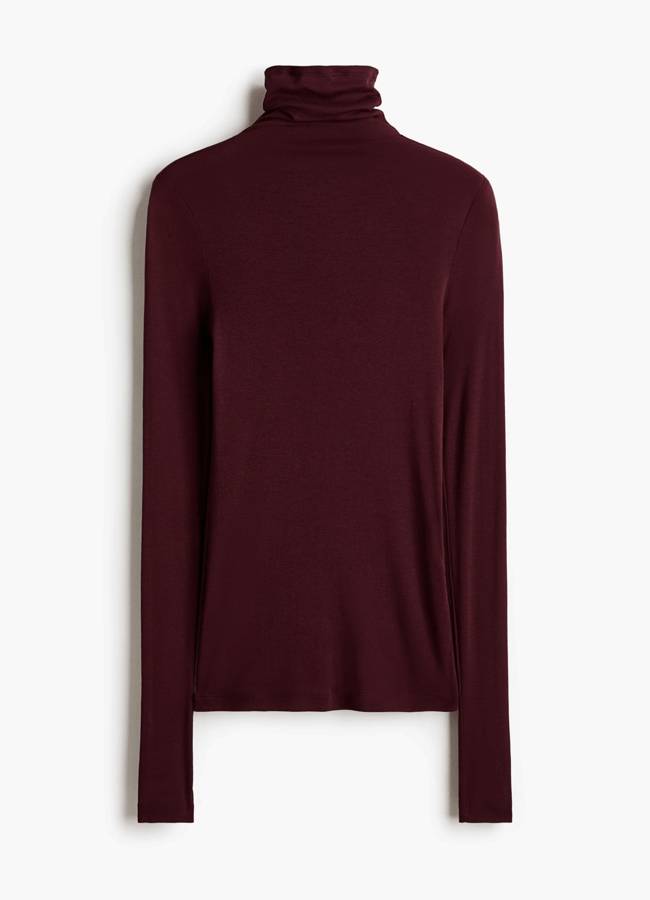
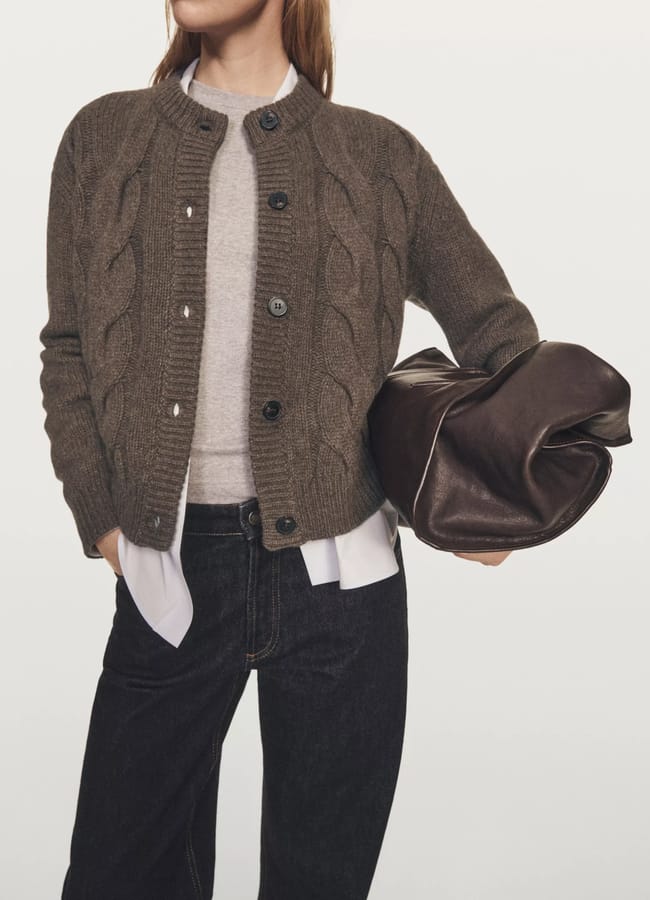
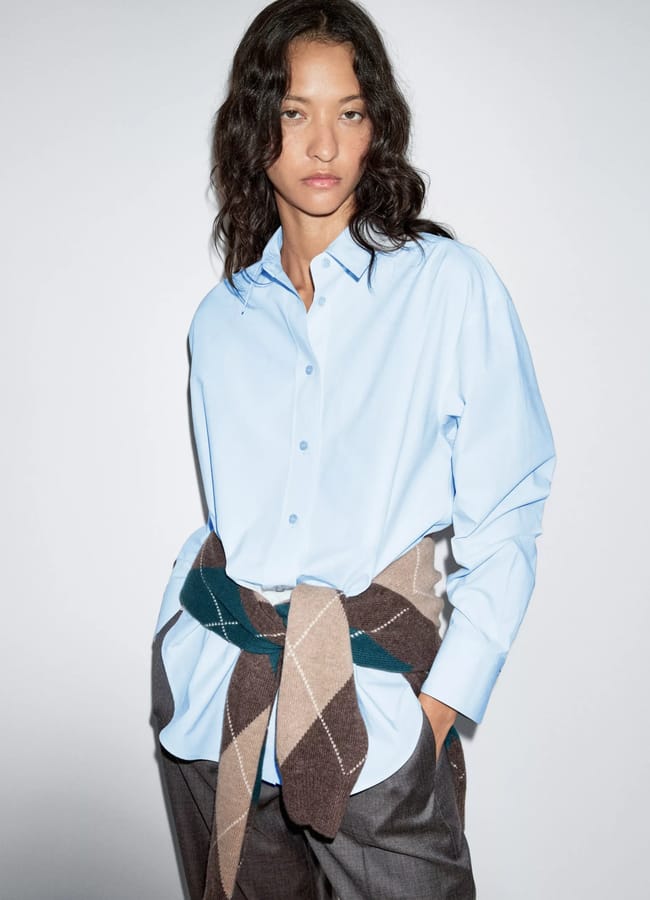
A white tank under an open shirt or a fine polo neck under a fussy crew neck always adds an element of elegance. Even a great sock sandwiched between your loafer and inky denim, or a fine knit jumper tied around the waist, can nail the look.
Know who does what well
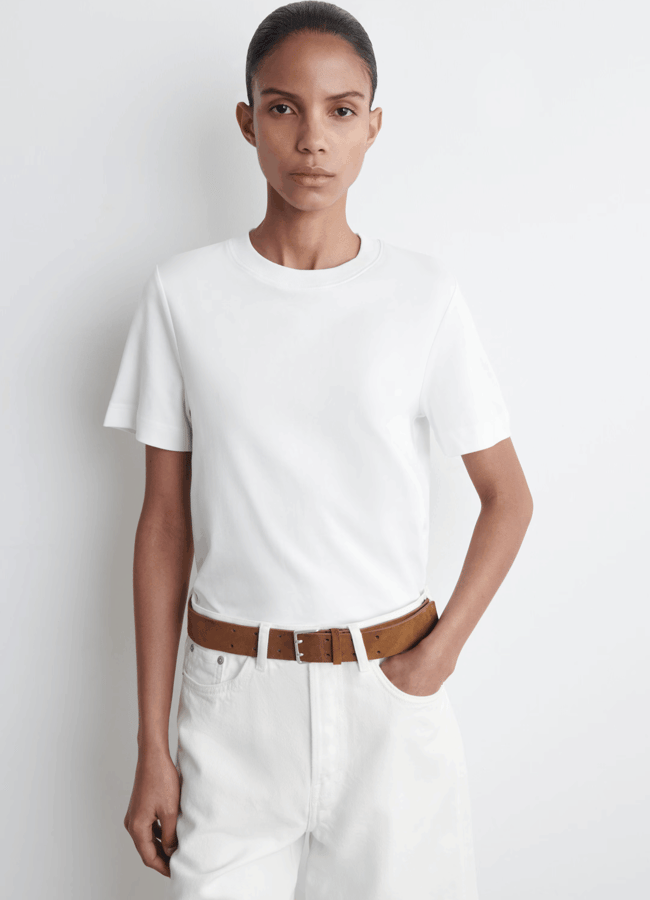
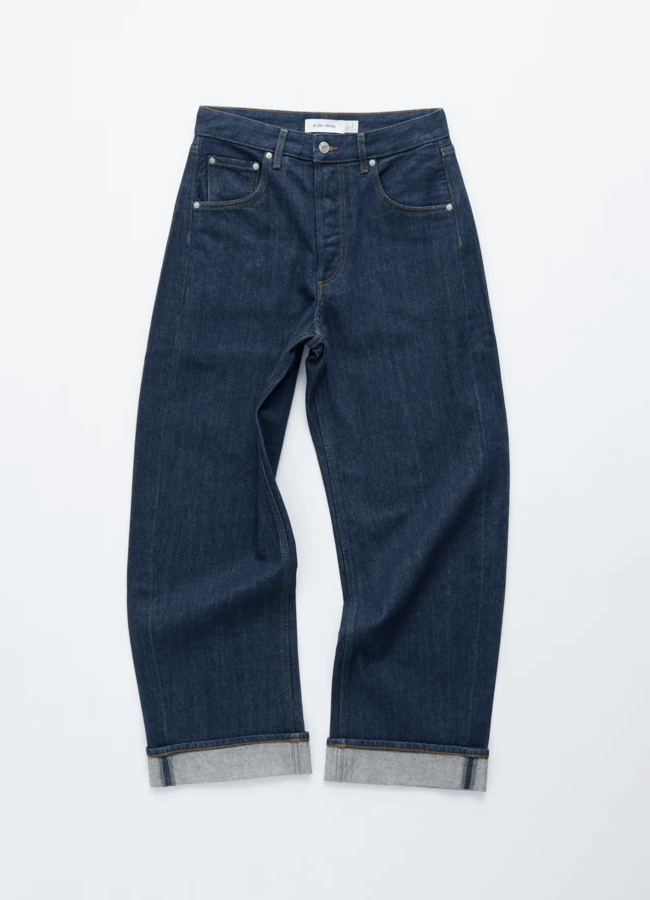
Take note of what stores do particular things well. For example, I think Zara does a great tailored trouser for my shape, ARKET and COS are my go-tos for plain white tees, and H&M does great stiff denim – it’s not the most comfortable, but it definitely looks the best.
Finally, only buy pieces you really love
It goes without saying, only shop what you really love. I prioritise more mid-range brands that have better sustainability credentials, but generally, I try not to think of high street vs. investment pieces. Every piece you shop for should be an investment for your own wardrobe.
Shop some of Astrid’s high street favourites…
The products on this page have been selected by our editorial team, however, The Handbook may make a small commission on some products purchased through affiliate links.