Kinds Of Kindness Is Not A Film That’s Meant To Be Enjoyed

What in the La La Land did I just watch? Kinds of Kindness is weird. We all knew it was going to be weird – it was never pretending otherwise. But I wasn’t prepared for the extent of the weirdness. In fact, I wasn’t prepared for most of what I saw in the film.
Turns out, watching Kinds of Kindness on a sunny Saturday in London was not at the top of everyone’s list this weekend – all the cinemas I looked at were running almost empty for the film, and I was one of only four audience members who found themselves watching this spectacle on the kind of day meant to be enjoyed outdoors, not cooped up in a dark, stuffy theatre. Did I enjoy the film? No. Was it worth the watch? Yes.
Directer Yorgos Lanthimos, who gave us Poor Things earlier this year, is not known for conventional filmmaking. But this one takes experimentation to whole new heights – In fact, I’ll go so far as to say that Poor Things seems tame in comparison. The film is clearly at the helm of a director who is not afraid to go there – to the far depth of the imagination, to thoughts buried deep down that we like to pretend we never had. The film isn’t trying to please anyone – it actually might please no one. It’s there to make you feel uncomfortable. To make you shift in your seat with disgust. To make you shut your eyes and say, please FFS don’t do that.
For anyone who hasn’t watched it and plans to, turn away now, there are plenty of spoilers below.
What is Kinds of Kindness about?
The film is divided into three sub-stories, with the same cast taking on different characters. Each of the three stories has Lanthimos obsessively playing with power, control and the abuse of it, through almost fable-like scripts that further delve into themes of deceit, desire and identity. The film features glimpses of love, lust, orgies, cannibalism, blood, gore, murder, supernatural powers and a creepy cult that gives some serious Wild Wild West vibes – all divided into three equally disturbing parts. But they raise one fair question – how far will you go? For your boss, your partner, your little toxic cult – what will drive you to cross the line between loyalty and desperation? The film dives straight into the darkest bits of the human psyche, into what it takes for someone to become so desperate, that they’d do anything, anything to get what they had back.
The film dives straight into the darkest bits of the human psyche, into what it takes for someone to become so desperate, that they’d do anything.

Part 1: Power play
How far will you go to please your boss? In this case – further than you could ever think of. The first part of the film introduces us to Robert (Jesse Plemons), whose life is entirely controlled by his full-time employer and part-time lover, Raymond (Willem Dafoe). And when I say entirely, I mean entirely. Raymond dictates everything from when Robert should eat and sleep to whether he and his wife should have children. Robert willingly partakes in his boss’s perverse desire for power, to the point where he cannot even choose a drink at the bar by himself. He is a man whose every choice is made for him and Raymond plays with him like a puppet on a string, throwing in the occasional over-the-top gift (like McEnroe’s smashed tennis racket).
On one hand, there is a man with a desire to control. On the other, is a man with no desire for any of it.
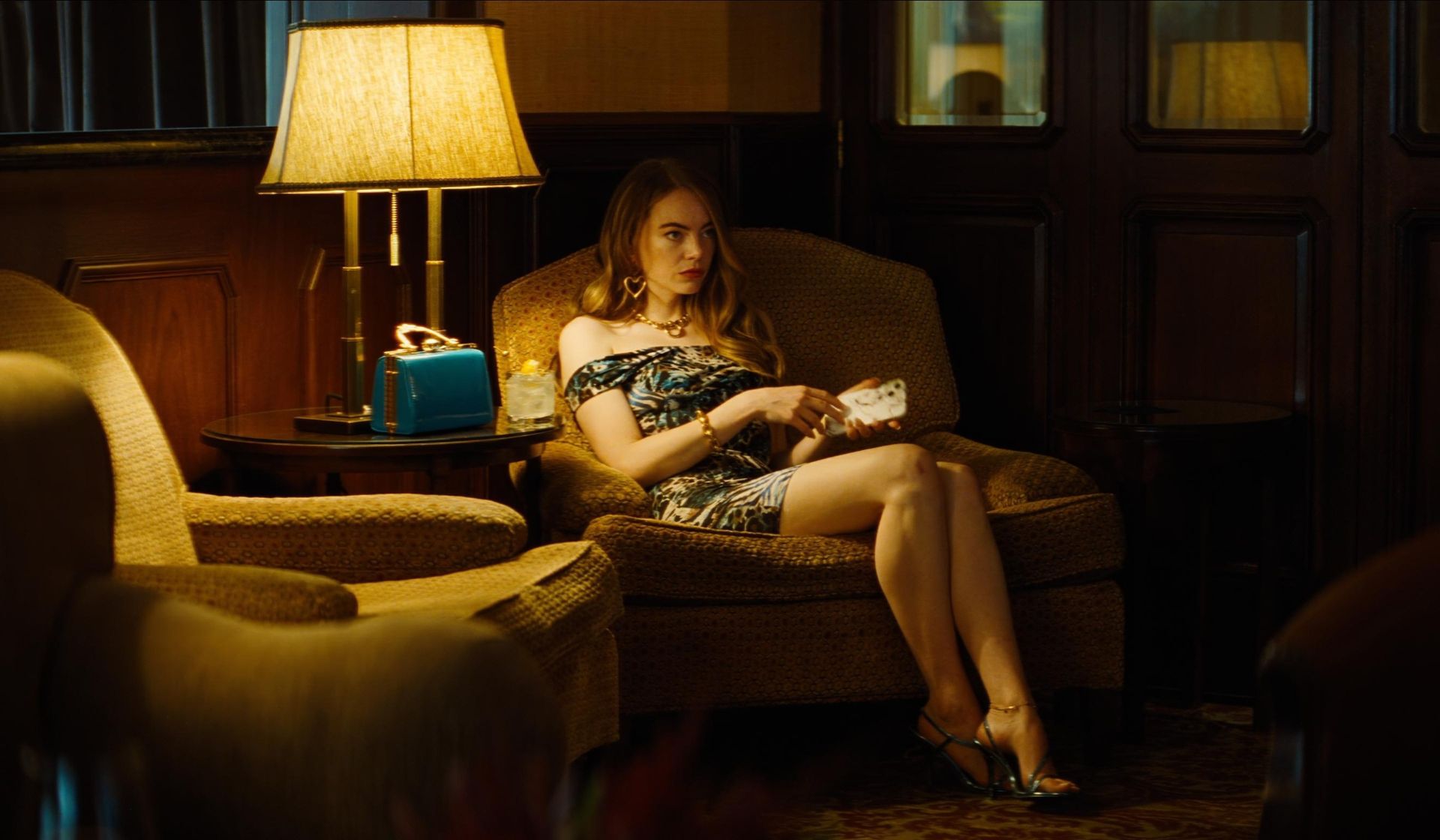
But things change when Raymond asks him to risk killing someone. (Why? No reason). When Robert refuses, Raymond sets him free from his clutches – and Robert is forced to make his own choices, a feat which he completely fails. All hell breaks loose when Robert realises that he has been replaced by another figure (Rita, played by Emma Stone) – and it drives him to ultimately, and very graphically, do what he had said he couldn’t – kill an innocent man. The film is a startling insight into the extent someone can go to in his desperation to please, and how easily a man with power can abuse it. On one hand, there is a man with a desire to control. On the other, is a man with no desire for any of it. But who’s the real bad guy here? Perhaps, neither.
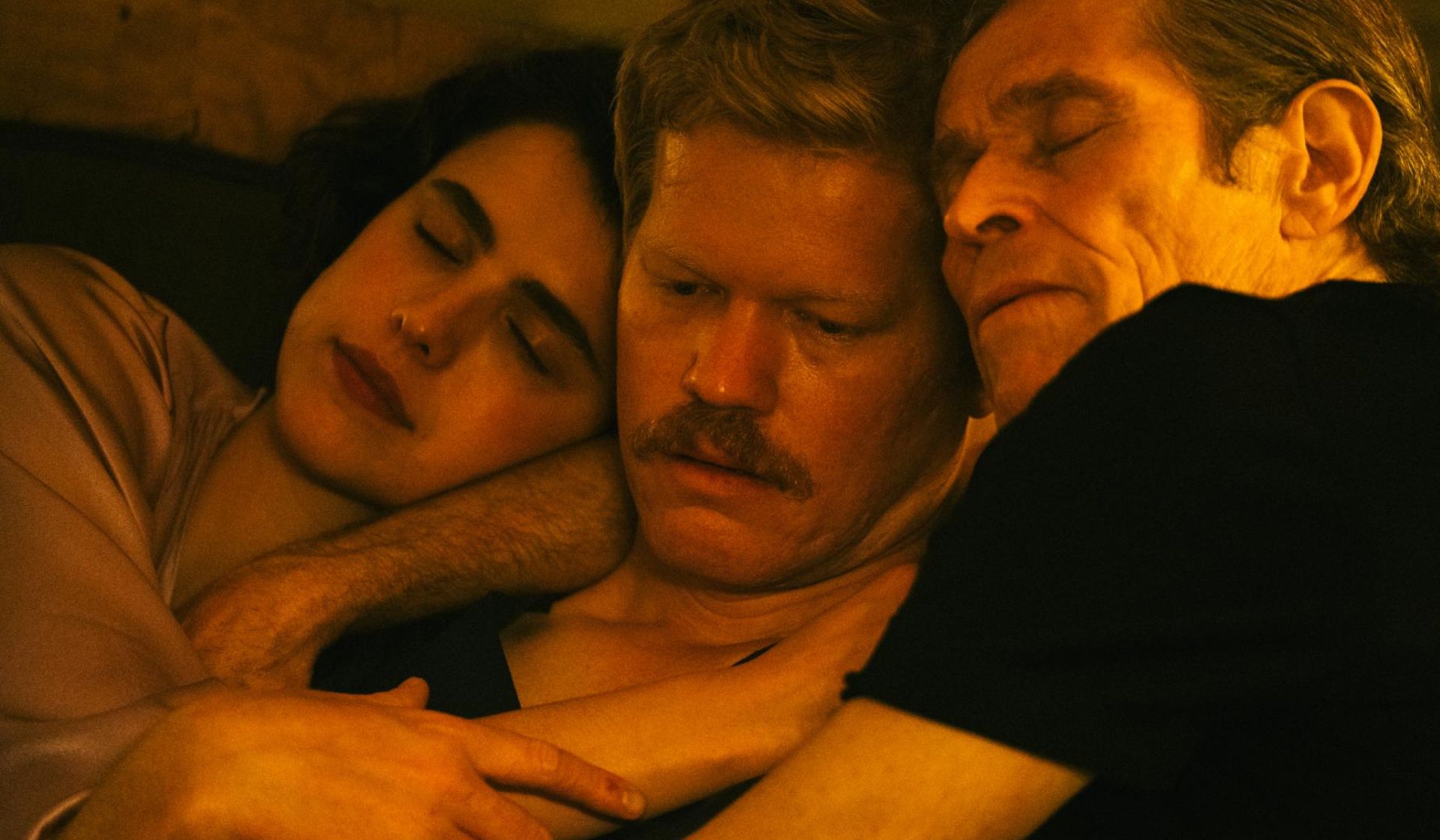
The film is a startling insight into the extent someone can go in his desperation to please, and how easily a man with power can abuse it.
Part 2: Anything for love
If you thought that you could do anything for love (but you just won’t do that) – the film breaks that particular notion (and wonderful song lyric). Because in the film, Emma Stone, now playing Liz, a marine biologist freshly rescued from a diving expedition gone wrong, does exactly that. The that in question is cutting out parts of her body to offer to her psychotic husband (this is where one of the four people in the theatre walked out). I had to close my eyes twice in this segment because the scenes were so graphic. If you’re not someone who can handle too much gore, this might be a tough one to get through. Hunger and food are their own main characters here, with all concerned parties almost obsessing about eating (or not eating).

Whether Liz eats chocolate or not, whether she likes meat or fish to ultimately Daniel (Jesse Plemons), refusing food until he makes some cannibalistic requests, the food isn’t just food here – it’s the forbidden fruit that is exploited by the one who holds the most power in the relationship. From a “psychological pregnancy” to a fake wife, and cannibalism to mental breakdowns, the film is a graphic representation of the abuse of power in a relationship, with the added flavour of a strangely logical insight into the similarities between humans and animals.
Part 3: Creepy cult meets the supernatural
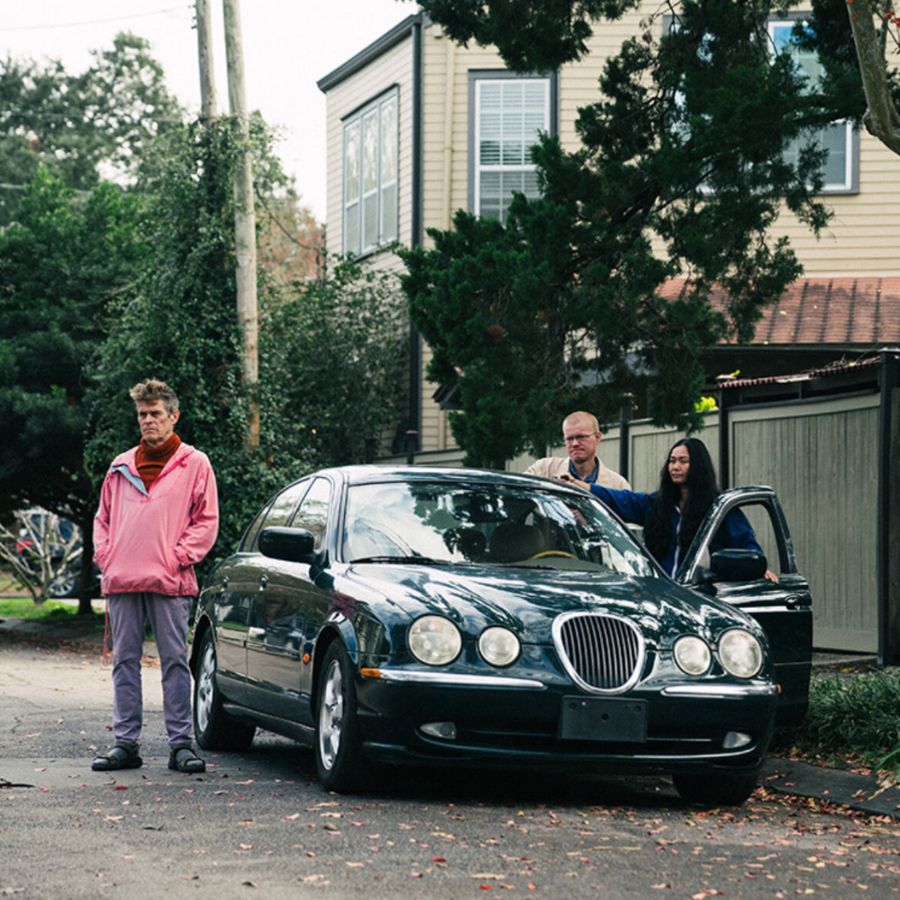
In the third instalment, the characters take on their real names. Emma Stone is called Emily (clearly the Emma or Emily debate is settled), and Joe Alwyn is Joseph, her covertly evil husband. Emily is on a mission to find someone with superpowers who can bring the dead to life – Hunter Schafer makes a brief appearance as she tries (and fails) to bring a dead body to life. Emily has abandoned her husband and young daughter to join a cult that offers timeslots for sex with their leaders and is obsessed with their version of “purity”.
When Emily is “contaminated” against her will, she is thrown out of her beloved cult and she becomes even more desperate to find this supernatural figure. And against all odds, (plus an injured dog and a dead twin sister), she finds this person – only to have Emily accidentally drive off the road and have her supernatural healer fly through the windshield and meet her death. Alas. The third film is the only one to actually have a ‘sad’ ending – even if you can’t call the other two particularly joyous. But when the ending credits roll up on screen, it does feel like I’ve just smashed my head against something.
I have a feeling that Lanthimos has not made a film that’s meant to be enjoyed.
Kinds of Kindness is an exhausting two hours and 45 minutes to sit through. I am beyond relieved when it’s over – but I have a feeling that Lanthimos has not made a film that’s meant to be liked. In fact, there is not a trace of kindness as we know it. But I have an uneasy feeling that he has planned it this way all along – like his desperate actors searching for an escape from their ordinary lives, he has pulled his audience into a very real dilemma, one that is aptly summarised by the film’s soundtrack:
Some of them want to use you
Some of them want to get used by you
Some of them want to abuse you
Some of them want to be abused…
And at the end of it all….who are we to disagree?