“What Living With Raynaud’s Has Taught Me About My Body”
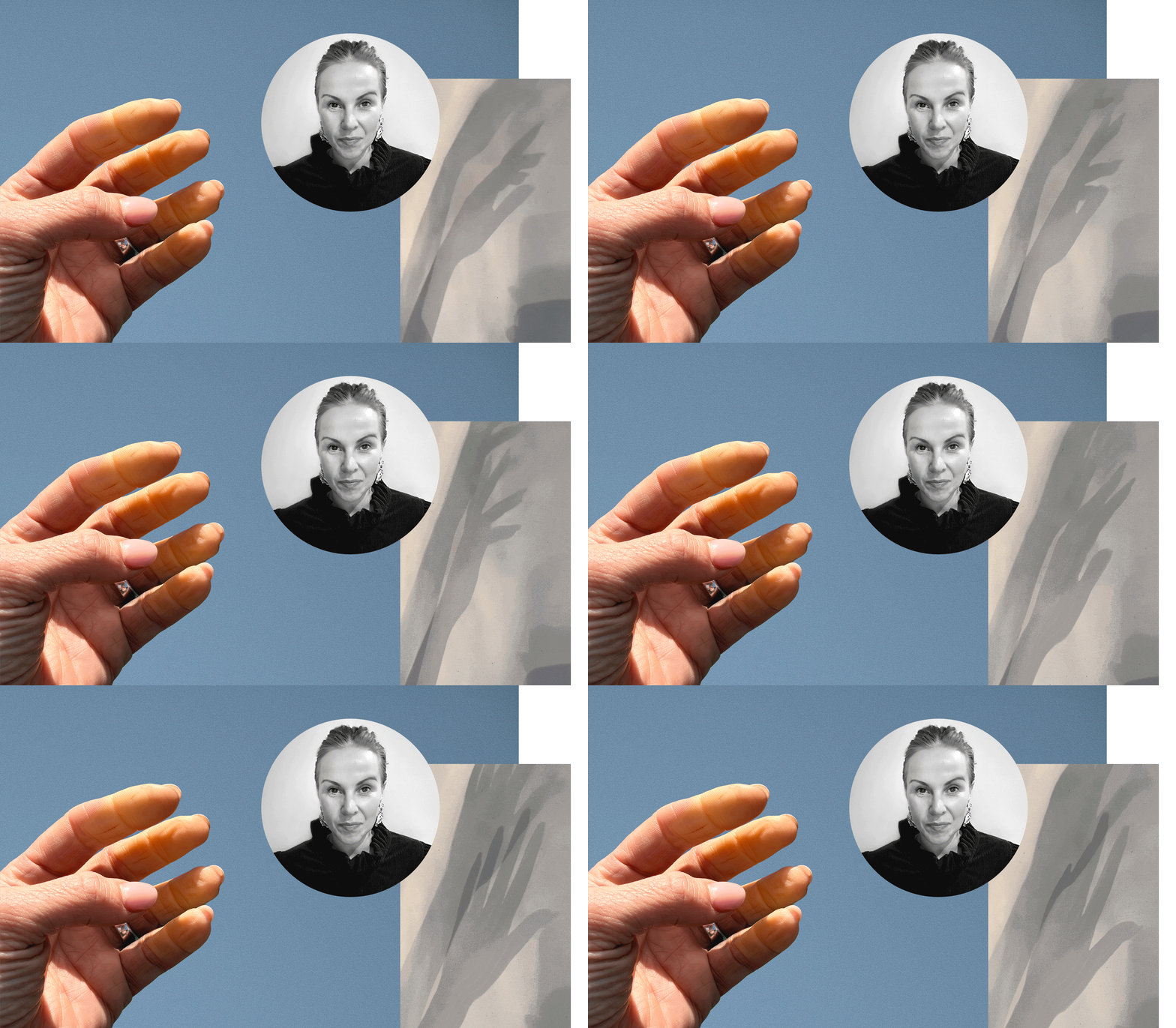
Cold hands, colour-changing fingers, and a newfound obsession with insulated gloves – welcome to life with Raynaud’s Syndrome. It’s not the most glamorous condition, but it has taught me a thing or two about listening to my body. Here’s what actually helps: no fluff, just real-life fixes that make living with this condition far more manageable.
I didn’t realise my hands turning ghostly white wasn’t ‘just one of those things’ until it followed with pain. Fast forward a few chilly commutes later, fingers numb, toes tingling, and a mild sense of panic and I was properly introduced to Raynaud’s.
I didn’t realise my hands turning ghostly white wasn’t ‘just one of those things’ until it followed with pain. Fast forward a few chilly commutes later, fingers numb, toes tingling, and a mild sense of panic and I was properly introduced to Raynaud’s.
Tamara, Contributing Beauty Editor

What is Raynaud’s?
For anyone unfamiliar, Raynaud’s is a condition in which the small blood vessels in your extremities (usually your fingers and toes) overreact to cold or stress, restricting blood flow. The result? A rather dramatic colour change, white, then blue, then red, as circulation returns. It can be uncomfortable, sometimes painful, and always inconvenient, particularly when you’re trying to make dinner for a family of seven, but don’t have enough grip on a chopping knife!
Over time, I’ve realised there’s no single fix; it’s these small, consistent habits that genuinely help. And I can tell from my experience, this is not a seasonal thing either. For me, stress and caffeine are also triggers – plus, damp rooms play a part. If like me, you want to avoid going down the medication route, Here’s my guide to managing Raynaud’s…
How I manage Raynaud’s
1. Layering is everything
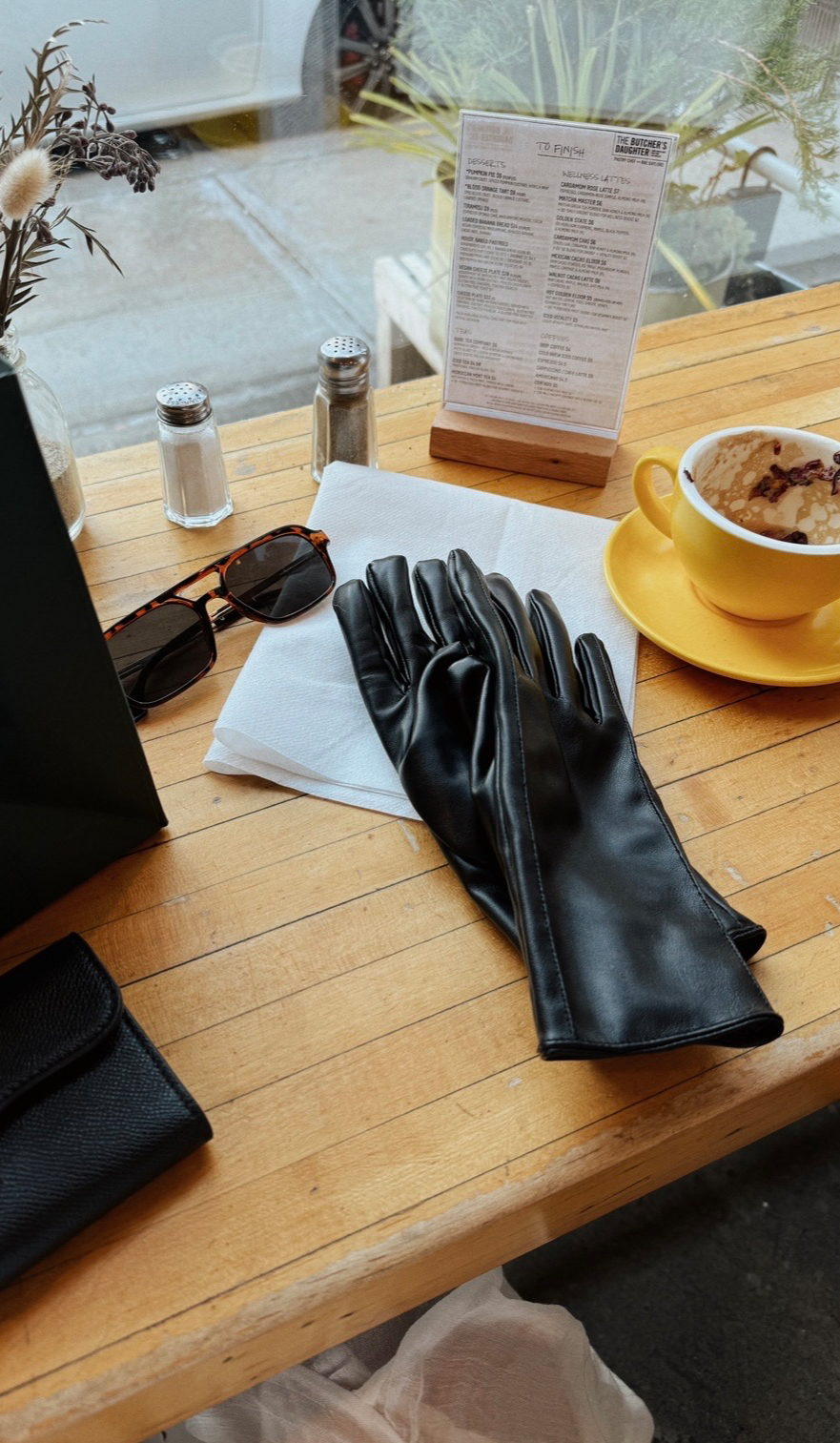
I used to prioritise style over warmth. Not anymore. Keeping your core warm is key, because once your body temperature drops, your extremities are the first to suffer. I now dress like every day is winter, even in May, with gloves in every handbag (don’t tell him, but I often take my son’s football gloves for extra protection).
2. Warm from the inside out
Hot drinks are no longer optional; they’re essential. Herbal teas, warm water, and even just holding a warm mug can help restore circulation. I’ve also noticed that eating regularly keeps my body temperature more stable, and adding spices to my food warms my body from the inside out.
Keeping your core warm is key, because once your body temperature drops, your extremities are the first to suffer
3. Keep moving
The moment I feel a flare-up coming- tingling, stiffness, the tell-tale colour shift- I move. Wiggling fingers, rotating wrists, even a quick walk helps kickstart my circulation again. It’s simple, but it works.
4. Lifestyle triggers
This was a surprise. I always blamed the cold, but stress plays a big role. On hectic days, I notice flare-ups happen more easily, even indoors. It’s been a reminder to slow down where I can and not ignore how much stress affects the body physically. Smoking is also a major trigger and should be avoided while caffeine can also bring on attacks too.
5. Be kind to your hands
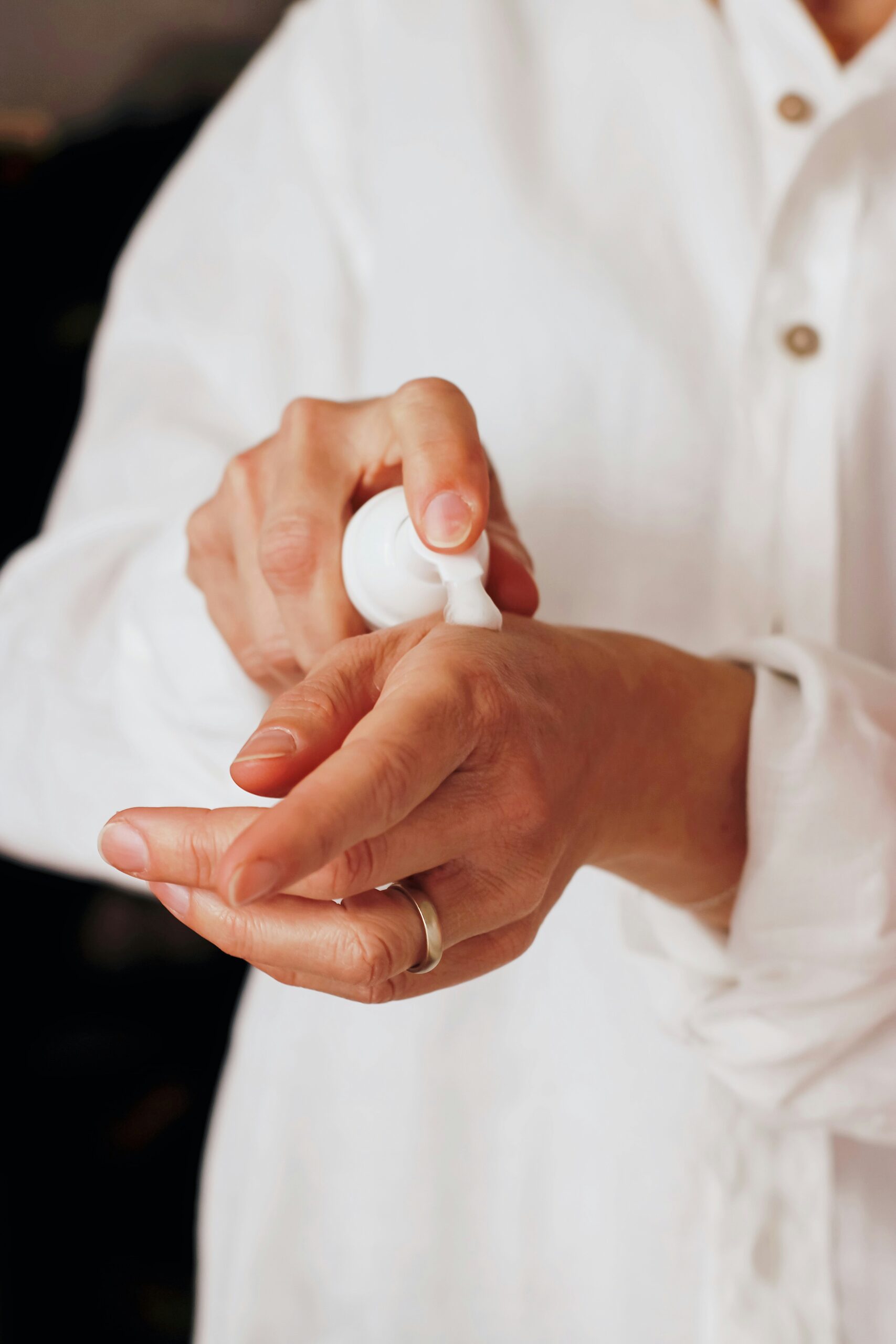
Dry, cold hands make everything worse, so I’m diligent about moisturising. I also avoid sudden temperature changes, no rushing freezing hands under hot water or placed directly on the radiator (tempting, but not helpful). Gentle, steady warming is key. You don’t want to go from one extreme to the other.
6. Preparation is everything
I’ve learnt to think ahead. Gloves in the car, spare socks when travelling, always checking the weather. It’s not about being overly cautious; it’s about avoiding unnecessary discomfort.
Is it annoying? Yes. Do people look at me on the street when I’m wearing gloves in May? Yes. But by following these small smart habits and a steady supply of hot (decaf!) lattes, it’s entirely manageable.
Stress plays a big role. On hectic days, I notice flare-ups happen more easily, even indoors
The takeaway
Ultimately, Raynaud’s has been a lesson in mindfulness that I never asked for, but one that has taught me to truly listen to what my body is telling me. It’s a daily practice of patience and preparation, but by focusing on these small habits, I’ve finally found a rhythm that keeps me both warm and in control.
The information provided in this article is for educational and informational purposes only and is not intended as medical advice, diagnosis, or treatment. Always seek the advice of your physician or another qualified health provider with any questions you may have regarding a medical condition.