“I’m A Culture Writer & Here’s Why You Need To Make Yesteryear Your Next Read”
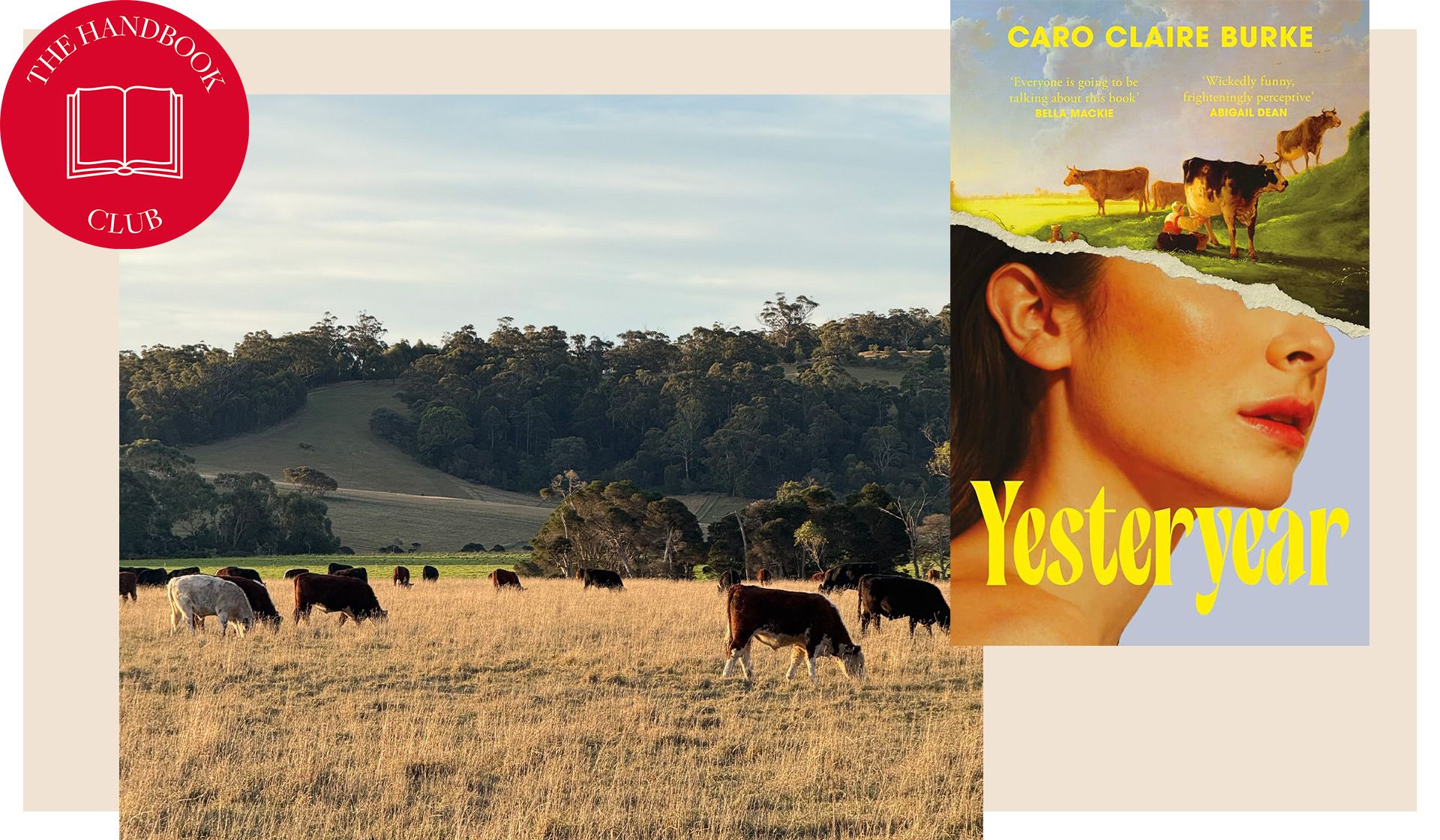
Trad wife influencers, the manosphere, and the prospect of waking up propelled nearly 200 years into the past? Caro Claire Burke’s Yesteryear is quickly becoming one of the most talked-about novels of the year, addressing modern-day taboos and digital buzzwords head-on. Between a dystopian plot that feels all too close to our current cultural climate and the news that Anne Hathaway is already gearing up to star in the leading role, Burke’s literary debut has everyone talking. But does it live up to the hype? Here’s my (spoiler-free) take:
The premise
Yesteryear is a sharp, satirical thriller that shot straight to the top of my TBR list the second I heard its wild premise late last year. In a literary landscape where truly original ideas feel increasingly few and far between, it stands out as something innately singular. Burke has managed to craft a narrative that serves as both a biting and often hilarious critique of our digital age and a gripping, page-turner that is utterly unputdownable.
Yesteryear is a sharp, satirical thriller that shot straight to the top of my TBR list the second I heard its wild premise late last year. In a literary landscape where truly original ideas feel increasingly few and far between, it stands out as something innately singular.
Amelia, Culture & Lifestyle Writer/Creator

The plot follows Natalie Heller Mills, the undisputed queen of Yesteryear Ranch. To her five million Instagram followers, she is the ultimate virtuous homesteader, embodying all the values of a good Christian woman. She is the mother to six children, maintains a pristine home, is a doting wife, of course, bakes her sourdough from scratch, and does all this with not so much as a hair out of place.
However, the reader quickly learns this is all a romanticised facade. What lies underneath? An army of nannies, social media production assistants, and farmers, never to be caught on camera, for fear of ruining the illusion of rustic self-sufficiency.
To her five million Instagram followers, Natalie is the ultimate virtuous homesteader, embodying all the values of a good Christian woman. However, the reader quickly learns this is all a romanticised facade.
The story takes a sharp, surreal turn when Natalie wakes up one morning to find this ‘performance’ has become her permanent reality. The year is 1855. However, this time there is no camera crew, no industrial-grade oven, and certainly no reset button. She is suddenly living the pioneer life she has romanticised for profit, but without all the modern safety nets.
As her fingers crack and bleed from manual labour and the harsh realities of 19th-century patriarchy set in, Natalie must figure out if she’s trapped in a twisted social experiment or if she has truly been cast back into the simpler time she so vehemently claimed to crave.
The rise of the tradwife Influencer
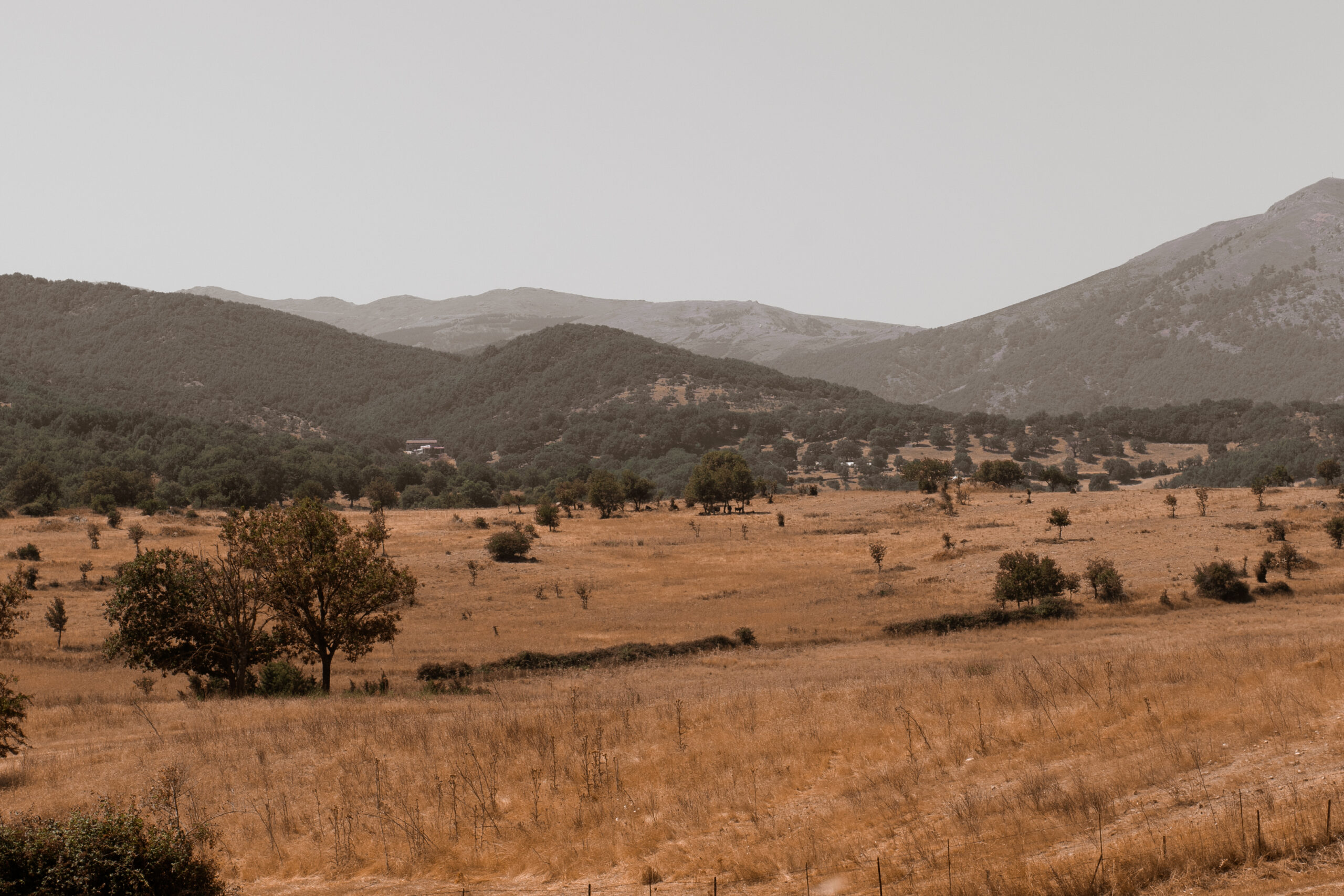
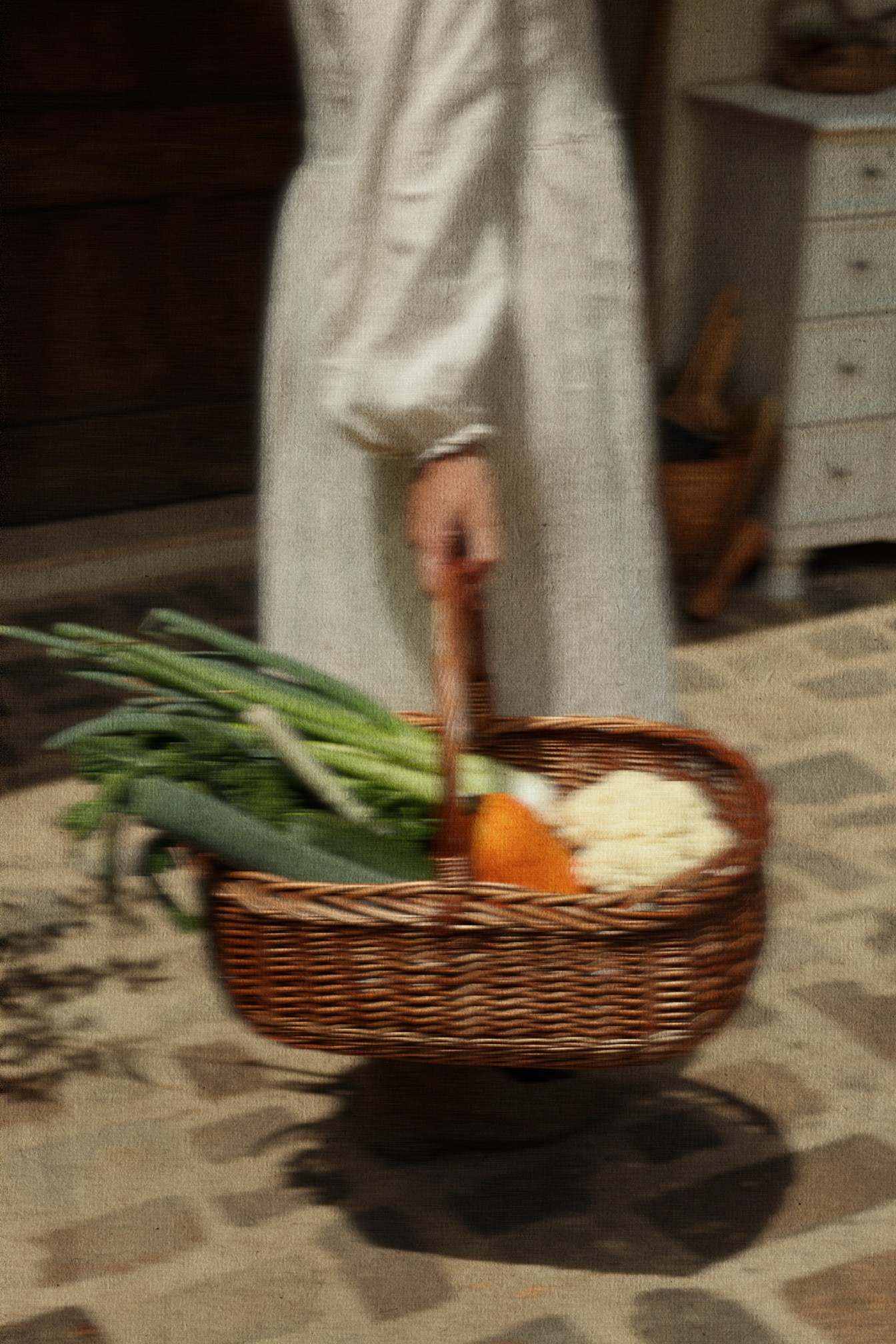
Burke’s novel couldn’t be more timely. We are currently living through a massive cultural fascination with creators who broadcast a life of rugged yet glamorous farm living to millions. Much like the protagonist in Yesteryear, these influencers’ content leans heavily into traditional values: raising a brood of children and managing a pastoral home while their husbands front the farm operations. And, just like Natalie, this often places them at the centre of heated internet debates.
Yesteryear leans into these debates, charting Natalie’s decision to drop out of college early and pivot her entire existence toward her husband’s needs. Throughout the narrative, she constantly muses over her old roommate, Reena, who took the more conventional modern path of partying through her youth, moving to the city, and job-hopping in search of a career. While Natalie outwardly scorns Reena, viewing her as unfulfilled and beneath, her jealousy sears through the page. It’s a masterful portrayal of the ‘choice feminism’ paradox, whereby Natalie has everything she claimed to want, yet she can’t stop looking over her shoulder at the life she traded away.
While Natalie outwardly scorns Reena, viewing her as unfulfilled and beneath, her jealousy sears through the page. It’s a masterful portrayal of the ‘choice feminism’ paradox, whereby Natalie has everything she claimed to want, yet she can’t stop looking over her shoulder at the life she traded away.
Pulling back the curtain on tradwife culture
What Yesteryear does so well is it pulls back the curtain on the tradwife industrial complex. It highlights how these accounts often omit the immense wealth and behind-the-scenes help required to make homesteading look so effortless.
It also sheds light on how social media serves as a deceptive highlight reel, often masking a wildly different reality. Natalie fronts as a devoted mother and wife, making it all look seemless, as if this was her divine purpose. However, the reality behind the lens is far bleaker. She has struggled through the isolation of postpartum depression, and her husband, Caleb, is a far cry from the rugged “real-life cowboy” she makes him out to be. In truth, he is a failing farmer who avoids his responsibilities by disappearing into the toxic rabbit hole of manosphere livestreams.
My thoughts
There is always a lingering fear that when you’ve been anticipating a book or film for months, the reality won’t quite live up to the hype. My own personal excitement, coupled with the novel’s instant popularity on BookTok, meant I approached the first page with a healthy dose of caution. However, Yesteryear didn’t just meet my lofty expectations, it comfortably surpassed them.
My own personal excitement, coupled with the novel’s instant popularity on BookTok, meant I approached the first page with a healthy dose of caution. However, Yesteryear didn’t just meet my lofty expectations, it comfortably surpassed them.
Ultimately, the novel succeeds because it refuses to offer easy answers, instead utilising a dual narrative structure that expertly flips between the gloss of the present and the grime of the past to expose the cracks in Natalie’s meticulously curated world. While Natalie is an undeniably polarising protagonist that I am still unsure if I really like, she remains an endlessly interesting character that drives the narrative forward.
By thrusting a modern influencer into the literal dirt of the 1850s, Burke opens up the debate about the tradwife phenomenon and the complex ways in which traditional values intersect with modern-day feminism.
It is a novel designed to spark endless conversation, and I have no doubt it will dominate book club lists and literary circles for the rest of the year. Personally, I’d like to be a fly on the wall for every single one of those discussions.
Looking for something similar? Read these next
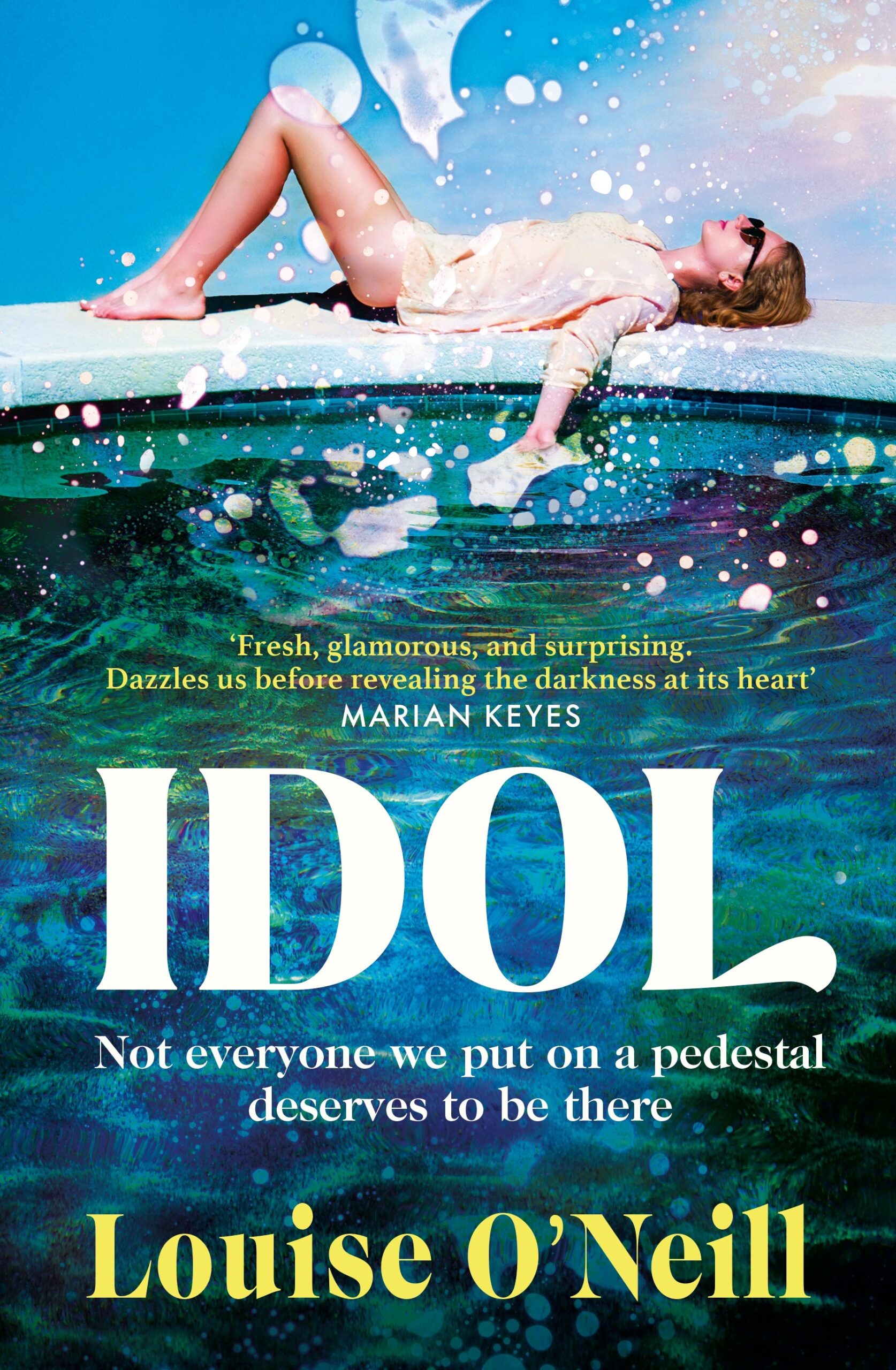
This psychological thriller focuses on a global wellness influencer whose carefully curated past begins to unravel when a childhood friend challenges her “truth.” It shares Yesteryear’s fascination with the devastating gap between a beautiful Instagram grid and a messy, traumatic reality.
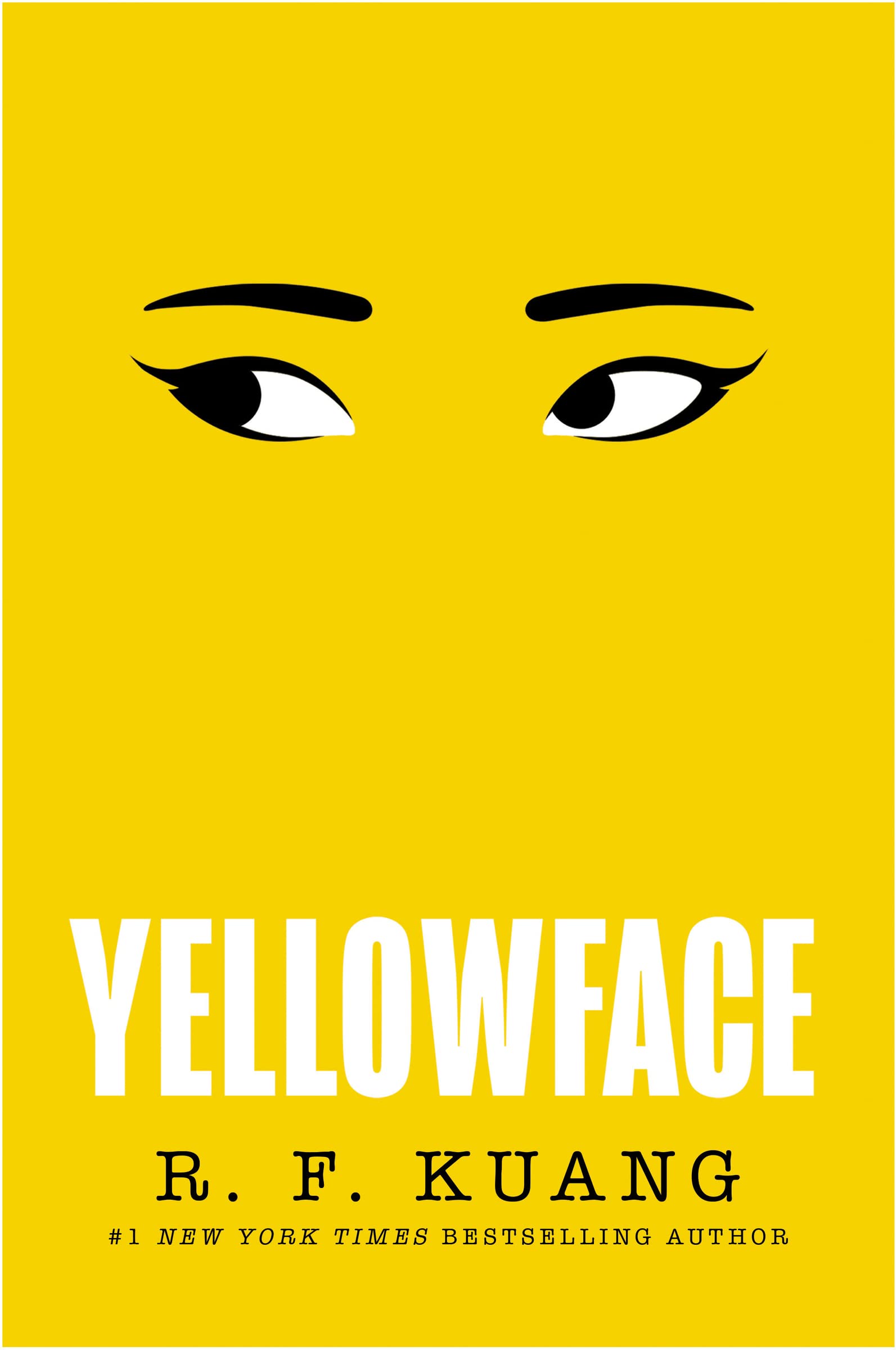
Yellowface by R. F. Kuang is a sharp, fast-paced satire about a woman who steals a dead friend’s manuscript and builds a brand on a lie, perfectly capturing the cutthroat nature of modern authorship and identity. In other words, the novel does for AI what Yesteryear does for trad wives, need I say more?
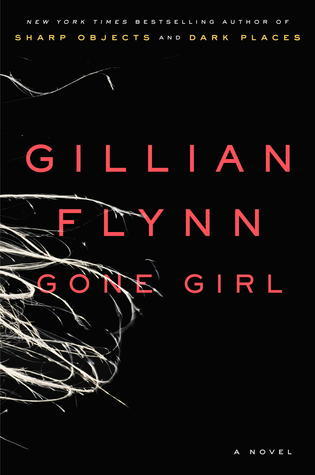
Perhaps an unlikely similar read, but these two novels share striking parallels. Amy Dunne’s performance of the perfect wife is the spiritual ancestor to Natalie’s character. Both books feature a highly intelligent, polarising female lead who uses narrative manipulation to control her reality.
Our June pick
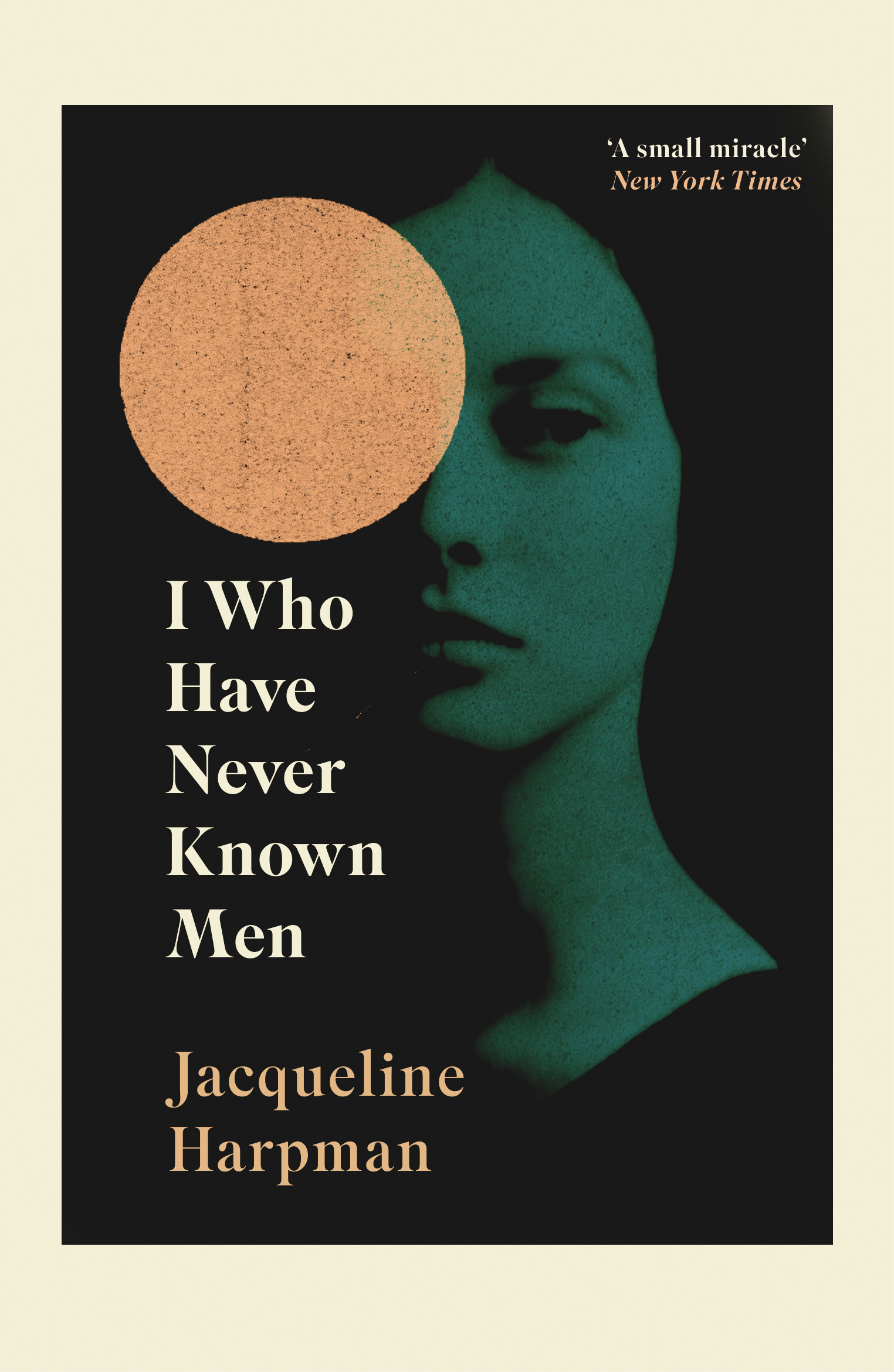
For next month’s book club, we are diving into Jacqueline Harpman’s haunting masterpiece, I Who Have Never Known Men. The story follows forty women held captive in an underground cage for years, guarded by silent men, until a sudden alarm grants them a bewildering and solitary freedom. In a world with no memory of the past and no signs of other human life, the youngest among them must navigate a barren landscape while searching for the meaning of a “civilisation” she has never actually known.