Every Question You Have About Adult Acne, Answered

June is Acne Awareness Month, a campaign that aims to destigmatise acne and educate the public on the struggles that come with the condition. There are several misconceptions about acne, from who is affected to how it should be treated. We spoke with Holly Mason, skin health expert and founder of The Skin Investment Clinic, to address these issues and more.
What’s the biggest misconception people still have about acne?
That it’s a teenage problem you simply grow out of. Acne doesn’t discriminate by age, and waiting for it to “sort itself out” often means years of unnecessary suffering and a higher risk of scarring. It’s also not caused by poor hygiene. Acne is a medical skin condition, and it deserves to be treated as one.
Why are we seeing more adults struggle with acne today?
Stress levels are at an all-time high, we’re more sedentary, our diets are heavily processed, and we’re exposed to more environmental pollutants than ever.
Hormonal shifts – particularly in women going through perimenopause or coming off the contraceptive pill – are also a huge driver. Adult acne is incredibly common, and yet so many people suffer in silence because they feel they “should have grown out of it.”
How much do hormones, stress, and lifestyle really impact breakouts?
Enormously. Cortisol, our stress hormone, triggers increased sebum production, which feeds acne-causing bacteria. Hormonal fluctuations throughout the menstrual cycle, pregnancy, or perimenopause can cause cyclical breakouts. Lifestyle factors like sleep deprivation, poor diet, and lack of exercise all compound the issue. At The Skin Investment Clinic, we always look at the full picture – not just what’s happening on the skin’s surface.
Does diet genuinely affect acne, or is that overstated?
It’s not overstated, but it’s also not the same for everyone. High-glycaemic foods and dairy are the most well-evidenced triggers. Spikes in blood sugar elevate insulin-like growth factor, which stimulates oil production. That said, diet alone rarely clears acne entirely. It’s one piece of the puzzle, and our Acne Bootcamp programme incorporates lifestyle and dietary guidance alongside in-clinic treatments for exactly this reason.
Acne is a medical skin condition, and it deserves to be treated as one.
What skincare mistakes are making acne worse right now?
Over-cleansing and over-exfoliating are huge ones – stripping the skin barrier makes acne far harder to treat. People are also layering active ingredients they’ve discovered on social media without understanding how they interact. And using heavy, pore-clogging moisturisers to counteract dryness from harsh products is a cycle we see constantly. Less is often more, and the right products for your skin type make all the difference.
Which TikTok or social media acne trends concern dermatologists the most?
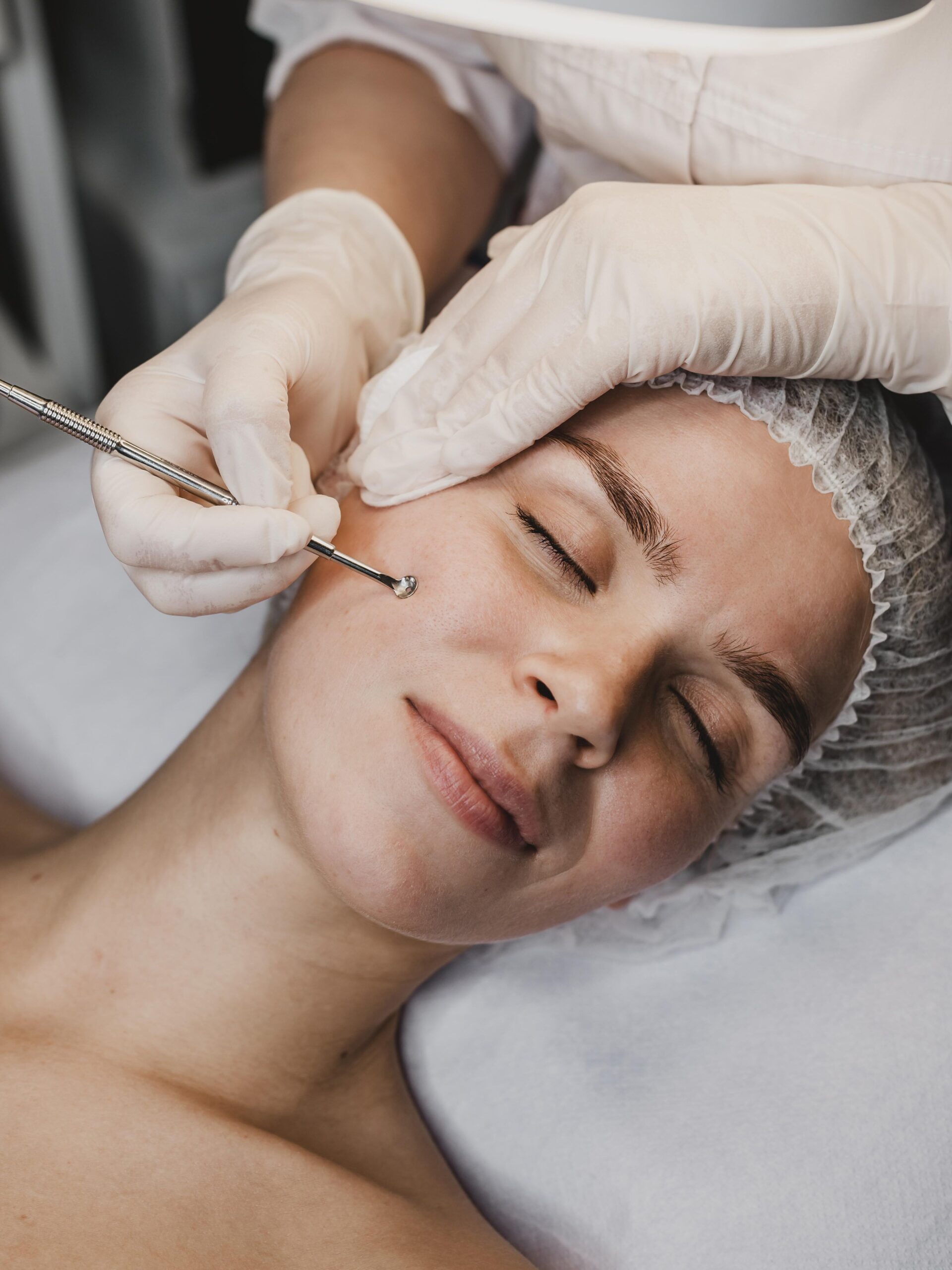
Anything that involves picking, extracting, or applying DIY “remedies” at home. Toothpaste, lemon juice, and undiluted essential oils can cause chemical burns and post-inflammatory pigmentation. I also worry about the trend of self-diagnosing and self-prescribing prescription-strength ingredients like tretinoin without professional guidance. Used incorrectly, these can seriously compromise the skin barrier and worsen acne in the long term.
When should someone stop self-treating and see a specialist?
If you’ve been self-treating for more than 12 weeks without improvement, or if you’re developing scarring, please see a specialist. Scarring is largely preventable with the right treatment, but once it’s there, it’s far harder to treat than the acne itself. Don’t wait until your confidence is at rock bottom – the sooner you get the right plan in place, the better the outcome.
If you’ve been self-treating for more than 12 weeks without improvement, or if you’re developing scarring, please see a specialist.
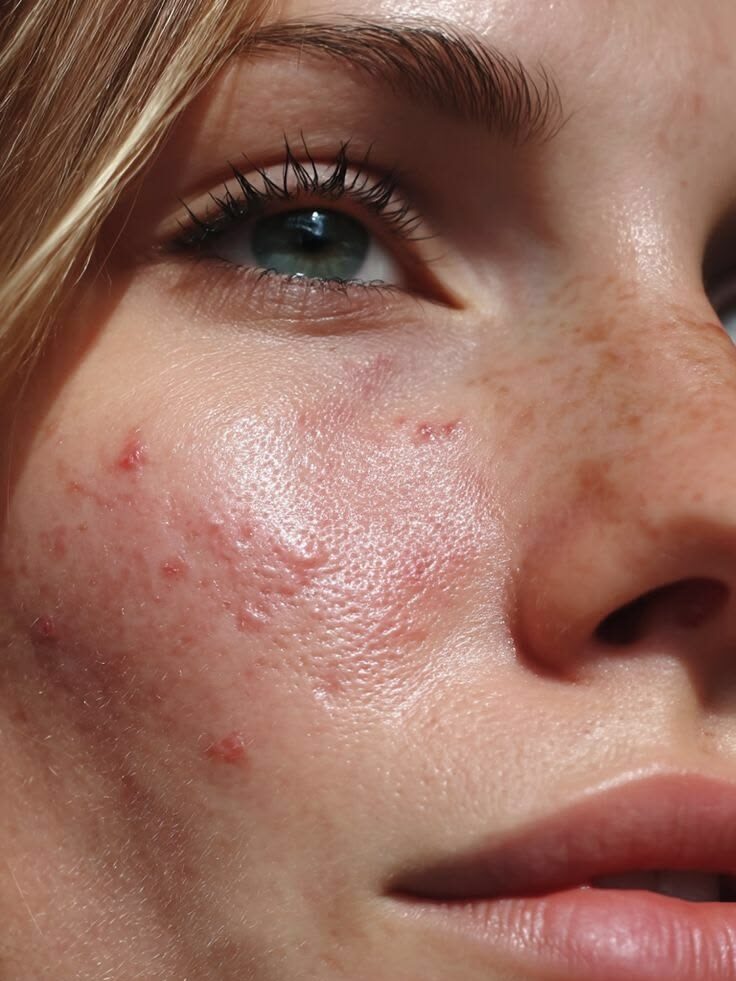
What are the most effective acne treatments available today?
It really depends on the individual, as there is no one-size-fits-all approach, which is central to everything we do at The Skin Investment Clinic. Our signature Acne Bootcamp is a 12-week tailored programme combining in-clinic treatments, a bespoke skincare regime and lifestyle guidance – plus it has a 99% success rate! Depending on the type and severity of acne, we might use chemical peels, laser treatments, LED therapy or medical-grade topicals. For some clients, a medical route involving prescription treatments may also be appropriate.
Why can acne have such a strong impact on confidence and mental health?
I experienced this firsthand. Despite having a successful career and appearing confident on the outside, my acne made me feel deeply judged and low. Your face is what you present to the world, and it’s very hard to feel confident when you’re uncomfortable in your own skin. The emotional transformation we see in clients is honestly the most rewarding part of what we do. Clearing skin isn’t vanity. It’s restoring someone’s ability to walk into a room with their head held high.
Clearing skin isn’t vanity. It’s restoring someone’s ability to walk into a room with their head held high.
What should people know about acne scarring and pigmentation?
Post-inflammatory hyperpigmentation (the dark marks left behind after a spot) is not the same as true scarring, and it does fade, though it can take months. True atrophic scarring (pitting) is permanent without treatment. The good news is that we have excellent options today, including microneedling, chemical peels, and advanced laser treatments like the HALO and erbium lasers we use at our Surrey clinic. But prevention is always better than cure – treat acne early and avoid picking.
Are there any exciting new innovations in acne treatment on the horizon?
Science is moving quickly. We’re seeing exciting developments in microbiome research in understanding the skin’s bacterial ecosystem and how to balance it rather than simply eliminate bacteria. There’s also growing interest in targeted light therapies and personalised topical formulations. I’m particularly excited about the continued evolution of combination approaches that treat acne holistically rather than with a single solution.
What’s the one message you’d most like people to hear about acne?
You don’t have to just live with it. Acne is treatable, regardless of your age, skin type, or what you’ve tried before. I set up The Skin Investment Clinic because I know what it feels like to struggle for years without answers. With the right expert guidance and a tailored plan, clear skin is achievable. Please don’t suffer in silence.
You don’t have to just live with it. Acne is treatable, regardless of your age, skin type, or what you’ve tried before.