How To Treat Acne – From The Experts
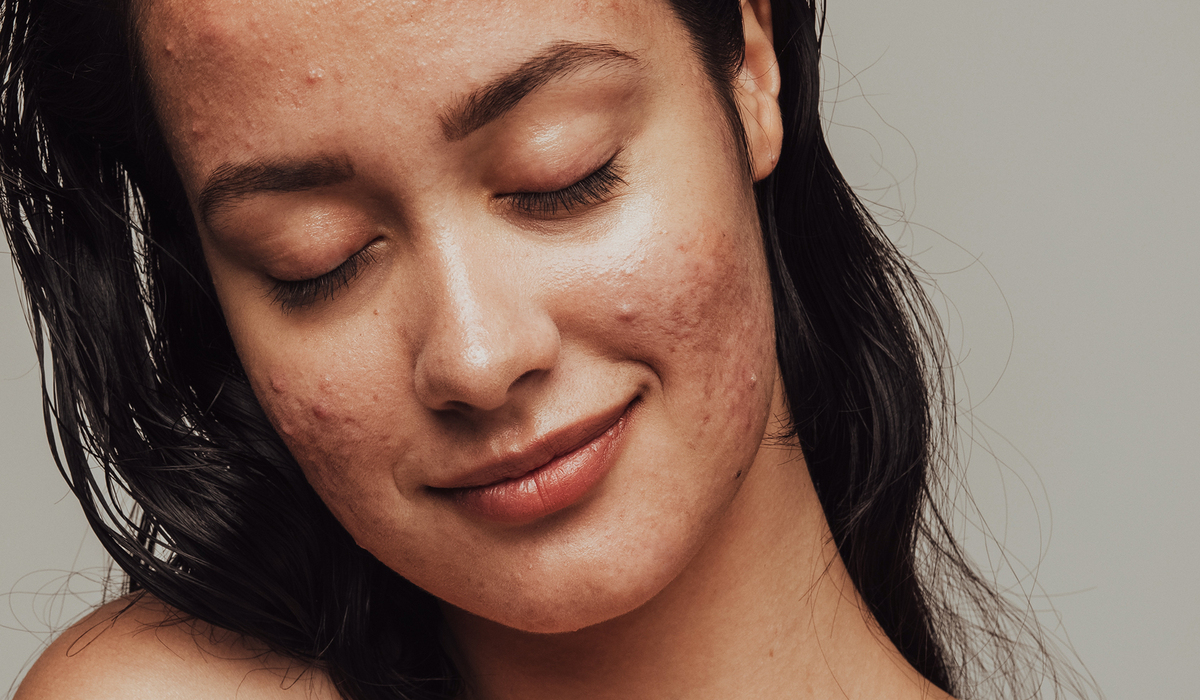
Acne vulgaris, or acne as we know it, affects a whopping 9.4 percent of people worldwide! It doesn’t care about your gender, age, or race, which is probably why “acne” has blown up with nearly 23 billion views on TikTok. And it’s not just teens – “adult acne” has racked up another 28.5 million views. We turn to Justine Masters aka The Alternative Facialist and Shabir Daya MPHarmS, Co-Founder of Victoria Health for their expert guidance and understanding of this common skin condition.
What is the main cause of acne?
“Each clients’ acne journey can vary, here are just some of the causes it can be: Stress, diet, blood sugar dysregulation and slow detoxification. Also, chronic inflammation from high cortisol which can throw off hormones. A sluggish liver can cause a build-up of toxins which can affect the nervous system and immune system if detoxification isn’t happening. Medication can be a cause or a slow lymphatic system and dehydration.”- Justine.
How much does diet and medication play a role?
“Diet and medication can affect the gut microbiome and cause higher levels of inflammation.
Higher glycaemic foods like refined sugar, white bread, refined carbohydrates foods and dairy can cause blood sugar and insulin spikes which can cause high blood glucose levels and effect hormones, which can increase sebum production.
Lack of a diverse diet can cause gut bacteria to get disrupted which may cause high inflammation and leaky gut. Food sensitives, allergies and intolerances like dairy and gluten and vitamin and minerals deficiencies can also play a role.”- Justine.
“Diet and medication can affect the gut microbiome and cause higher levels of inflammation.
Do hormones play a role in acne formation?
“Androgen increases sebum production and causes over activity of the oil in the sebaceous follicles, whilst high cortisol can cause high inflammation in the body and insulin sensitivity can also cause hormonal imbalance. “- Justine
Adult acne is rife, why do you think this is?
“The exact cause of acne is still not fully understood, but a theory is that there is an increase in the male hormone testosterone, which causes the sebaceous glands to become inflamed leading to excessive cell proliferation as well as excessive sebum production. These two processes then allow the bacteria to thrive, leading to acne. During our adulthood, the increased levels of testosterone may be either associated with simply the over-production of testosterone or it may be that due to the lower levels of the female sex hormones, testosterone becomes dominant in the bloodstream leading to inflammation. Oestrogen is believed to help prevent acne. If you have a hormonal imbalance and your oestrogen levels are low, incidences of acne increase. This is why most women experience the increase in acne with the arrival of the menstrual cycle and for the same reason why doctors will often prescribe birth control pills to treat acne.”- Shabir.
If you have a hormonal imbalance and your oestrogen levels are low, incidences of acne increase.
Can acne be prevented?
“While acne cannot always be completely prevented, maintaining a regular skincare and supplement routine that includes gentle cleansing and avoiding pore-clogging products can help reduce the risk. Additionally, managing stress, eating a balanced diet, and avoiding excessive touching of the face can also contribute to healthier skin.”- Shabir.
Will acne scars fade over time?
“Acne can leave scars, which can be psychologically devastating. Even the mildest form of acne can leave some scarring and often severe acne leaves scars that are much more visible and difficult to get rid of. The good news is that you can treat and even prevent these scars from forming properly with a good cleansing regime and by avoiding the picking of acne spots.”- Shabir.
Managing stress, eating a balanced diet, and avoiding excessive touching of the face can contribute to healthier skin.
The four main types of scars include:
· Ice pick scars, which are usually small with a jagged edge and are one of the most common types of scar tissue. They are usually the easiest to treat.
· Boxcar scars, which usually affect the temples and cheeks. They are angular scars very similar to those caused by Chickenpox.
· Thickened scars or hypertrophic scars are associated with some of the severe types of acne.
· Rolling scars give the skin the appearance of a wave-like look. – Shabir
Are there any ingredients that acne sufferers should avoid?
“Harsh ingredients like alcohol plus synthetic fragrances, coconut oil, essential oils and parabens plus any harsh drying ingredients can irritate the skin.”
Justine
“I do not normally recommend the use of astringent lotions following a cleansing routine since these often strip the skin of its natural oils resulting in greater oil production and further breakouts. However, if you do have a very oily skin then aim to use an astringent lotion that is alcohol free to remove any excess oil between your cleansing routine.”- Shabir.
Which treatments would you suggest, if any?
“Treatments like blue LED light therapy helps to reduce the oil production, as does high frequency light and mild chemical peels to help unclog pores. Plus, Cooljet cold plasma to reduce inflammation and reduce oil.”- Justine.
The Skin Products to Try Now
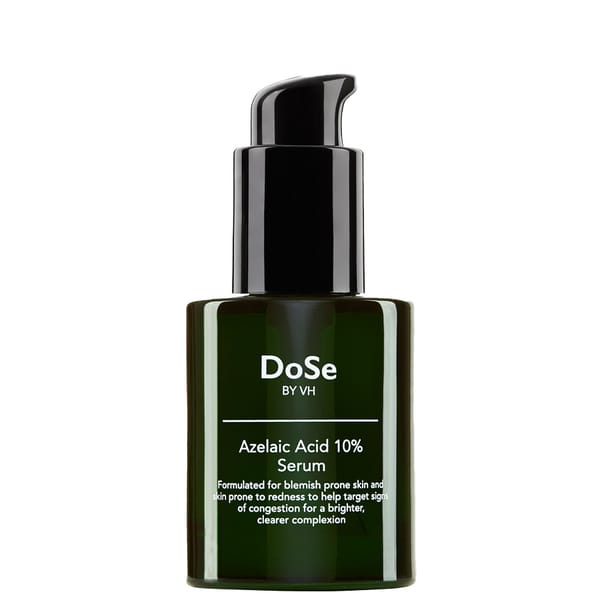
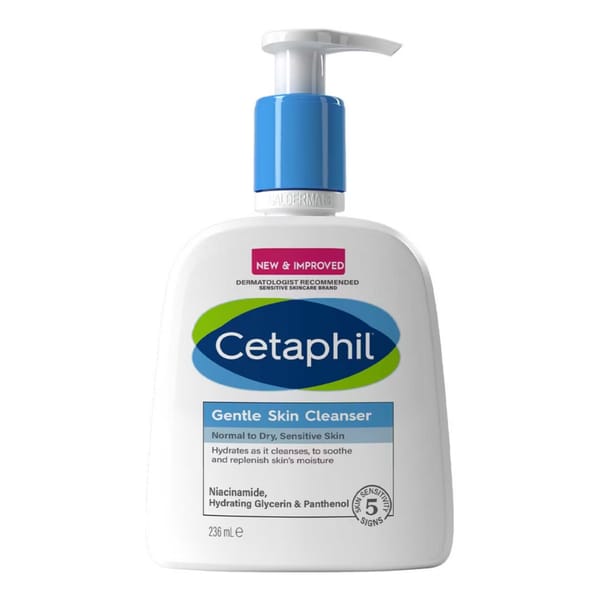
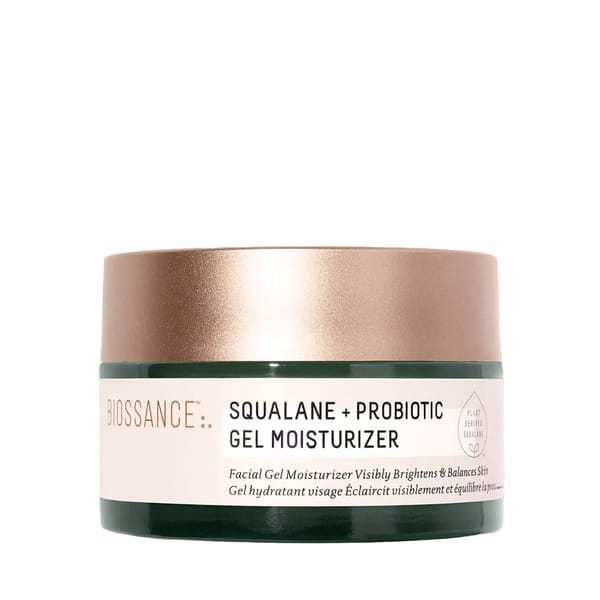
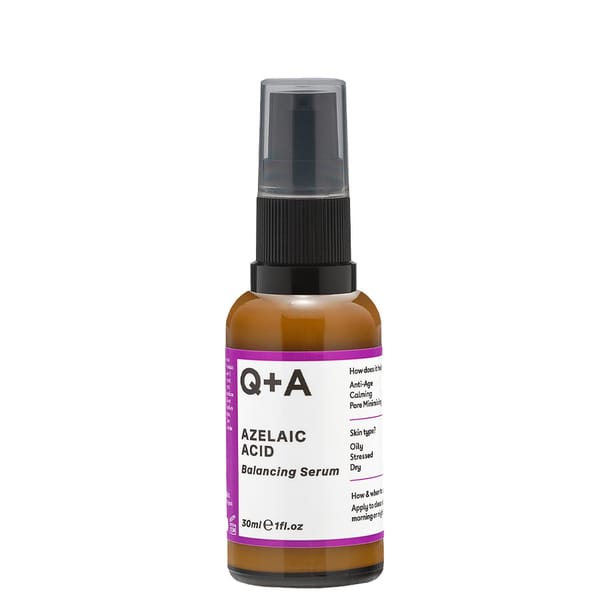
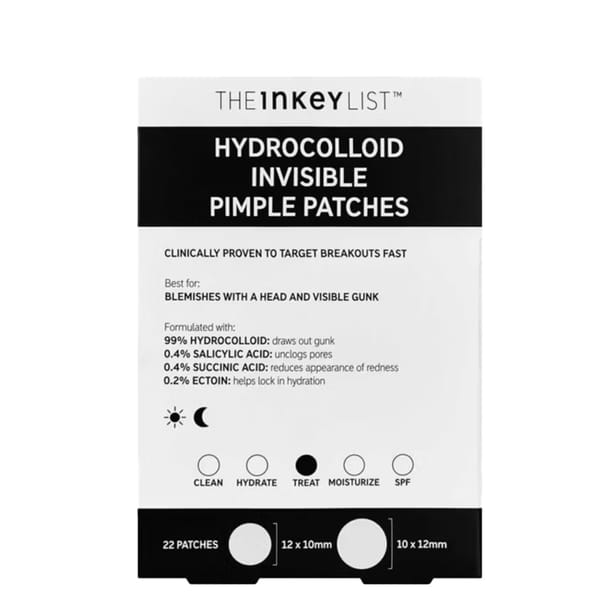
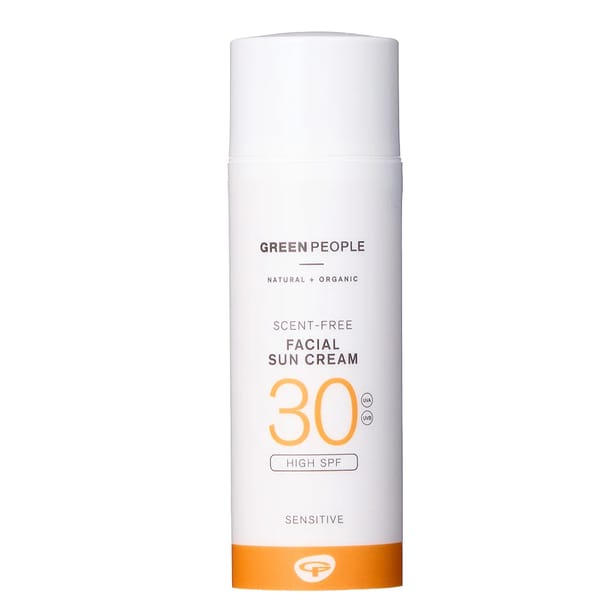
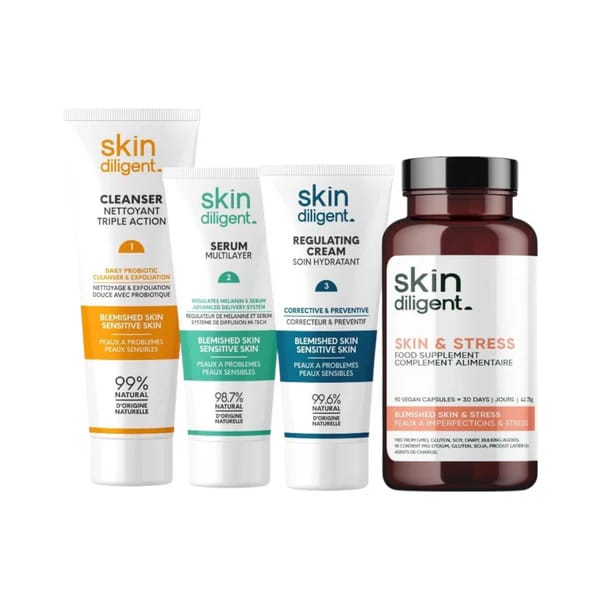
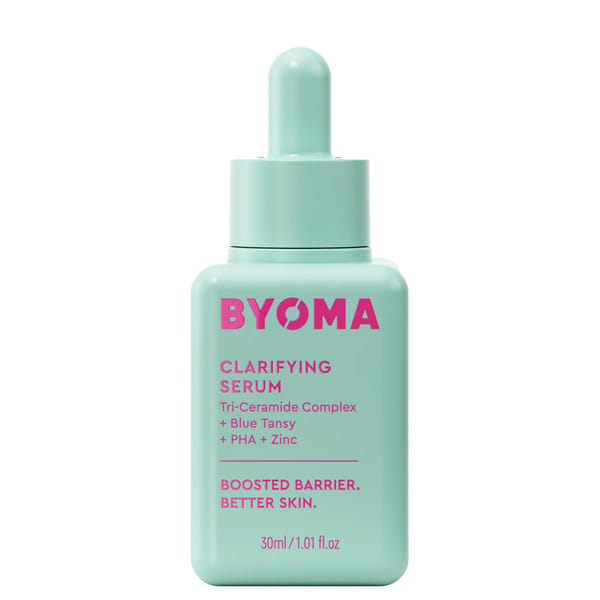
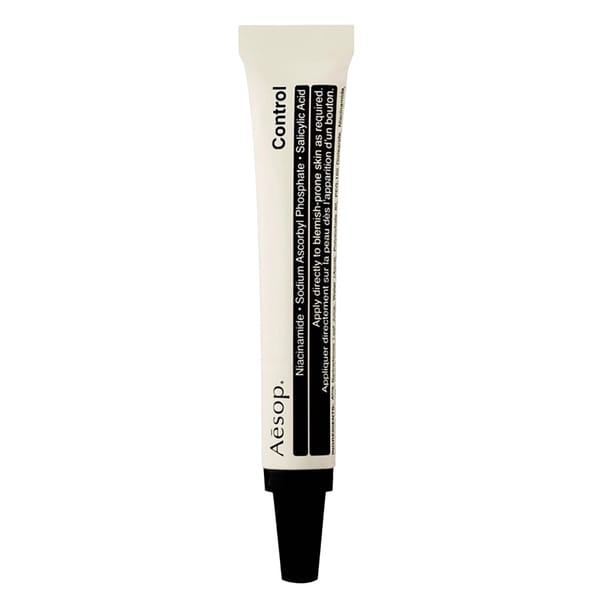
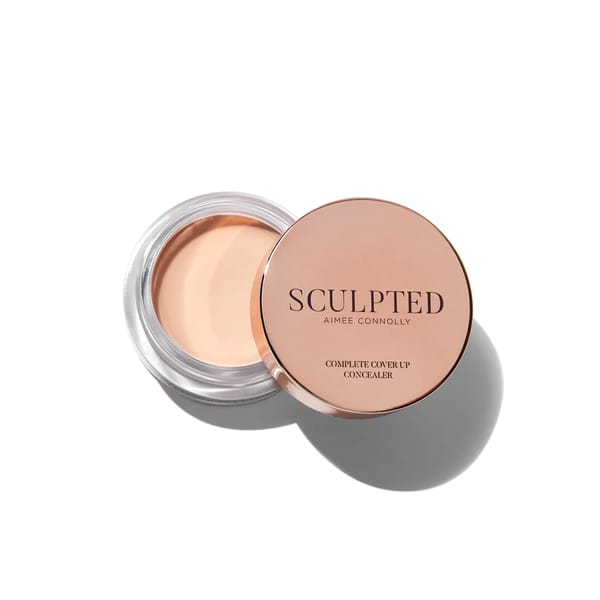
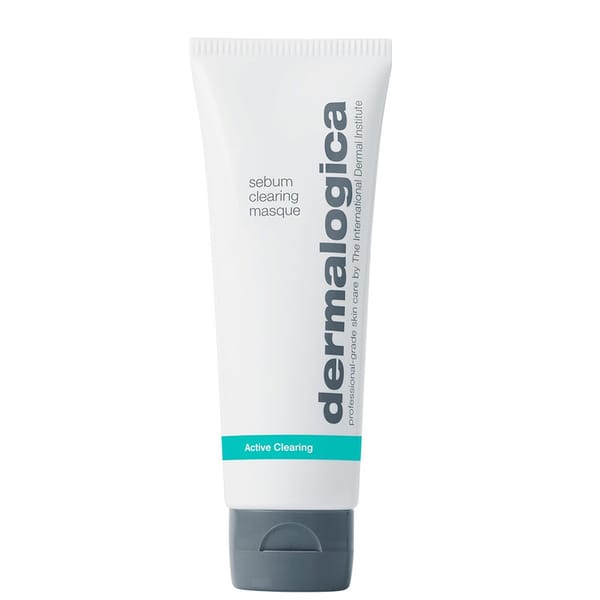
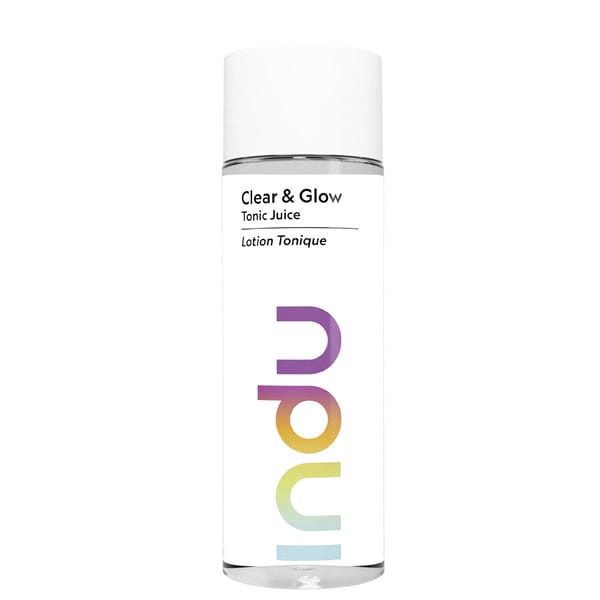
*Please note: Acne is considered a medical condition. The suggestions provided here are aimed at general skin care for skin prone to acne and should not be considered as treatment for acne.*
The products on this page have been selected by our editorial team, however, The Handbook may make a small commission on some products purchased through affiliate links.