The Best Keratosis Pilaris Products To Help Treat Bumpy Skin

Keratosis Pilaris, or KP, also referred to as ‘chicken skin’ because of its bumpy surface, is a common skin condition that affects 40% of adults. Here’s what you need to know about KP, including factors that can cause it, along with products that really help treat it.
What Is Keratosis Pilaris?
KP tends to appear as little bumps that sit around a hair follicle, it has a chicken skin-like appearance. It can crop up anywhere on your body, but the main areas are on the backs of arms – which is the most common – and on thighs.
What Causes It?
Despite how prevalent KP is, it often runs in families, and it’s unknown why some people experience it, and others don’t. It’s mainly found in people who have very sensitive skin or alongside conditions such as eczema or dermatitis.
How Is It Different To Body Acne?
The difference between KP and body acne is that KP is a build-up of keratin in the skin. Keratin is a protein in our skin, which is a good thing, as it helps protect and ward off bacteria, but many of us have too much keratin in the skin, which clogs up and causes bumps to occur.
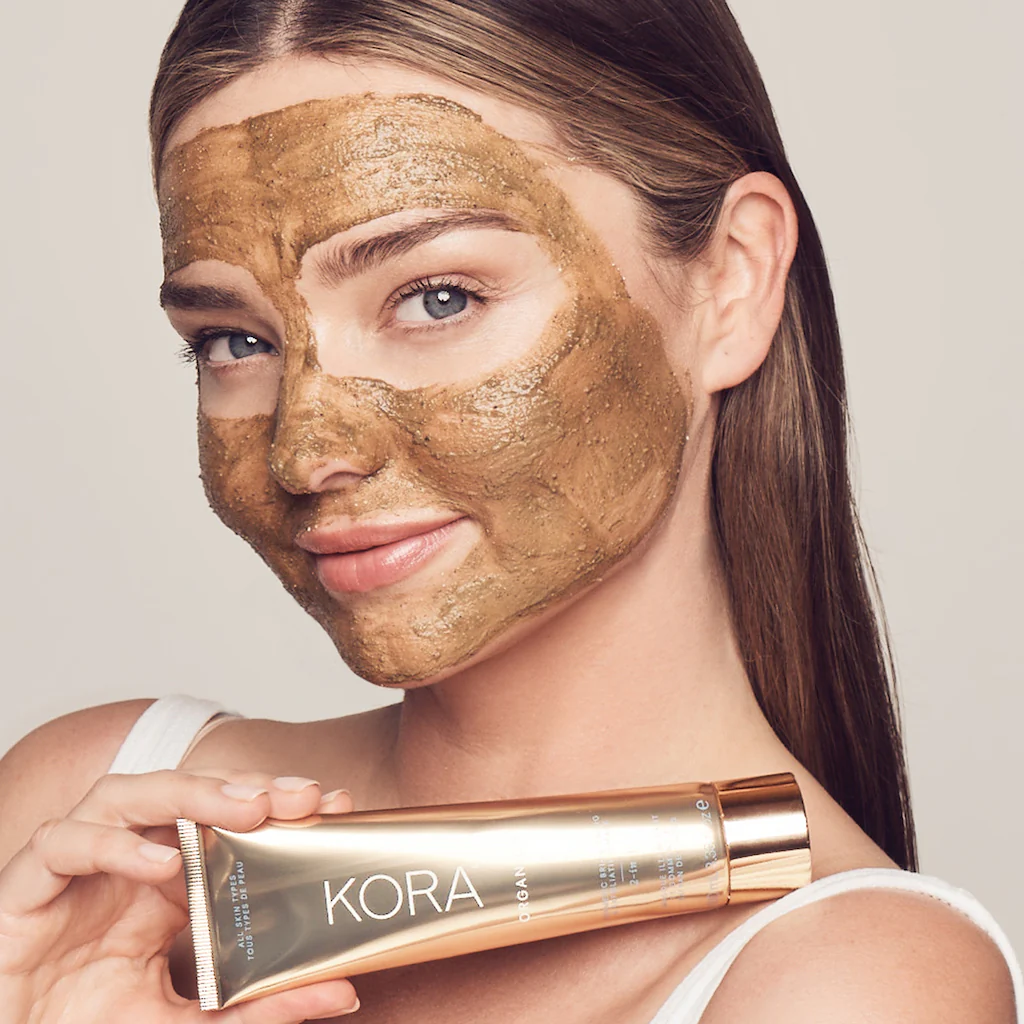
I have suffered from those little bumps on the back of my arms, since I was quite young and nothing helped, but recently a well-regarded dermatologist from Sydney told me that he found the Kora Organics Turmeric Mask really helped, so, I’ve been using it on the backs if my arms, and the results are amazing. – Miranda Kerr, model and founder
Does It Go Away?
KP is difficult to ‘cure’ but you can improve its appearance by building an effective routine and choosing the right products and ingredients. However, it often (but not always) clears up during adulthood.
Should You Exfoliate Affected Areas?
One of the best ways to manage keratosis pilaris is by striking the right balance between moisturising and exfoliating. Body scrubs are a no-go – avoid a strong grain and exfoliating gloves, otherwise, it could turn into eczema.
How To Manage KP
Just like the skin on your face, your body also needs a regular routine to ensure it stays healthy. The key is to incorporate a moisturiser that will hydrate skin while keeping signs of KP at bay. Look for products containing BHAs and urea that gently remove and break down dead skin cells.
KP is by far the most common issue I see in the clinic. Not only in adults but in children as well – most don’t know what it is and there’s confusion around how to treat it- Dr Alexis Granite, consultant dermatologist.
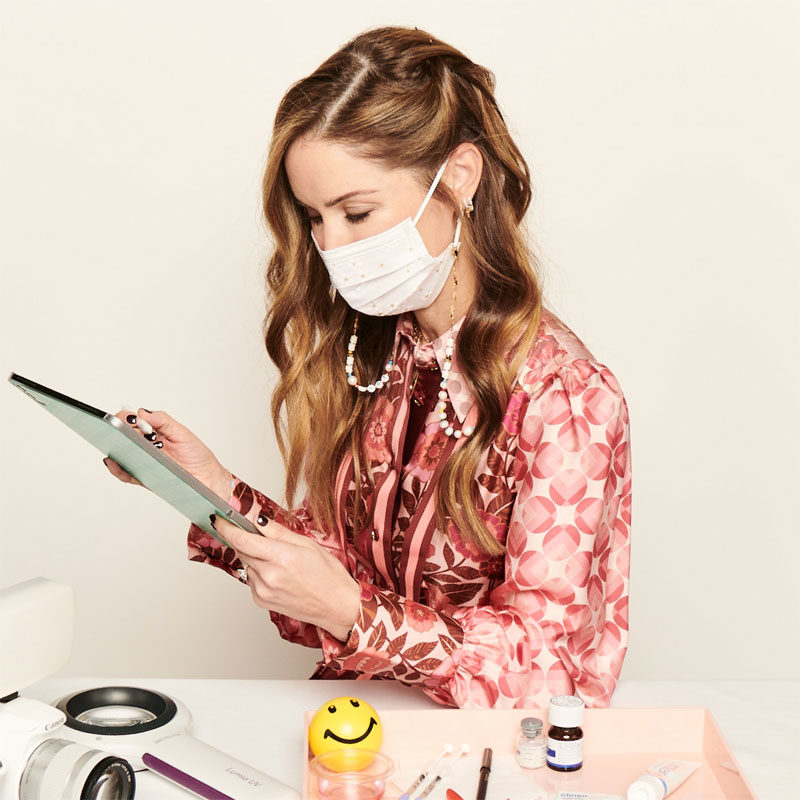
Our Beauty Editor’s Favourite KP-Targeting Products
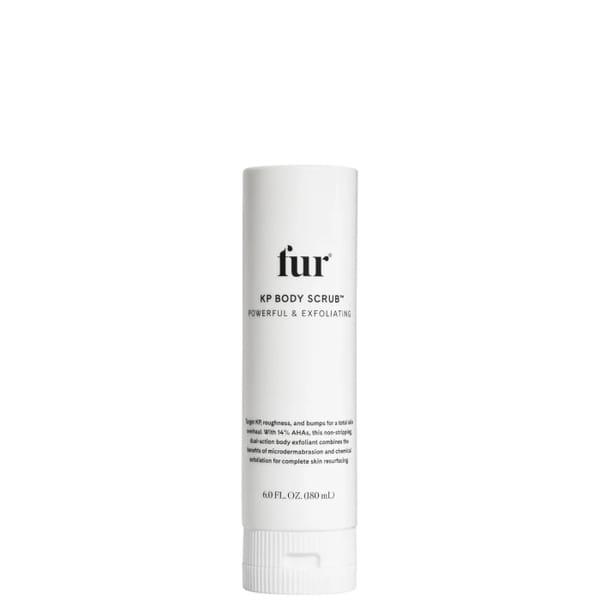
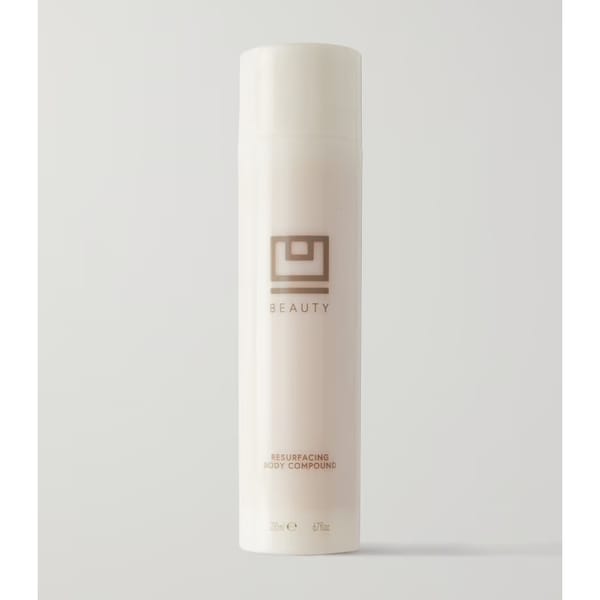
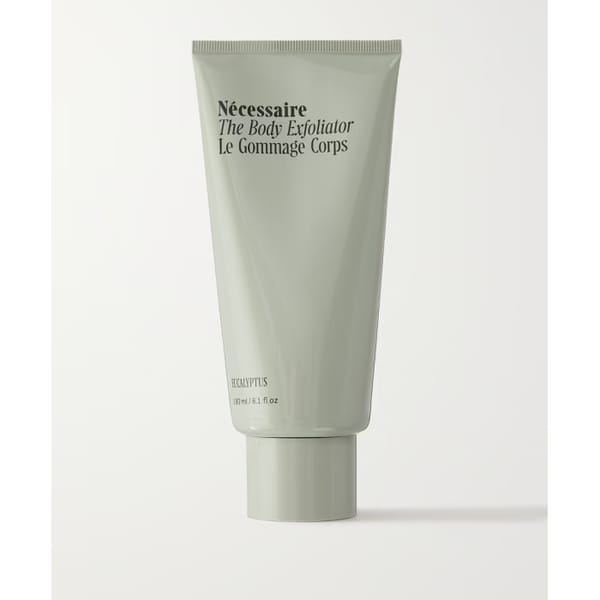
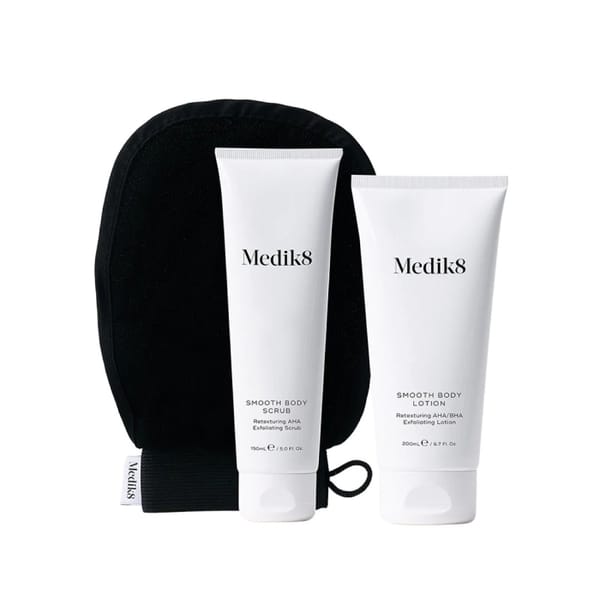
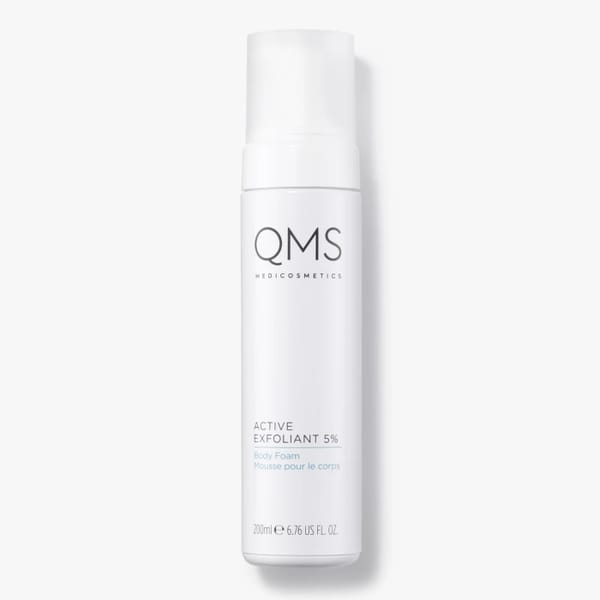
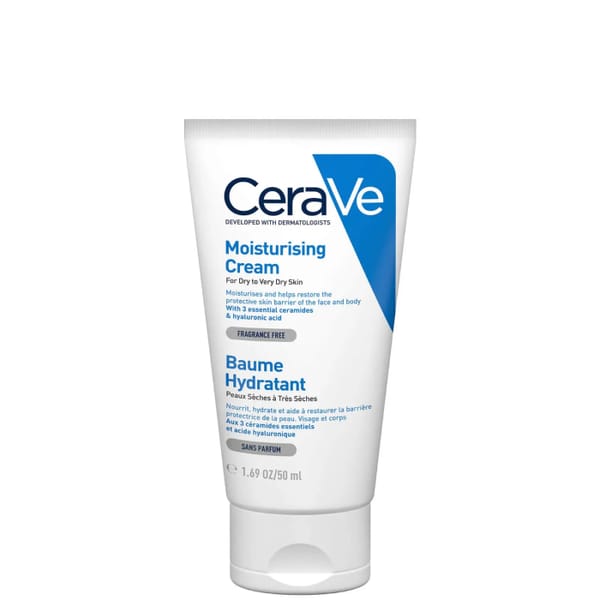
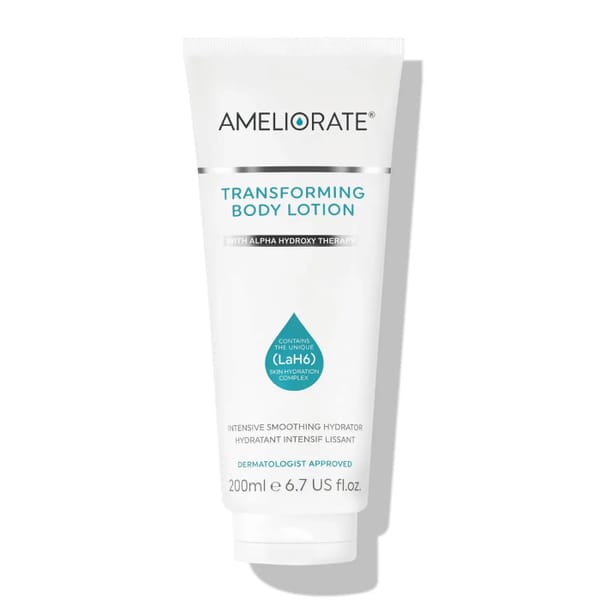
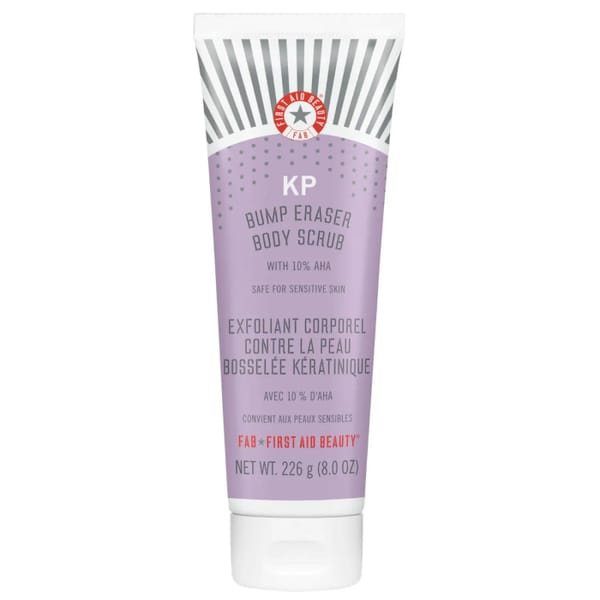
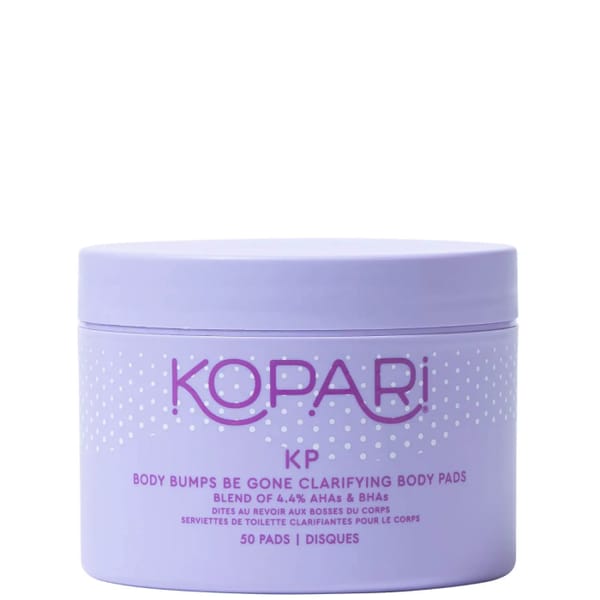
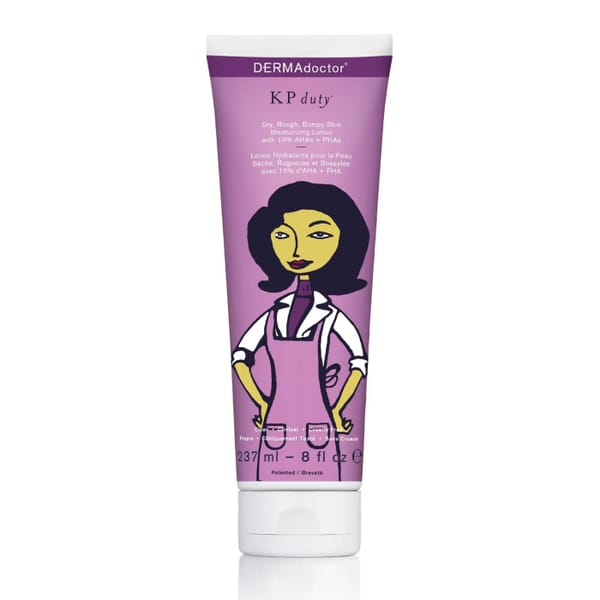
The products on this page have been selected by our editorial team, however, The Handbook may make a small commission on some products purchased through affiliate links.