Perfect Your BBQ With These Tips From Chefs In The UK
As the days get warmer, it’s time for summer terraces, extra layers of sunscreen, alfresco brunches and food that sizzles and serves. That’s right, call your friends, call your dad: It’s barbecue season.
But whether you’re a seasoned professional or a nervous beginner, it’s always handy to do some research. After all, do you know how to get your meat and vegetables smoky but not burnt? Do you know how to barbecue fish without it sticking? Are you 100% sure you won’t give your guests food poisoning? Don’t fret, we have the answers below, with tips and tricks from some of London’s best chefs, who take their BBQ very, very seriously.
Choose your charcoal carefully
For author and live fire cook Genevieve Taylor, when barbecuing, your first consideration should be the charcoal you use. In her book Seared, she writes, “Open a bag of charcoal, pull out a piece and give it a big, generous sniff. It should smell of nothing, nothing at all. Carbon is completely inert. If it smells of more than zero, I would urge you to leave well alone.”
Taylor recommends spending some time researching your sources of coal before making an impulse buy, and she suggests choosing sustainably made charcoal from local British producers.
Master the marinade – Korean style
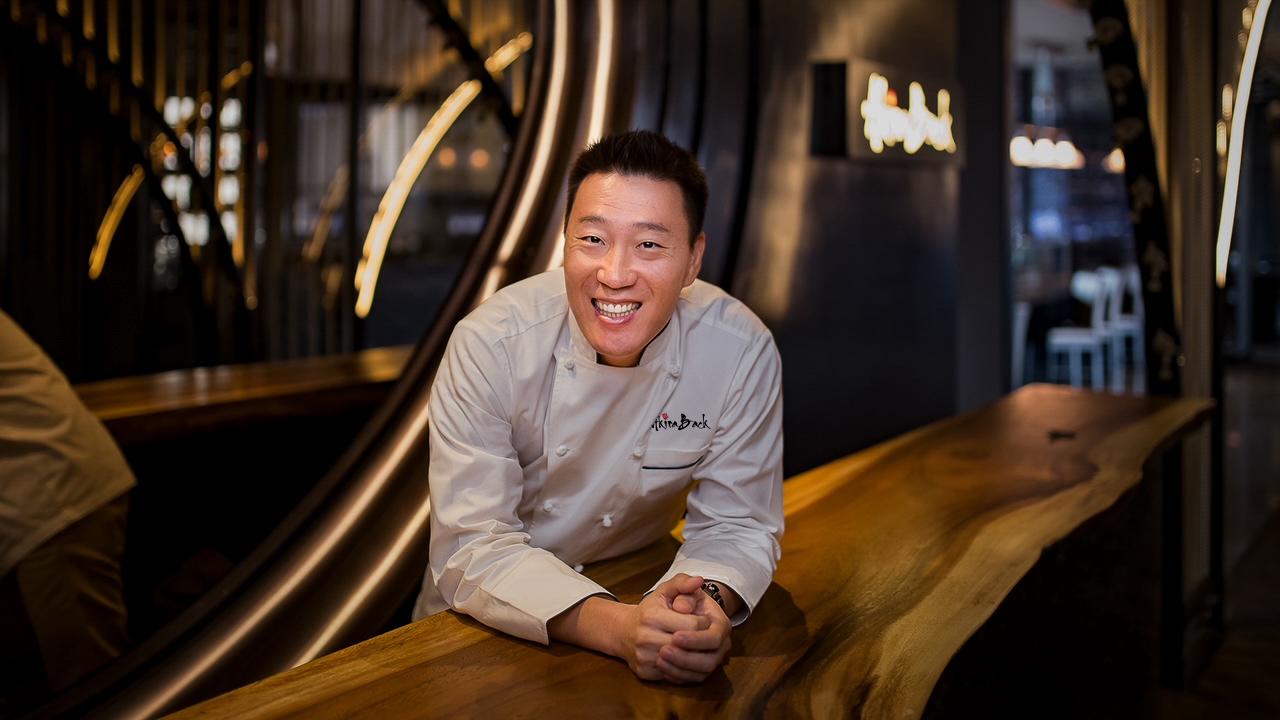
Chef Akira Back (Lilli by Akira Back at Montcalm Mayfair) says, “You can’t do Korean BBQ without banchan. These little side dishes bring acidity, crunch, spice and keep the meal exciting. Think kimchi, pickled radish, seasoned spinach. They’re fresh, punchy, and make every bite a little different.”
And for the real spirit of Korean BBQ, learning the art of ssam can seriously elevate your BBQ. “Simply take a lettuce leaf, add some grilled meat, a bit of rice, ssamjang (the spicy, savoury sauce), and whatever banchan works for you,” he says.
Separate, sanitise and serve
The last thing you want is to send your guests away with food poisoning. To ensure that doesn’t happen, Gopi Chandran, Executive Chef at Sopwell House, suggests always making sure you have a clean, sanitised cooking surface that’s large enough to prepare your food so you can keep cooked and raw meat separate. Also, don’t be afraid to prod, poke and probe that meat to make sure it’s fully cooked before serving. “Always probe the meat to check it has cooked to avoid food poisoning by under-cooking and cross-contamination,” he says.
Always probe the meat to check it has cooked.
Invest in Japanese charcoal
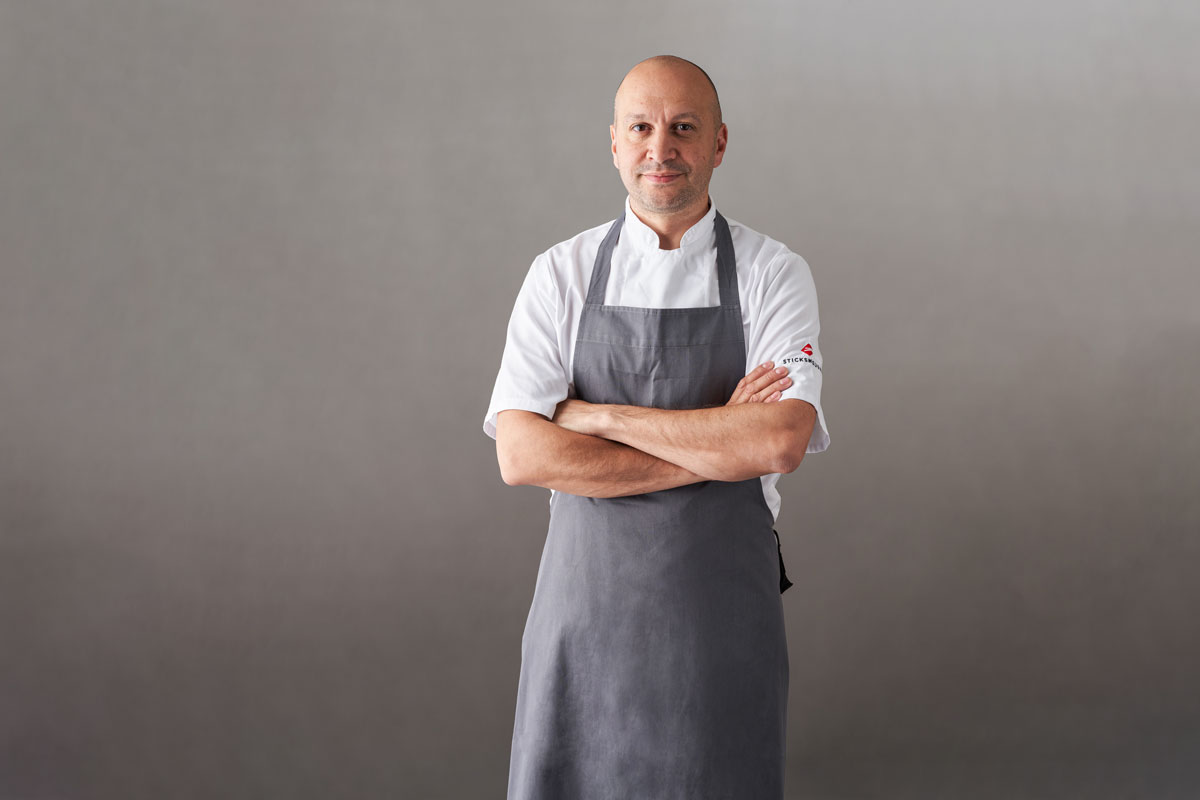
Mike Lewis (Group Executive Chef at Sticks’n’Sushi) advises investing in Japanese charcoal. “Japanese Binchō-tan charcoal burns hotter, cleaner and longer than other charcoals,” he says. Plus, when prepping your meat, the chef says to ensure it’s all of equal thickness so it cooks evenly.
“If using skewers, you can pre-soak them before using or lay tin foil across the grill where the handles will lie – this protects the wooden skewer and your hand from the heat.”
Don’t forget your veggies
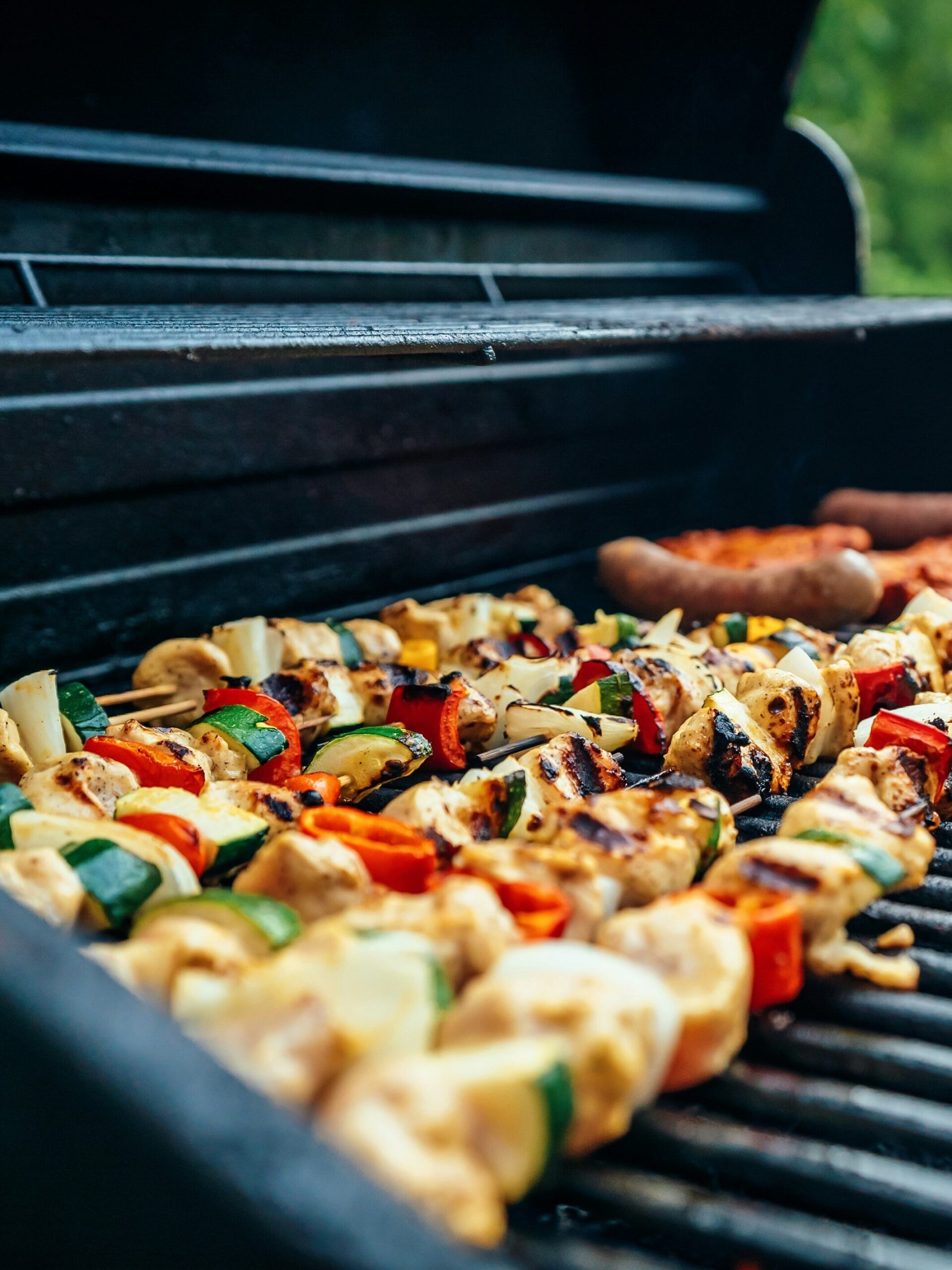
Although perhaps traditionally paradise for meat lovers, barbecues work phenomenally well with veggies. Theo Randall, Chef Patron at Theo Randall at the Intercontinental, recommends smoky vegetables on the plate. “Get the vegetable skin charred, peel this off and marinate the smoky vegetable that remains for a delicious BBQ addition.” The chef recommends using aubergines, red and yellow peppers and leeks dressed simply in olive oil, lemon juice, honey, chopped basil and mint.
Don’t rush the marination
There’s no such thing as too long when it comes to marination. Vivek Singh, Executive Chef and CEO of Cinnamon Collection, says, “To make the most of your meat on the BBQ and enhance its flavours, the key is to marinade for as long as possible. For those without time, the second-best tip is catching the juices and using them to baste the meat.
Glen Bartholomew, Head Chef at HAY HILL Mayfair says, “A couple of things I always ensure of doing when BBQing is always leave enough time to marinade meats. It always taste better and packs more flavour if left overnight, ideally in a sealed bag. The other is to always have a food probe (thermometer) handy. It just takes the guesswork out of knowing when something is cooked properly in the middle.”
Smokey, not burnt
How do you add a smoky flavour to your barbecued meats and veggies without burning them? That itself is an art. For Sofian Msetfi, Executive Chef at Michelin-starred Ormer Mayfair by Sofian, the perfect smoked flavour is achieved by adding wood to the barbecue, but being careful not to overdo it so as to avoid developing an acrid taste. “Try adding wood slowly to let the flavour build gradually,” he says.
Jack Stein, Chef Director at Rick Stein Restaurants, also recommends fish on a BBQ. “Marinade and cook in tin foil to stop the skin sticking to the grill and to retain delicious flavour,” he suggests.
Try adding wood slowly to let the flavour build gradually,”

Keep the seasoning simple
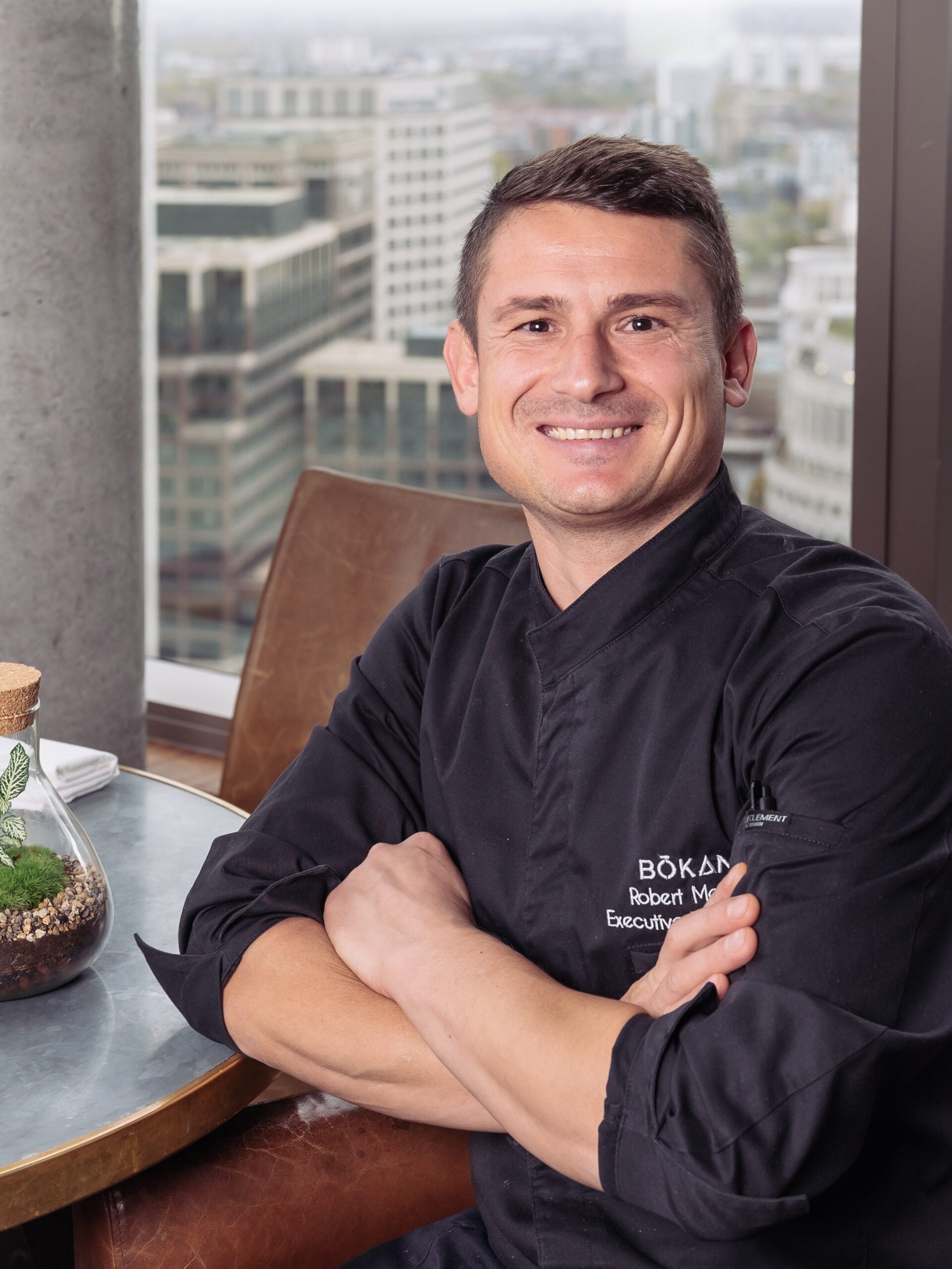
When it comes to seasoning, less is more here. Marination is more important than seasoning in authentic barbecue dishes, and over-seasoning can often take away from all the sauciness in your marinades and the natural meat or vegetable flavour. Robert Manea, Executive Chef at Bōkan, likes to steer clear of adding herbs and spices when seasoning meat.
“A generous pinch of salt and pepper is all you need,” says the chef, who believes that a minimalist approach enhances the natural flavours of the meat for an authentic barbecue experience.
Choose your meat carefully
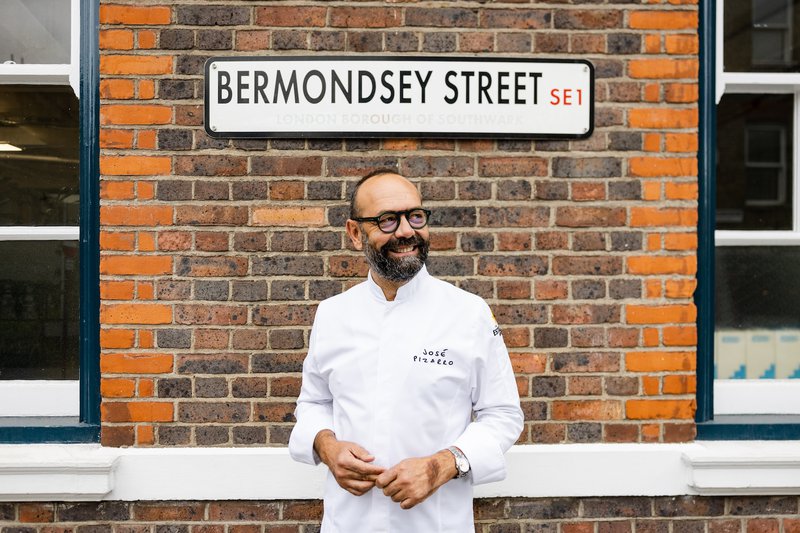
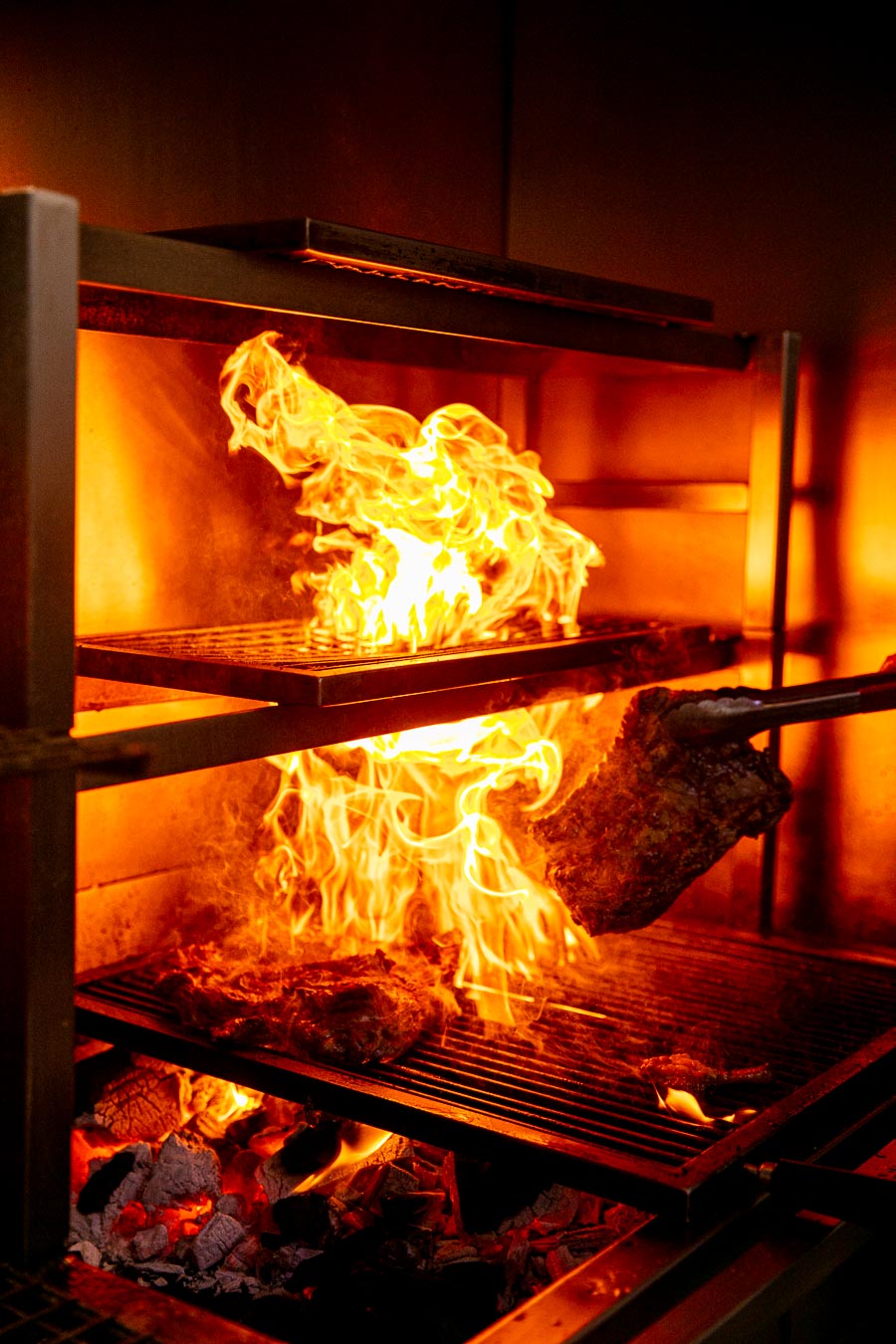
José Pizarro is a chef with a deep-rooted love for traditional Spanish cooking, where fire and grilling play a central role, especially in regions like Andalucía and the Basque Country. He’s got a sharp instinct for cooking over flames, knowing exactly how to handle meat, fish and veg, ensuring they’re full of flavour but never overworked.
His secret go-tos for BBQ are cuts like presa, pluma and secret.
His secret go-tos for BBQ are cuts like presa, pluma and secreto that are rich, marbled and made for the grill.
Skip the silicone brush
Head Chef David Reyes from Smith’s Bar & Grill has a clever tip for levelling up your BBQ this summer. “Skip the silicone brush – tie a bundle of rosemary or thyme to a wooden spoon, dip it in olive oil, and baste your meat as it grills. The herbs infuse flavour and fill the air with aroma. It’s an easy way to impress guests and bring restaurant flair to your back garden.”
Prepare the chicken even before marination
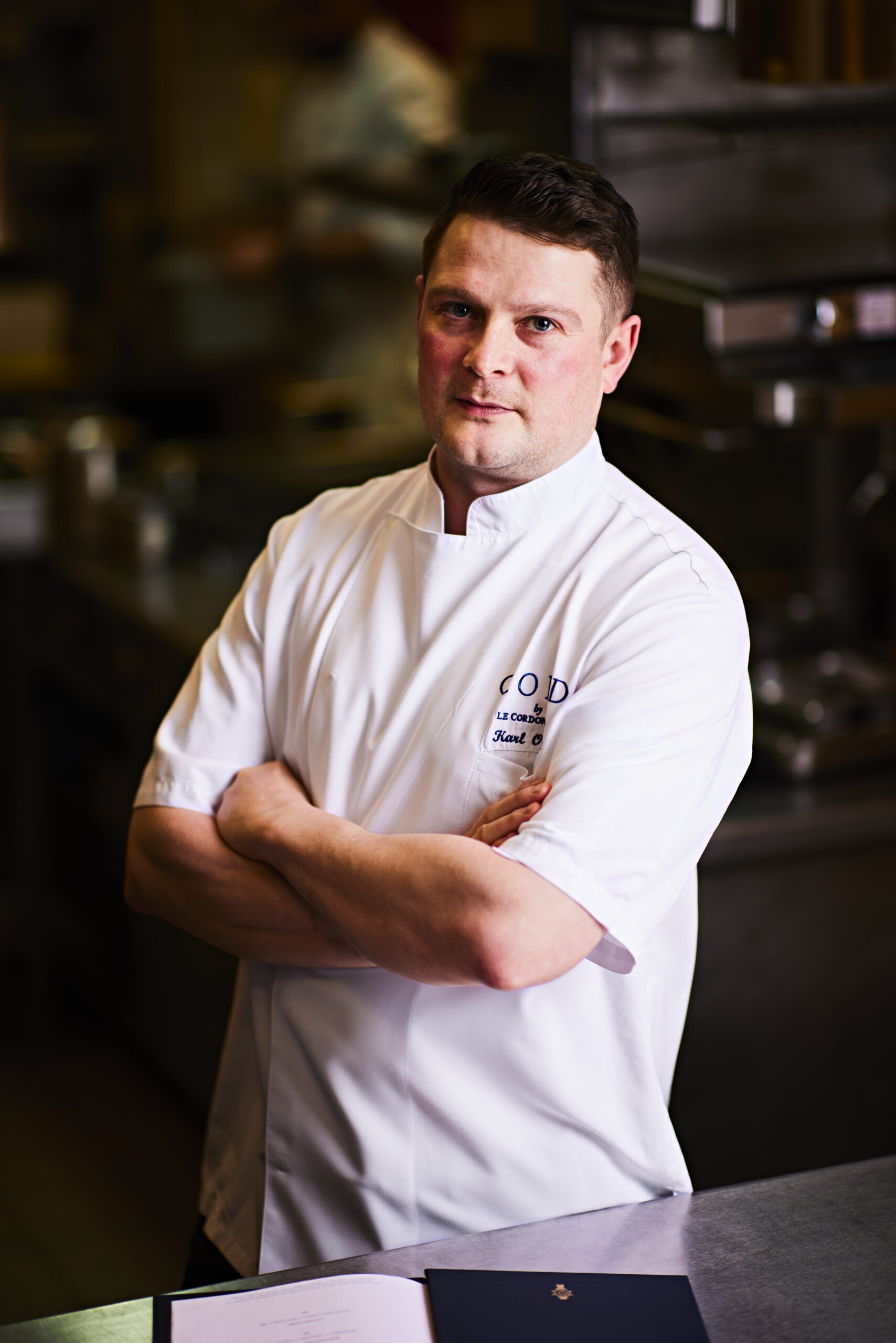
Chef Karl O’Dell of CORD has a tip to get incredibly tender chicken wings. “I always start by putting them into a pot of cold water and bringing them to a gentle boil. Once boiled, remove them from the heat and let them cool down completely before you marinate. This simple step makes a huge difference, ensuring they are beautifully soft and tender on the inside, ready to absorb all those delicious flavours when they hit the grill.”
Make the most of the heat from the coal
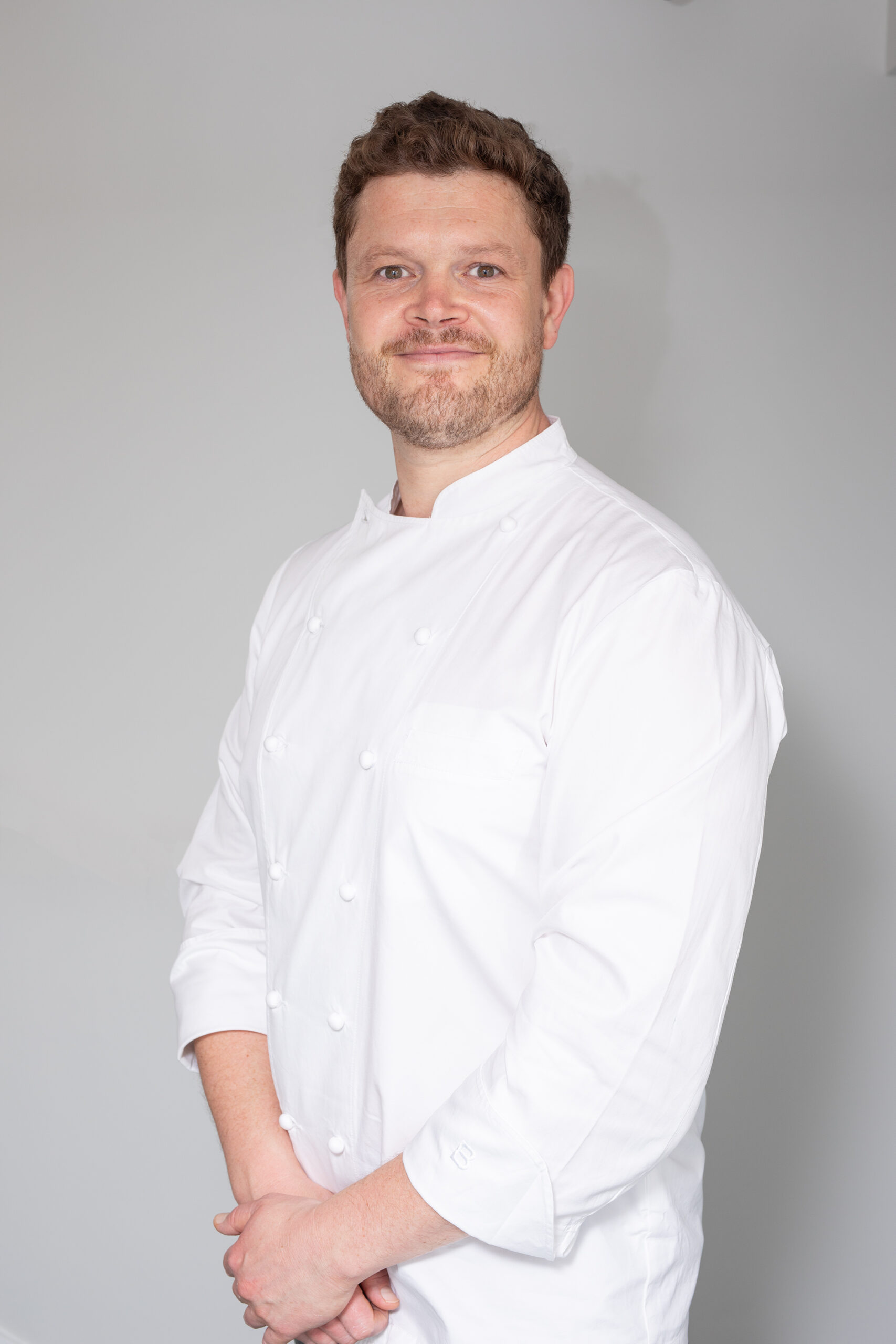
Chef Harry Faddy from Broadwick Soho says, “My family and I recently rented a villa in Portugal with a charcoal grill. By far my top BBQ tip is to make the most of the heat from the coal. Also, a tasty tip is, once the veg and proteins have been cooked, grill bread over the fire. It soaks up all the juices and creates the best kind of bruschetta when rubbed with garlic and doused with good olive oil. You almost don’t need the rest of the meal.”
Take care of the tools
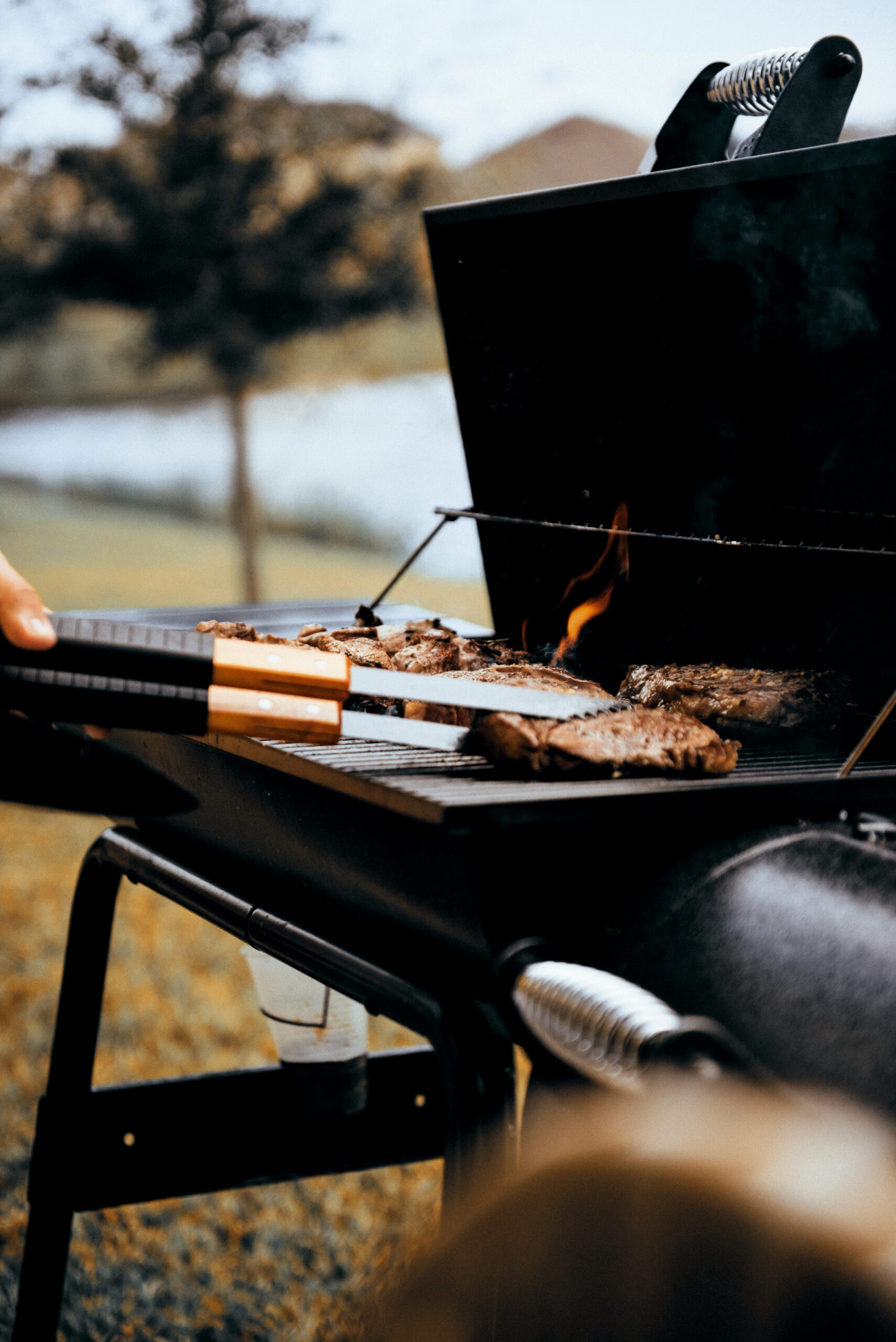
Turns out, the post-BBQ cleanup routine is just as important as the set-up. Dumping your equipment in the dishwasher won’t help much if you want to keep your tools shiny and new. But Benjamin Ferra Y Castell, Head Chef at Michelin-starred Pavyllon London, has a great (and very creative) anecdote for greasy tongs and forks. “To keep your tools in top condition once you’re done grilling, soak them for 15 minutes in Coca-Cola and then another fifteen minutes in ketchup – after a quick rinse, they will be shiny as new!”
Soak them for 15 minutes in Coca-Cola and then another fifteen minutes in ketchup.
Go wild with the sides
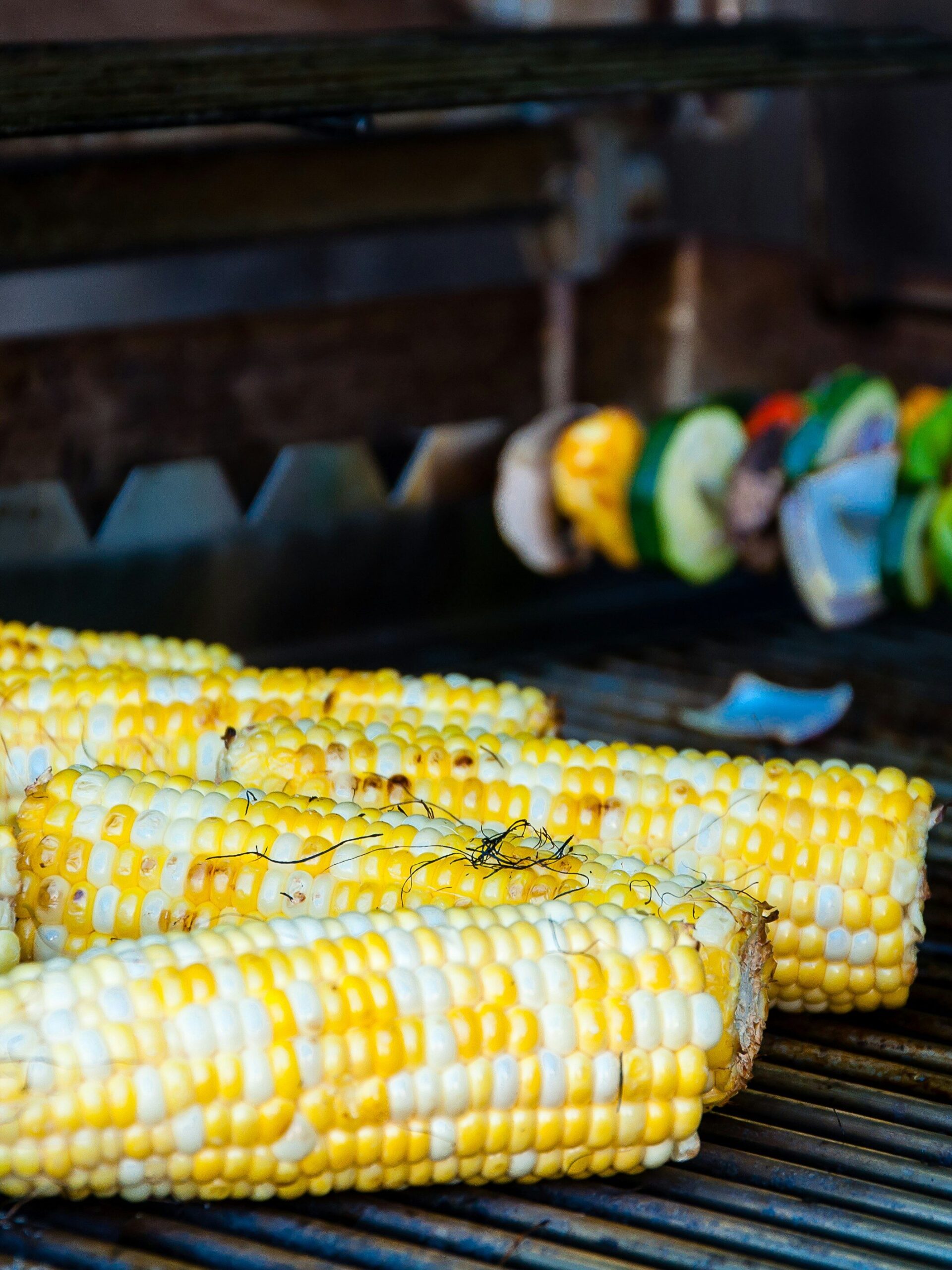
Side dishes to add some colour to your plate are a sure-fire way to get your guests to validate your barbecue prowess on the ‘gram. Kerth Gumbs, Head Chef at Fenchurch Restaurant, recommends a colourful grilled corn salad. “Grill the corn on the BBQ until blistered, remove it and cover with foil to cool down. Once cool, use a knife to remove the kernels and place them in a bowl with a mix of freshly chopped herbs like mint, coriander, parsley, chopped breakfast radish and pomegranate seeds.” Another side dish comes from Chris Knights, Director of Food at Young’s Pubs: “BBQ quarters of little gem lettuce and spring onion and add to chicken thighs with a Caesar dressing and shavings of parmesan.”
Cook fruit and veg with the embers from your BBQ
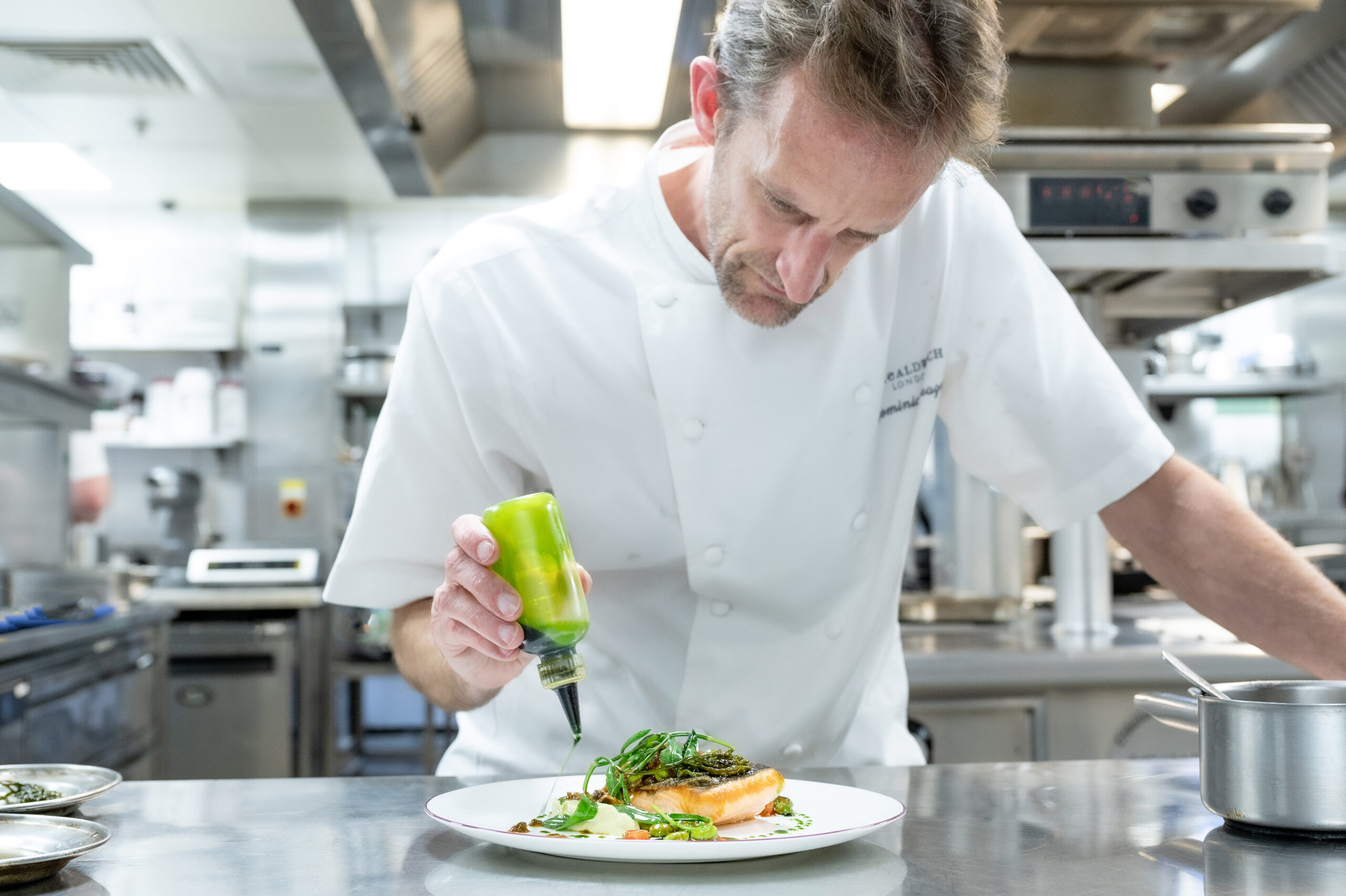
Indigo’s Executive Head Chef Dominic Teague says, “Using the embers at the end of a BBQ to cook is a great way to cook fruit and vegetables – wrap them in tin foil, with a splash of olive oil and fresh herbs”, says You can prepare a lovely salad for the next day, without using any energy, or more wood or charcoal. At present in Indigo we are doing a Jersey Royal potato salad, at the end of service we cook potatoes and beetroot this way. In the morning, we chop and mix both with hazelnut vinaigrette, grilled endive, crispy gem, and shave over some preserved winter truffle for a delicious light lunch.”