Best Selling Author Shares The Heartbreak That Inspired Her Latest Novel
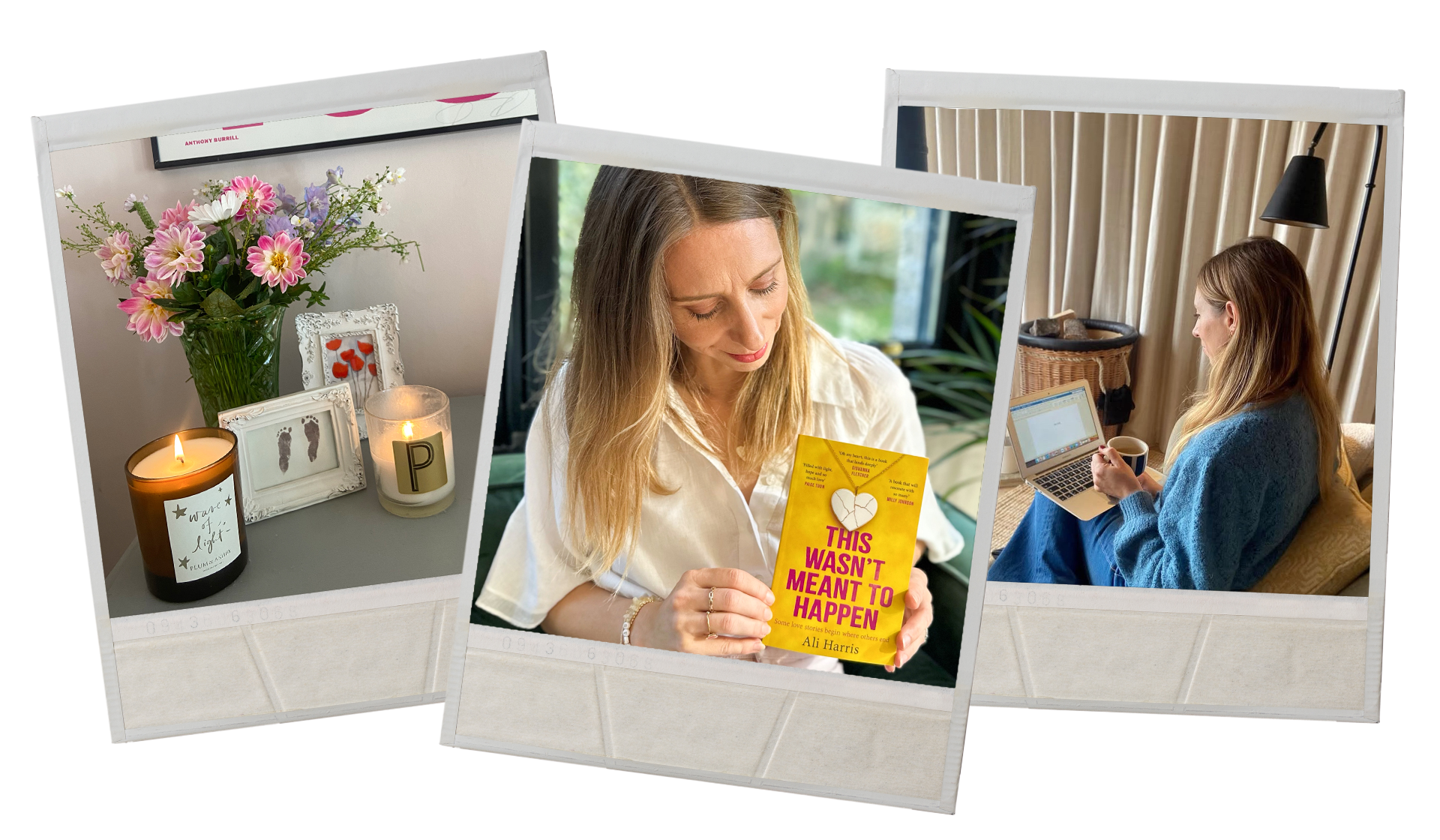
Through unimaginable grief, Ali Harris discovered a strength and a desire to talk through the unspoken pain of baby loss. Here she reveals how she began to write again as she celebrates the publication of ‘The Wasn’t Meant To Happen‘, a story of love, loss, but ultimately hope. Plus, scroll down to see her top book recommendations to help navigate grief.
Ali Harris isn’t just a best-selling novelist with four books to her name; she’s also one of my best friends. She’s my ride or die, my confidant and lifelong sidekick. We’ve lived together, worked together and messily navigated the path to adulthood (although arguably she was always way more grown-up than I was). So, understand me when I say that the day she lost her baby girl in late pregnancy, and I couldn’t save her, couldn’t take away her pain, I was inexplicably helpless. Nothing can prepare you for that. This was a world-altering, shattering moment that will forever alter the way my beautiful, strong friend feels, lives and loves. No words would ever be enough.
What followed was a long journey to overcome devastation. As the years ticked by, I witnessed Ali emerge from the wretched claws of heartache. She never moved on; she learned to live with her grief, slowly and cautiously. Her angel baby, Poppy, will forever be with Ali, her husband, her family and all of us. What came next was an unfathomable strength; through tears and angst, she gradually returned to writing.
By talking and sharing, Ali is determined to help those wading through the depths of grief. No one should feel they are alone.
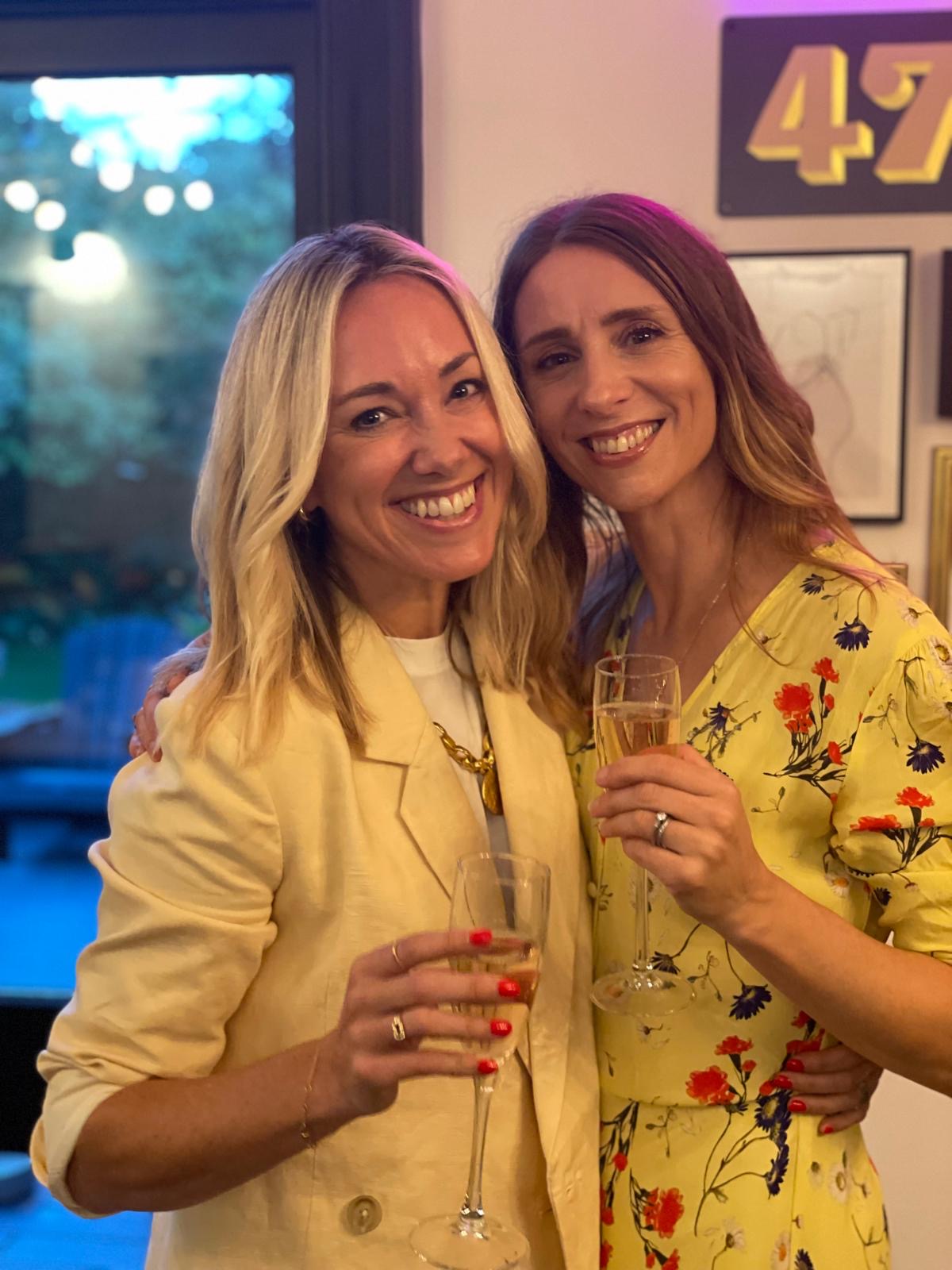
Ashling McCloy With Author Ali Harris
Aware that the subject of baby loss was almost taboo, a topic that hundreds of women and families are trying to survive through, Ali began penning a story that may relate. Yes, this is a fictional tale, but it has echoes of Ali’s own experience. Reading through the final edit, I cried buckets. It is unspeakably tragic, but with every delicately crafted line, there is beauty and hope. There may be countless self-help books on the shelves, but sometimes diving into the pages of another person’s story is enough not to feel alone.
To celebrate the launch of This Wasn’t Meant To Happen, I caught up with Ali Harris…
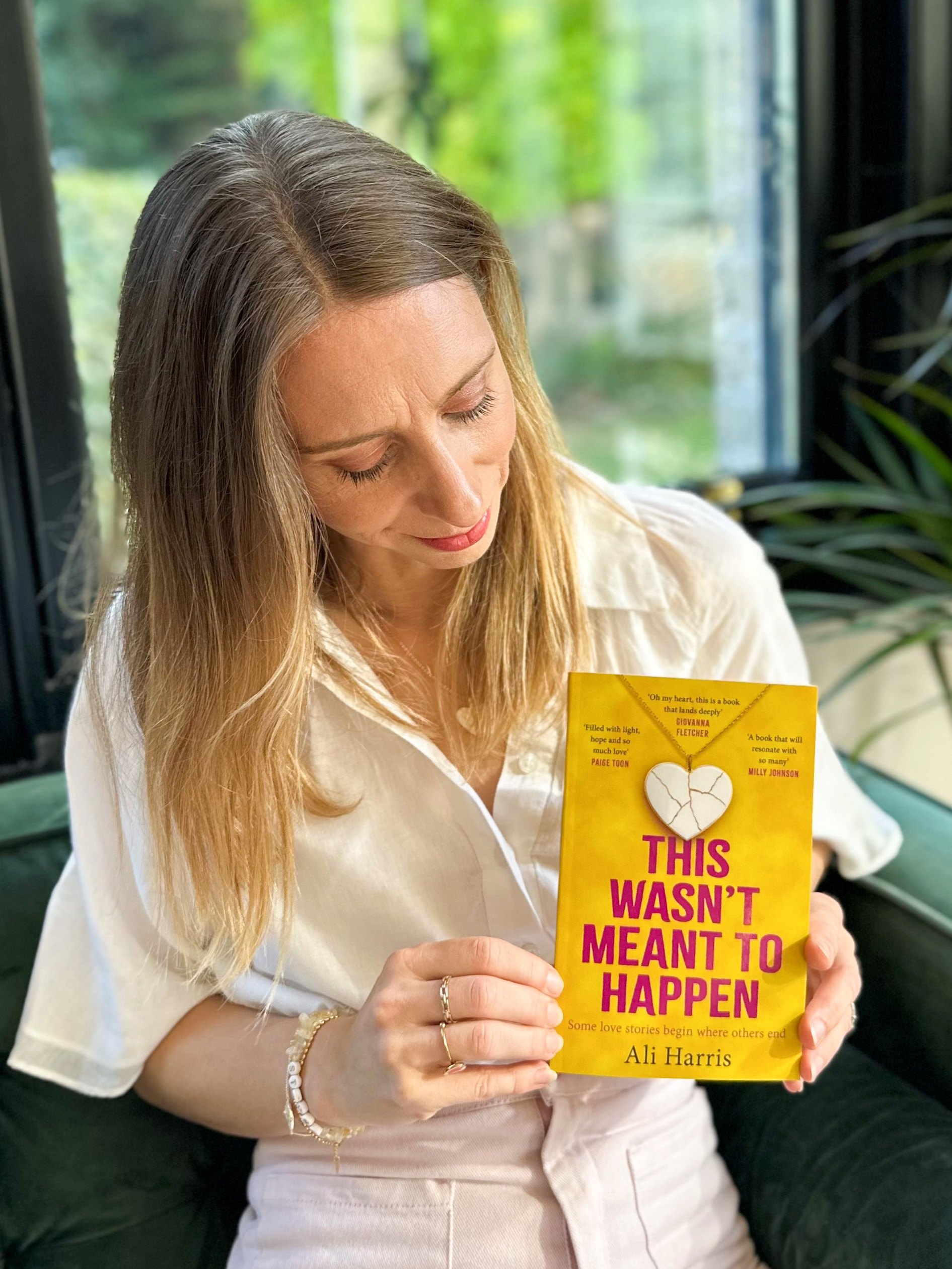
This Wasn’t Meant To Happen is a heartbreaking tale of love and loss. What drove you to write it?
In 2014, my third baby, Poppy, heartbreakingly died halfway through my pregnancy, and the grief that followed silenced me for years. Fiction has always been my way of finding comfort and making sense of the world, inviting empathy even without direct experience. Yet I couldn’t find any novels that reflected the full reality of late pregnancy loss – not just the grief, but also the love, resilience, and connection that come after. Everyone knows the statistics: one in four pregnancies ends in loss. But it is stories that have always spoken to me, and I couldn’t understand why this experience that impacts so many hadn’t been explored fully. And where better to understand it than in a novel written by someone who has been there and survived?
Writing This Wasn’t Meant To Happen became my way of telling, through fiction, a profoundly human and universal story that had too rarely been told – one I strongly believe bookshelves should hold space for, and readers should be able to connect to.
Sofie and Rory are opposites in every way, which effectively highlights the anguish from different perspectives. Why was this important to you?
I wanted to show that even within the same loss, grief can look very different. For mothers, grief is often bound up in profound physical and emotional trauma, the guilt and shame of losing a baby inside you or at birth. For a father, their loss and grief are compounded by the external helplessness of watching their partner go through something they can’t fix. Both versions are devastating, but they are not the same – and that distinction needs to be understood. While the novel is told from Sofie’s perspective, conversations about baby loss also rarely give equal space to fathers’ grief, I wanted Rory’s experience to be as present and real as Sofie’s.
The story explores the depths of loneliness in their loss, fragile moments of hope and connection, and the desperate desire for their marriage to survive this devastating experience.
It’s a fictional story, but born from your own experiences. How did you cope with that? And did you find it helped with your own grieving process?
I deliberately didn’t start writing – or even contemplate writing – this novel until four years after Poppy died, and a year after my rainbow baby, Rex, was born. I knew I needed time to grieve fully before I could explore the story of another couple navigating loss, guiding them – and the reader – through grief toward hope.
It has kept me connected to my baby girl; through it, I have been able to mother her from my heart and mind to my fingertips. Sofie and Rory, however, are not my story – they have lived in my head and on the page for so many years, and it is time for them to make their own way in the world, without my help. I have found companionship in their creation, and in doing so, I know I will meet many more people connected to this experience. And, having been part of the baby loss community for 11 years, I understand how special those people and their babies are.
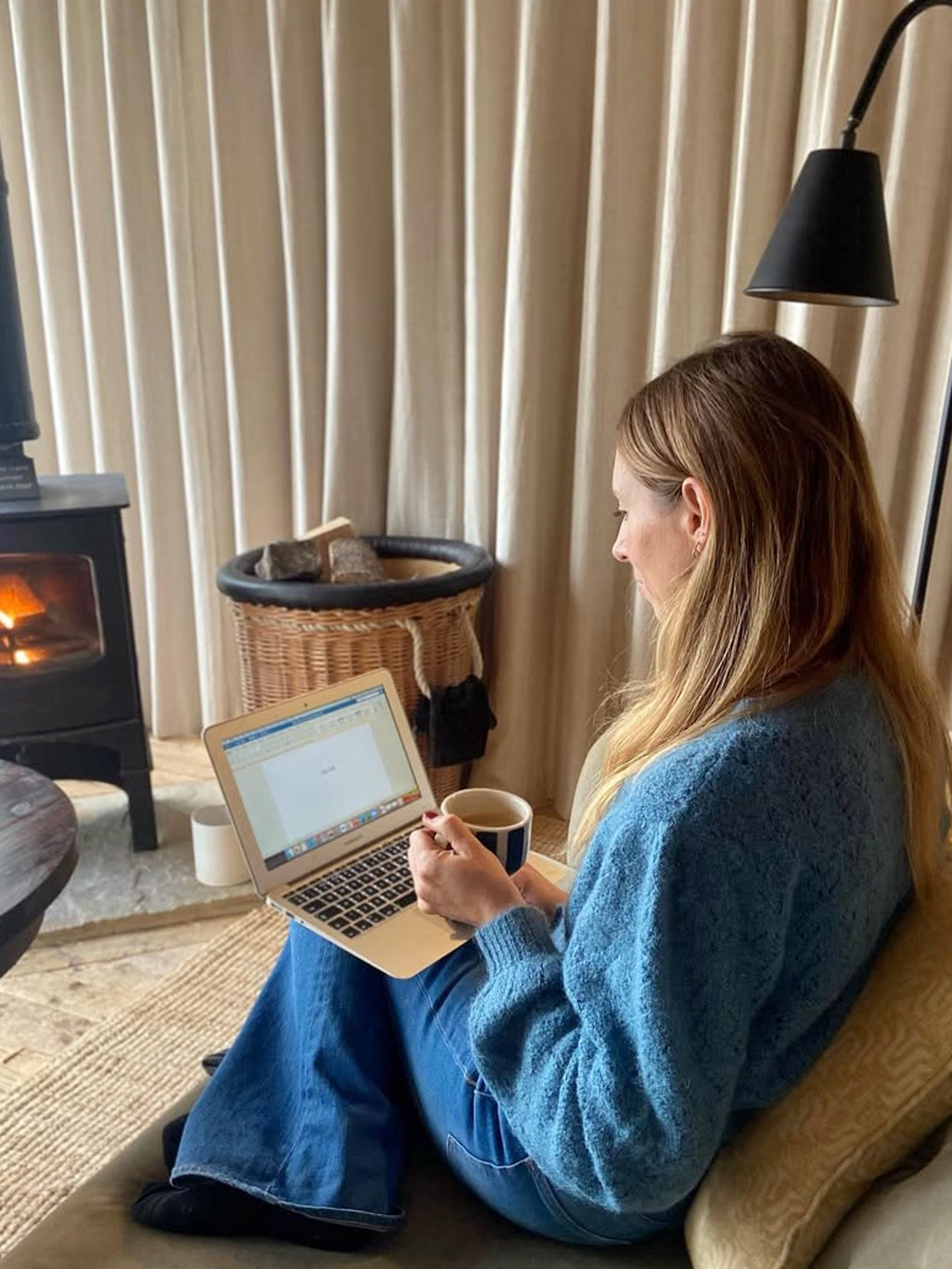
As this amazing novel hits the bookshelves, how do you now feel about it and the journey to get here?
Writing this book has been both the easiest and hardest thing I’ve ever done. The past seven years of writing — and trying to publish it, which was a journey in itself — have been challenging, beautiful, and purposeful. While there were times I wished the process had been faster, or the journey to the shelves smoother, I genuinely believe it unfolded as it was meant to.
Writing it wasn’t about personal catharsis, but about communicating an experience that touches so many, told from a place of strength and purpose. It is a gift from Poppy and me, but it is not our story – it belongs to all who carry this kind of grief, and to those who may need to walk alongside someone going through it. While the novel deals with death, at its heart, it is a story of survival. I hope that within its pages, readers find a place to feel seen, to be held, or simply a little less alone.
It’s my great hope that if this novel can meet someone else in their darkest moment and say, ‘I see you. You’re not alone’
What did you hope for in this novel?
This Wasn’t Meant To Happen was the book I needed but couldn’t find, and I hope it will reach others who have been searching for it too. It’s my great hope that if this novel can meet someone else in their darkest moment and say, “I see you. You’re not alone” – then I know it will have fulfilled its purpose. But while finding its way into the hands and hearts of those who need it most, I also hope that many others pick it up and that through reading it, they gain a level of understanding, insight and are given a language with which to support others through it, should they need to one day.
Baby loss is a rarely talked-about topic. Why do you believe it’s time to talk?
Silence is suffocating and isolating, leading to shame and solitude. For decades, women have been told to keep our stories, our health, and our mental health to ourselves – supposedly to “protect” ourselves, but also to protect those who come after us. We’re told not to share a pregnancy until 12 weeks – “just in case.” Just in case what? If it doesn’t work out, no one knows, and you carry on as if nothing happened.
Periods, fertility, women’s health, menopause, baby loss – so much has been shrouded in silence, leaving us to face some of life’s most difficult journeys alone. And it’s wrong. Talking and sharing are how we survive the worst moments in our lives. Sharing the babies who aren’t here allows baby loss parents to celebrate the infinite love they have for their children. Being told not to talk about it, because it’s too sad or people don’t want to hear, makes us feel invisible, as if our precious babies didn’t exist. We are mothers the moment we see a line on a pregnancy test – whether we bring the baby home or not. Normalising conversations about loss supports those directly affected and gives a language to those around them.

Normalising conversations about loss supports those directly affected and gives a language to those around them.
For those who have experienced this devastating loss, from your own experience, how do they rebuild their lives and acknowledge their pain?
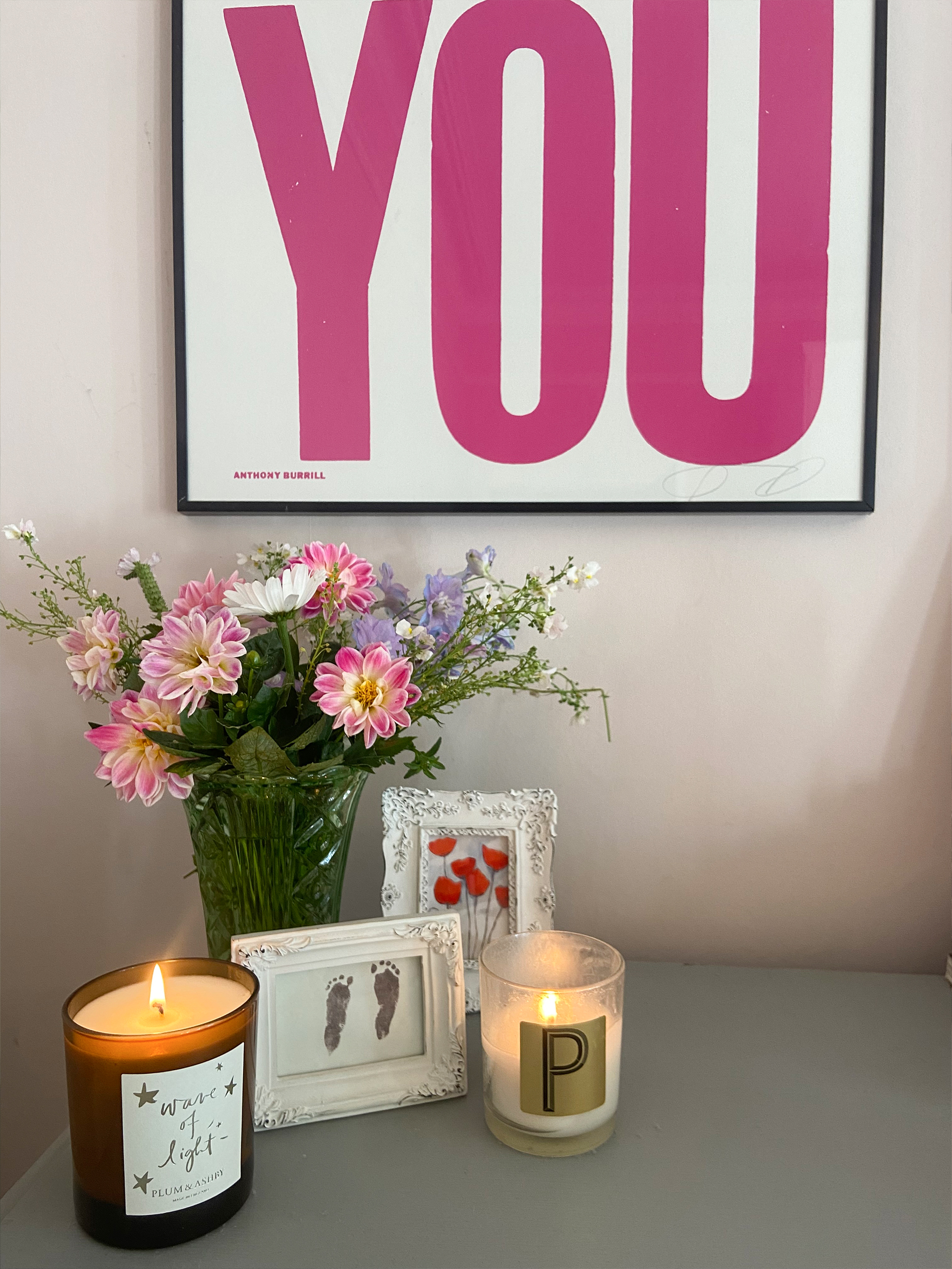
Rebuilding after baby loss means allowing yourself to live through the grief, rather than trying to bypass it. Talking, sharing, and seeking support – through counselling or baby loss organisations – can make a real difference. Always remember that your grief is yours, and only you can decide how to experience it; there is no right or wrong way. If you feel able, find ways to remember your baby, no matter how small or private: a scan photo in a frame, a box under the bed, a tree in the garden – these personal rituals can be profoundly healing.
Let those around you know when you’re ready to talk; they may want to support you but not know how. Connect with nature, with others who understand, and remember that you are not alone. Many of us in the babyloss community know exactly what you are feeling, and reaching out can provide comfort and connection. I’ve shared more about my own journey on my Substack, where I write about the book, my personal experience, and offer support and advice from my own learnings of grief.
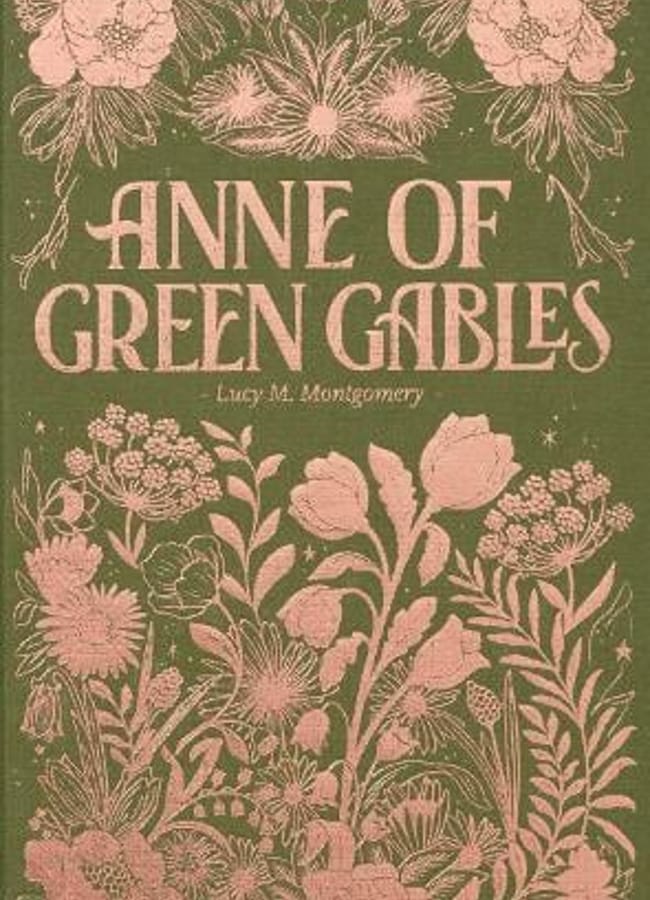
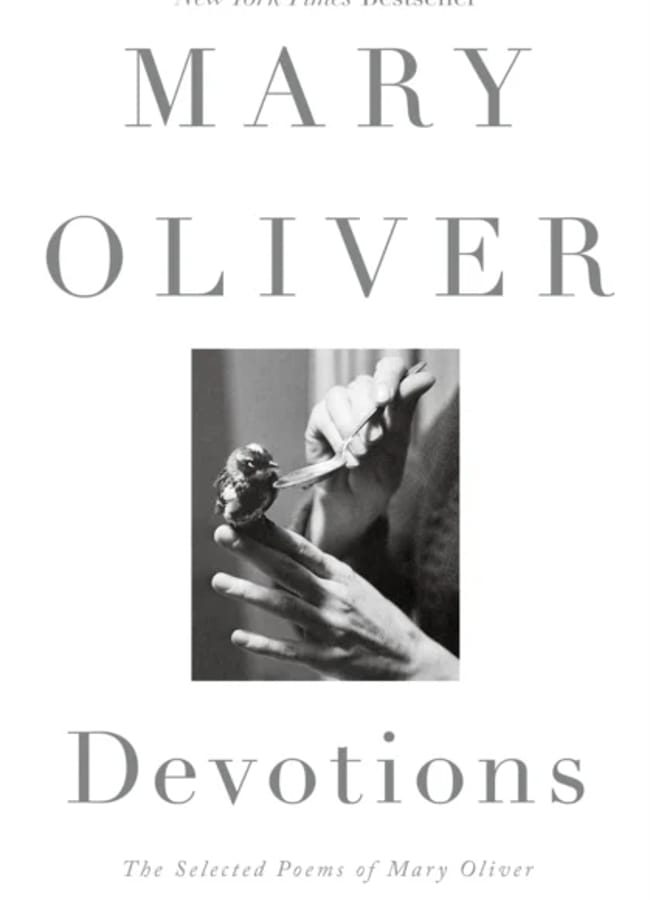
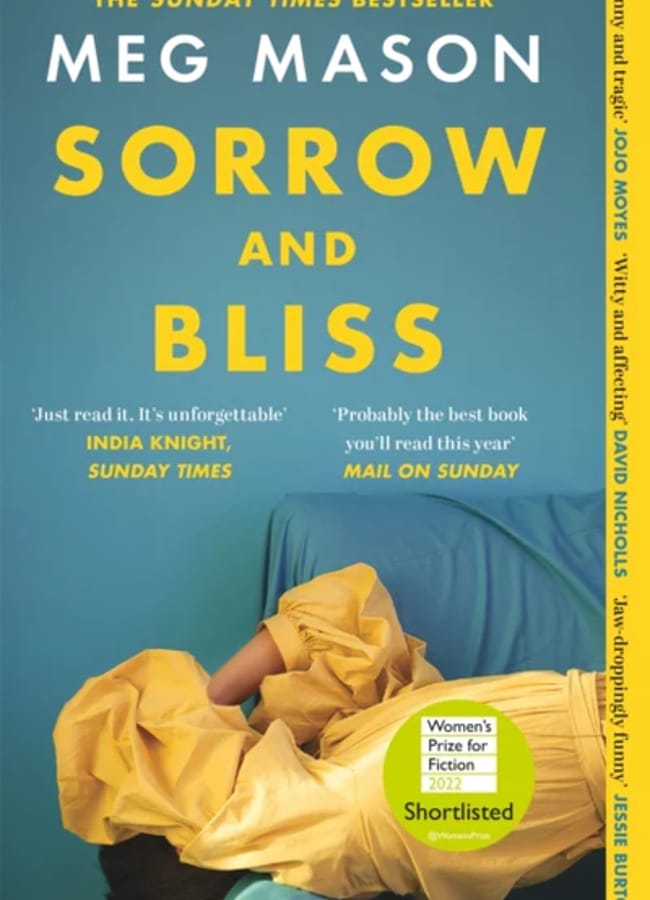
Ali’s Picks: Six books to help through challenging times…



The products on this page have been selected by our editorial team, however, The Handbook may make a small commission on some products purchased through affiliate links.