I’m A Fashion Editor But I’d Never Buy A High-End Designer Bag
Are designer handbags worth it? The Handbook’s Contributing Fashion & Lifestyle Editor doesn’t think so. Having worked in fashion for almost two decades, she’s had inside access to beautiful wardrobes and the world’s most coveted accessories. But while she still loves style and dressing up, there’s something about a brand-new, £5k designer handbag that makes her cringe. Here’s why – despite being a fashion editor – she’d never buy a designer bag.
It’s not entirely about budget
The fact that I have zero desire to buy a bag costing upwards of £5,000 isn’t actually about money (though, spoiler alert: I also can’t afford one). It’s about what that bag represents.
When everyone is clamouring to wear the same thing because it’s been seen on celebs and mega-influencers – who, let’s be honest, are gifted or loaned these pieces 90% of the time – it stops being about personal style. It becomes a prop.
When everyone is clamouring to wear the same thing, it stops being about personal style – it becomes a prop.
I just don’t find that inspiring. Give me something that tells a real story: a thrifted treasure found down an alleyway in Italy, a handed-down tote from your grandmother that you cherish despite the torn lining, or a beautifully, ethically crafted leather piece from a niche brand I’ve never heard of. Those are the things that get my blood pumping.
The math just doesn’t make sense
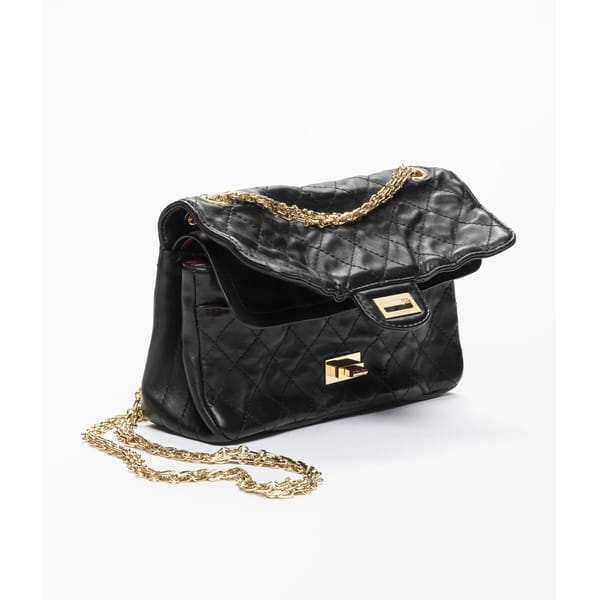
Ten years ago, Chanel’s iconic 2.55 bag cost roughly £3,500 depending on the size. Today? The latest iteration for SS26 is priced at £10,870 on their website. I’m no economist, but that is wild. Even if I had Kardashian-level disposable income to play with each month, I’m not sure that kind of markup would ever sit right with me. Let’s not forget: this isn’t a car, a bucket-list holiday, or a university education. It’s a bag. And ironically, the latest 2.55 is described by the house as “Loved and lived-in,” and the intentionally treated leather, “evokes the passage of time.” Essentially, you’re buying a £10k bag that looks vintage. Why not just buy the vintage one? It’s more sustainable and (in some cases) cheaper.
Speaking to Holly Watkins, Founder of curated resale site One Scoop Store, she explains, “Retail prices have climbed far faster than production costs have, and brands have become greedier as their marketing costs have risen,” she adds, “Basically, it feels like brands have realised they can charge more to the super wealthy, but it’s cut off the ability for most people to be able to afford luxury bags.”
Remember the Sex and the City episode where Carrie Bradshaw realises she can’t secure a bank loan to buy her apartment? She realises she’s spent $40,000 on shoes but has nowhere to live. It was written as fiction, but it resonates today. If I were to carry an outrageously priced bag, it wouldn’t make me look stylish; it would make me look like I have the financial literacy of Season 4 Carrie. There are simply more important things to spend your hard-earned money on (in my opinion), and that’s coming from a fashion editor who genuinely loves fashion.
Rental and resale culture have changed the game
In the last decade, the rental and resale markets have gone stratospheric. From a practical standpoint, if having a Loewe Puzzle bag on your arm makes you feel successful, renting one for a milestone birthday or a career-defining job interview makes total sense. But even then, it still feels more like status-signalling than showcasing true style. Personally, I won’t be borrowing a designer bag anytime soon.
Of course, there is a counterargument that some designer bags retain their value. While it’s true that a pristine 2016 Chanel 2.55 can fetch around £5,000 on verified resale sites today, the narrative that every designer bag is an investment is a myth that needs to be challenged. There is a lot of nuance here, and the vast majority of luxury bags will not make you your money back.
Founder of resale site One Scoop Store, Holly Watkins suggests, “You’re definitely better off buying secondhand as the quality was better then – the leather, the hardware, the zips, the linings – and these days costs are being cut in production, but it isn’t reflected in the retail price.”
It screams “I’m better than you”
I do think I have some kind of anti-snobbery when it comes to fashion. I prefer looks that are lived in: a mix of high-low, vintage and new independent finds. It is the layers (literally and metaphorically) of a look that make it work, make it interesting, and make it a conversation starter.
There is something about wearing something so known for being expensive, or something covered in logos, that makes me cringe a bit. I appreciate that many designer bags are beautifully crafted, but they aren’t £10,000 beautiful. It begs the question: are people buying them for the design, or is the number-one draw simply the status it projects?
The mini bag con
As the price of some designer bags has soared by over 140%, many fashion houses have pivoted to making smaller and smaller bags. Don’t be fooled into thinking the micro-bag trend championed by the likes of Jacquemus, Hermès, and Chanel was entirely organic.
By shrinking the bags, brands could sell them at a lower – though still eye-wateringly expensive – price point. It made the luxury dream feel just palatable enough, just within reach for aspirational budgets, allowing brands to move units in massive volume. But let’s be real: a bag that cannot fit your iPhone in, yet costs more than it, is not a good purchase.
A bag that cannot fit your iPhone in, yet costs more than it, is not a good purchase.
The Premier League effect
Erling Haaland, I love you, but seeing you rock a Birkin or a Balenciaga doesn’t make me want one. I think we can all agree that once the Premiership footballer set adopts a trend, its cool factor is officially dead.
There are other options out there
Ask any vintage or resale expert, and they’ll tell you that modern quality control has failed to keep pace with soaring luxury prices. Many fashion houses have quietly shifted to mass-production techniques, machine-stitching, and cheaper canvas or treated leather alternatives while simultaneously hiking their prices. The craftsmanship simply doesn’t match the archival pieces of yesteryear.
Then there is the rise of the superfake. Counterfeiters have capitalised on global supply chains, often sourcing the same Italian leather and hardware as the heritage houses to recreate bags to near-identical specifications. I am absolutely not advocating for buying fakes – that doesn’t float my boat either and opens up a whole other world of ethical questions – but it does make you wonder: why pay thousands of pounds extra for raw materials that are globally available?
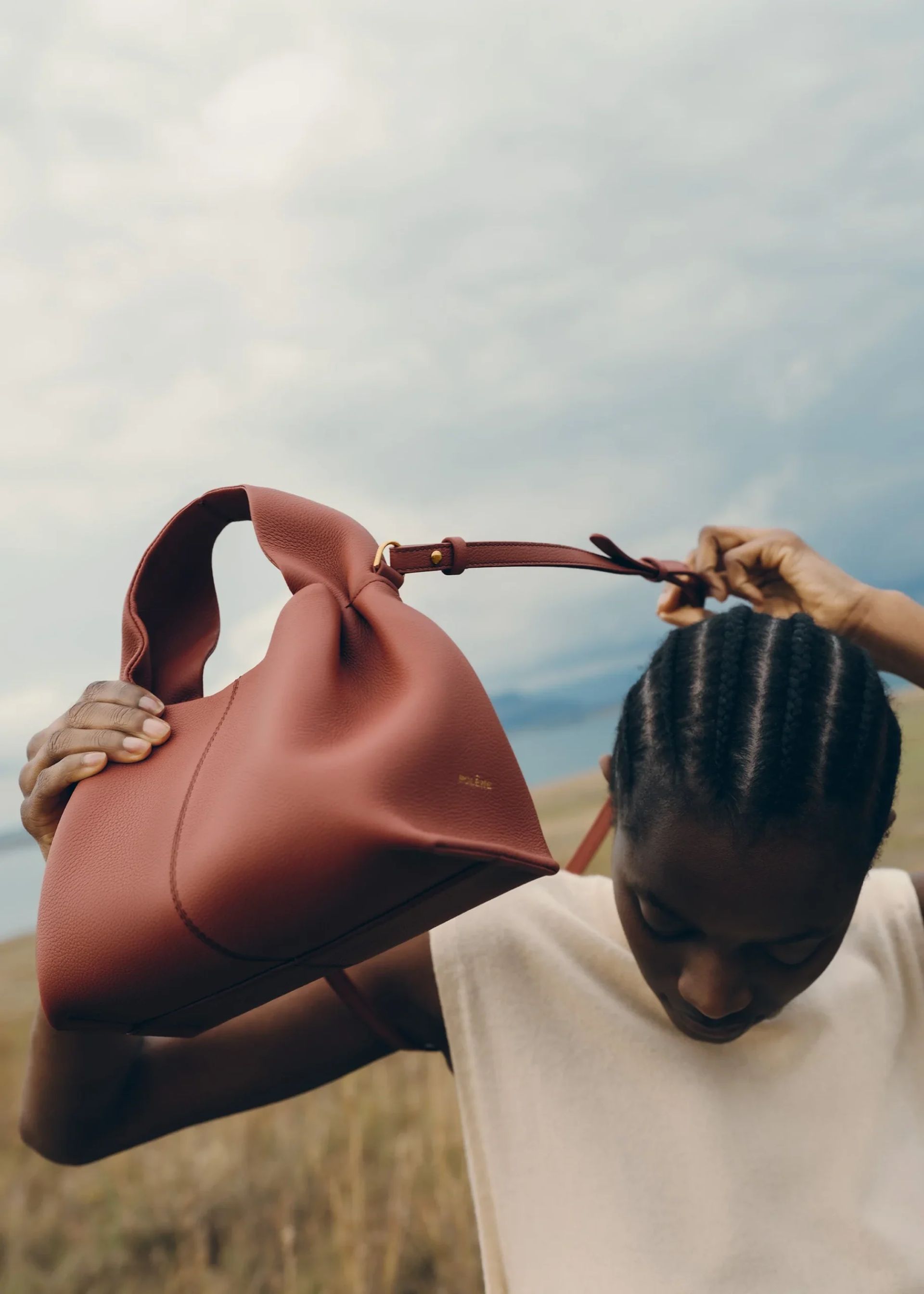
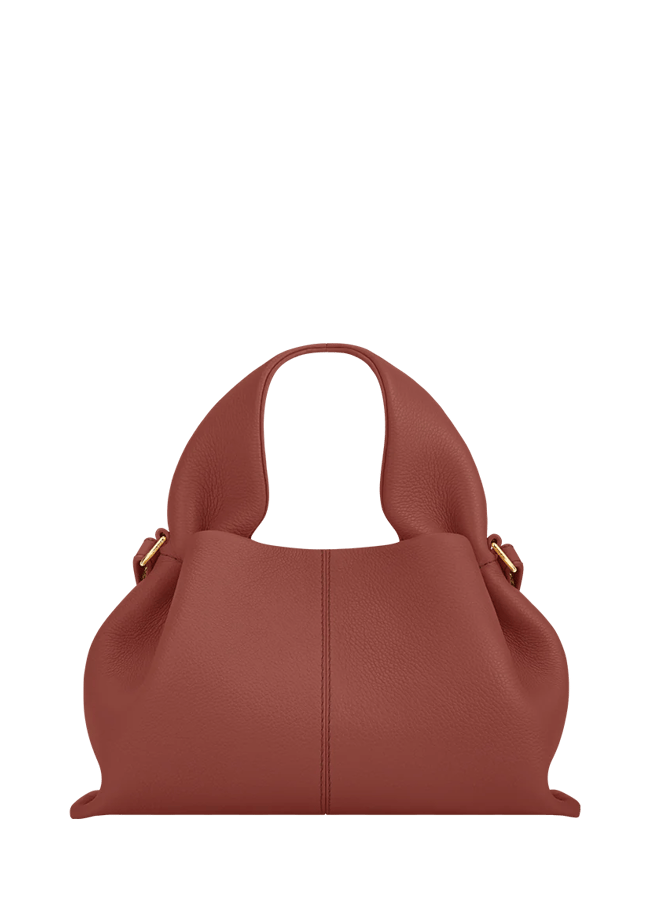
We are seeing a wave of independent bag brands that are sustainable, ethical, and exquisitely made.
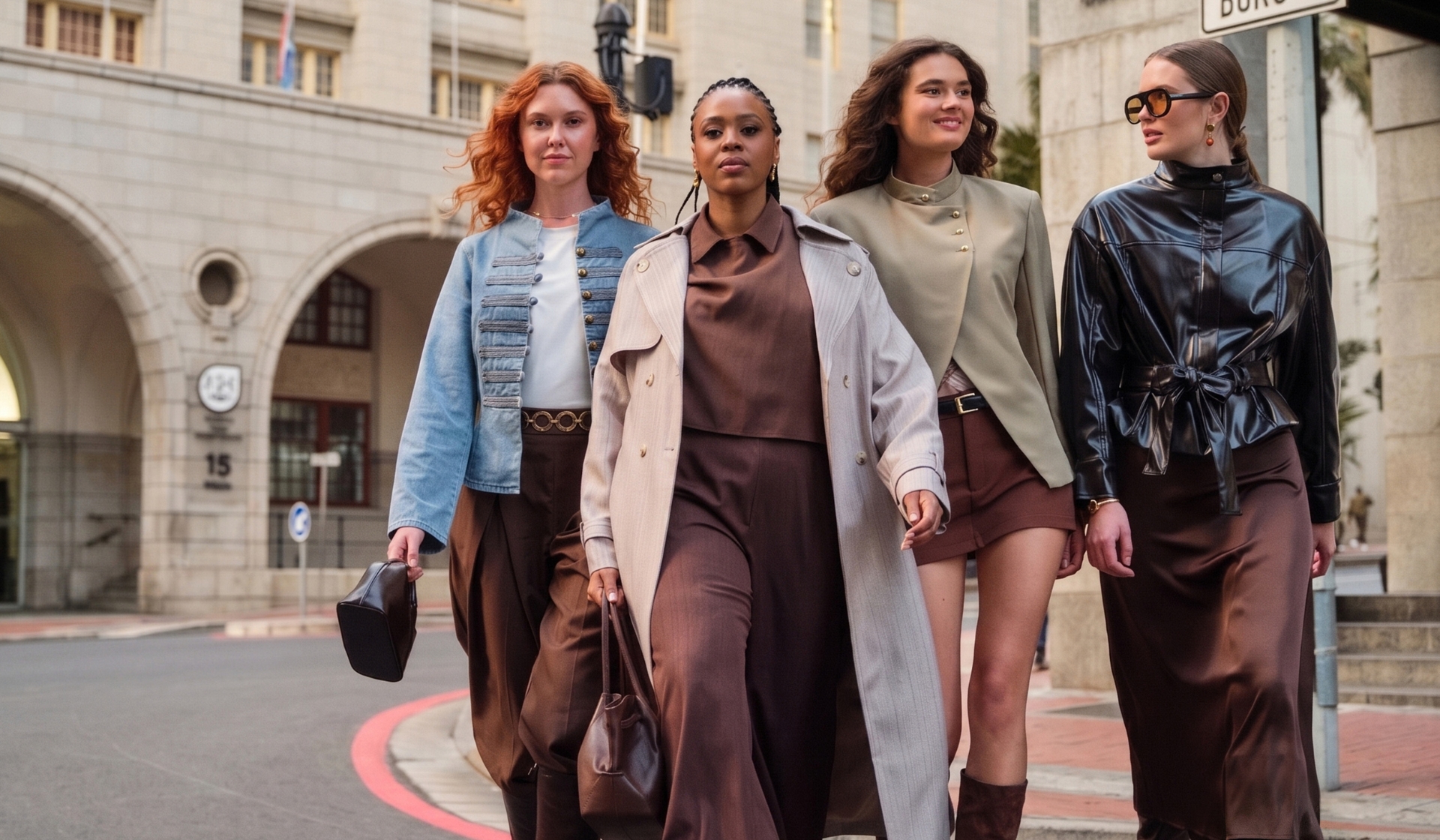
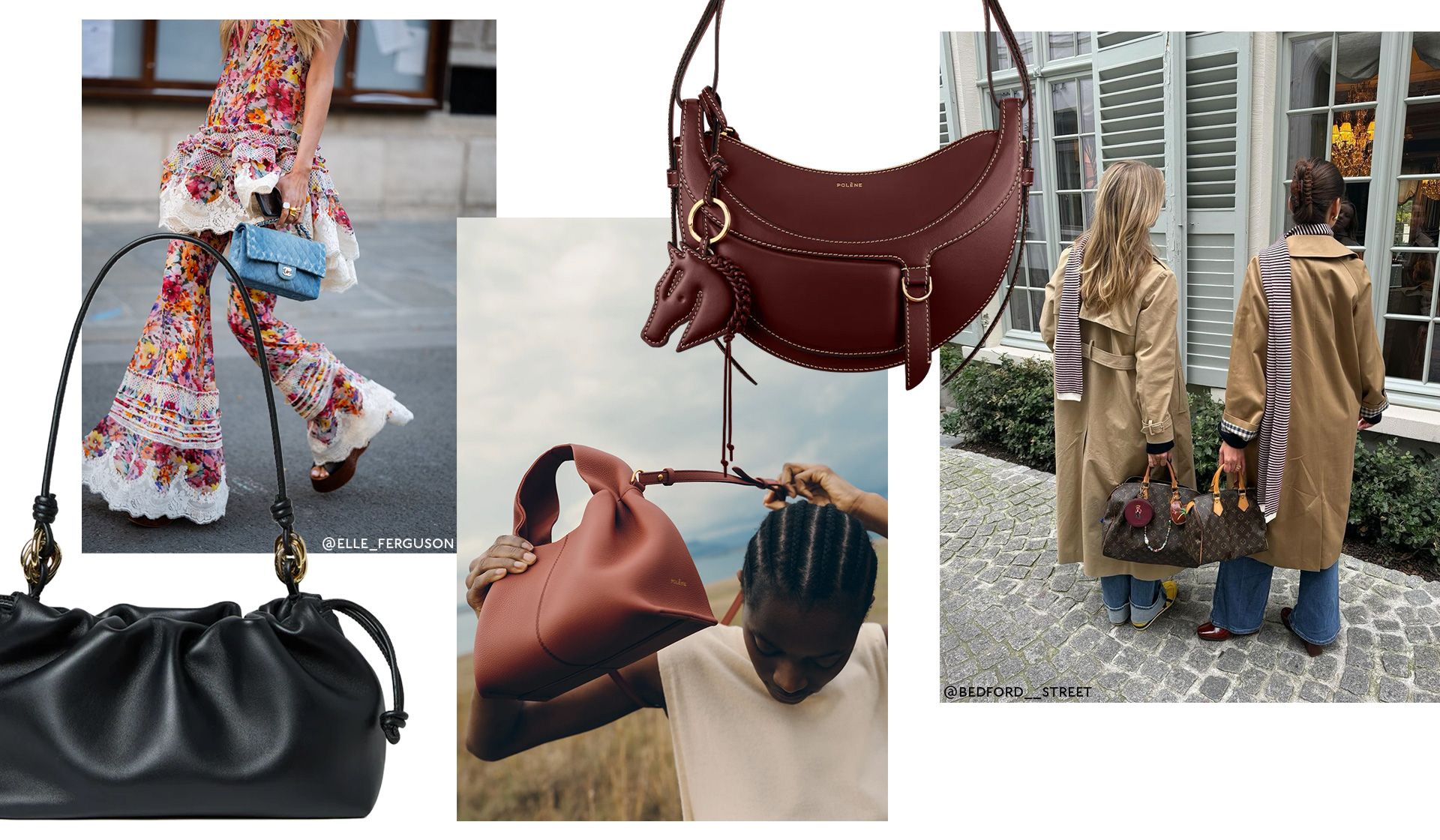
Thankfully, there are brilliant alternatives. We are seeing a wave of independent bag brands that are sustainable, ethical, and exquisitely made. While they aren’t cheap, their pricing is more honest, and the stories behind them are far more compelling. Brands like Polène Paris or Strathberry craft stunning leather pieces that I will happily wear forever. And the fact that you won’t see them on every second person on your morning commute? To me, that makes them infinitely more desirable.
Shop some beautifully crafted bags and more affordable bags below…
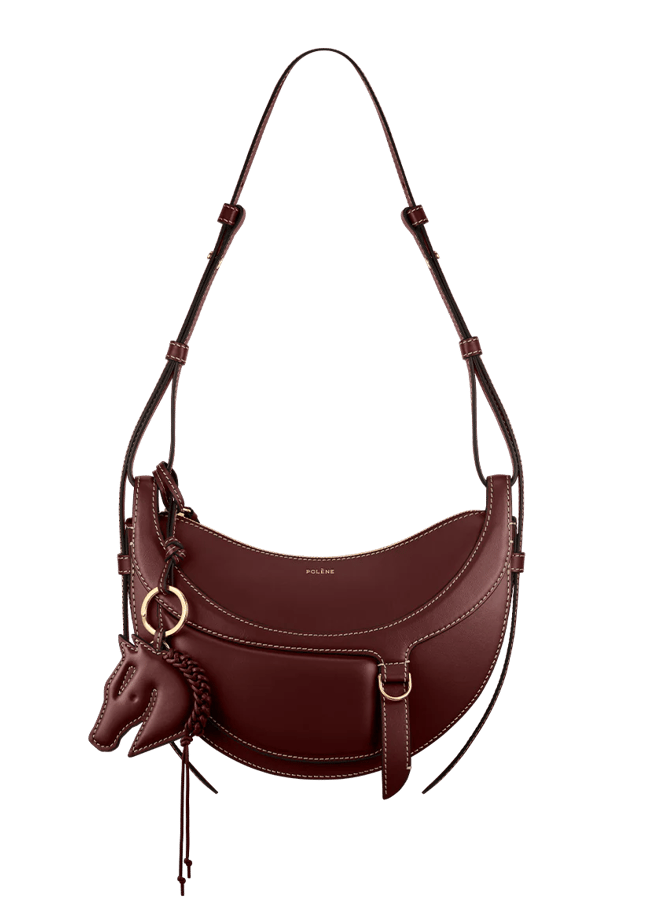
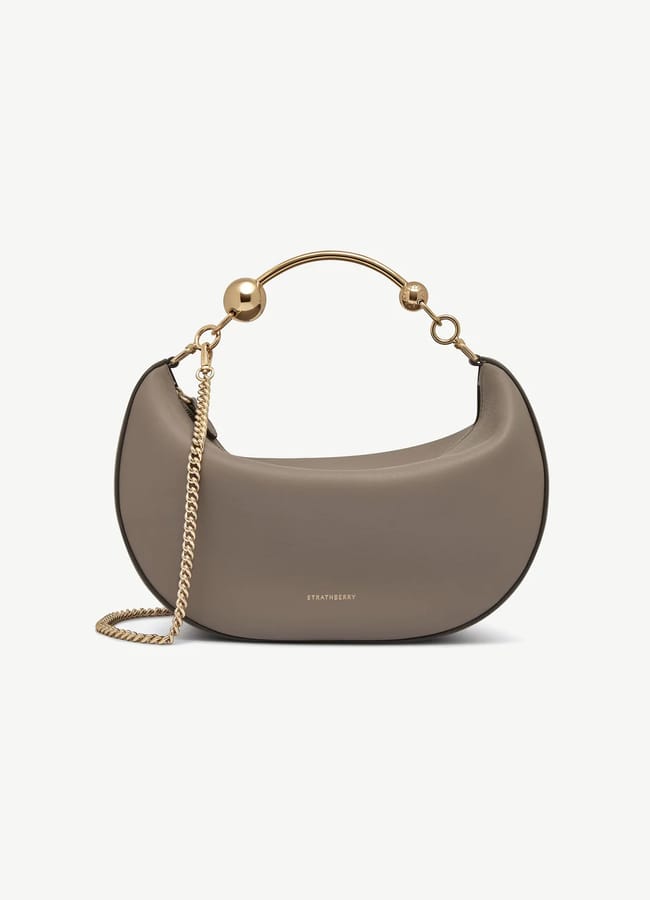
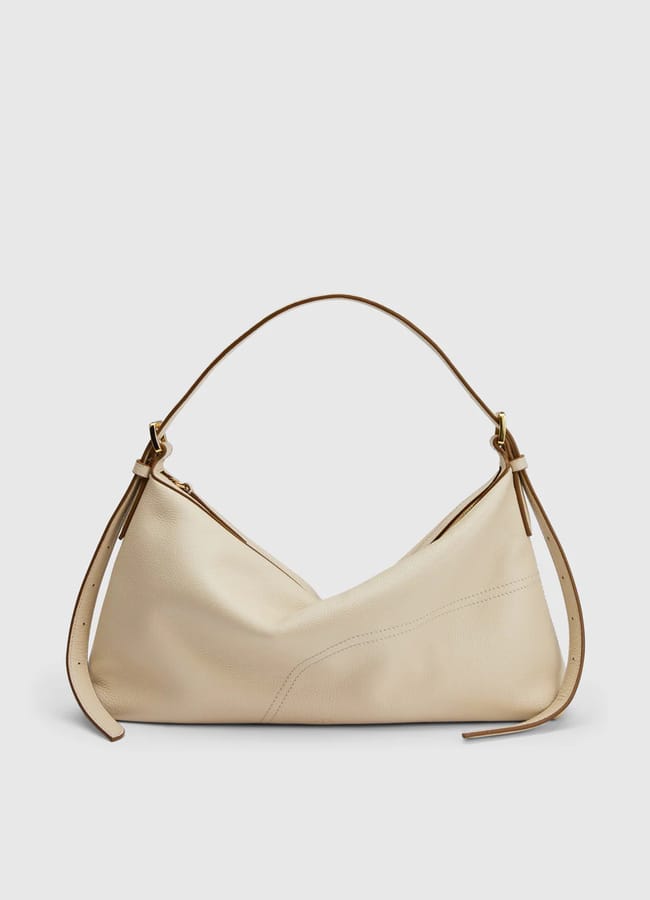
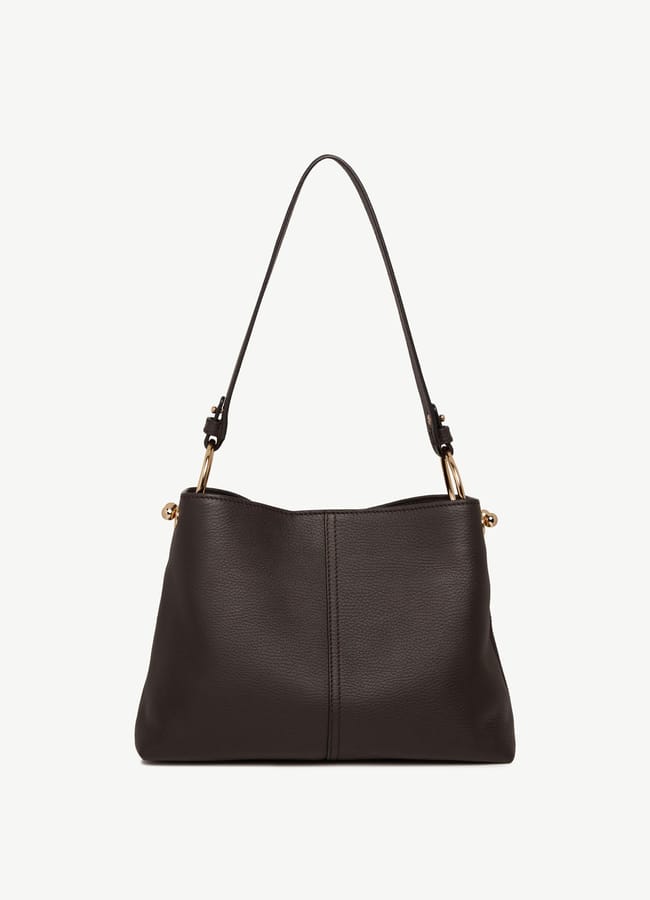
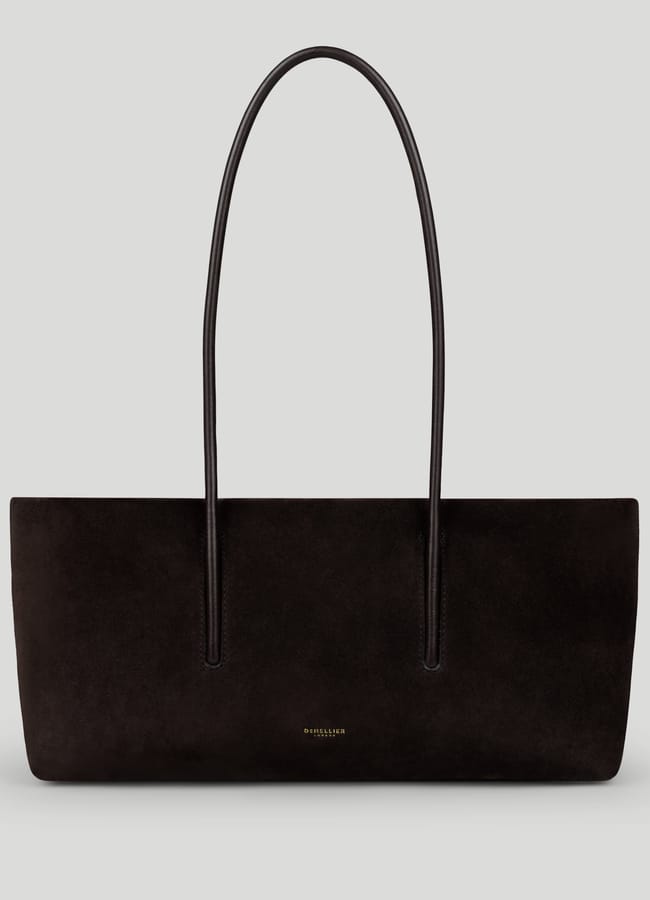
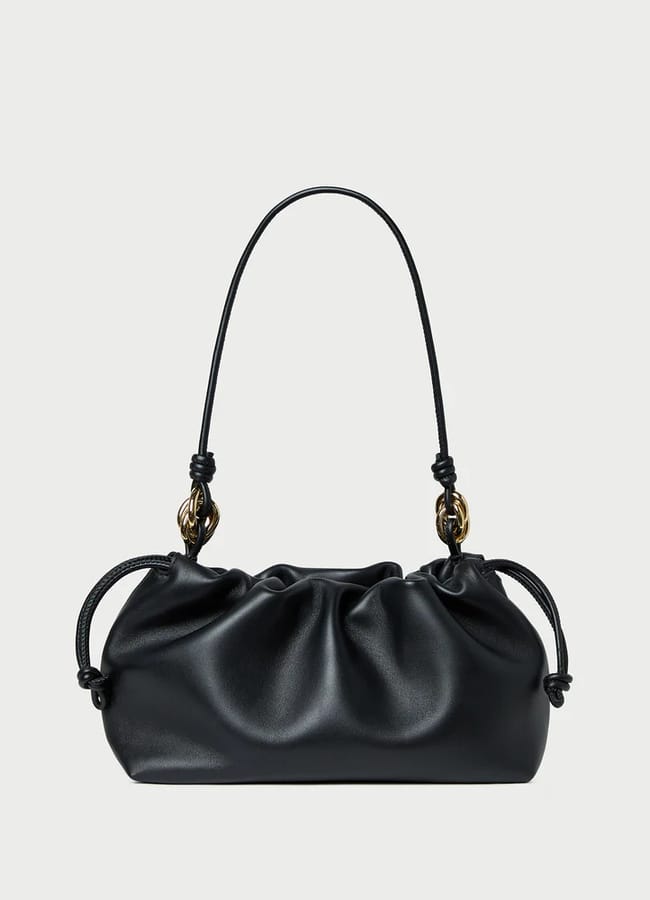
For more affordable designer bag brands, check out our edit here.
The products on this page have been selected by our editorial team, however, The Handbook may make a small commission on some products purchased through affiliate links.