Should This One Habit Get You Blacklisted By A Restaurant?
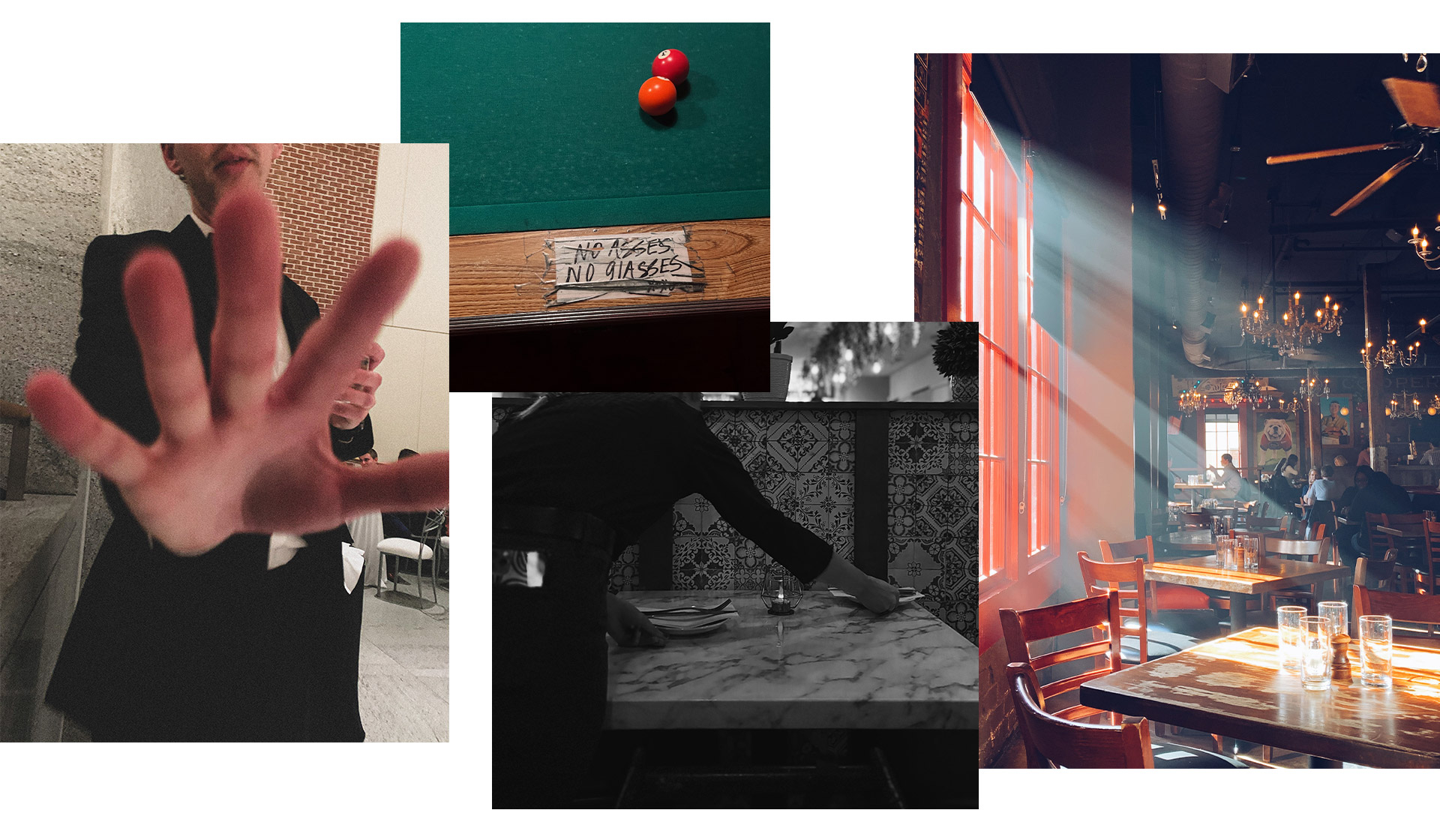
Rumour has it there’s a quite prominent London restaurant with a restaurateur who keeps tabs on diners, barring those who return after treating staff poorly. Of course, this is hearsay trickling out from inside the barracks of the hospitality circle, but it did get me thinking… should restaurants have the right to refuse service to people with poor etiquette?
Restaurants ask us to trust them with our evening, our celebrations, and our money. In return, they offer care, attention and, at their best, generosity. The very least diners can offer back is respect.
Mallory, Junior Food & Drink Editor

The argument for
In my opinion, having ill-tempered manners in restaurants, specifically toward staff, is one of the seven deadly sins. There is nothing more embarrassing than being joined at a table with someone who does not think to make eye contact or crack a smile to their server, let alone say please and thank you. Given that a large part of my job is eating out, and on many of those occasions, a guest of my choosing joins me, my choice often tends to err toward companions who are outwardly warm toward staff.
For that, I say keep tabs on diners, especially those who are afforded special treatment. High spenders, celebrities and critics should not be entitled to improper manners simply because they bought a vintage bottle of wine.
The rules in my own book are simple. Pay your hosts and servers mind — ask how they are before stating you have a table at 7. Look up when you finish ordering. Say thank you when they refill your glass. And most of all, be apologetic when late. Manners do not necessarily coincide with money, but with body language and humanity.
That being said, does not conforming to these sorts of restaurant values condone being barred? Moreover, do managers and owners have the right to ban as and when they see fit?
The argument against
There is, of course, another side. Restaurants may be privately owned, but they are public-facing spaces. If owners begin blacklisting guests for poor manners, where is the line? Is it shouting at a server, refusing to tip, snapping your fingers for attention? Or is it simply being curt, demanding or difficult? Rudeness is often subjective, and handing restaurants the power to police etiquette risks inconsistency.
There is also the argument that hospitality, by definition, should accommodate all kinds of people. Diners arrive stressed, grieving, jet-lagged or simply having a bad day. A single unpleasant interaction should not become a permanent stain on someone’s reputation.
There is also the argument that hospitality, by definition, should accommodate all kinds of people. Diners arrive stressed, grieving, jet-lagged or simply having a bad day. A single unpleasant interaction should not become a permanent stain on someone’s reputation.
But there is a difference between a bad evening and a pattern of behaviour. The occasional lapse deserves grace; sustained disrespect does not. Staff should not be expected to absorb repeated hostility simply because someone can afford the bill.
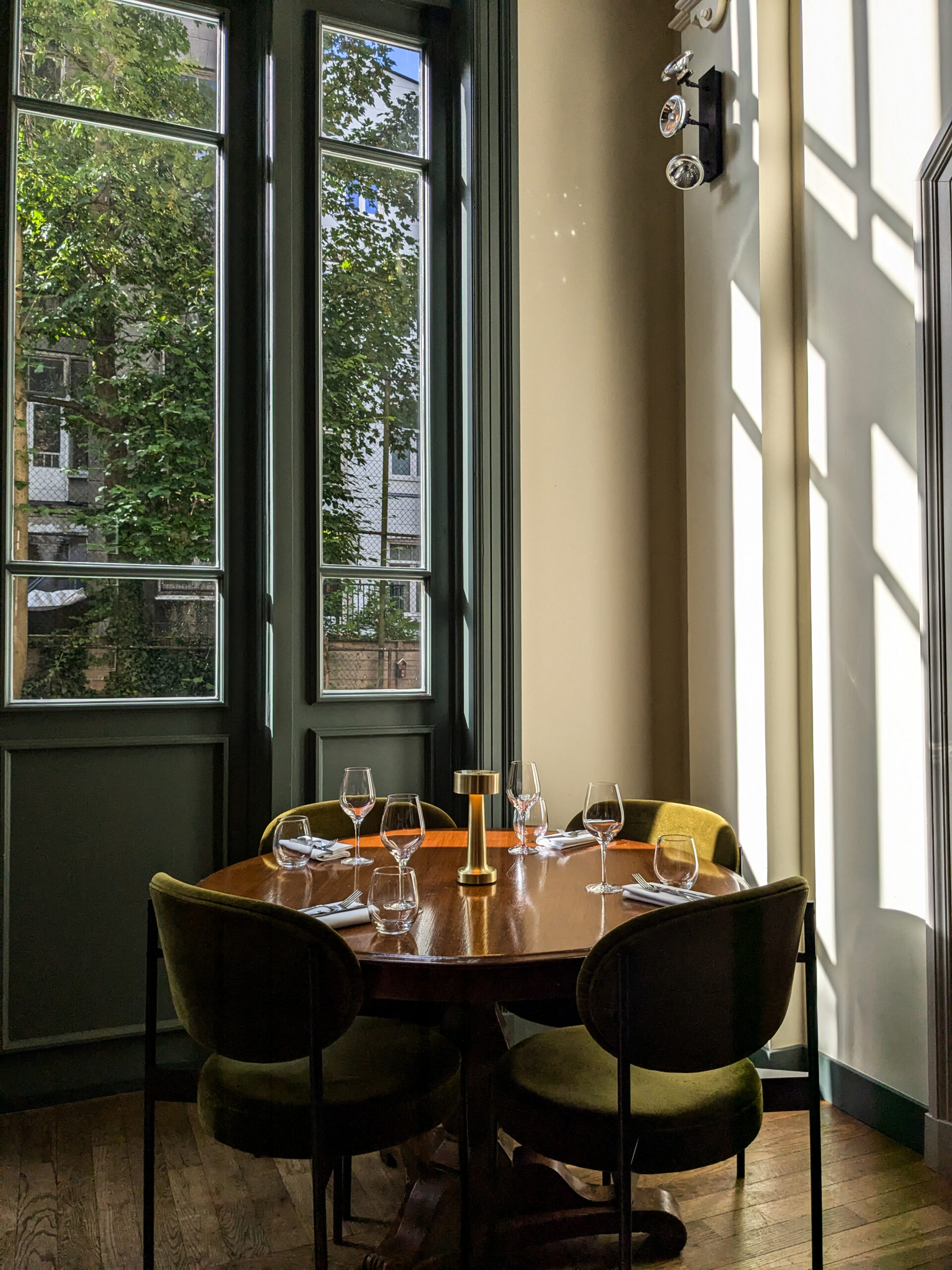
There is a harmony to a dining room, one that treats service as an art form. At their best, servers display an emotional intelligence that cannot be taught. The diner is part of that choreography too, creating a unique exchange with the people who make the evening possible.
The verdict
Perhaps that is why I find the idea of restaurateurs refusing repeat offenders less controversial than some might. Hospitality is not simply servitude; it is an exchange. Restaurants ask us to trust them with our evening, our celebrations, and our money. In return, they offer care, attention and, at their best, generosity. The very least diners can offer back is respect.
Being barred should never be about a bad review, a returned dish or a difference of opinion. But habitual cruelty? The sort that leaves staff dreading a reservation before a guest has even walked through the door? Different.
Good restaurants curate everything for us with painstaking care — the wine list, the lighting, the music, the people they hire. Why shouldn’t they also protect the culture of the room? After all, the best dining experiences aren’t built solely by the kitchen or the front of house. They’re created by everyone who sits at the tables; why allow one of those tables to be reserved by someone who damages the environment?