“I Swapped Coffee For Matcha For A Month & The Results Surprised Me”
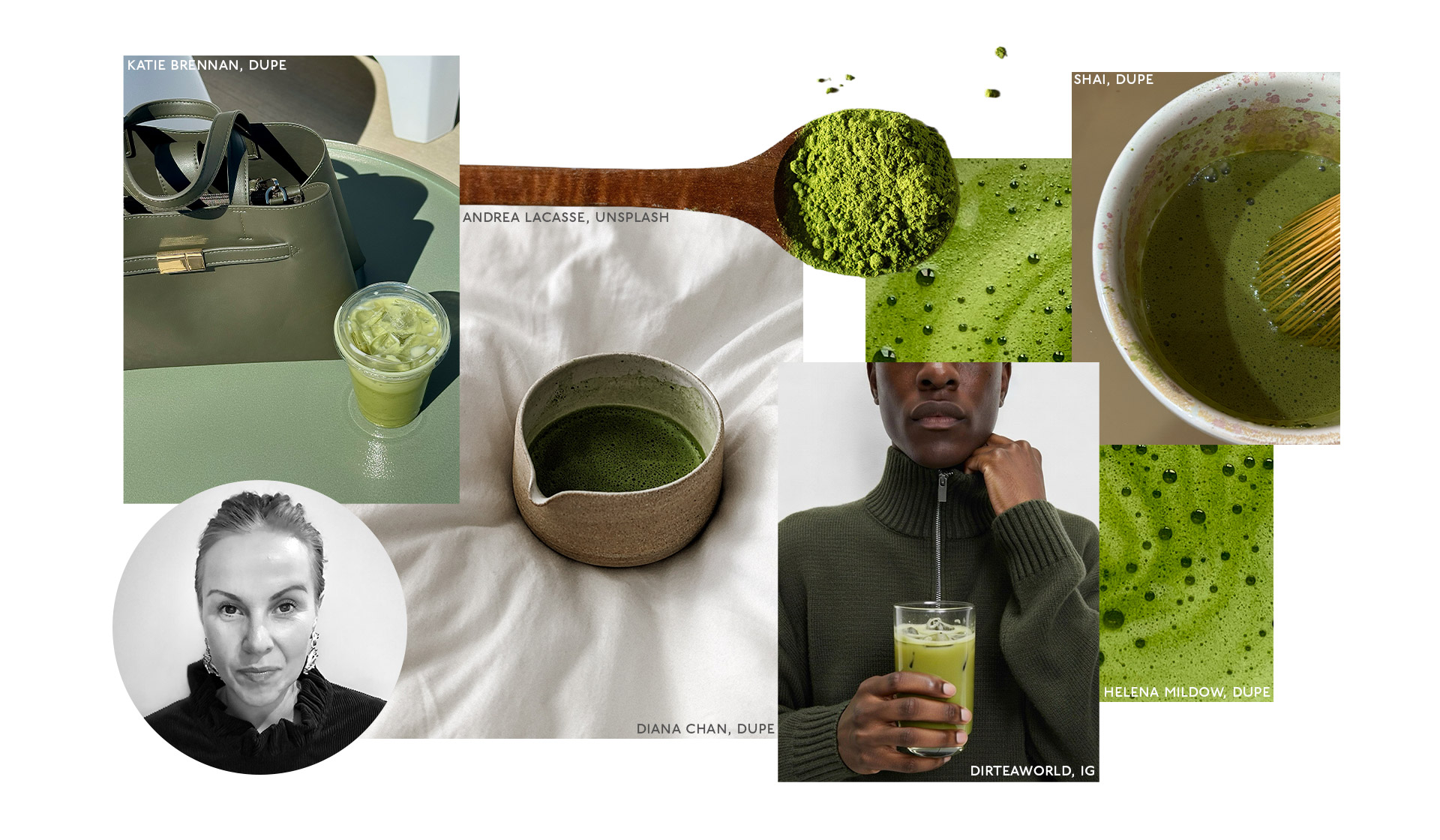
I didn’t quit coffee because I hated it. I quit because I loved it a little too much. For years, coffee was my ritual, my crutch, my personality trait. A strong flat white in the morning, another mid-afternoon “just to push through”, sometimes one more because, why not? But somewhere between the jitters, the 3pm crash and that wired-but-tired feeling at night, I started to wonder whether my beloved caffeine habit was actually working against me. So, I tried something radical (for me): I swapped coffee for matcha. Not forever, just as an experiment. Here’s what actually happened.
Why matcha & why now?
Matcha has been quietly sitting in the wellness corner for years, while coffee dominated office kitchens and café menus. But it’s been having a moment for the last year (thanks TikTok), and for good reason.
Unlike coffee, which delivers caffeine in a sharp hit, matcha contains L-theanine, an amino acid that slows caffeine absorption. What this means is you get energy without the spike-and-crash roller coaster.
Considering the UK drinks an estimated 98 million cups of coffee a day, it’s not surprising many of us are feeling overstimulated, anxious, and exhausted all at once.
With matcha, you get energy, but without the spike-and-crash rollercoaster.
My first week
The first thing I noticed wasn’t, unfortunately, some instant glow or zen-like calm. It was subtler than that. My energy felt… flatter. And I mean that in a good way.
Instead of the jolt of motivation followed by a mid-morning slump, matcha gave me a steady drip of focus. I could sit down to work and actually stay there, without the urge to pace, snack, or scroll. My thoughts felt clearer, less frantic.
I also stopped getting that hollow, slightly nauseous feeling coffee sometimes gives me on an empty stomach. Matcha felt gentler to my body, and as a long-time sufferer of IBS, it seemed a healthier alternative, too.
The unexpected benefit
I didn’t realise how much coffee was fuelling my low-level anxiety until I removed it.
By week two, I noticed I felt calmer, especially in the mornings. My heart wasn’t racing. My jaw wasn’t clenched. Wellness experts often talk about matcha supporting a “calm alertness”, and I finally understood what that meant. I still had energy, but it didn’t tip over into nervousness.
My sleep improved, too. Even though I was still consuming caffeine, I found it easier to wind down at night, no more lying awake feeling oddly wired at 11pm.
I didn’t realise how much coffee was fuelling my low-level anxiety until I removed it.
Tamara, Contributing Beauty Editor

The long-term shift
After a month, matcha stopped feeling like a “swap” and became a preference. My digestion felt better. My focus improved. My baseline stress levels dropped. I still drink coffee occasionally, especially socially, but it’s no longer my default. And that feels like a significant change.
Matcha grades, explained
I quickly realised that understanding matcha is crucial. Matcha labelled by grade, and this genuinely matters:
Ceremonial grade
This is the good stuff. It’s made from young tea leaves, ground slowly to preserve nutrients and flavour. The colour is vibrant green, the taste is smooth and naturally sweet, and it’s designed to be drunk with just hot water (or lightly milky, great for lattes!) If you’re drinking matcha regularly, this is what you want.
Premium or latte grade
Slightly more robust in flavour, still good quality, but designed to be mixed with milk. It can handle sweeteners and oat milk without turning bitter.
Culinary grade
This is for baking, smoothies, and pancakes, not your morning drink. It’s more bitter, duller in colour, and cheaper for a reason.
Let’s talk about the faff
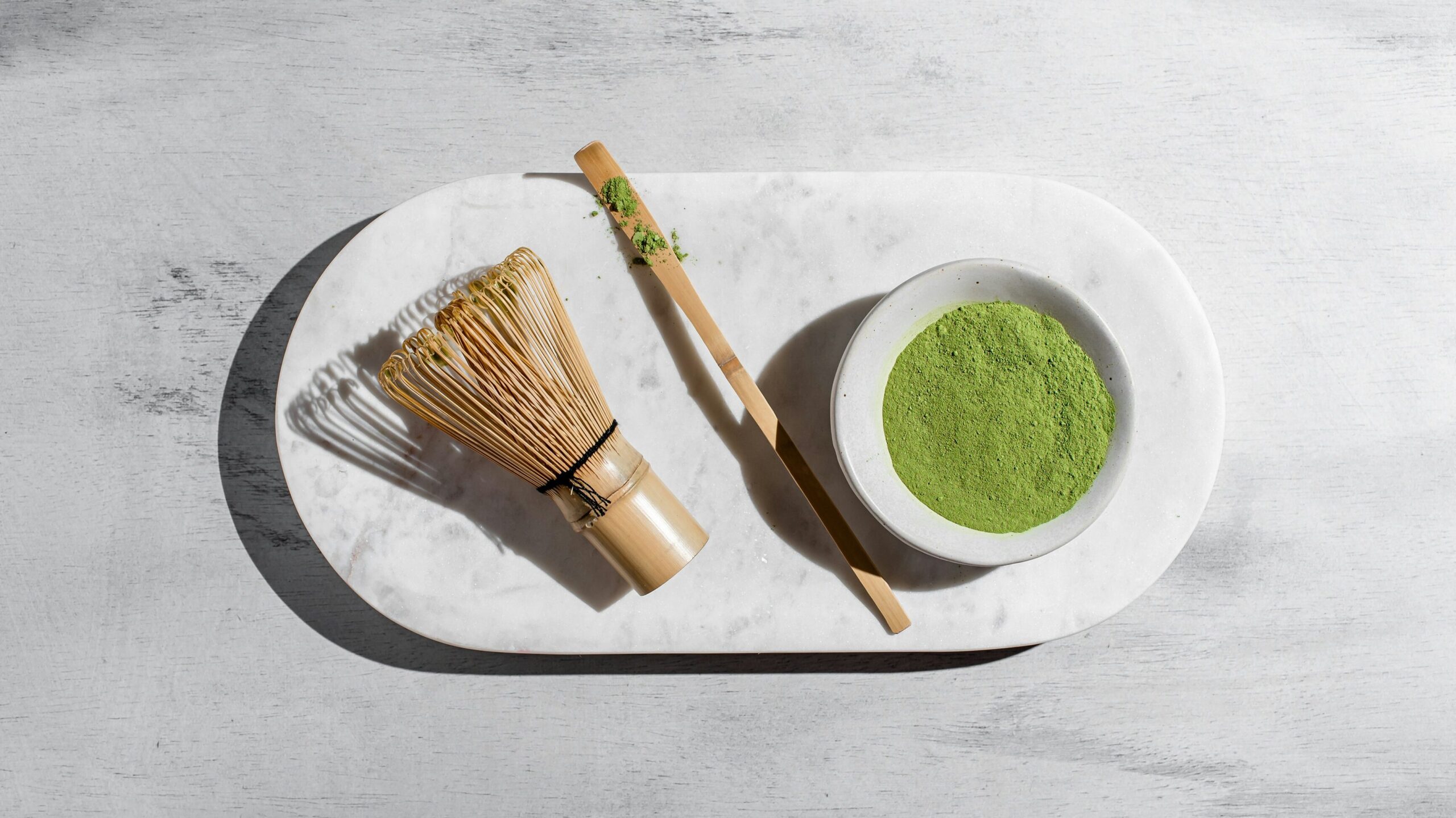
Now, I won’t pretend that matcha is effortless. Coffee is grab-and-go. Matcha demands commitment and time. There’s the sifting (optional but recommended), the whisking, the water temperature (too hot and it turns bitter), and the eternal question of milk vs no milk. I confess that on some mornings, standing there with a bamboo whisk at 6:30am when I have five kids to get off to school, I was tempted to just grab a spoonful of Nescafé granules! That said, the ritual grew on me. Making matcha forced me to slow down, even for two minutes, and that alone felt like a wellness win.
I won’t pretend that matcha is effortless. Coffee is grab-and-go. Matcha demands commitment and time.
Did I miss coffee?
Honestly? Yes. I miss the smell. The social aspect. The ease. And yes, the hit. But I don’t miss the crashes, the jitters, or the way my energy used to fall off a cliff by mid-afternoon. I also noticed fewer cravings for that second or third caffeine hit. One matcha in the morning, sometimes another early afternoon, was enough.
The verdict – is matcha worth the switch?
If you love coffee and feel great on it, there’s no need to quit. But if you’re feeling anxious, wired, exhausted, or stuck in a caffeine loop, matcha is a genuinely supportive alternative. It’s not a miracle cure. It is a gentler way to get energy, one that works with your body rather than against it. Yes, it’s a bit faffy. Yes, it takes getting used to. For me, though, swapping coffee for matcha wasn’t about deprivation; it was about feeling better in my body. And that’s a change I’ll happily keep making.
The best matcha I tried
Not all matcha is created equal. I learned this quickly. Here are my three top picks of London’s best matcha spots:
Best matcha coffee shops
Blank Street
Surprisingly good, smooth, and not overly sweet.
WatchHouse
Earthy, balanced, and very Insta-worthy.
Ginger & White
Creamy matcha lattes that don’t taste grassy.
Best at-home matcha
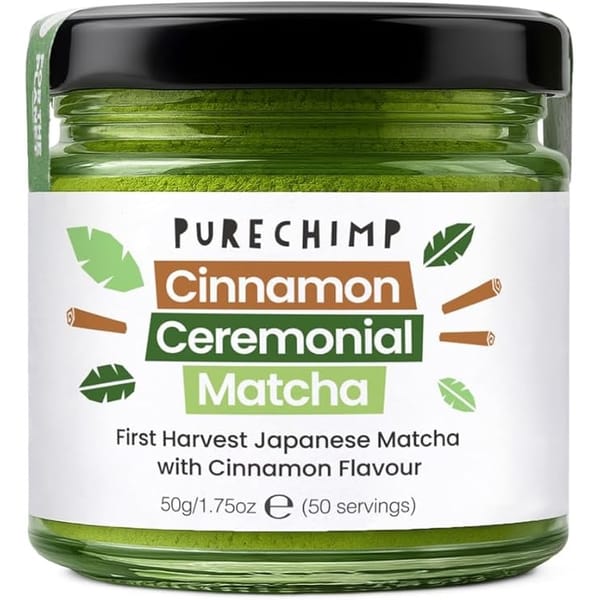
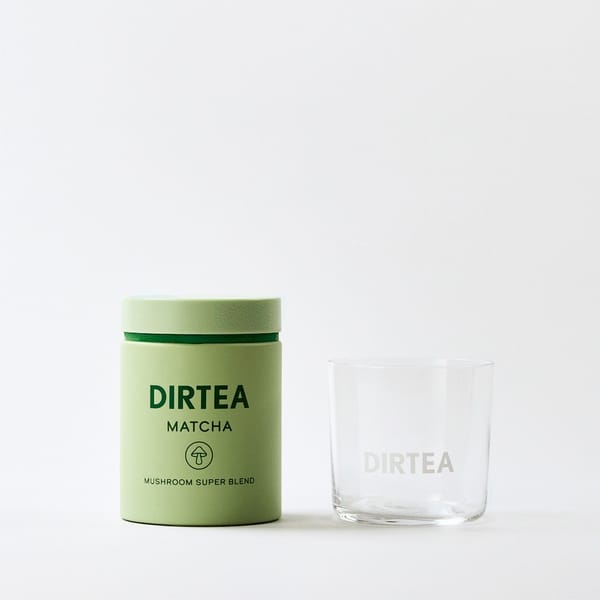
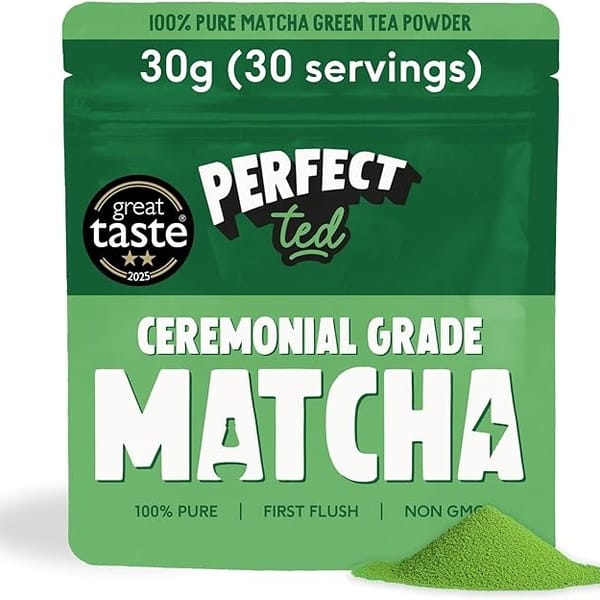
The products on this page have been selected by our editorial team, however, The Handbook may make a small commission on some products purchased through affiliate links.