Hot Milk Review: The Summer Read That’s Sun-Drenched With A Sting
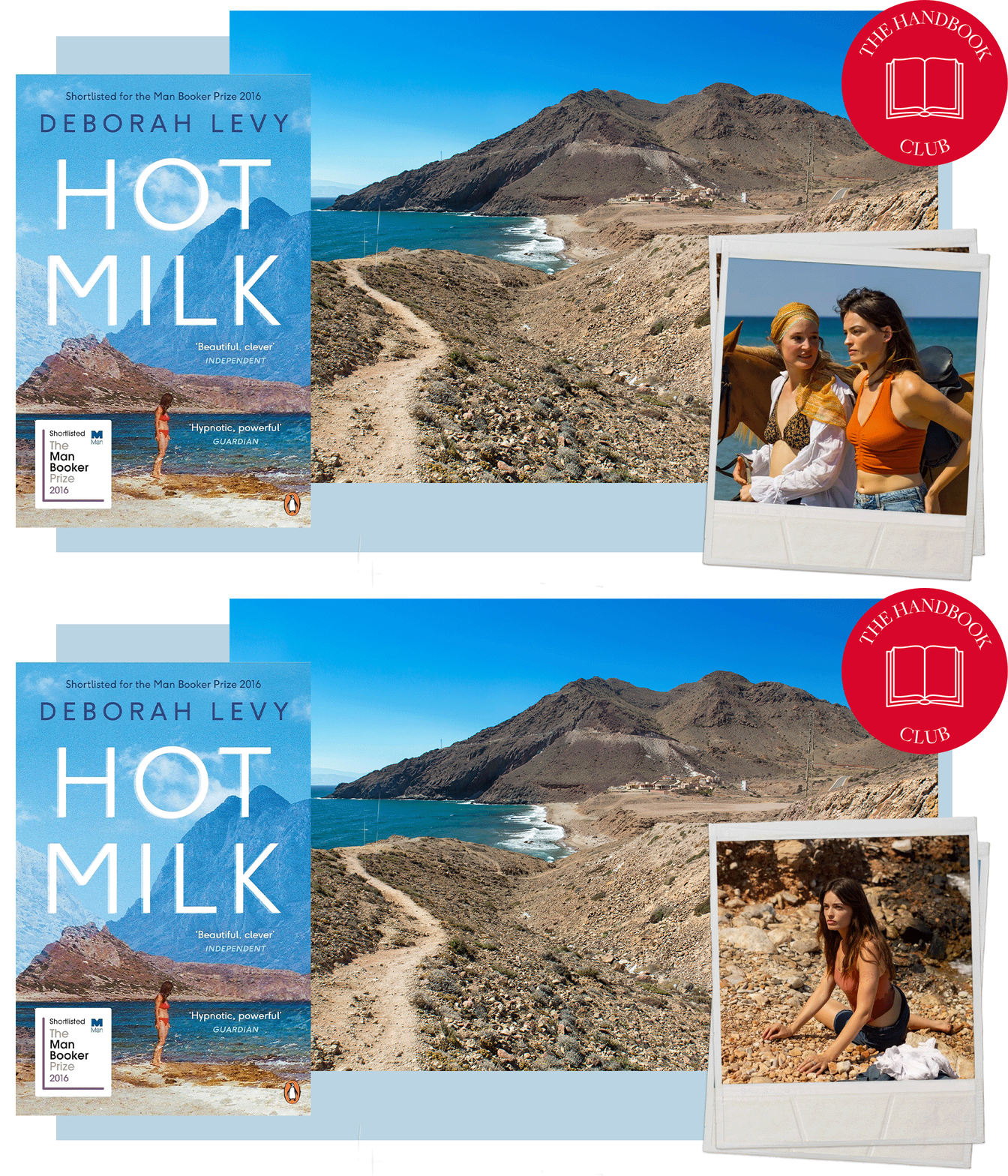
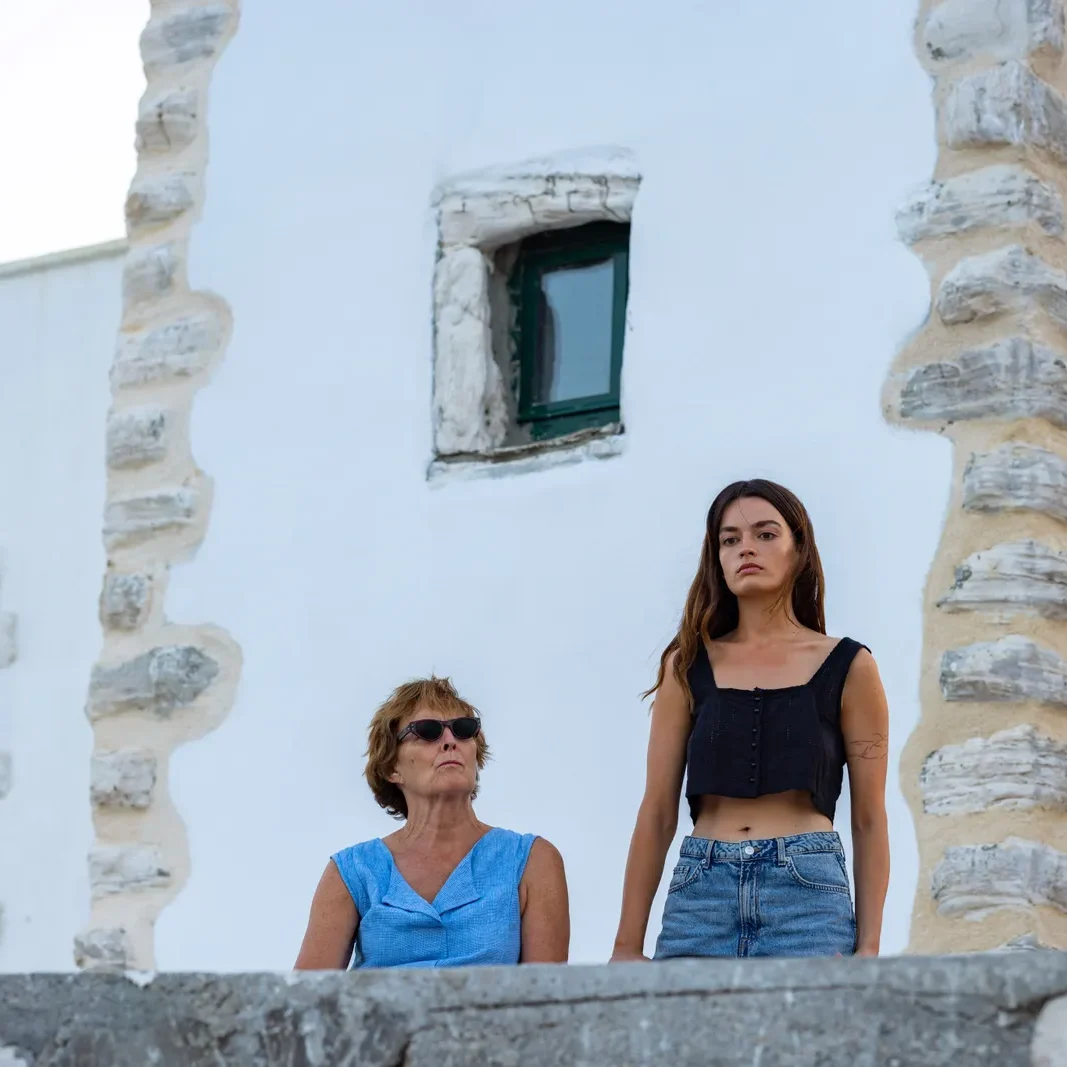
Hot Milk is not new. It was released in 2016 by South African author Deborah Levy, and was shortlisted for the Booker Prize. Since then, it’s become a book club staple, and just this year, it was the subject of a film adaptation starring Emma Mackey and Fiona Shaw. And, as we approach the end of August, it’s the perfect late summer read. What is the difference between a late summer read and just a summer read? In June and July, you want escapism: books that capture the magic of summer, hopefully to inspire coming adventures.
By August, the dark side has reared its head. Nights where it’s too hot to sleep, a sort of listful ennui where reality and expectation jar can start to seep in. So what’s better than leaning into that with a book with all the trappings of an idyllic summer break, but with a mysterious illness, quack doctors, jealousy, an incessantly barking dog, and a sea full of jellyfish?
What is Hot Milk about?
Sofia and Rose are on a mother-daughter trip to Almeria in the depths of summer. But this is not a holiday. Sofia has brought her mother to visit an unconventional doctor in the hope that he can cure her mysterious ailments.
At 25, she has put a doctorate in anthropology on hold to take the position of carer, saying, “I don’t so much have an occupation as a preoccupation, which is my mother”. The extent and manner of her mother’s illness is nebulous, if not entirely psychological: unable to walk unassisted in the afternoon, but fine to stroll to the shop in the morning. Upon meeting the doctor, of whom they appear to be the only patient, Sofia regards, “Gómez as my research assistant. I have been on the case all my life, and he is just starting”. She knows how this will play out. “As soon as he makes a diagnosis, she will grow another on to confound him”.
Sofia and Rose are on a mother-daughter trip to, but this is not a holiday
Then there’s her father, whom she has not seen since she was 14, and who has recently started a new family with a woman four years older than her, and 40 years younger than him. After inheriting a fortune from his own father’s shipping company, he retreated to his homeland of Greece, taking up a life of wealth while the country was plunged into a recession. He does not support his old family, and they have remortgaged their house to fund the trip to Spain.
Should you read it?
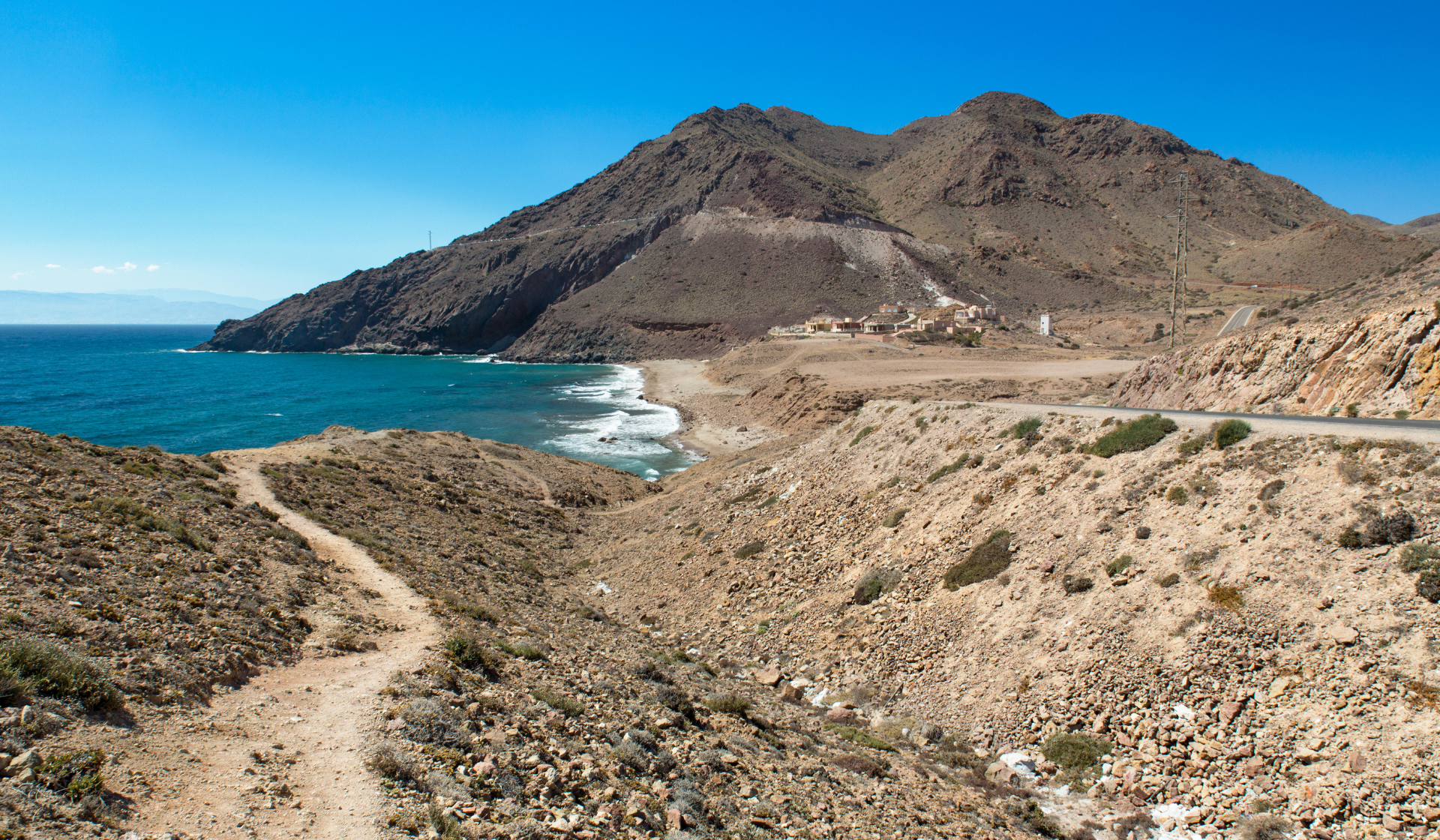
Almeria
At just over 200 pages, Hot Milk is not a long novel, and we’re in the hands of a wayward narrator. Levy paints a character full of contradictions skillfully. She declares that she is “not very good at studying myself. . . . I haven’t a clue about my own logic” and yet is incredibly introspective. She can recognise she’s at a crossroads, but has no clue how to proceed. Continue to enable her mother’s condition, or escape to America to continue her studies. She leads a frustrated life, and turns to subtle outbursts and minor moments of rebellion. She throws a vase on the floor, steals a dorado from the fish market, and ignores warnings and continues to swim in the infested sea, continuing to get stung by the ‘medusas’, the jellyfish that haunt the crystal blue waters. When she abandons her mother and flies to see her father in Athens, he gives her ‘spending money’ that amounts to a €10 note, which she immediately gives to a beggar.
She leads a frustrated life, and turns to subtle outbursts and minor moments of rebellion.
Sofia is a diligent observer of others, and yet misses basic social cues – Levy drawing a parallel between understanding others instinctively, as humans, and academically. She strikes up an uneasy romance with a German seamstress, Ingrid, who tells her, “Everyone is a field study to you. It makes me feel weird. Like you are watching me all the time. What is the difference between studying anthropology and practising it?” Even of her mother she says “I can’t deny that her symptoms are of cultural interest to me, even though they drag me down with her”. The way forward might seem obvious, but Levy shows just how difficult it can be to make the logically obvious choice.
Verdict
Hot Milk is firmly not summer escapism; it’s about stasis. The psychology and history that lead to the inability to escape. Picking it up, you feel a little like Sofia: diving headfirst into a sun-drenched, blistered setting and repeatedly getting stung.
The film hasn’t been received well, and while I haven’t seen it, it’s not really that much of a surprise. It’s not unfilmable, but you could see why translating it to the screen could easily yield frustration, as so much of the characters’ motivations and actions are only rendered understandable through Levy’s narration. Freudian at times, dreamlike at others, it’s not quite a sun-drenched nightmare, but a deep meditation on feeling stuck.
Freudian at times, dreamlike at others, it’s not quite a sun-drenched nightmare, but a deep meditation on feeling stuck.
Looking for something similar? Read these next
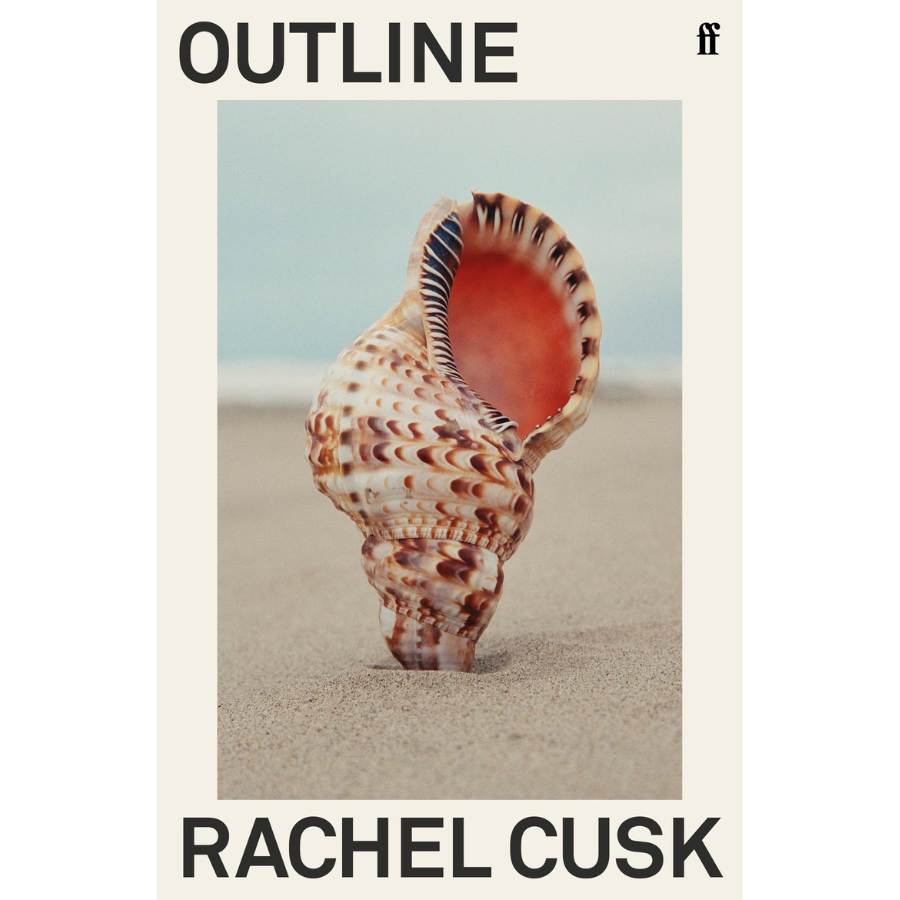
The first book in the acclaimed Outline trilogy, it follows an unnamed narrator visiting Greece and engaged in 10 separate encounters. The result is a masterpiece in perspective, introspection and a portrait of someone drawn in contrast to the conversations she has with others.
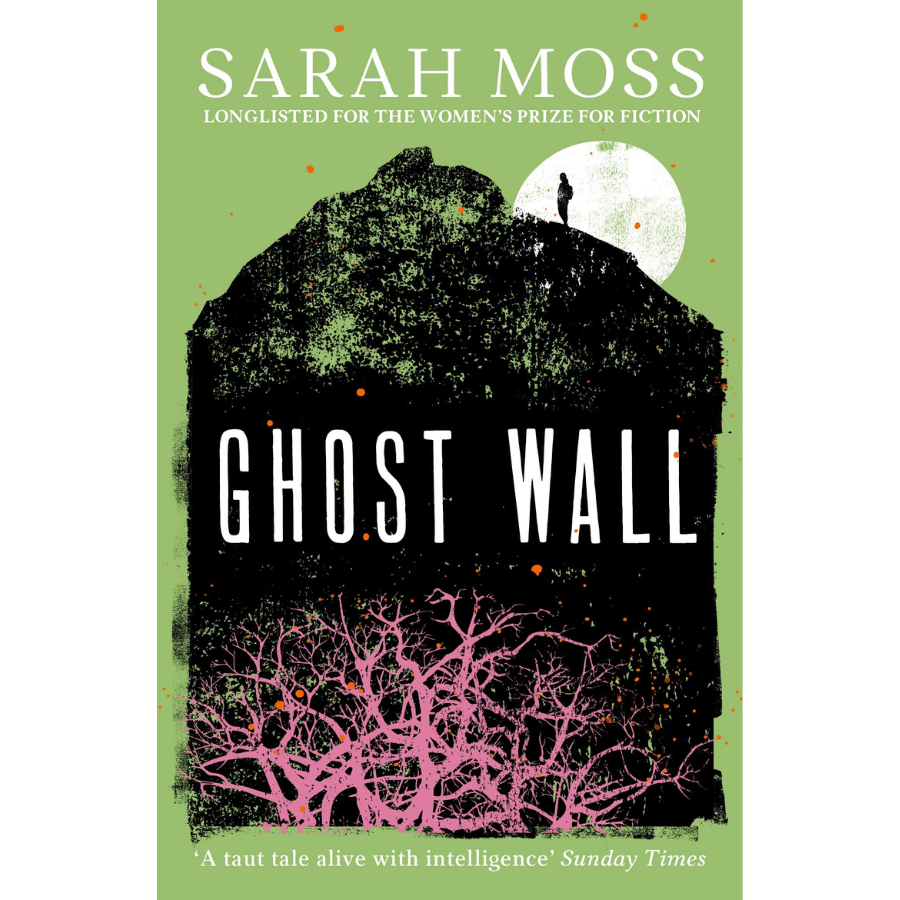
Another book focused on anthropology and dysfunctional parents, Ghost Wall is a perfect comparison piece. It follows a sheltered teenager and her father who join a university anthropology course in the North of England, and as she witnesses newfound freedom with college students, she begins to realise just how troubling her relationship with her father really is.
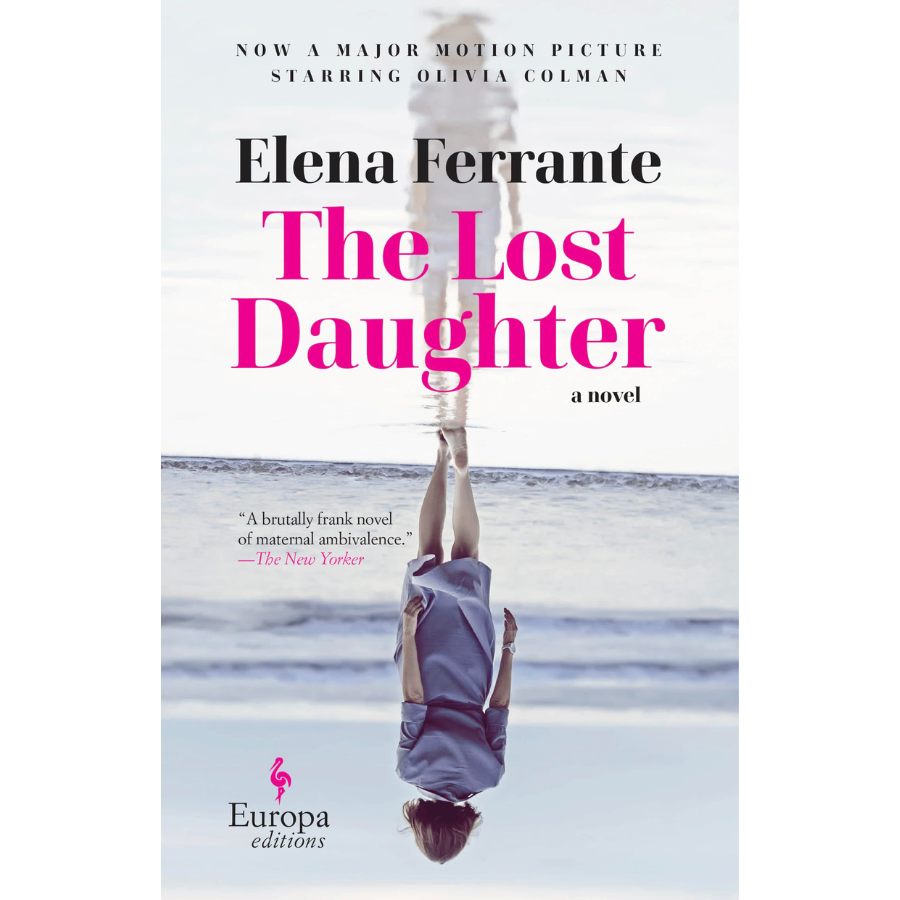
A similarly sun-drenched psychological thriller with a dark sting. A university professor on vacation becomes increasingly troubled by her interaction with a young mother, and we gradually unpack her own past and relationship to her children.
Our September pick
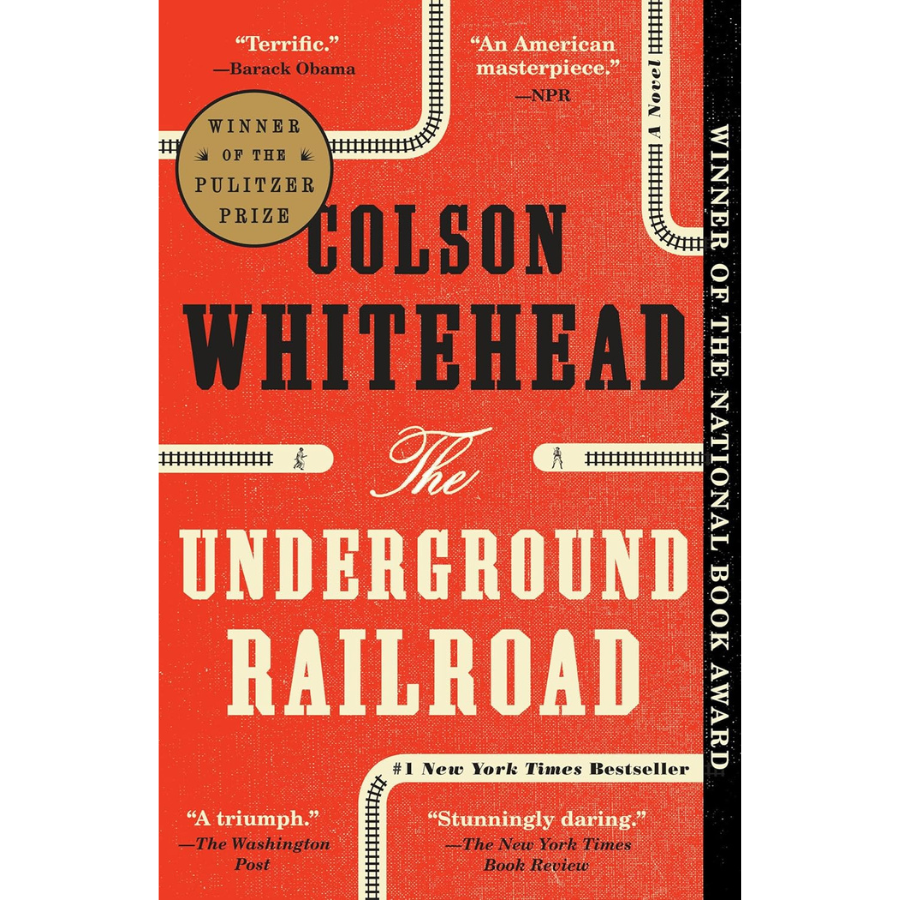
From a true modern master comes an enthralling novel about the boxcar system that transported fugitive slaves across nineteenth-century America. Whitehead’s multi-award-winning masterpiece is a story of resilience and the desperate urge for freedom, and a Pulitzer-Prize winning novel.