Why Are We All Obsessed With On-Screen Love Triangles?
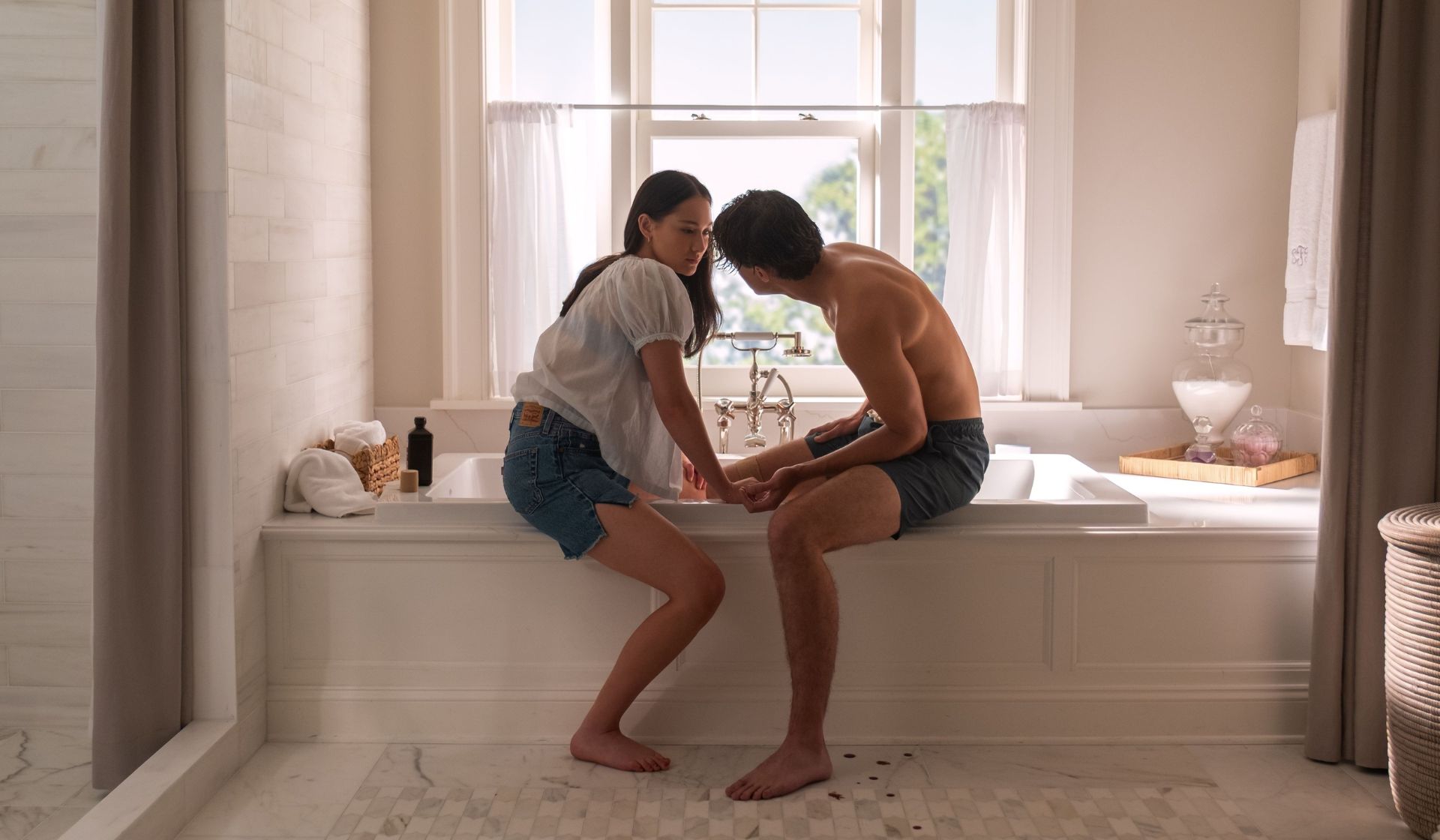
I write this as a 30-something deeply invested in the most moving coming-of-age story since High School Musical. Obviously, I am talking about The Summer I Turned Pretty, where one confused teenager is torn between two other confused teenagers, who happen to be brothers. (Is this okay? Is this legal? Should they just move on? We just don’t know anymore…) In Season 3, they are all “grown up” (Belly has turned 21), she is engaged to Jeremiah, and yet…her first love, Conrad, creeps up on her, giving viewers around the world a reason to share heated opinions on the internet, and bless us with the next best peach scene after Timothee Chalamet in Call Me By Your Name.
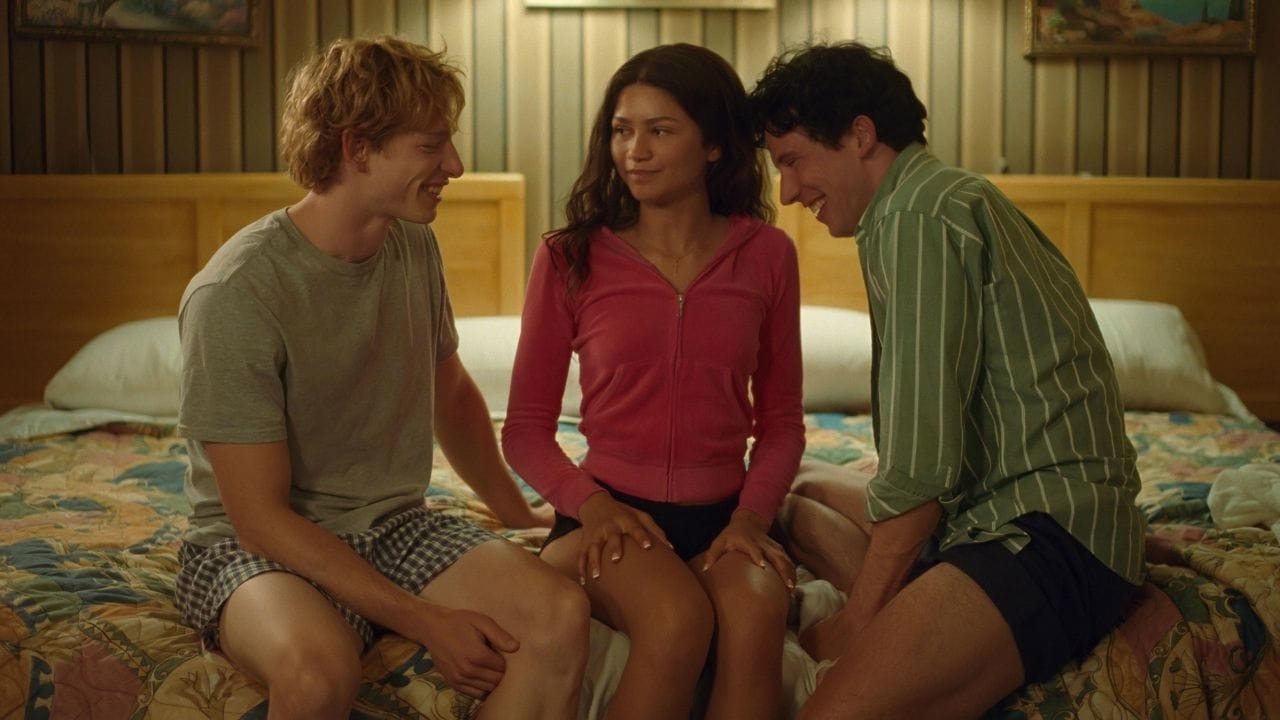
But, (and I am old enough to confirm), that before there was Team Jeremiah and Team Conrad, there was Team Edward and Team Jacob. There was once even a short-lived “McDreamy and the Vet”, and Bollywood fans, I am not leaving you out, there was Rahul, Anjali and Tina in Kuch Kuch Hota Hai. (A classic if there ever was one). Zendaya’s tennis film, Challengers, of course, was another epic sports movie of more recent times, which placed her between two childhood best friends. Most recently, in the Materialists, Dakota Johnson stars as a matchmaker torn between rich, charming Harry and struggling cater-waiter, but possible true-love, John.
Love triangles are everywhere, and have always been everywhere – so what has us so obsessed with them? We spoke to two relationship experts about what makes a love triangle so compelling to watch play out on screen and what it says about society today (all good things…obviously). Here’s what Annalie Howling (author of Unapologetic: Unshackle Your Shame, Reclaim Your Power) and Tam Kaur, a self-development speaker and content creator who is behind the Spotify podcast Self Obsessed and author of Buy Yourself The D*mn Flowers, have to say:
What makes the love triangle such a popular trope in pop culture?
Annalie Howling: “The trope is far older than Hollywood. In Greek mythology, Paris choosing between Hera, Athena and Aphrodite started a war. We hear them first as bedtime stories in Cinderella, The Little Mermaid and then again in teen films like Mean Girls. The idea of choosing and being chosen is one of the earliest lessons we’re told about love. Which is why these stories stay lodged so deep.
The idea of choosing and being chosen is one of the earliest lessons we’re told about love. Which is why these stories stay lodged so deep.
They turn our private anxieties into public theatre. We can’t look away because they replay the questions that haunt us – will I be chosen, am I enough, and what happens if I choose wrong?”
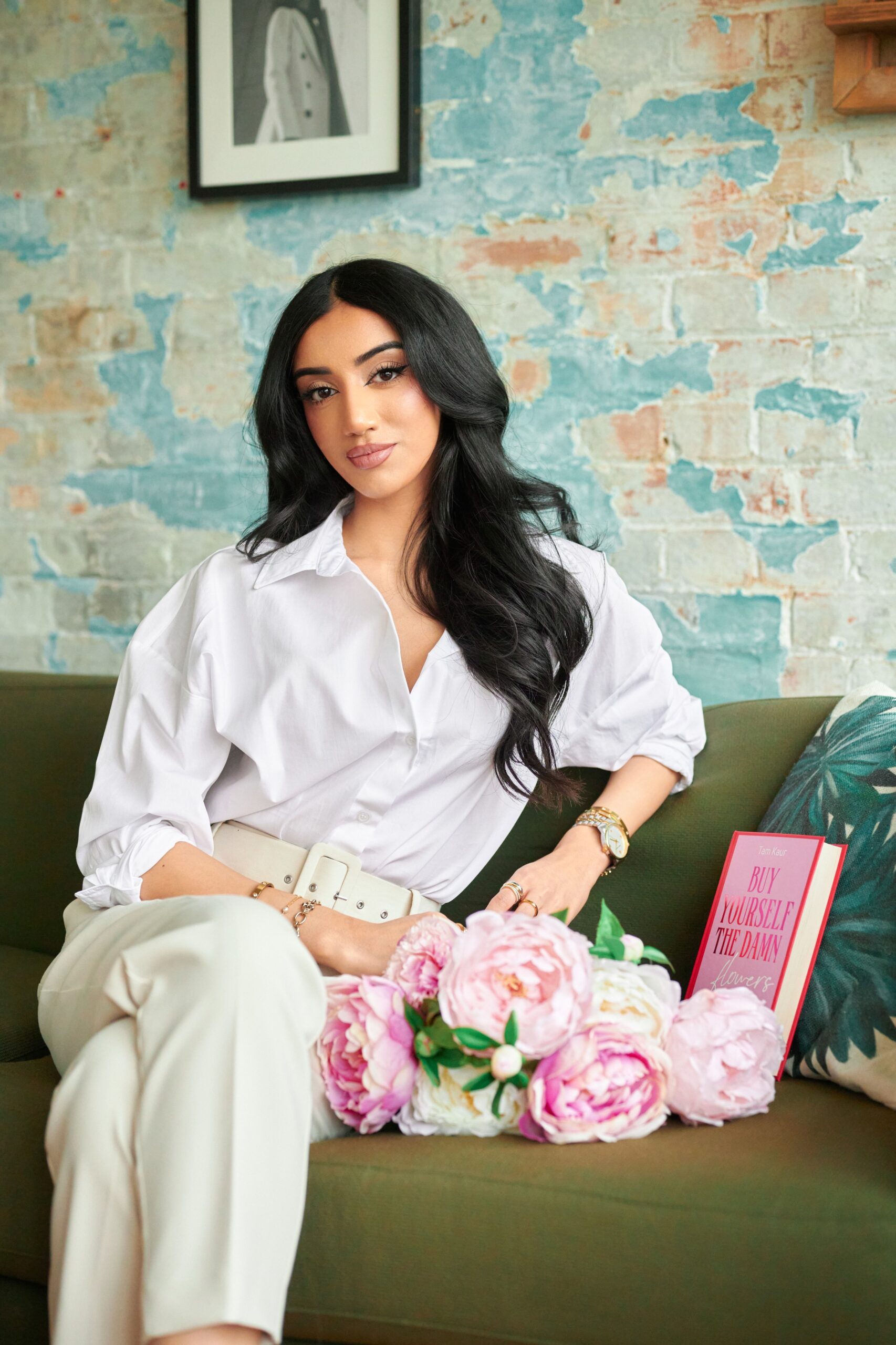
Tam Kaur: “Love triangles play into people’s innate need for validation. Most of us want to be loved, and it’s easy to start measuring our value by whether someone wants or loves us. In line with that thinking, when two people want you in this typical ‘love triangle’ scenario, that can be hugely desirable. This style of storyline feeds something in us that’s potentially still healing from not feeling seen or chosen before. In reality, it’s a fragile type of love because it depends on chaos to thrive. I believe part of that appeal for a lot of people comes from knowing your own love life doesn’t necessarily look like that and isn’t rooted in that chaos. There’s a kind of safety in the drama when you’re not the one living it. It’s entertaining because it’s distant.”
What human emotions do you think love triangles tap into for audiences?
Tam Kaur: “Gen Z is much more aware of the importance of self-worth and internal validation. These weren’t terms that were openly discussed in previous generations, but now we’re being taught that choosing yourself is the first step to any healthy relationship. That said, love triangle storylines still tap into that unresolved need to be chosen. If you’re someone who hasn’t fully grounded their self-esteem, those narratives can feel personal. You might start to see yourself in the character who’s waiting to be picked, and that longing for external validation can creep in, which is sometimes why we get so invested in the storyline. Again, this is all fine from an entertainment standpoint, but if you’re finding yourself deeply relating to the emotional mess of it all, that’s not healthy.”
You might start to see yourself in the character who’s waiting to be picked, and that longing for external validation can creep in.
Do you think onscreen love triangles reflect real-life relationship patterns?
Tam Kaur: “They absolutely can, especially when people don’t have a strong sense of what healthy love looks like yet. If you grew up watching love being shown through jealousy or mixed signals, then that becomes your baseline. Suddenly being torn between people, or dating someone who’s still not over their ex, feels normal or even desirable. These tropes can make it seem like love should feel like you’re constantly guessing, and that’s not healthy for anyone, especially young women. Because of this, it’s so important we discern the facts from the fiction and educate around the topic of healthy love. There’s definitely still a place for media rooted in the love triangle dynamic for entertainment purposes, but I’d argue that we need more stories that show what it looks like to choose peace in relationships.”

Annalie Howling: “They exaggerate the choices people really face, wondering if the grass is greener, the guilt of temptation, the drama of affairs. They can act as confirmation bias, making us feel less guilty about our own betrayals. When films show women endlessly torn between others, they quietly reinforce the idea that our value lies in who we pick or who picks us. In truth, the most radical choice is choosing ourselves.
What is it about this element of “choosing” between two romantic partners that’s so consuming to watch as a viewer?
Annalie Howling: Because we’re all terrified of making the wrong choice. Watching Bridget Jones or Kat in 10 Things I Hate About You gives us a safe rehearsal space. We project ourselves in, measure the characters’ choices against our values, and breathe relief that it’s not our heart on the line. It’s safer to watch Bridget stumble through a disastrous romance than to admit we’ve chosen badly ourselves. Watching these scenarios play out in movies acts as an emotional dress rehearsal, without having to make the choice ourselves.
It’s safer to watch Bridget stumble through a disastrous romance than to admit we’ve chosen badly ourselves.
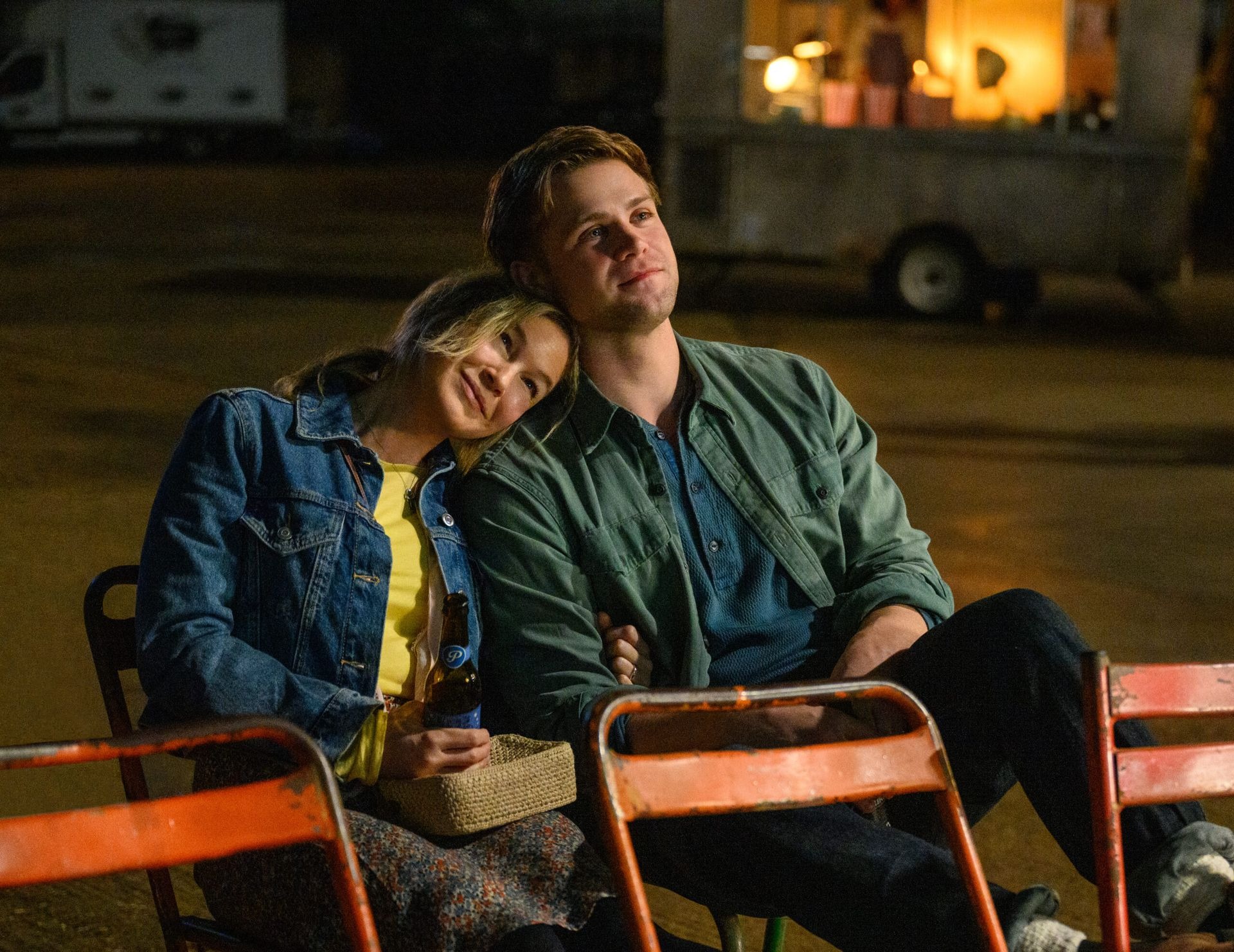
Do you have a favourite show or film that focuses on these love triangles?
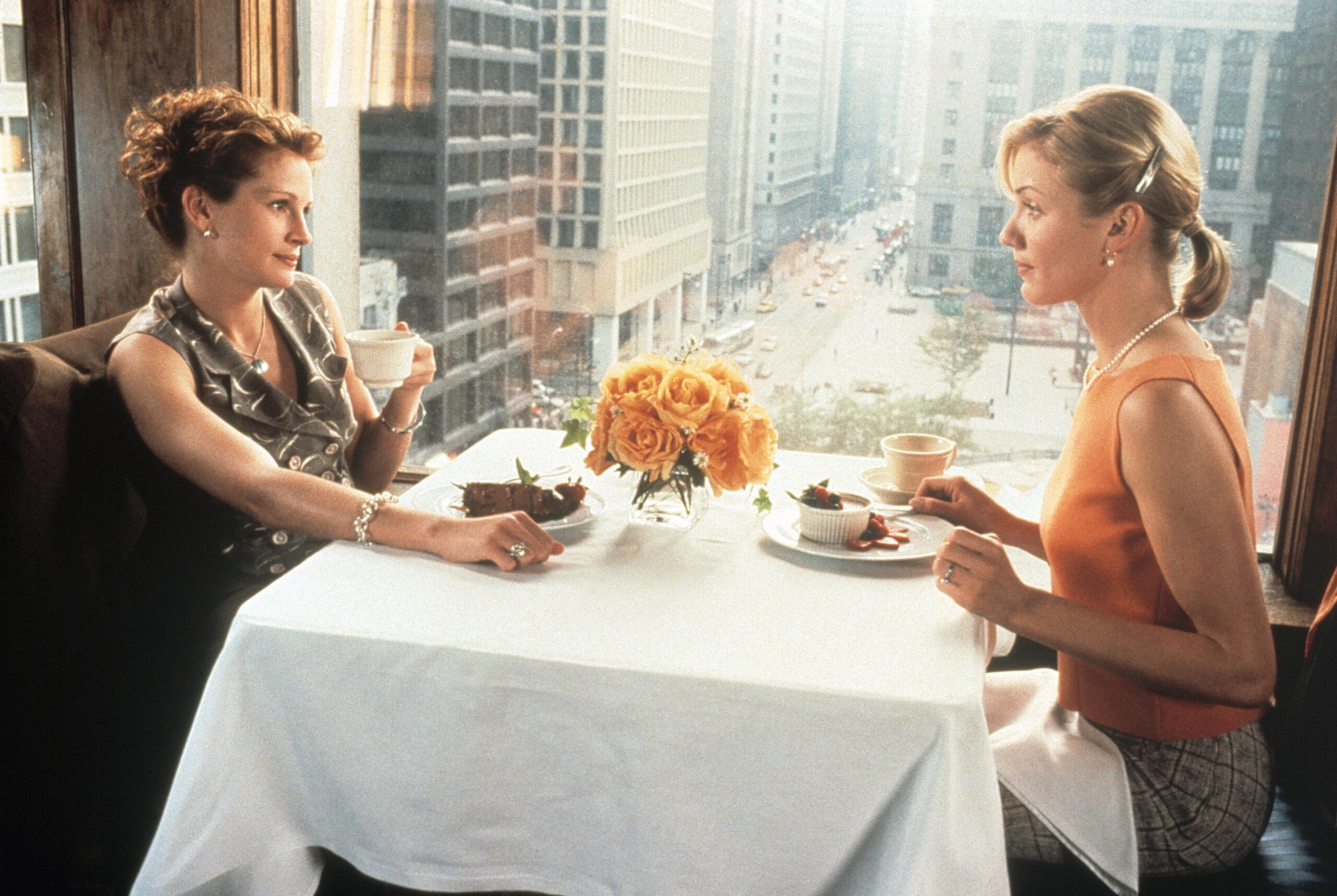
Tam Kaur: “My favourite is My Best Friend’s Wedding. Instead of winning love through sabotage, Jules’s arc is about discovering that self-love means not settling for being someone’s second choice, and not needing romantic validation to feel complete. The “happy ending” isn’t Jules getting the guy; it’s Jules reclaiming her self-worth. By letting Michael marry Kimmy and choosing not to define herself by rejection, she shows growth. The triangle dissolves when she chooses herself over the fantasy.”
Annalie Howling: “For me, Cruel Intentions was the defining love triangle movie of my youth. That late ’90s edge, the mix of manipulation, rivalry and forbidden desire, it was intoxicating and unsettling. Reese Witherspoon, Sarah Michelle Gellar, Ryan Phillippe, and Selma Blair embodied the era. For many of us, it was the first time we saw how dangerous, addictive and destructive power and jealousy could be. [Spoiler alert], but the end scene when the tables are turned and the power has been rebalanced, is one of the best on-screen revenge sequences.”