24 Expert Running Tips For Beginners

Have the athletics events from the Paris Olympics inspired you to start pounding the pavements? Maybe you’ve lost your mojo and are keen to get your running trainers out again. Well, we’ve enlisted the help of three health and fitness experts to bring your 24 ultimate running tips for beginners, from safety to stretches, what running shoes to buy to the foods to fuel your sprint.
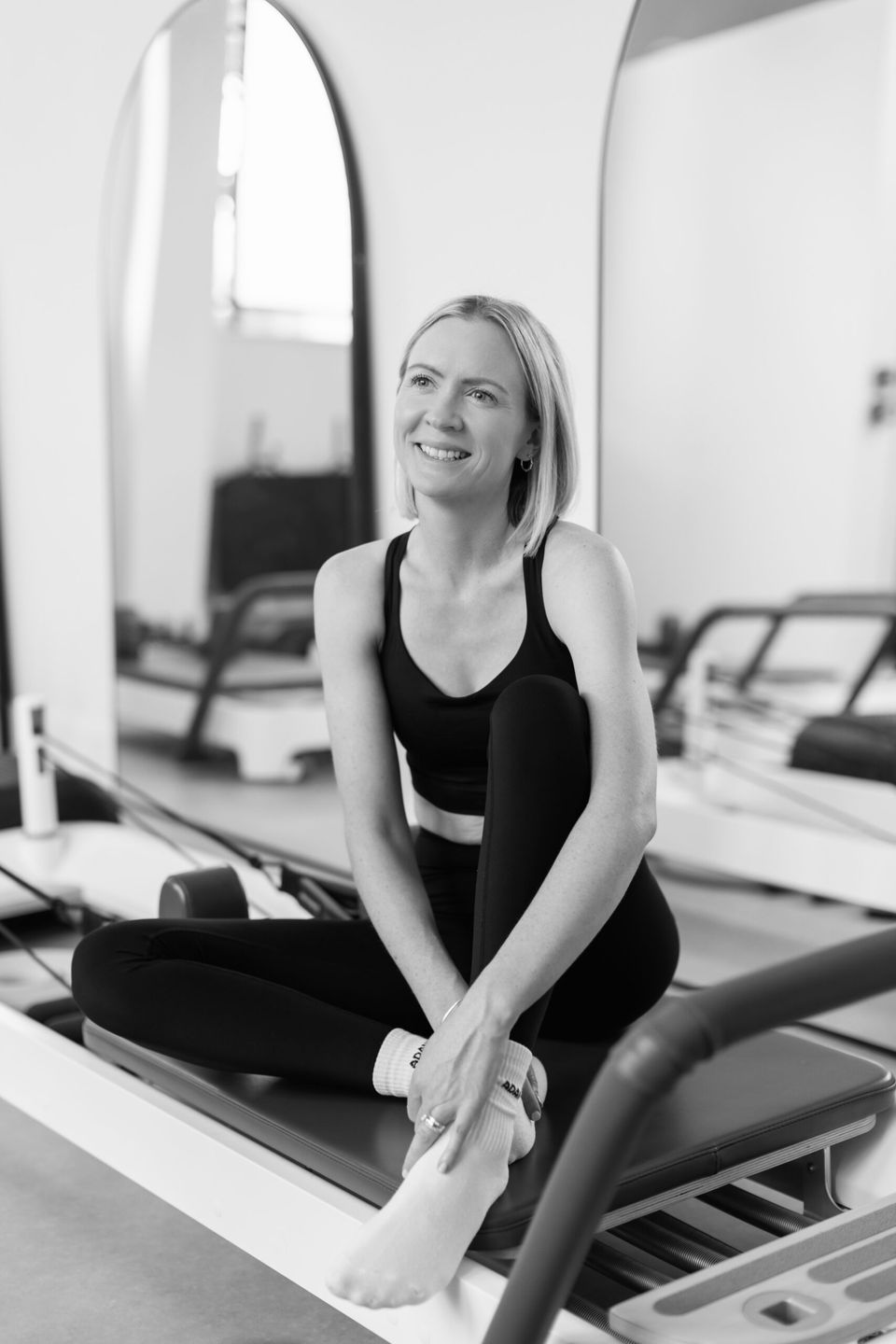
Claire Mills, Physiotherapist, Pilates Expert and Founder of Core LDN.
1. Set yourself a goal
Whether it’s a 5km run or an actual marathon having something to aim for will help motivate you to stay on track with training and will feel much more rewarding once you achieve it.
2. Ease into it
Start with a graded return to run from zero to 5km. This is a great way to ease your body into the impact and loading of running safely, minimising injury and conditioning your body into running. Following a training program like this, having mini goals and not increasing your distance too quickly should prevent niggles and undoubtedly help with your mindset.
3. Pair your runs with other workouts
Pilates will only facilitate your running with additional core, mobility and strength work. Either mat or reformer will work but reformer, in particular, is great if you’re looking to run over 10km as it will add in a further strengthening element essential for running longer distances.
Yin yoga is great for the mind and body, to balance the higher entry of running plus stretch the muscles and fascia to help recovery and flexibility.
4. Mix up your locations
Running in multiple locations is a great way to explore different areas. Map them out before you go so you know the time/distance.
CHECK OUT OUR LIST OF LONDON’S BEST RUNNING ROUTES
5. Add in speed work
Don’t just run at the same pace, consider adding in some speed work – where you run a bit quicker – as this will also help with your strength. Plus, interval training is also a great way to boost your cardio and fitness levels.
6. Find a running buddy
Run with a friend – it’s great for motivation and making the time pass quicker. You could also make it a social thing, for example, running somewhere you can have brunch at the end.
Listen to your body, don’t push through pain or run when you have pain.
7. Prepare your body pre-run
Do some simple movements and stretches to prepare your body before you go out for a run. You can also do some activation work to fire up muscles to facilitate your run. This could be a short 5-10 minute mobility, stretch and core and activation sequence.
Mobility/Stretches: cat stretches for spinal mobility; thread the needle for thoracic mobility; and split kneeling hip flexor/hamstring stretches.
Core: Superman’s; double tabletop toe taps; one-leg stretch, crisscross; box plank hovers.
Activation of glutes/posterior chain: side-lying lift and lower/side kick; four-point kneeling-donkey kick/ lift and lower.
8. Walk it out
Don’t just suddenly stop when you’ve finished your run, particularly after a long run. Walk the legs out for a few minutes.
9. Stay hydrated and fuelled
Make sure you hydrate and fuel well after a run. I use Indi recover protein powder post-workouts to help support muscle recovery.
10. Stretch it out
If you have been for a run, later that day do some stretches or foam rolling to release any tired muscles. I would suggest a three times weekly foam rolling session for hamstrings, thighs and glutes.
11. Don’t overtrain
This is a common thing that I see as a physiotherapist so gradually increase your running following a training program. Also, listen to your body, don’t push through pain or run when you have pain. If stretching and foam rolling don’t ease the pain or niggle then seek advice from a health professional like a physiotherapist.
FIND OUT MORE ABOUT CLAIRE OR BOOK A SESSION BY VISITING www.coreldn.com
Sally Rees, Senior Trainer
12. Don’t skip your strength sessions
Strengthening the muscles you use while running will make you a stronger runner and prevent injuries. Deadlifts, squats and step-ups are all great strength movements to help get you started.
13. Invest in good running shoes
As with everything, there is not a one-shoe-fits-all rule. If you’re serious about your running journey, I’d advise getting a gate analysis, you will then find the perfect shoe for you.
This is expensive, but in the long run, it will be extremely beneficial. I’ve personally always worn Nike Pegasus but there are some great new running trainers and brands out there for all different kinds of runners.

14. Incorporate HIIT
Get yourself into some HIIT classes that incorporate some plyometric movements. Getting your heart rate up for a long period will be cardiovascularly beneficial when running long distances.
If I’m not really feeling up to running, I set myself an easy goal such as one lap around the pontoon. Nine times out of 10 once that lap is done I’ve already convinced myself to do another.
15. Fuel your runs effectively
Before you go for a run make sure you are fuelling your body correctly. My go-to is a bagel and peanut butter as it’s something I know I can always stomach. I’ll have it at least an hour before the run. Afterwards, I always go with something high in protein, such as an omelette.
16. Run with a friend
Running is so much more fun with a friend and it will help keep you motivated and hold you accountable. It’s also a great option if you feel unsafe when running, especially at night.
17. Remember, you rarely regret a run
I’ve never regretted a run. If I’m not feeling up to it that day I set myself an easier goal such as one lap around the pontoon. Nine times out of 10 once that lap is done I’ve already convinced myself to do another.
18. Listen to your body
Remember that not every day is going to be your best day. Many things can affect how you feel from your menstrual cycle to fatigue to extra hours at work. When you’re feeling great set the big goals, and when you don’t just get that one lap in! Be proud you put your running shoes on and left the house – it is all about consistency.
FOLLOW SALLY ON INSTAGRAM @sallyjrees
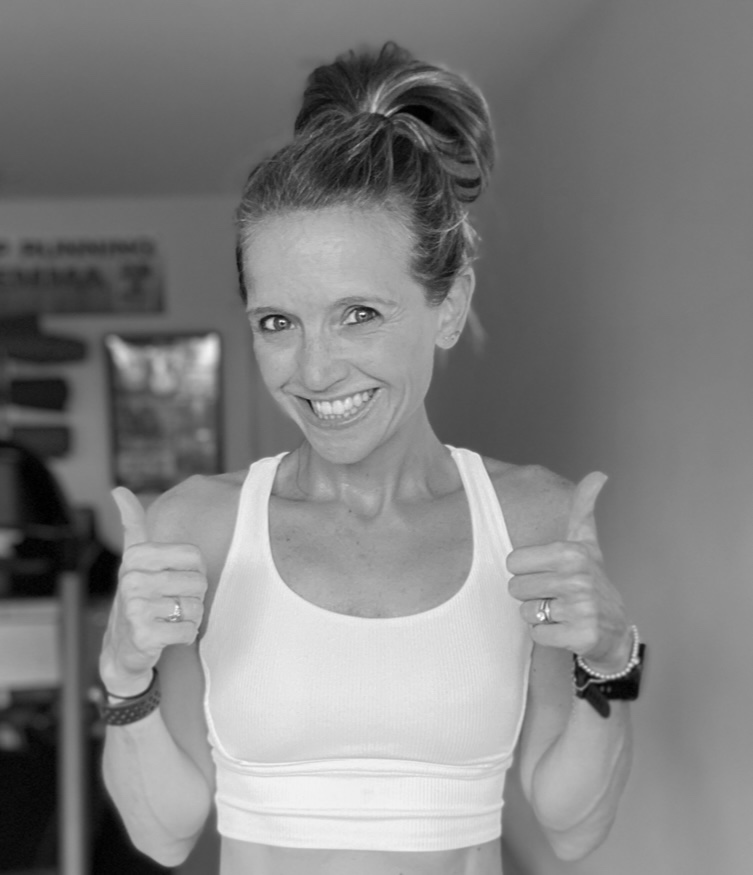
Emma Bord, Personal Trainer
19. Set realistic goals
Start slowly, set realistic goals and don’t make it so serious. Begin by setting an achievable plan, in terms of the length of time you go for and the number of times a week you can realistically go running.
I always encourage new runners to start with the run/walk interval plans, so walking for a minute and then jogging for a minute. Once this is in place and you have ‘found your feet’ you can slowly build up the minutes of running and cut the walking times.
20. Plan your pre-run meal
A mix of carbohydrates, protein and potassium is a great way to fuel yourself pre-run. My go-to is either brown toast or a brown bagel with peanut butter and a banana for a nice mix of goodness. In warmer weather, I also make the effort to hydrate with an electrolyte to ensure I am filled with the appropriate vitamins and minerals pre-run.
21. Download helpful apps
I use Runkeeper to track my runs – I’ve been using it since 2014. Whilst I love to follow clients on Strava, Runkeeper has all my stats so it’s great to check my progress. I also love the Peloton app, not just for the treadmill runs, but for their outdoor running sessions as they keep me entertained and motivated on my long runs. There are some wonderful trainers on the app and some fantastic playlists too.
My go-to pre-run fuel is either brown toast or a brown bagel with peanut butter and a banana for a nice mix of goodness.
22. Invest in tech
I love my Garmin watch as it provides me with great feedback, stats and info for all my runs. I absolutely couldn’t run without my Aftershokz headphones. They enable me to listen to music whilst also being able to hear the world around me, keeping me safe on busy roads and allowing me to hear the wonderful crowds on race day.
23. Stretch, soak and recover
The evening after a run, have a long soak with magnesium, or, go the complete opposite way and have a dip in a cold plunge pool. I love both of these and both work wonders on the body. A full body stretch, nutritional food, rest and hydration will also aid your recovery and get you back on your feet for another run in no time.
24. Remember to enjoy it
If you can get out there and put one foot in front of another it is a gift. When it feels tough, I try to run with gratitude and thanks that my body is able to get out, get moving and help me to stay healthy both in mind and in body.
FOR MORE INFORMATION ON EMMA OR TO BOOK A SESSION VISIT www.emmabordpt.com
FOLLOW HER ON INSTAGRAM @emmabordpt