What Are The Benefits Of Eating Seaweed?
For many of us, seaweed conjures images of tangled green strands washed up on a beach or the delicate wrapper on a sushi roll. But lately, this oceanic superfood has been making waves for far more than just its role in Japanese cuisine or as a beach accessory. Packed with nutrients, seaweed is gaining popularity as a versatile ingredient to add to your diet. So, why exactly is everyone talking about seaweed, and should you start including it in your meals? Spoiler alert: Yes, you definitely should.
We caught up with Ben Tustin, who co-founded Guernsey Seaweed with his wife Naomi (who also started The Seaweed Food Company), to tell us more about why we should be eating seaweed, what the benefits are and where to find it in the UK. But before we begin, let’s get the terminology right. Is seaweed a vegetable? “It’s all about perception,” Tustin says, “Seaweed is algae and, therefore, is unrelated to any land-based plant; however, the name ‘seaweed’ can cause perception issues, and therefore, we strongly recommend that people see them as sea vegetables.” If you’re curious to know more, read on…
1. What made you interested in harvesting seaweed?
We first became interested in seaweed because of the very long history of its use as a fertiliser in the Channel Islands. We also knew that the populace ate it during the occupation of Guernsey in World War 2. As we did more research and found out more about seaweed, we became obsessed with its benefits for the body, both internally and externally.
As we did more research and found out more about seaweed we became obsessed with its benefits for the body, both internally and externally.
Where are the best places in the UK to forage seaweed – and what’s the process like?
Looking at the coastline first is the most important first point. Seaweed doesn’t generally grow on sand as it prefers to attach itself to rocks. All seaweed for food must be cut from seaweed that is attached and no more than half of any single plant should be cut, to allow for regrowth. If anyone is foraging for commercial purposes then they must obtain a licence to do so, normally from the local Crown Estate Office. Once it has been cut and taken home, then it needs a quick wash in fresh water and then can be dried. This process can be as simple as hanging it up in the kitchen, or an over or air fryer can be used to dehydrate the seaweed, providing that the temperature can go below 50 degrees Celsius (as above this level, the vitamins start to break down).
What’s the difference between edible and non-edible seaweed, if any?
There is no poisonous seaweed. However, some types might cause a bit of stomach upset if large quantities are eaten fresh. Luckily, these seaweeds only grow below the low tide mark, so as long as you are cutting the seaweed without diving, then you won’t see them. Another simple rule of thumb is that if fresh seaweed tastes acerbic, then it’s best to avoid it. There are some great books on seaweed recognition and also photos online and on social media groups that are very helpful to ensure you get what you are looking for.
Luckily these seaweeds only grow below the low tide mark so and long as you are cutting the seaweed without diving then you won’t see them.
What are the different ways you can eat seaweed? Can you tell us about your favourite preparations or recipes?
Seaweed can be eaten fresh from the beach, dried or cooked, and we always recommend that people experiment with seaweed they have foraged by eating it raw, steamed and fried – the taste difference is phenomenal and often a raw taste may be too strong but this mellows once cooked, or vice versa.
We love using sea spaghetti instead of pasta or taking sea lettuce and roasting it in a high oven for a few minutes with a tiny amount of oil to make instant seaweed crisps.
We love using sea spaghetti in place of pasta or taking sea lettuce and roasting it in a high oven for a few minutes with a tiny amount of oil to make instant seaweed crisps.
What are the health benefits of eating seaweed?
There has been a lot of research undertaken on the health benefits of incorporating seaweed into your diet. If you consume a selection of seaweeds, then they will provide your body with everything it needs: the vitamins, minerals and trace elements reflect what your body uses, and therefore, a seaweed diet ensures that you will not be suffering from any deficiencies. The iodine content in some seaweeds is also extremely useful as it is very difficult to obtain the amount of iodine we need from other land-based food products.
Different seaweeds have been shown to have beneficial effects for blood pressure, diabetes and heart health.
Different seaweeds have been shown to have beneficial effects on blood pressure, diabetes and heart health (Japan has the lowest incidence of heart disease in the world and this is attributed to seaweed consumption). Research into using seaweed extracts to reduce tumours and treat cancers is ongoing, although more trials will be needed before a seaweed-based cancer drug becomes available.
Is there any danger of perhaps eating too much seaweed – what are the kind of proportions you recommend eating?
Most people associate seaweed with high levels of iodine, and people can have an intolerance to excess iodine, although the probability is very small. Because our gut flora adapts to the type of food we eat, we always recommend that people start eating small amounts of seaweed and then slowly build it up over time to ensure your digestive enzymes can adapt. Starting with 5 grams of dried seaweed daily would be a sensible amount. In Japan and Korea, large quantities of seaweed are eaten daily, so we can adapt quickly.
Most people associate seaweed with high levels of iodine, and it is possible for people to have an intolerance to excess iodine.
Where to find seaweed on the menu in London
UBA
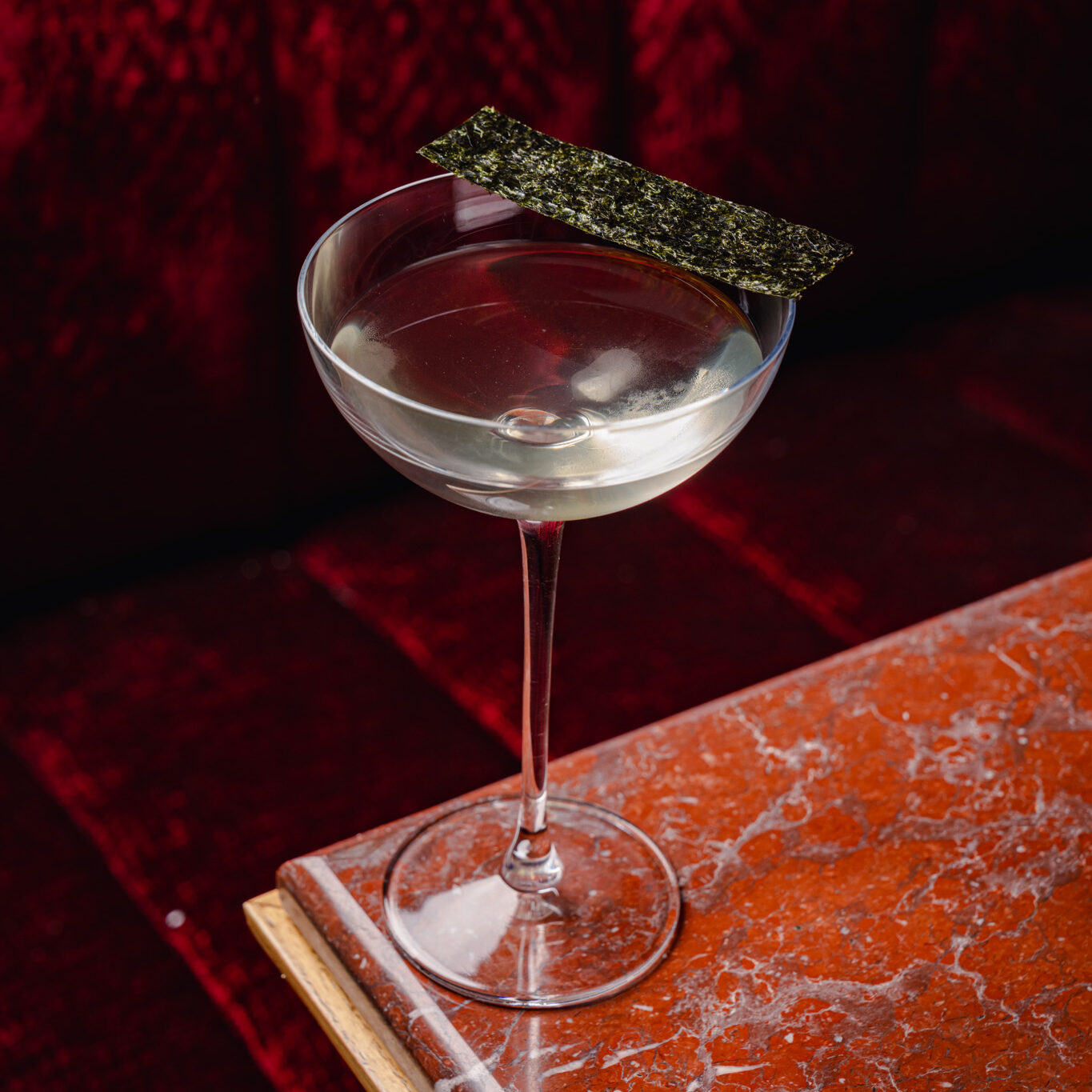
UBA has a smashing Umani cocktail that celebrates clean flavours. A blend of Haku vodka, sake, umami bitters, and a topping of nori is one of those drinks that will have you savouring every sip and really thinking about your cocktail.
where: 61 – 67 Great Eastern Street, London, EC2A 3HU
website: www.ubarestaurant.com
Ekstedt at The Yard
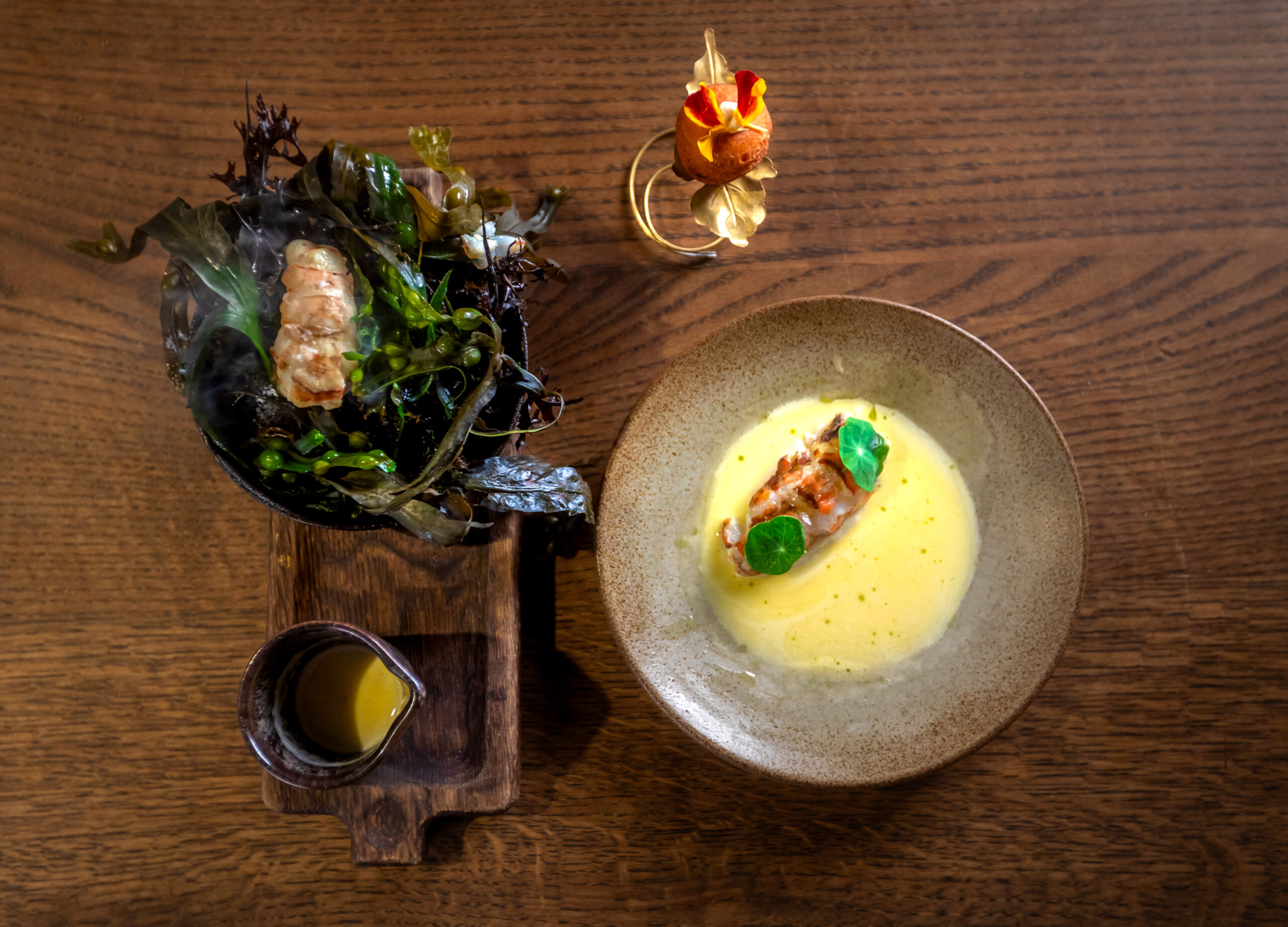
This is a real treat. Ekstedt at The Yard’s seaweed baked langoustine with smoked celeriac is a sparkling dish on their tasting menu that’s a great one to try if you’re beginning to get a taste for seaweed in your diet.
where: 3-5 Great Scotland Yard, London SW1A 2HN
website: www.ekstedtattheyard.com
Sticks’n’Sushi
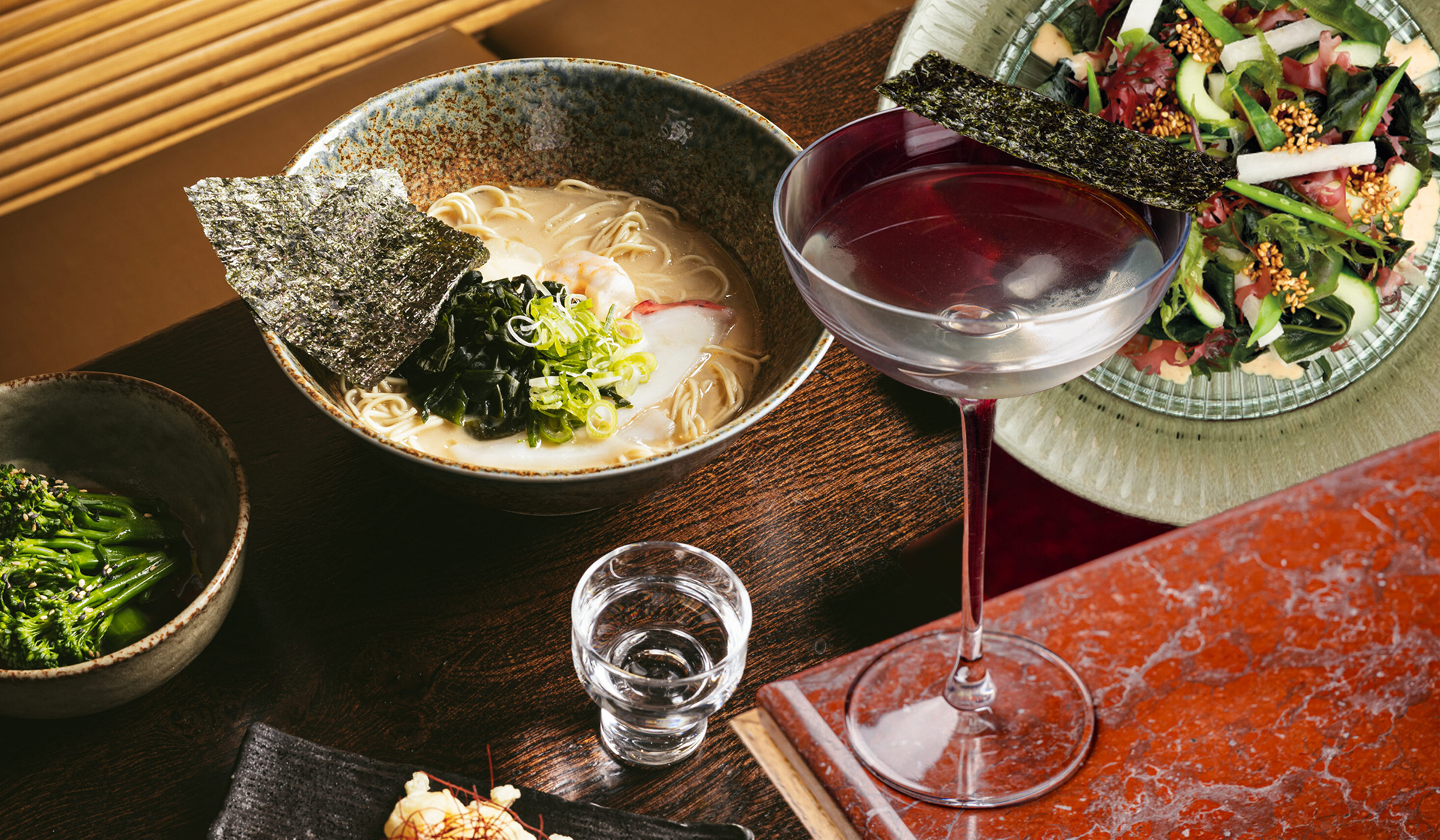
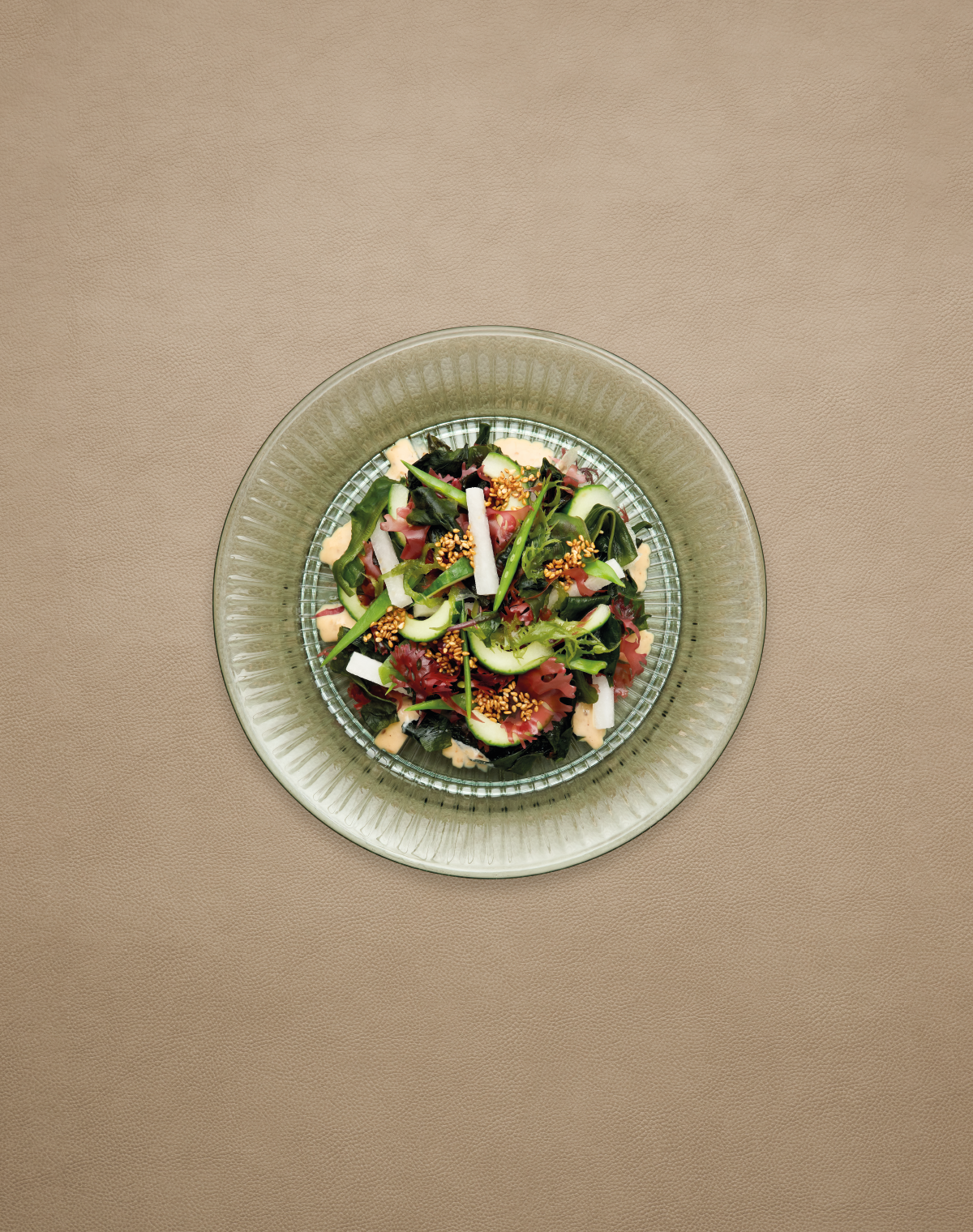
If you’re looking for a way to add some excitement to your ordinary salads – how about adding some seaweed? The salad at Sticks’n’ Sushi is made from seaweed, daikon, snow peas and cucumber with a delicious sesame dressing and makes a fabulous start to your meal or a light main course.
where: across london
website: www.sticksnsushi.com
Miyako
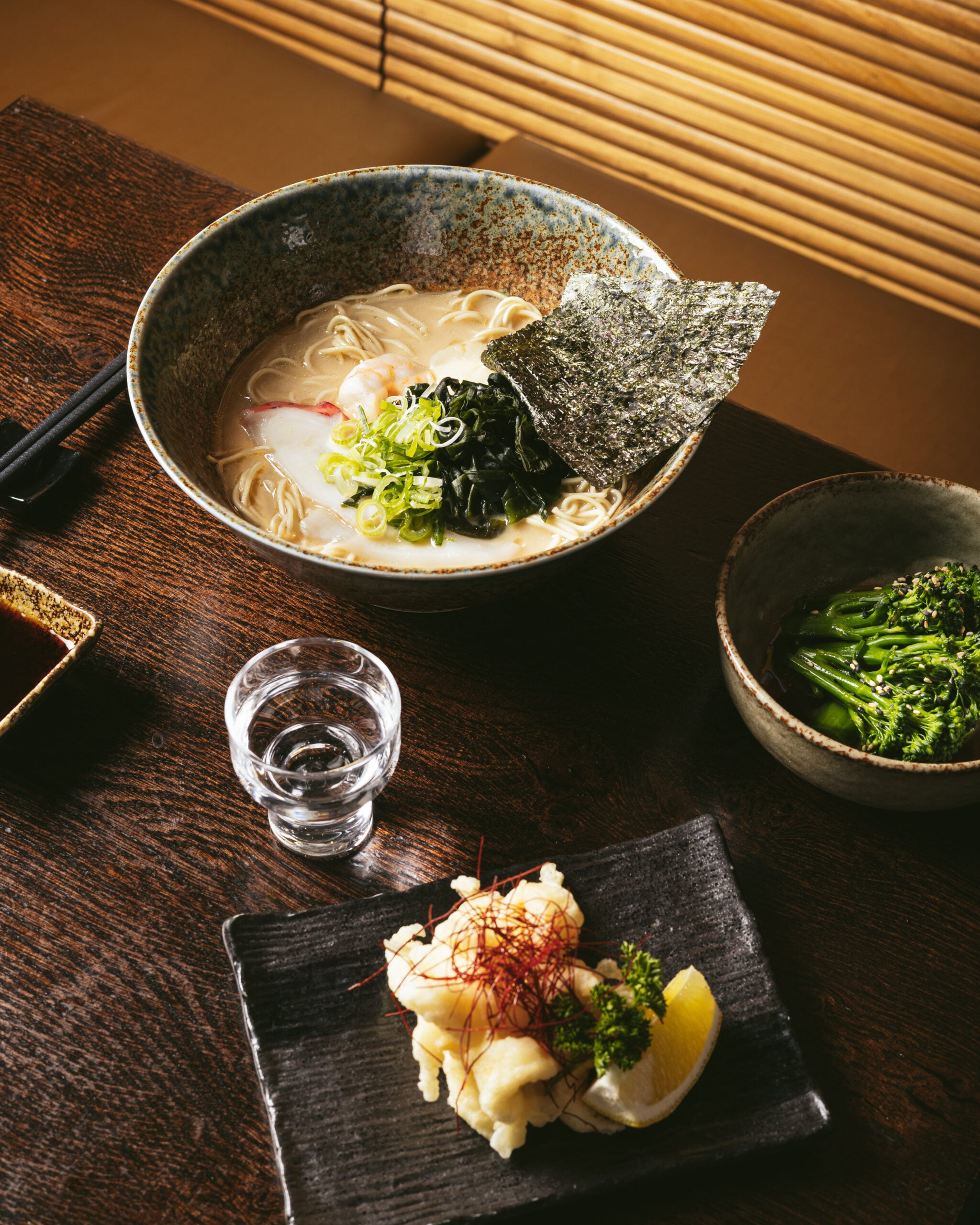
Situated within the Andaz London Liverpool Street Hotel, this Japanese restaurant has plenty of seaweed-infused dishes on the menu. The seafood ramen, which includes prawns, scallops, squid, and octopus and is served with seaweed, is not to be missed.
Where: 40 Liverpool St, London EC2M 7QN, UK
Website: www.hyattrestaurants.com